EduNinja
(a)

The golden mantella, Mantella aurantiaca, is a small terrestrial frog found in Madagascar.
Fig. 1.1 shows a golden mantella.
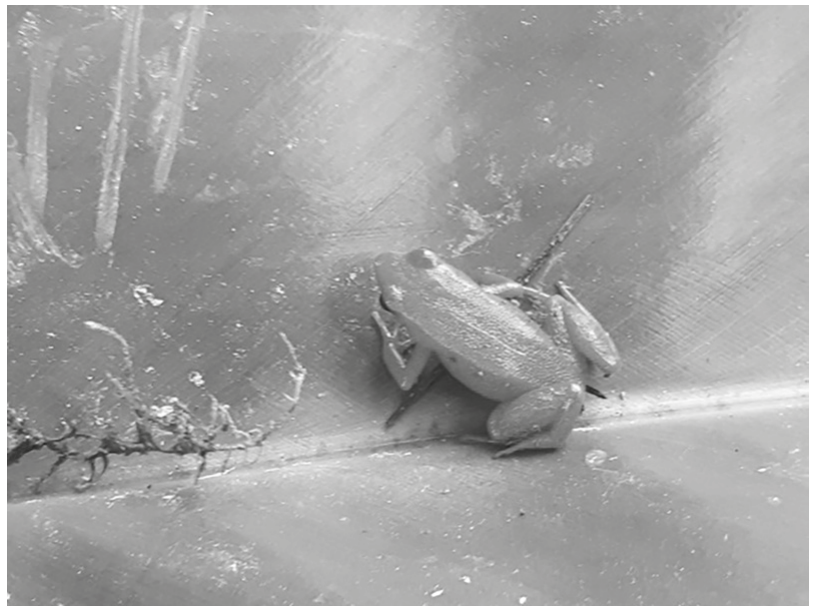
Fig. 1.1

Fig. 1.1

[ 1 ]
(i)

The skin of the golden mantella is brightly coloured and contains a toxin.

Suggest a benefit to the frog of being brightly coloured.

[ 1 ]
[Maximum number: 3]

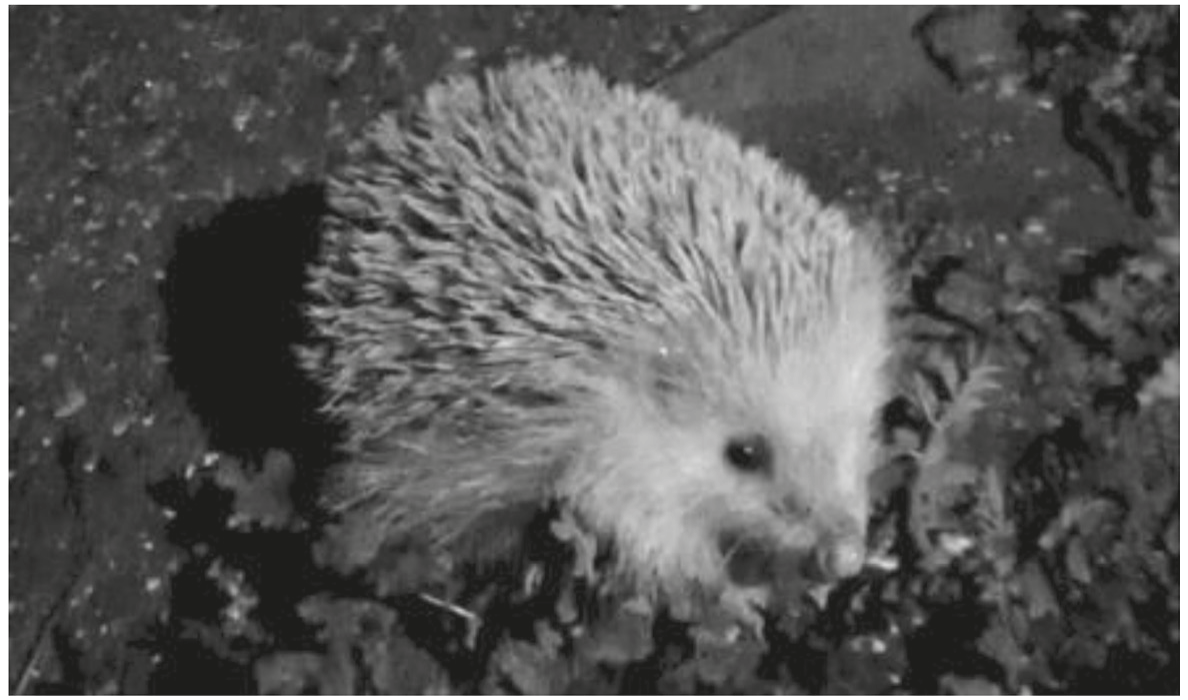
The European hedgehog, Erinaceus europaeus, is a small omnivorous mammal. Its body is covered in spines, which are usually brown. A rare variant, which lacks the brown pigment, has blonde (pale yellow) spines. This characteristic is coded for by a recessive allele.

Fig. 1.1 shows a European hedgehog with blonde spines.

Fig. 1.1

Fig. 1.1

(a)

Alderney is a small island between the UK and France. Hedgehogs were not found on Alderney until the 1960s, when three pairs of hedgehogs were introduced to the island. The hedgehogs started to breed and some of the offspring had blonde spines.

By 2017, the population of hedgehogs, including individuals with brown spines and individuals with blonde spines, had increased to approximately 600.

[ 3 ]
(i)

A survey taken in 2017 showed that 60 % of the hedgehogs on Alderney had blonde spines.

Suggest and explain reasons why the proportion of hedgehogs with blonde spines was so high.

[ 3 ]
(a)

The European eel, Anguilla anguilla, is a fish. The sizes of eel populations tend to remain relatively stable despite eels producing large numbers of offspring.

Suggest two reasons why the population sizes of eels tend to remain relatively stable.

[ 2 ]
(b)

The generation time of a species is the mean (average) time from one generation (parents) to the next generation (offspring). For example, the generation time of humans is about 25 years.

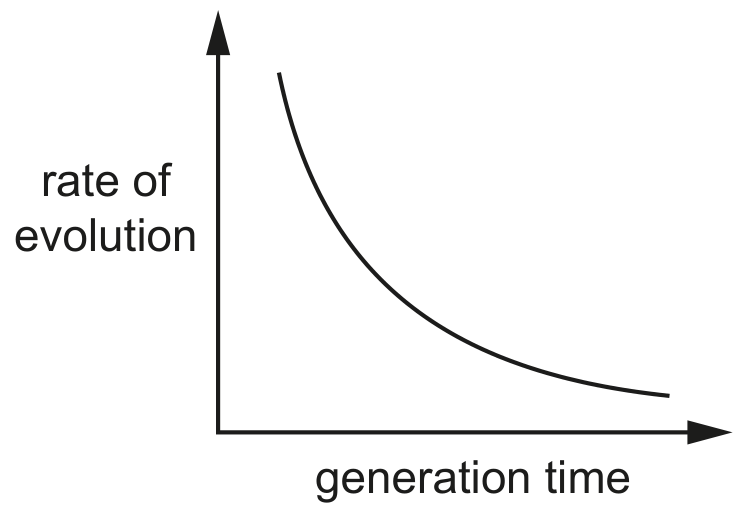
Fig. 1.1 shows a graph of the relationship between the rate of evolution and the generation time for a wide range of different species.

Fig. 1.1

Fig. 1.1

Describe and explain the relationship shown in Fig. 1.1.

[ 3 ]
[Maximum number: 4]

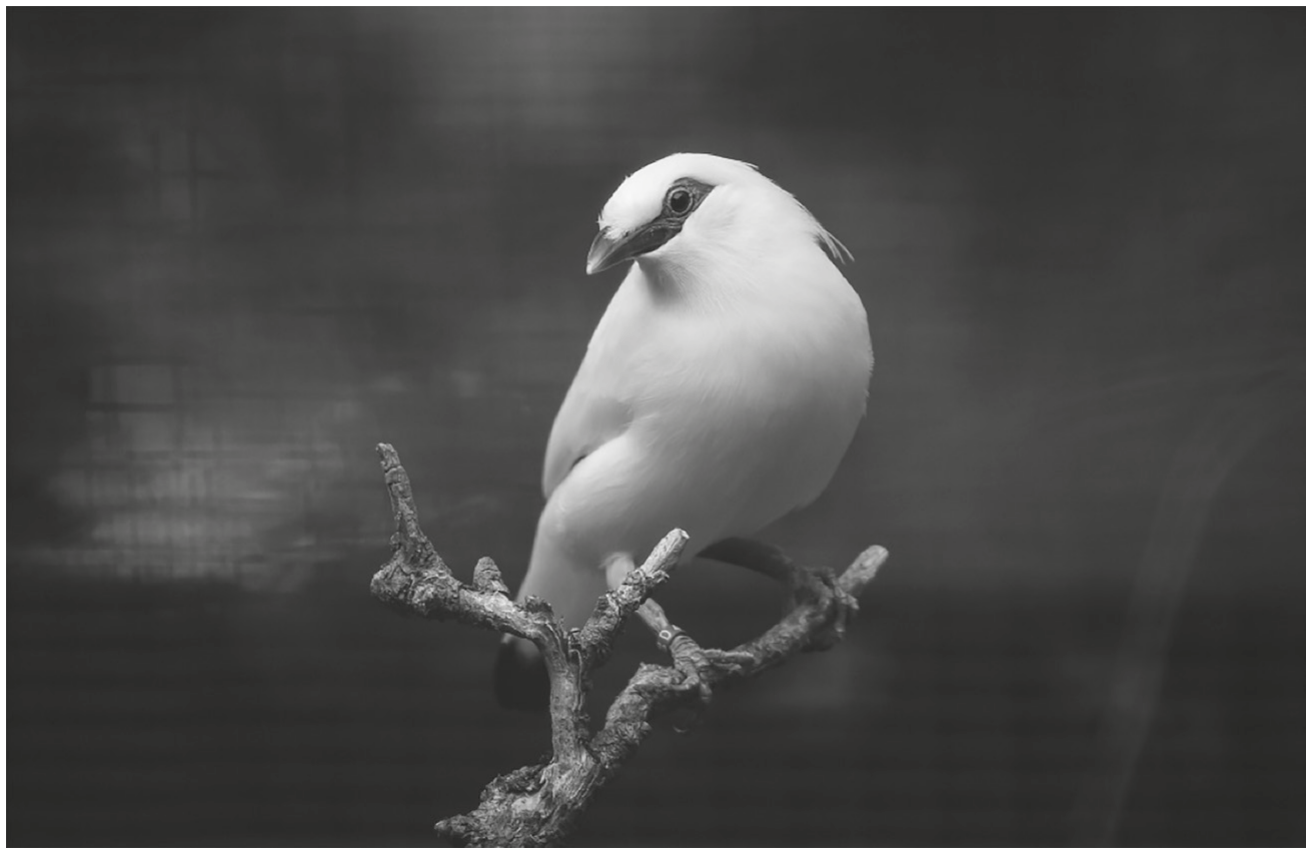
The Bali starling, Leucopsar rothschildi, is found on the island of Bali, Indonesia.
Fig. 1.1 shows a Bali starling.

Fig. 1.1

Fig. 1.1

(a)

Explain the consequences on genetic biodiversity of having a wild population of just six birds.

[ 4 ]
(a)

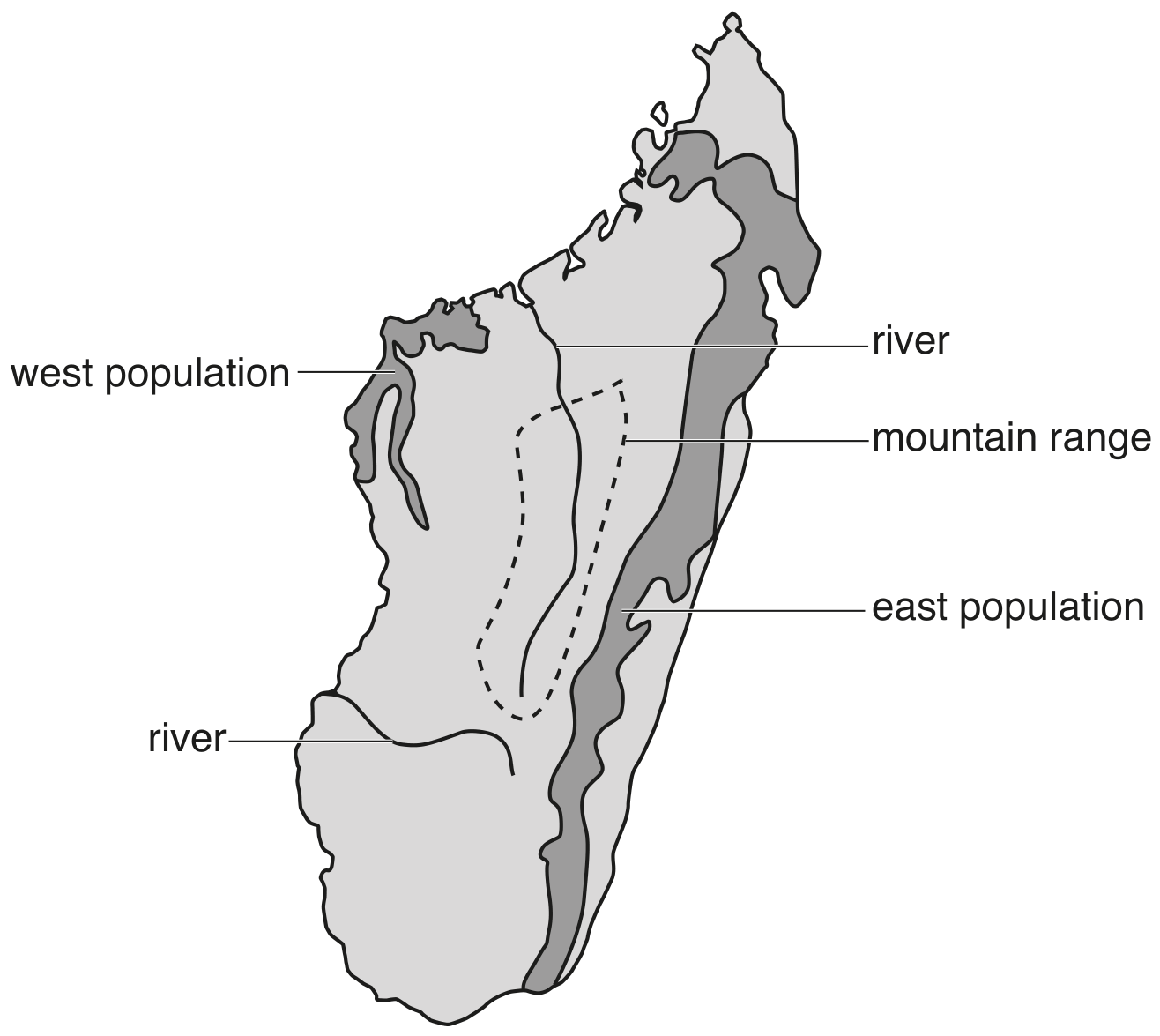
There are two main aye-aye populations on the island of Madagascar, one in the west and one in the east.

Fig. 1.2 is a map of Madagascar showing the location of the two main populations.

Fig. 1.2

Fig. 1.2

A study into the variation in the DNA nucleotide sequence of aye-ayes showed that there is a large genetic difference between the west and east populations. The two populations of aye-ayes may be evolving into separate species.

[ 4 ]
(i)

With reference to Fig. 1.2, suggest why there is a large genetic difference between the two populations.

[ 4 ]
[Maximum number: 5]

Phenylketonuria (PKU) is a genetic disease which results in a raised concentration of the amino acid phenylalanine in the blood. If left untreated in a newborn baby, it can lead to brain damage. For this reason, babies may be tested for PKU soon after birth.

(a)

For some genetic diseases, the proportion of individuals that have the disease can vary in different parts of the world. Sometimes this is due to different environmental conditions. The number of cases of PKU is approximately ten times higher in Europe than in Sub-Saharan Africa.
- Individuals who are carriers of the recessive allele for PKU are more resistant to ochratoxin A, produced by a fungus found on contaminated grain products.
- Ochratoxin A has been linked to a form of renal cancer.
- The fungi that produce ochratoxin A are less common in dry regions such as Sub-Saharan Africa.

Suggest and explain the mechanism which has resulted in the different number of cases of PKU in European and Sub-Saharan populations.

[ 5 ]
(a)

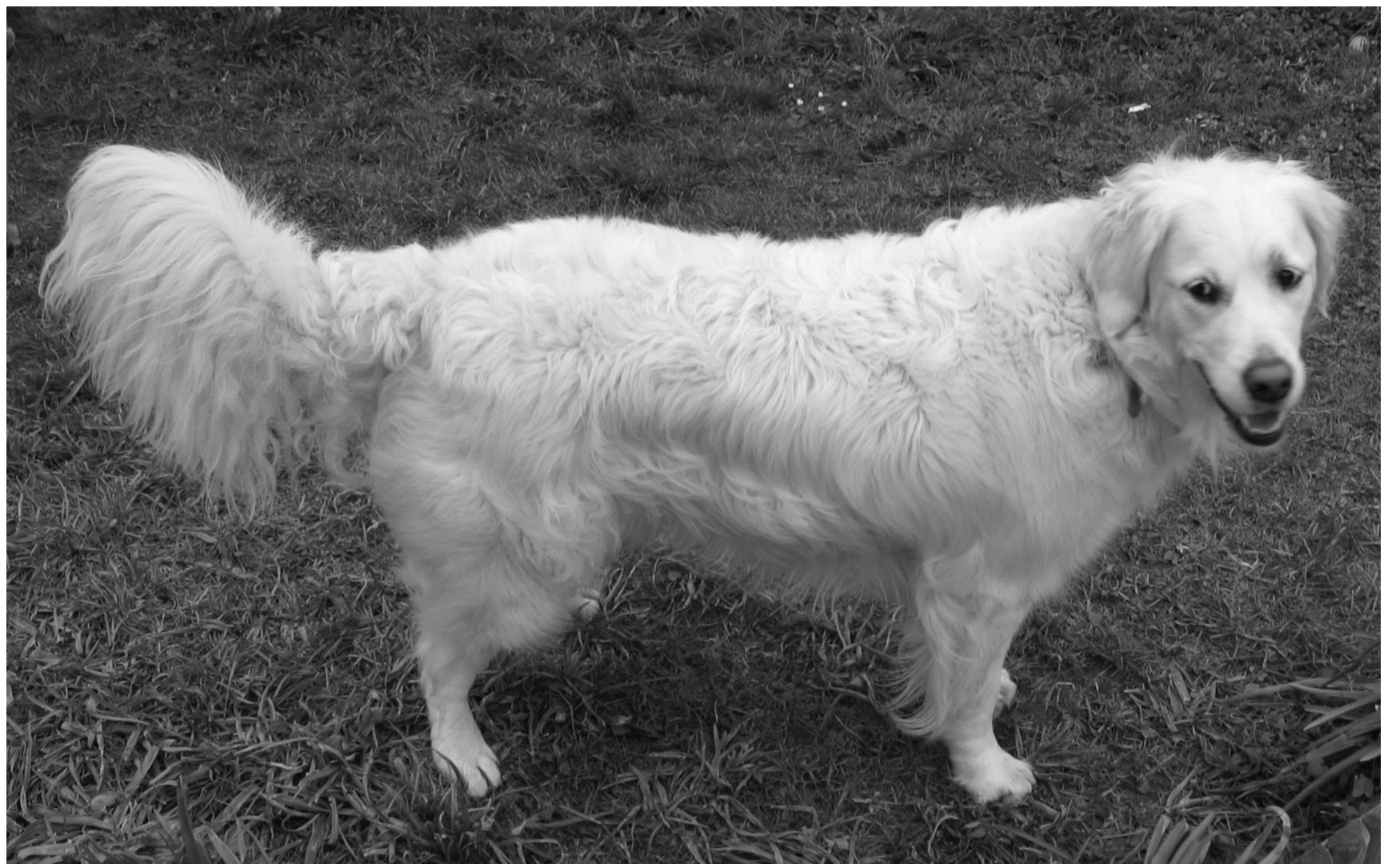
All modern breeds of dog belong to the same species and are thought to have originated from 14 ancient breeds by the process of artificial selection. The golden retriever is a modern breed that is often used as a guide dog for people who are blind or visually impaired.

Fig. 1.1 shows a golden retriever.

Fig. 1.1

Fig. 1.1

Explain how the principles of artificial selection would have been used to produce golden retrievers with the characteristics required for a guide dog.

[ 4 ]
(a)

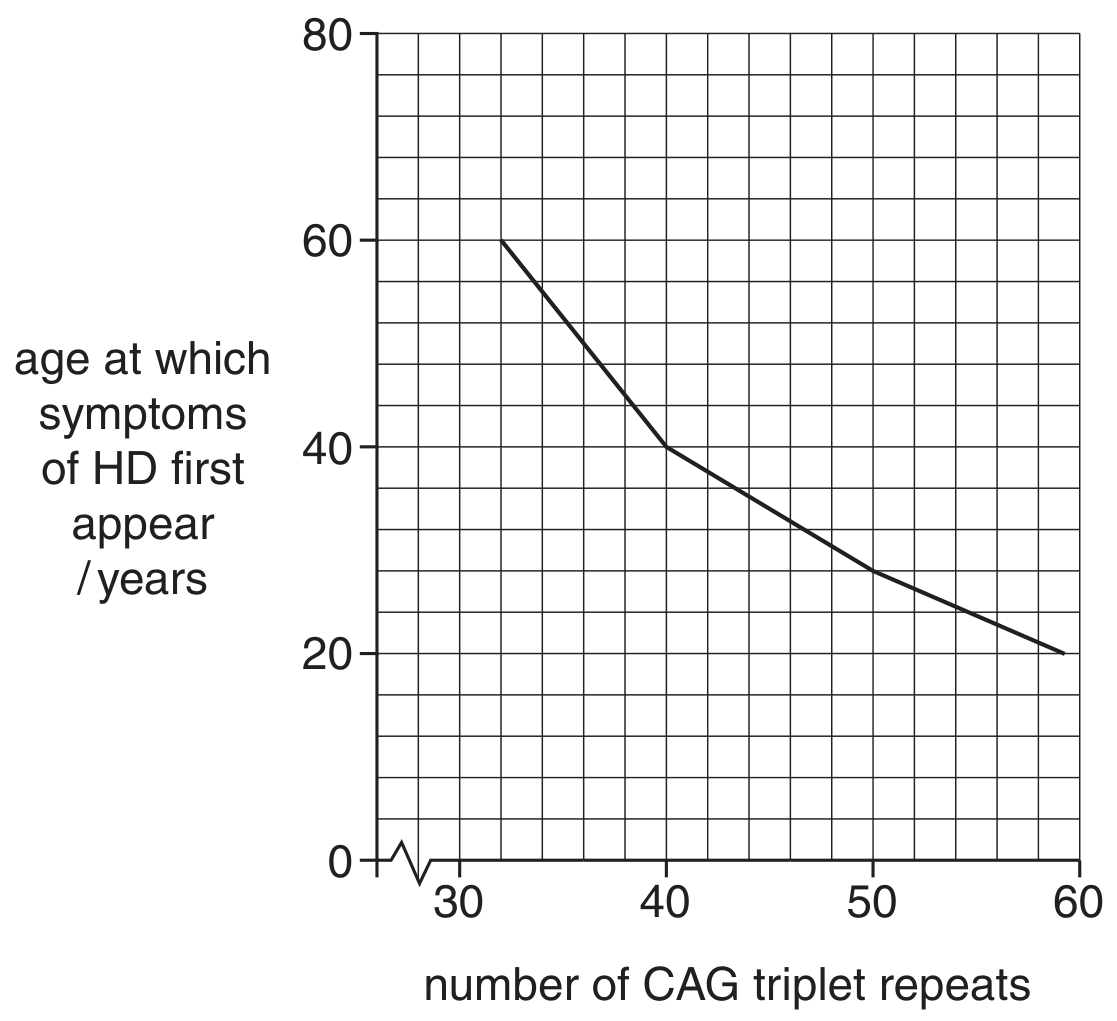
The dominant allele of the huntingtin gene contains many repeats of a triplet sequence of nucleotides, CAG. The age at which symptoms of HD first appear is linked with the number of CAG repeats.

This is shown in Fig. 1.1.

Fig. 1.1

Fig. 1.1

Describe the pattern shown in Fig. 1.1.

[ 2 ]
[Maximum number: 6]

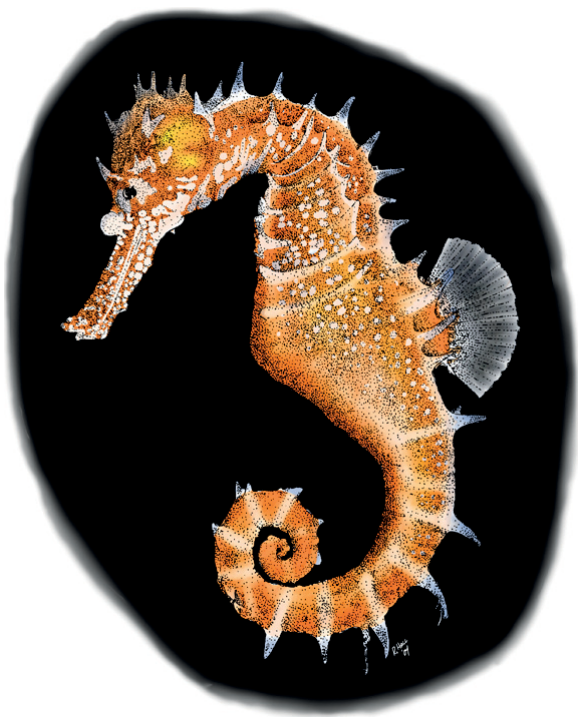
The seahorse, Hippocampus, is an unusual small fish. It gives birth to live young and it is the male rather than the female that becomes pregnant.

Fig. 1.1 shows a seahorse.

Fig. 1.1

Fig. 1.1

(a)

In one species of seahorse, a type of natural selection called disruptive selection occurs. This is where the extreme phenotypes are more likely to survive and reproduce than the intermediate phenotypes.
- Within a population, large females mate with large males and small females mate with small males.
- Few intermediate-sized individuals are produced and they have a low survival rate.

[ 6 ]
(i)

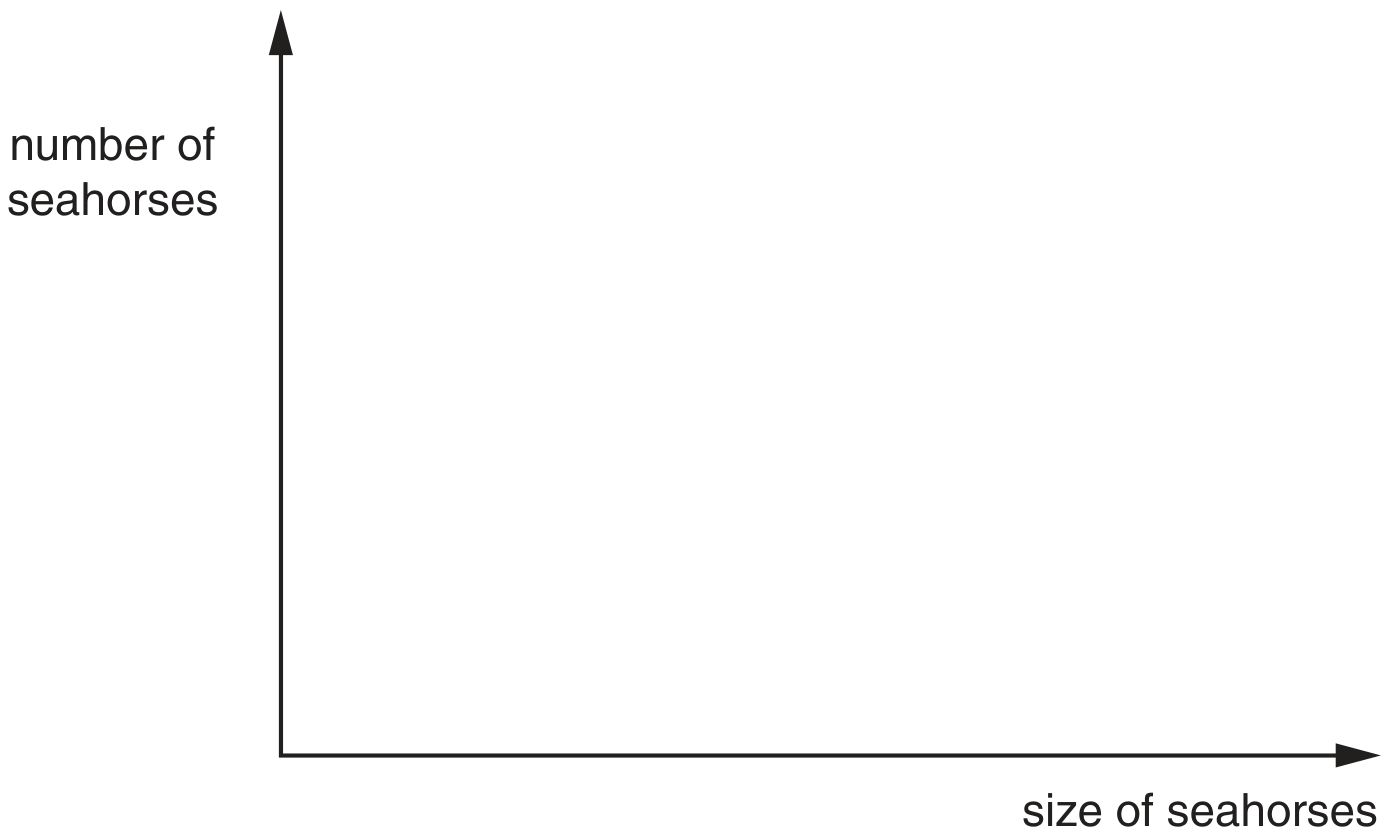
Sketch a graph on the axes below to show the distribution in size of seahorses as a result of disruptive selection.

Question image
[ 2 ]
(ii)

Explain how disruptive selection has been maintained in this species of seahorse.

[ 3 ]
(iii)

State the term given to the type of selection where variation in a characteristic is maintained in its existing form over time.

[ 1 ]
[Maximum number: 2]

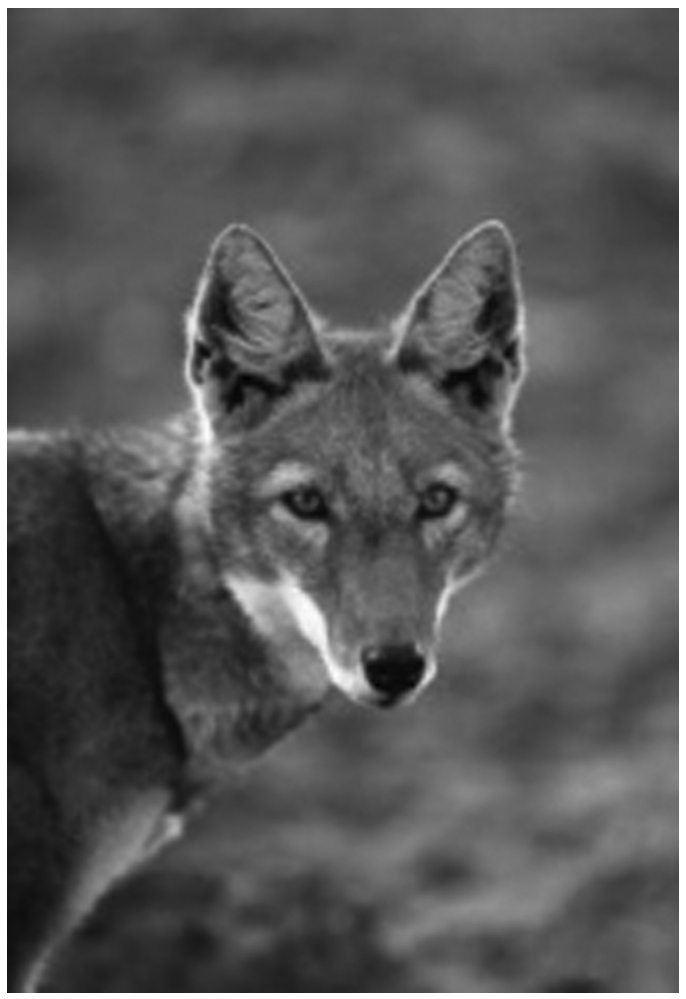
The Ethiopian wolf, Canis simensis, is a member of the Canidae family of carnivores.
Fig. 1.1 shows an Ethiopian wolf.

Fig. 1.1

Fig. 1.1

(a)

A population of Ethiopian wolves is called a pack.

Heterozygosity has been found to be low in all of the packs of Ethiopian wolves that have been studied.

Suggest why the heterozygosity may be low in Ethiopian wolf packs.

[ 2 ]
0