EduNinja
[Maximum number: 9]

Fig. 1.1 and Fig. 1.2 are photomicrographs showing the distribution of tissues in the lungs.
Fig. 1.1 is a photomicrograph of a section through part of the lungs.
Fig. 1.2 is a high-power view of the area indicated on Fig. 1.1.
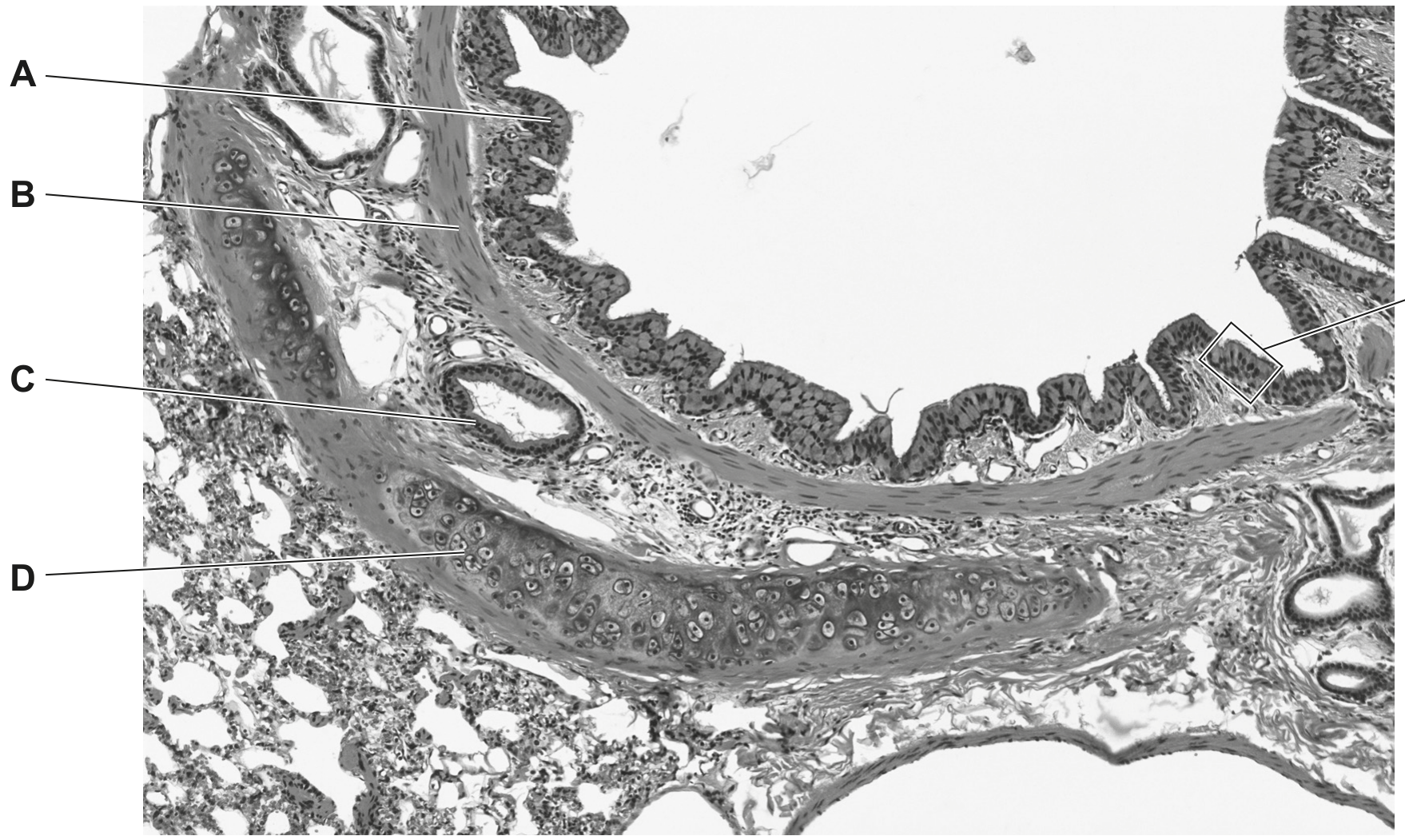
Fig. 1.1

Fig. 1.1

section enlarged in Fig. 1.2
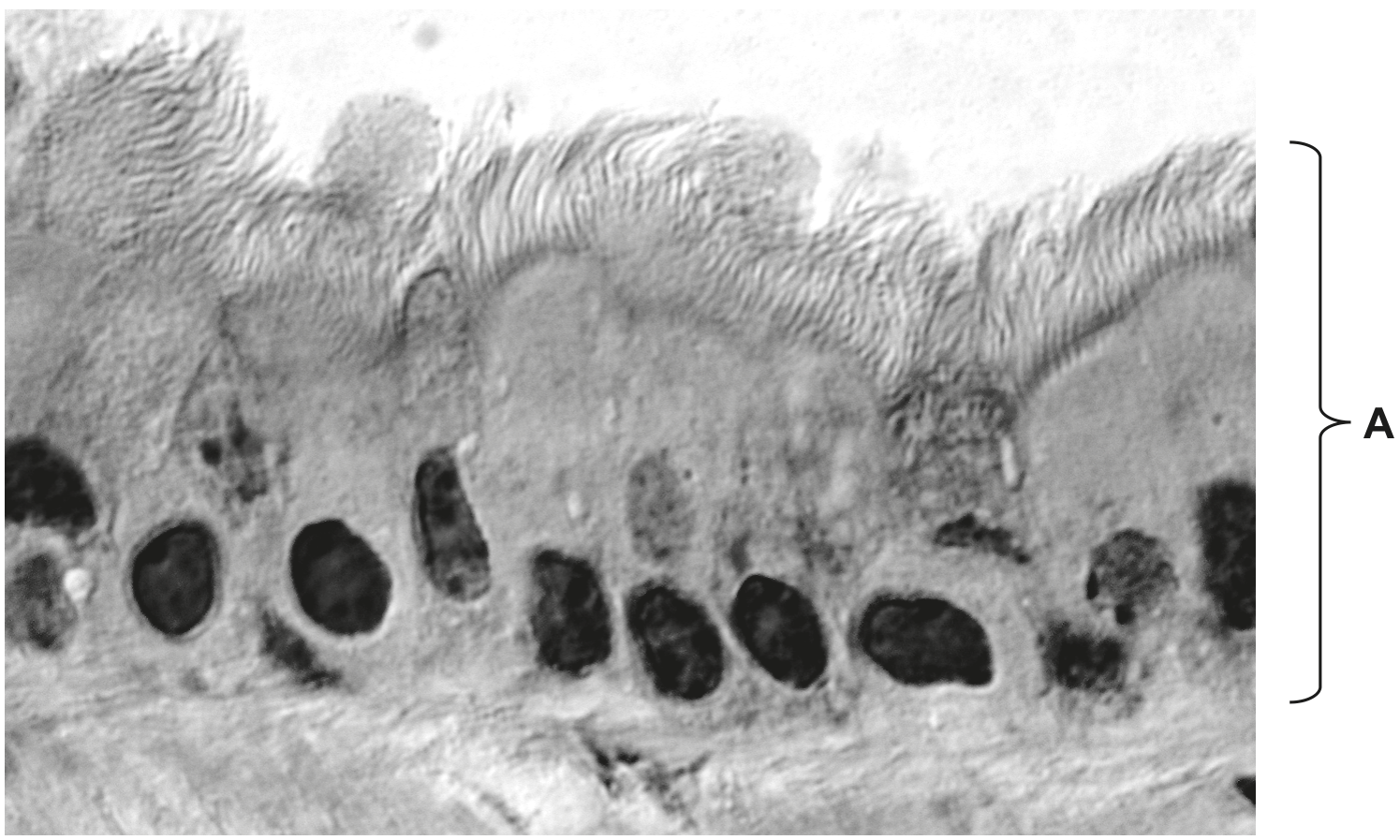
Fig. 1.2

Fig. 1.2

(a)

Hyperventilation occurs when a person breathes too fast or too deeply.

The effects of hyperventilation are:
- a decrease in the partial pressure of carbon dioxide in alveolar air
- an increase in the pH of the blood.

Fig. 1.3 shows the change in the oxygen dissociation curve as a result of hyperventilation.
percentage saturation of haemoglobin with oxygen
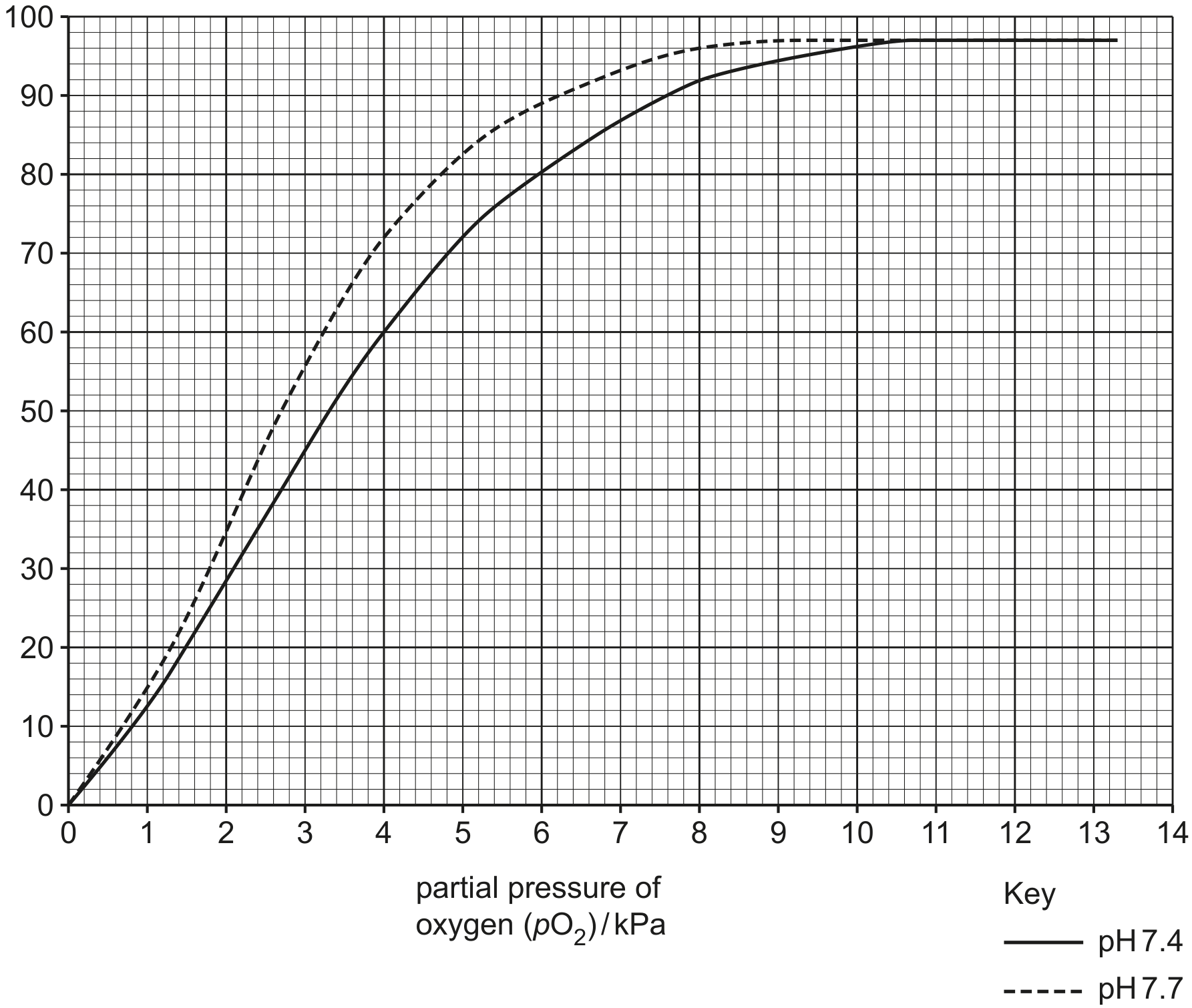
Fig. 1.3

Fig. 1.3

[ 3 ]
(i)

State the percentage saturation of haemoglobin at a pO2\mathrm{pO}_{2} of 4.0 kPa .
pH=7.7 kPa
pH=7.4 kPa
[Maximum number: 3]

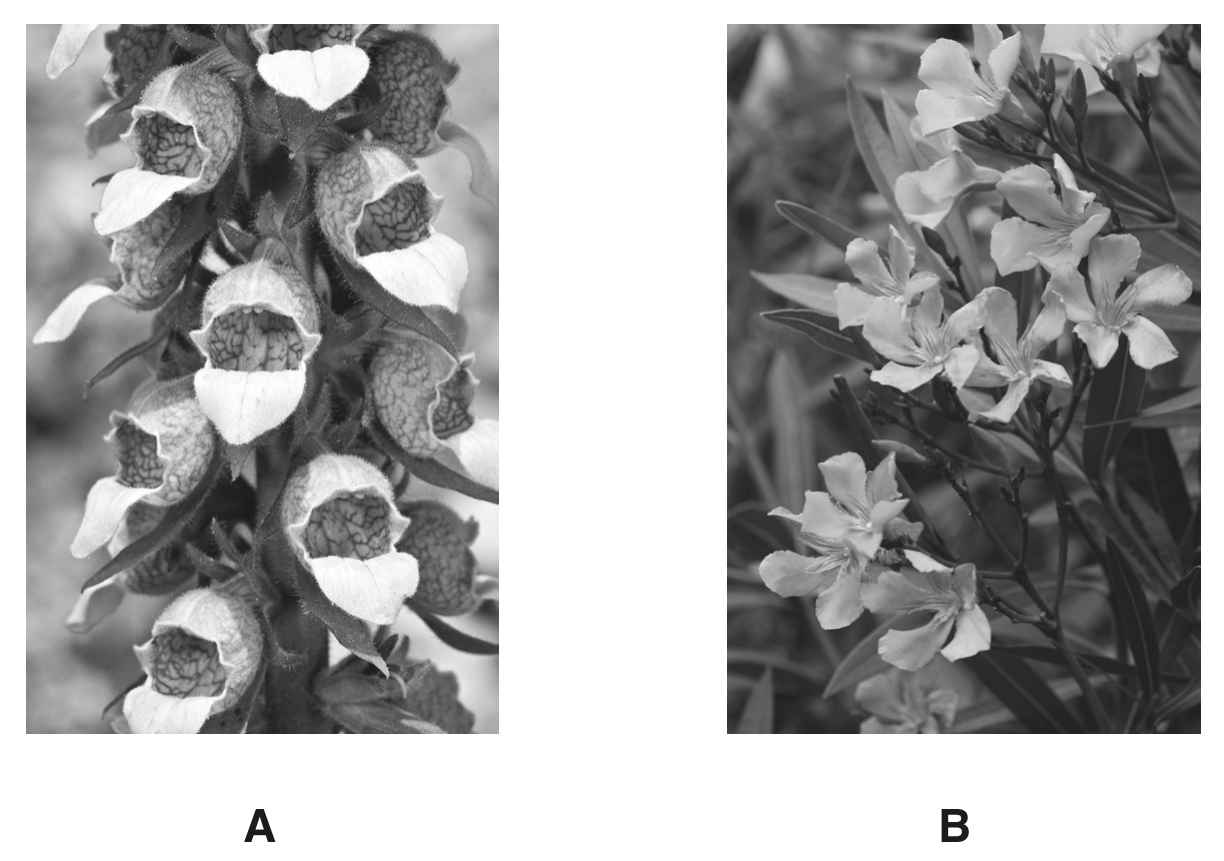
Woolly foxglove, Digitalis lanata, shown in Fig. 2.1A, and common oleander, Nerium oleander, shown in Fig. 2.1B, are plants grown for the attractive flowers that they produce.

Both plants are poisonous, as their leaves produce toxic organic compounds known as cardiac glycosides. Cardiac glycosides have a powerful effect on the action of cardiac muscle.

Fig. 2.1

Fig. 2.1

(a)

Digoxin, a cardiac glycoside extracted from D. lanata leaves, can be purified and used as a drug to treat some heart disorders.

Examples of these heart disorders are:
- atrial fibrillation, where the normal rhythmic cardiac cycle is disrupted
- heart failure, where cardiac muscle is contracting weakly.

[ 3 ]
(i)

Suggest how the health of a person with heart failure can be improved by treatment with the drug digoxin.

[ 3 ]
[Maximum number: 6]

Mammoths are extinct mammals related to elephants. About three million years ago, the ancestors of mammoths migrated from Africa into Europe and Asia. There, about 1.7 million years ago, the steppe mammoth evolved and became adapted to the cooler conditions. Then, about 700000 years ago, as the climate changed and the Arctic became much colder, the woolly mammoth evolved.

Woolly mammoths showed a number of obvious adaptations to reduce heat loss, including thick fur, small ears and small tails.

(a)

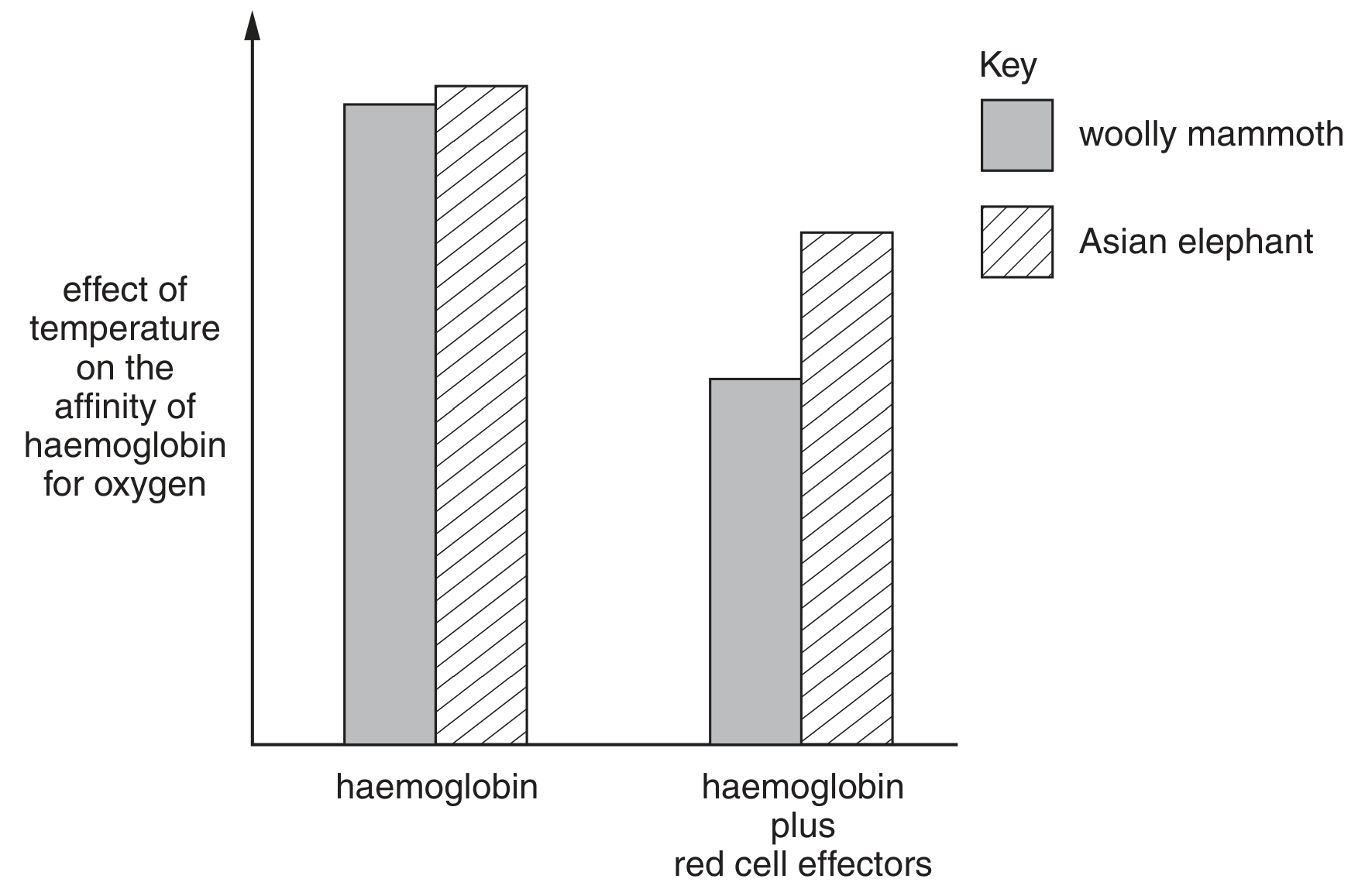
Scientists synthesised woolly mammoth haemoglobin in order to investigate whether or not the different haemoglobin was part of the mammoth's adaptation to a cold climate.

The affinity of haemoglobin for oxygen is affected by the changes in temperature that can occur in mammals, for example in active muscle tissue or close to the skin surface.

It is advantageous for Arctic mammals to have haemoglobin whose affinity for oxygen is only slightly affected by changes in temperature. This is often achieved by using substances called 'red cell effectors', which bind to haemoglobin.

Fig. 2.1 compares the effect of temperature on the affinity for oxygen of woolly mammoth and Asian elephant haemoglobin, with and without red cell effectors.

Fig. 2.1

Fig. 2.1

[ 6 ]
(i)

Suggest why it is advantageous for Arctic mammals to have haemoglobin whose affinity for oxygen is only slightly affected by changes in temperature.

[ 2 ]
(ii)

Explain whether or not Fig. 2.1 provides evidence that woolly mammoth haemoglobin is better adapted for a cold climate than Asian elephant haemoglobin.

[ 4 ]
(a)

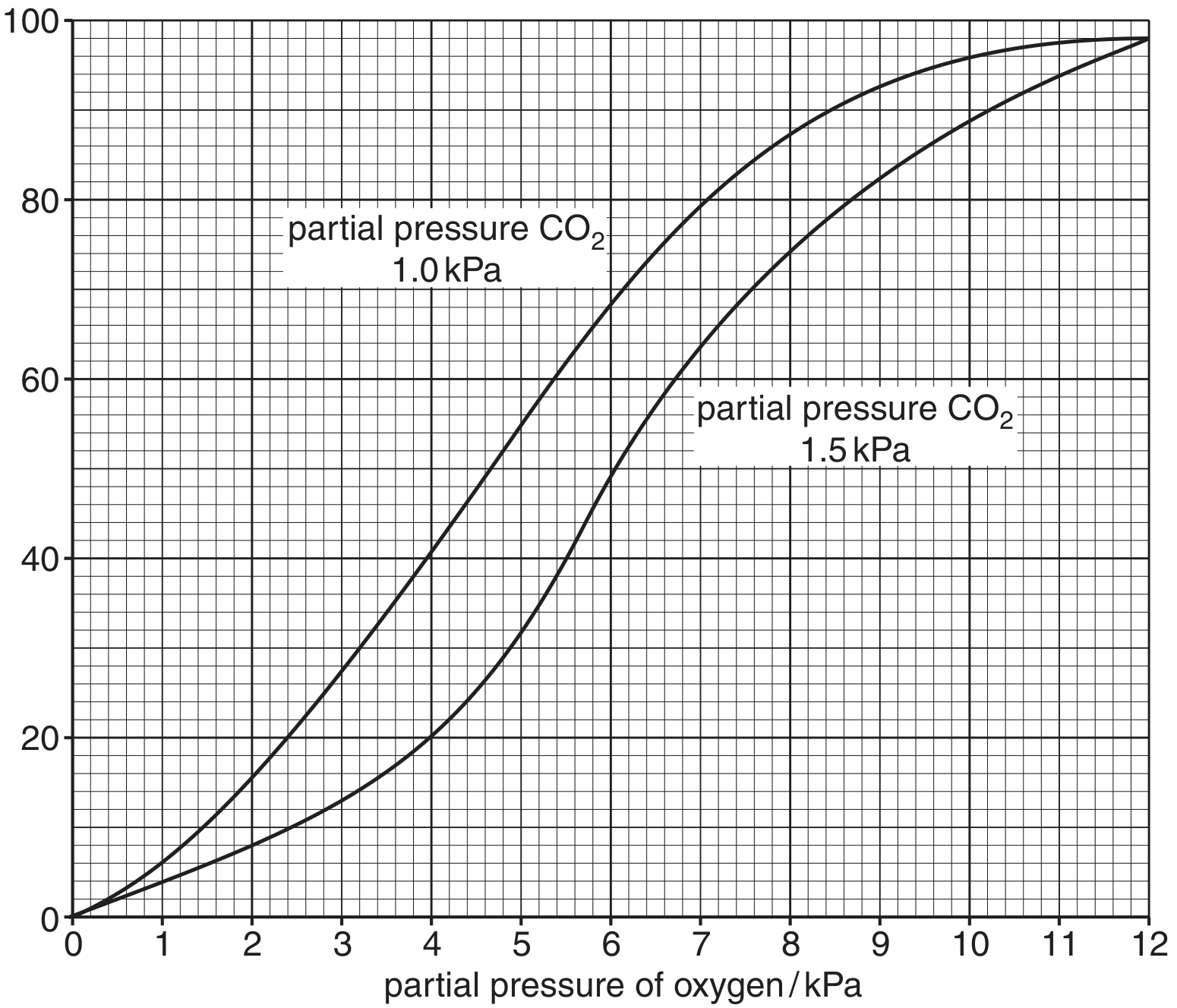
Fig. 2.2 shows the effect of increasing the carbon dioxide concentration on the oxygen haemoglobin dissociation curve.
percentage saturation of haemoglobin with oxygen

Fig. 2.2

Fig. 2.2

[ 1 ]
(i)

State the percentage saturation of haemoglobin with oxygen at a partial pressure of 5 kPa of oxygen when the partial pressure of carbon dioxide is:
1.0 kPa
1.5 kPa

[ 1 ]
[Maximum number: 4]

Erythropoietin, also known as EPO, is a large glycoprotein synthesised by specialised cells in the kidney. These cells are very sensitive to changes in oxygen concentration in the blood passing through the kidney and respond to a low oxygen concentration by increasing the synthesis of EPO.

EPO acts at the surface of particular target cells, such as cells in the bone marrow. These bone marrow cells are stimulated to produce red blood cells.

(a)

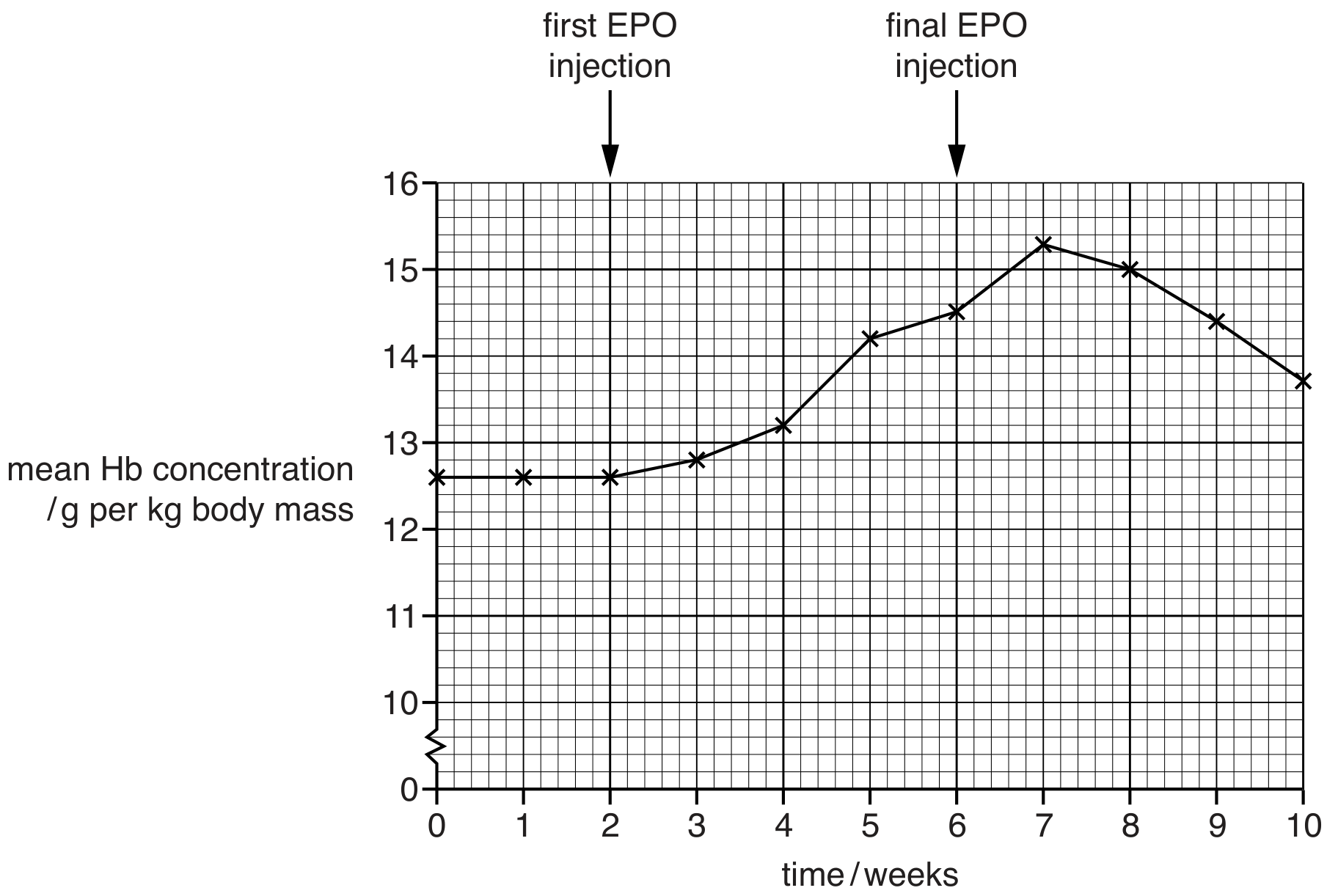
As part of an investigation into the body's response to EPO, a group of healthy young men were given injections of EPO every day for four weeks.

The haemoglobin (Hb) concentration for each subject was measured at the start of the investigation and then at intervals of one week for the next ten weeks. The first measurement was taken two weeks before the first EPO injection was given.

Fig. 3.1 shows the mean results for the subjects.

Fig. 3.1

Fig. 3.1

Describe the results shown in Fig. 3.1 and suggest explanations for these results.

[ 4 ]
[Maximum number: 3]

During one cardiac cycle:
- blood enters the heart from the lungs and from the rest of the body
- blood leaves the heart to be transported to the lungs and to the rest of the body.

(a)

Fig. 3.2 shows the oxygen dissociation curve for adult haemoglobin in a person who does not have sickle cell anaemia.

Fig. 3.2

Fig. 3.2

Compared to Fig. 3.2, the oxygen dissociation curve for adult haemoglobin in a person with sickle cell anaemia is shifted to the right.

The uptake of oxygen by haemoglobin in the lungs and the release of oxygen by haemoglobin in respiring tissues is different in a person with sickle cell anaemia compared with a person who does not have the disease.

With reference to Fig. 3.2, state and explain these differences.
uptake of oxygen
release of oxygen

[ 3 ]
[Maximum number: 2]

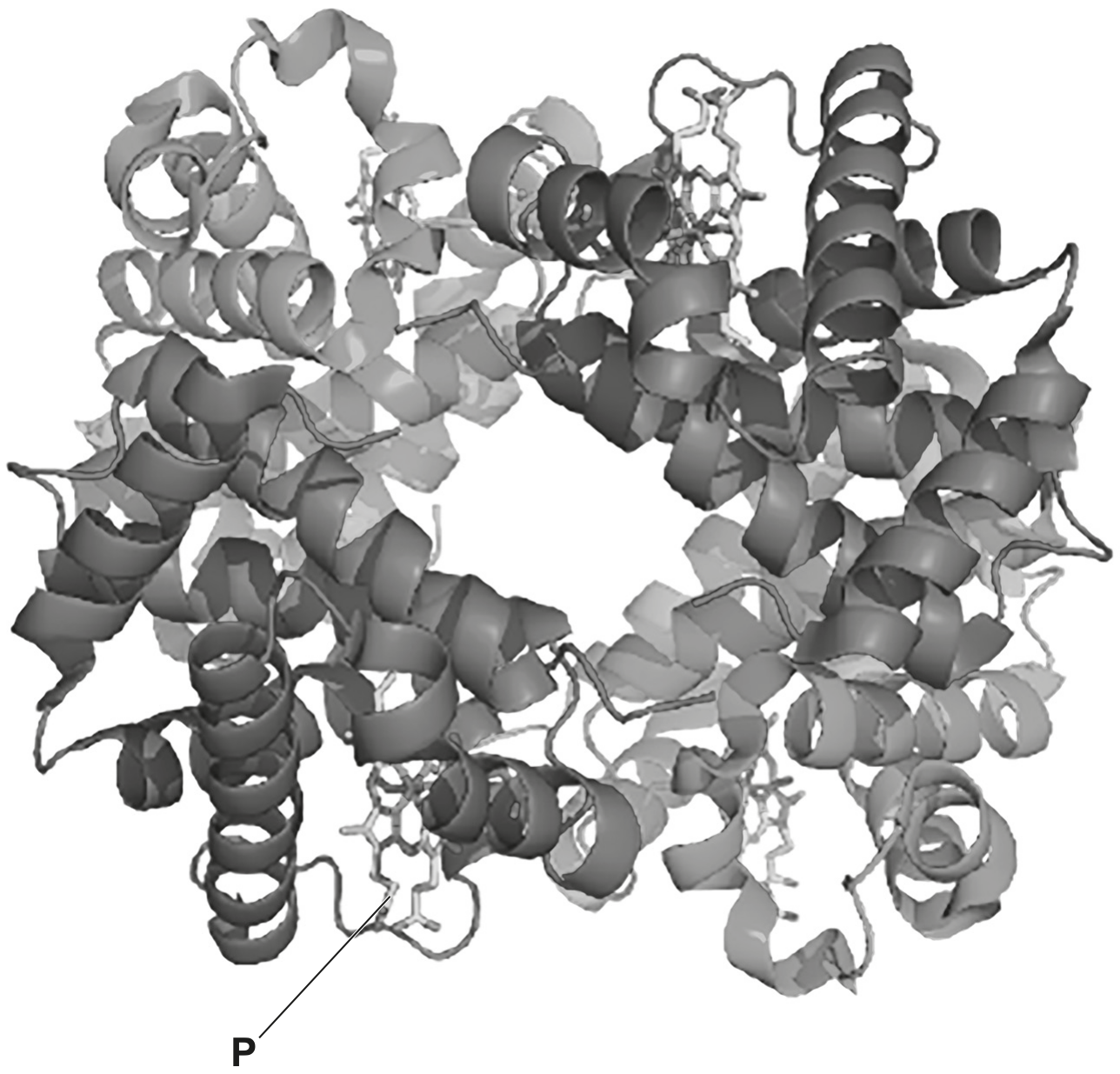
Haemoglobin is a complex protein molecule made of four separate subunits, as shown in Fig. 3.1.

Fig. 3.1

Fig. 3.1

(a)

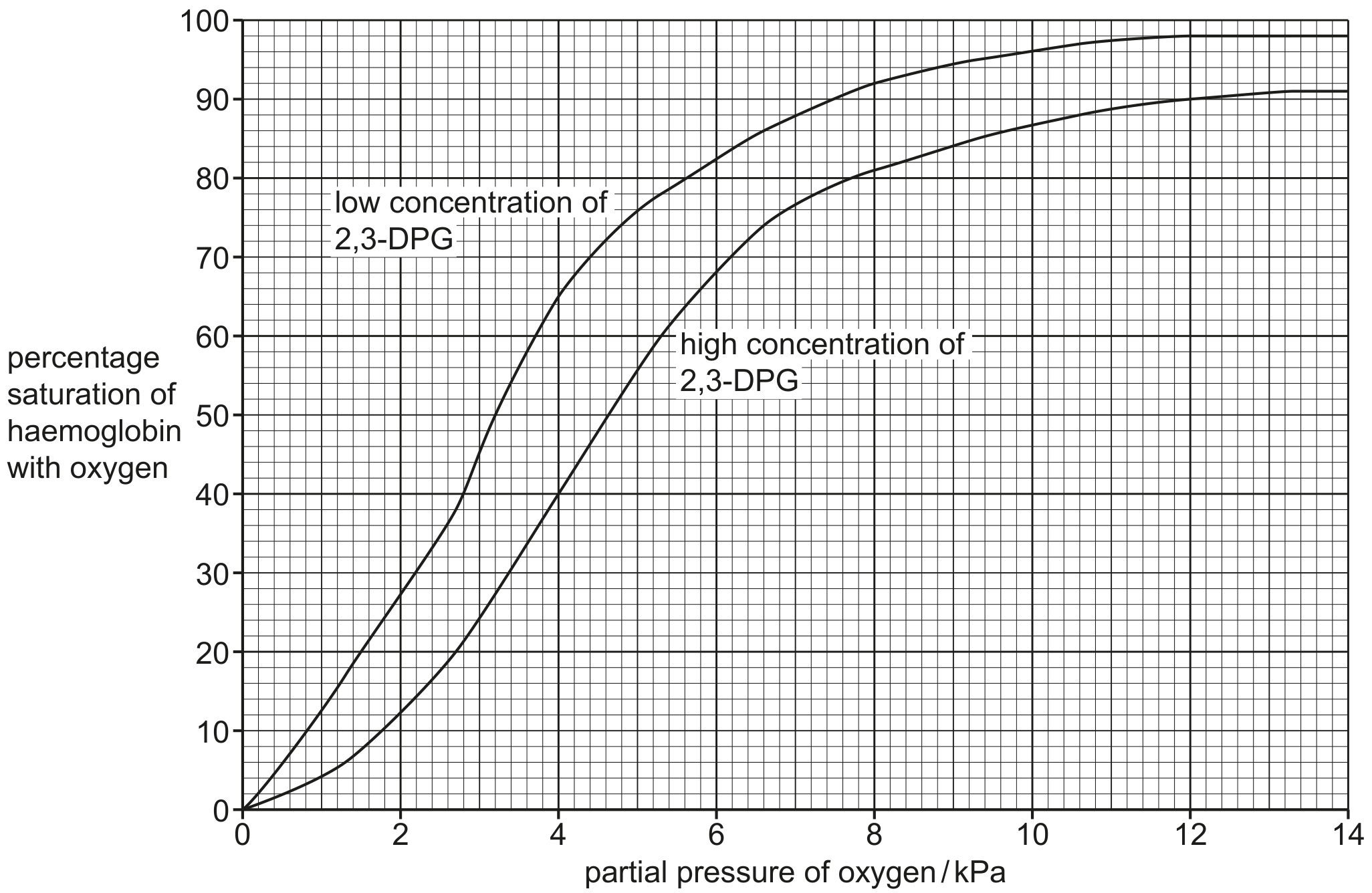
The compound 2,3-diphosphoglycerate (2,3-DPG) is produced in red blood cells. 2,3-DPG binds to haemoglobin and stabilises it.

Fig. 3.2 shows oxygen dissociation curves when red blood cells have high and low concentrations of 2,3-DPG.

Fig. 3.2

Fig. 3.2

P50\mathrm{P}_{50} is the partial pressure of oxygen when haemoglobin is 50 % saturated. The P50\mathrm{P}_{50} is used to compare the affinity of haemoglobin for oxygen under different conditions.

[ 2 ]
(i)

Use the information in Fig. 3.2 to describe the effect of an increase in the concentration of 2,3-DPG on the oxygen dissociation curve.

[ 2 ]
[Maximum number: 2]

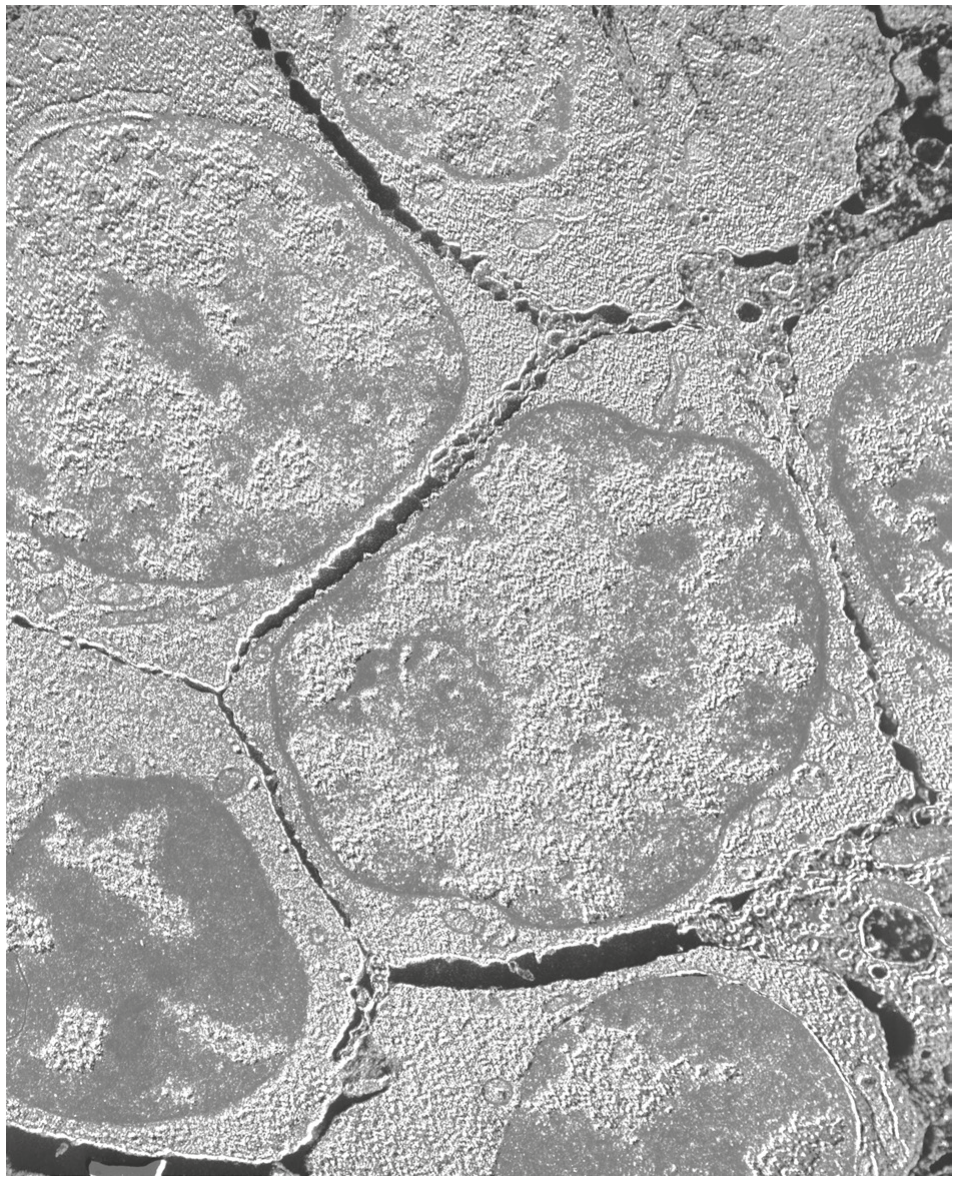
A red blood cell goes through a number of stages in the bone marrow before it is released into the circulation to carry out its role of oxygen transport.

Fig. 3.1 is a transmission electron micrograph of developing red blood cells in the bone marrow. Each cell is known as an erythroblast.

Fig. 3.1

Fig. 3.1

(a)

Suggest why a person with spherocytosis type 2 has a reduced ability to take up oxygen in the pulmonary capillaries compared with a person who has normal red blood cells.

[ 2 ]
[Maximum number: 3]

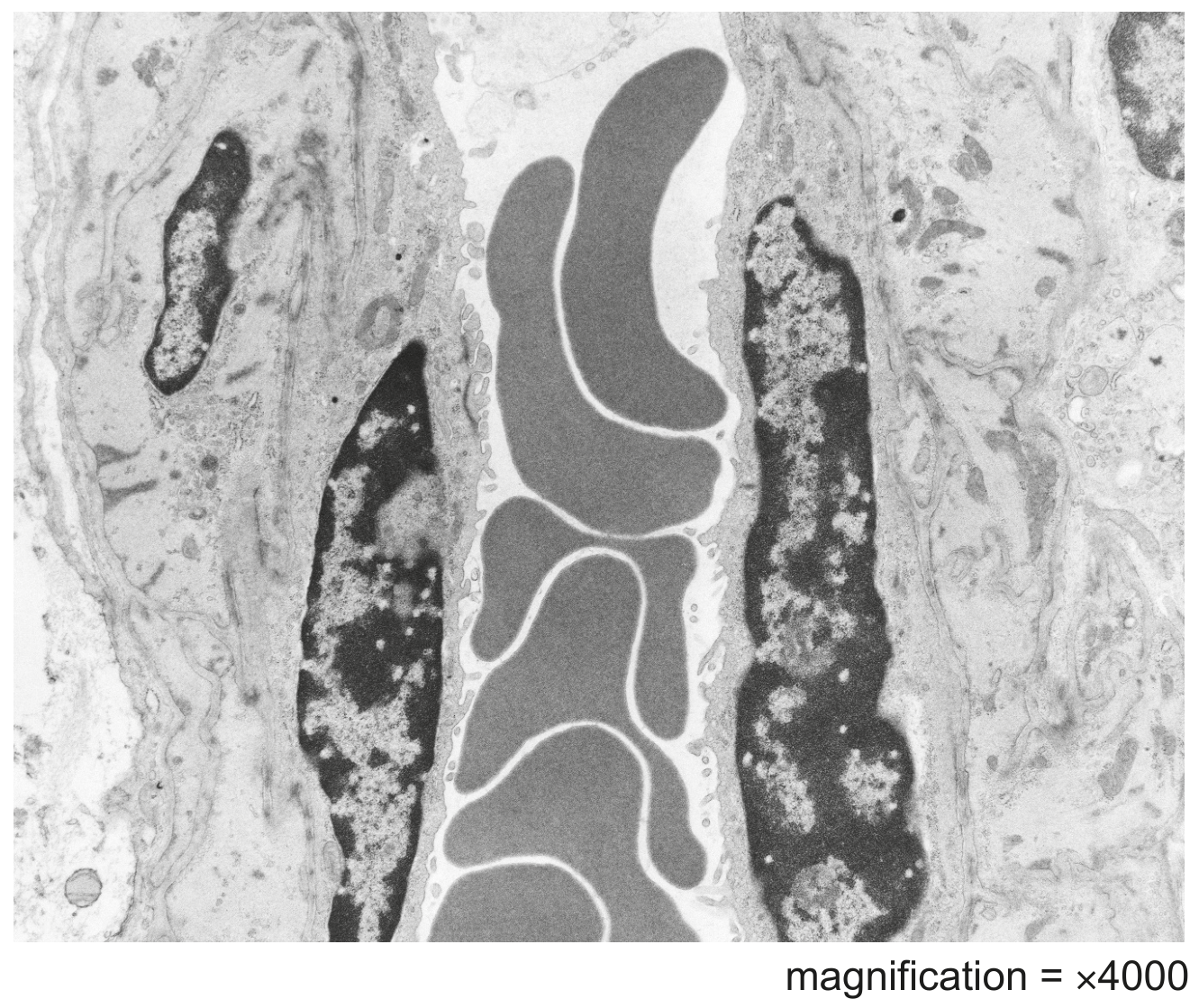
Fig. 3.1 is a transmission electron micrograph showing red blood cells in a capillary of a healthy adult.

Fig. 3.1

Fig. 3.1

(a)

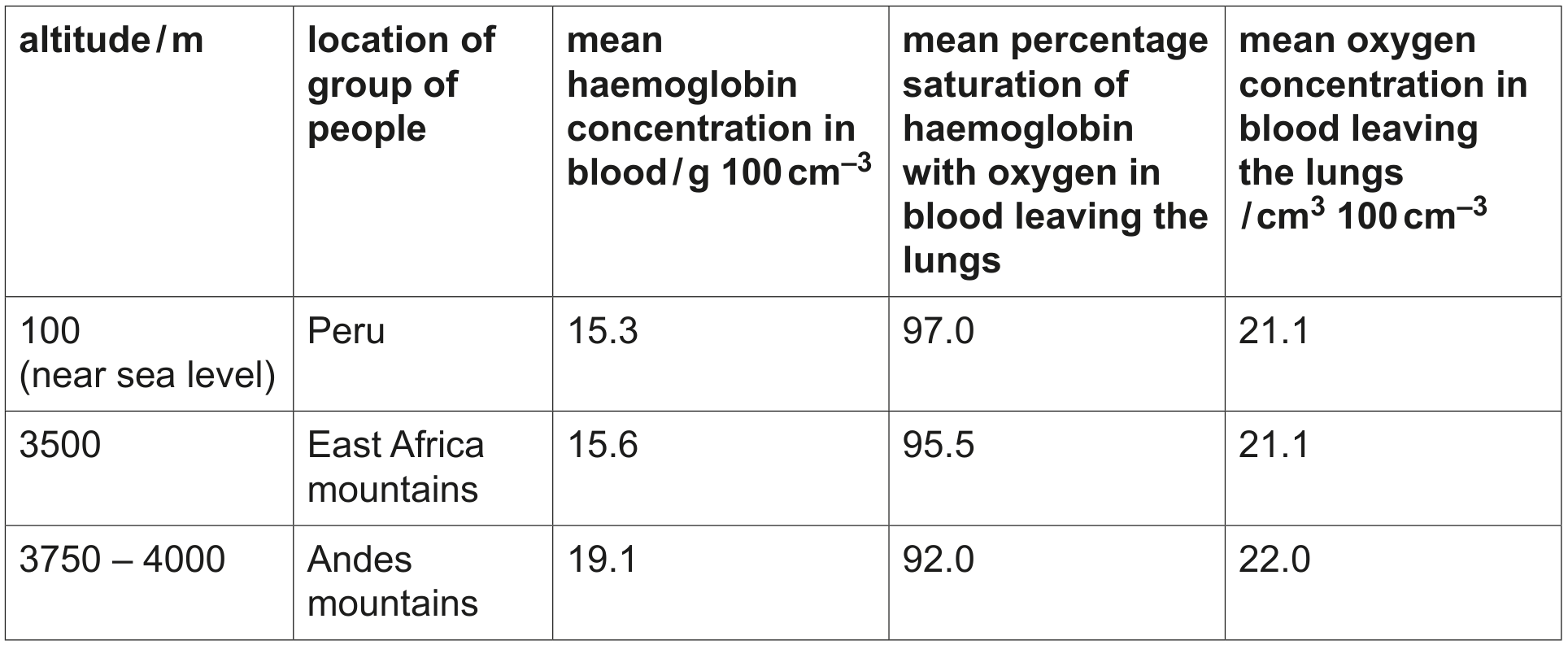
Scientists compared features of the physiology of three groups of people who live at different altitudes. These people were selected from populations that have lived at these altitudes for many thousands of years.

The scientists took blood samples from people in each location and measured:
- the concentration of haemoglobin in the blood
- the percentage saturation of haemoglobin with oxygen in blood leaving the lungs
- the oxygen concentration in the blood leaving the lungs.

The results are shown in Table 3.1.

Table 3.1

Table 3.1

[ 3 ]
(i)

Describe the changes in mean percentage saturation of haemoglobin with oxygen and the mean haemoglobin concentration in blood as altitude increases.

[ 3 ]
[Maximum number: 5]

In mammals, oxygen is transported by red blood cells in a system that is described as a closed double circulation. The majority of oxygen molecules are transported as oxyhaemoglobin. At the respiring tissues, oxygen dissociates from haemoglobin and diffuses to the surrounding cells.

(a)

At high altitudes, the partial pressure of inspired oxygen is considerably lower than at sea level. This means that the partial pressure of oxygen in the blood is also much lower at high altitudes than at sea level.

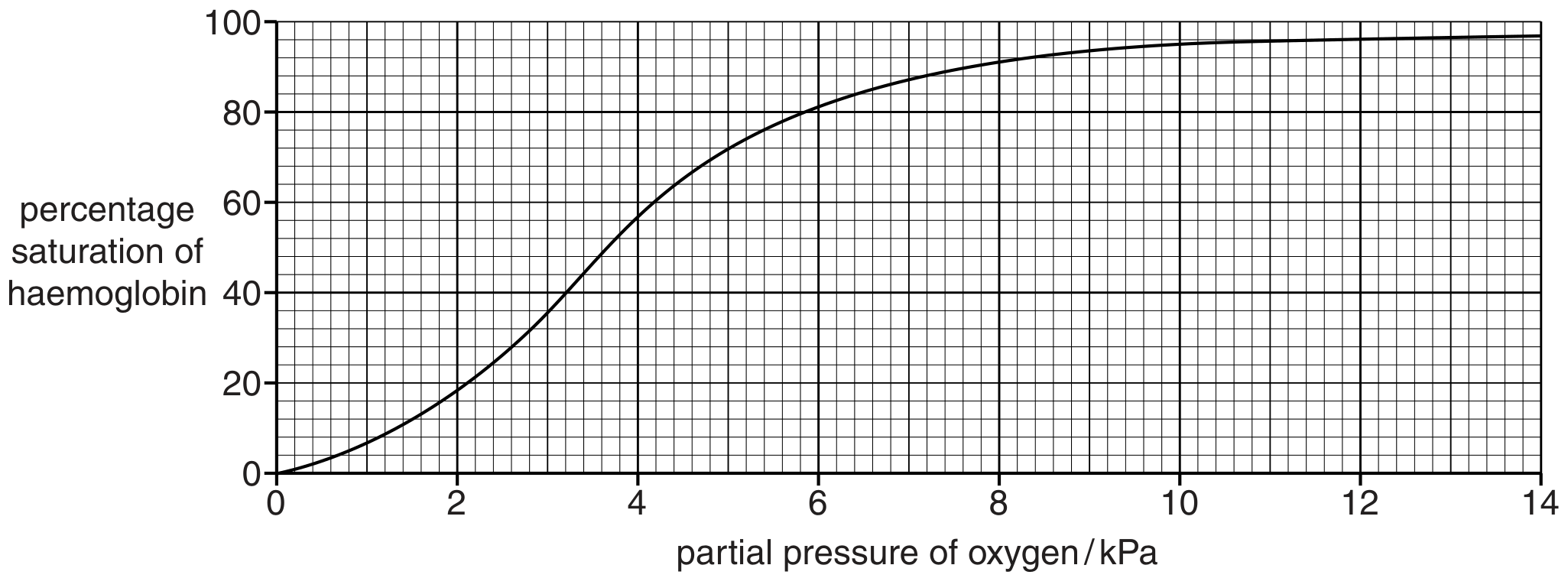
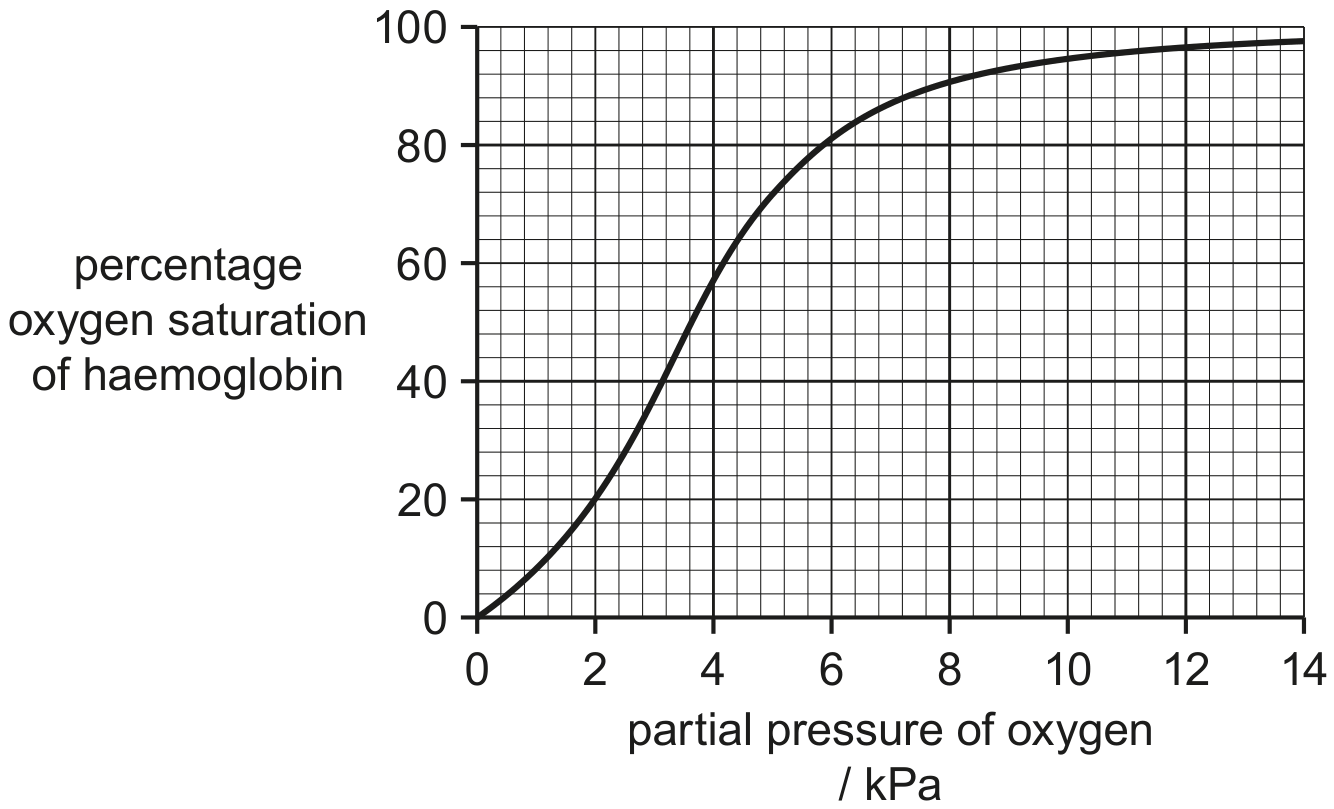
Fig. 3.2 is an oxygen dissociation curve of adult oxyhaemoglobin.

Fig. 3.2 is an oxygen dissociation curve of adult oxyhaemoglobin.

With reference to Fig. 3.2, calculate the difference in percentage saturation of haemoglobin at sea level, where the partial pressure of oxygen is 13.0 kPa , and at a higher altitude, where the partial pressure of oxygen is 6.2 kPa .

Show your working.
answer \%

[ 2 ]
(b)

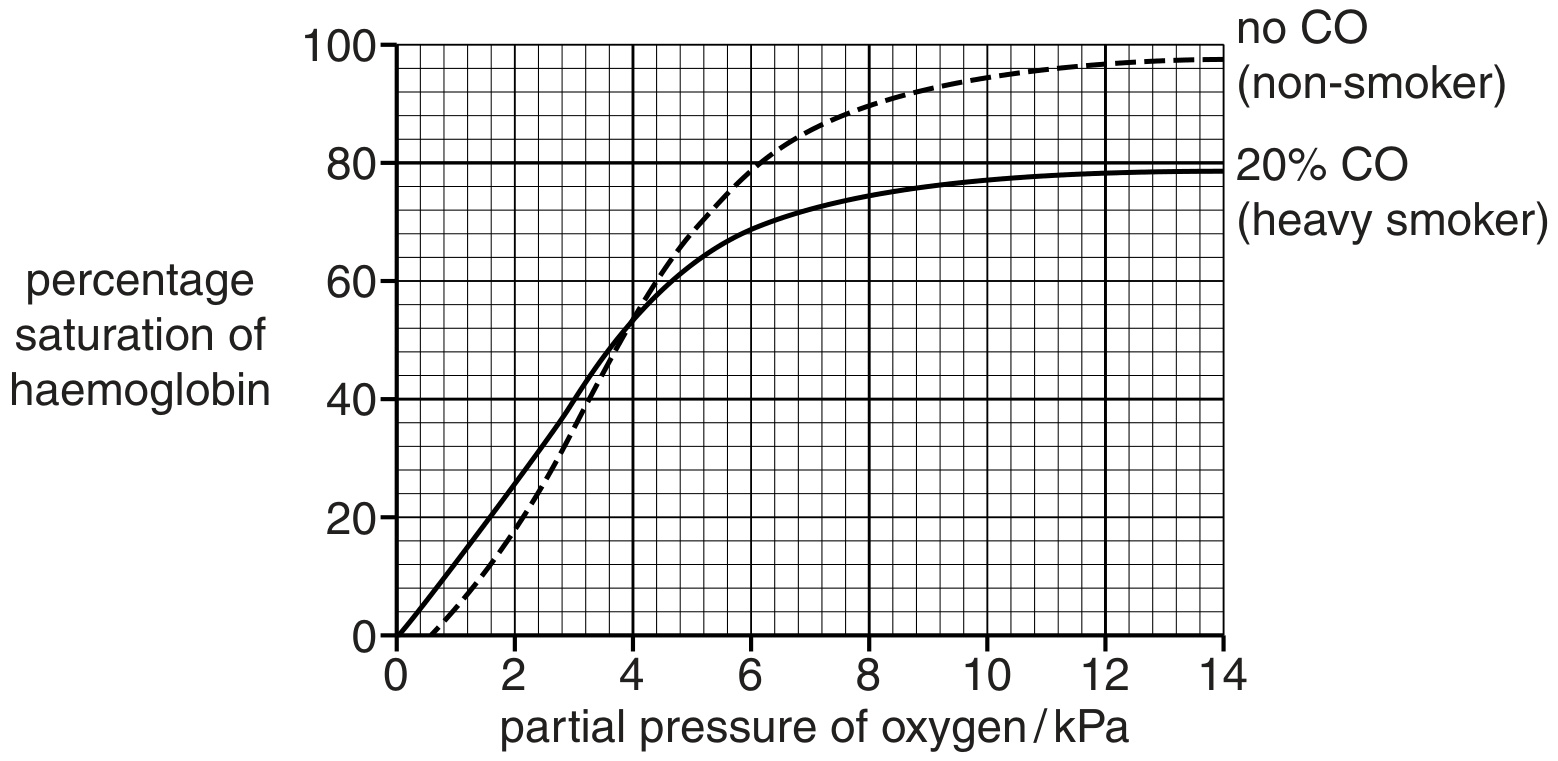
Tobacco smoking can have an effect on the transport of oxygen by haemoglobin.

Fig. 3.3 shows oxygen dissociation curves with and without the presence of carbon monoxide (CO).

Fig. 3.3

Fig. 3.3

With reference to Fig. 3.3, describe the effect of carbon monoxide on the cardiovascular system.

[ 3 ]
0