Q BankQuestion BankDocsDocuments

C2.1.6 (HL)—Transmembrane vs. intracellular receptors
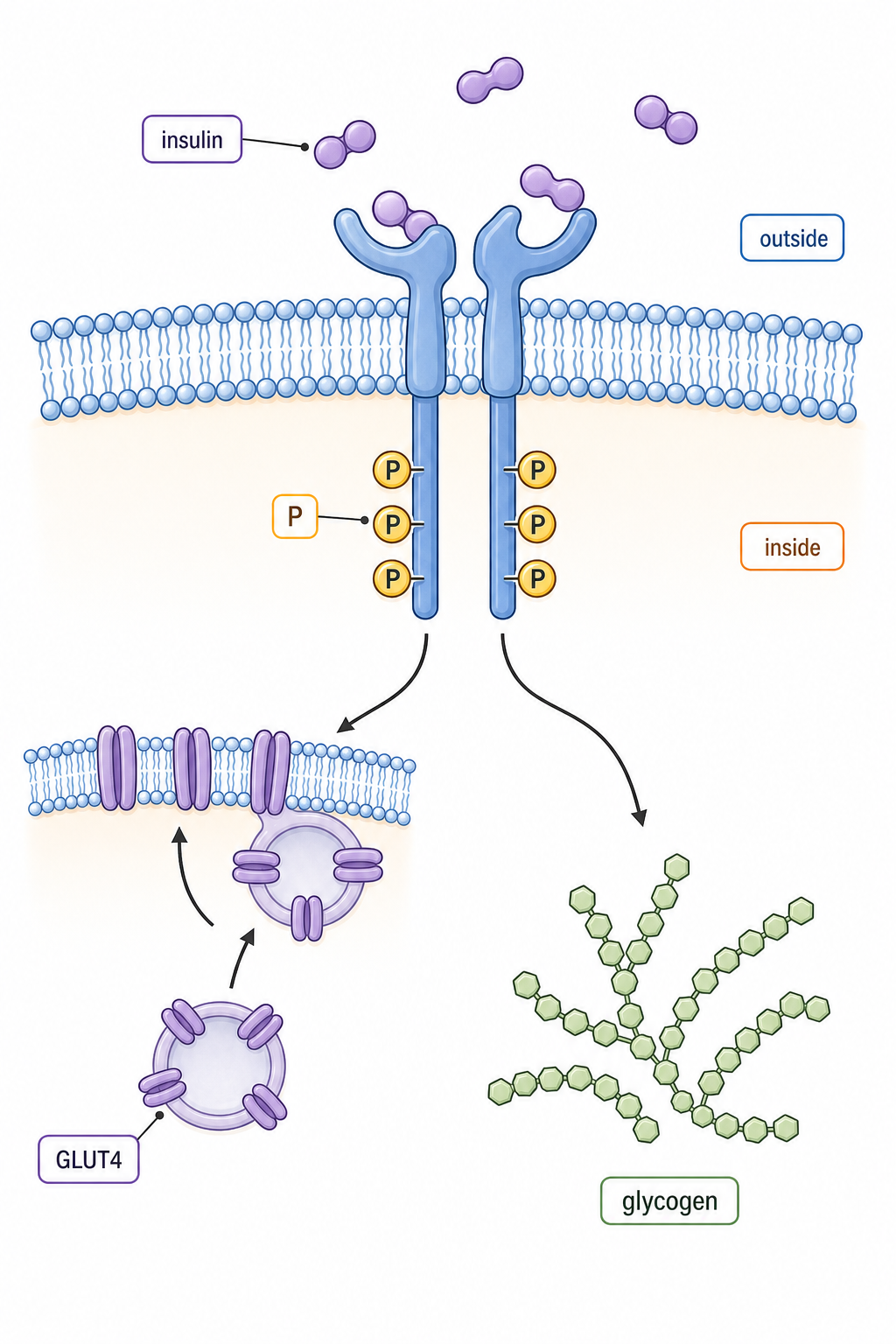
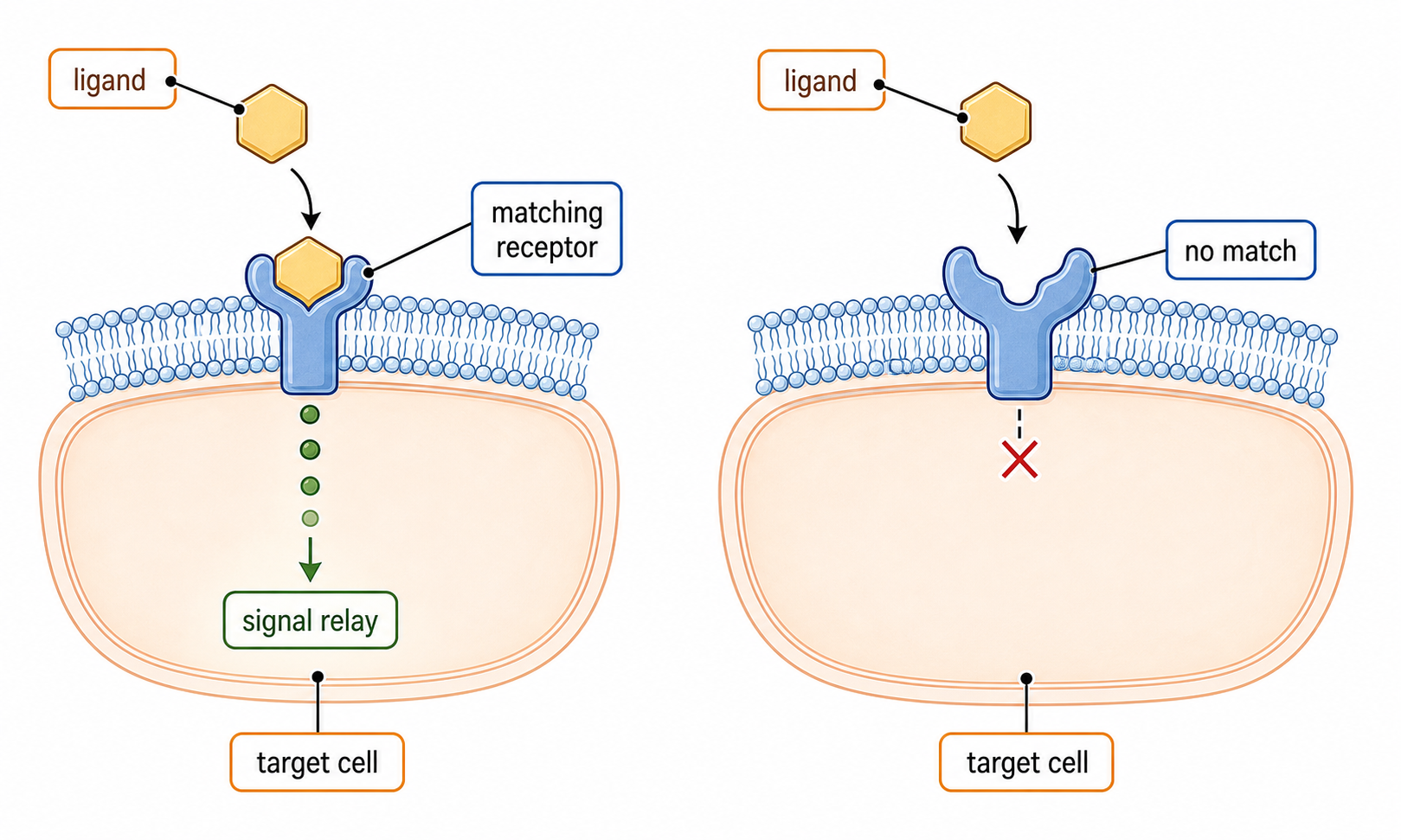
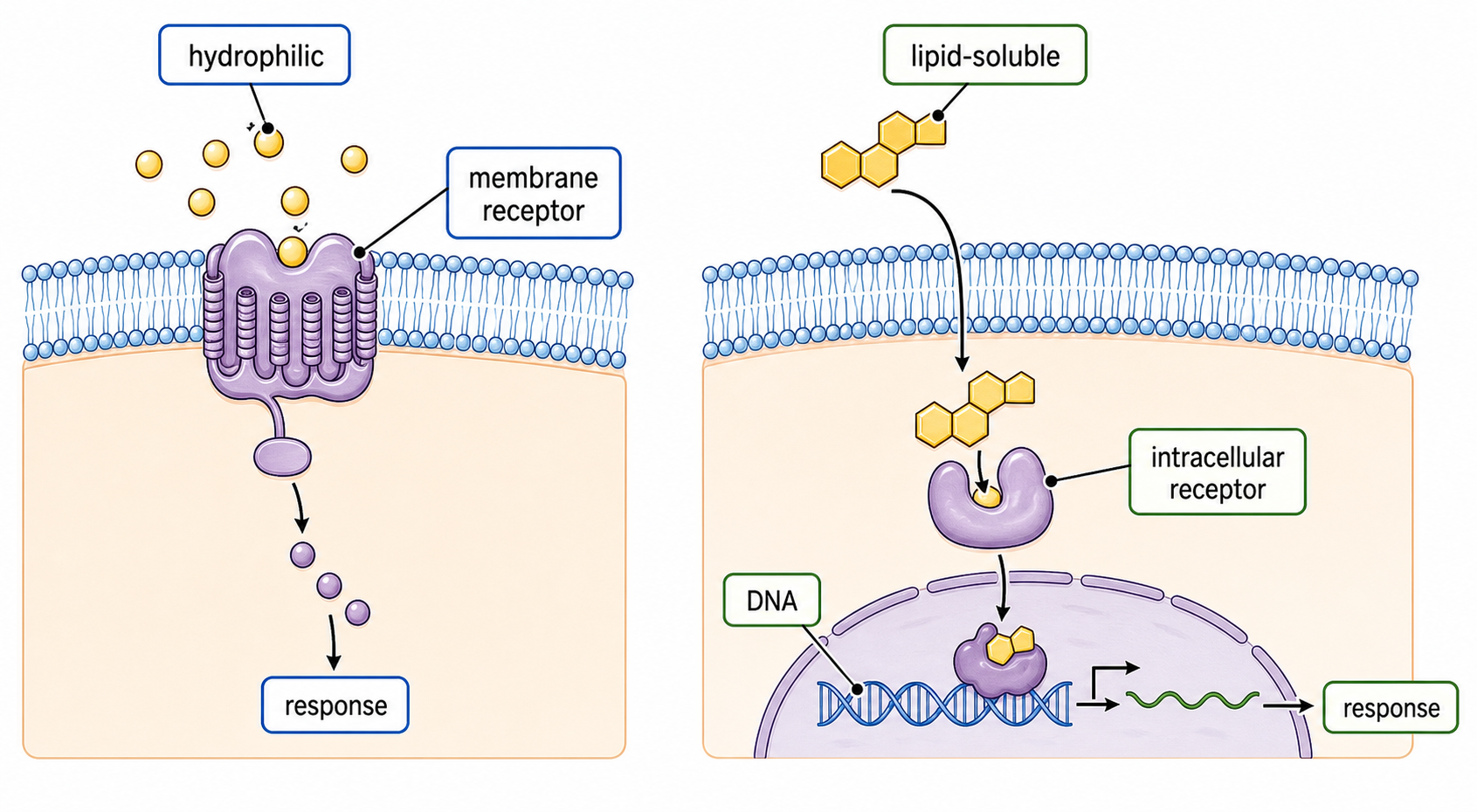
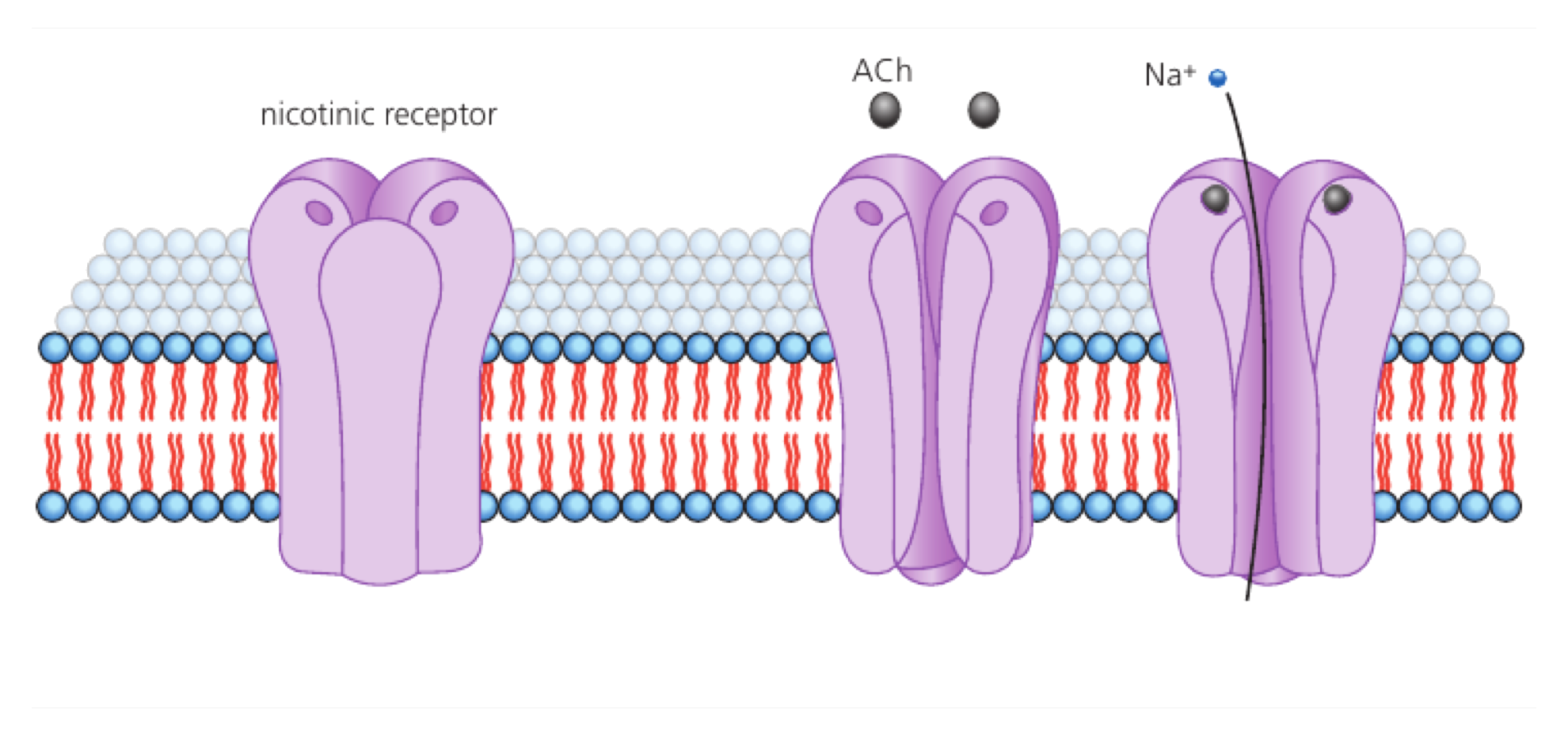
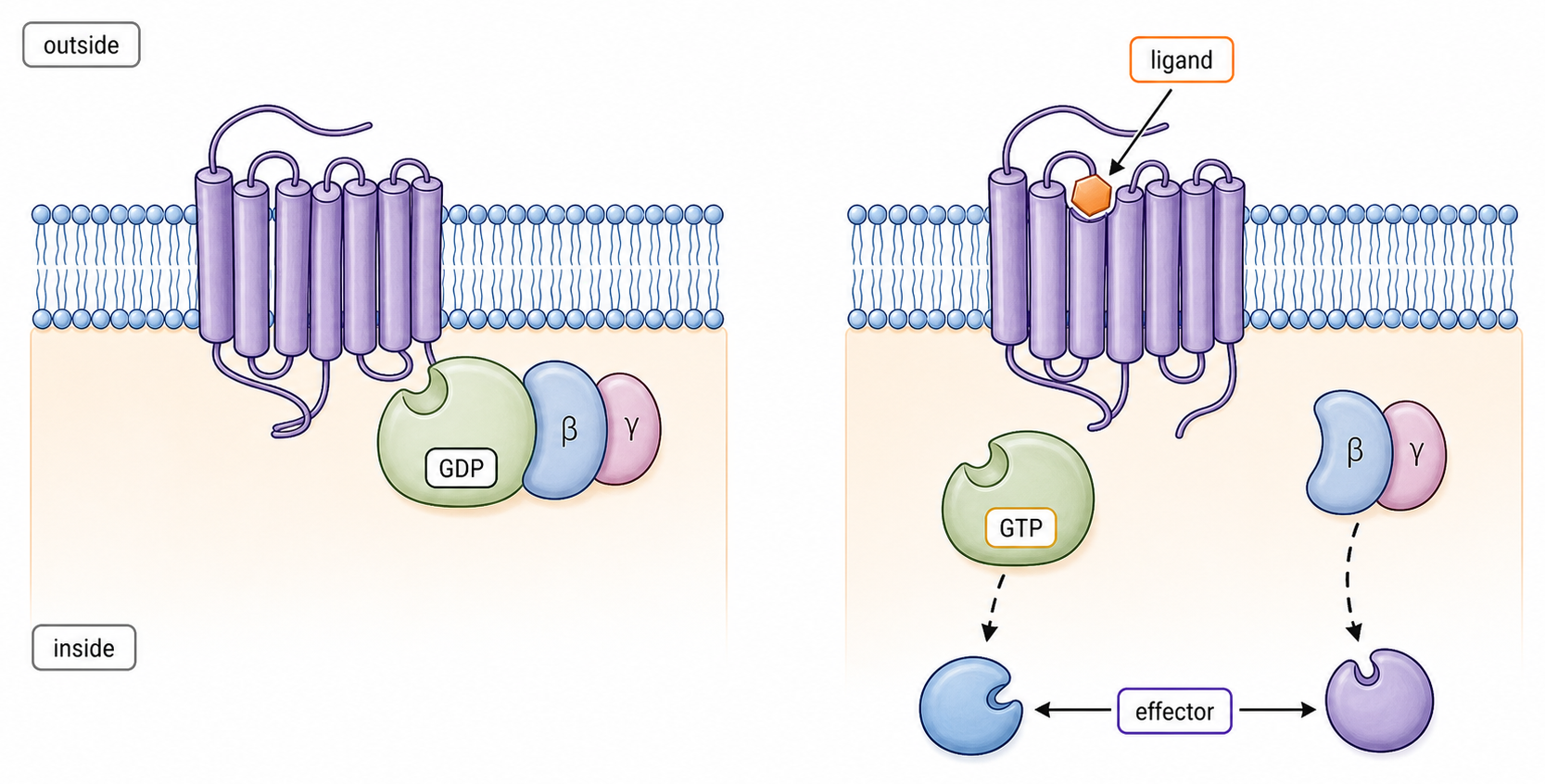
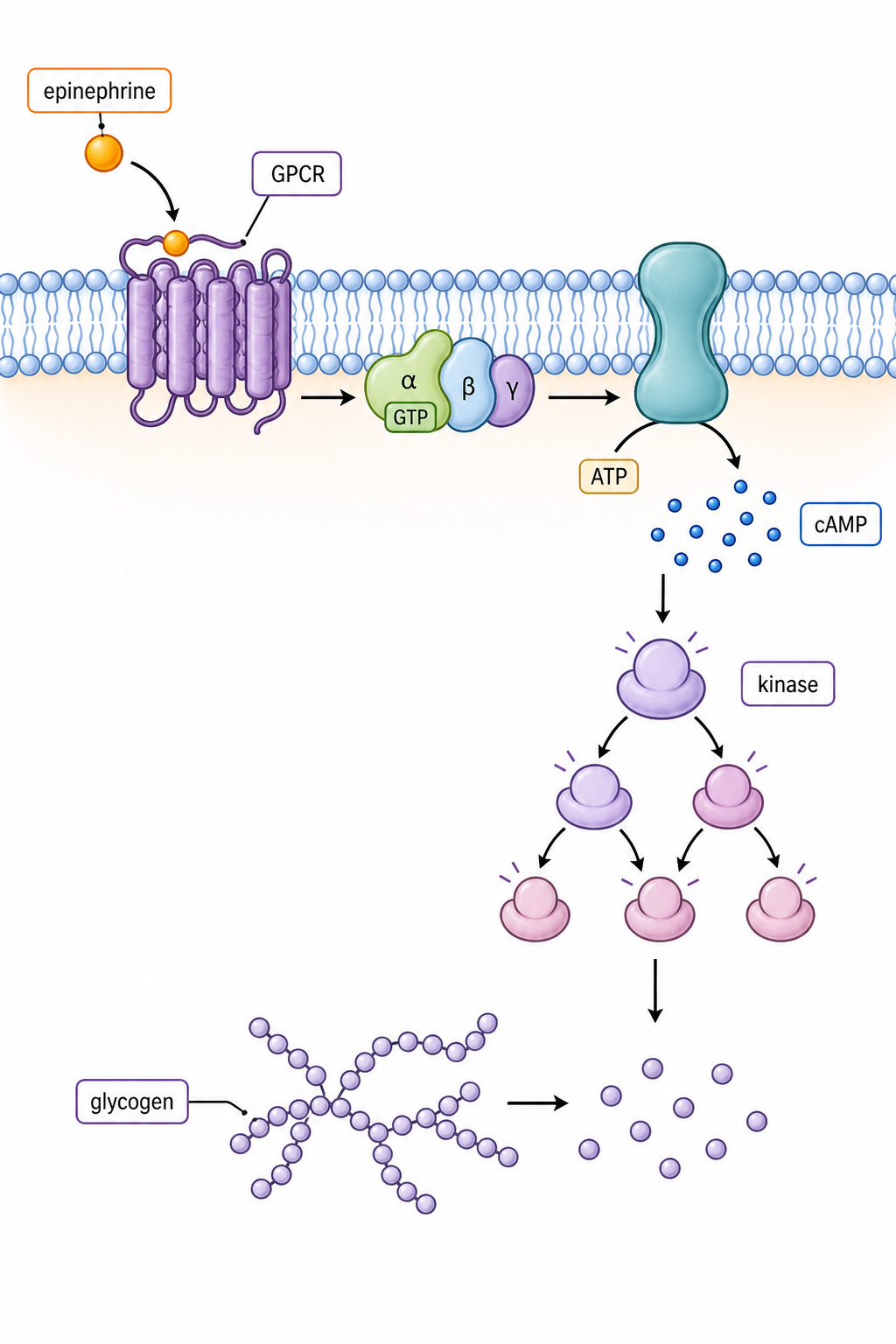
Transmembrane receptors mediate hydrophilic peptide hormone signals, while intracellular receptors bind lipid-soluble steroid hormones that cross membranes, linking signal detection to a specific target-cell response.
Syllabus
First assessment 2025
Objective
C2.1.6
Level
HL

Exam analysis

Chance of appearing12%of analysed past papers
Latest appearanceMay 2024
Most common paperPaper3
Typical marks3–6

Common command terms

  • Distinguish
  • Outline
  • Compare
  • Contrast
  • Explain
  • Describe

Recent exam appearances

May 2024Paper3 ["HL"] · TZ125[ 6 ]C2.1.6 (HL)—Transmembrane vs. intracellular receptors
May 2023Paper3 ["HL"] · TZ124[ 6 ]C2.1.6 (HL)—Transmembrane vs. intracellular receptors
November 2020Paper3 ["HL"] · TZ024[ 6 ]C2.1.6 (HL)—Transmembrane vs. intracellular receptors
November 2019Paper3 ["HL"] · TZ022(b)[ 3 ]C2.1.6 (HL)—Transmembrane vs. intracellular receptors
May 2019Paper3 ["HL"] · TZ220(d)[ 3 ]C2.1.6 (HL)—Transmembrane vs. intracellular receptors
Practice this objective

Coverage 2013–2024 · Updated 15 Jul 2026

Concept essentials

  • Peptide hormones usually bind receptors on the plasma membrane.
  • Steroid hormones can cross membranes and bind intracellular receptors.
  • Peptide hormone signalling often uses second messengers and enzyme cascades.
  • Steroid hormone-receptor complexes can regulate transcription of specific genes.
ConceptIB Biology HL