Q BankQuestion BankDocsDocuments

C2.1.7 (HL)—Signal transduction pathways

Signal transduction pathways relay receptor binding into intracellular responses through second messengers, cascades and regulatory proteins, linking signal detection to a specific target-cell response.

Syllabus
First assessment 2025
Objective
C2.1.7
Level
HL

Exam analysis

Chance of appearing2%of analysed past papers
Latest appearanceNovember 2016
Most common paperPaper3
Typical marks2–3

Common command terms

  • Explain
  • Label

Recent exam appearances

November 2016Paper3 ["HL"] · TZ020(a)[ 2 ]C2.1.7 (HL)—Signal transduction pathways
May 2016Paper3 ["HL"] · TZ021(b)[ 3 ]C2.1.7 (HL)—Signal transduction pathways
Practice this objective

Coverage 2016–2016 · Updated 15 Jul 2026

Signal Transduction Converts Binding into Action

HL only

Signal transduction is the chain of molecular events linking receptor activation to a change in cell behaviour.

The chain may include conformational changes, G proteins, kinases, second messengers, transcription factors and feedback. Amplification allows a few signal molecules to influence many targets.
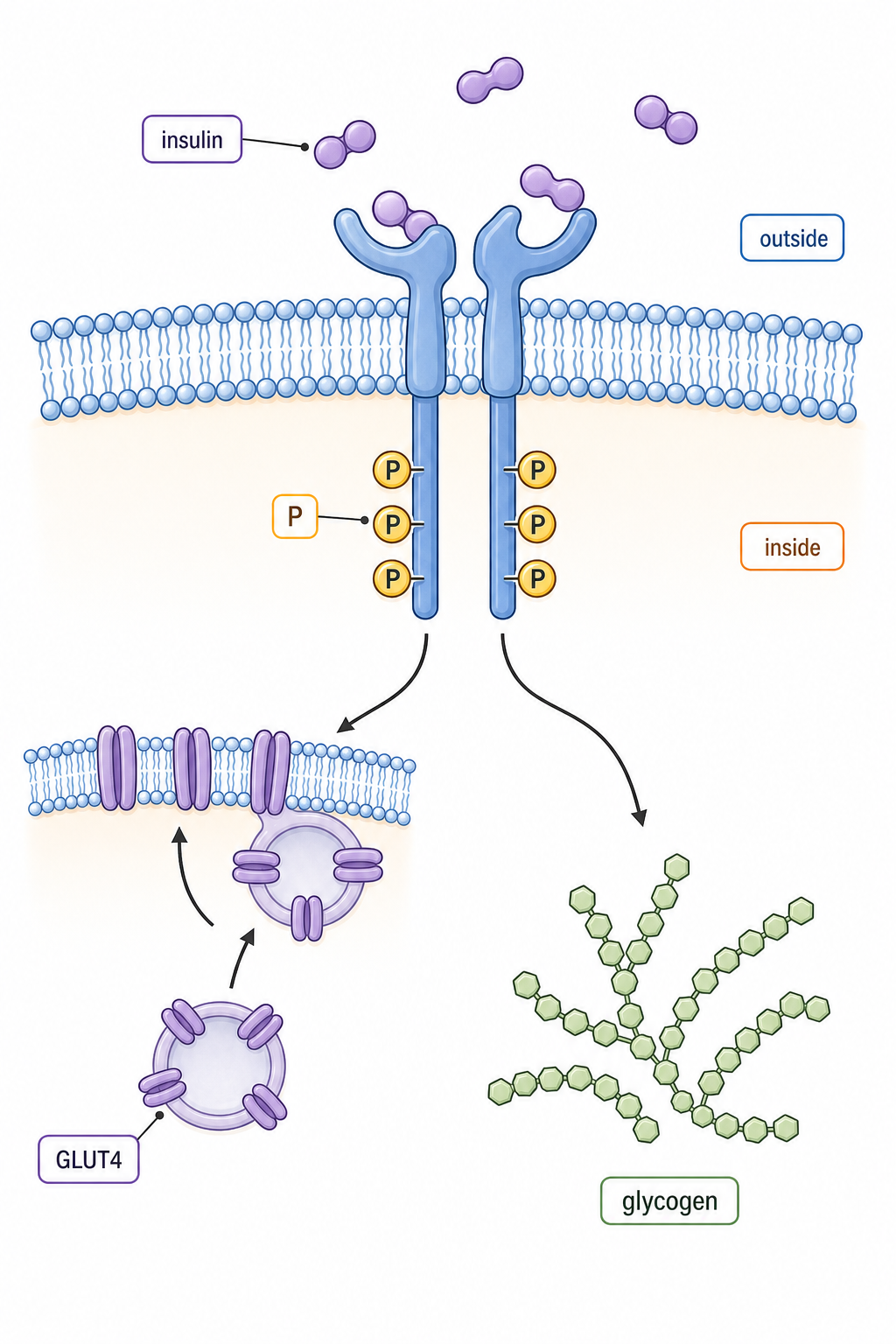
Map a pathway:

  • receptor state changes
  • relay or second messenger activates
  • target proteins or genes change
  • response is terminated

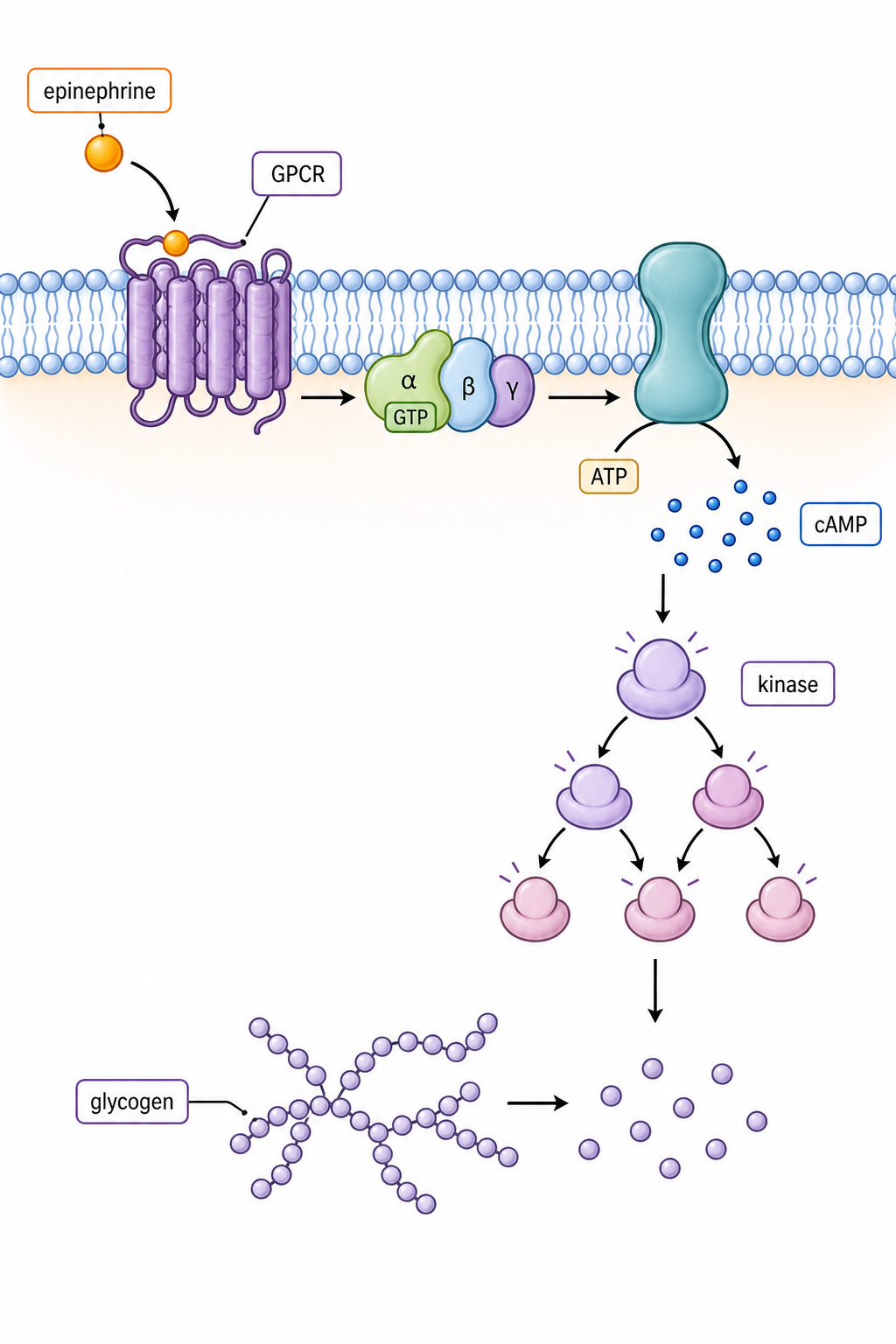
One activated receptor can stimulate many downstream enzymes, amplifying a small external signal into a measurable metabolic response.
A pathway is not complete until the signal is switched off or degraded; otherwise the cell cannot respond accurately.

Signal transduction pathways

HL only

Assessment in practice

2–3 marks
How it is assessed

This objective is assessed through structured response, commonly using Explain / Label.

Command terms

Explain / Label

What earns marks

Build the answer around this relationship: Second messengers relay information from activated receptors inside the cell.

Representative question

Question 1

[Maximum number: 3]

Heart rate is affected by the hormone epinephrine. The action of epinephrine is mediated by a chemical called a second messenger. Explain the mechanism of action of a second messenger.

Chemical Signalling

HL only

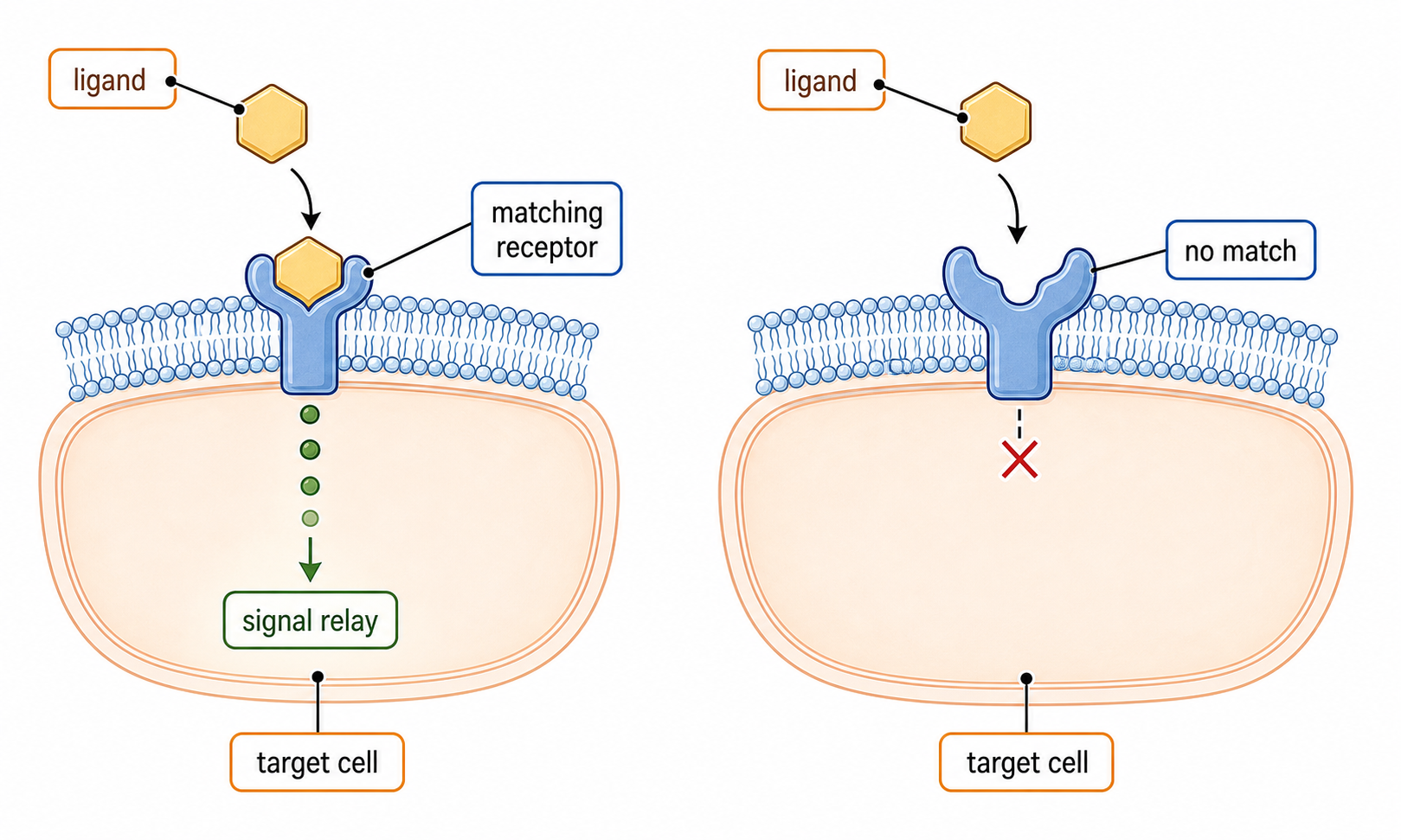
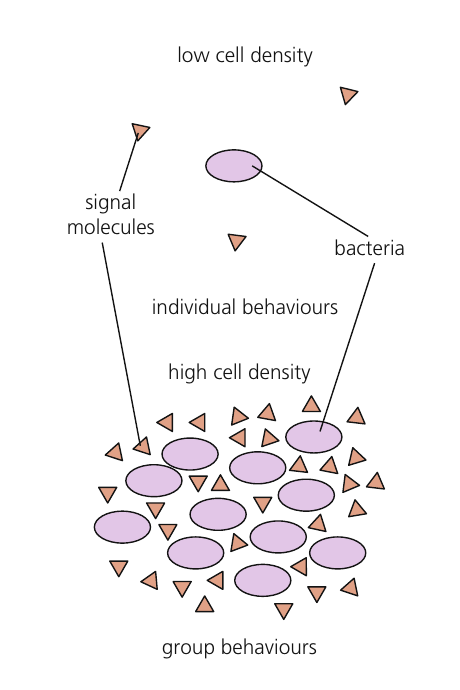
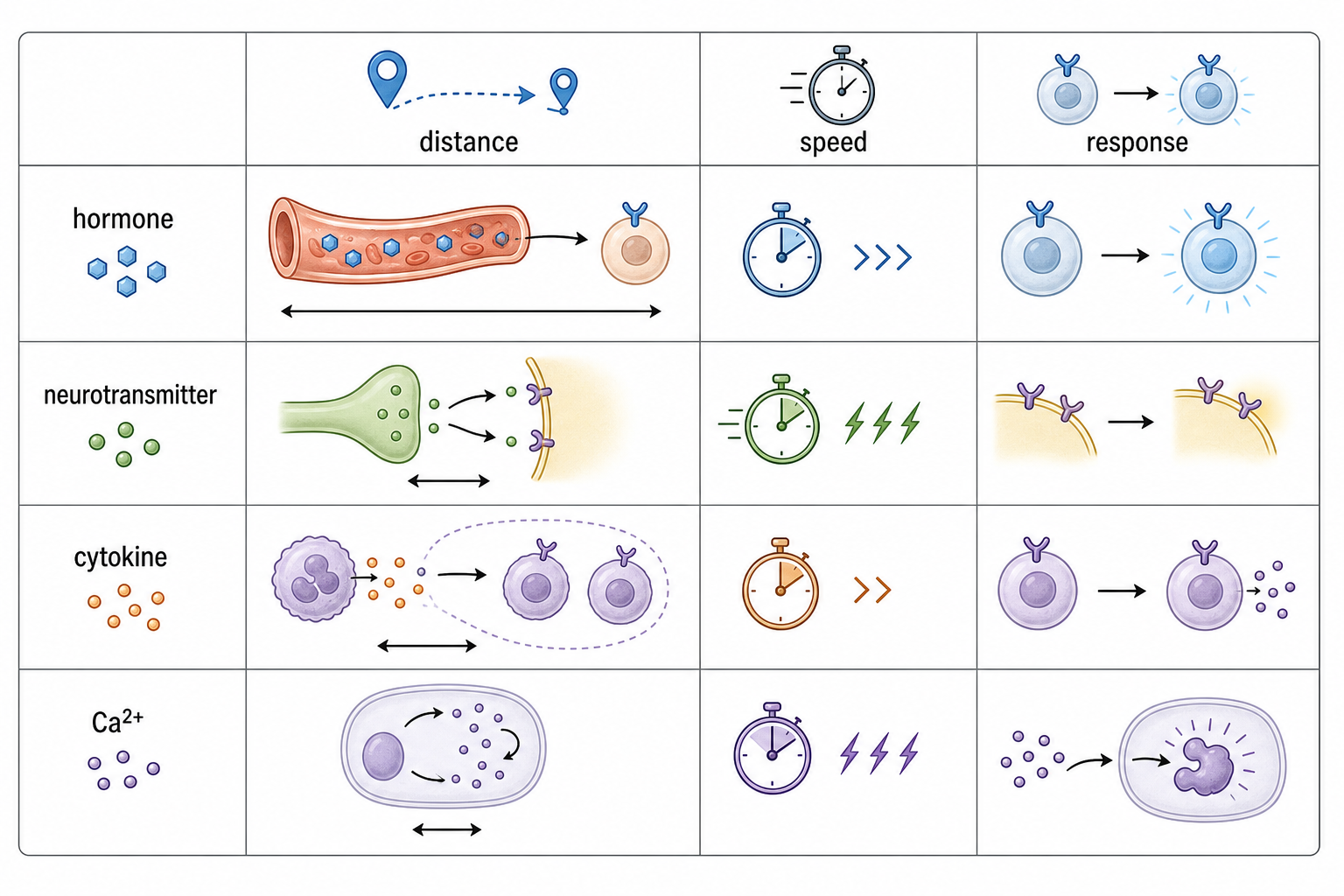
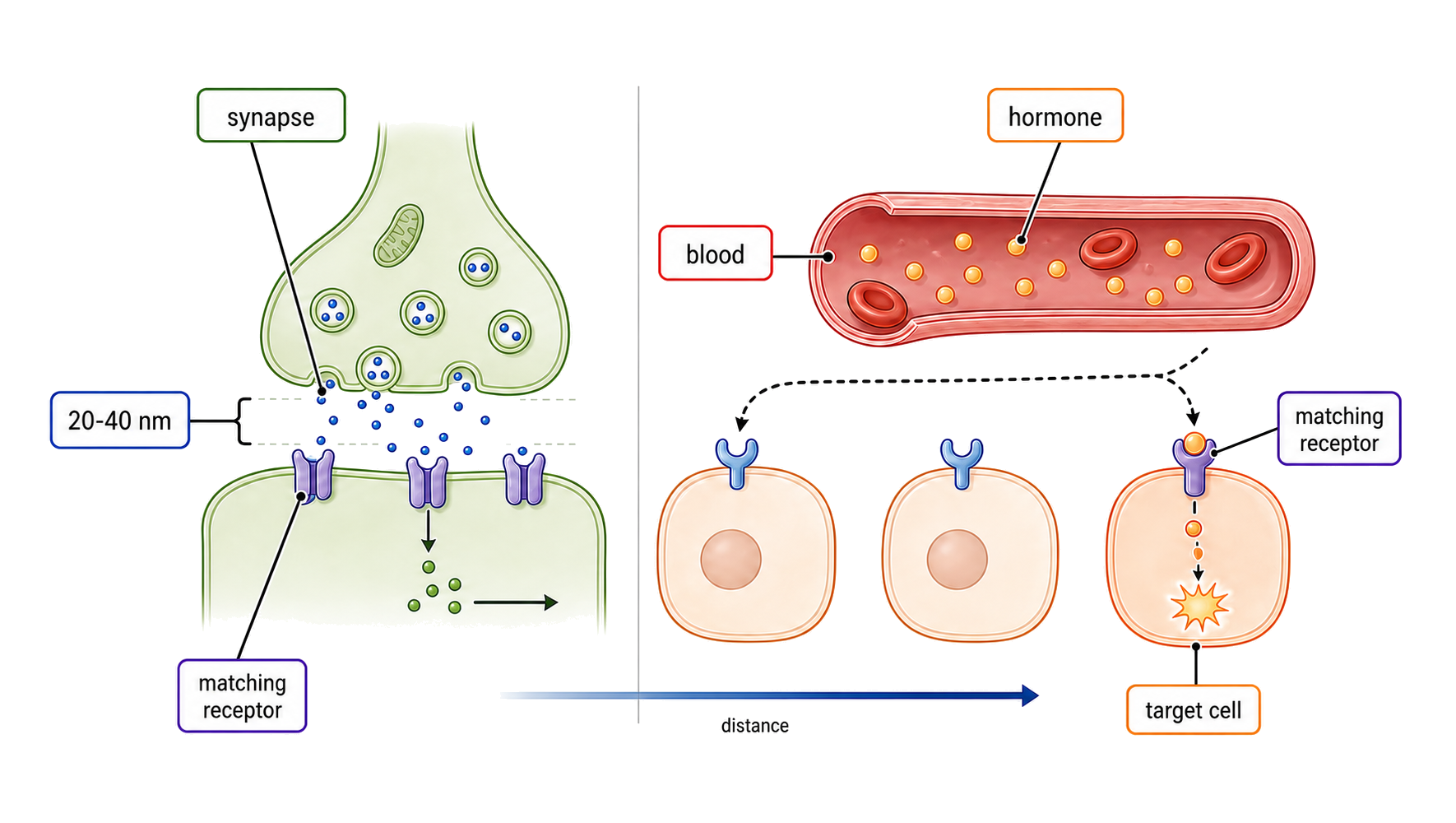
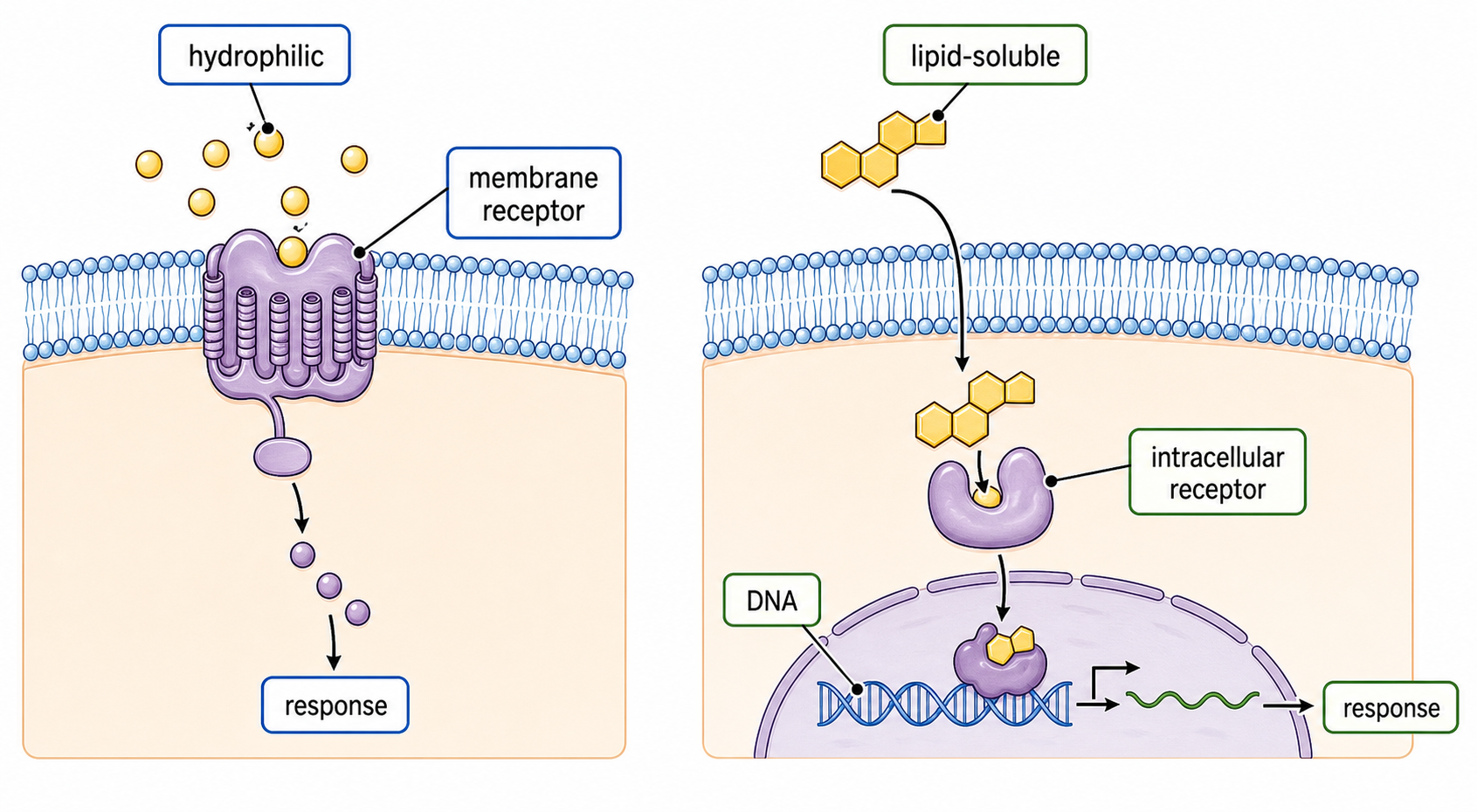
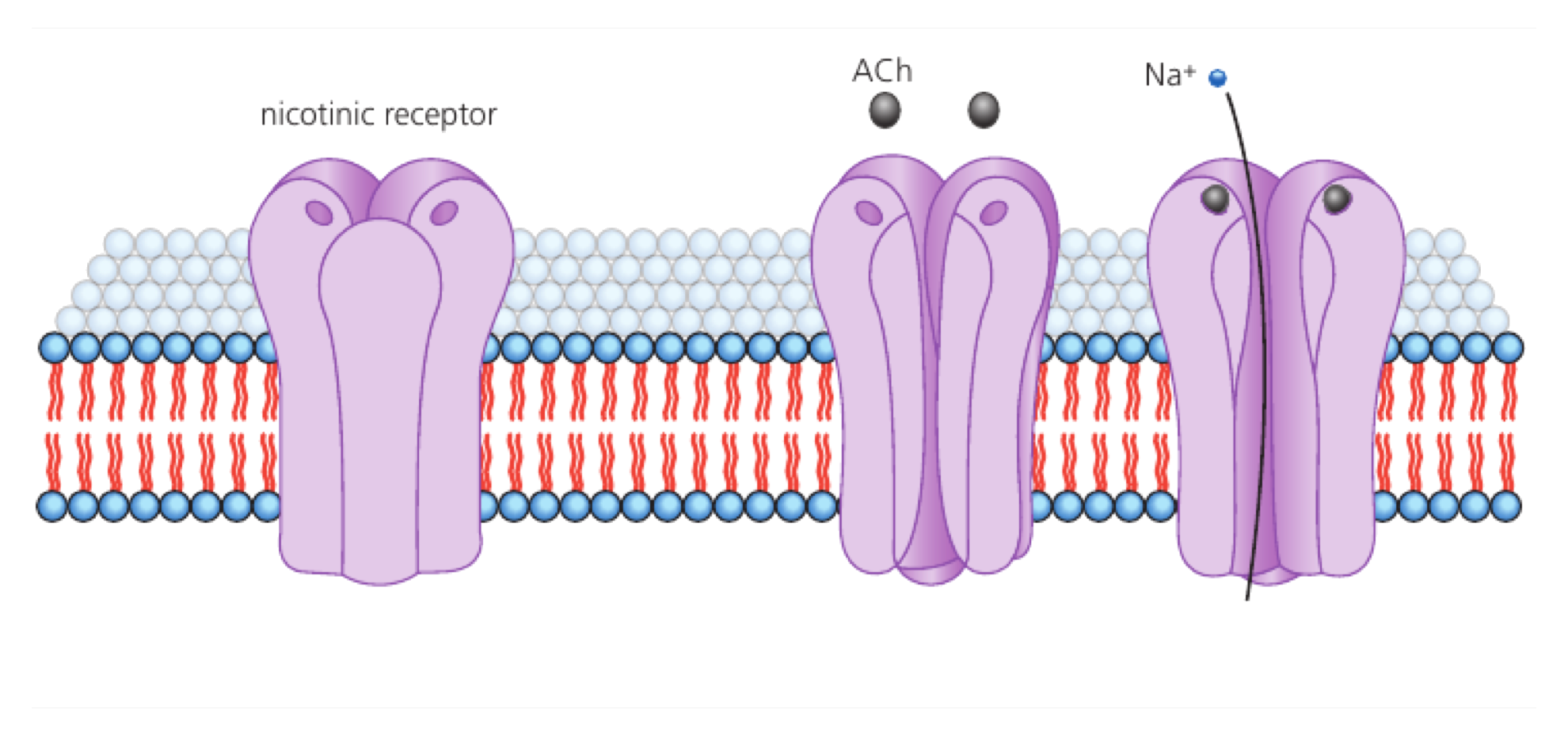
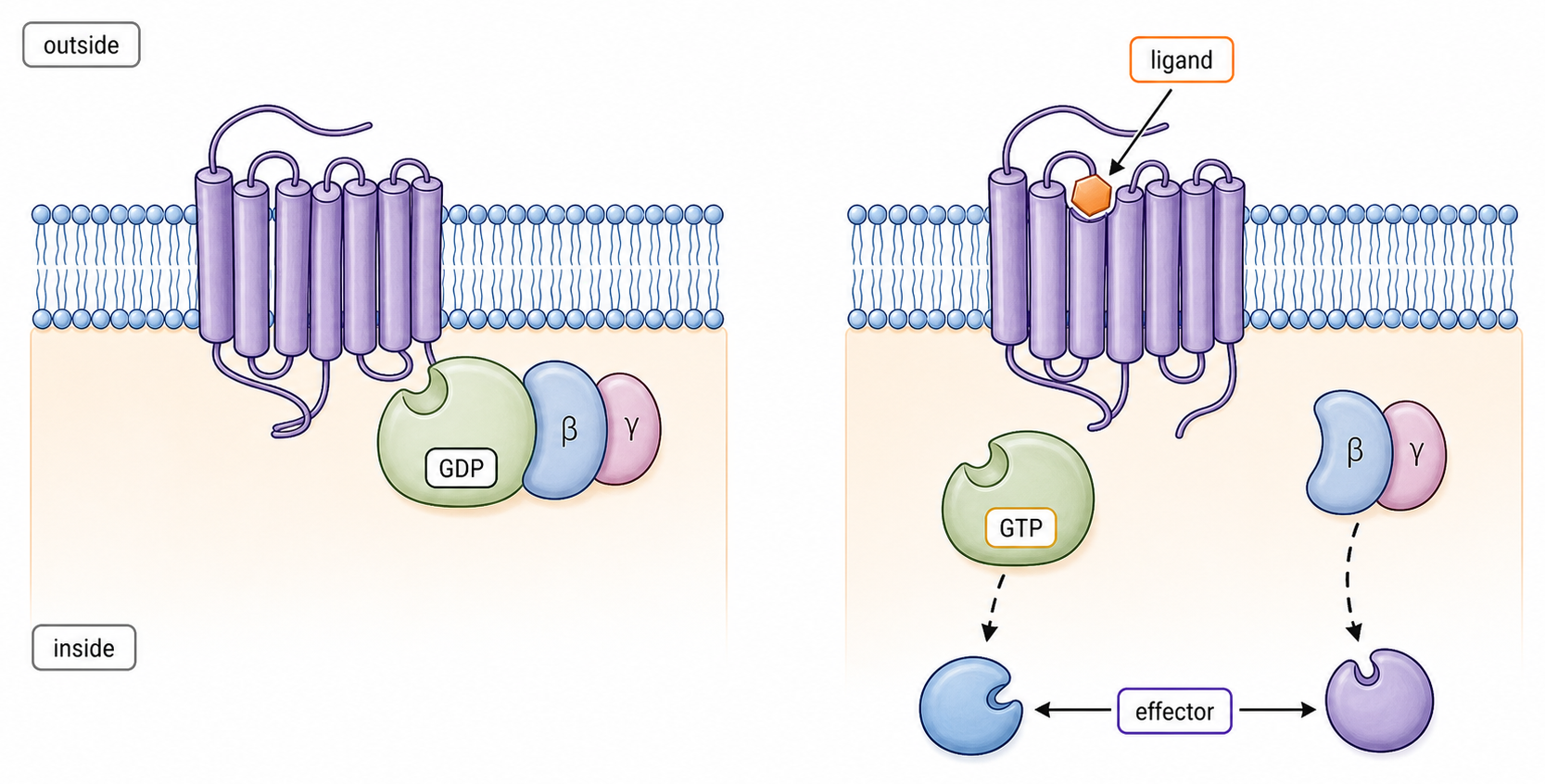
A ligand only affects target cells with the matching receptor. Quorum sensing uses autoinducers and thresholds for group behaviour. Animal signals differ by source, distance, speed, target-cell response, and chemical class. Hydrophilic ligands use transmembrane receptors and relays; steroid and thyroid hormones use intracellular receptors that affect transcription. Named pathways then show the logic: acetylcholine opens sodium channels, GPCRs switch G proteins through GDP-GTP exchange, epinephrine uses cAMP and kinase cascades, insulin RTKs use dimerisation/autophosphorylation to move GLUT4 and promote glycogenesis, steroid hormones change gene expression, and feedback either amplifies or restores stability.

  • Start every signalling answer with ligand specificity and target-cell receptor matching.
  • Then choose the route: local synapse, blood-borne hormone, transmembrane receptor, or intracellular receptor.
  • For named mechanisms, give the sequence, not just the pathway name.
  • Finish feedback comparisons with amplification versus stability.

Concept essentials

  • Second messengers relay information from activated receptors inside the cell.
  • Signal transduction pathways can amplify a signal through cascades.
  • cAMP is a common second messenger in hormone signalling.
  • Pathways can change enzyme activity or gene regulation.
ConceptIB Biology HL