C2.1.14 (HL)—Regulation by feedback

Feedback regulation adjusts hormone secretion when downstream hormone levels or physiological effects inhibit or stimulate earlier control steps, linking signal detection to a specific target-cell response.

Syllabus
First assessment 2025
Objective
C2.1.14
Level
HL

Exam analysis

Chance of appearing1%of analysed past papers
Latest appearanceMay 2022
Most common paperPaper1
Typical marks1

Recent exam appearances

May 2022Paper1 ["HL"] · TZ224[ 1 ]C2.1.14 (HL)—Regulation by feedback
Practice this objective

Coverage 2022–2022 · Updated 15 Jul 2026

Feedback Stabilizes Signalling Systems

HL only

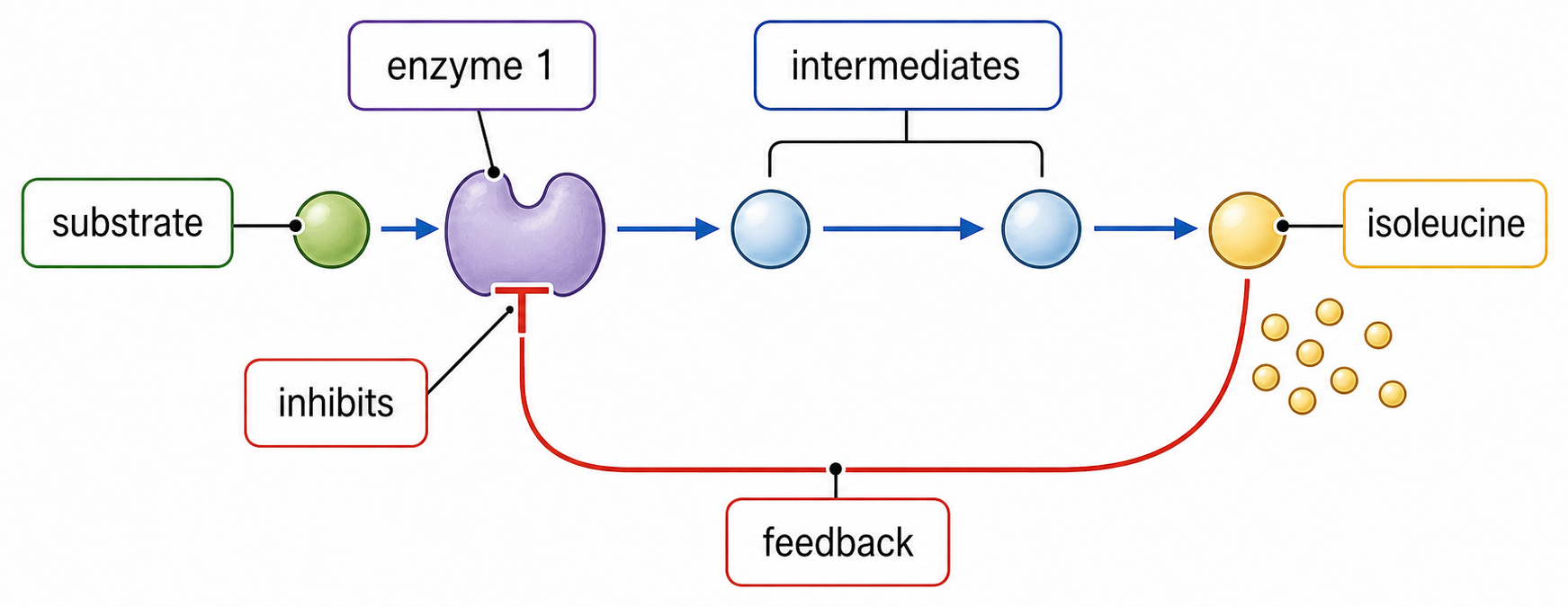
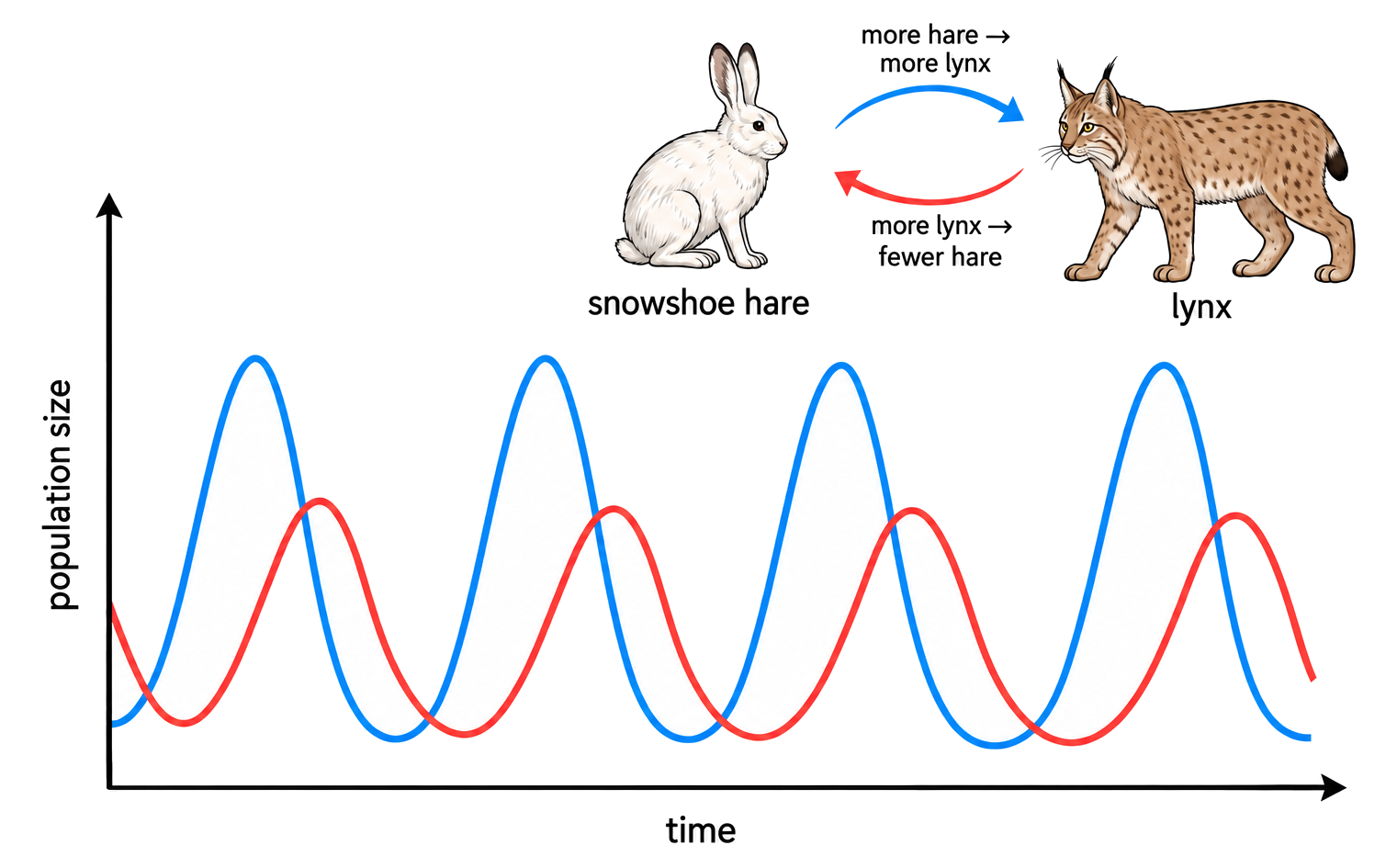
Feedback occurs when a response alters the signal pathway, either reducing further activation or amplifying it under defined conditions.
Negative feedback restores a variable toward a set range; positive feedback reinforces a change until a limiting event stops it. Receptors, hormones and downstream products can all participate.
Classify the loop:

  • response opposes the original change: negative
  • response reinforces it: positive
  • identify the measured variable
  • specify the stopping condition

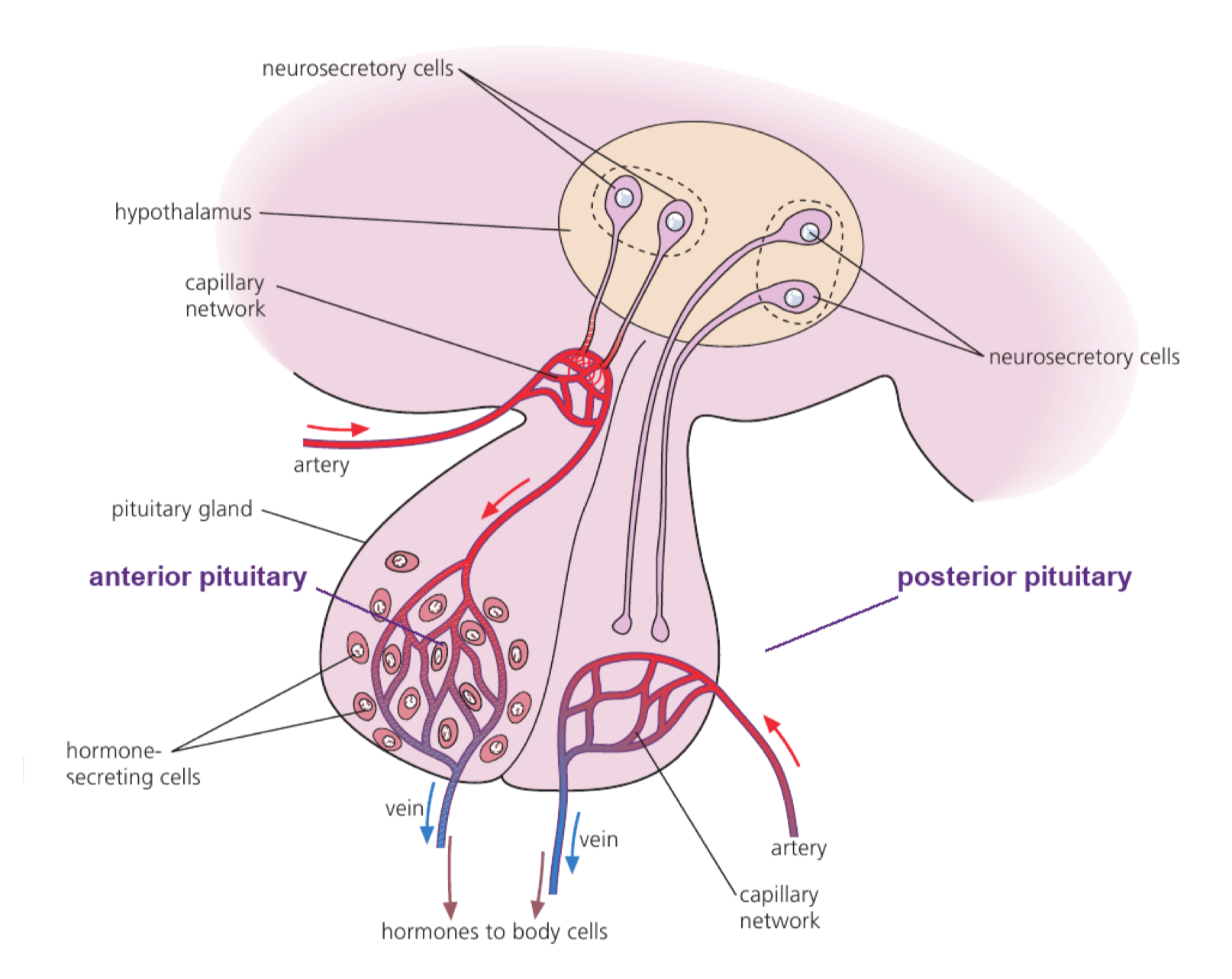
Rising thyroid hormone suppresses hypothalamic and pituitary stimulation, whereas oxytocin-driven contractions can intensify until birth.

Calling any delayed response feedback is incomplete; the direction of the loop must be identified.

Regulation by feedback

HL only

Assessment in practice

1 marks
How it is assessed

This objective is assessed through multiple choice.

What earns marks

Build the answer around this relationship: Negative feedback reduces upstream signalling when a response is already sufficient.

Representative question

Question 1

[Maximum number: 1]

What is an example of negative feedback in the menstrual cycle?

A

High levels of estrogen inhibit FSH secretion.

B

High levels of LH stop progesterone secretion.

C

High levels of FSH delay ovulation.

D

High levels of progesterone make follicles less receptive to FSH.

Chemical Signalling

HL only

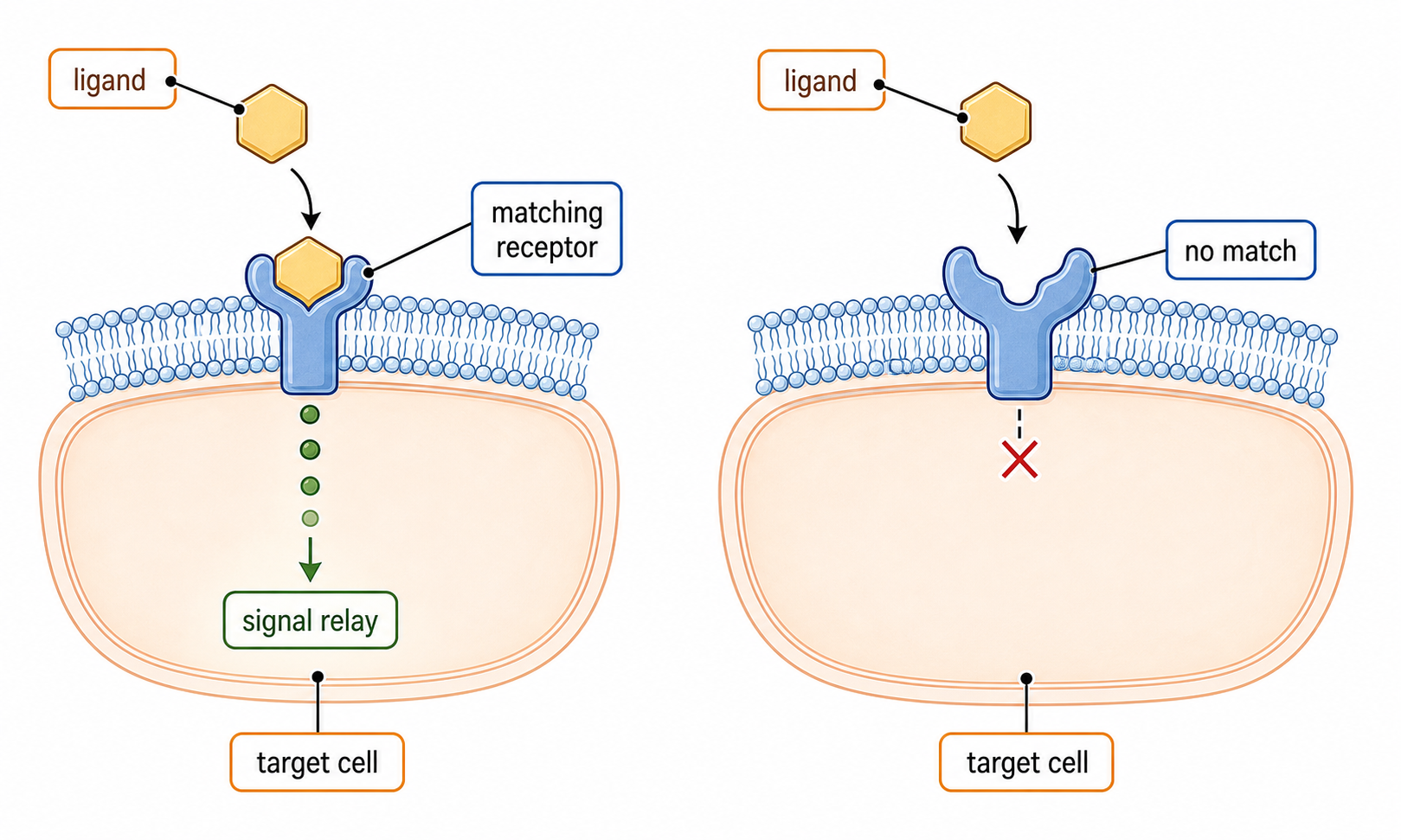
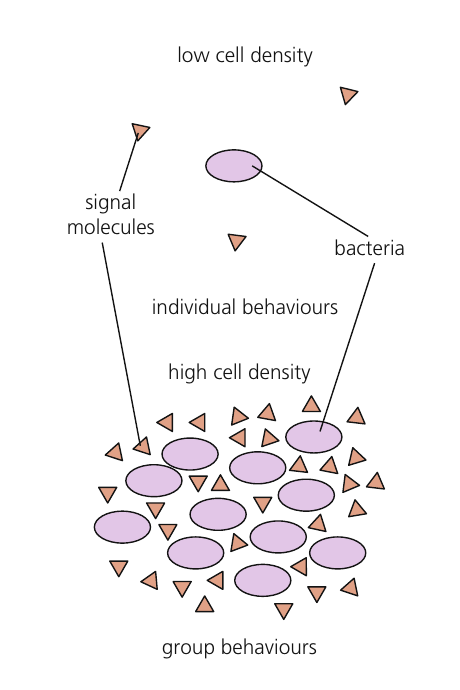
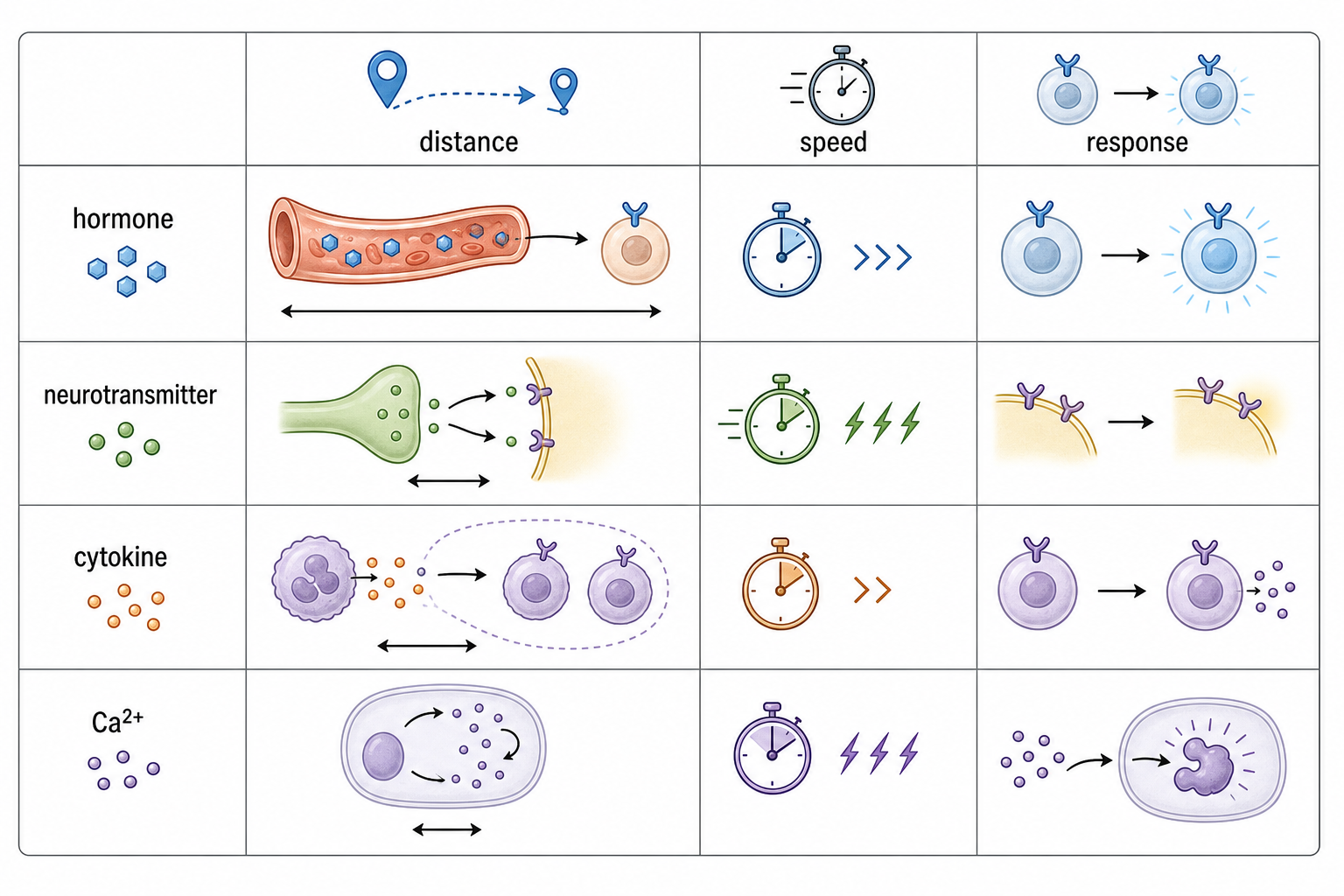
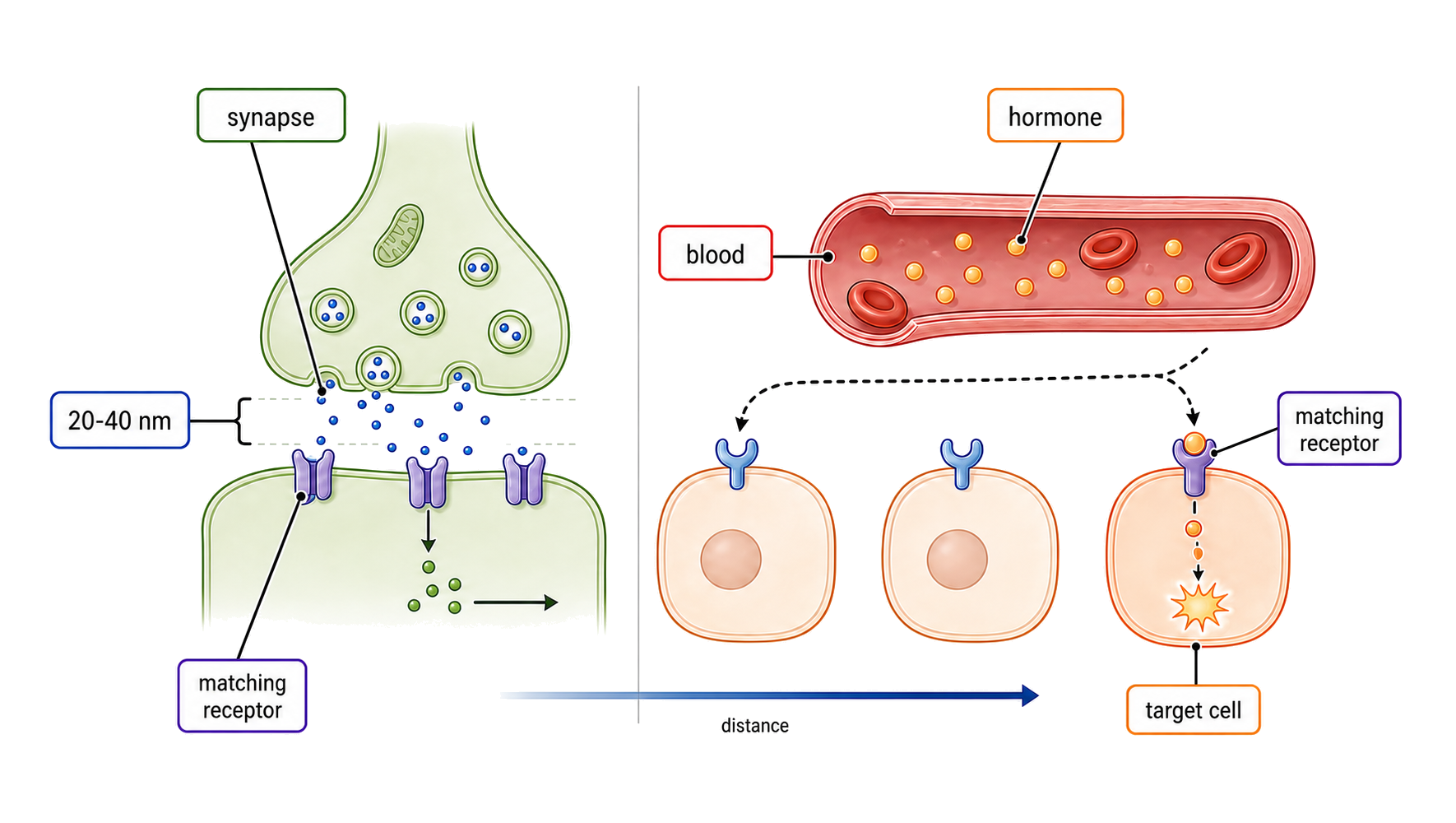
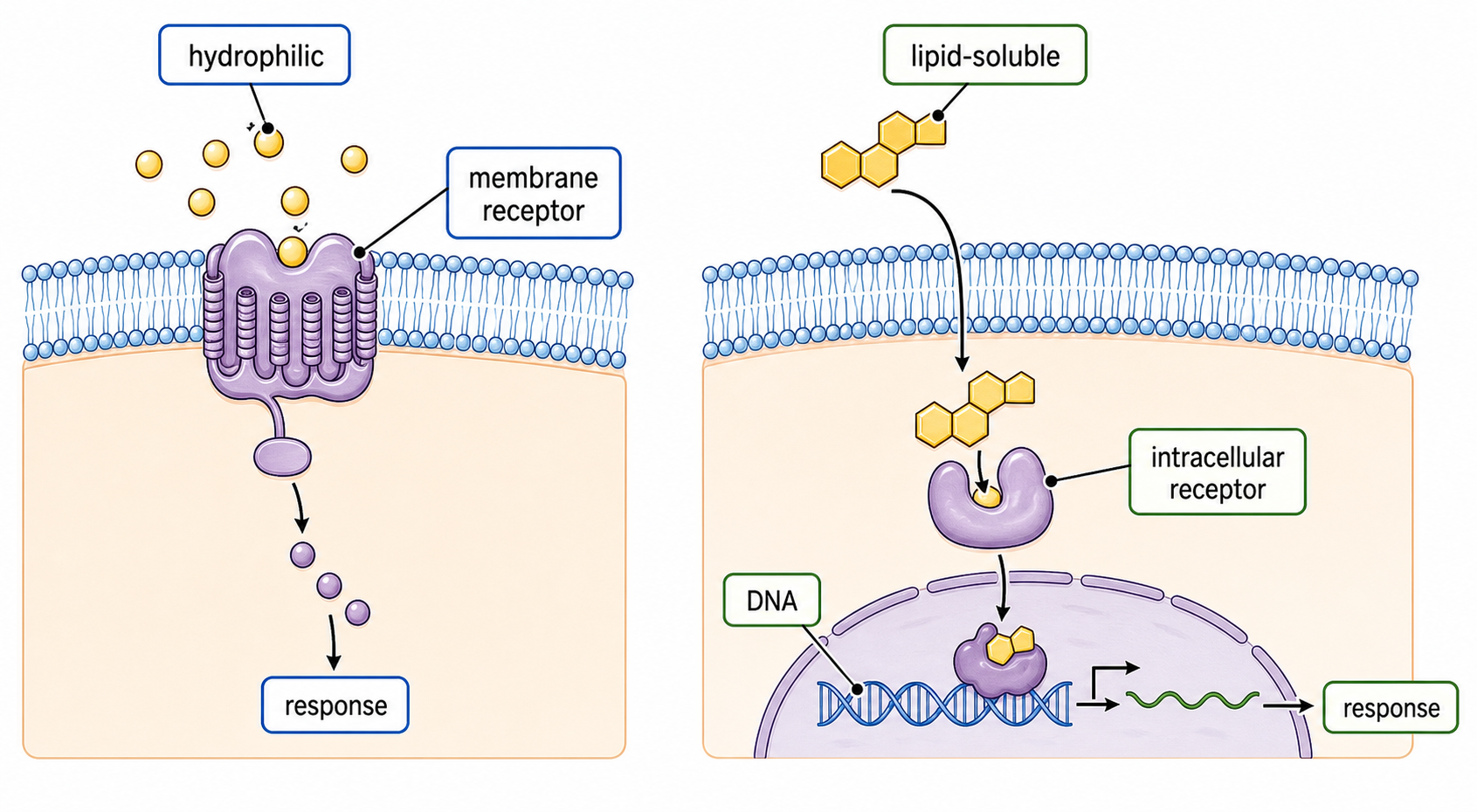
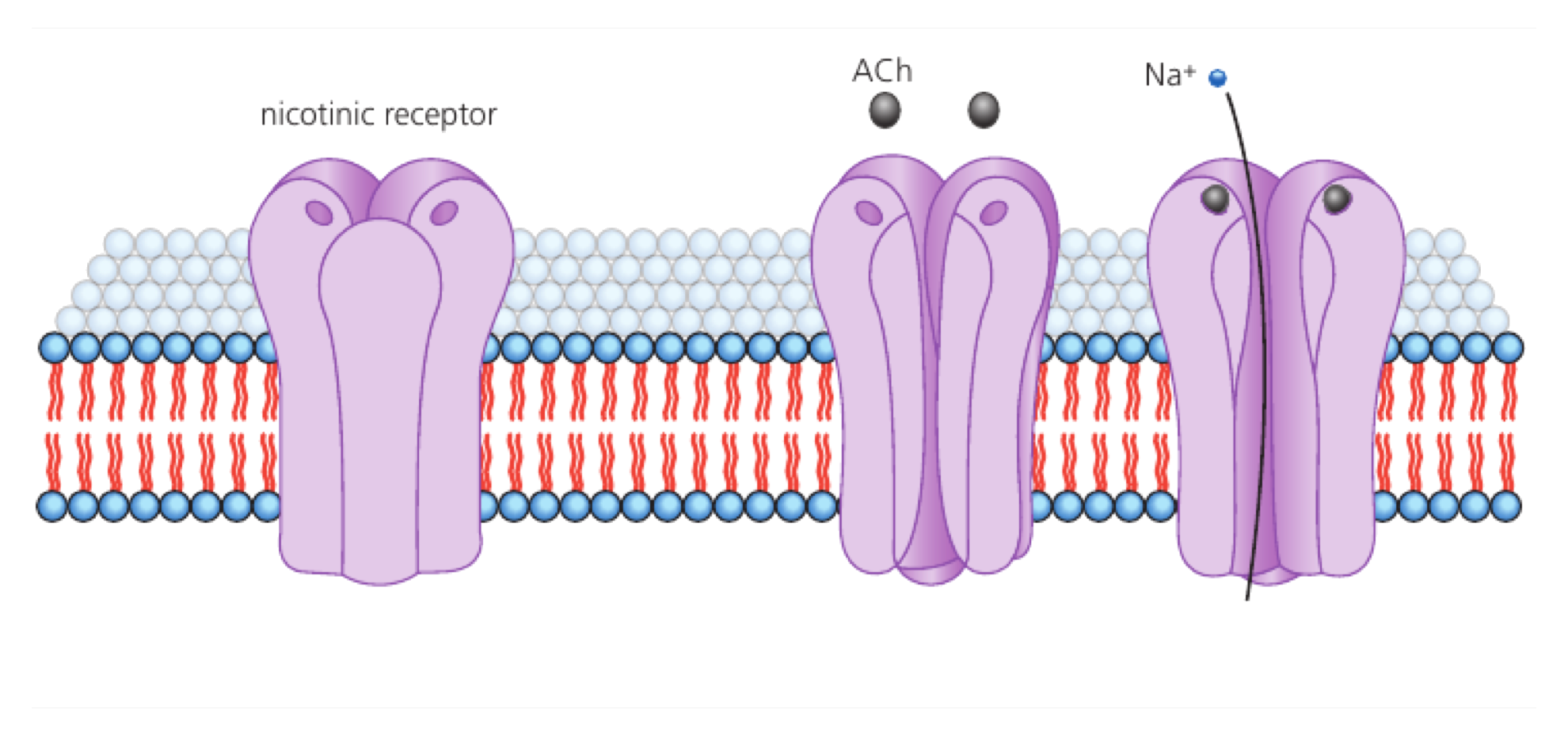
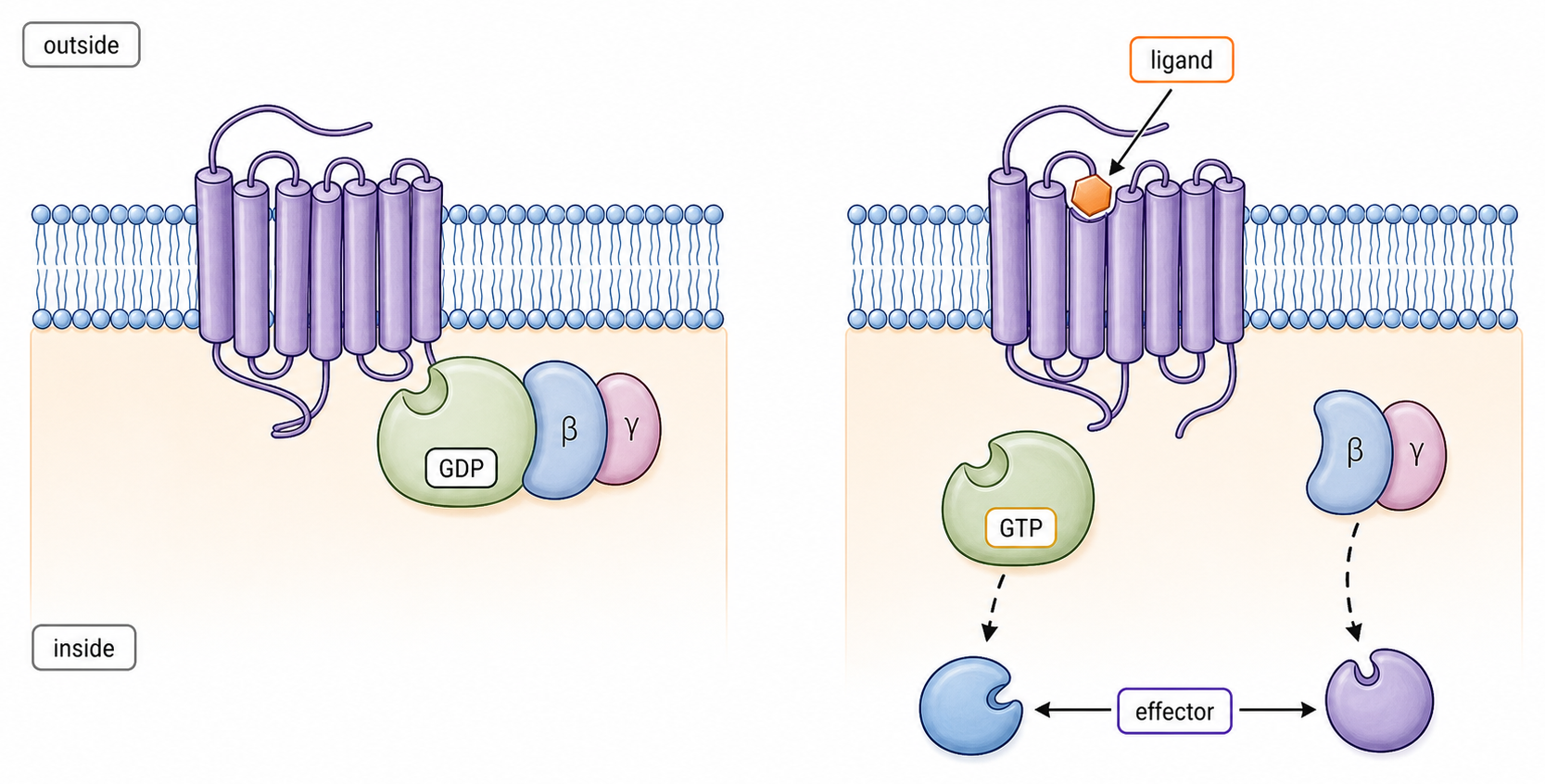
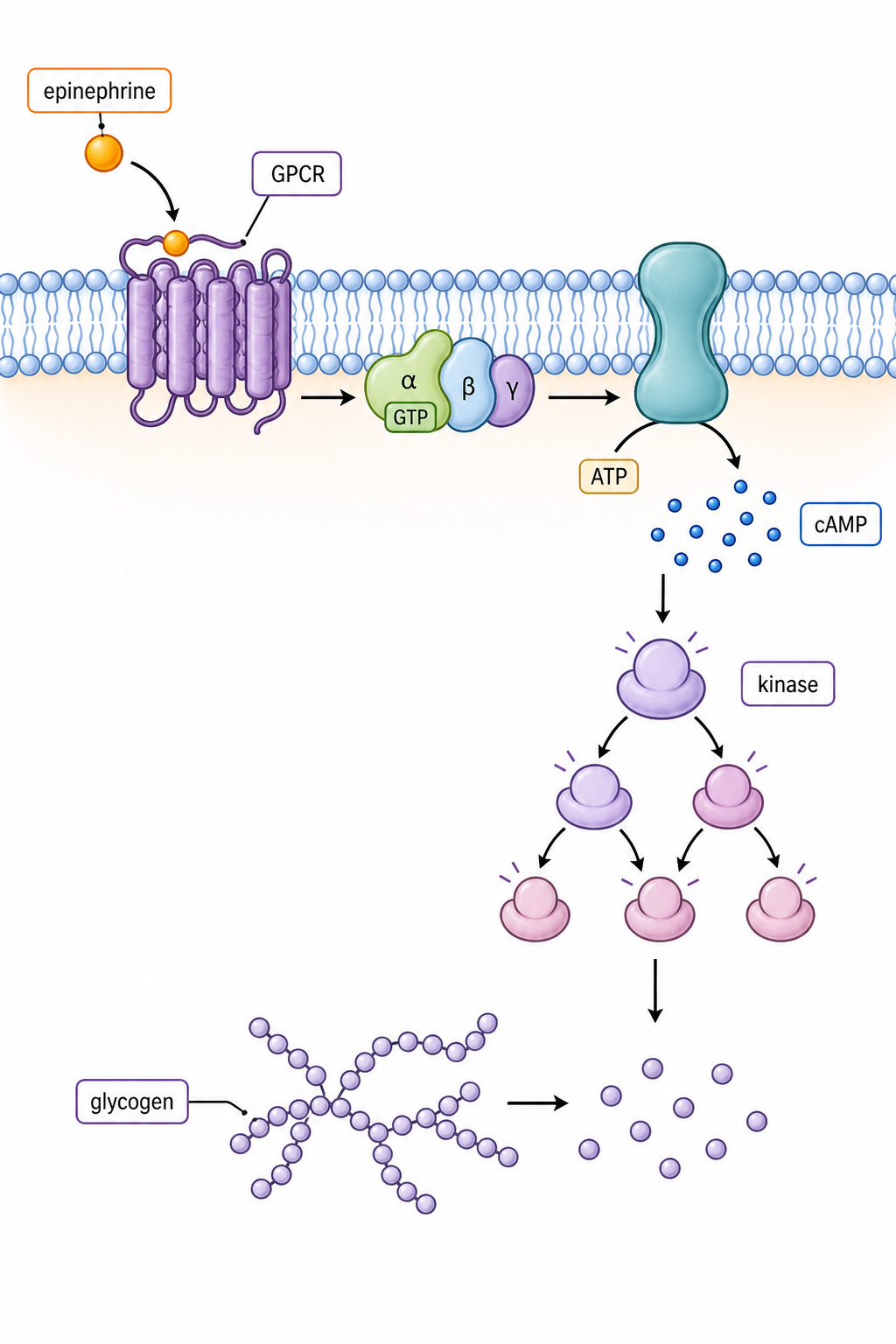
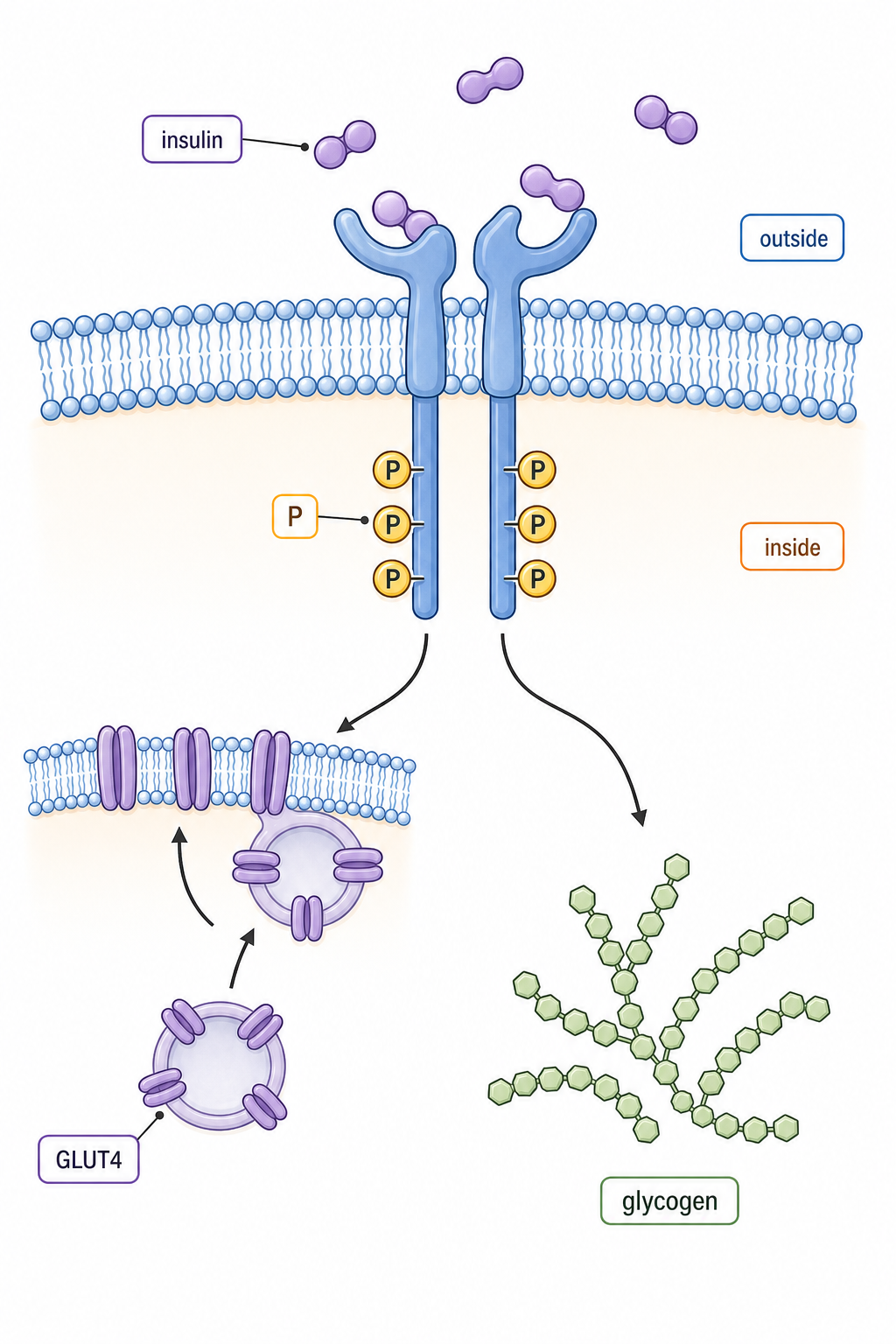
A ligand only affects target cells with the matching receptor. Quorum sensing uses autoinducers and thresholds for group behaviour. Animal signals differ by source, distance, speed, target-cell response, and chemical class. Hydrophilic ligands use transmembrane receptors and relays; steroid and thyroid hormones use intracellular receptors that affect transcription. Named pathways then show the logic: acetylcholine opens sodium channels, GPCRs switch G proteins through GDP-GTP exchange, epinephrine uses cAMP and kinase cascades, insulin RTKs use dimerisation/autophosphorylation to move GLUT4 and promote glycogenesis, steroid hormones change gene expression, and feedback either amplifies or restores stability.

  • Start every signalling answer with ligand specificity and target-cell receptor matching.
  • Then choose the route: local synapse, blood-borne hormone, transmembrane receptor, or intracellular receptor.
  • For named mechanisms, give the sequence, not just the pathway name.
  • Finish feedback comparisons with amplification versus stability.

Concept essentials

  • Negative feedback reduces upstream signalling when a response is already sufficient.
  • High estrogen can inhibit FSH secretion in the menstrual cycle.
  • Feedback loops help regulate hormone concentrations over time.
  • Chemical signalling systems often depend on both signal production and response-based control.