EduNinja
(a)

The house mouse, Mus musculus, has a diploid number of 40 chromosomes.
Fig. 2.1 shows 6 of these chromosomes.
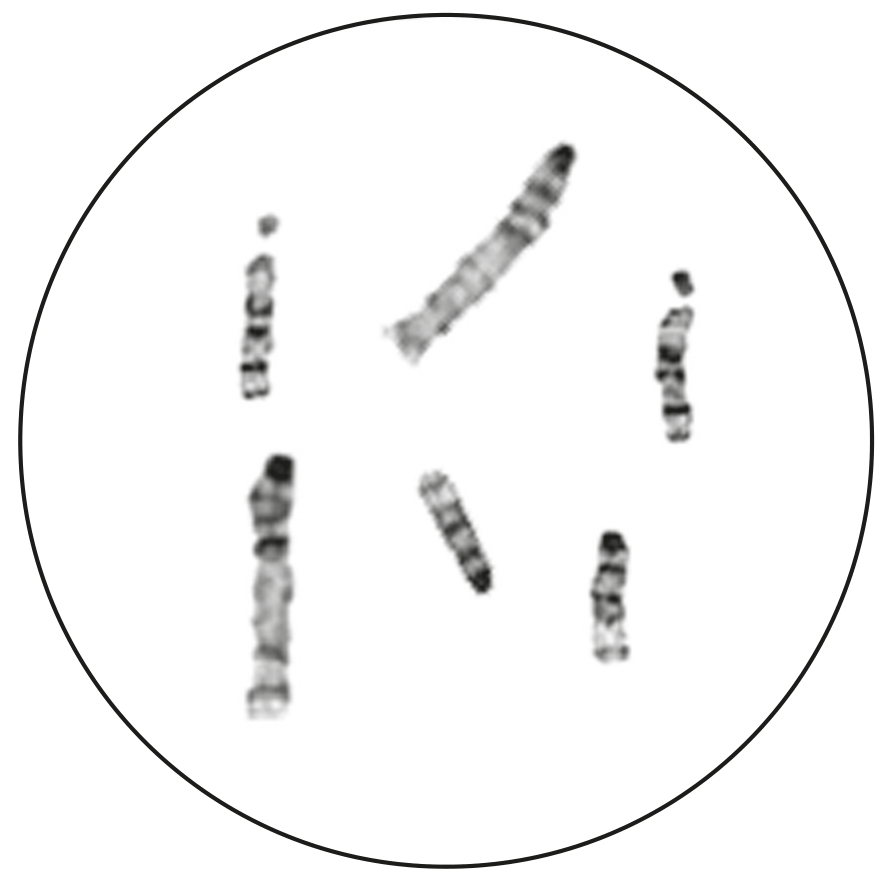
Fig. 2.1

Fig. 2.1

Identify one pair of homologous chromosomes on Fig. 2.1 by drawing circles around two chromosomes.

[ 1 ]
(b)

Fig. 2.2 shows the banding pattern of chromosome pair 11 of M. musculus. The banding pattern is obtained by staining.
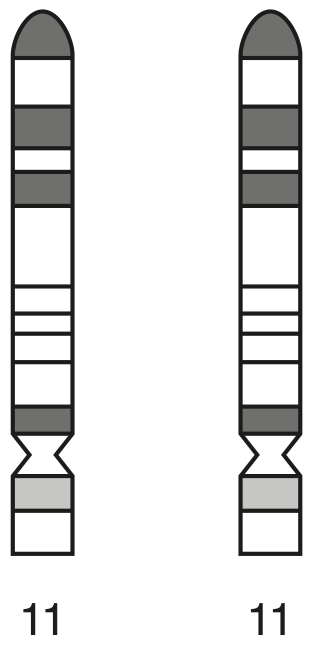
Fig. 2.2

Fig. 2.2

[ 3 ]
(i)

Explain why chromosomes, such as those in Fig. 2.2, are described as a homologous pair.

[ 3 ]
(a)

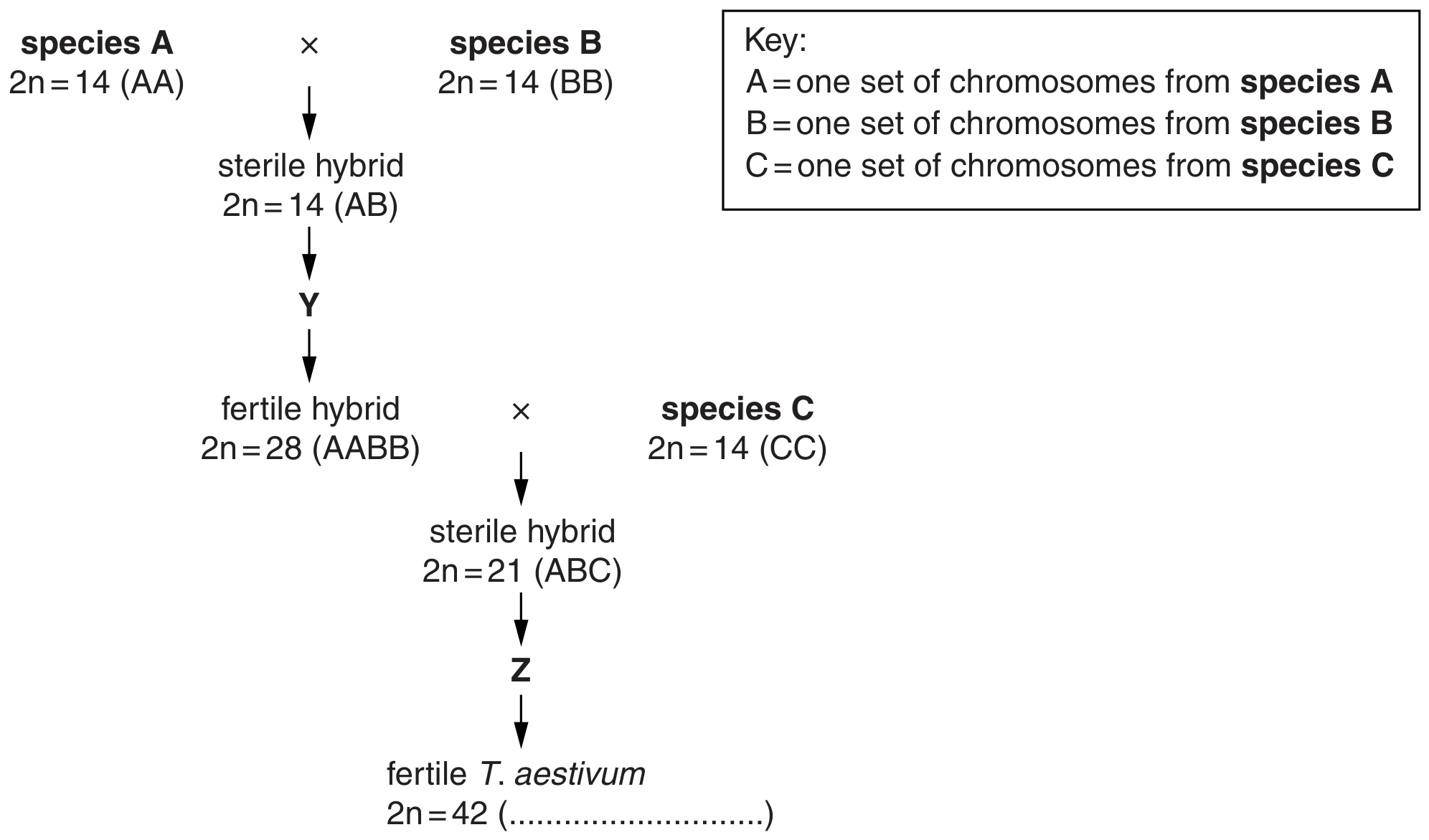
Wheat, Triticum aestivum, owes its origin to hybridisation involving three different, but related, species of grass, A, B and C.

Each of these species had seven pairs of chromosomes ( 2 n=14 ).
The hybridisation process is shown in Fig. 3.1.

Fig. 3.1

Fig. 3.1

[ 1 ]
(i)

Using the symbols in the key, complete Fig. 3.1 by writing in the chromosome sets of T. aestivum.

[ 1 ]
[Maximum number: 1]

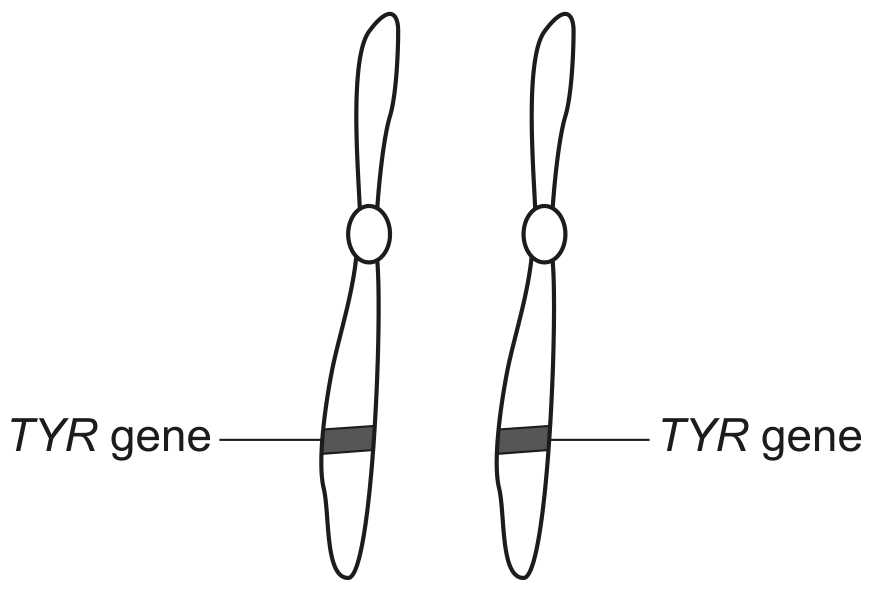
Many different genes are involved in the production of pigments in mammals. One example is the TYR gene.

(a)

In humans the TYR gene is located on chromosome 11.

Fig. 6.1 shows the homologous pair for chromosome 11.

Fig. 6.1

Fig. 6.1

[ 1 ]
(i)

Homologous chromosomes have the same genes located at the same loci. State one other feature shared by homologous chromosomes.

[ 1 ]
(a)

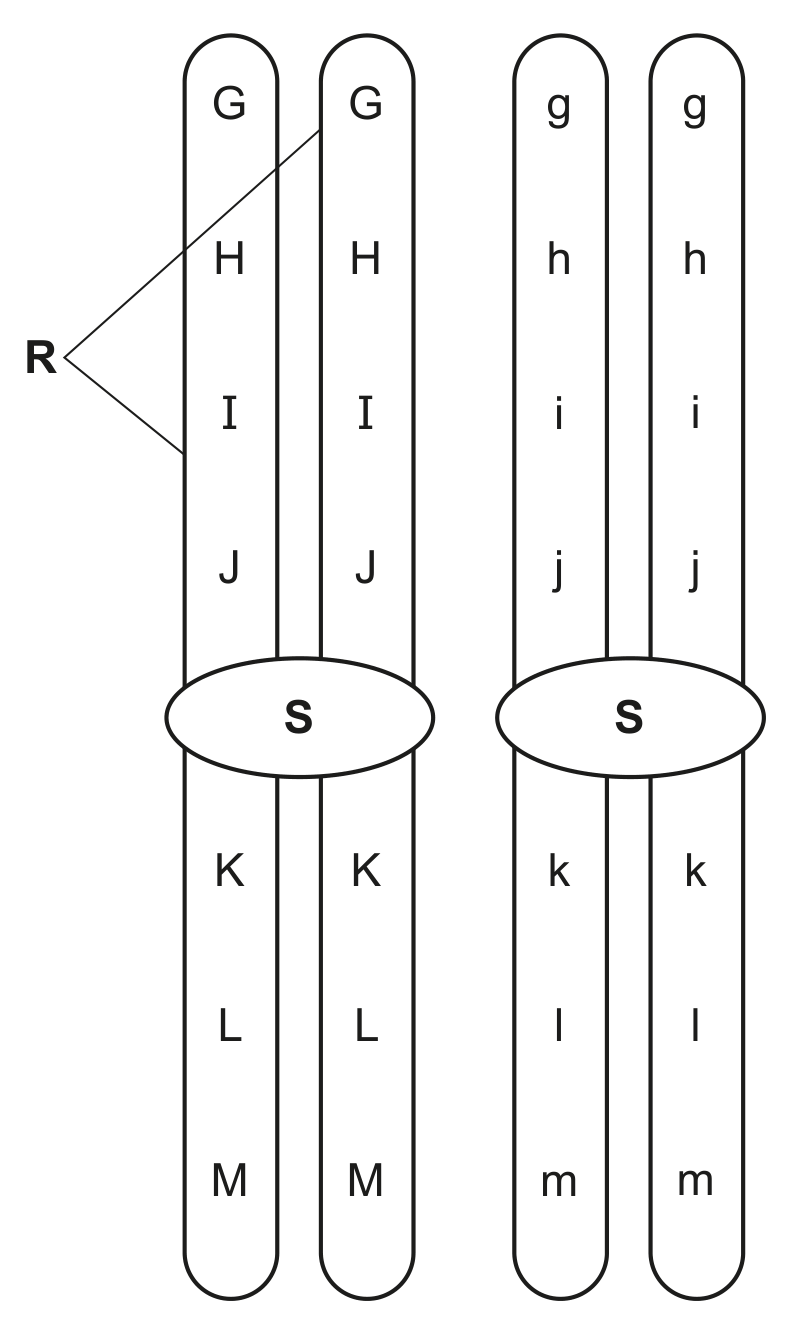
Fig. 7.1 shows two chromosomes in one stage of meiosis.
The letters G to M represent the dominant alleles of seven genes and the letters g to m represent the recessive alleles of the same seven genes.

Fig. 7.1

Fig. 7.1

[ 3 ]
(i)

State three features visible on Fig. 7.1 that identify the chromosomes as a homologous pair.

[ 3 ]
0