EduNinja
(a)

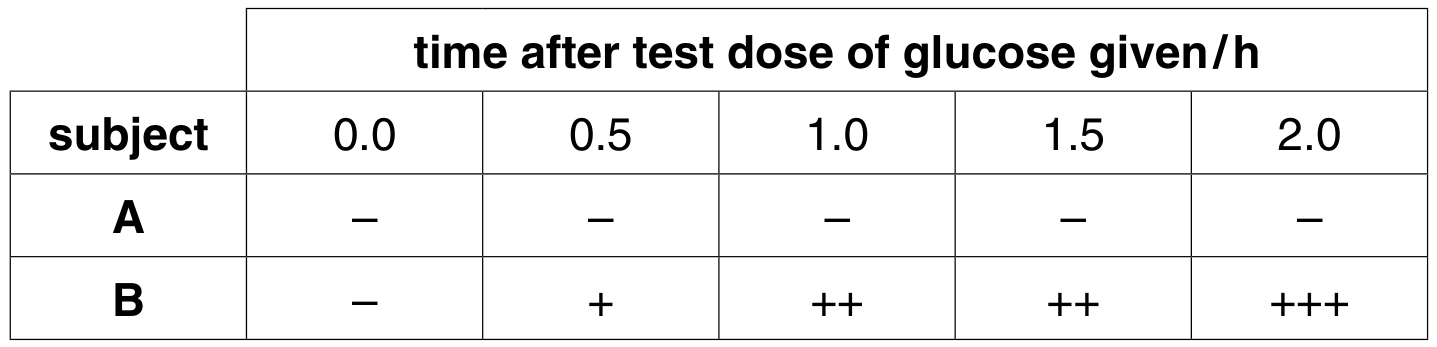
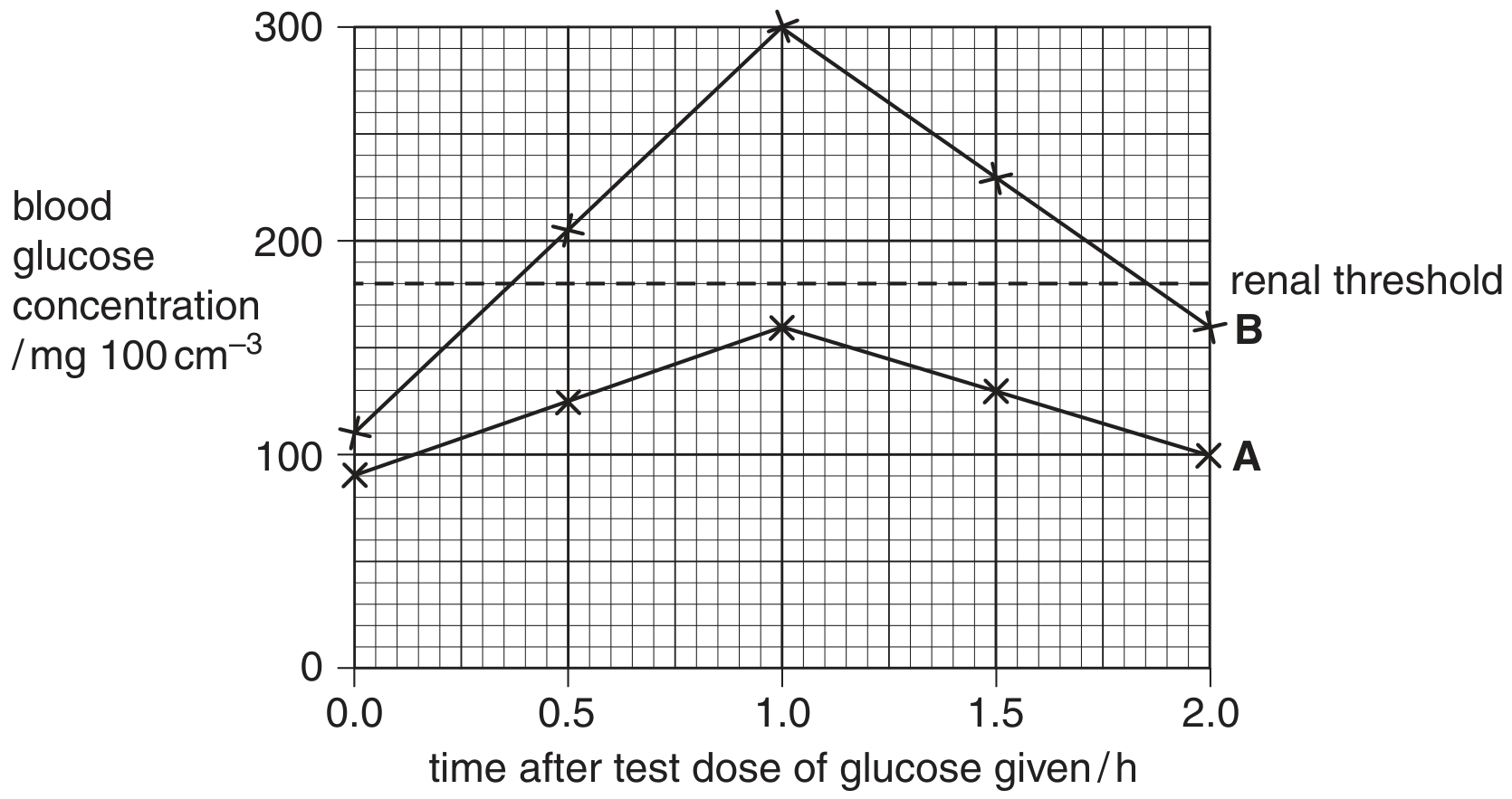
Two young men, subjects A and B, were each given a standardised test dose of glucose after fasting.
- The blood glucose concentration of each subject was then measured immediately and at 30 minute intervals for two hours.
- Samples of their urine were taken and tested at the same time intervals. The colour change of each test strip was compared with the colour chart and recorded as -, +, ++ or +++.

The results of the investigation are shown in Fig. 2.2.
Question image

Results of urine tests:

Fig. 2.2

Fig. 2.2

With reference to Fig. 2.2:

[ 4 ]
(i)

explain the differences between the blood glucose concentrations of A and B

[ 4 ]
(a)

Not all pregnancies due to IVF treatment result in live births. In the USA in 2008 the figures were:
- 85 % of these pregnancies result in live births for women under 35 years old
- 66 % of these pregnancies result in live births for women between 38-40 years old.

Suggest reasons for the difference in percentage for the two groups of women.

[ 2 ]
(a)

Outline the biological basis of the effect of the oestrogen/progesterone contraceptive pill.

[ 4 ]
(b)

The zona pellucida of an oocyte is made up of ZP proteins. ZP3, which does not occur anywhere else in the body, has a complex tertiary structure and acts as a receptor for sperm during fertilisation.

A new method of contraception, which does not involve the use of hormones, is in the early stages of development. It involves blocking the expression of the gene coding for ZP3.

[ 2 ]
(i)

Explain why it is desirable to devise a method of contraception that does not involve oestrogen and progesterone.

[ 2 ]
[Maximum number: 2]

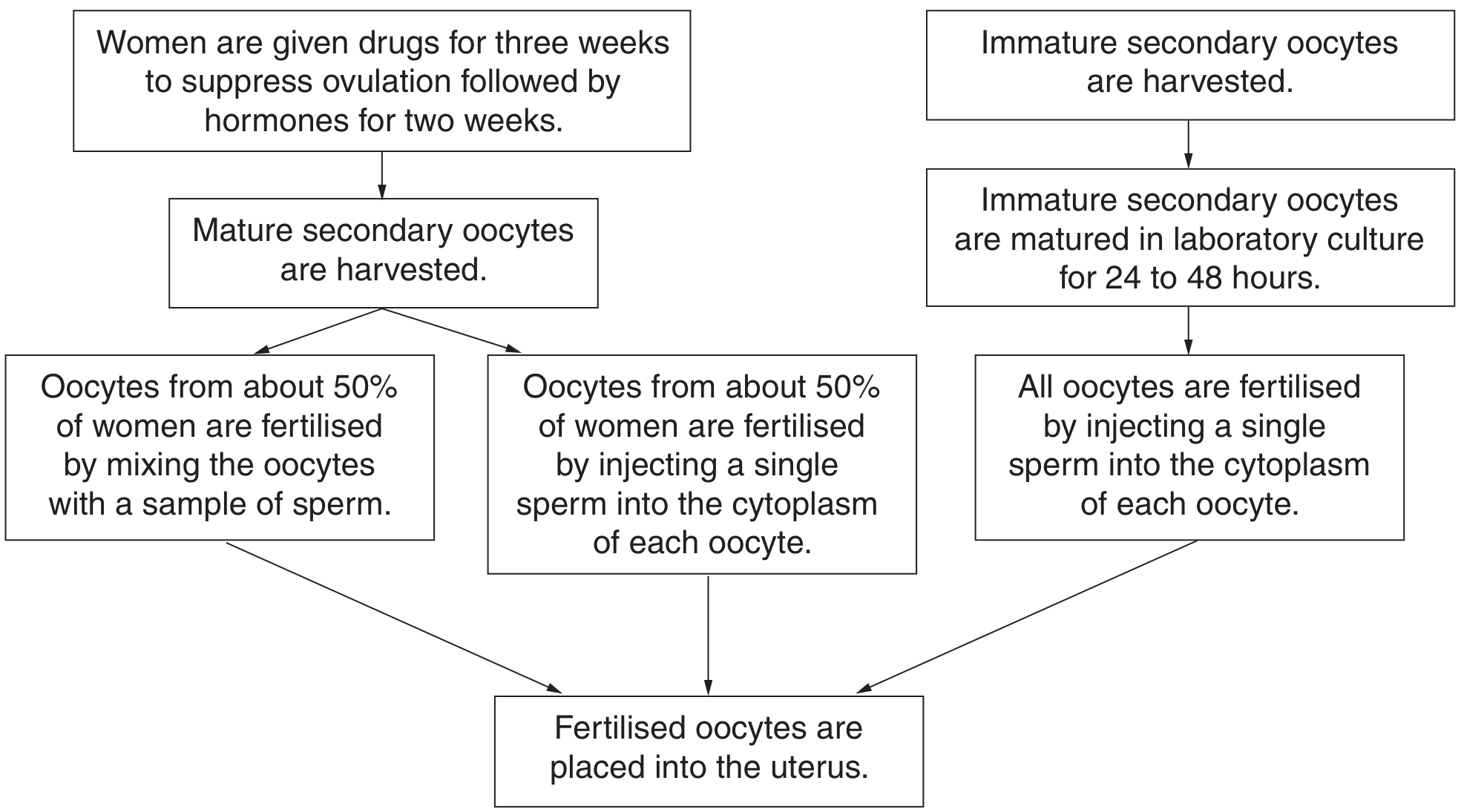
A recent development in fertility treatment is called in-vitro maturation (IVM). This is both cheaper and safer than the standard procedure used in in-vitro fertilisation (IVF), especially for women with polycystic ovaries. Hormone treatment can be dangerous for women with this condition, in which a number of ovarian follicles mature at the same time.

IVF and IVM are compared in Fig. 3.1.

Fig. 3.1

Fig. 3.1

(a)

With reference to Fig. 3.1, explain why women are treated with hormones for two weeks after being given drugs to suppress ovulation at the beginning of IVF treatment.

[ 2 ]
[Maximum number: 3]

Human insulin can be synthesised in a laboratory strain of Escherichia coli using recombinant DNA (rDNA) technology.

The starting point for the process is mRNA coding for insulin, isolated from human pancreas cells.
Four enzymes are needed:
- reverse transcriptase
- DNA polymerase
- restriction enzyme
- DNA ligase.

(a)
(i)

Outline the role of insulin in a healthy human.

[ 3 ]
[Maximum number: 6]

The secretion of insulin by the islets of Langerhans in the pancreas stimulates the liver to reduce the blood glucose concentration.

(a)

Describe how the liver reduces blood glucose concentration, when insulin is secreted.

[ 3 ]
(b)

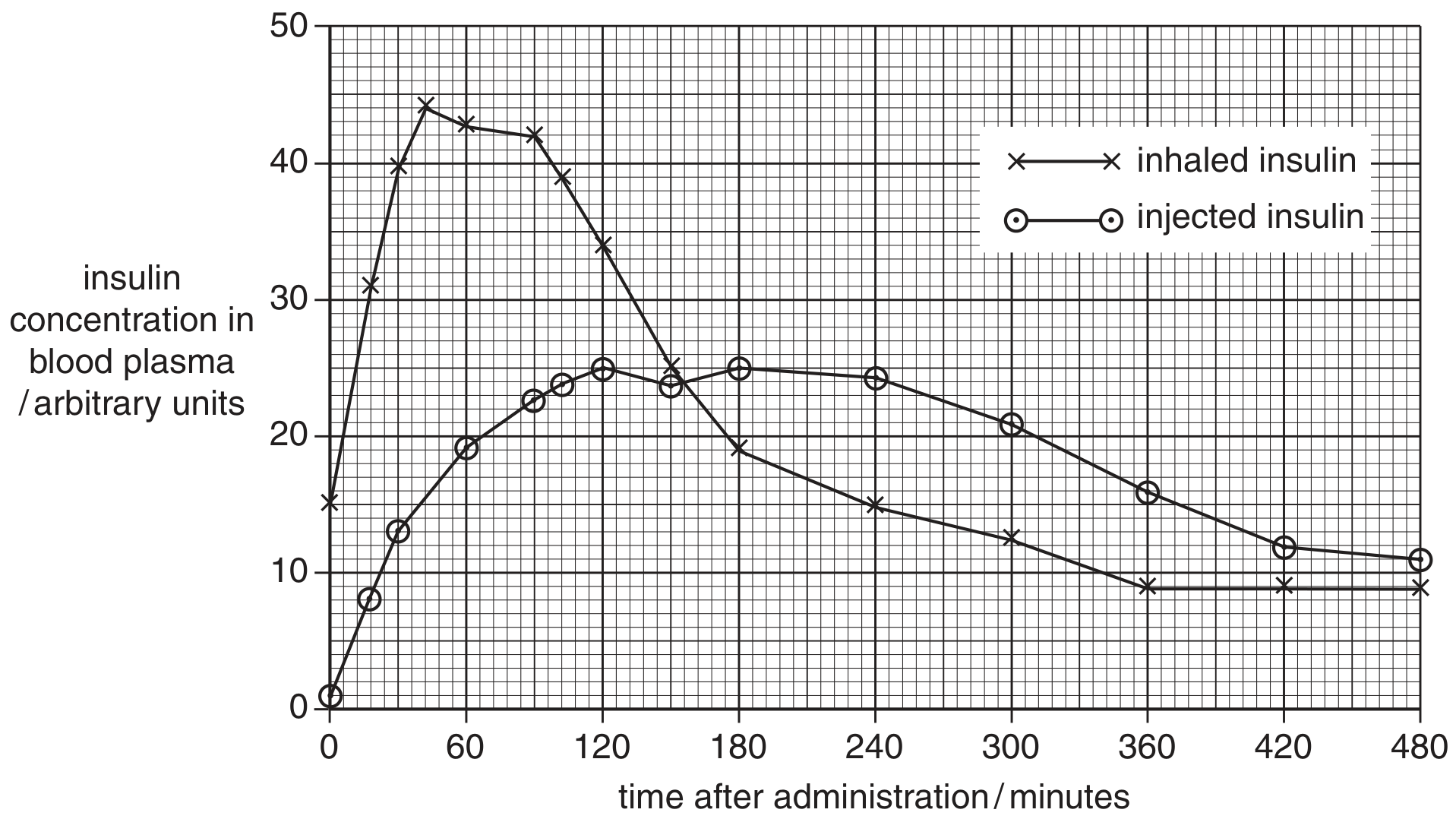
Most people with type I diabetes inject insulin. A recent product contains insulin that can be administered using a nasal spray. The spray is inhaled and the insulin is taken up through the lungs.

Fig. 4.2 shows the concentration of insulin in the blood plasma in the 480 minutes after injecting or inhaling insulin. In both cases, the insulin was of the same type, obtained from genetically engineered Escherichia coli.

Fig. 4.2 shows the concentration of insulin in the blood plasma in the 480 minutes after injecting or inhaling insulin. In both cases, the insulin was of the same type, obtained from genetically engineered Escherichia coli.

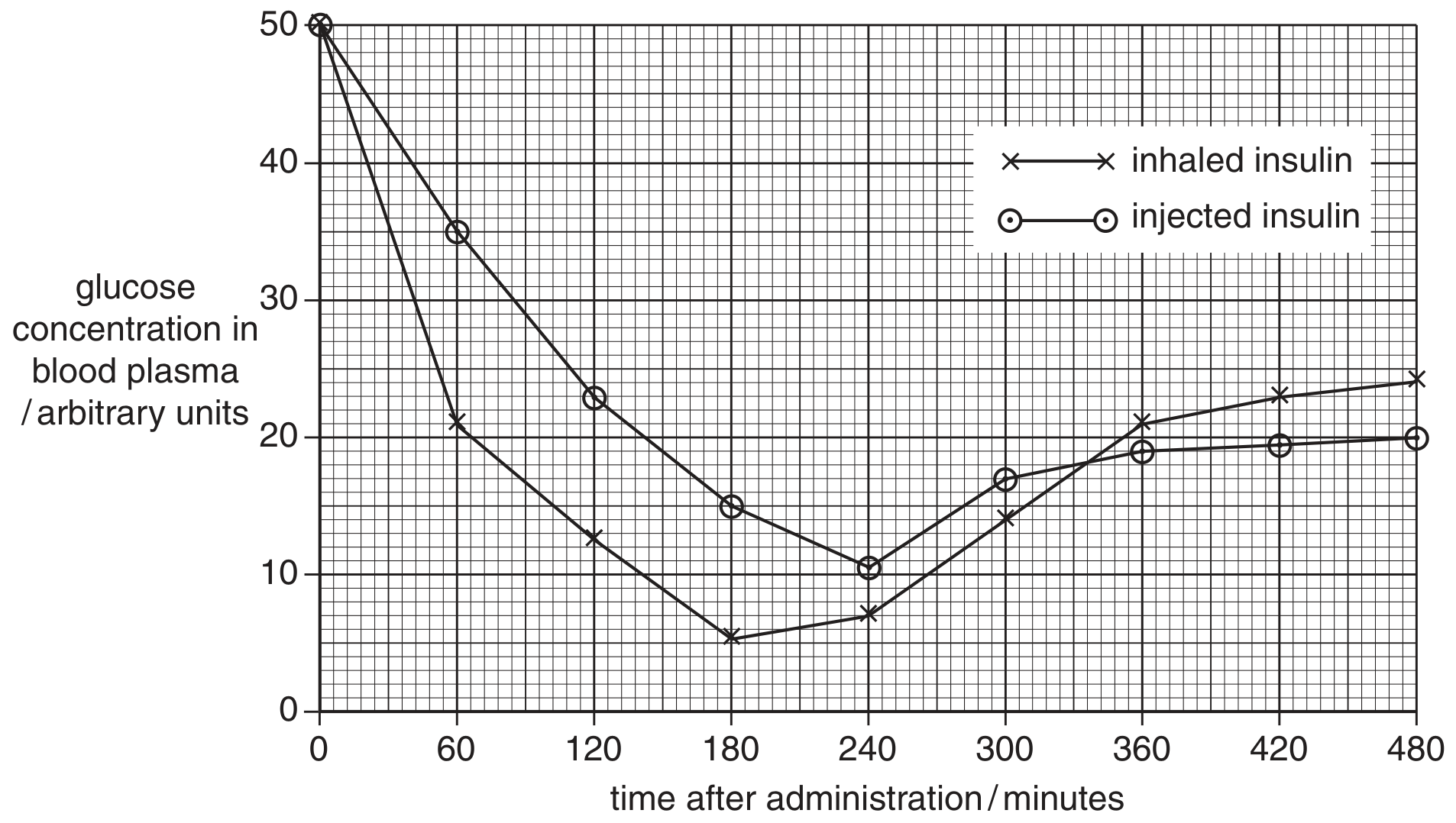
Fig. 4.3 shows the concentration of glucose in the blood plasma in the 480 minutes after injecting or inhaling insulin.

Fig. 4.3

Fig. 4.3

[ 3 ]
(i)

With reference to Fig. 4.2, explain the differences in the blood glucose levels after injecting or inhaling insulin shown in Fig. 4.3.

[ 3 ]
(a)

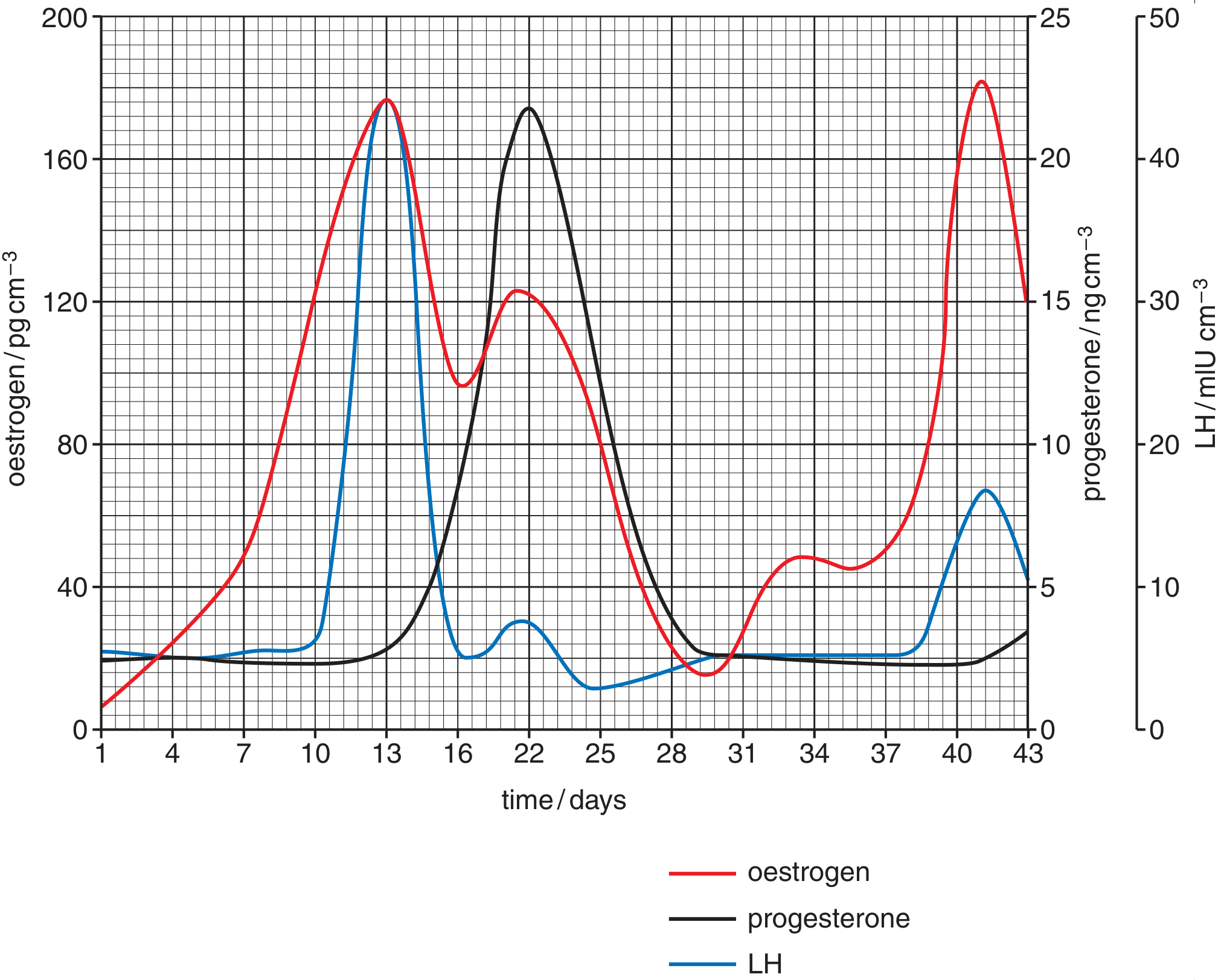
Blood samples were taken from a 29 year old woman each day for a period of 43 days. The concentrations of oestrogen, progesterone and luteinising hormone (LH) in each sample were measured. The results are shown in Fig. 4.1.

Fig. 4.1

Fig. 4.1

[ 8 ]
(i)

Estimate the length of the woman's menstrual cycle. Show how you worked out your answer.
answer (days)

[ 2 ]
(ii)

The luteal phase is the part of the cycle when a corpus luteum is present in the ovaries. It begins immediately after ovulation, and ends when menstruation starts.

Use Fig. 4.1 to suggest when the luteal phase began and ended.
began ended

[ 2 ]
(iii)

Name the organ that secretes LH.

[ 1 ]
(iv)

Describe the roles of LH in the menstrual cycle.

[ 3 ]
(b)

An investigation was carried out to determine whether the ability of a woman to perform a task involving spatial ability varied at different times of her menstrual cycle.

The investigation involved 12 women. They each performed 24 similar spatial tasks on day 2 and day 22 of their menstrual cycle, for six successive cycles. The tasks involved mentally rotating 3-D shapes.

The researchers used two methods to determine the phase of the menstrual cycle.
- Each woman was asked when her previous menstrual period had begun.
- After each test, a blood sample was taken and the concentrations of oestrogen, progesterone and LH were measured.

[ 4 ]
(i)

The mean score for women taking the tests on day 2 of their cycle was 10.50 out of 24 . The mean score for women taking the tests on day 22 of their cycle was 7.38 out of 24 .

Discuss whether or not these results support the hypothesis that the concentration of oestrogen in the blood affects the ability to perform spatial tasks.

[ 4 ]
(a)
(i)

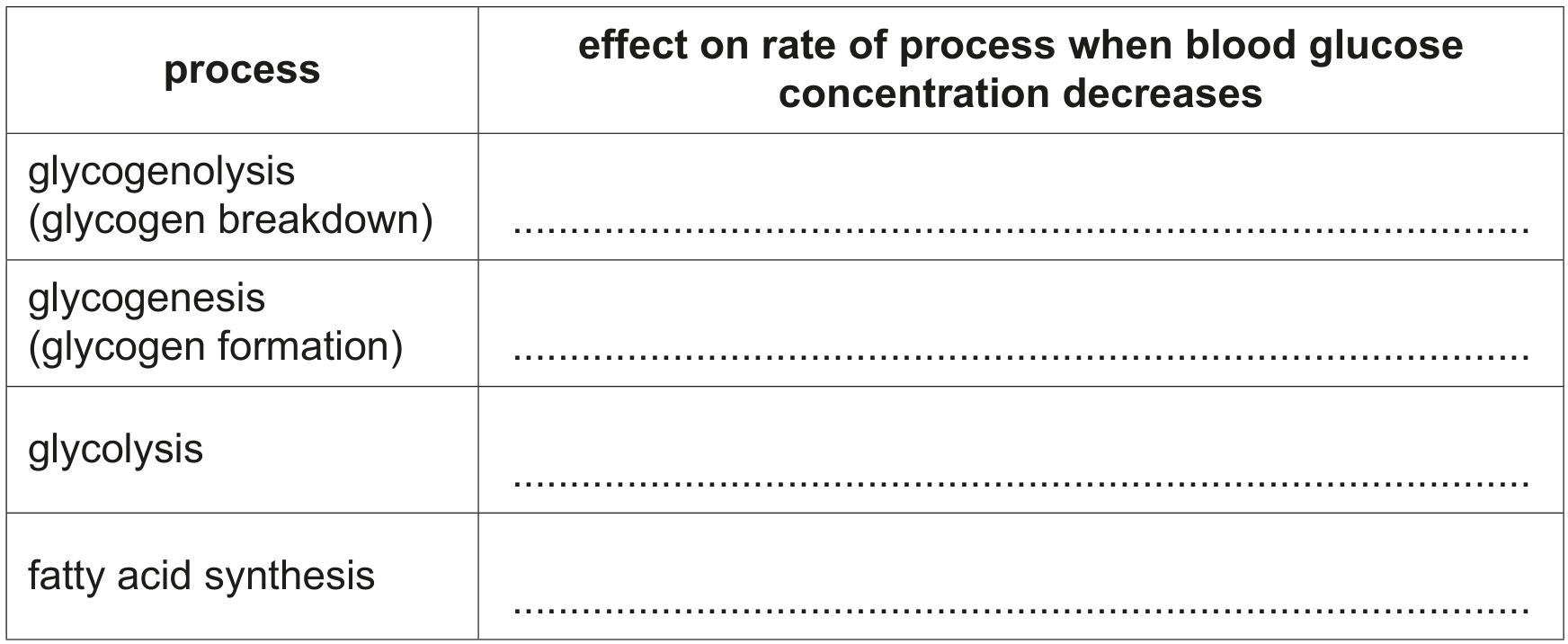
Table 6.1 shows four processes carried out by liver cells that are affected by a decrease in blood glucose concentration. Some of these are cellular responses from cell signalling by glucagon.

Complete Table 6.1 by stating whether the rate of each process increases or decreases when blood glucose concentration decreases.

Table 6.1

Table 6.1

[ 3 ]
(a)

Diabetes mellitus is a disease where the pancreas is not able to secrete sufficient insulin.

The symptoms of diabetes mellitus include a tendency to drink a lot of water and a loss of body mass.

Suggest why these symptoms occur.

[ 4 ]
0