(a)
If the concentration of cortisol in the blood increases above its set point, it will inhibit the production of ACTH by the anterior pituitary gland.
Name this type of homeostatic mechanism.
[ 1 ]
 EduNinja
If the concentration of cortisol in the blood increases above its set point, it will inhibit the production of ACTH by the anterior pituitary gland.
Name this type of homeostatic mechanism.
Fur seals are mammals that are adapted to live in cold temperatures. Fur seals have large quantities of a type of fat tissue known as brown adipose tissue. Brown adipose cells contain many mitochondria. These mitochondria contain a transport protein called thermogenin.
Fig. 2.1 shows the role of thermogenin in a mitochondrion of a brown adipose cell when external temperatures are cold.
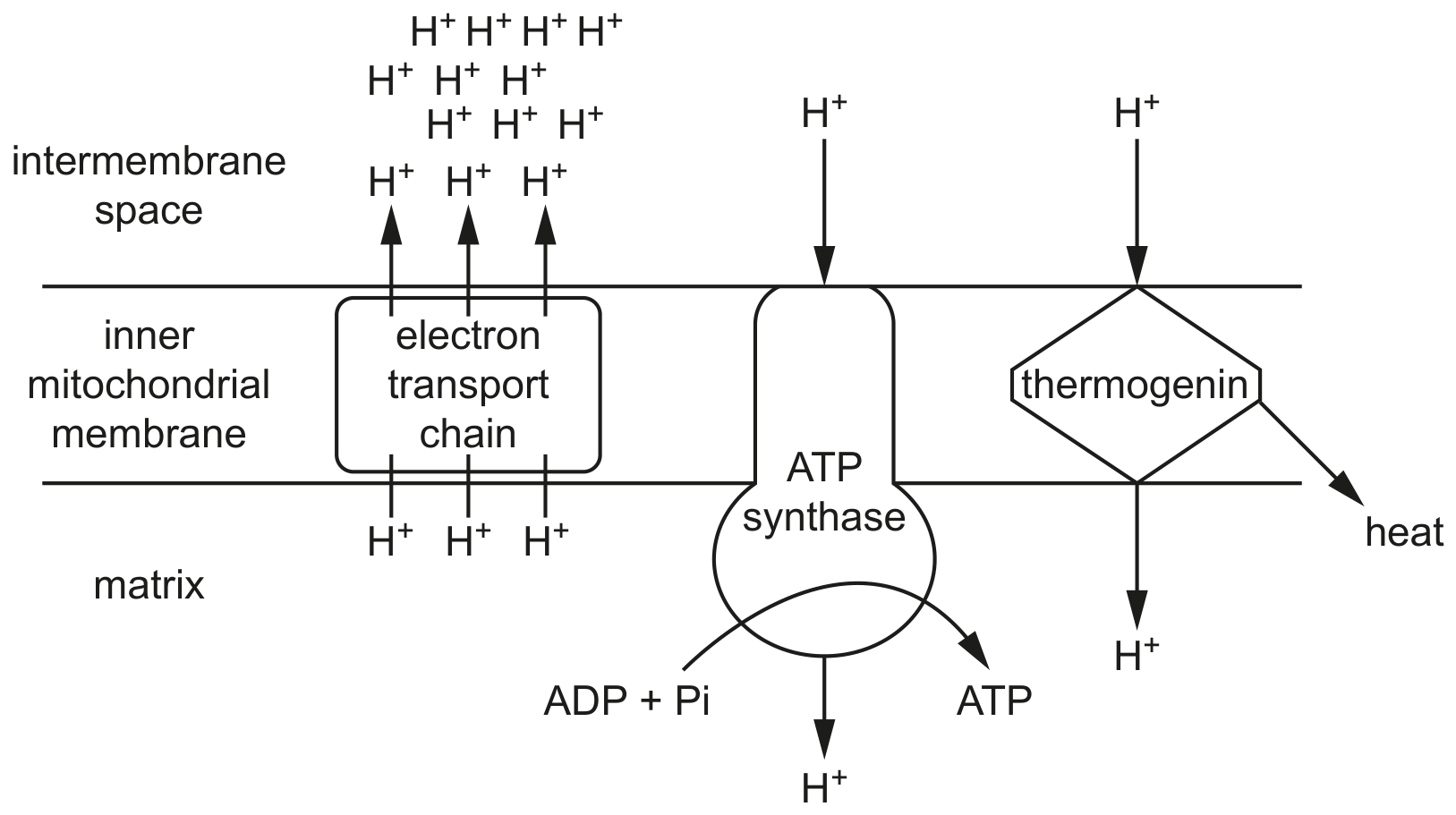
Fig. 2.1
When the external temperature is warm, thermogenin cannot function.
When the external temperature becomes cold, thermogenin is able to function as a result of cell signalling:
- adrenaline is released
- adrenaline acts on brown adipose cells
- a sequence of events is triggered that results in the activation of the enzyme lipase
- lipase hydrolyses triglycerides in the cells into fatty acids
- fatty acids enter the mitochondrion
- thermogenin starts to function.
Outline the stages of cell signalling that trigger the functioning of thermogenin.
Question 3 starts on page 8.
An investigation was carried out to measure the rate at which glucose is provided for respiration from three different sources of glucose:
- a meal
- glycogenolysis - the breakdown of glycogen
- gluconeogenesis - production of glucose from non-carbohydrate molecules.
After a person ate a meal, the rates at which glucose was provided for respiration from the three different sources were measured at regular intervals over a 24 -hour period. During this period, no food was eaten.
rate at which glucose is provided for respiration
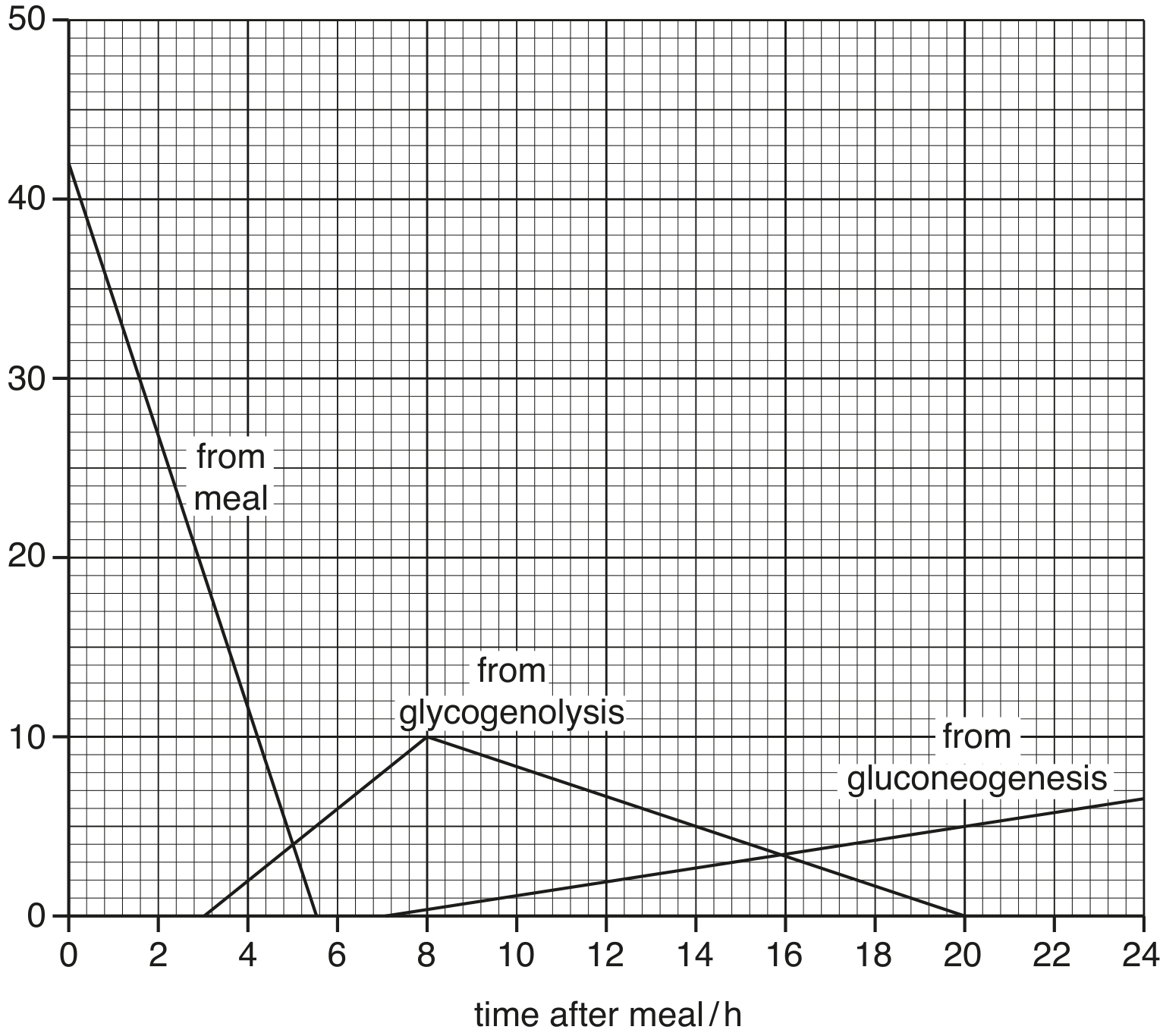
Fig. 2.1 shows the results of this investigation.
Name the homeostatic mechanism by which blood glucose concentration is maintained at a set point.
The response of the human body to tissue damage depends on the types of tissues involved. Epithelial tissue, liver tissue and cardiac muscle tissue each respond differently to damage.
- Epithelial tissue of the gas exchange system contains stem cells.
- Liver tissue contains cells in a non-dividing state that can enter a cell cycle when stimulated.
- Cardiac muscle tissue contains cells that cannot divide at all. Damage is permanent and is associated with scar tissue formation.
Following liver tissue damage, chemicals are produced and released into the circulation. These chemicals are able to stimulate the liver cells to help tissue repair.
Explain how this is an example of cell signalling.
Many women use knowledge of their menstrual cycle as a family planning method, avoiding sexual intercourse during the part of the cycle when it is possible for fertilisation to occur. This part of the cycle is known as the fertile window.
In women with regular, 28-day menstrual cycles, ovulation is likely to take place on day 14. Most guidelines state that the fertile window lasts from day 10 to day 17 of the menstrual cycle.
Fig. 4.1 shows how basal body temperature, and the concentration of luteinising hormone, LH, varied during one menstrual cycle of a woman. Basal body temperature is the temperature of the body just after waking in the morning.
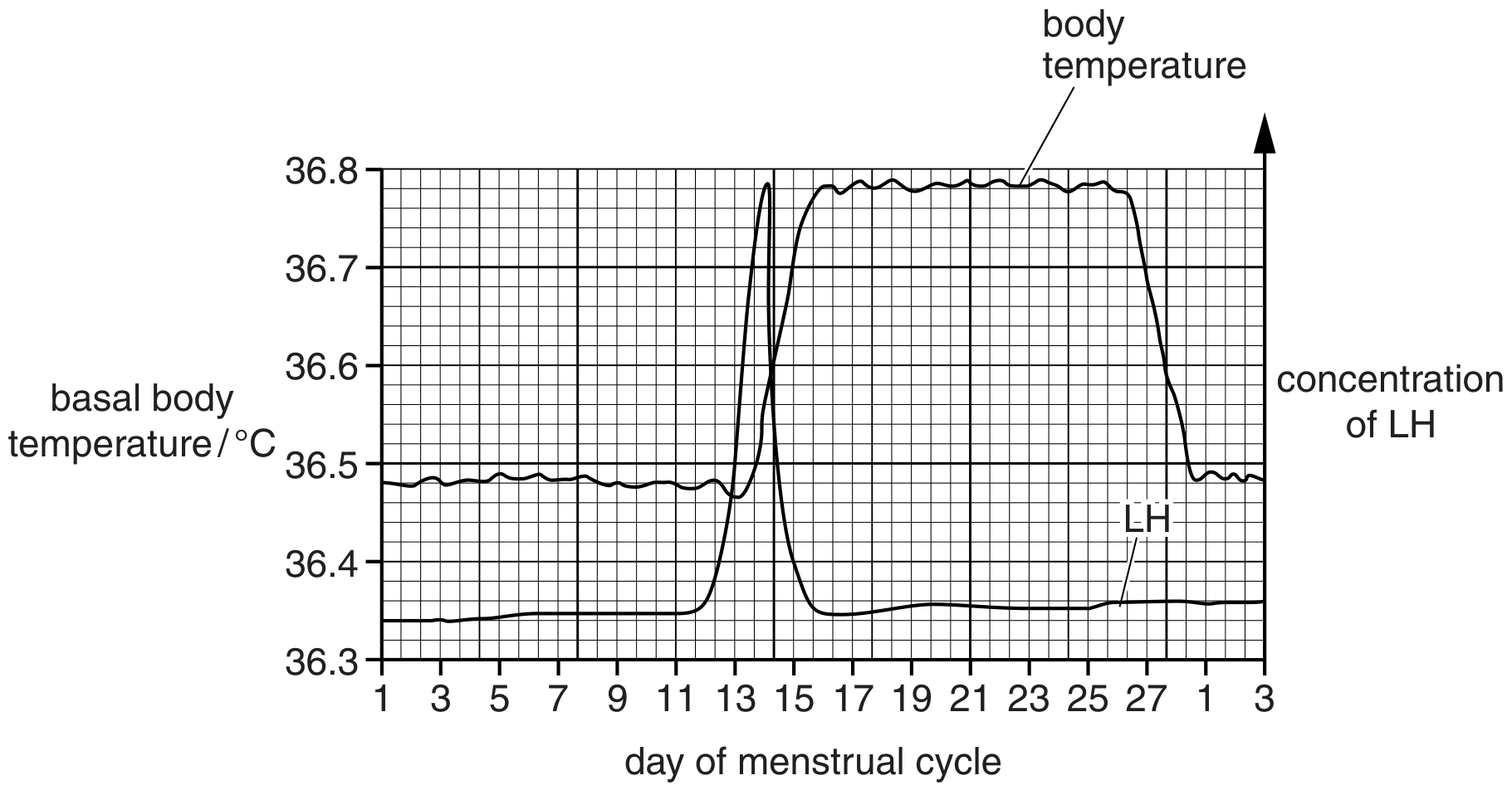
Fig. 4.1
On Fig. 4.1, sketch a curve to show the changes in the concentration of progesterone in the blood during this menstrual cycle.
The follicular phase of the menstrual cycle begins when menstruation starts, and ends when ovulation takes place.
With reference to Fig. 4.1, suggest when the follicular phase began and ended during this menstrual cycle.
began ended
Three methods that a woman can use for determining her fertile window are:
method 1 using the date at which each menstruation begins to predict when ovulation will occur
method 2 using disposable urine dip sticks to measure the amount of LH breakdown products in urine (the more LH in the blood, the more breakdown products are present in urine)
method 3 wearing an electronic device in the armpit that continuously measures body temperature.
Suggest why using method 1 alone is not likely to be a very reliable method of avoiding conception.
Explain how method 2 could be used to avoid conception.
Suggest why method 3 is likely to be a better predictor of ovulation than measuring basal temperature with a thermometer each day.
A study was carried out into the timing of the fertile window. The study involved 221 women who were trying to get pregnant.
Urine samples from each woman were tested for LH breakdown products every day for several months. The women recorded the days on which they had sexual intercourse, and also the days on which menstruation began.
136 of the women became pregnant during the study.
The results were used to calculate the probability of a woman being in the fertile window on each day of her cycle. The results for women with regular 28-day cycles are shown in Fig. 4.2.
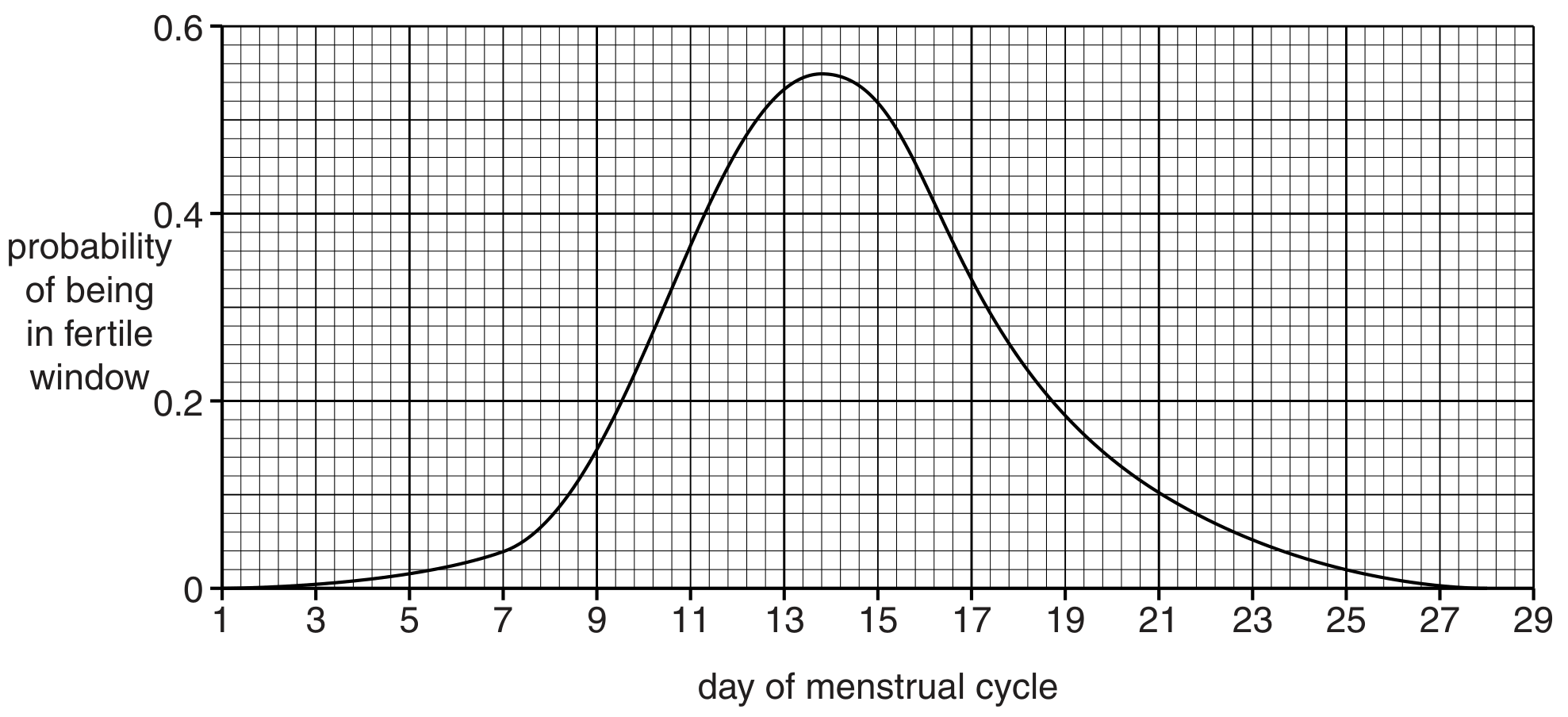
Fig. 4.2
Discuss what these results suggest about the guidelines that the fertile window lasts from day 10 to day 17 of the menstrual cycle.
Question 5 starts on page 12
Some pathogens can enter the human body through the gas exchange system.
Some alveolar cells produce a surfactant that helps to prevent the collapse of alveoli on exhalation. Too much surfactant decreases the efficiency of gas exchange in the alveoli.
A glycoprotein known as GM-CSF is released by some cells of the immune system when there is too much surfactant in the alveoli. Excess surfactant is then broken down by alveolar macrophages.
Receptors for GM-CSF are on the cell surface membranes of alveolar macrophages.
Explain how maintaining the correct quantity of surfactant in the alveoli is the result of a cell signalling mechanism.
The water potential of the blood is maintained at a constant level by a mechanism called negative feedback.
With reference to the maintenance of the water potential of the blood, explain what is meant by negative feedback.
Some people have a condition called diabetes. In type 1 diabetes the pancreas does not produce enough insulin.
Fig. 7.1 shows the blood glucose concentrations of a type 1 diabetic person and a non-diabetic person, at regular intervals after drinking a glucose drink.
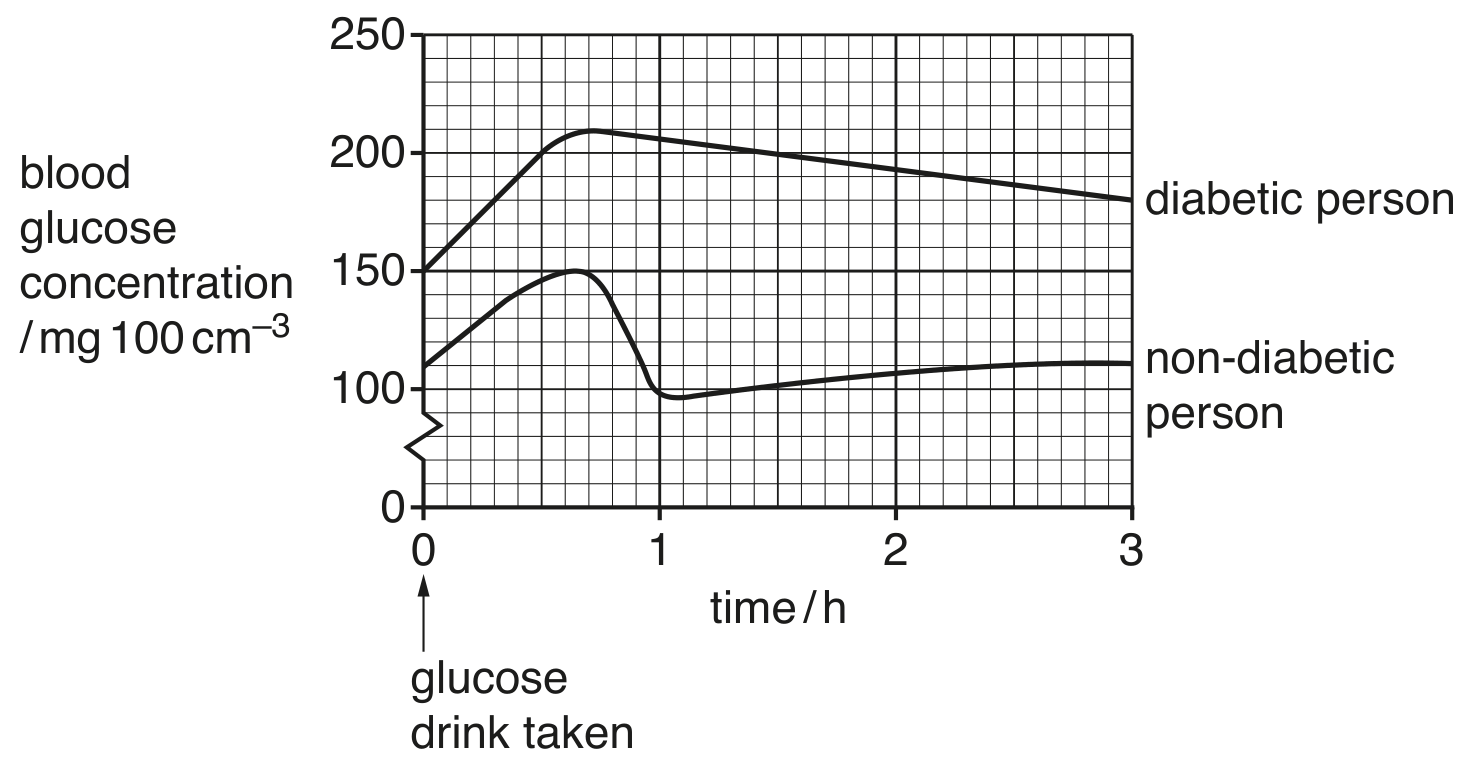
Fig. 7.1
Name the location of the receptors in a non-diabetic person that detect a change in blood glucose concentration.
Name the homeostatic mechanism by which blood glucose concentration is maintained.
Adipose tissue is specialised connective tissue that functions as the major storage site for fat in the form of triglycerides.
The human body contains two types of adipose tissue: white adipose tissue (WAT) and brown adipose tissue (BAT).
- WAT is more common and is found under the skin and around some internal organs.
- BAT is found in infants around the back and shoulders.
- BAT is also found in adults but in relatively smaller quantities.
- BAT cells contains more mitochondria than WAT cells.
- BAT is involved in the maintenance of a constant blood temperature when the external environment is cold.
Blood temperature in humans is maintained by a process called homeostasis.
With reference to blood temperature, outline the main principles of homeostasis.
Suggest why infants have relatively more BAT than adults.
Homeostasis in mammals involves negative feedback mechanisms.
Outline how a negative feedback mechanism works.
If the core temperature of the human body falls, the hypothalamus sends impulses to activate several physiological responses, some of which are listed below.
For each one, state how it would help to bring the core temperature back to normal.
vasoconstriction
shivering
increasing secretion of adrenaline
Answer one question.