EduNinja
(a)

Discuss possible impacts of tourism on the culture and society of the people dependent on Inle Lake.

20112012
Tourists at Inle Lake60000120000

Figure 5: Tourists at Inle Lake

Political changes have led to more tourists visiting Myanmar (Burma).
Tourism can give local young people new skills, higher wages, schooling opportunities and new markets for artefacts.
Tourism has also caused farmers to lose land to hotel developments, fewer fish and less rain for crops, noise and oil pollution from boat engines, leakage of money out of the region, and pressure on the beauty of the area.

[ 4 ]
[Maximum number: 2]

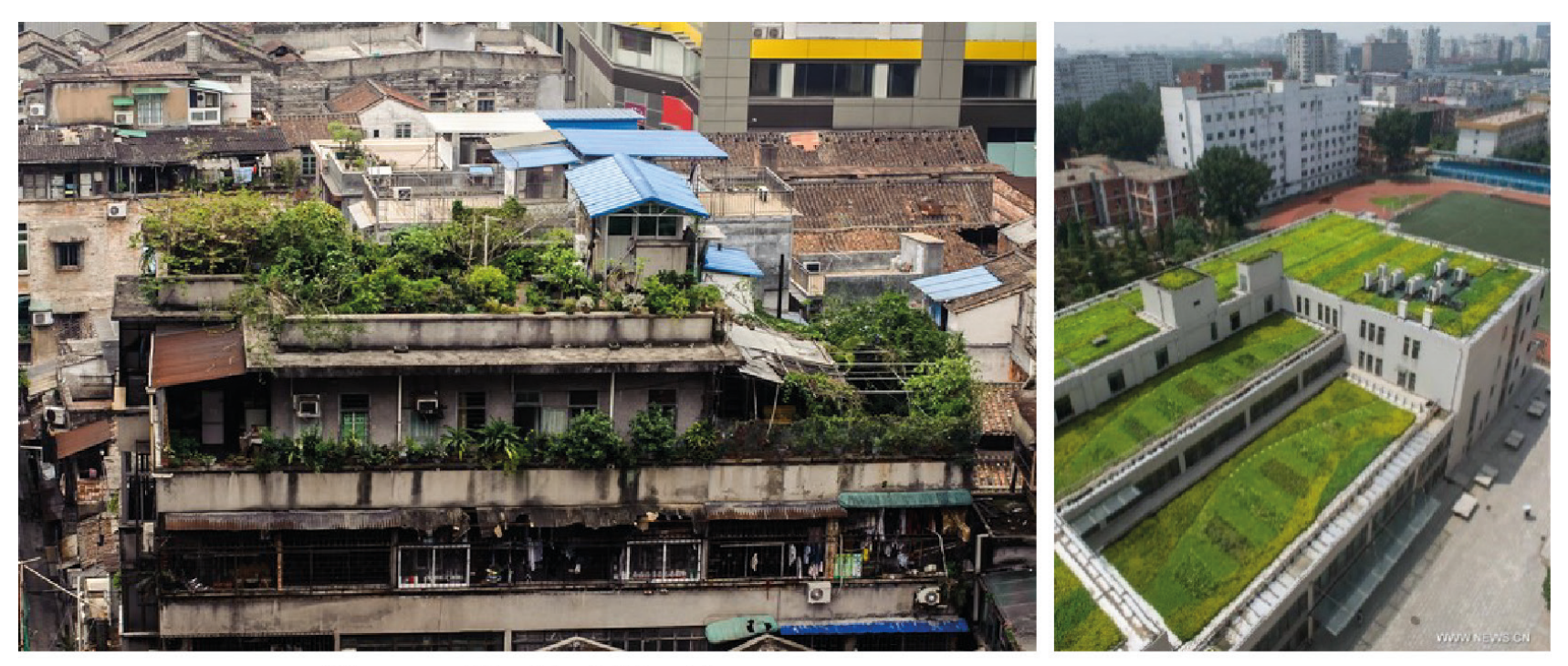
Outline two environmental advantages of 'greening the city' as illustrated in Figure 8.

Figure 8: Green roof examples in Beijing

Figure 8: Green roof examples in Beijing

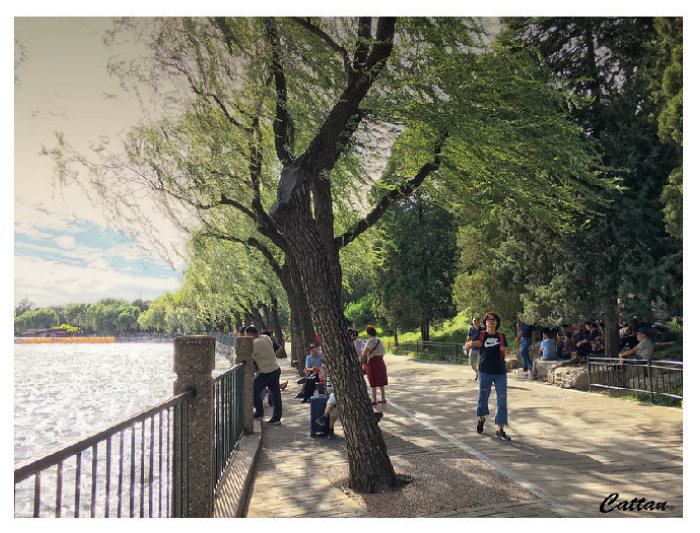
Figure 8: Urban trees and green space in Beijing

Figure 8: Urban trees and green space in Beijing

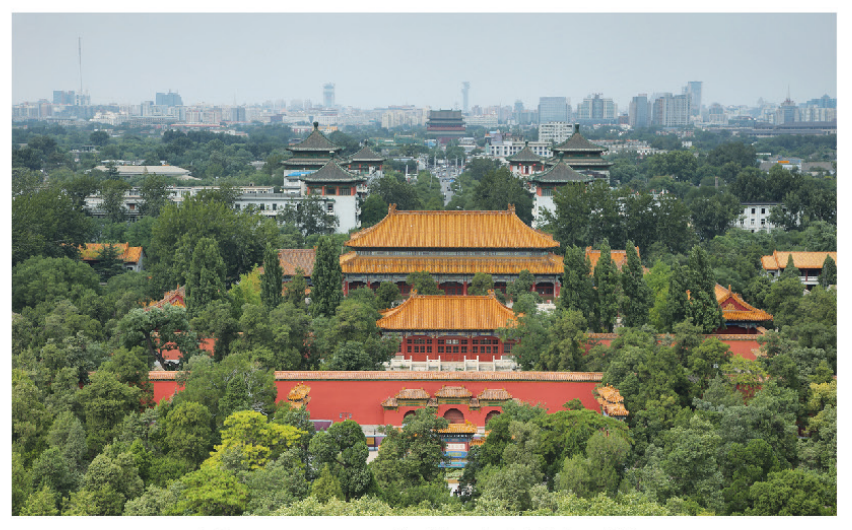
Figure 8: Urban park/green space in Beijing

Figure 8: Urban park/green space in Beijing

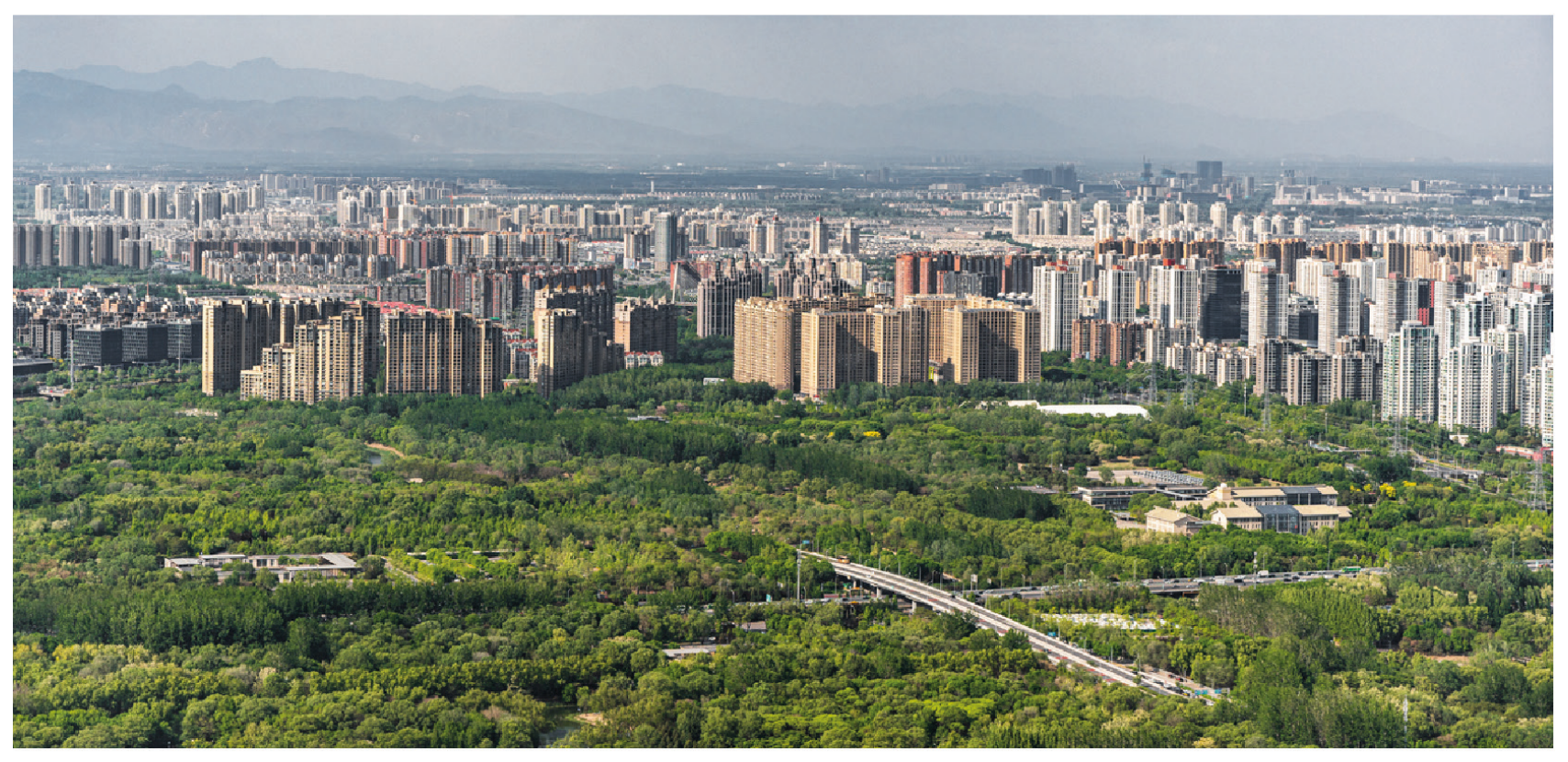
Figure 8: Green belt/urban forest in Beijing

Figure 8: Green belt/urban forest in Beijing

Figure 6(a): In 2018, the Beijing Clean Air Action Plan included limiting car ownership with quotas of 100000 new car purchases per year.
Coal consumption was reduced from 30 million tonnes in 2005 to 4 million tonnes.
The plan created forested areas and green spaces including 5 urban forests, 21 green spaces, 10 leisure parks and 100 km of greenways.
Beijing has the potential to reach net zero carbon emissions by 2050.

[Maximum number: 6]

Beijing could be considered a model of good environmental management. Discuss the validity of this statement with reference to the information provided in the resource booklet.

Figure 6(a): In 2018, the Beijing Clean Air Action Plan included limiting car ownership with quotas of 100000 new car purchases per year.
Coal consumption was reduced from 30 million tonnes in 2005 to 4 million tonnes.
The plan created forested areas and green spaces including 5 urban forests, 21 green spaces, 10 leisure parks and 100 km of greenways.
Beijing has the potential to reach net zero carbon emissions by 2050.

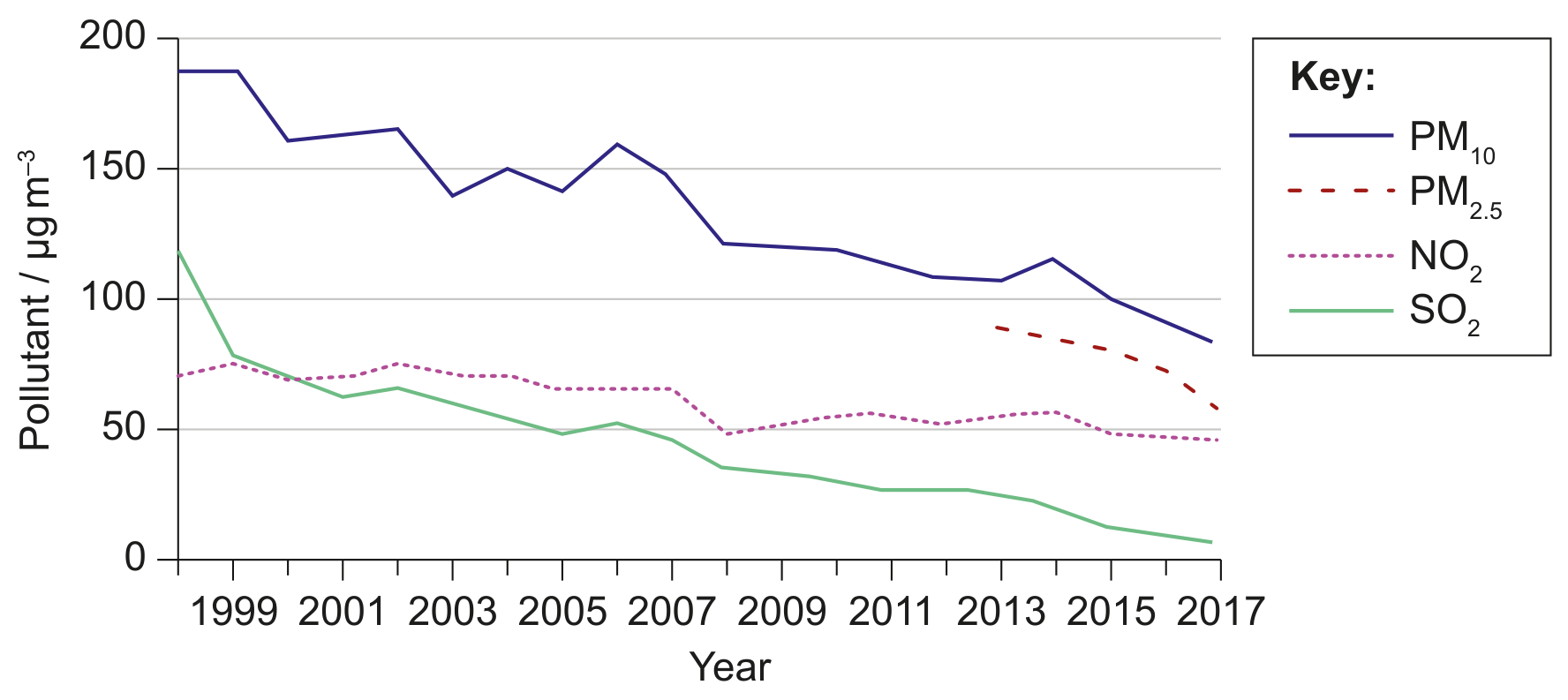
Figure 6(e): Annual average concentrations of air pollutants in Beijing, 1998-2017

Figure 6(e): Annual average concentrations of air pollutants in Beijing, 1998-2017

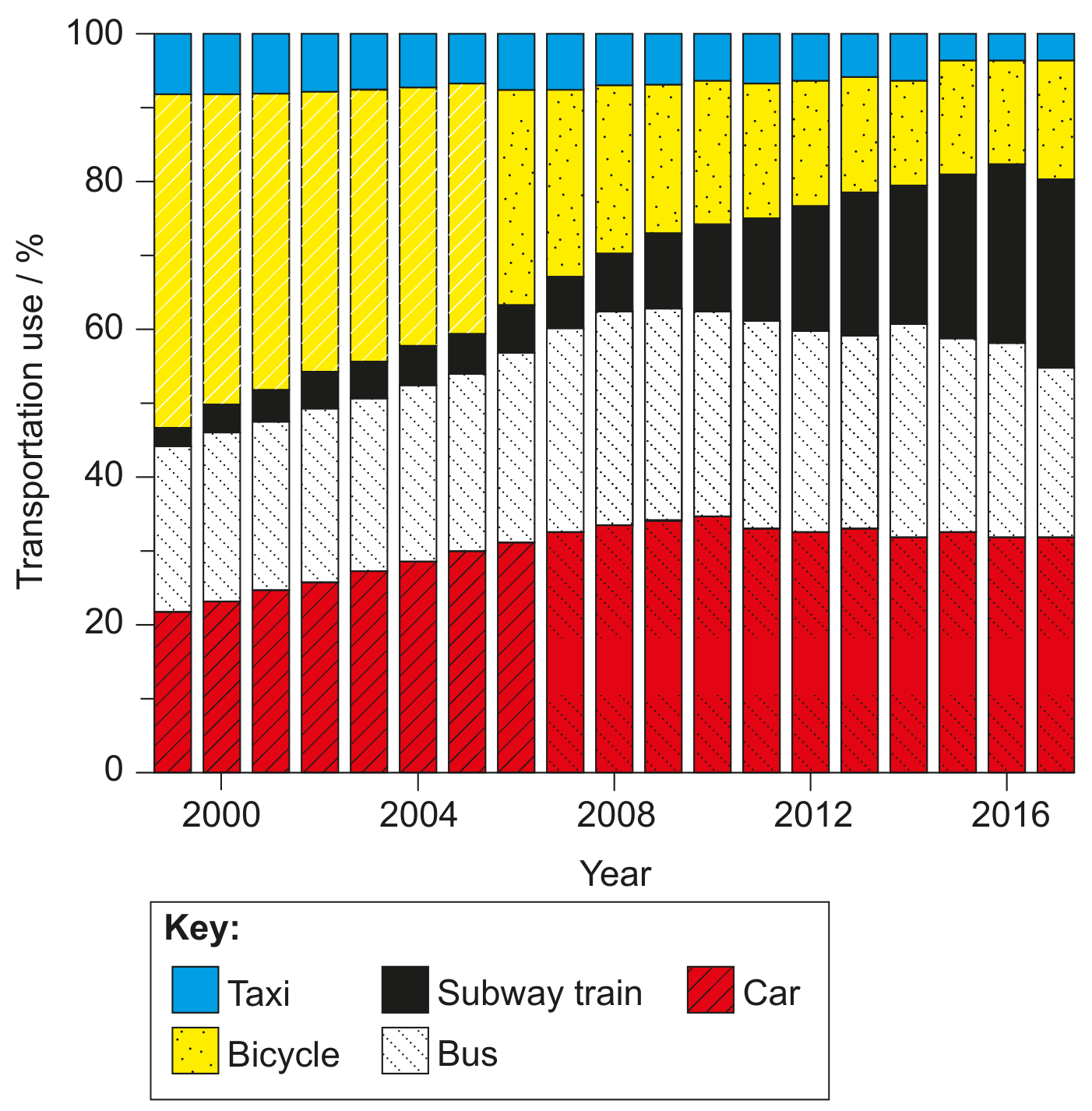
Figure 7: Transport in Beijing, 1999-2017

Figure 7: Transport in Beijing, 1999-2017

Figure 8: Green roof examples in Beijing

Figure 8: Green roof examples in Beijing

Figure 9(a): Beijing is water scarce. Water use per person has decreased, but total demand has increased because of population growth.
By 2020 about 70% of Beijing water was supplied from the South-North Water Diversion Project.
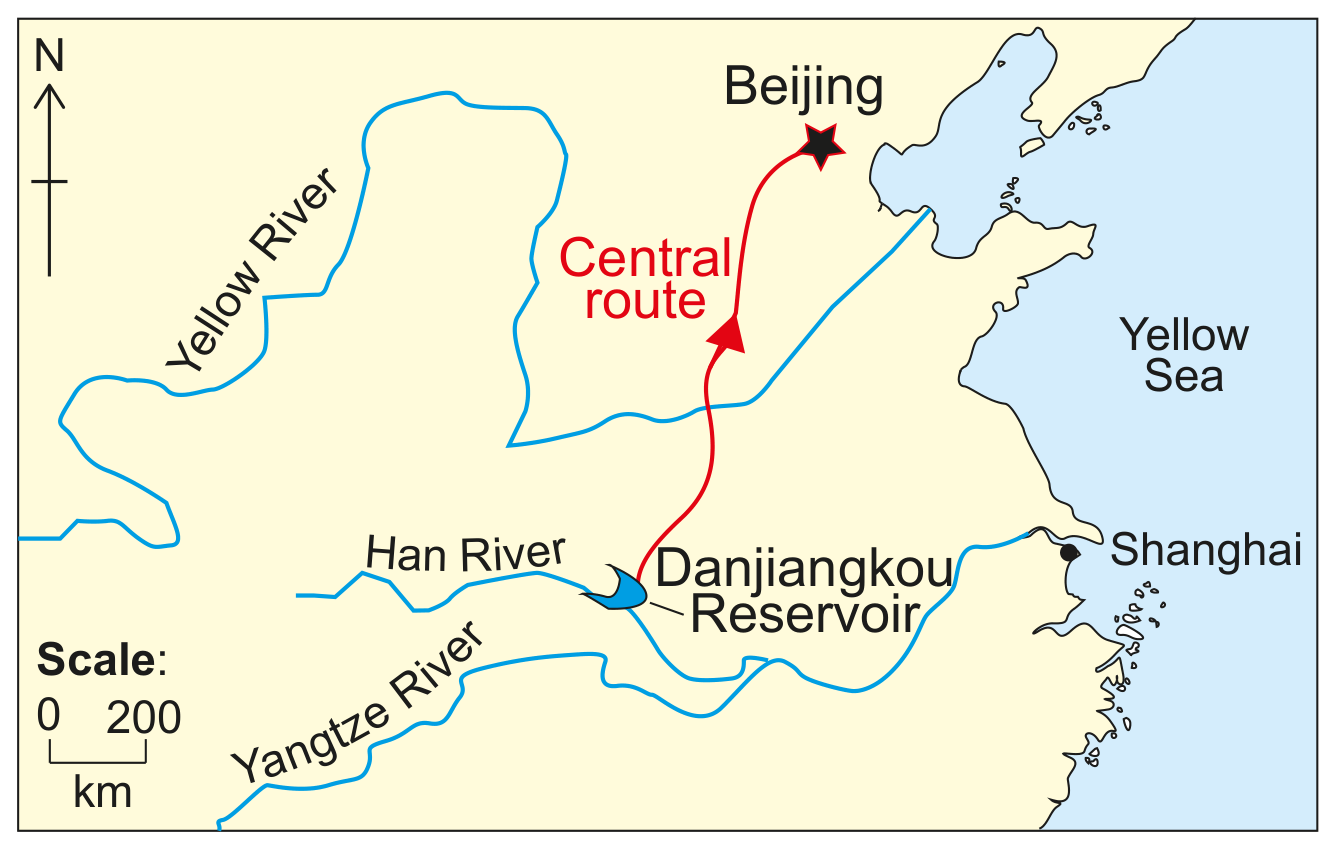
The project expanded the Danjiangkou dam and reservoir, transfers water over 1200 km to Beijing, generates hydroelectricity and provides flood control.

Figure 9(b): Central route of the South-North Water Diversion Project

Figure 9(b): Central route of the South-North Water Diversion Project

Figure 9(c): China issued the Water Pollution Prevention and Control Action Plan in 2015 to improve water quality by setting stricter standards, increasing monitoring and improving enforcement.
In 2018, 40% of surface water in Beijing was too polluted to use.

In 2018, 9.29 million tonnes of household waste were collected; about 40% went to landfill and 46% to incineration.
Beijing is building incinerators aiming for no waste going to landfill by 2035; waste-to-energy incinerators generate electricity.
In 2020 regulations included compulsory sorting of household waste, ending free supermarket plastic bags, and reducing waste at source.

Figure 11(a): Beijing Zoo maintains an active breeding programme that recently produced over 1000 surviving offspring of nearly 100 species in one year, including critically endangered species and giant panda.
The Beijing Gardening and Greening Bureau plans to plant at least one dead hedge in each city park; dead hedges use pruning/forestry waste and provide habitat for small mammals and reptiles.

0