EduNinja
(a)
(i)

With reference to Figure 11, suggest why marshland re-flooding has failed to return the ecosystems to their normal functional level.

Figure 11 on soil and water characteristics over the last 5000 years was removed for copyright reasons in the booklet OCR; no figure image is available locally.

From the early 1950s, dams across the Euphrates and Tigris reduced water flow to the marshes.
After the 1991 Gulf War the marshes were drained by diverting water away, causing wetland desertification and displacement of indigenous people.
By 2002, marshlands had diminished to 760 km^2.
In 2003 floodgates were opened and embankments broken; partial re-flooding occurred but not to historic levels.
High salt concentrations have prevented ecosystem restoration in some areas.

ComponentNatural marsh (Al-Hawizeh)Re-flooded marsh (Al-Hammar)Re-flooded marsh (Al-Sanaf)
Salinity / ppt0.870.9617.49
pH7.647.959.40
Total nitrogen / ug L^{-1}46416522050

Figure 10: Water quality of natural and re-flooded marshes
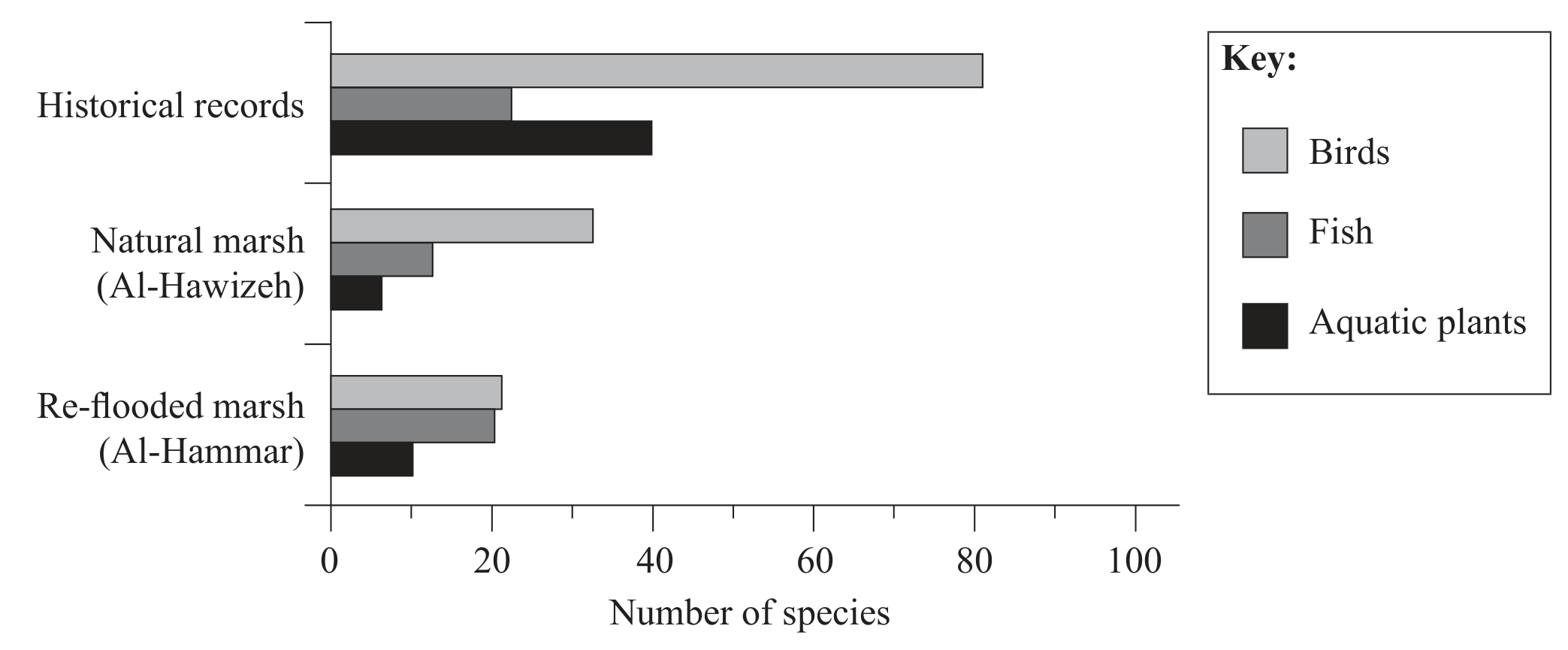
Figure 9: Species numbers in natural and re-flooded marshes
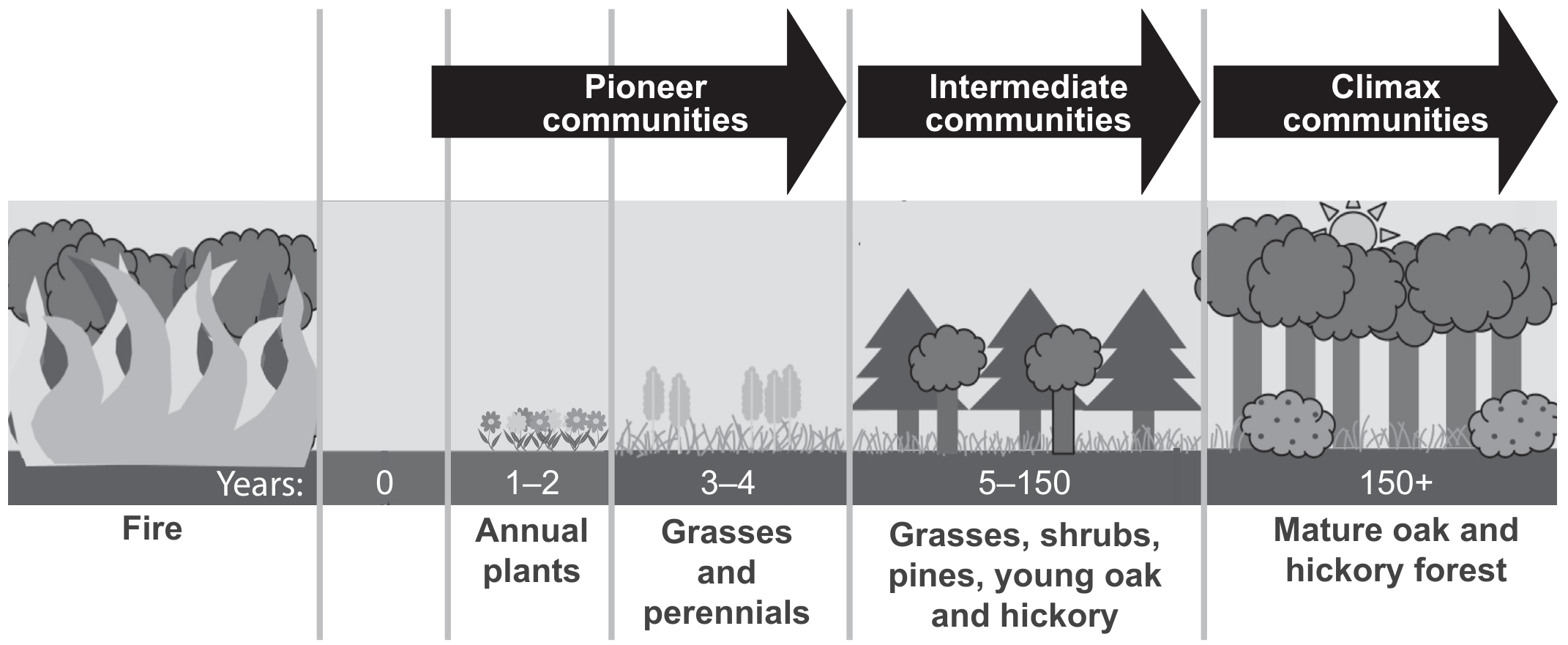
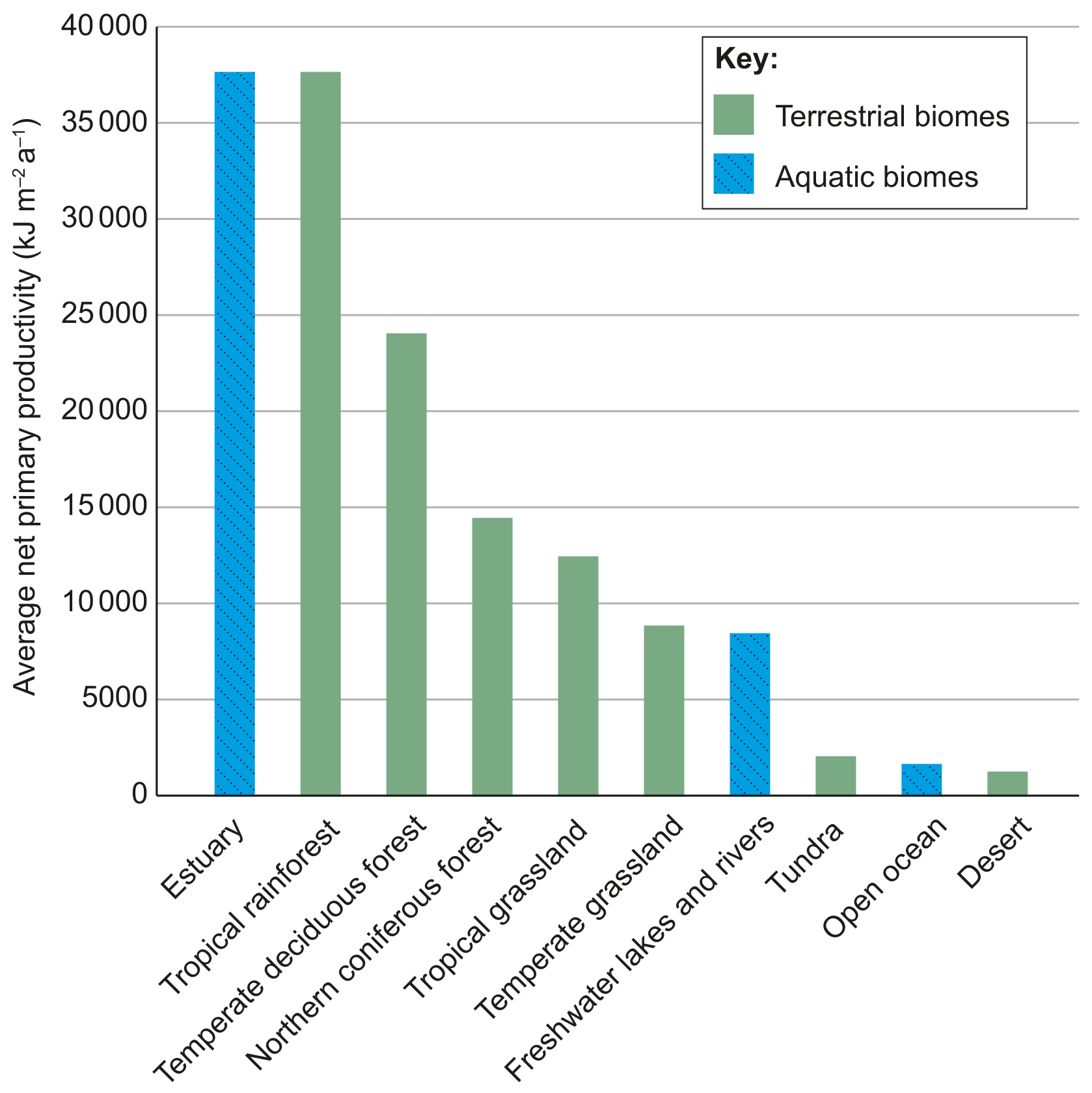
Figure 9: Species numbers in natural and re-flooded marshes
[ 3 ]
[Maximum number: 5]
Figure 1: Stages of succession following disturbance by fire

Figure 1: Stages of succession following disturbance by fire

(a)

Outline two reasons why the species within pioneer communities in Figure 1 are more likely to be r-strategists than K-strategists.

[ 2 ]
(b)

Outline two reasons why the climax community in Figure 1 is more stable than the intermediate community.

[ 2 ]
(c)

Distinguish between zonation and succession.

[ 1 ]
[Maximum number: 1]
Figure 4(a): Average net primary productivity of ecosystems

Figure 4(a): Average net primary productivity of ecosystems

(a)

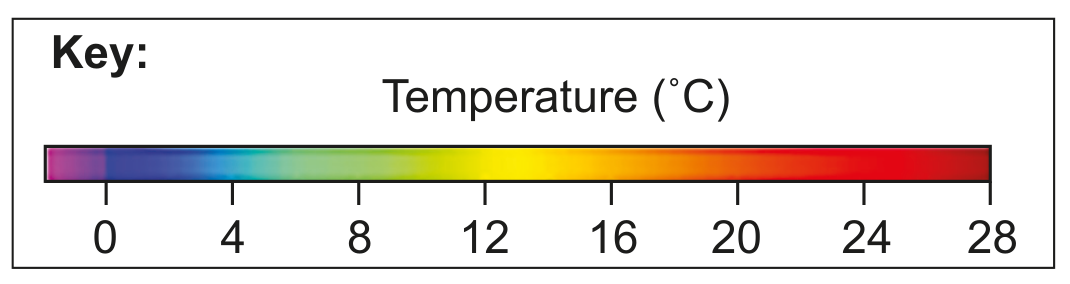
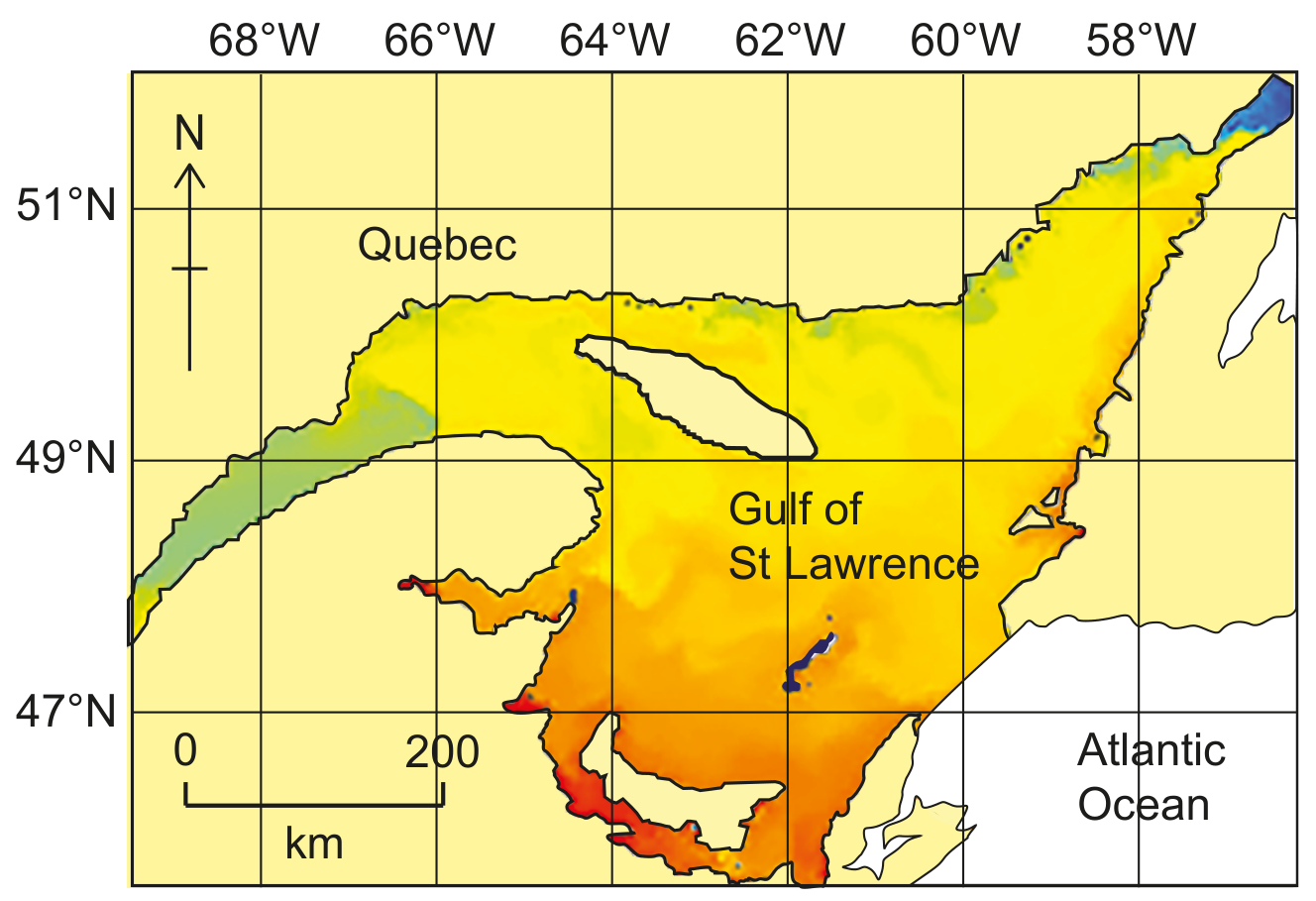
Suggest one reason for the zonation seen in Figure 5(b).

Figure 5(b): Water-surface temperature variation across the LOMA

Figure 5(b): Water-surface temperature variation across the LOMA

Figure 5(b) key: temperature scale

Figure 5(b) key: temperature scale

[ 1 ]
[Maximum number: 1]
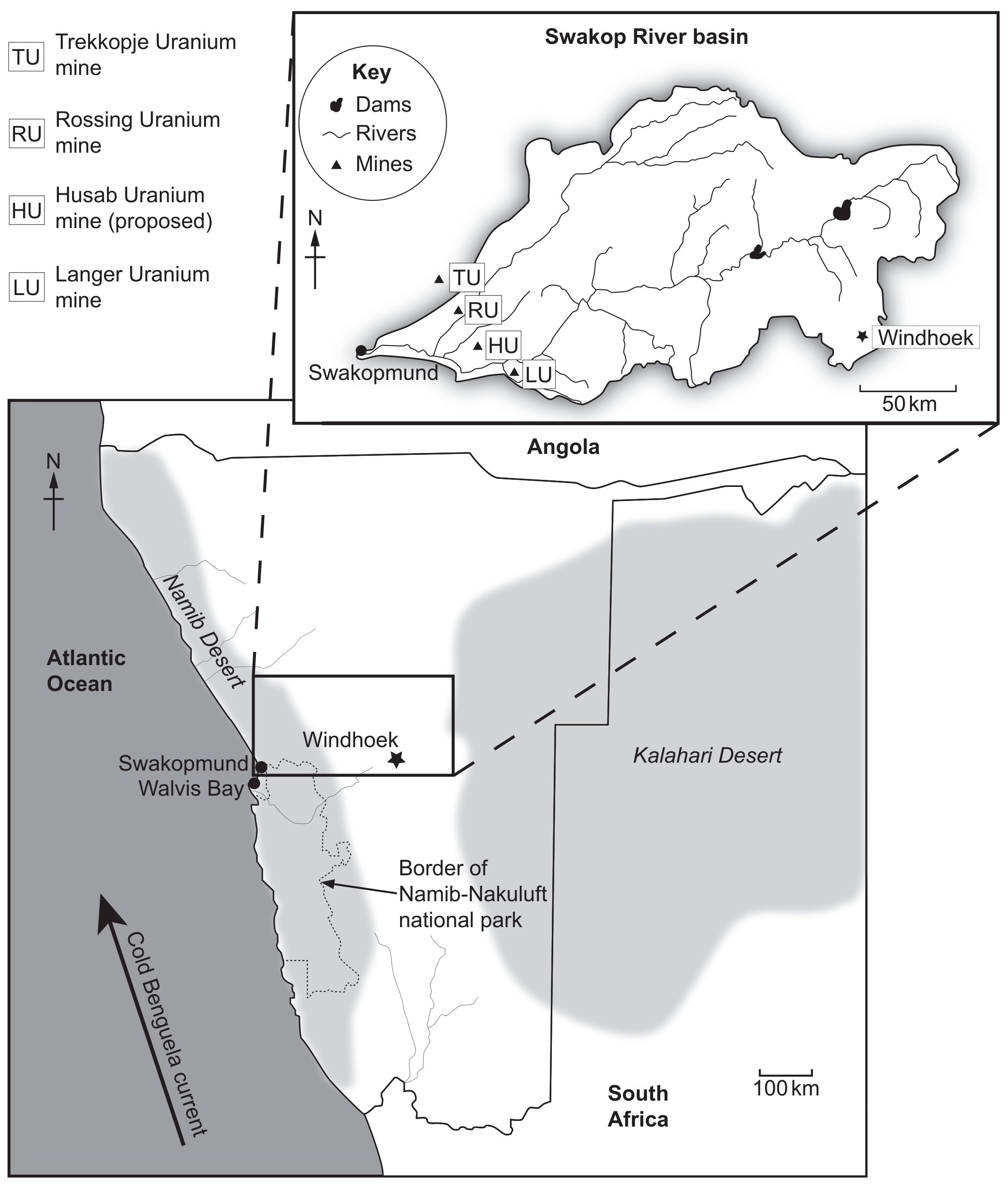
Figure 1(b): Map showing Swakop River in Namibia

Figure 1(b): Map showing Swakop River in Namibia

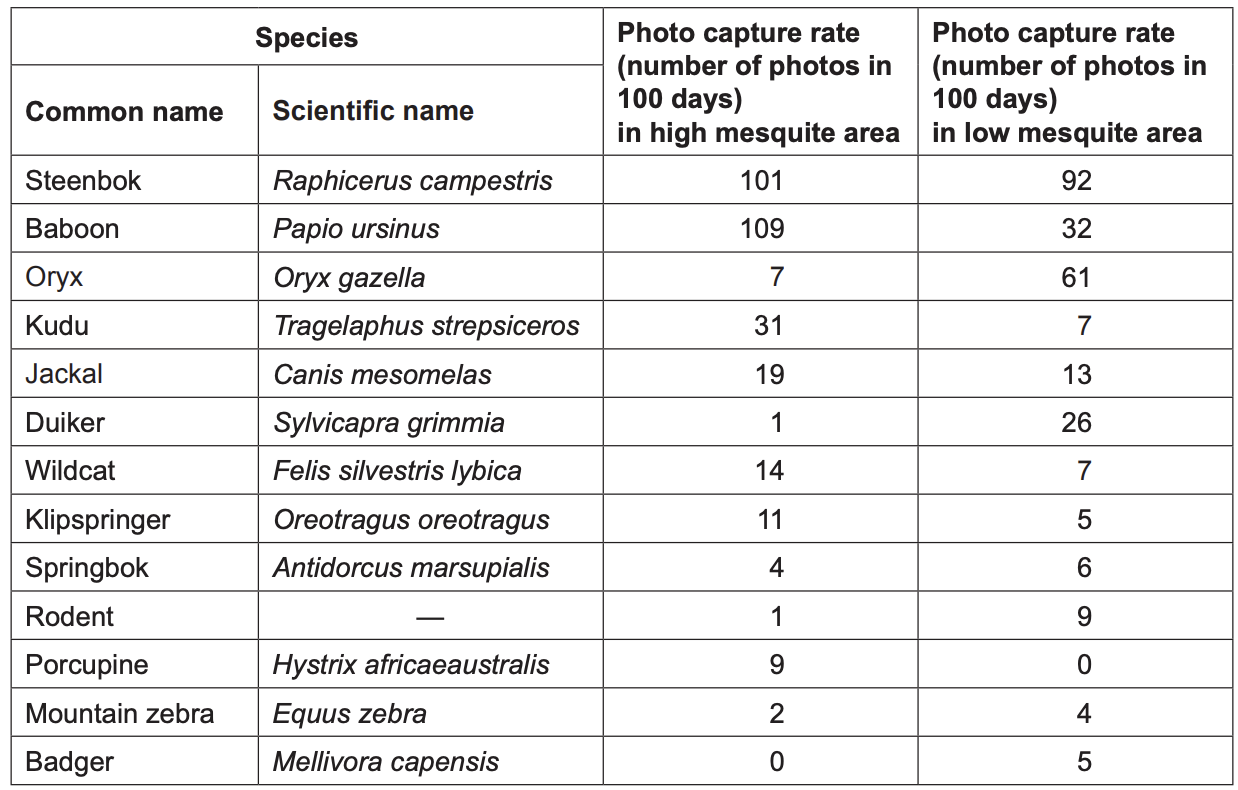
Figure 4(b): Camera trap data for high and low mesquite areas

Figure 4(b): Camera trap data for high and low mesquite areas

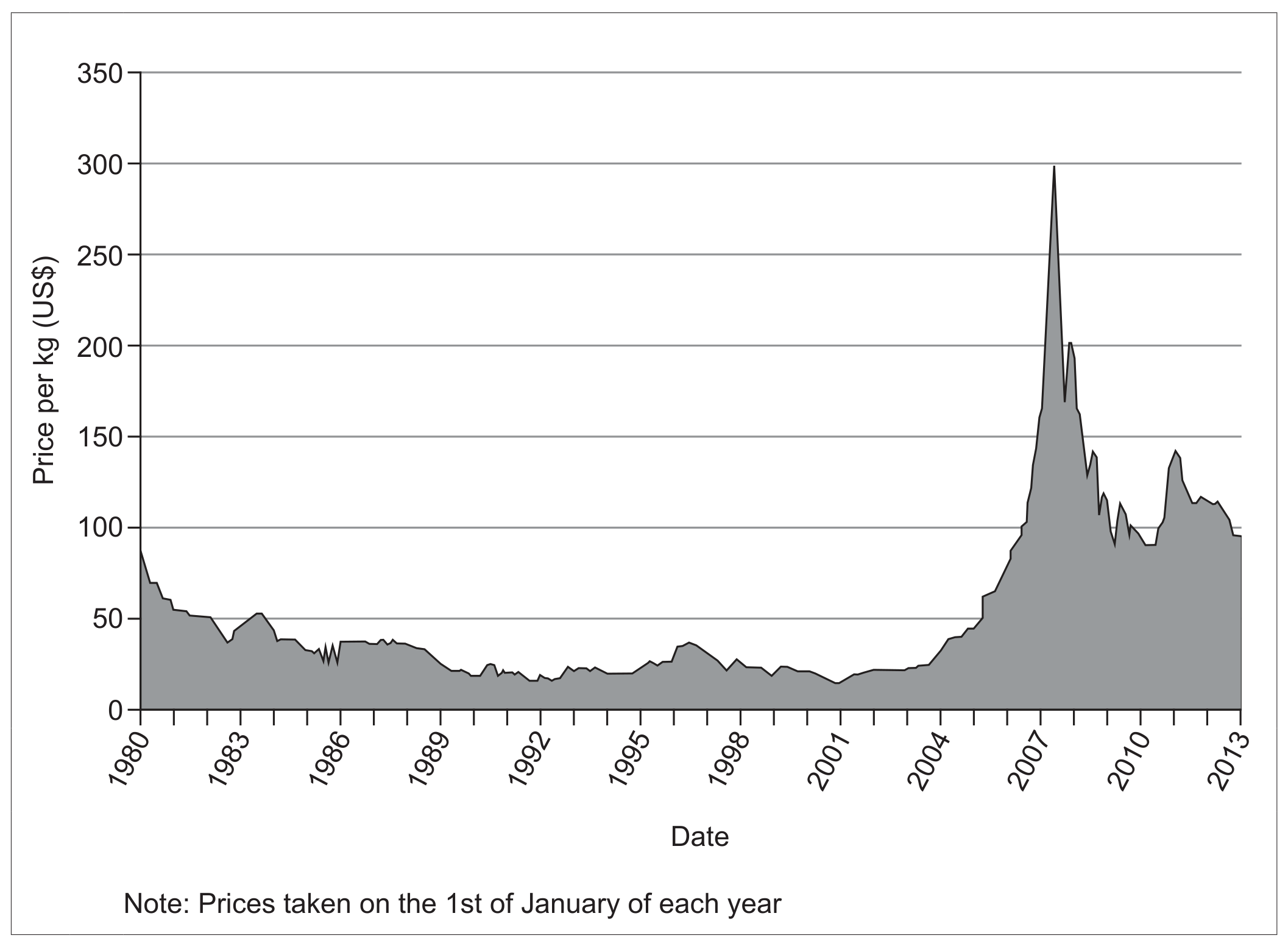
Figure 5(a): Uranium prices from 1980 to 2013

Figure 5(a): Uranium prices from 1980 to 2013

(a)

Outline whether an invasive species such as Mesquite is likely to be r-strategist or K-strategist.

Figure 4(a): Mesquite is a non-native species accidentally brought to Namibia from Mexico in 1912.
It spreads rapidly, takes up lots of water and has seeds spread downstream by flash floods.
Studies show negative effects on native vegetation, birds and insects.

[ 1 ]
(a)
(i)

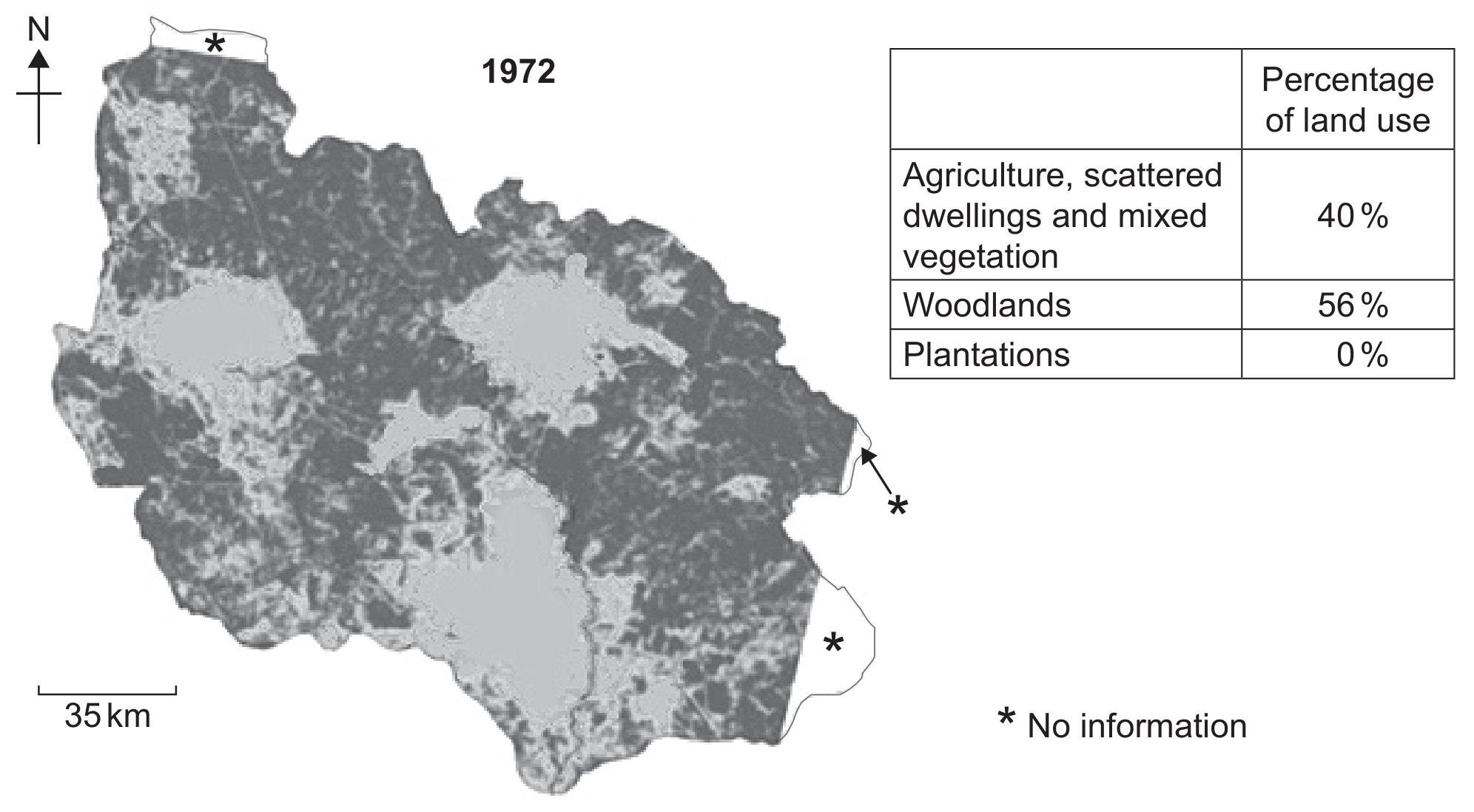
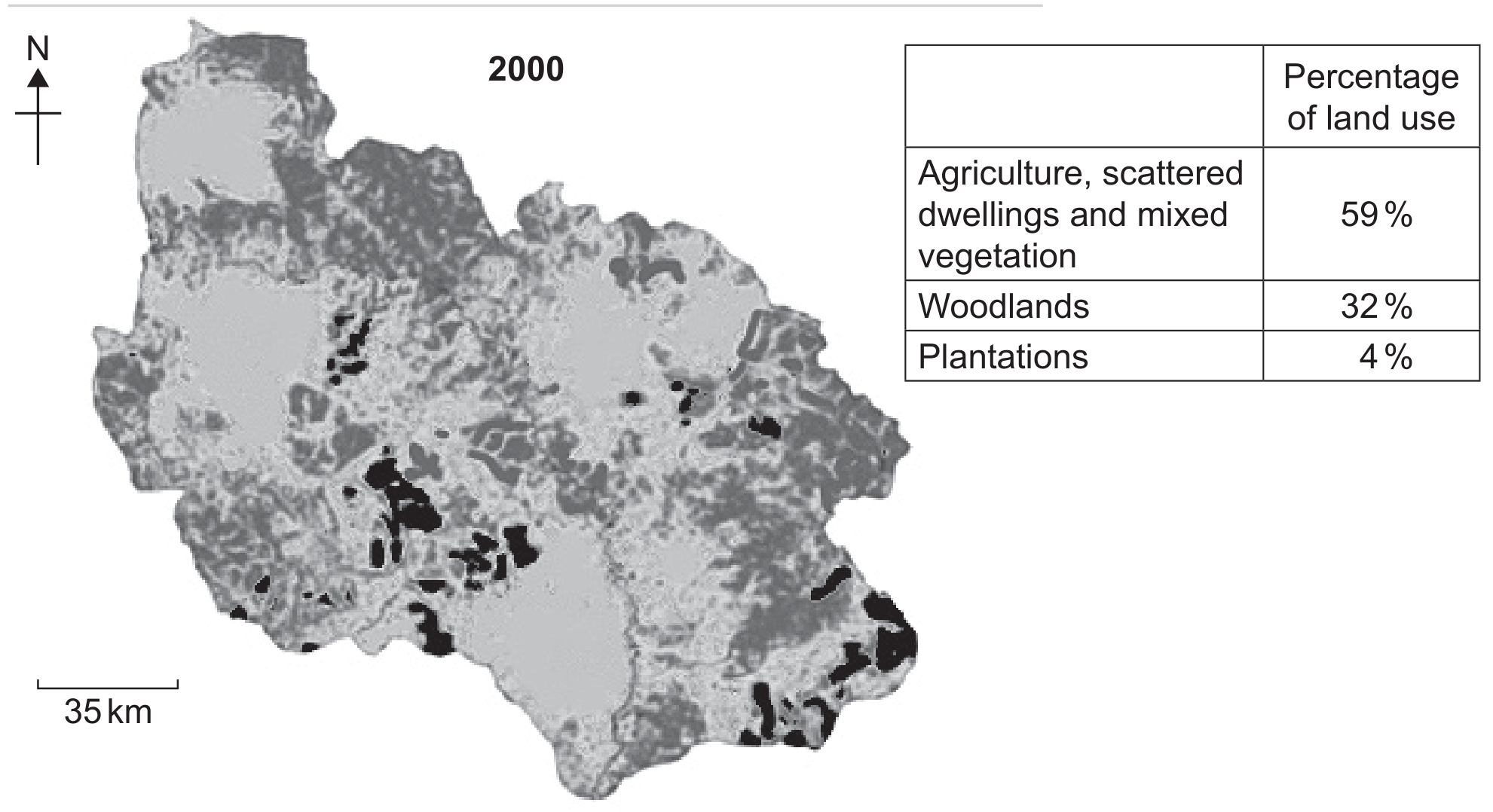
With reference to Figure 6, identify two changes in land use that have taken place in the Copperbelt Province between 1972 and 2000.

Figure 6: Copperbelt land use in 1972

Figure 6: Copperbelt land use in 1972

Figure 6: Copperbelt land use in 2000

Figure 6: Copperbelt land use in 2000

Figure 6 land use changed from 1972 to 2000: agriculture/scattered dwellings/mixed vegetation increased from 40% to 59%; woodlands decreased from 56% to 32%; plantations increased from 0% to 4%.

[ 2 ]
(ii)

Suggest possible reasons for the changes you have identified in (c)(i).

Figure 6: Copperbelt land use in 1972

Figure 6: Copperbelt land use in 1972

Figure 6: Copperbelt land use in 2000

Figure 6: Copperbelt land use in 2000

Figure 6 land use changed from 1972 to 2000: agriculture/scattered dwellings/mixed vegetation increased from 40% to 59%; woodlands decreased from 56% to 32%; plantations increased from 0% to 4%.

Figure 4(b): 84% of Zambia export income comes from mining, although there are efforts to increase income from agriculture and manufacturing.
Most mining occurs in the Copperbelt and Northwestern Provinces; Zambia is a major producer of copper and cobalt.
Historic mining in Copperbelt Province has left 21 waste rock dumps, 9 slag heaps and 45 tailing dams with toxic metal concentrations.
The Kafue River supplies local communities; young Tilapia are unable to survive near mining areas in the Kafue River.
Mining activity in Copperbelt Province has supported an increase in local population.

Figure 2: Zambia has approximately 14.64 million people and an annual population growth rate of 2.8%.
Indigenous forest covers approximately 491348 km^2; wood fuel contributes about 80% of domestic energy consumption.
Zambia has abundant wildlife, forests, water resources and mineral deposits.

[ 3 ]
(a)
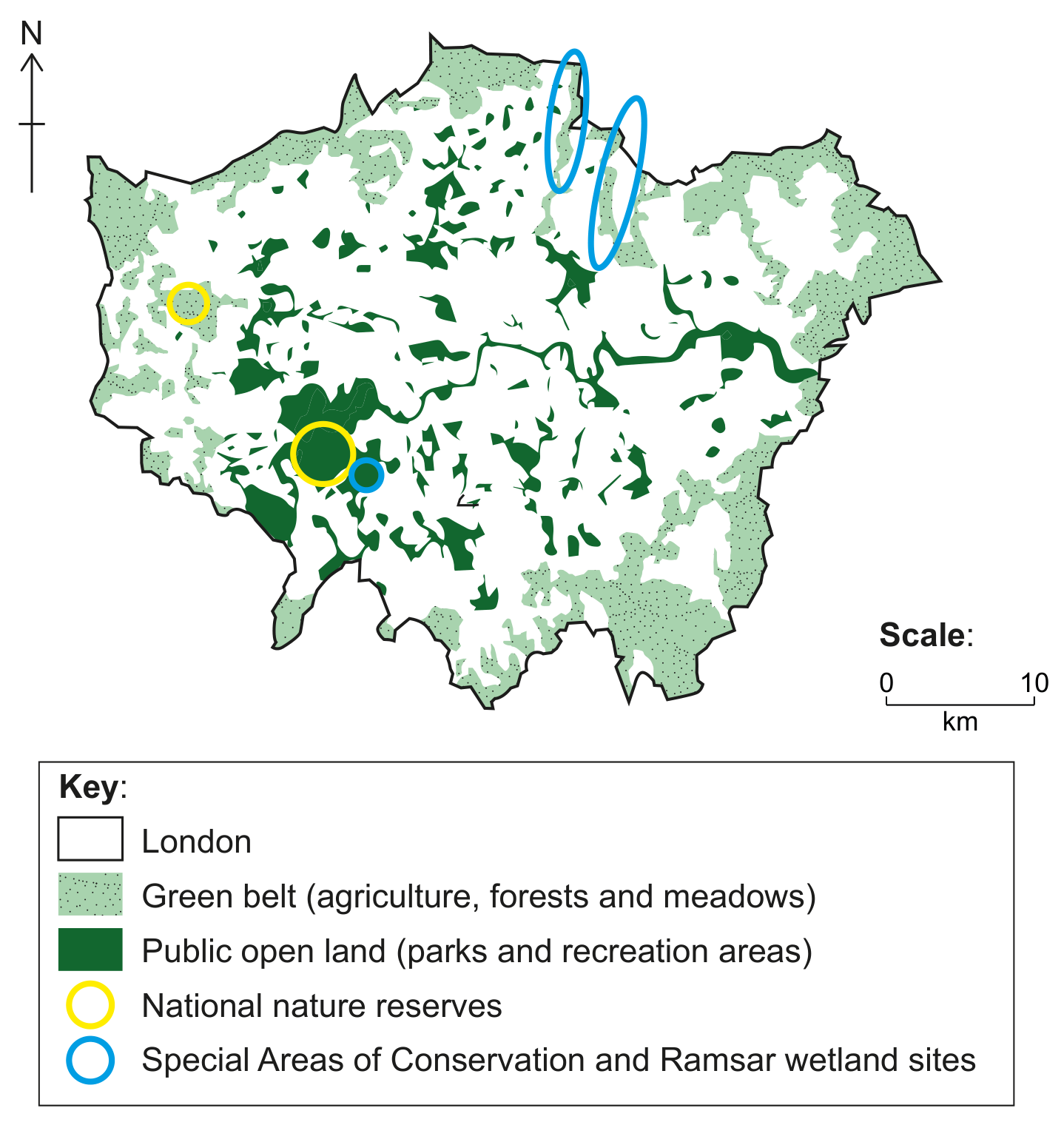
Figure 4(a): Green spaces in London

Figure 4(a): Green spaces in London

Identify one distribution pattern of green spaces seen in Figure 4(a).

[ 1 ]
(a)

Justify whether condors should be classified as K or R strategists.

Figure 2(b): California condors are scavengers and eat large amounts of carrion.
They are among the world's rarest birds; 2012 counts estimated 405 total, including 226 wild and 179 captive.
They are critically endangered and may travel up to 250 km in search of carrion.
They mature and reproduce slowly, breeding at 6-8 years old and laying only one egg every two years.
They are significant to many Californian Native American groups and traditional myths.

[ 2 ]
[Maximum number: 1]

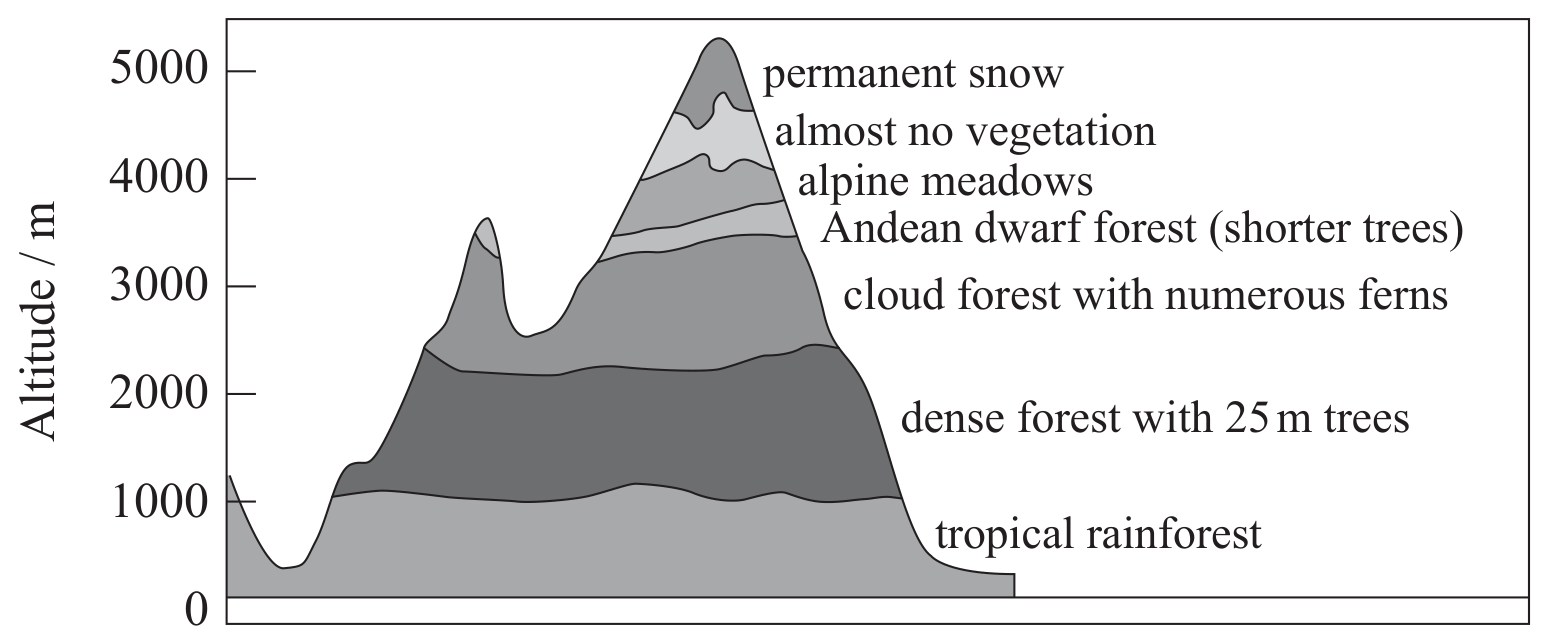
Figure 1 shows how vegetation changes with altitude in the Andean mountain chain in South America.

Figure 1

Figure 1

(a)

State the term for the pattern of vegetation shown in Figure 1.

[ 1 ]
(a)
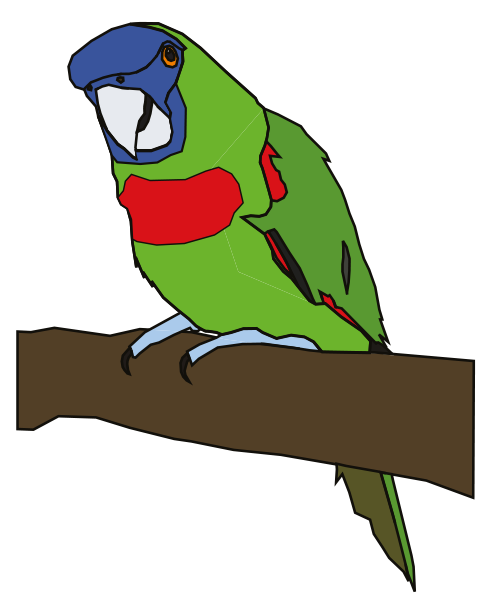
Figure 2(a): Red-necked amazon fact file

Figure 2(a): Red-necked amazon fact file

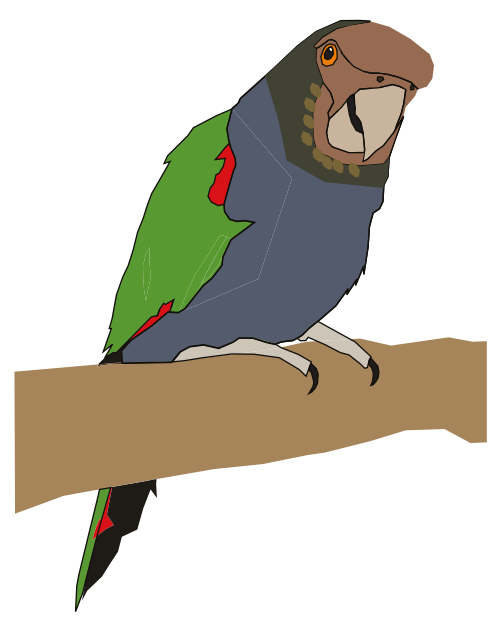
Figure 2(a): Imperial amazon fact file

Figure 2(a): Imperial amazon fact file

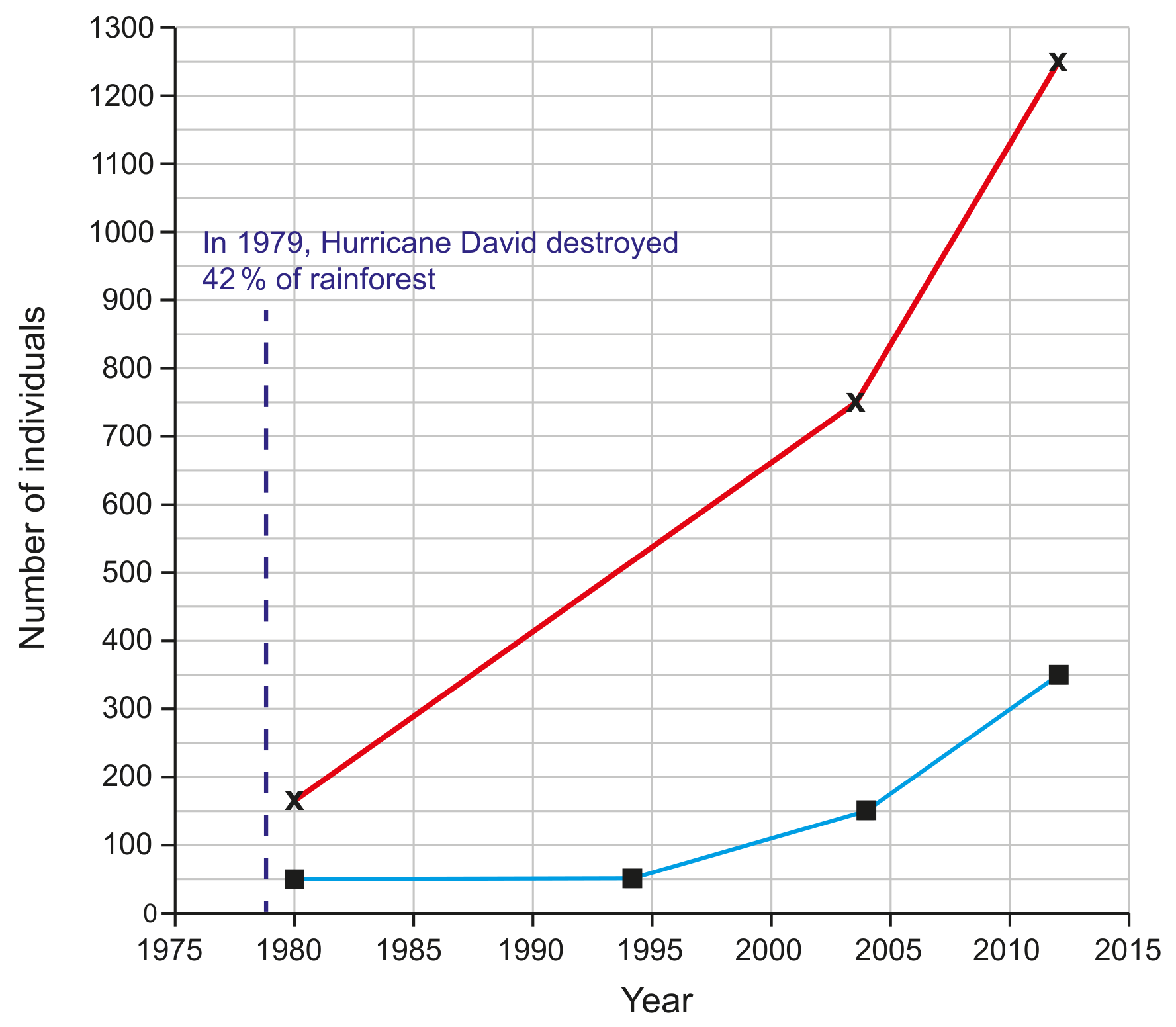
Figure 2(b): Changes in the numbers of individual imperial and red-necked amazon parrots

Figure 2(b): Changes in the numbers of individual imperial and red-necked amazon parrots

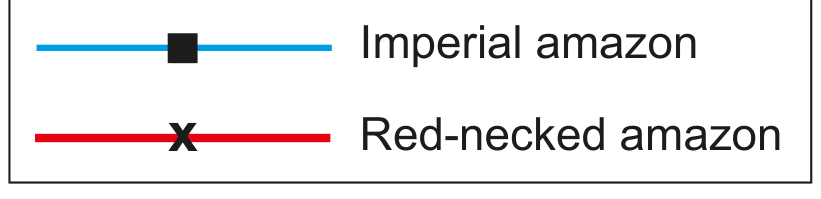
Figure 2(b): Changes in amazon parrot numbers key

Figure 2(b): Changes in amazon parrot numbers key

With reference to Figures 2(a) and 2(b), suggest two reasons why the red-necked amazon population has recovered more quickly than the imperial amazon population following Hurricane David in 1979.

[ 2 ]
[Maximum number: 1]

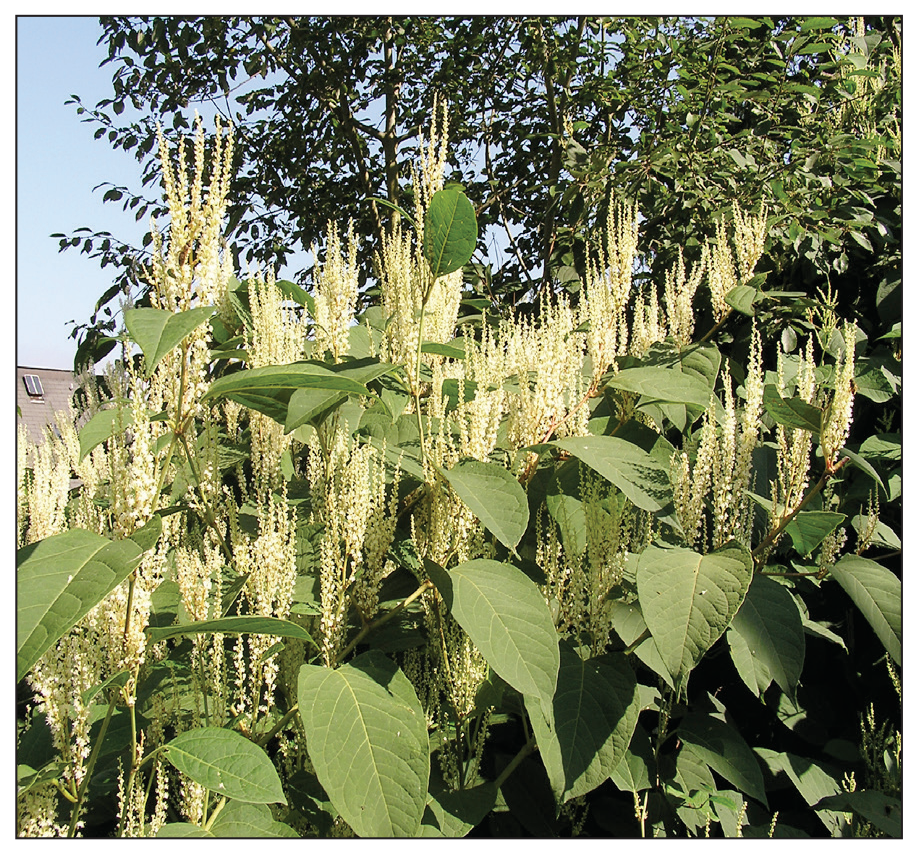
Figure 2 shows Japanese Knotweed (Fallopia japonica), a large plant native to eastern Asia. It is an invasive species that has been successful in colonizing North America and Europe. The most effective method of control of Japanese Knotweed is by herbicide application.

Figure 2

Figure 2

(a)

Japanese Knotweed can be described as a pioneer species. Define the term pioneer species.

[ 1 ]
0