EduNinja
(a)
(i)

With reference to Figure 10, compare the water quality of the natural marsh to the water quality of the re-flooded marshes.

ComponentNatural marsh (Al-Hawizeh)Re-flooded marsh (Al-Hammar)Re-flooded marsh (Al-Sanaf)
Salinity / ppt0.870.9617.49
pH7.647.959.40
Total nitrogen / ug L^{-1}46416522050

Figure 10: Water quality of natural and re-flooded marshes

[ 3 ]
(a)

With reference to Figure 9 and Figure 4,

[ 4 ]
(i)

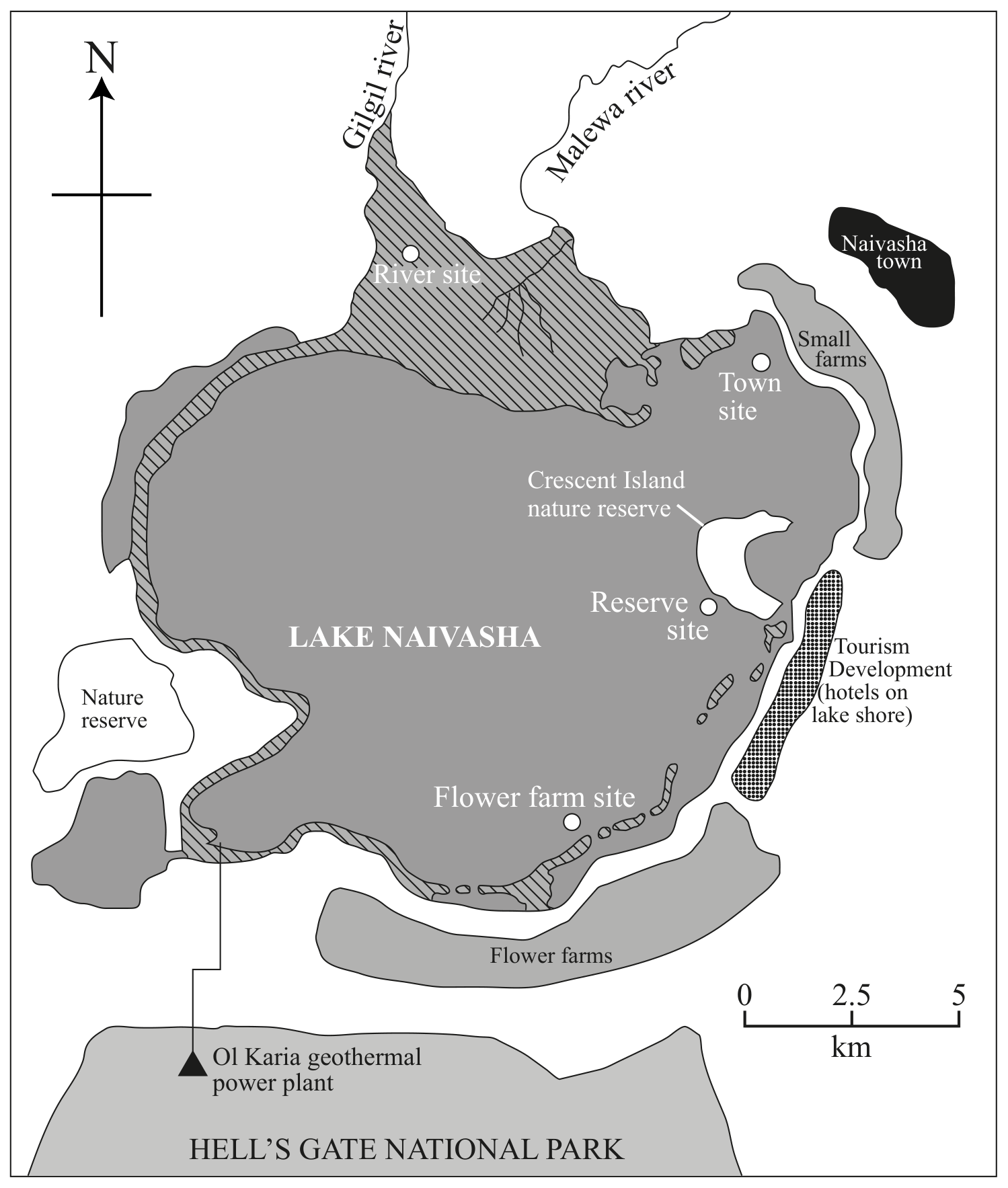
State why data was collected at the Crescent Island Nature Reserve.

Figure 1(b): Detailed map of Lake Naivasha, Kenya

Figure 1(b): Detailed map of Lake Naivasha, Kenya

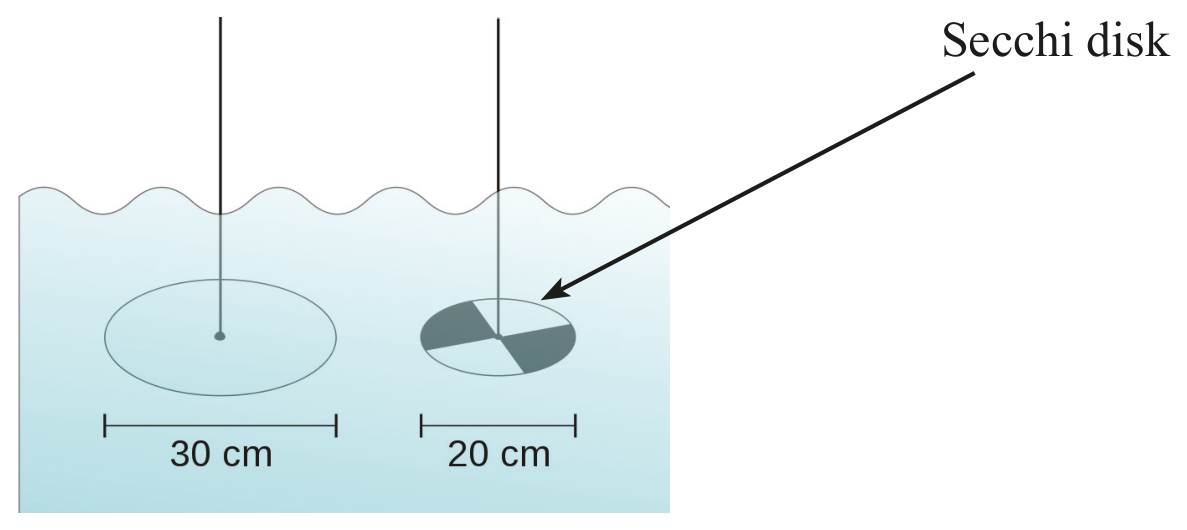
Figure 9(a): pH, temperature and transparency were measured from a boat two metres from the edge of water hyacinths. Transparency was measured with a Secchi disk; quadrats estimated floating water hyacinth cover and water samples tested algae concentration.

[ 1 ]
(ii)

Outline why water transparency data was collected 2 m from the water hyacinth plants.

Figure 9(a): Secchi disk method used to test water quality

Figure 9(a): Secchi disk method used to test water quality

Figure 9(a): pH, temperature and transparency were measured from a boat two metres from the edge of water hyacinths. Transparency was measured with a Secchi disk; quadrats estimated floating water hyacinth cover and water samples tested algae concentration.

[ 1 ]
(iii)

Suggest two reasons for lower water transparency levels at some of the test sites.

SiteTemp CpHTransparency cmHyacinth \% coverAlgae mg m^{-3}
River16.17.2816.947.818
Town21.67.9331.345.0201
Flower farm22.08.8039.563.7361
Pristine22.98.7068.330.7166

Figure 9(b): Results of water pollution study

Figure 9(a): pH, temperature and transparency were measured from a boat two metres from the edge of water hyacinths. Transparency was measured with a Secchi disk; quadrats estimated floating water hyacinth cover and water samples tested algae concentration.

Figure 7: Rising population has increased demand for land, firewood, charcoal and timber, leading to deforestation and soil erosion.
Threats include habitat destruction, pesticide/herbicide/fertilizer and sewage pollution, nutrient enrichment, alien species, water hyacinth invasion, siltation from overgrazing, papyrus harvesting and excessive water abstraction.
Most water abstractions are not measured; only a small section of Naivasha town has sewerage and the sewage treatment works broke down ten years ago.

[ 2 ]
(b)

In a survey of local people most identified the flower farm as the biggest source of water pollution in Lake Naivasha. With reference to Figure 9, deduce whether they are correct.

SiteTemp CpHTransparency cmHyacinth \% coverAlgae mg m^{-3}
River16.17.2816.947.818
Town21.67.9331.345.0201
Flower farm22.08.8039.563.7361
Pristine22.98.7068.330.7166

Figure 9(b): Results of water pollution study

[ 2 ]
(a)
(i)

Describe one impact on human health from mining activity in the Copperbelt Province.

Figure 4(b): 84% of Zambia export income comes from mining, although there are efforts to increase income from agriculture and manufacturing.
Most mining occurs in the Copperbelt and Northwestern Provinces; Zambia is a major producer of copper and cobalt.
Historic mining in Copperbelt Province has left 21 waste rock dumps, 9 slag heaps and 45 tailing dams with toxic metal concentrations.
The Kafue River supplies local communities; young Tilapia are unable to survive near mining areas in the Kafue River.
Mining activity in Copperbelt Province has supported an increase in local population.

Mining activityWaste generated
Mining/mineral extractionWaste rock dumps (heaps)
Processing of oreTailings containing heavy metals and fine particulates; slag heaps containing heavy metals; SOx and NOx emissions

Figure 4(c): Types of waste generated from mining activity

[ 1 ]
(a)
(i)

List two possible sources of plastic garbage in the oceans.
1.
2.

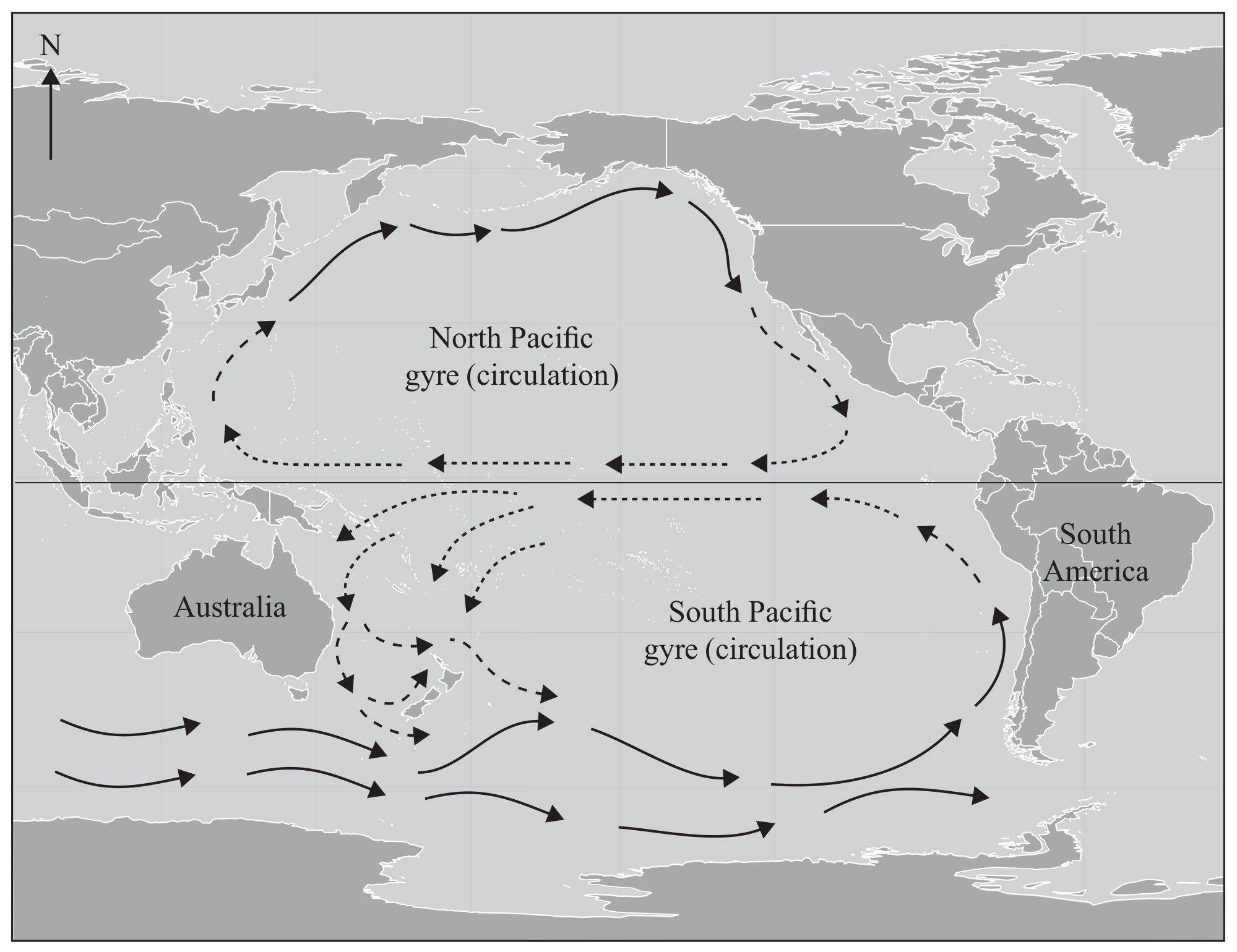
Figure 3: the Great Pacific Garbage Patch is floating garbage in the North Pacific gyre; other ocean gyres also have garbage patches.
Estimates vary, with some estimating 3.5 million tonnes of plastic.
Garbage, mostly plastics from Pacific-bordering countries, floats to the GPGP in ocean currents and is trapped in the gyre.
Plastic pieces vary in size, may float at or just below the surface, and denser pieces may sink to the ocean floor.
Plastic is mostly non-biodegradable and breaks into smaller pieces; some small pieces absorb POPs as chemical sponges.

[ 1 ]
(ii)

Describe a method to estimate the quantity of garbage in the Great Pacific Garbage Patch (GPGP).

Figure 2: Pacific Ocean gyres and currents

Figure 2: Pacific Ocean gyres and currents

Figure 3: the Great Pacific Garbage Patch is floating garbage in the North Pacific gyre; other ocean gyres also have garbage patches.
Estimates vary, with some estimating 3.5 million tonnes of plastic.
Garbage, mostly plastics from Pacific-bordering countries, floats to the GPGP in ocean currents and is trapped in the gyre.
Plastic pieces vary in size, may float at or just below the surface, and denser pieces may sink to the ocean floor.
Plastic is mostly non-biodegradable and breaks into smaller pieces; some small pieces absorb POPs as chemical sponges.

[ 3 ]
(iii)

Describe and evaluate two pollution management strategies that could be used to reduce the GPGP.

Figure 3: the Great Pacific Garbage Patch is floating garbage in the North Pacific gyre; other ocean gyres also have garbage patches.
Estimates vary, with some estimating 3.5 million tonnes of plastic.
Garbage, mostly plastics from Pacific-bordering countries, floats to the GPGP in ocean currents and is trapped in the gyre.
Plastic pieces vary in size, may float at or just below the surface, and denser pieces may sink to the ocean floor.
Plastic is mostly non-biodegradable and breaks into smaller pieces; some small pieces absorb POPs as chemical sponges.

[ 4 ]
(a)
(i)

With reference to Figures 4 and 5, identify three environmental impacts that may occur as a consequence of human activities on and around Inle Lake.

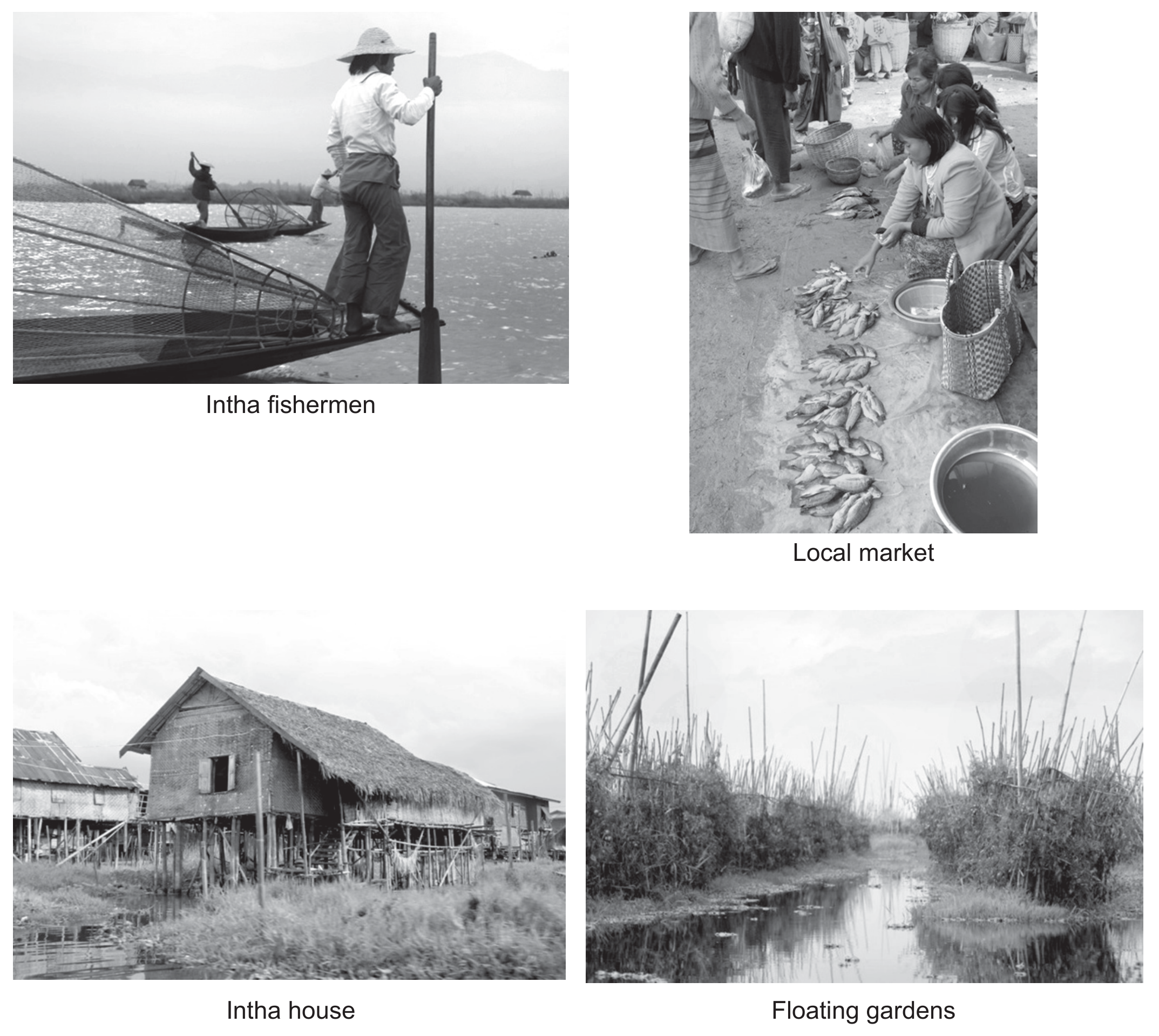
Figure 4(a): Human activity on and near Inle Lake

Figure 4(a): Human activity on and near Inle Lake

Most people living here are self-sufficient farmers and fishermen.
Houses are built of wood and bamboo on stilts in the lake.
Inle carp are a staple food; rice is grown on surrounding hillsides.
Lotus plants provide fibres for weaving; floating gardens use weed from the lake bottom and grow fruits and vegetables such as tomatoes and cauliflowers.
Floating gardens rise and fall with water levels and use nutrients from the lake.

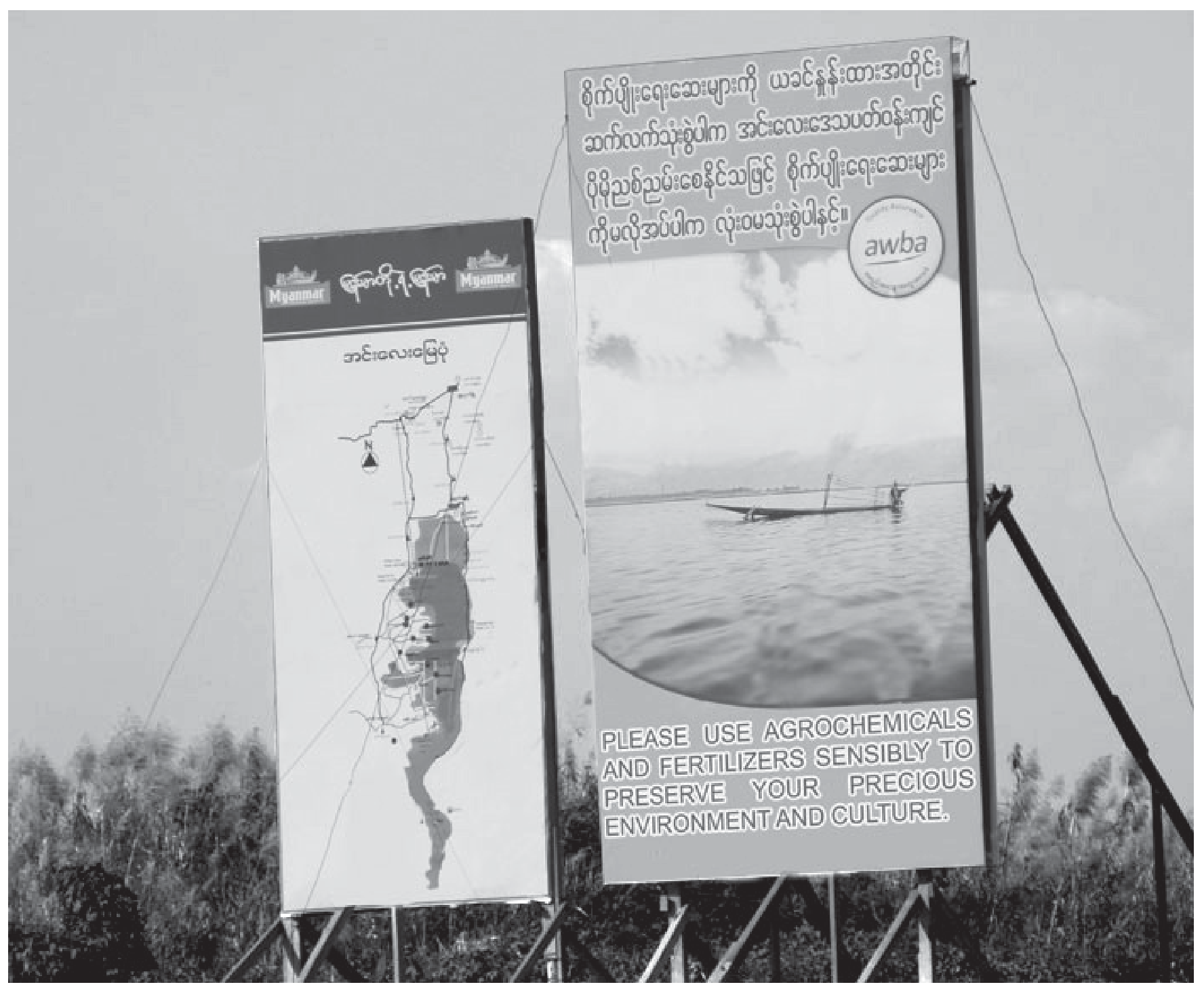
Figure 4(c): Sign at Inle Lake warning against agrochemicals and fertilizers

Figure 4(c): Sign at Inle Lake warning against agrochemicals and fertilizers

Floating gardens started in the 1960s; since then, lake area has decreased by one third.
Deforestation of surrounding hills increases sediment and nutrients in the lake.
Fertilizers and pesticides from floating gardens enter lake waters; increased nitrogen and phosphate lead to eutrophication and hypoxic water.
Water hyacinth is a fast-growing non-native floating plant; grass carp is non-native and feeds on water hyacinth.
A nearby coal mine and power plant discharge toxic waste into the lake; in drought years drinking water has to be brought in because the lake is too polluted.
The WWF lists the biodiversity of Inle Lake as vulnerable.

[ 3 ]
(b)
(i)

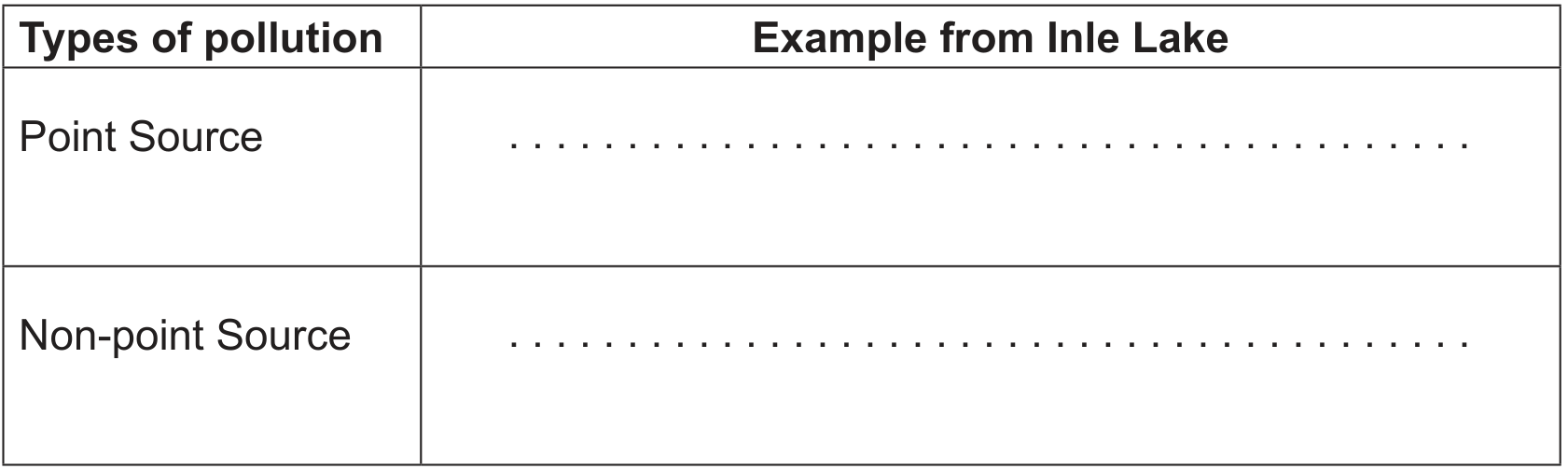
With reference to Figures 4 and 5, complete the following table.

Table for point source and non-point source pollution examples from Inle Lake

Table for point source and non-point source pollution examples from Inle Lake

Most people living here are self-sufficient farmers and fishermen.
Houses are built of wood and bamboo on stilts in the lake.
Inle carp are a staple food; rice is grown on surrounding hillsides.
Lotus plants provide fibres for weaving; floating gardens use weed from the lake bottom and grow fruits and vegetables such as tomatoes and cauliflowers.
Floating gardens rise and fall with water levels and use nutrients from the lake.

Figure 4(c): Sign at Inle Lake warning against agrochemicals and fertilizers

Figure 4(c): Sign at Inle Lake warning against agrochemicals and fertilizers

Floating gardens started in the 1960s; since then, lake area has decreased by one third.
Deforestation of surrounding hills increases sediment and nutrients in the lake.
Fertilizers and pesticides from floating gardens enter lake waters; increased nitrogen and phosphate lead to eutrophication and hypoxic water.
Water hyacinth is a fast-growing non-native floating plant; grass carp is non-native and feeds on water hyacinth.
A nearby coal mine and power plant discharge toxic waste into the lake; in drought years drinking water has to be brought in because the lake is too polluted.
The WWF lists the biodiversity of Inle Lake as vulnerable.

[ 2 ]
(ii)

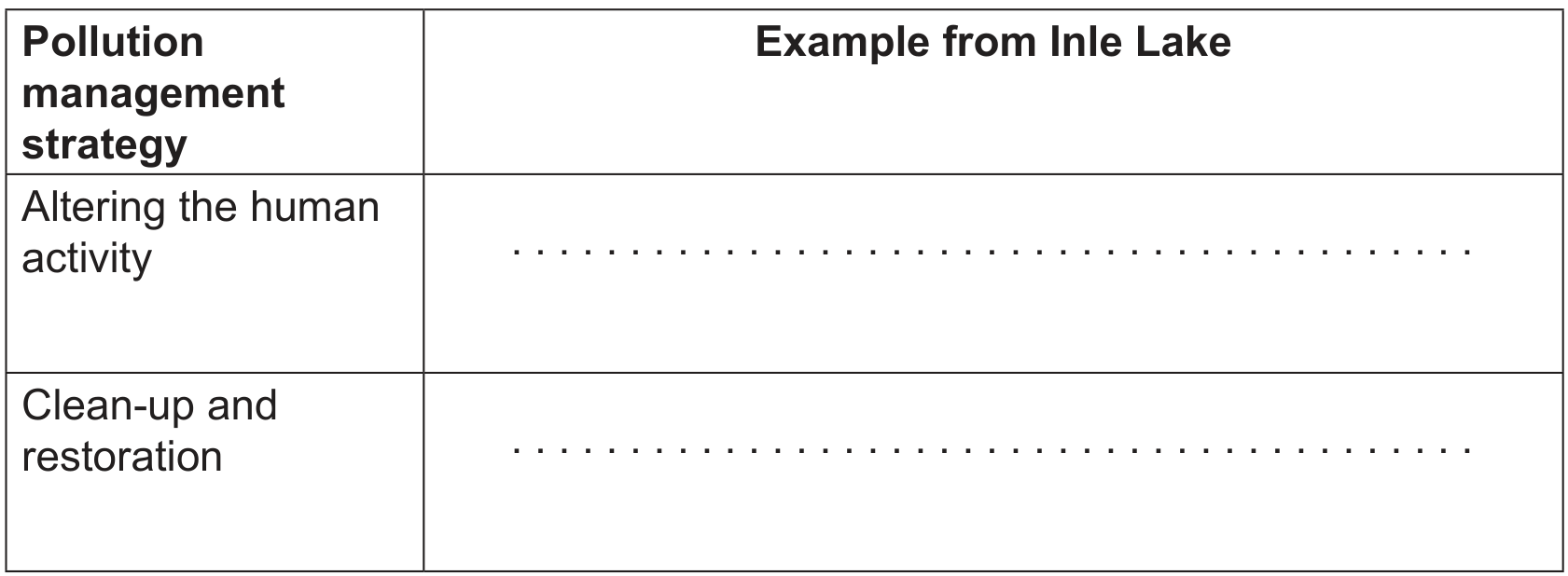
Identify one possible pollution management strategy for Inle Lake in each of the categories in the table below.

Table for pollution management strategies for Inle Lake

Table for pollution management strategies for Inle Lake

Floating gardens started in the 1960s; since then, lake area has decreased by one third.
Deforestation of surrounding hills increases sediment and nutrients in the lake.
Fertilizers and pesticides from floating gardens enter lake waters; increased nitrogen and phosphate lead to eutrophication and hypoxic water.
Water hyacinth is a fast-growing non-native floating plant; grass carp is non-native and feeds on water hyacinth.
A nearby coal mine and power plant discharge toxic waste into the lake; in drought years drinking water has to be brought in because the lake is too polluted.
The WWF lists the biodiversity of Inle Lake as vulnerable.

[ 2 ]
(iii)

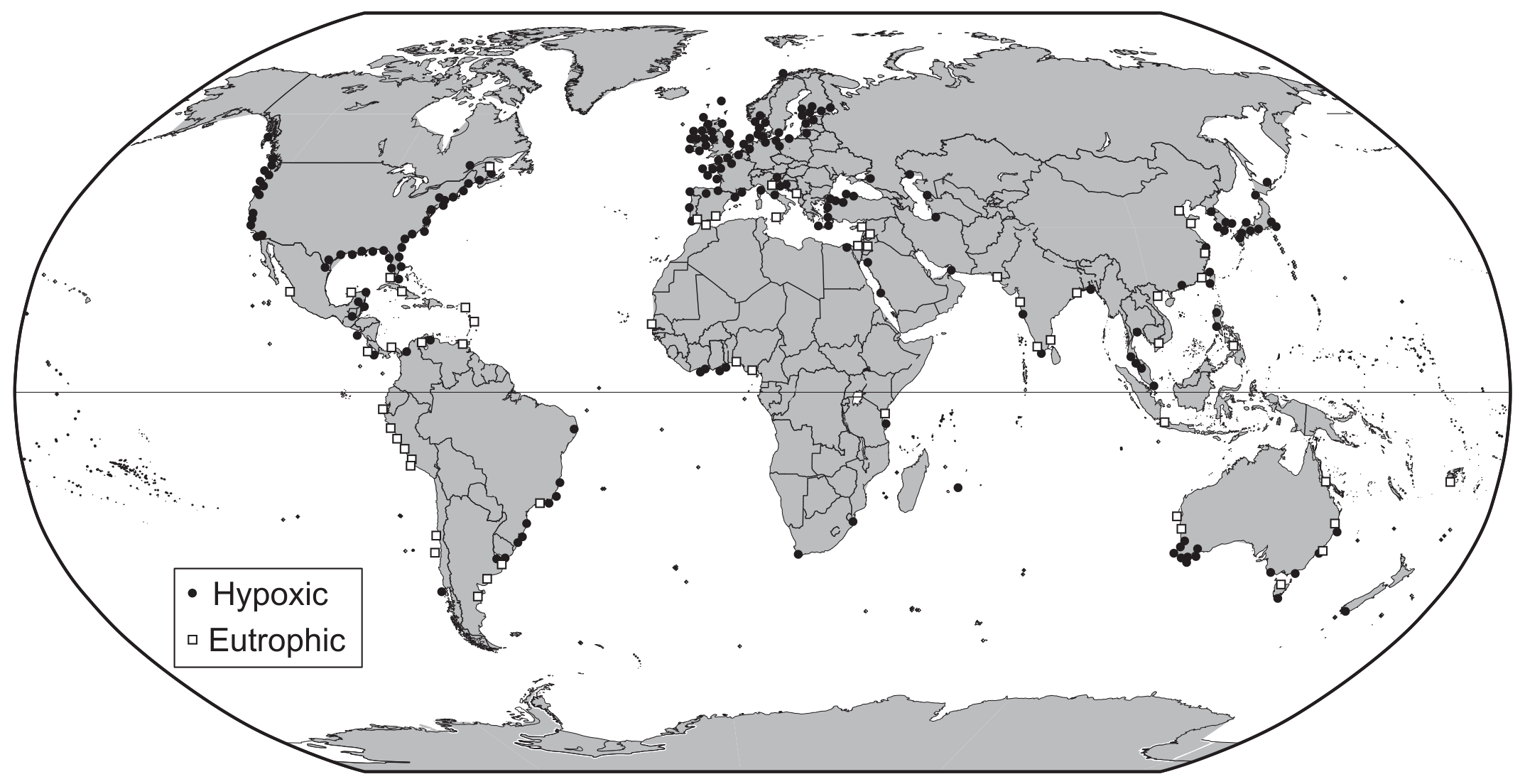
Explain how the use of fertilizers in agriculture may lead to hypoxic water in the areas shown in Figure 7.

Figure 7: World map showing eutrophic and hypoxic coastal areas

Figure 7: World map showing eutrophic and hypoxic coastal areas

[ 4 ]
(a)

With reference to Figures 4(b) and 9(b):

[ 1 ]
(i)

State the term for a species that is used to measure pollution levels.

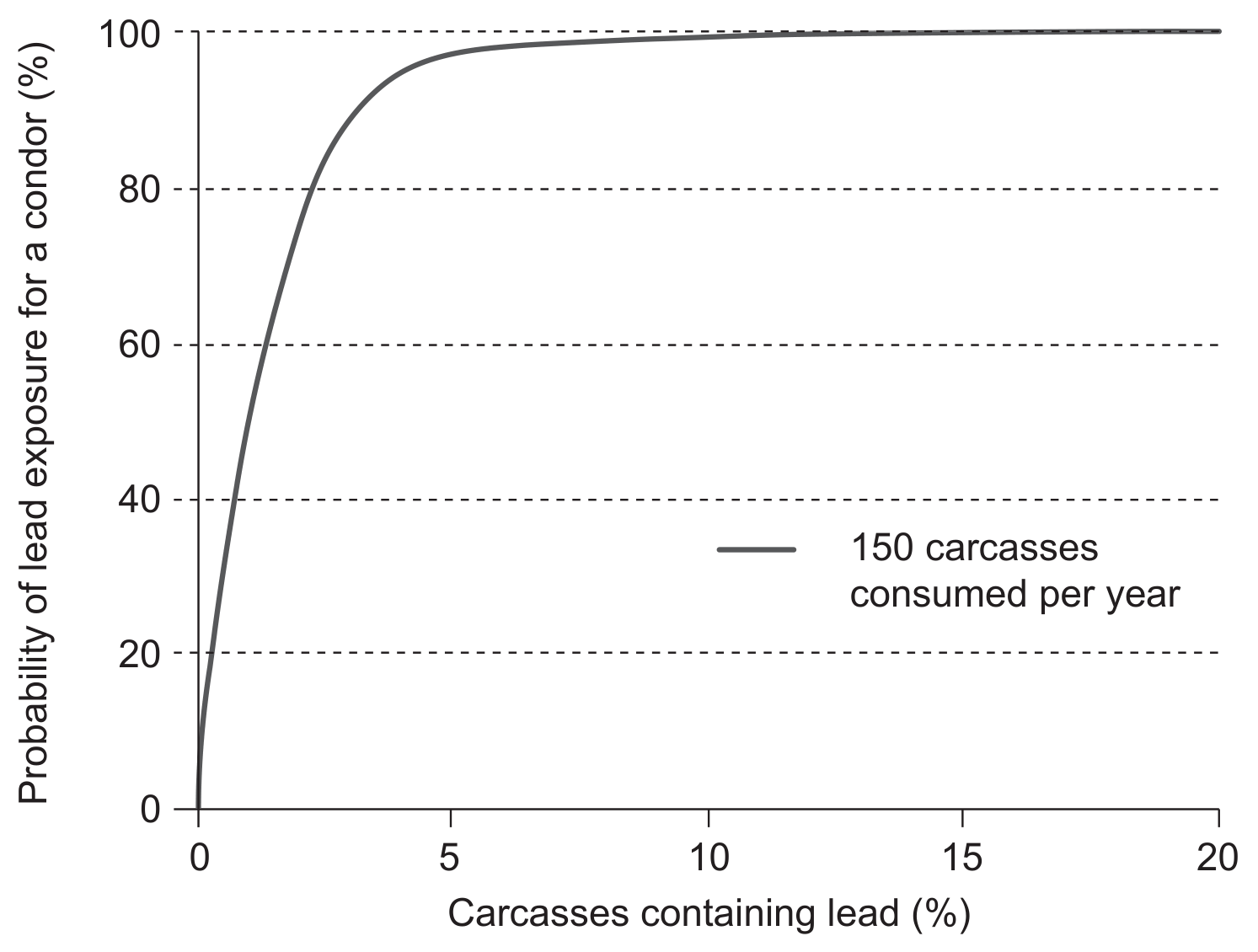
Figure 4(b): Probability of lead exposure for condors by diet

Figure 4(b): Probability of lead exposure for condors by diet

[ 1 ]
(a)

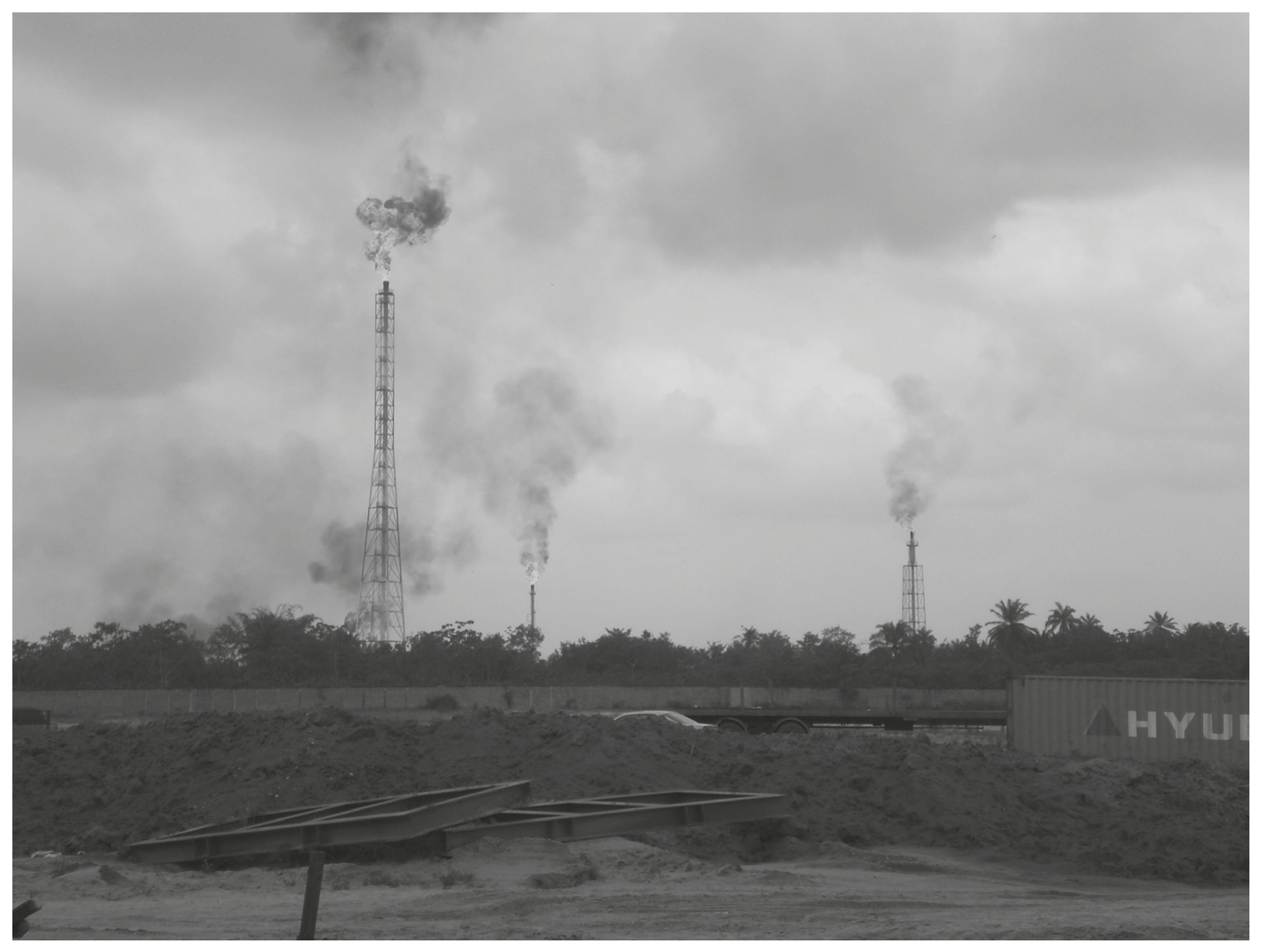
Explain how gas flaring in Nigeria causes acid deposition.

Over 1.5 million tonnes of oil have spilt in the delta over the past 50 years, polluting water sources, damaging crops and fishing grounds. The delta is one of the five most polluted spots on Earth. More than 20000 hectares of mangroves have been destroyed by oil exploration. Natural gas from oil fields is burnt off as flares, potentially causing acid deposition and global warming. There is limited access to electricity, fresh water and health care. The oil industry provides few jobs. Improved transport has enabled exploitation of timber and fish resources, leading to overfishing, habitat loss, overhunting and clashes. Local people hold the oil industry responsible, and pipelines/facilities are regularly attacked.

Figure 6(b): Gas flaring in the Niger Delta

Figure 6(b): Gas flaring in the Niger Delta

[ 2 ]
[Maximum number: 2]

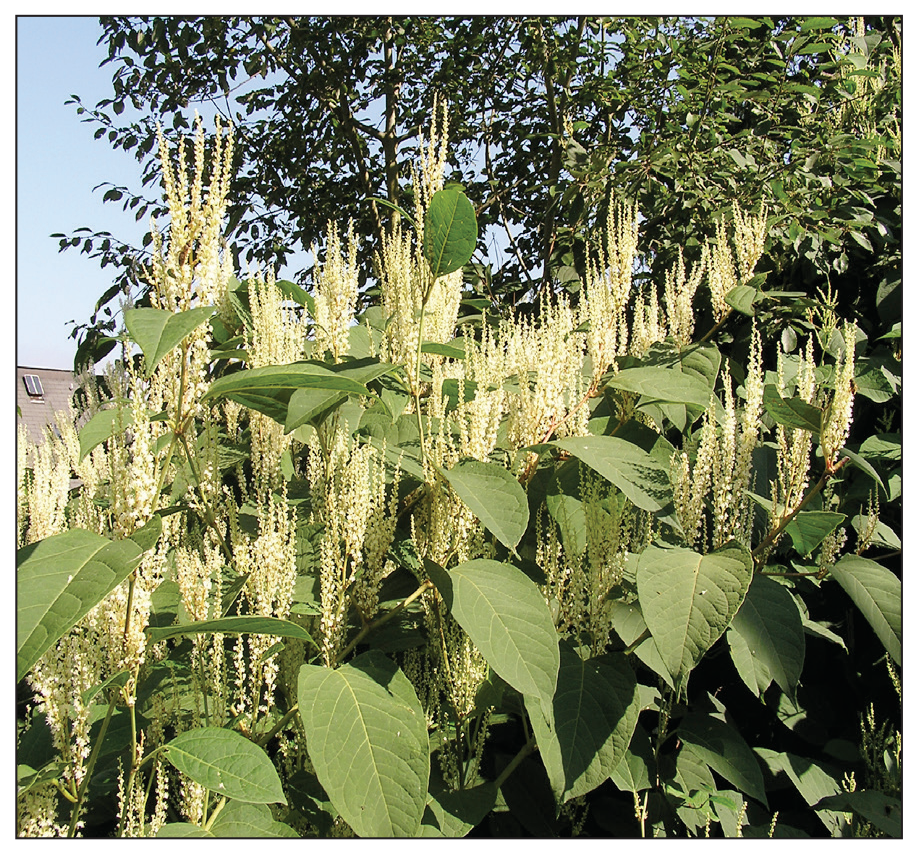
Figure 2 shows Japanese Knotweed (Fallopia japonica), a large plant native to eastern Asia. It is an invasive species that has been successful in colonizing North America and Europe. The most effective method of control of Japanese Knotweed is by herbicide application.

Figure 2

Figure 2

(a)

Outline two problems caused by the use of herbicides to control invasive species such as Japanese Knotweed.

[ 2 ]
(a)

A small lake is going through the process of eutrophication. State one possible point source and one possible non-point source of nutrient pollution in the lake.
Point source:
Non-point source:

[ 2 ]
(b)

Define the term biochemical oxygen demand (BOD).

[ 1 ]
(c)

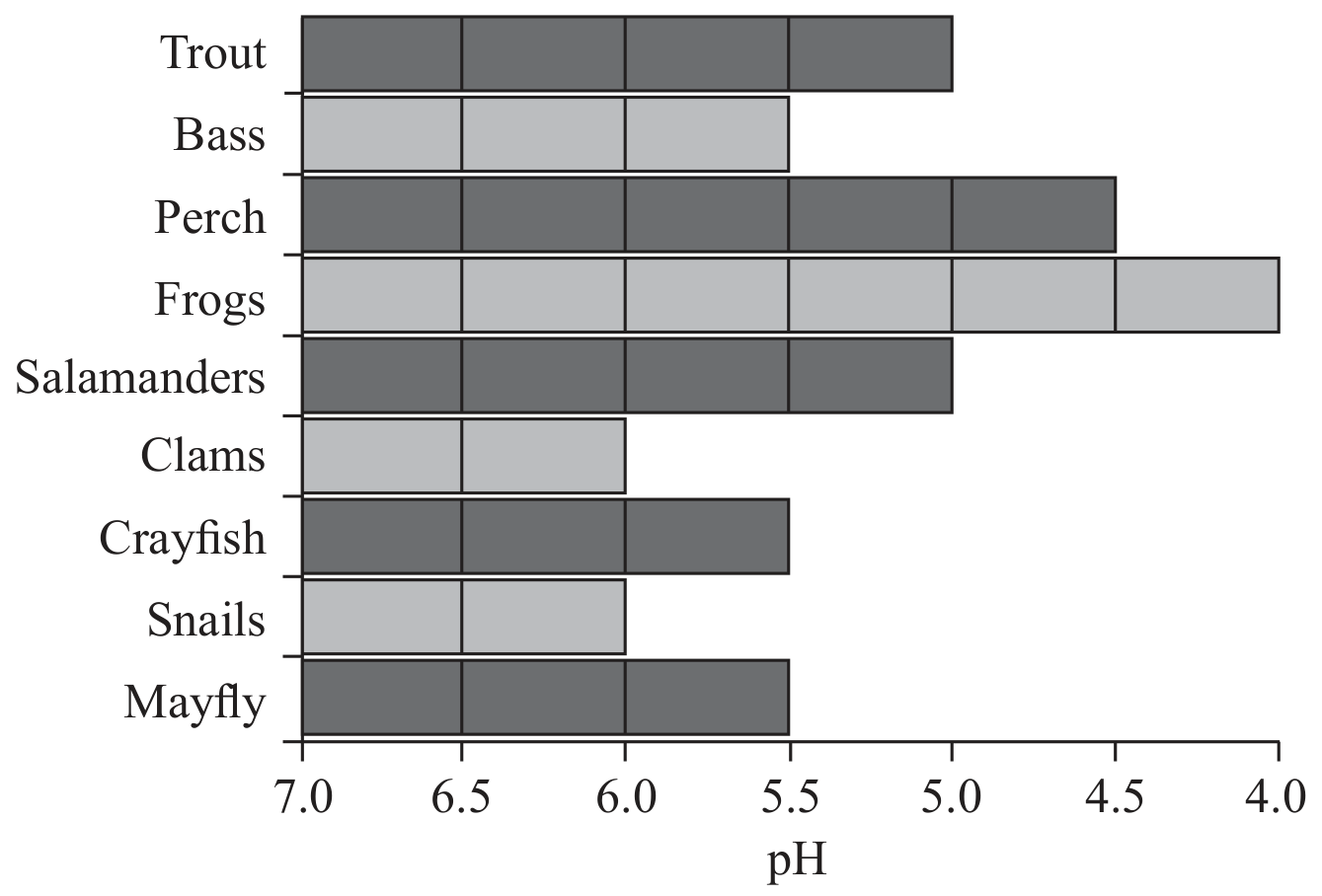
Figure 2 below shows the ranges of pH over which different types of aquatic organisms in a small lake can survive.

Figure 2

Figure 2

[ 3 ]
(i)

State which organism(s) would still be present if the pH of the lake was reduced to 5.0.

[ 1 ]
(ii)

Explain why the populations of remaining organisms in the lake may decline in the long term.

[ 2 ]
[Maximum number: 4]
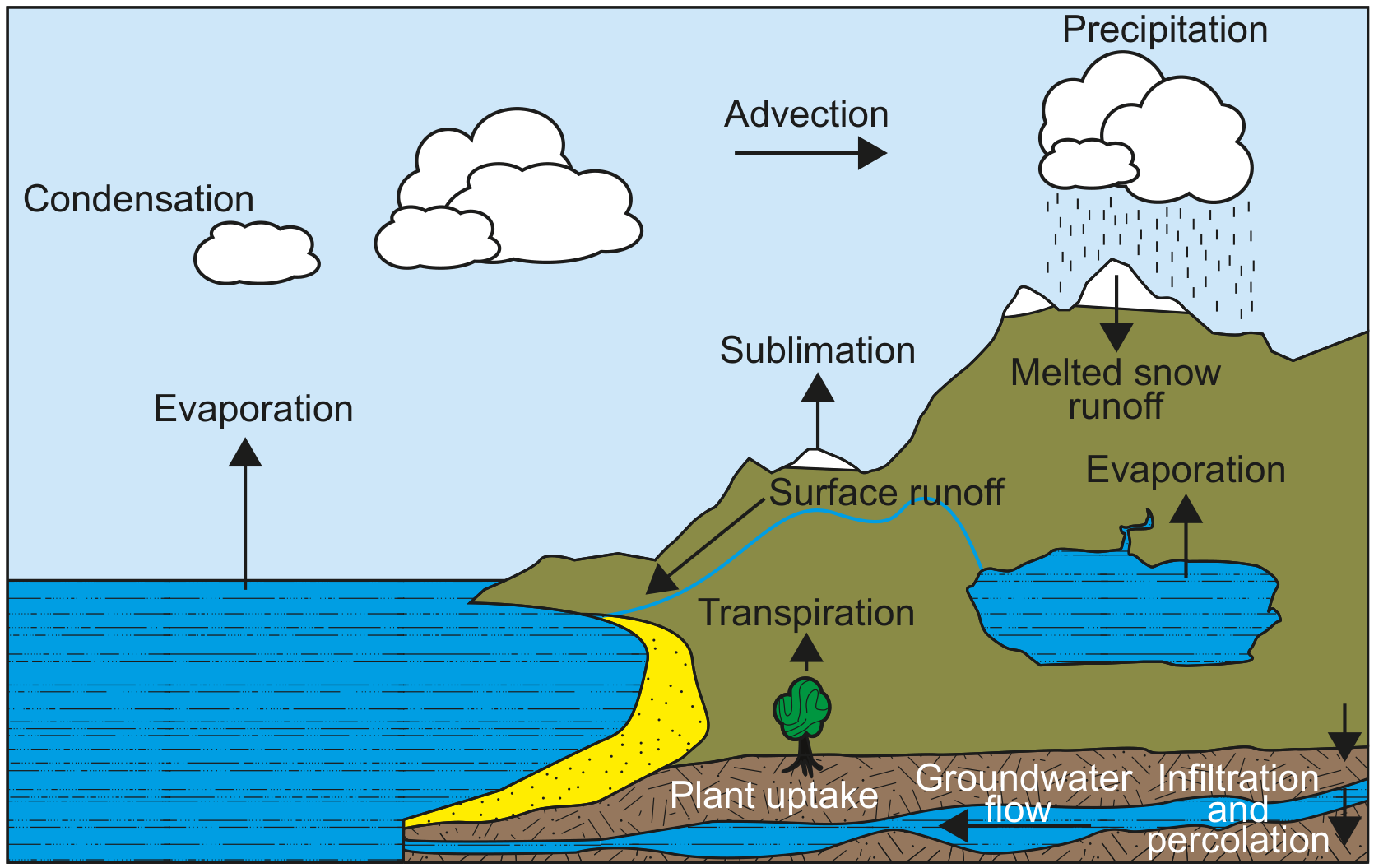
Figure 2: Representation of the water cycle

Figure 2: Representation of the water cycle

(a)

Runoff from agricultural land can result in excess nutrients entering water bodies.

[ 4 ]
(i)

Outline one indirect measure of organic pollution.

[ 3 ]
(ii)

State one management strategy that could control the release of agricultural runoff.

[ 1 ]
0