EduNinja
[Maximum number: 1]

Outline one advantage for local populations within the Coral Triangle in harvesting their food from:

(a)

the marine system

The Coral Triangle is about 6 million km^2 in Southeast Asia and is the most biodiverse marine ecosystem in the world.
Habitats include coral reefs, seagrass beds and mangroves; it supports livelihoods of over 120 million people.
It is an important spawning area for the largest tuna fishery in the world; capture fisheries were valued at US$9.9 billion in 2014.

[ 1 ]
[Maximum number: 6]
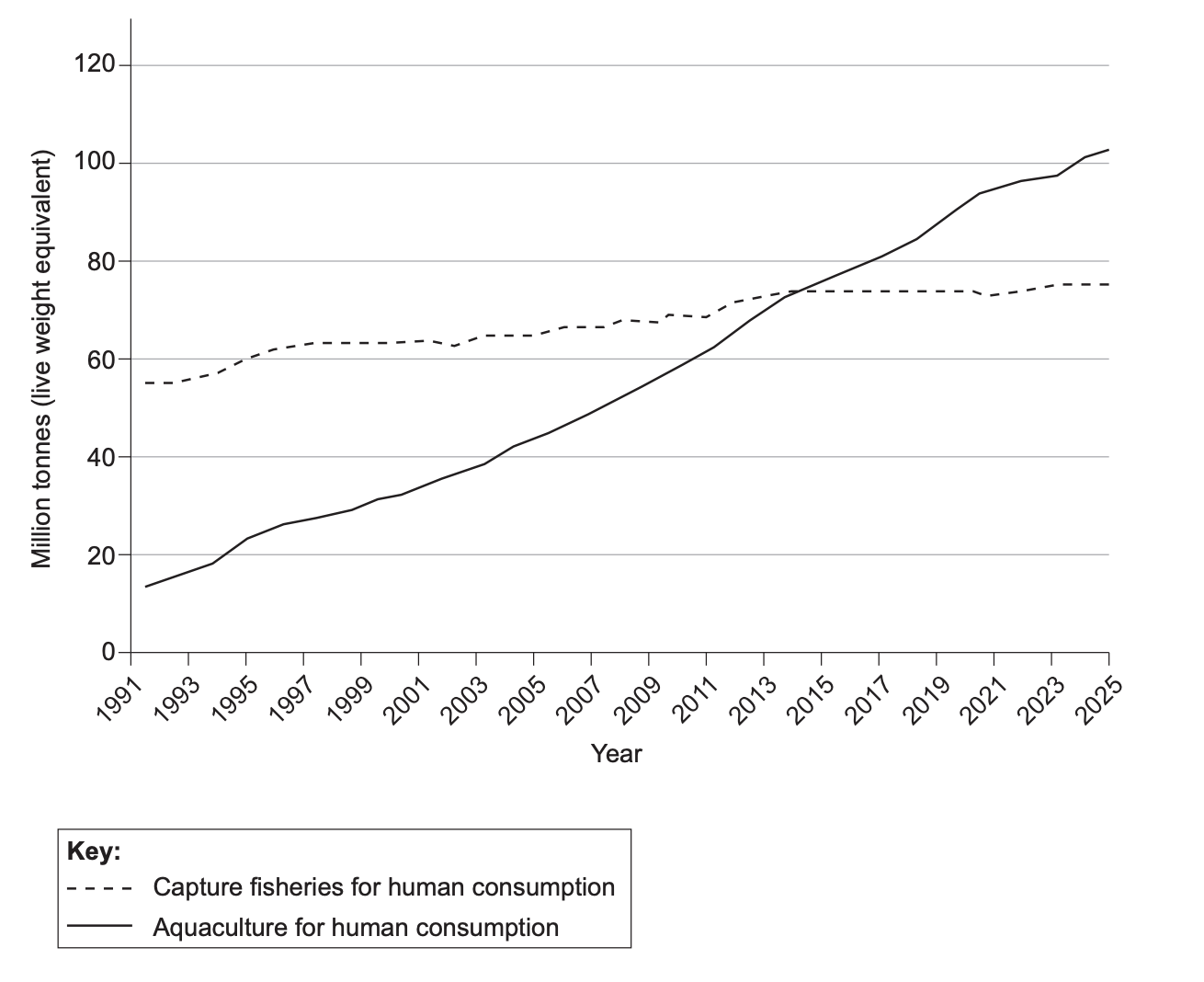
Figure 2: Global capture fisheries and aquaculture production from 1991 and projected to 2025

Figure 2: Global capture fisheries and aquaculture production from 1991 and projected to 2025

(a)

Using Figure 2, identify one reason for the trend shown in the curve for:

[ 2 ]
(i)

aquaculture.

[ 1 ]
(ii)

capture fisheries.

[ 1 ]
(b)

Outline two negative environmental impacts of aquaculture.

[ 2 ]
(c)

Describe two strategies for the management of sustainable capture fisheries.

[ 2 ]
[Maximum number: 2]
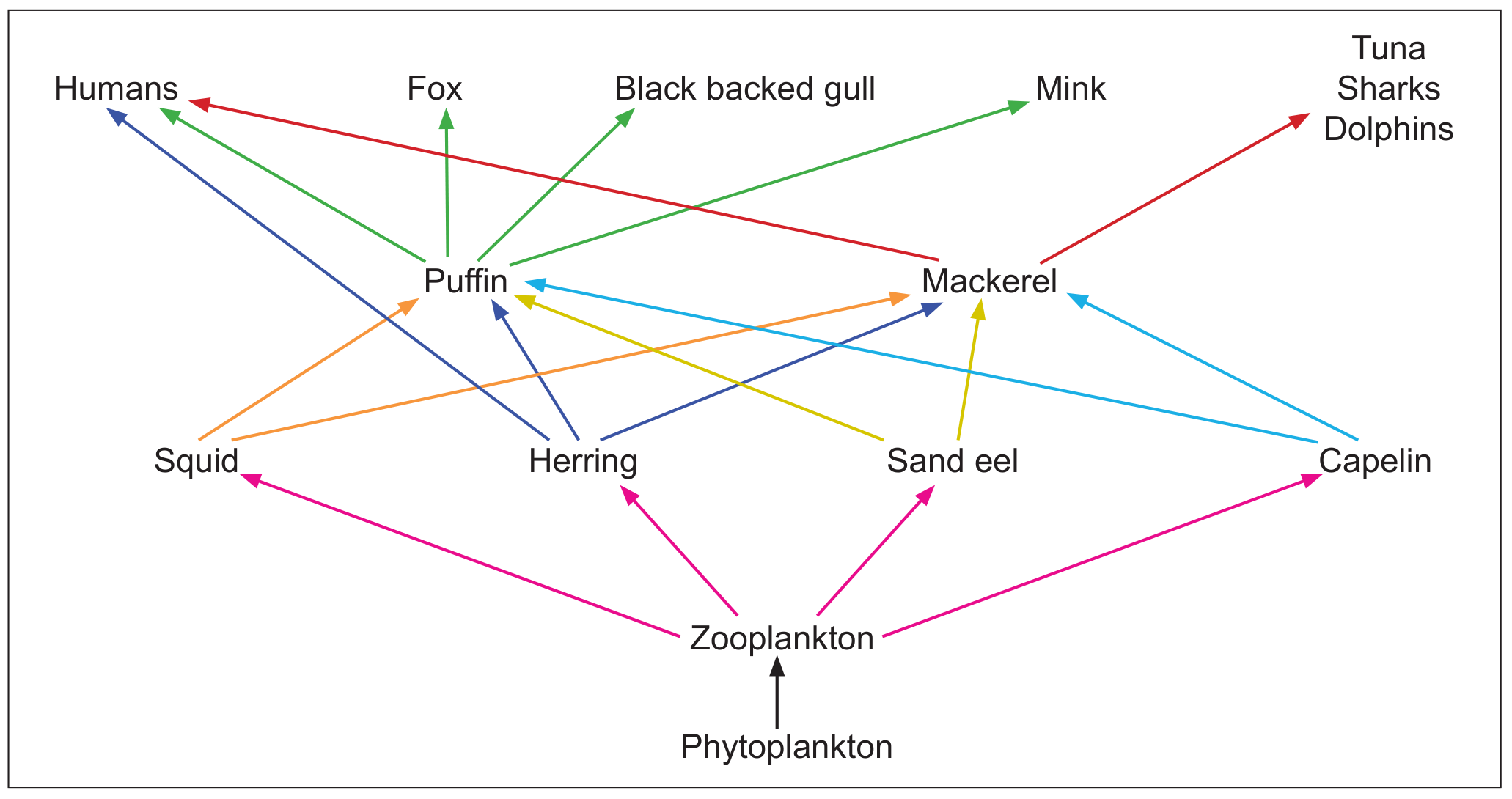
Figure 8(c): Food web for the Atlantic puffin

Figure 8(c): Food web for the Atlantic puffin

(a)

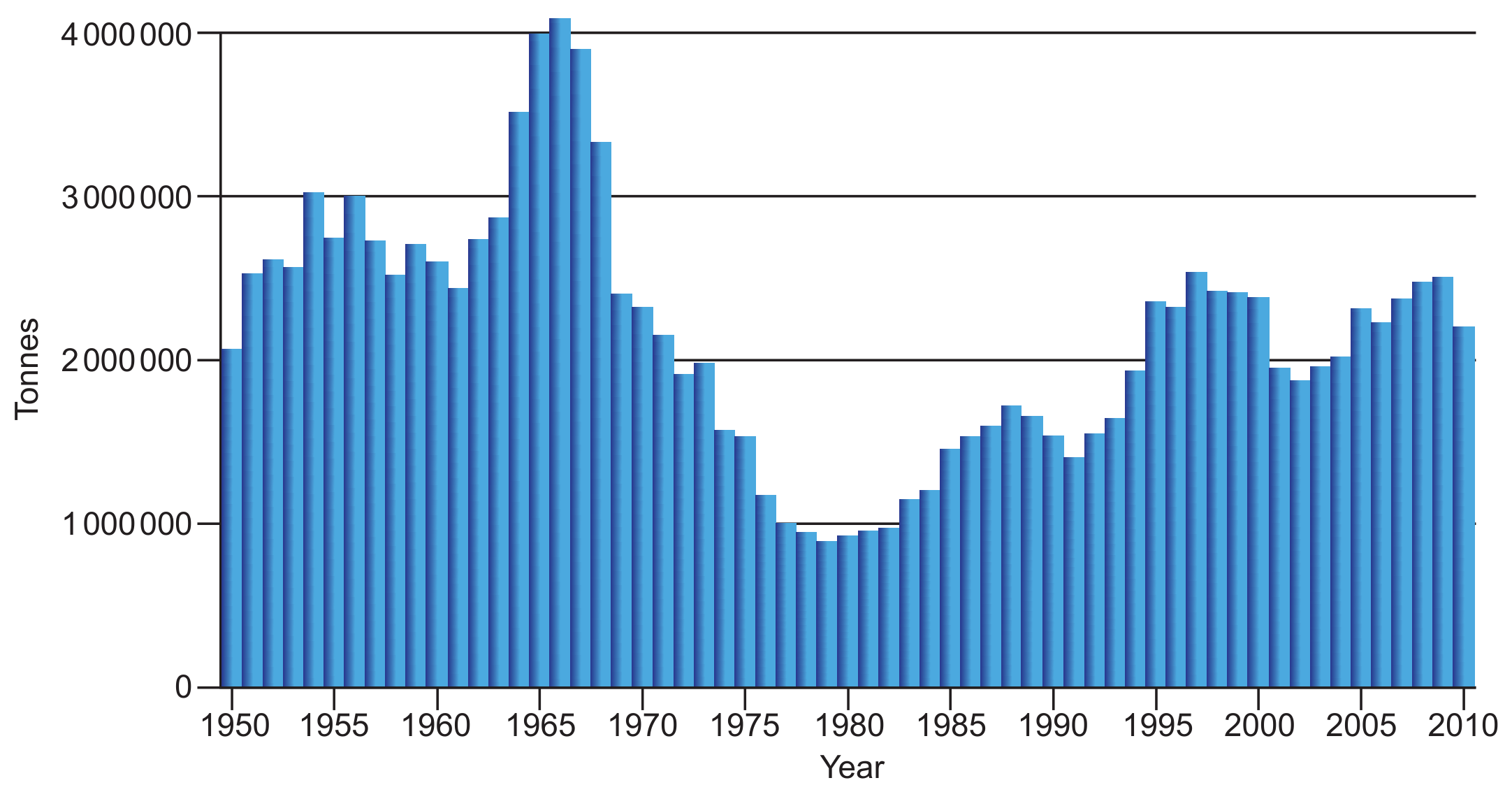
With reference to Figure 8(d) identify two factors which may account for the changes in total capture of Atlantic herring.

Figure 8(d): Global capture fisheries of Atlantic herring, 1950-2010

Figure 8(d): Global capture fisheries of Atlantic herring, 1950-2010

[ 2 ]
[Maximum number: 2]

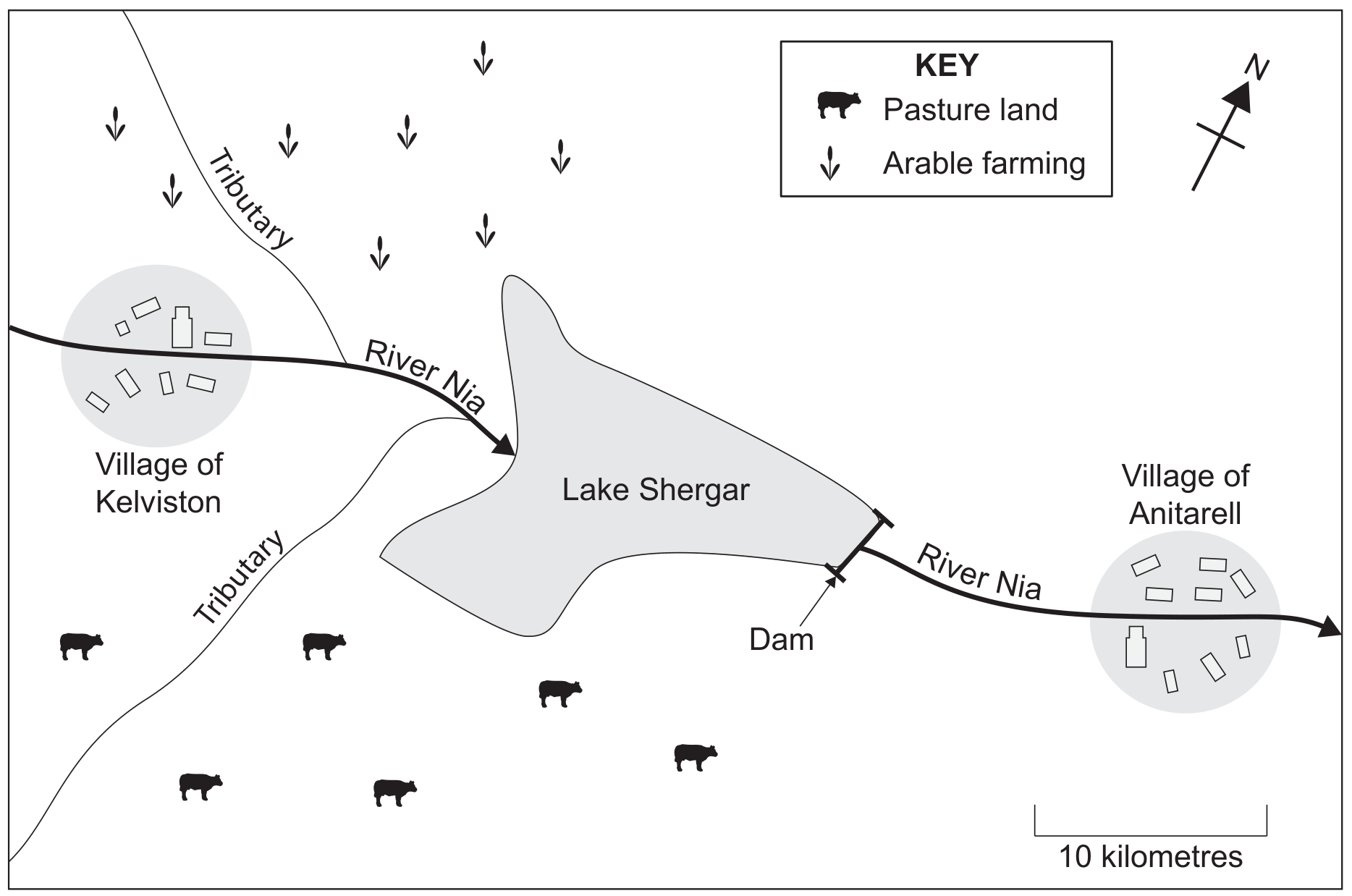
Figure 3: A simplified diagram of the Lake Shergar area.

Figure 3

Figure 3

(a)

The lake provides a water supply for the local population.

[ 2 ]
(i)

With reference to the cattle in the area, explain how the maximum sustainable yield could be calculated.

[ 2 ]
[Maximum number: 2]
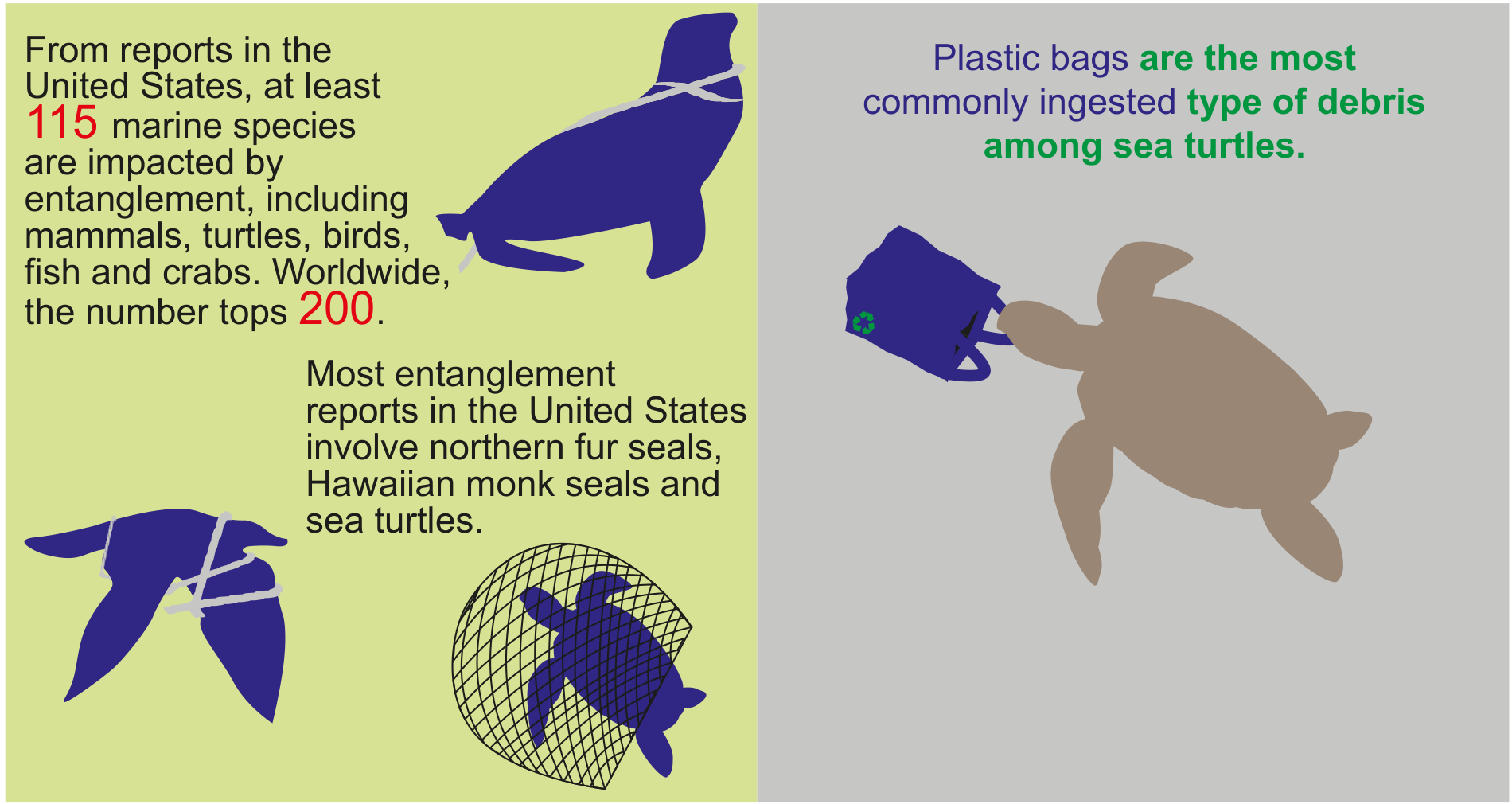
Figure 3: Examples of entanglement of marine species

Figure 3: Examples of entanglement of marine species

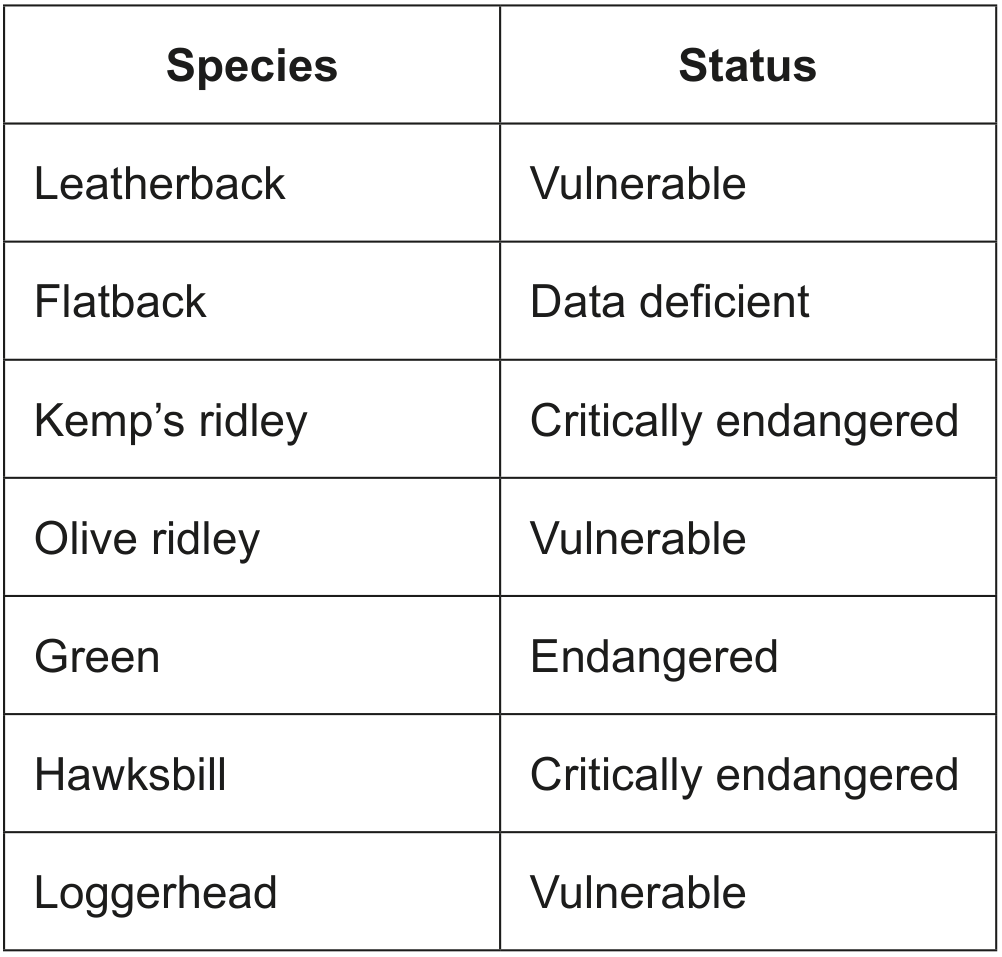
Figure 4: Sea turtle species and their status from the IUCN Red List

Figure 4: Sea turtle species and their status from the IUCN Red List

(a)

Identify two strategies for fisheries management that could improve the conservation status of sea turtles.

[ 2 ]
[Maximum number: 8]

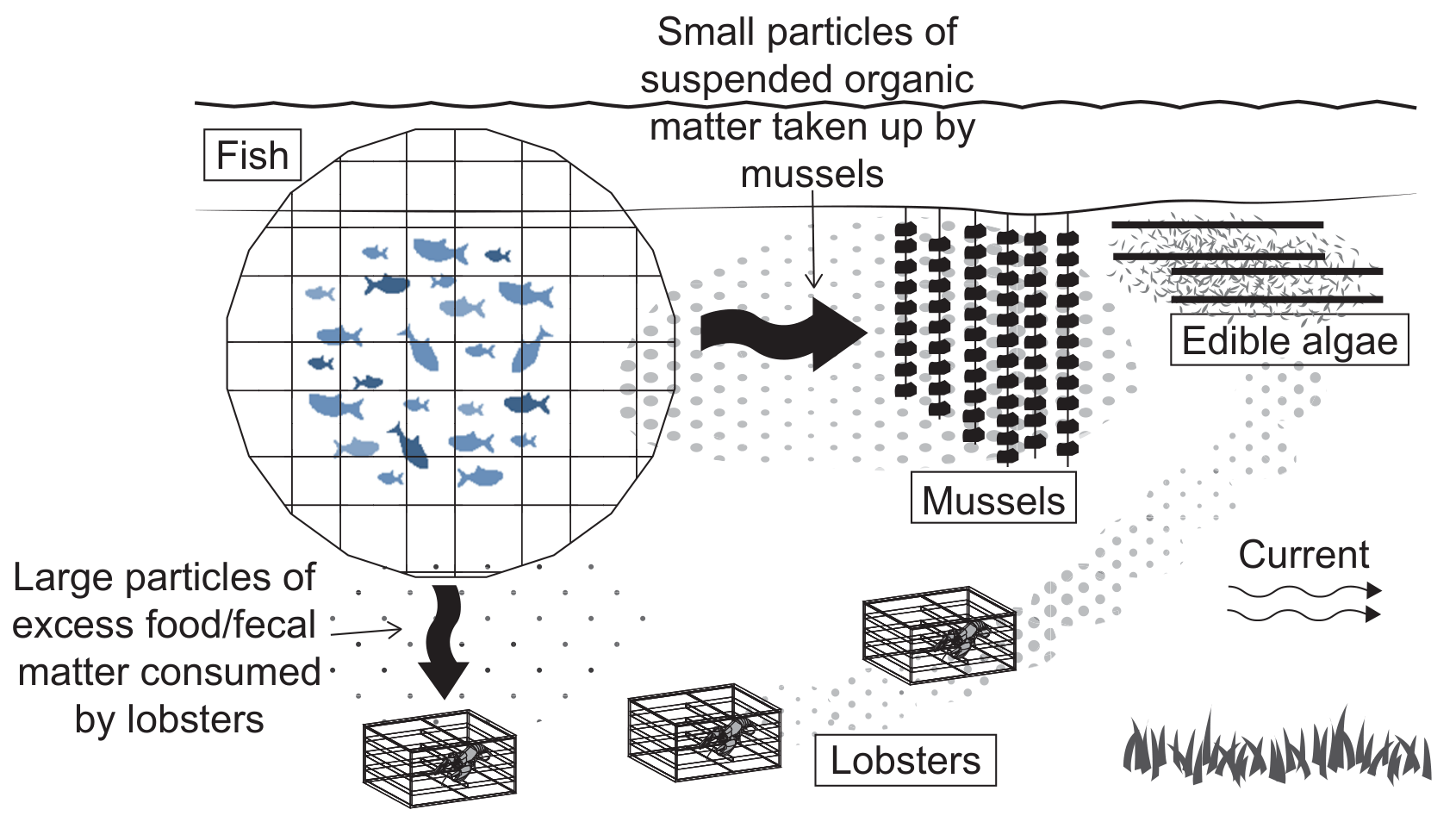
Figure 3 represents a system of aquaculture with four groups of harvestable species.

Figure 3: Integrated aquaculture

Figure 3: Integrated aquaculture

(a)

Identify one producer in the system illustrated in Figure 3.

[ 1 ]
(b)

Outline one reason why aquaculture production has increased globally.

[ 1 ]
(c)

Describe two negative environmental impacts that may arise from integrated aquaculture.

[ 2 ]
(d)

Explain why this system may cause fewer environmental impacts than systems that farm only fish.

[ 4 ]
[Maximum number: 2]

Suggest two strategies that could be used to reduce the threat to coral reefs from tourism.

Coral reefs and mangroves in the Coral Triangle have declined by over 40% since the 1970s; over 85% of coral reefs are threatened by population growth and human activity.
Threats include removal of mangroves, unsustainable/destructive fishing, demand for turtle products and shark fins, land-based pollution, tourism impacts and climate change.
Tourism threats include sewage, plastic waste, coral trampling, boat-anchor damage, stress to wildlife and collection of wildlife souvenirs.

CTI-CFF is an agreement among all six Coral Triangle nations to support food security, sustainable livelihoods and protection of unique ecosystems and marine species.
Popular approaches include MPAs and LMMAs; MPAs are usually managed by government, while LMMAs are more likely managed by local communities.
Zones may include no-take zones, tourism zones and restricted traditional fishing. Well-managed MPAs can increase fish size, fish numbers and biodiversity.
There are over 1000 MPAs in the Coral Triangle, with a target to designate 20% of each main habitat as MPAs.

(a)

Including reference to their relative efficiency, discuss whether terrestrial or aquatic food production systems show the greatest potential for feeding a growing human population. Support your conclusion with valid reasons or evidence.

Expression of ideas

[ 8 ]
[Maximum number: 2]

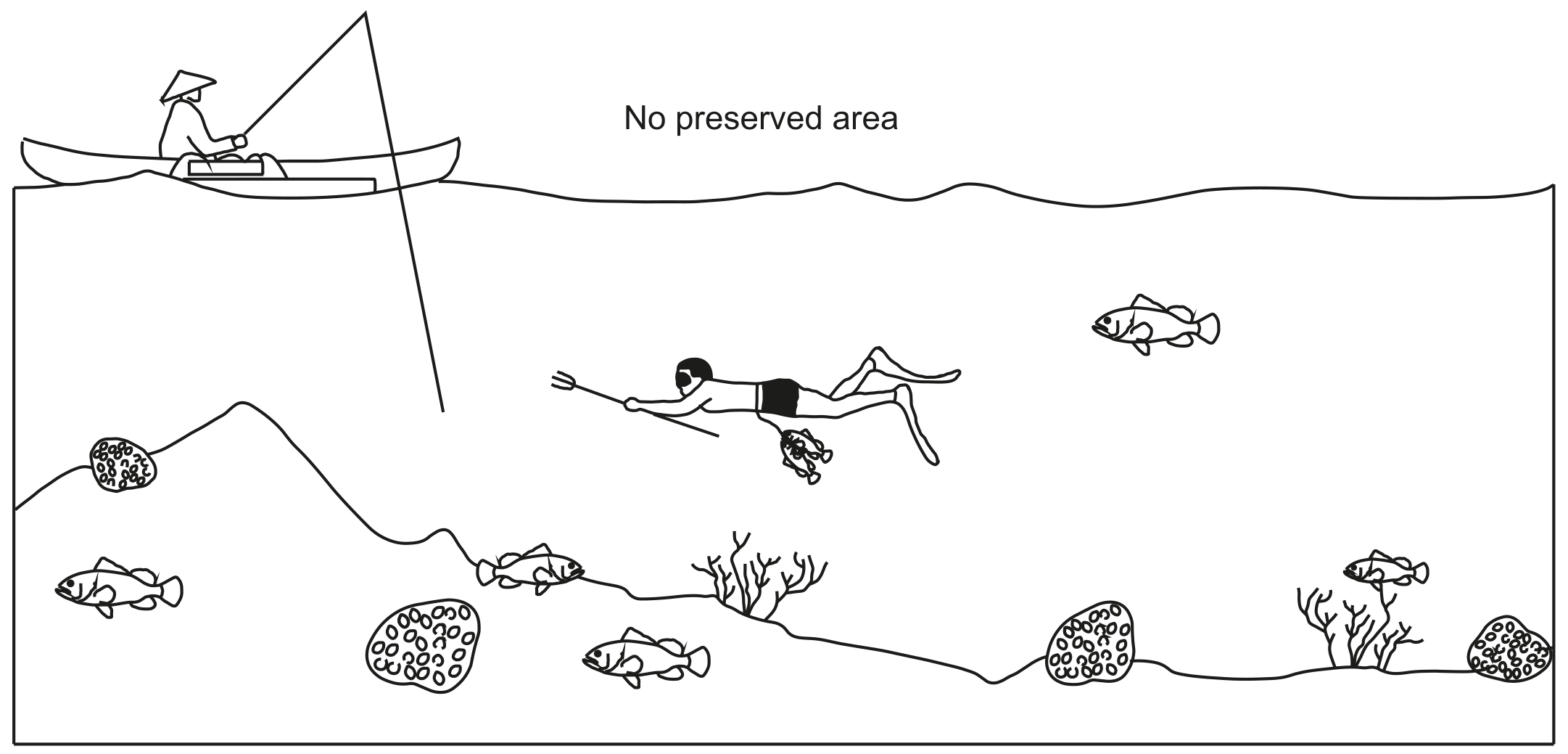
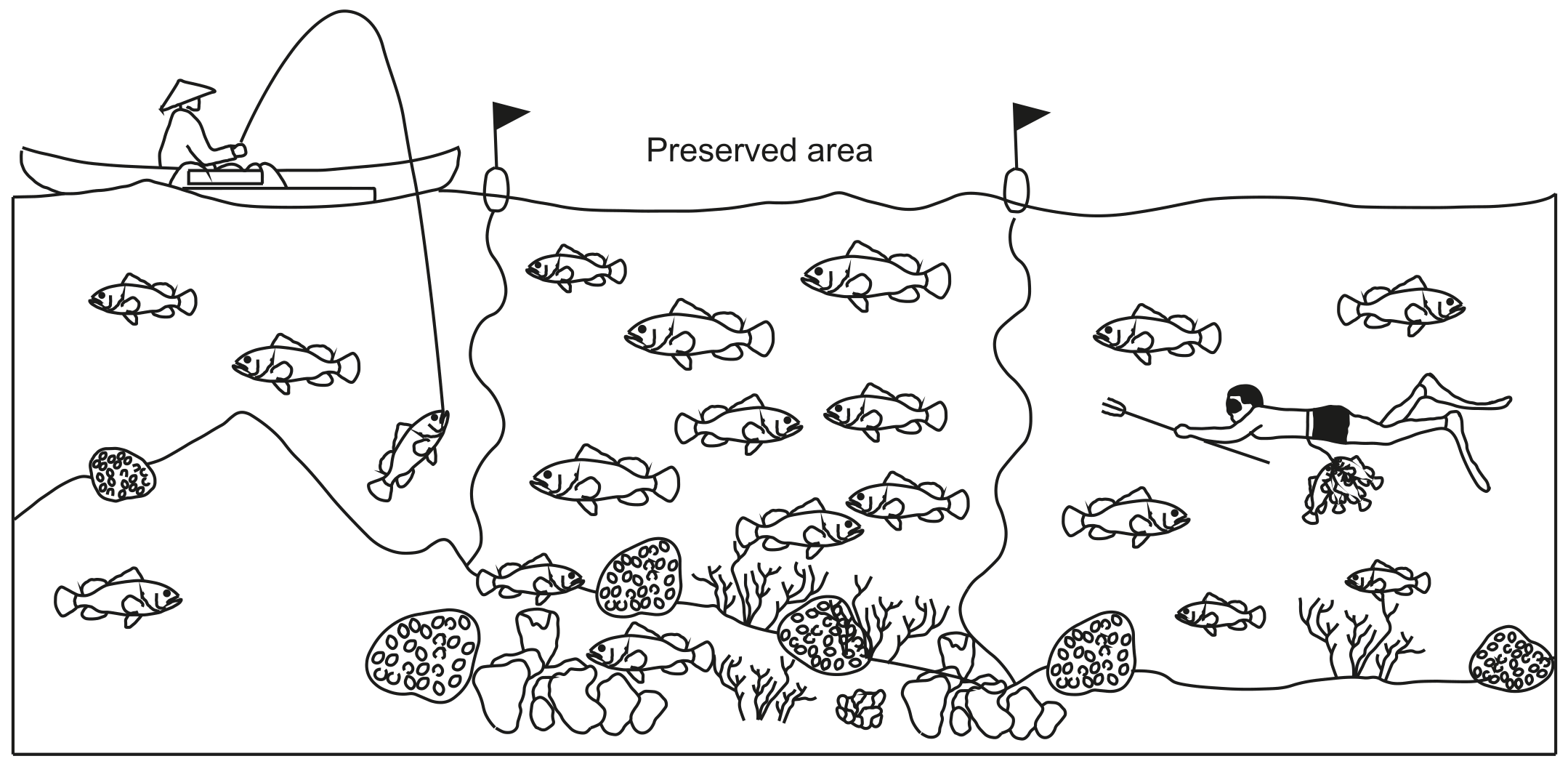
With reference to Figure 8(a), outline two advantages of Locally Managed Marine Areas (LMMAs) for providing effective conservation of marine systems.

CTI-CFF is an agreement among all six Coral Triangle nations to support food security, sustainable livelihoods and protection of unique ecosystems and marine species.
Popular approaches include MPAs and LMMAs; MPAs are usually managed by government, while LMMAs are more likely managed by local communities.
Zones may include no-take zones, tourism zones and restricted traditional fishing. Well-managed MPAs can increase fish size, fish numbers and biodiversity.
There are over 1000 MPAs in the Coral Triangle, with a target to designate 20% of each main habitat as MPAs.

Figure 8(b): Area without fishing exclusion

Figure 8(b): Area without fishing exclusion

Figure 8(b): Marine area with preserved/no-take area

Figure 8(b): Marine area with preserved/no-take area

[Maximum number: 1]

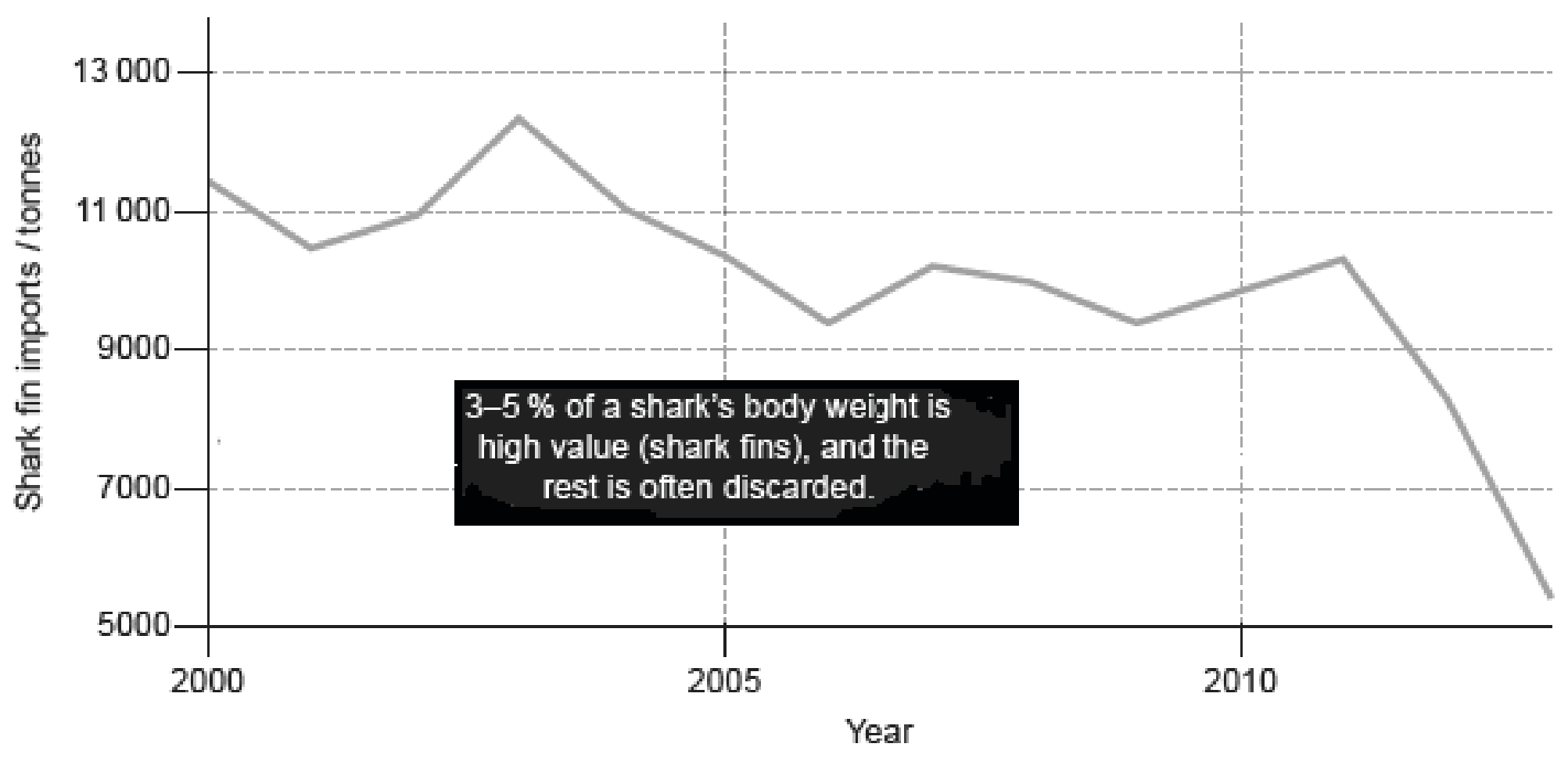
Identify one way in which conservation efforts may have given rise to the decline in shark fin imports shown in Figure 8(d).

CTI-CFF is an agreement among all six Coral Triangle nations to support food security, sustainable livelihoods and protection of unique ecosystems and marine species.
Popular approaches include MPAs and LMMAs; MPAs are usually managed by government, while LMMAs are more likely managed by local communities.
Zones may include no-take zones, tourism zones and restricted traditional fishing. Well-managed MPAs can increase fish size, fish numbers and biodiversity.
There are over 1000 MPAs in the Coral Triangle, with a target to designate 20% of each main habitat as MPAs.

Figure 8(d): Drop in demand for shark fins in Hong Kong and mainland China

Figure 8(d): Drop in demand for shark fins in Hong Kong and mainland China

0