EduNinja
(a)

Annotate the systems diagram below with two inputs of water and two outputs of water in the marshland ecosystem.
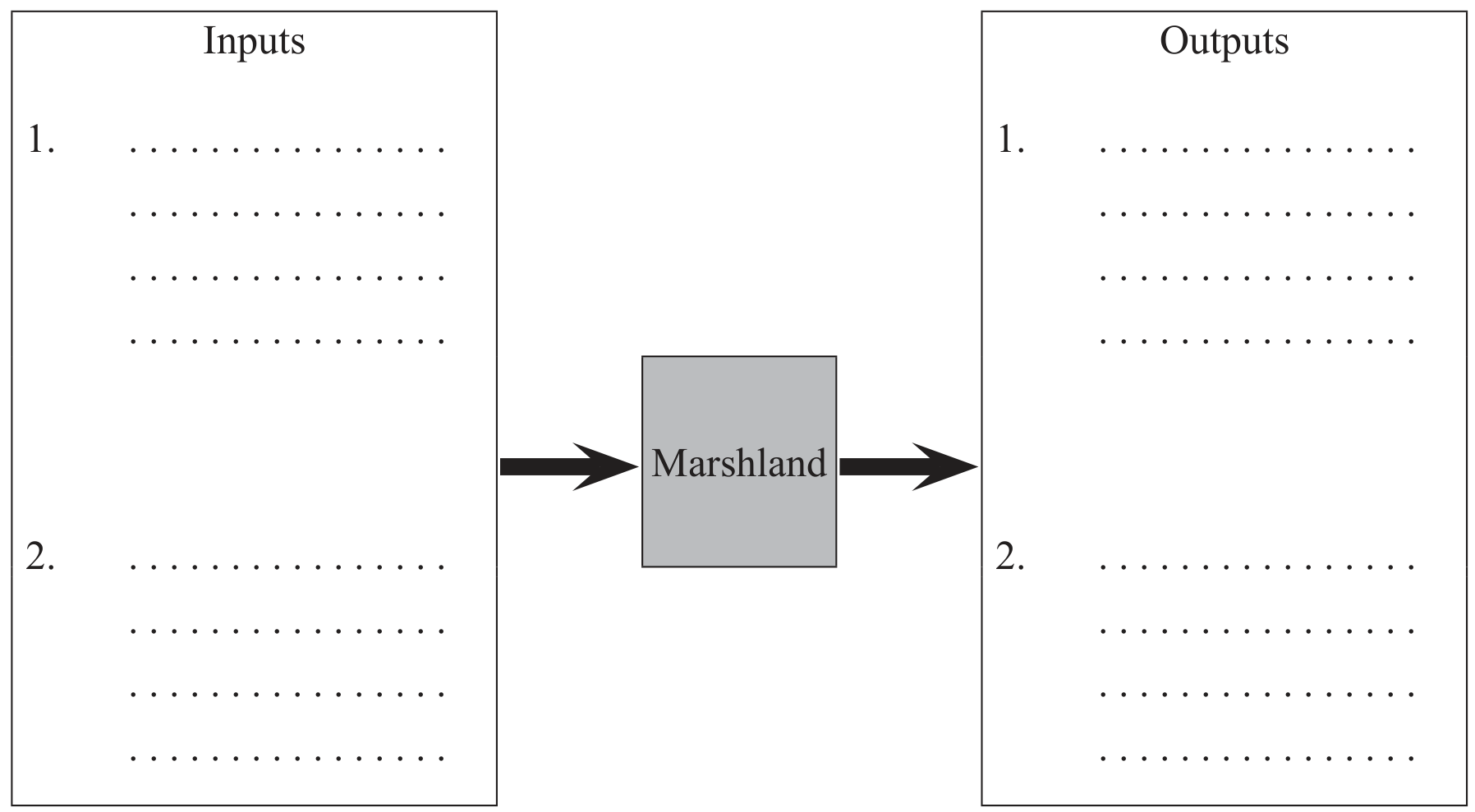
Systems diagram for water inputs and outputs in the marshland ecosystem

Systems diagram for water inputs and outputs in the marshland ecosystem

The Iraq/Iran marshlands once covered about 15000 km^2.
The marshes receive only about 100 mm of rainfall each year while more than 2500 mm evaporates, leaving salty water.
Spring snowmelt formerly flowed down from Iran and Turkey, bringing sediment and washing away salty water.
The wetlands developed many endemic species and filtered pollutants; local food systems used fishing and water buffalo, and reeds were used for construction.

[ 2 ]
[Maximum number: 2]
Question image

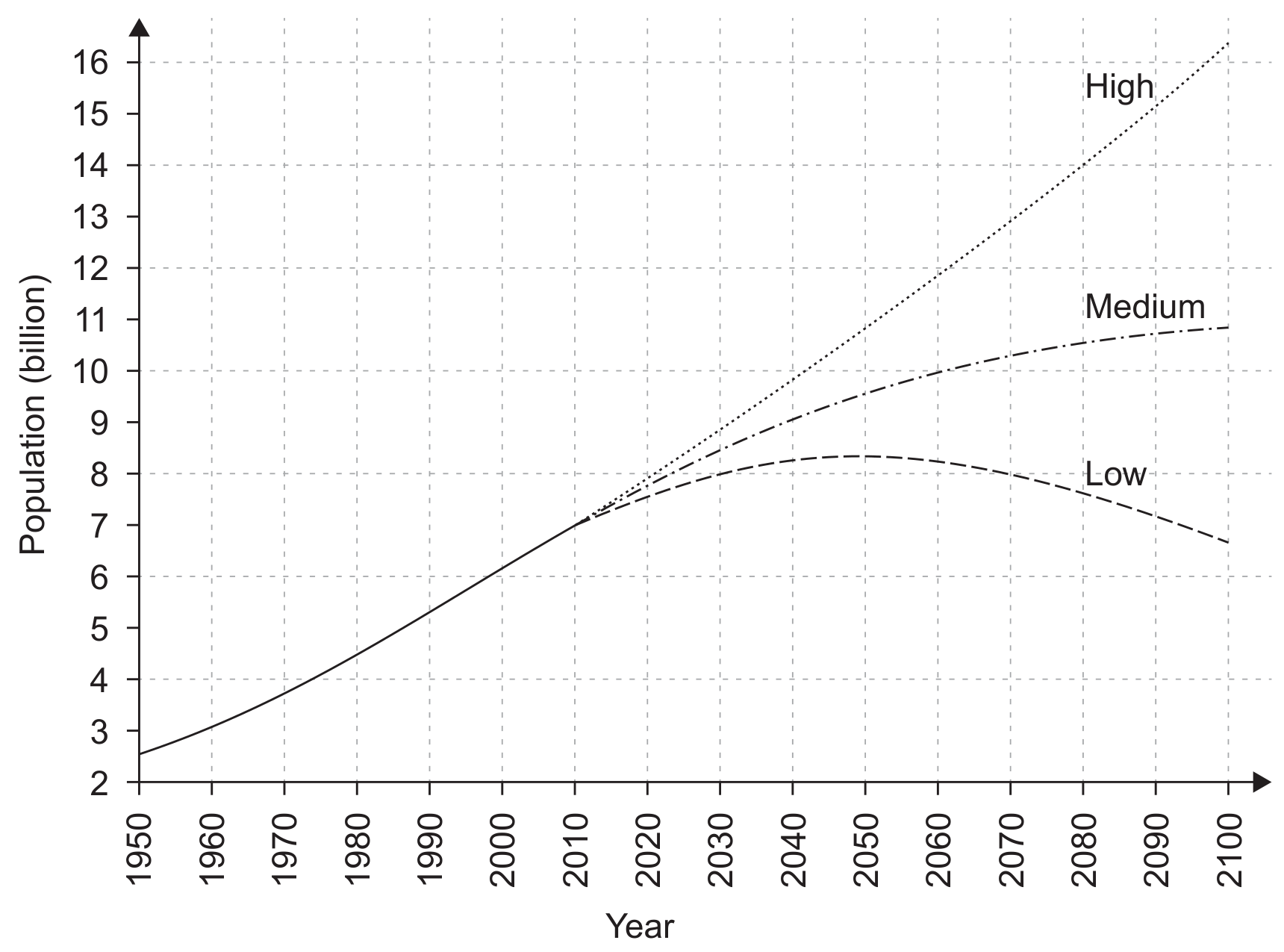
Figure 1: Three projections for world population from the present day to 2100.

The three lines indicate the high, medium and low projections for population size.

(a)
(i)

Outline one advantage of modelling future human population sizes.

[ 1 ]
(ii)

Outline one disadvantage of modelling future human population sizes.

[ 1 ]
[Maximum number: 2]

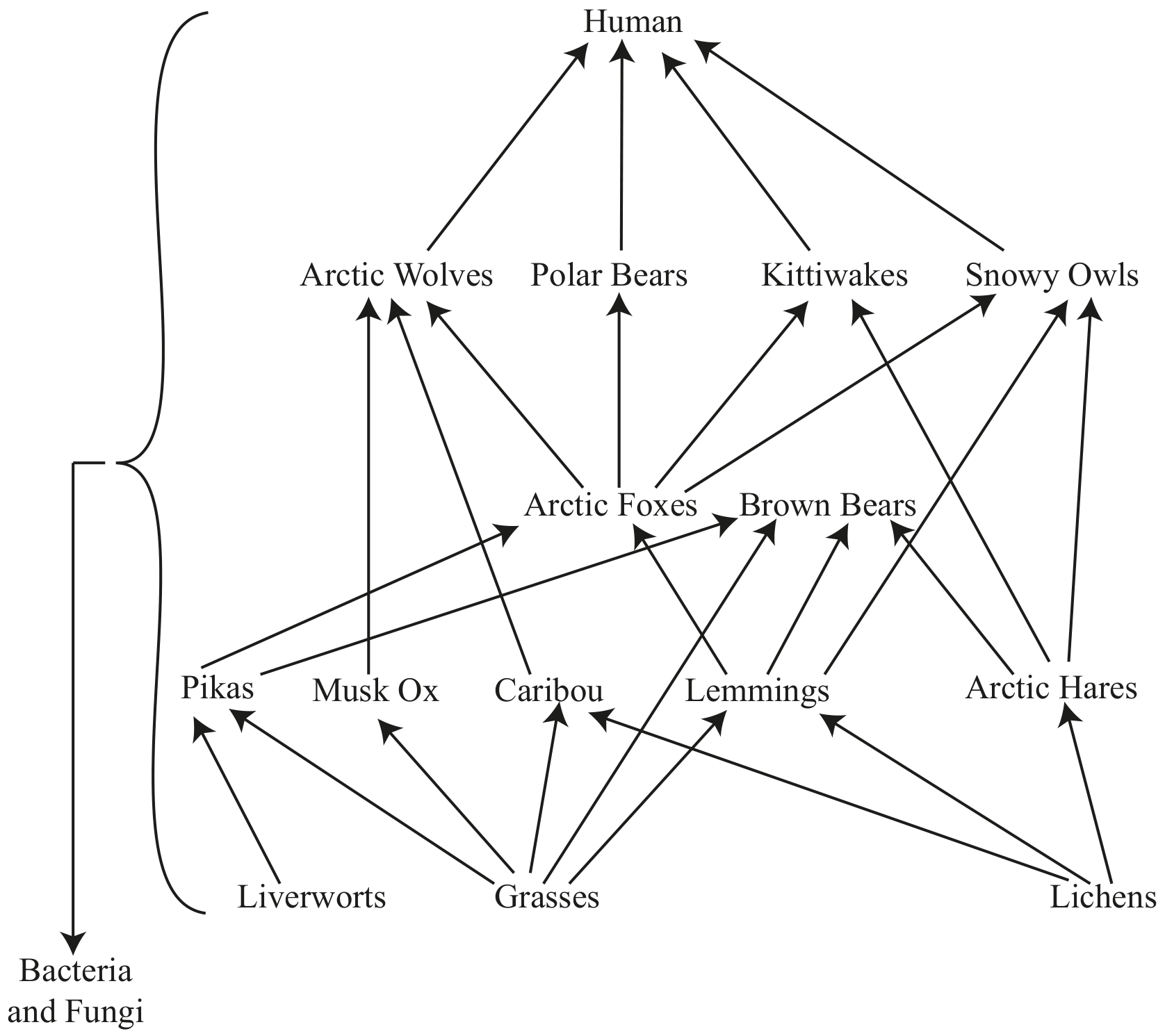
Figure 1 below shows a food web for an ecosystem within a Tundra biome.

Figure 1

Figure 1

(a)
(i)

A food web is a model. Explain one strength and one weakness of this model.

[ 2 ]
(a)
(i)

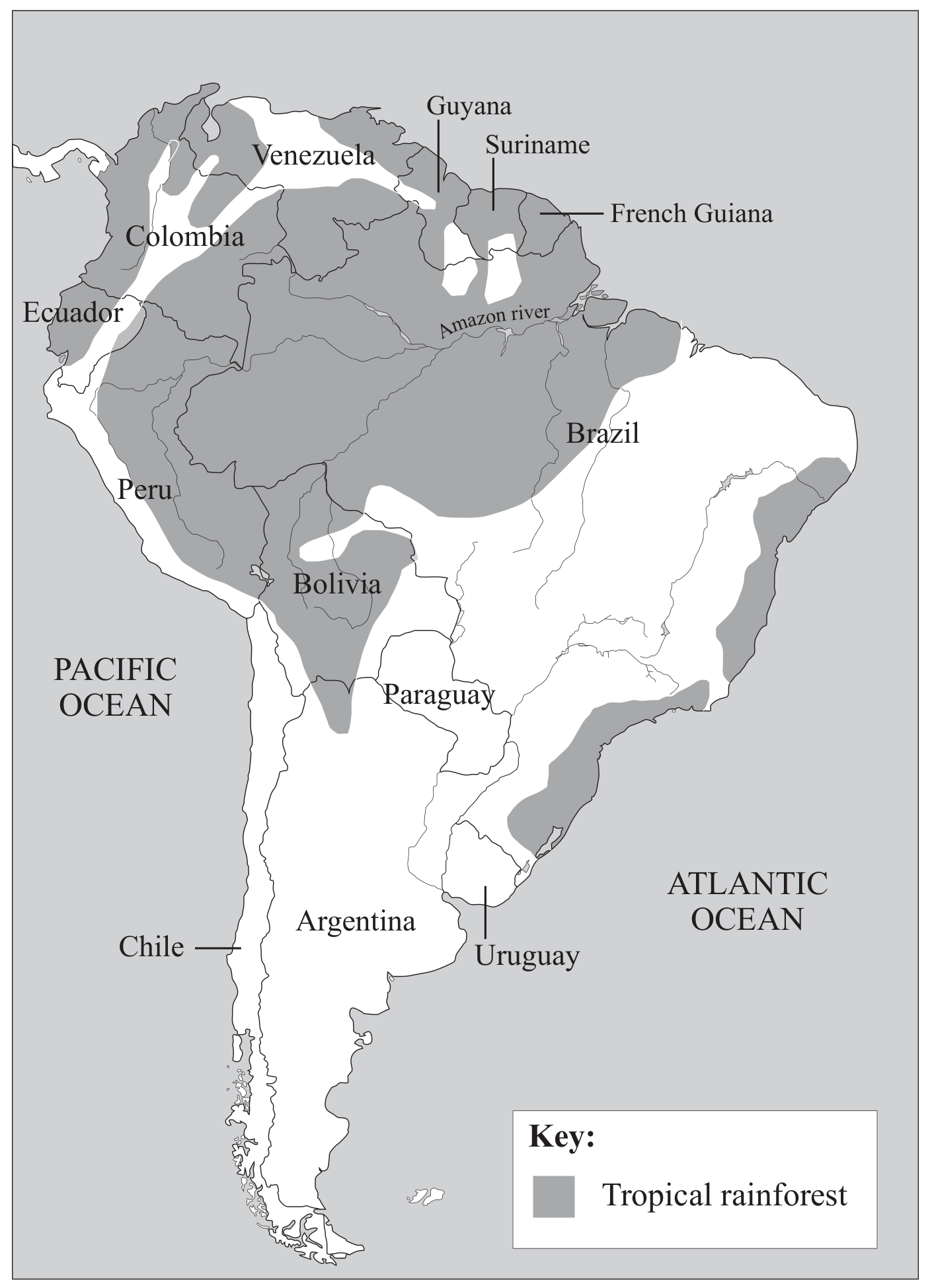
Construct a flow diagram showing a positive feedback loop caused by a human activity on the carbon cycle in the Amazon rainforest.

Figure 8: Amazon Tropical Rainforest and drought information

Figure 8: Amazon Tropical Rainforest and drought information

Figure 8: in 2005 and 2010 severe droughts caused many smaller rivers flowing into the Amazon to dry up.
Worldwide, 2010 was the warmest year recorded since records began in 1850.
In drought years, the Amazon rainforest becomes a net emitter of carbon dioxide because trees die and decompose instead of absorbing CO2.

[ 3 ]
(a)

Explain whether a small lake should be considered an open, closed or isolated system.

[ 2 ]
[Maximum number: 1]
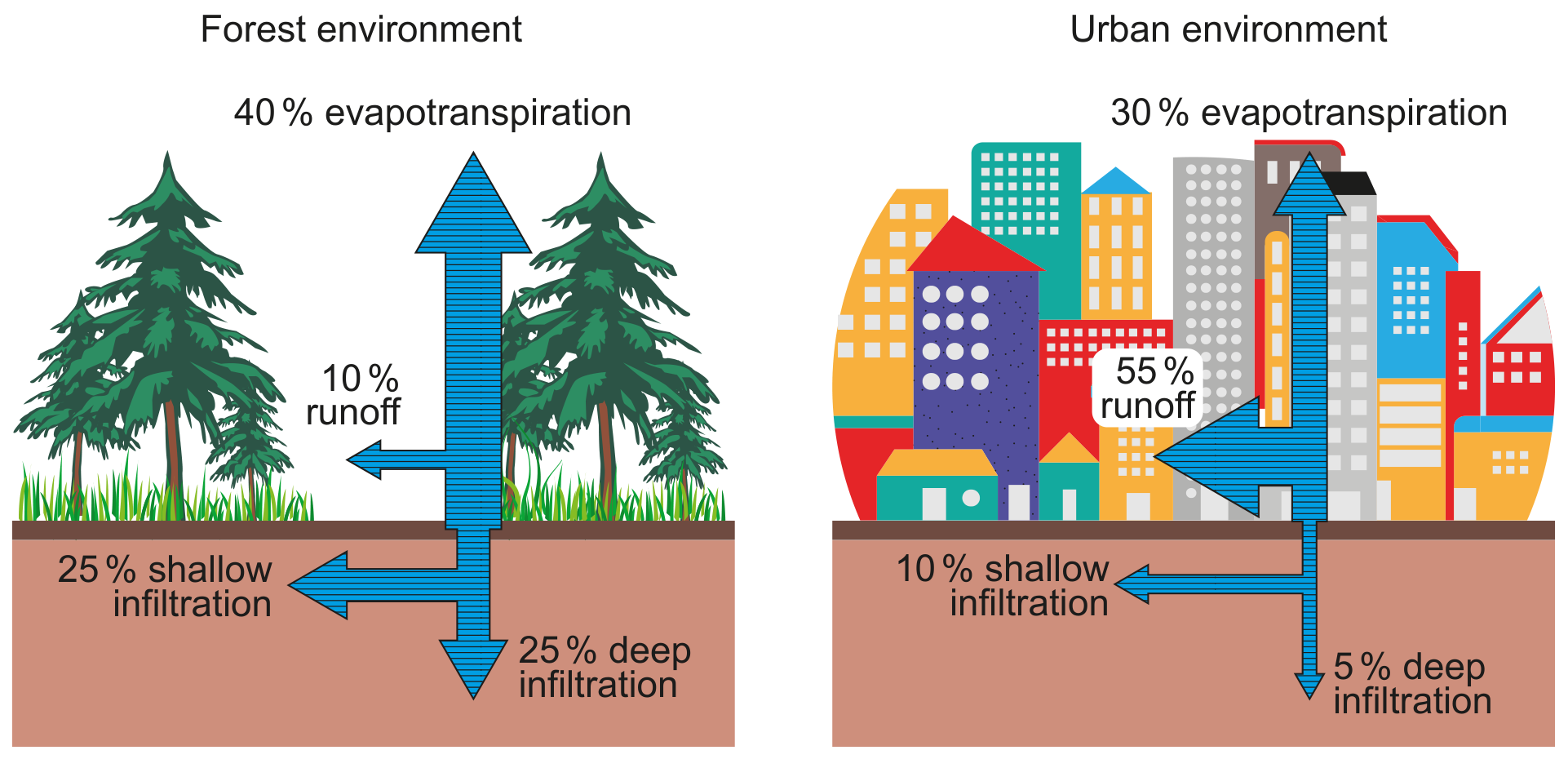
Figure 2(a): Water transfers and transformations after rainfall in forest and urban environments

Figure 2(a): Water transfers and transformations after rainfall in forest and urban environments

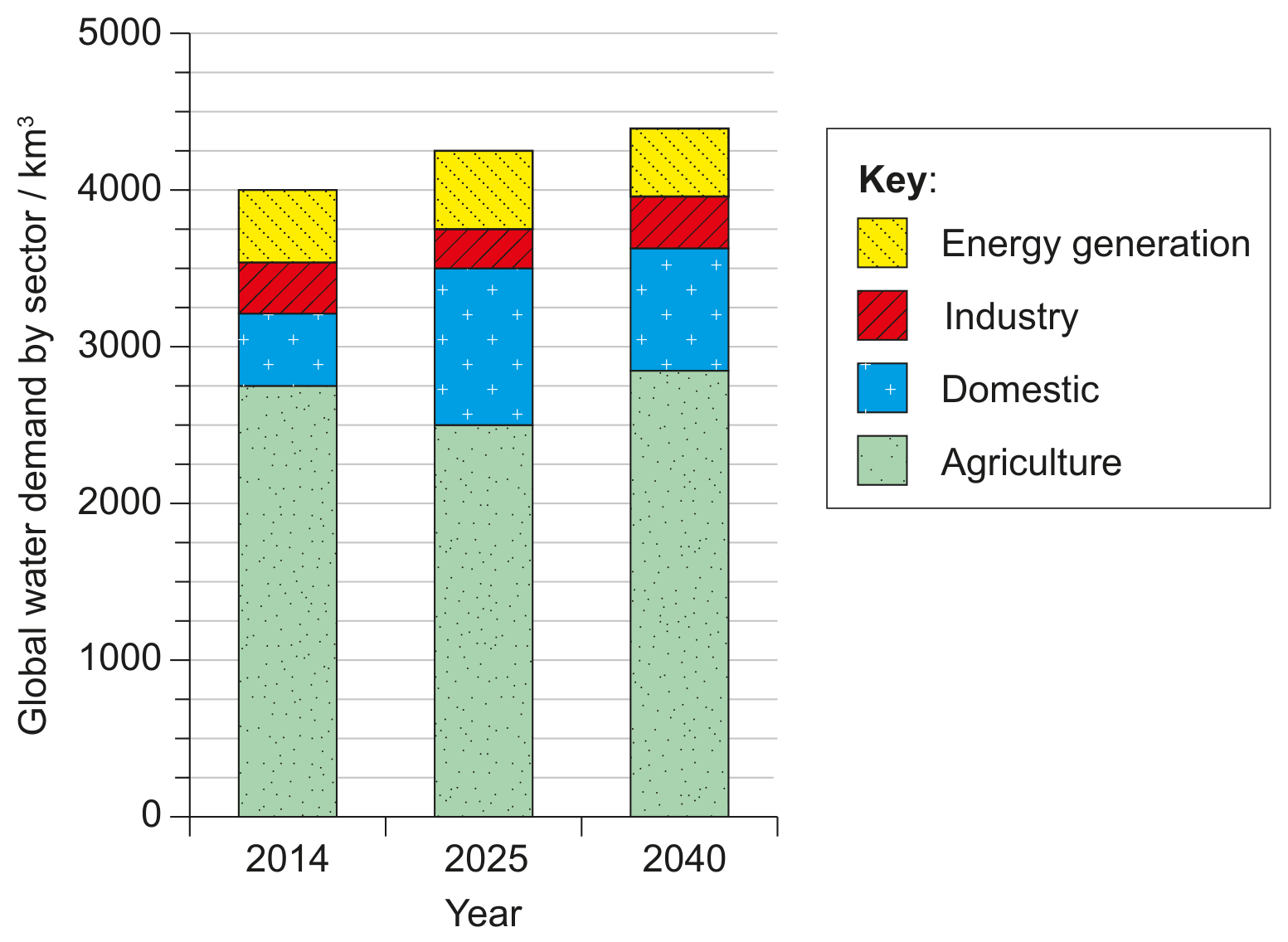
Figure 2(b): Global water demand by sector for 2014, and projected for 2025 and 2040

Figure 2(b): Global water demand by sector for 2014, and projected for 2025 and 2040

(a)

Identify one transformation shown in Figure 2(a).

[ 1 ]
[Maximum number: 2]

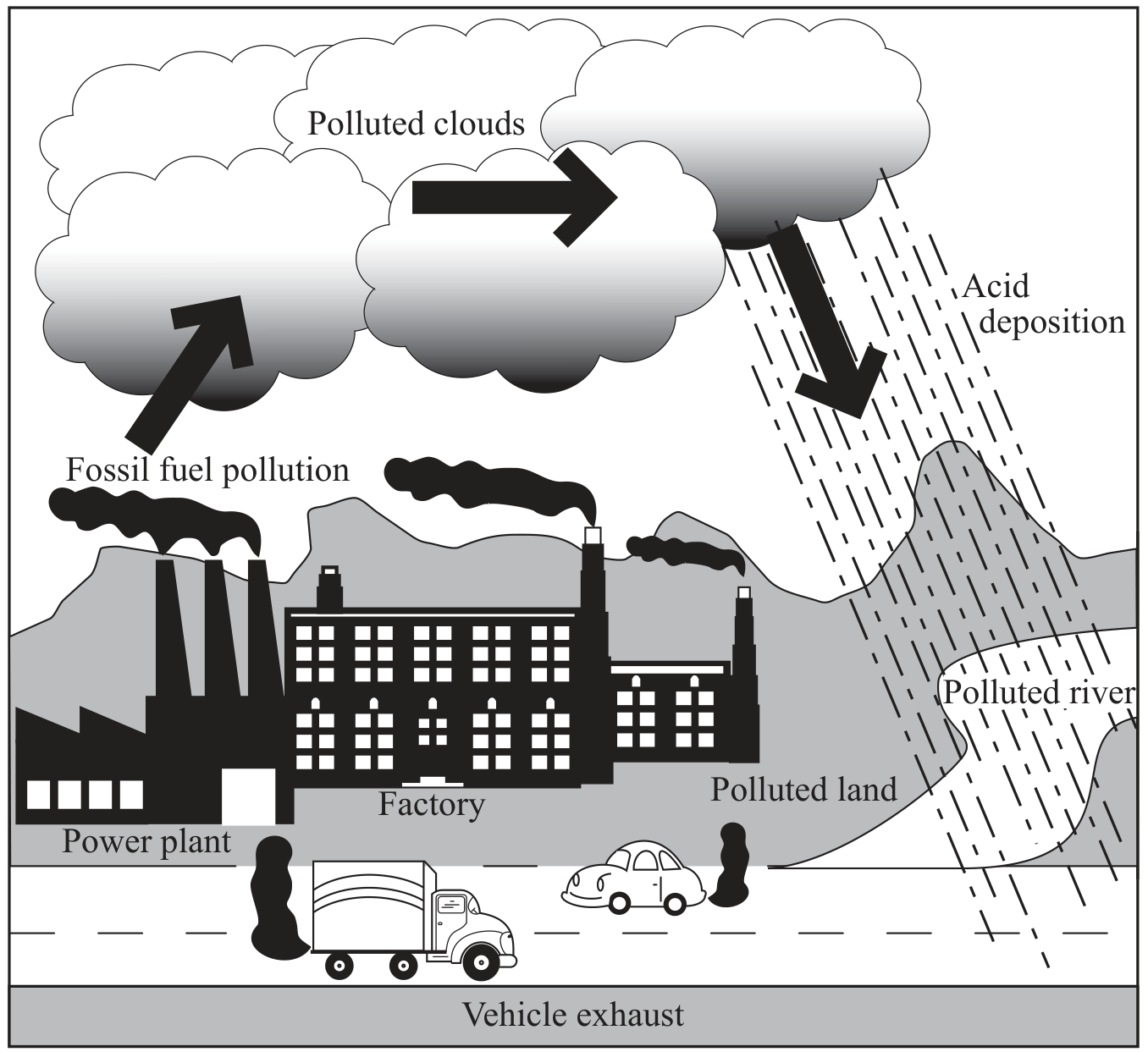
Figure 2 below shows some of the sources and processes that lead to acid deposition.

Figure 2

Figure 2

(a)
(i)

Outline one example of a transformation process and one example of a transfer process shown in Figure 2.

Transformation process:

Transfer process:

[ 2 ]
[Maximum number: 1]
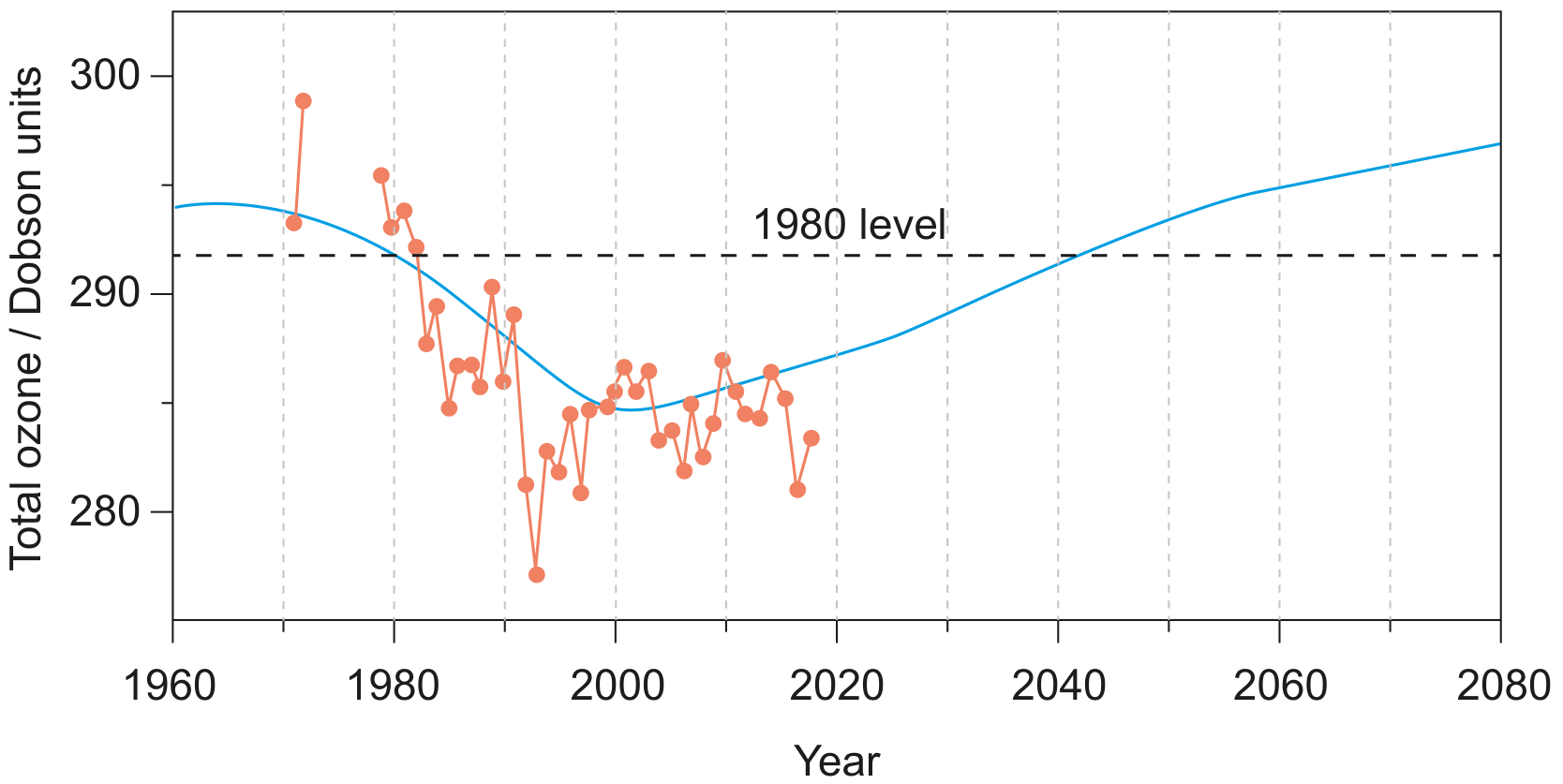
Figure 2: Observed and projected changes in global stratospheric ozone

Figure 2: Observed and projected changes in global stratospheric ozone

Key:
- Annually averaged data
- Average of atmospheric model projections

(a)

Outline one factor that may affect the reliability of the model projections in Figure 2.

[ 1 ]
[Maximum number: 1]
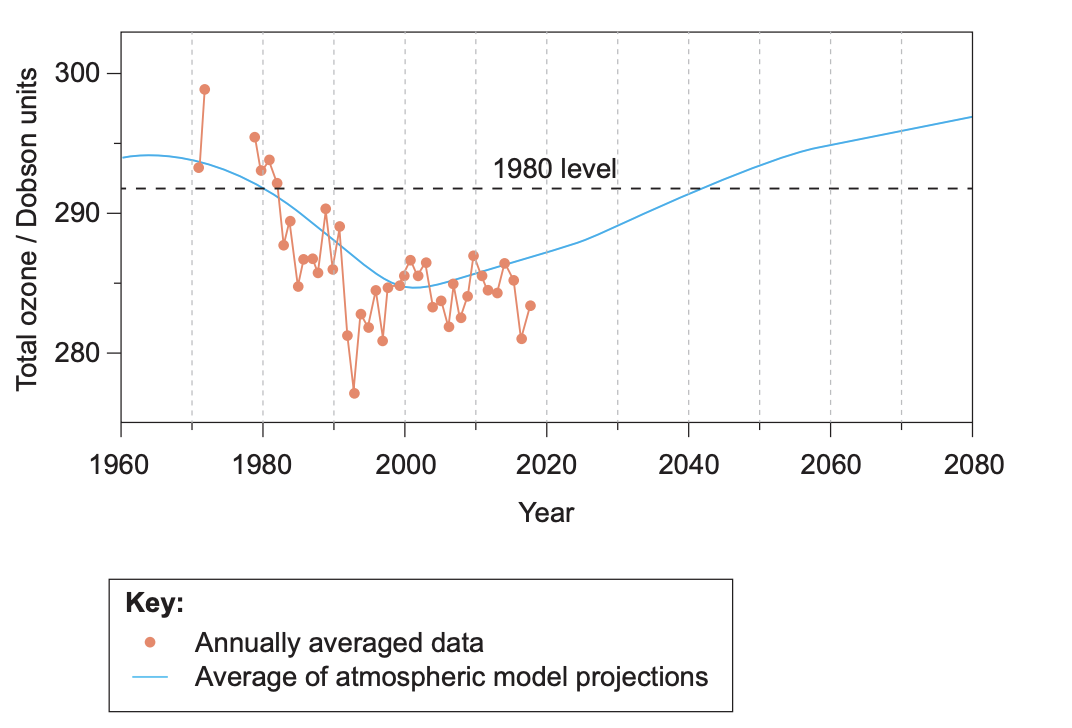
Figure 2: Observed and projected changes in global stratospheric ozone

Figure 2: Observed and projected changes in global stratospheric ozone

(a)

Outline one factor that may affect the reliability of the model projections in Figure 2.

[ 1 ]
[Maximum number: 4]
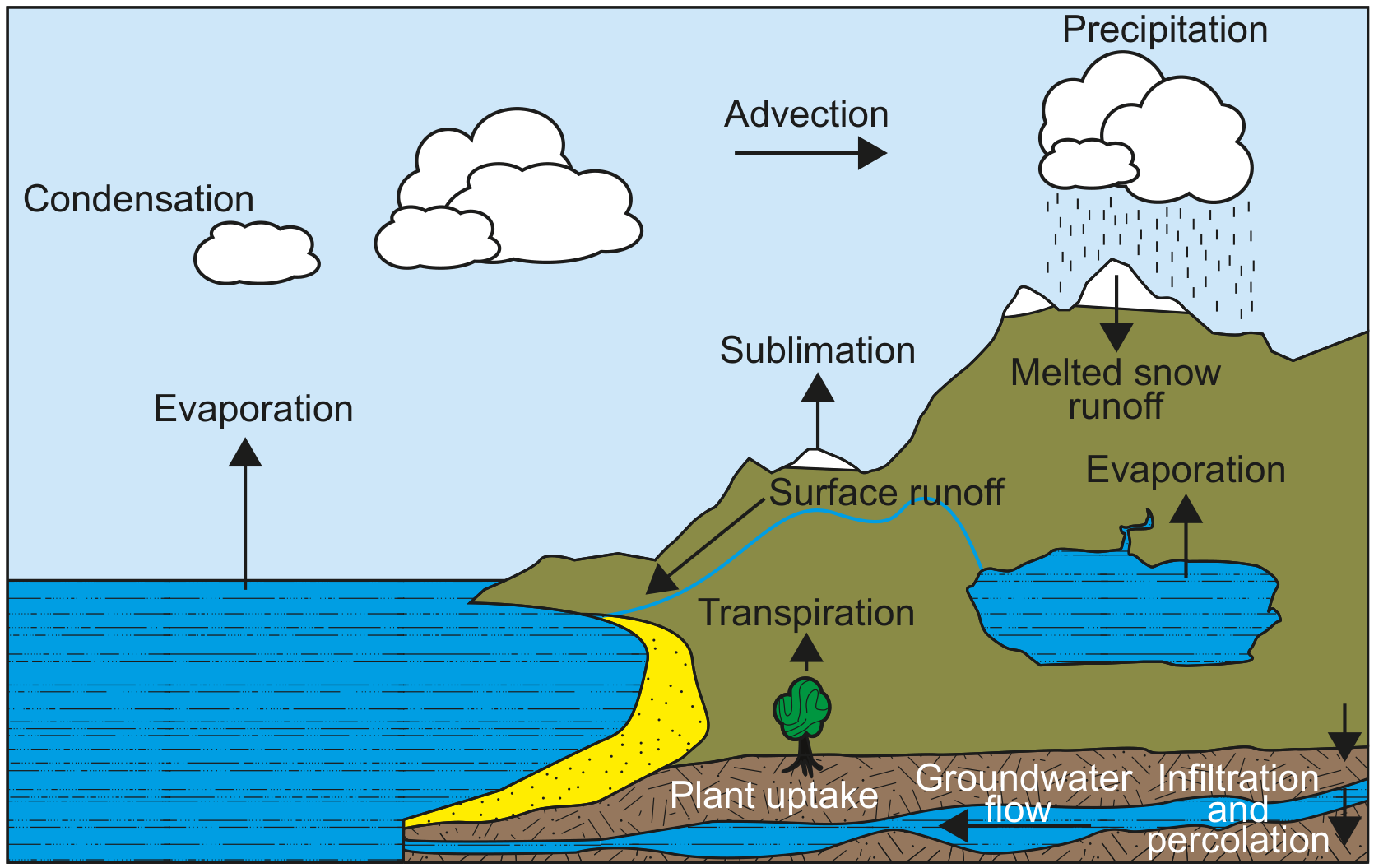
Figure 2: Representation of the water cycle

Figure 2: Representation of the water cycle

(a)
(i)

Identify one transfer and one transformation process shown in Figure 2.

Transfer:
Transformation:

[ 2 ]
(ii)

Outline how urbanization might impact two of the storages in Figure 2.

[ 2 ]
0