EduNinja
(a)
(i)

With reference to Figure 2, calculate the percentage of Kenya's electricity supply currently accounted for by renewable energy sources.

Population (2010)40 million
Population growth rate2.6\% per year
People connected to electricity grid9.0\%
Traditional fuel consumption70.6\% of total energy
Electricity from oil23.0\%
Electricity from hydro-electricity68.0\%
Electricity from geothermal sources9.0\%

Figure 2: Fact file on Kenya

[ 1 ]
(ii)

Evaluate the effects of expanding the geothermal plant at O1 Karia.

Population (2010)40 million
Population growth rate2.6\% per year
People connected to electricity grid9.0\%
Traditional fuel consumption70.6\% of total energy
Electricity from oil23.0\%
Electricity from hydro-electricity68.0\%
Electricity from geothermal sources9.0\%

Figure 2: Fact file on Kenya

Figure 5: Lake Naivasha supports flower growing, geothermal power generation, tourism, fishing and dairy farming.
The flower industry depends on irrigation from the lake and uses fertilizer and pesticide inputs.
About 9% of Kenya electricity is supplied by the Ol Karia geothermal plant, with scope to expand geothermal production.
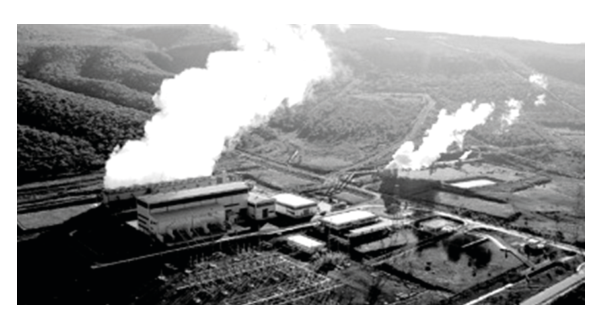
Figure 5: Ol Karia geothermal plant
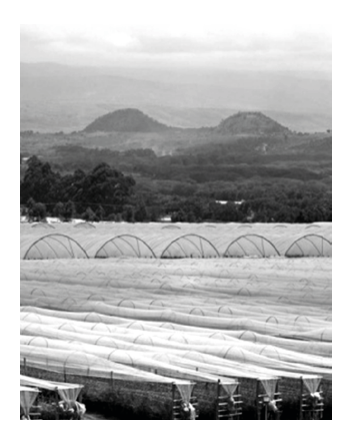
Figure 5: Ol Karia geothermal plant

Figure 5: Geothermally heated greenhouses for flower farms

Figure 5: Geothermally heated greenhouses for flower farms

[ 4 ]
(a)
(i)

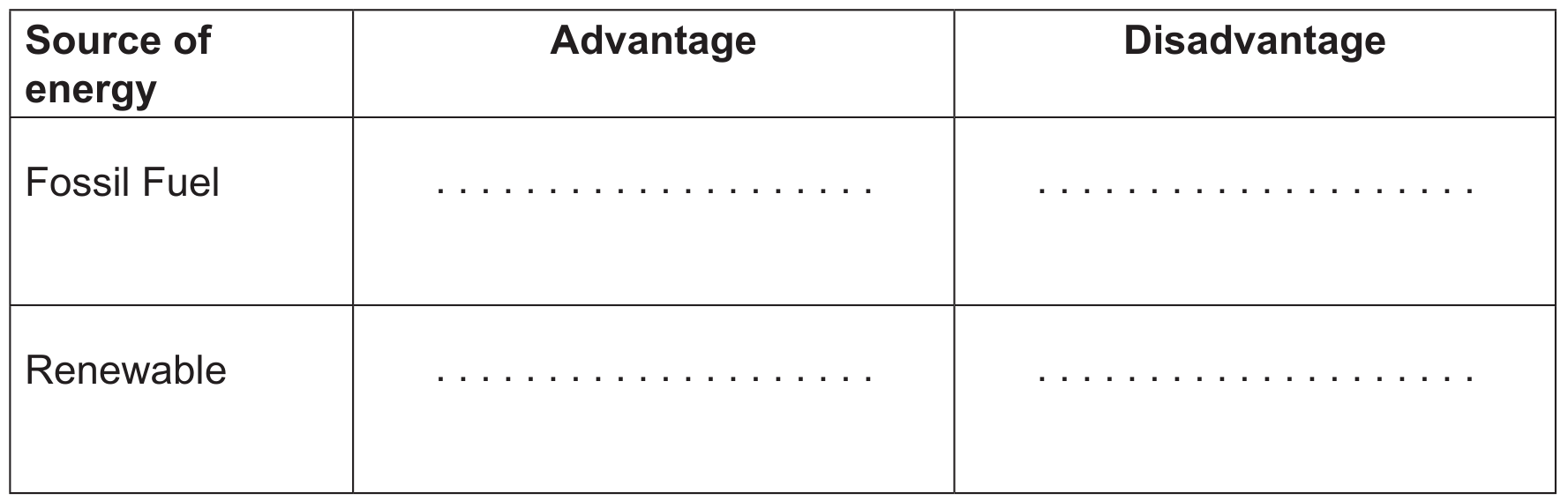
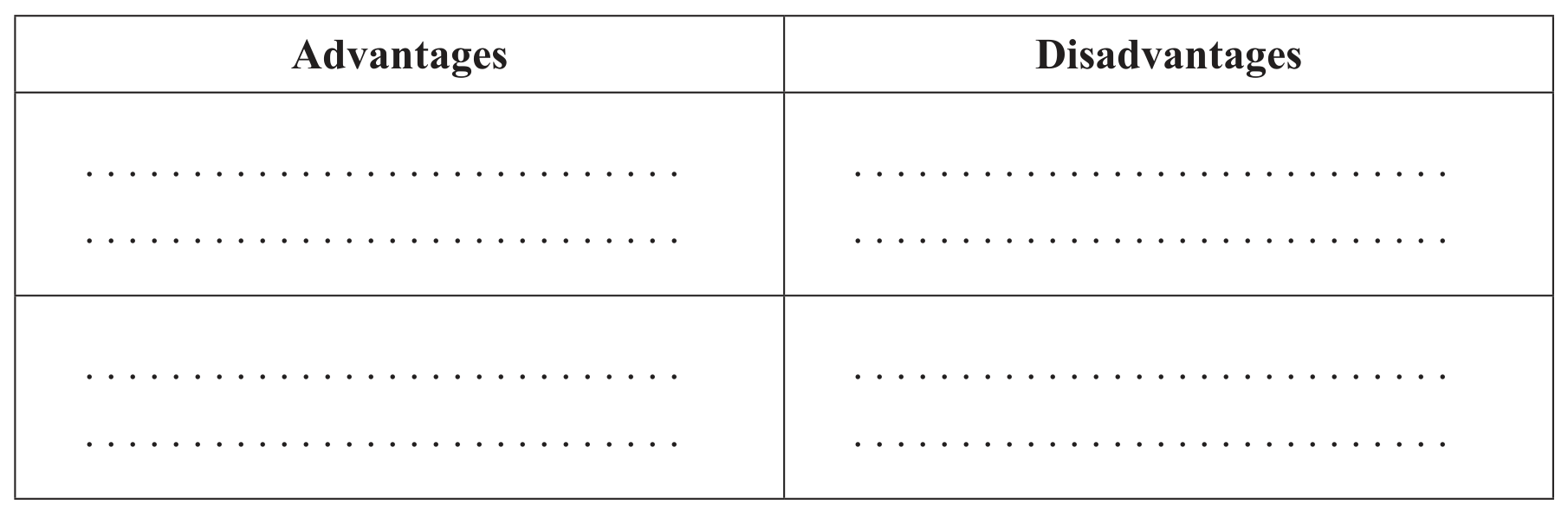
In the table below, state two advantages and two disadvantages of using oil from fossil fuels as an energy source.

Table for advantages and disadvantages of using oil from fossil fuels as an energy source

Table for advantages and disadvantages of using oil from fossil fuels as an energy source

Opponents say tar sands produce three times more greenhouse gas emissions than conventional fossil fuels; fossil fuels are burned to heat extraction water; underground carbon stores become available; oil produced is burned; boreal forest is cut down; wildlife is displaced or dies; only 10% of water taken from the Athabasca River is returned; toxic waste ponds may leak into river and groundwater; indigenous people may be displaced and face health impacts. Supporters say tar sands improve energy security for Canada and the USA; Canada supplied much crude oil to the USA; Keystone XL may create jobs; companies reinvest in carbon capture and storage; 7.5 million trees have been replanted.

[ 2 ]
(ii)

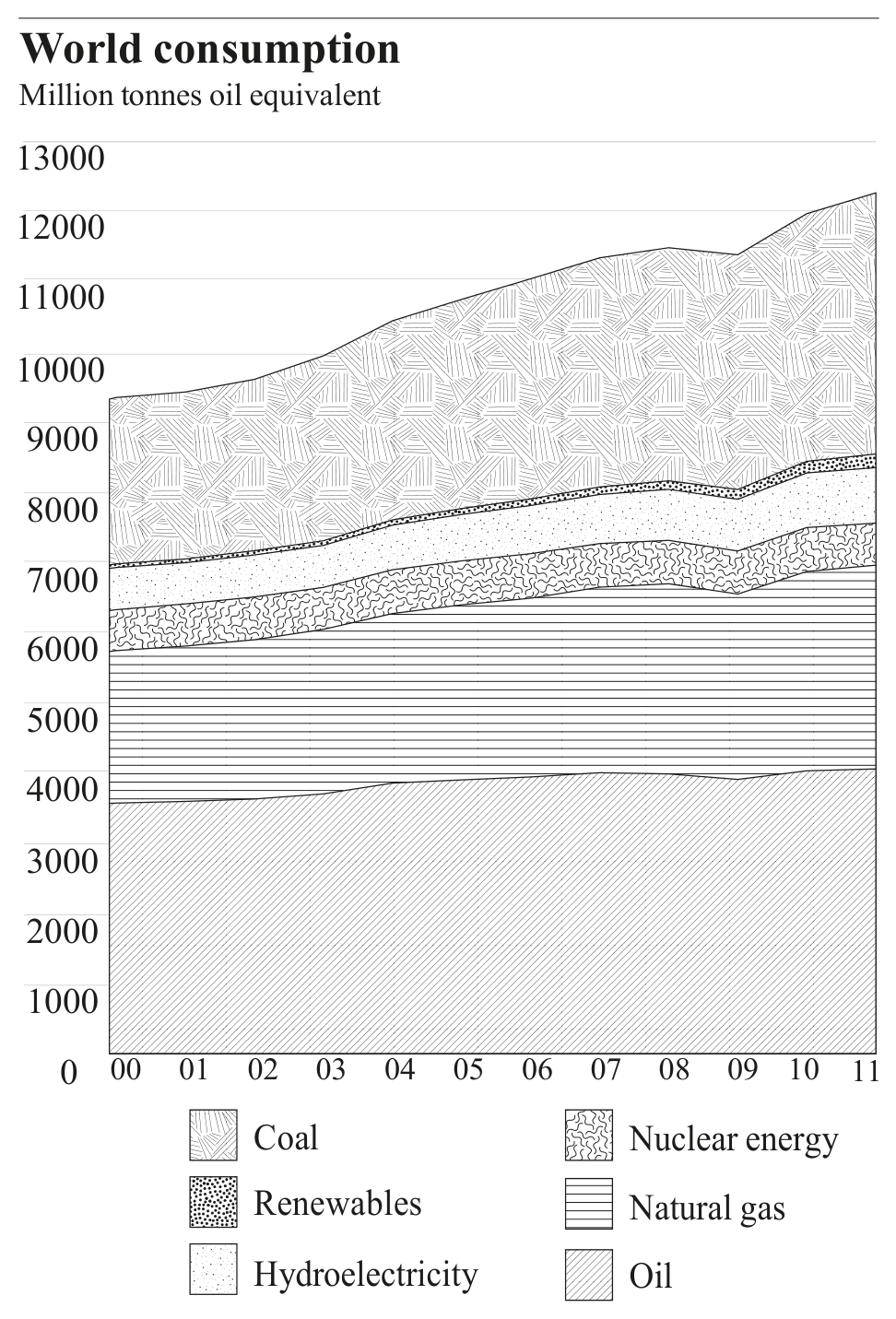
Using Figure 8, estimate the percentage of world oil equivalent consumption that came from renewable sources in 2011.

Figure 8: World consumption of oil equivalent by fuel type, 2000-2011

Figure 8: World consumption of oil equivalent by fuel type, 2000-2011

[ 1 ]
(iii)

Suggest three different strategies that may be used to manage global energy consumption.

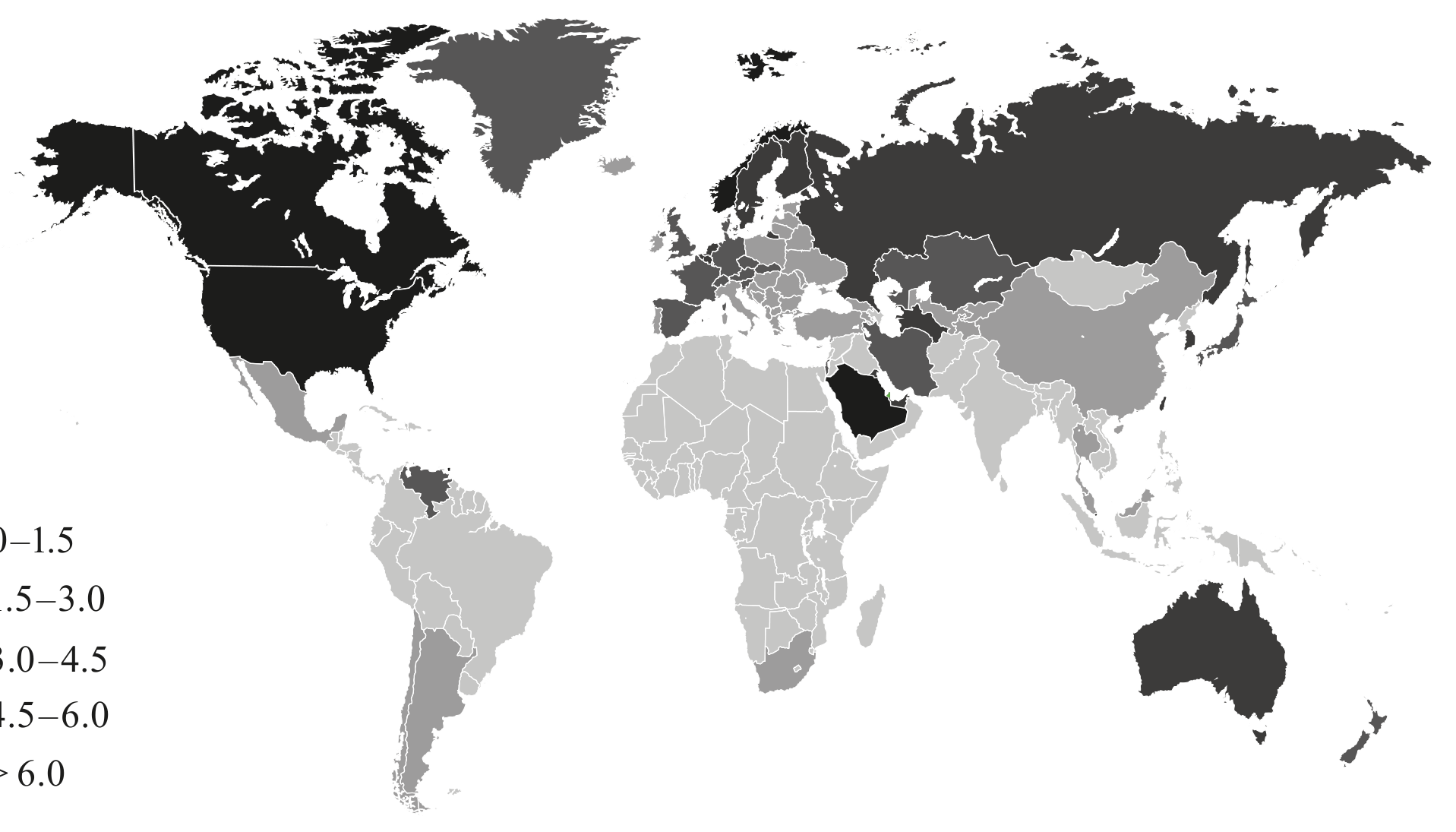
Figure 7: Oil equivalent consumption per capita in 2011

Figure 7: Oil equivalent consumption per capita in 2011

Figure 8: World consumption of oil equivalent by fuel type, 2000-2011

Figure 8: World consumption of oil equivalent by fuel type, 2000-2011

[ 3 ]
(b)
(i)

Using Figure 7, suggest one reason why per capita oil equivalent consumption is greater in some regions than in others.

Figure 7: Oil equivalent consumption per capita in 2011

Figure 7: Oil equivalent consumption per capita in 2011

[ 1 ]
(a)

With reference to the data in Figure 5, calculate the average annual increase in energy demand between 2008 and 2019 in billion kWh.

YearRecorded electricity consumption (kWh bn)
2019117.020
2018114.351
2017107.002
2016101.998
201594.982
201492.884
201390.655
201290.954
201184.893
201082.794
200976.016
200871.195

Figure 5: Recorded electricity consumption for Beijing, 2008-2019

[ 2 ]
(b)

Describe one way in which the change in coal consumption between 2005 and 2018 referred to in Figure 6(a) was achieved.

Figure 6(a): In 2018, the Beijing Clean Air Action Plan included limiting car ownership with quotas of 100000 new car purchases per year.
Coal consumption was reduced from 30 million tonnes in 2005 to 4 million tonnes.
The plan created forested areas and green spaces including 5 urban forests, 21 green spaces, 10 leisure parks and 100 km of greenways.
Beijing has the potential to reach net zero carbon emissions by 2050.

[ 1 ]
[Maximum number: 9]

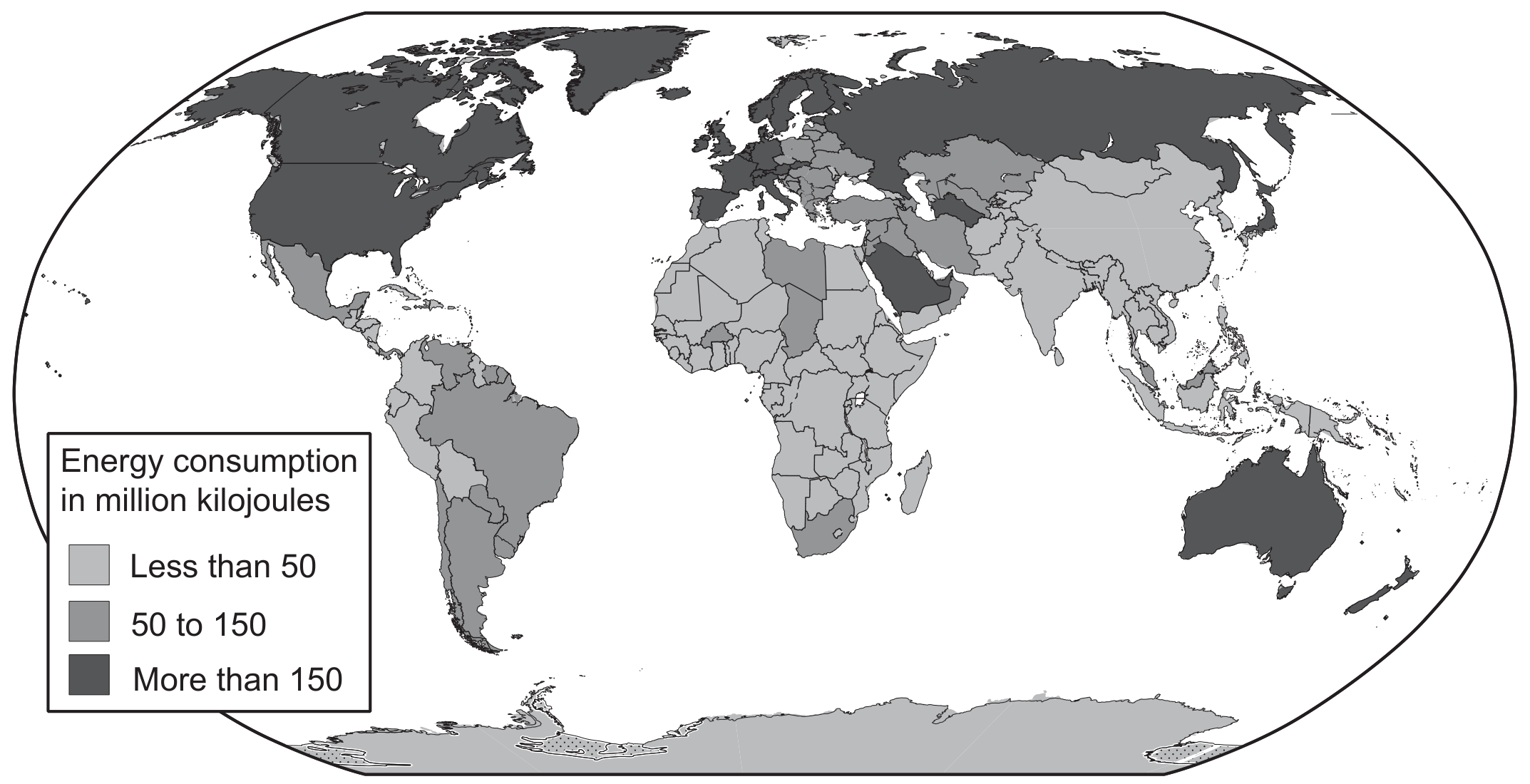
Figure 2: Energy consumption per capita in 2004.

Figure 2

Figure 2

(a)

Outline two reasons for the difference in energy consumption between North and South America.

[ 2 ]
(b)

Explain why two countries with similar energy consumption per capita may have very

different ecological footprints.
"
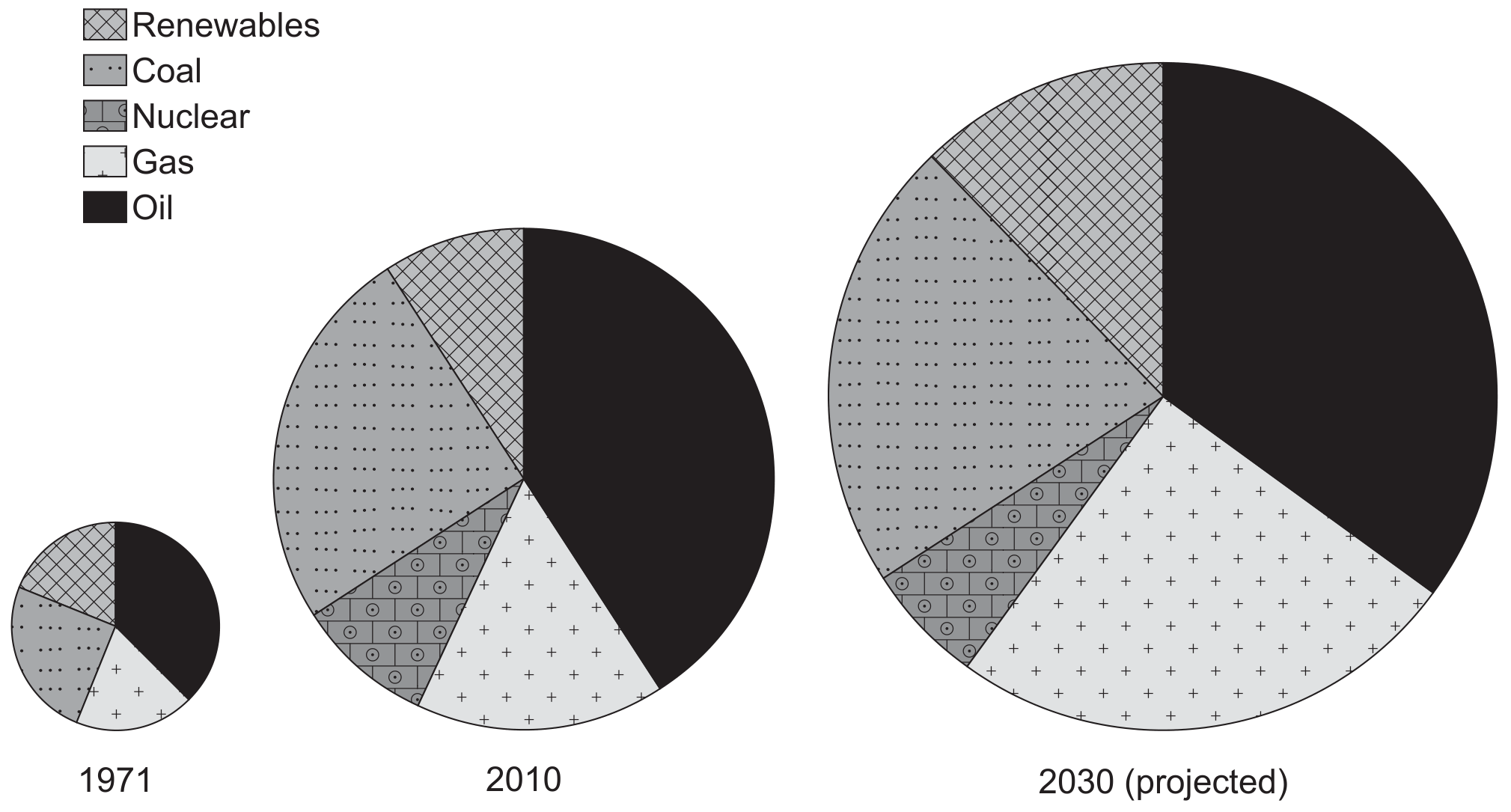
Figure 3: Historical and projected changes in the proportions of different energy sources used.

Figure 3: Historical and projected changes in the proportions of different energy sources used.

[ 3 ]
(c)

Suggest two factors that may cause the proportion of non-fossil fuels to be greater than projected for 2030.

[ 2 ]
(d)

State one advantage and one disadvantage in the table below for each of the energy sources listed.

Table
[ 2 ]
(a)

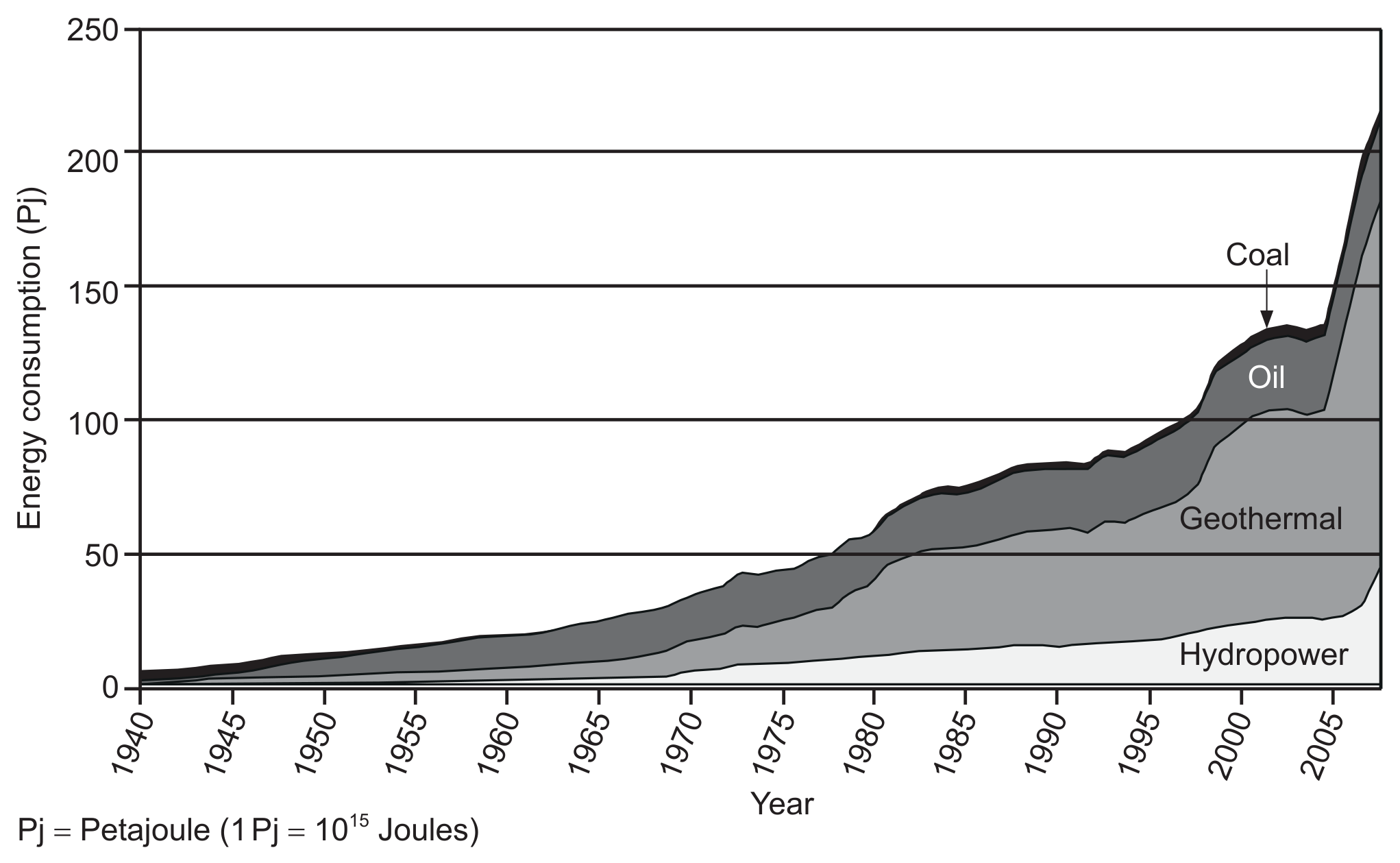
With reference to Figure 9(a) outline how Iceland's primary energy consumption has changed over time.

Figure 9(a): Primary energy consumption in Iceland, 1940-2008

Figure 9(a): Primary energy consumption in Iceland, 1940-2008

[ 2 ]
(b)

With reference to Figure 2 and Figure 9(c) outline two possible reasons why energy demand declined in Iceland after 2008.

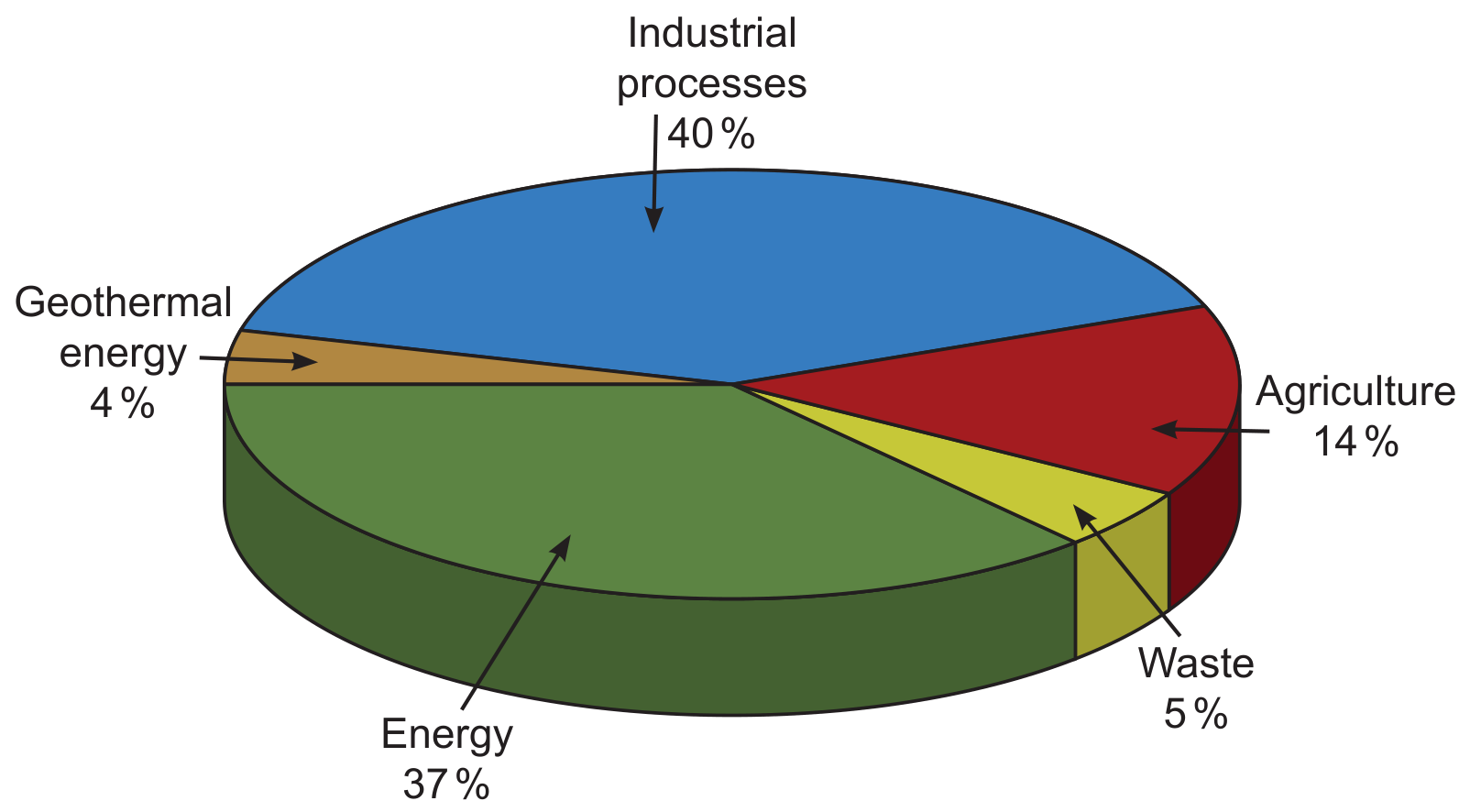
Land area 103000 km². Terrain is mountainous and volcanic. Iceland is isolated, with low biological diversity and few endemic species. Only 0.7% of land is suitable for growing crops; harsh climate limits farming to livestock and geothermally heated greenhouses. 60% of the population live in Reykjavik. Total fertility rate is two children per woman. Important industries include fishing, aluminium smelting and tourism. Ecological footprint is 7.4 GHa compared with a world average of 2.6 GHa. Iceland is a high income representative democracy ranked 13th on the HDI. It was badly affected by the global financial crisis in 2008. Hydroelectric and geothermal power provide 85% of primary energy. Iceland expects to be energy independent using 100% renewable energy by 2050. The government recently approved oil exploration in Icelandic waters.

Figure 9(c): Sources of greenhouse gas emissions in Iceland in 2010

Figure 9(c): Sources of greenhouse gas emissions in Iceland in 2010

[ 2 ]
(a)

Explain the factors which influence the choice of energy sources in two different societies.

[ 6 ]
(a)

With reference to named societies, to what extent are their energy choices affected more by their geographical location than the environmental impact of any energy resource?

[ 9 ]
(a)

With reference to named societies, to what extent do the environmental impacts of energy resources influence their choice of energy?

[ 9 ]
(a)

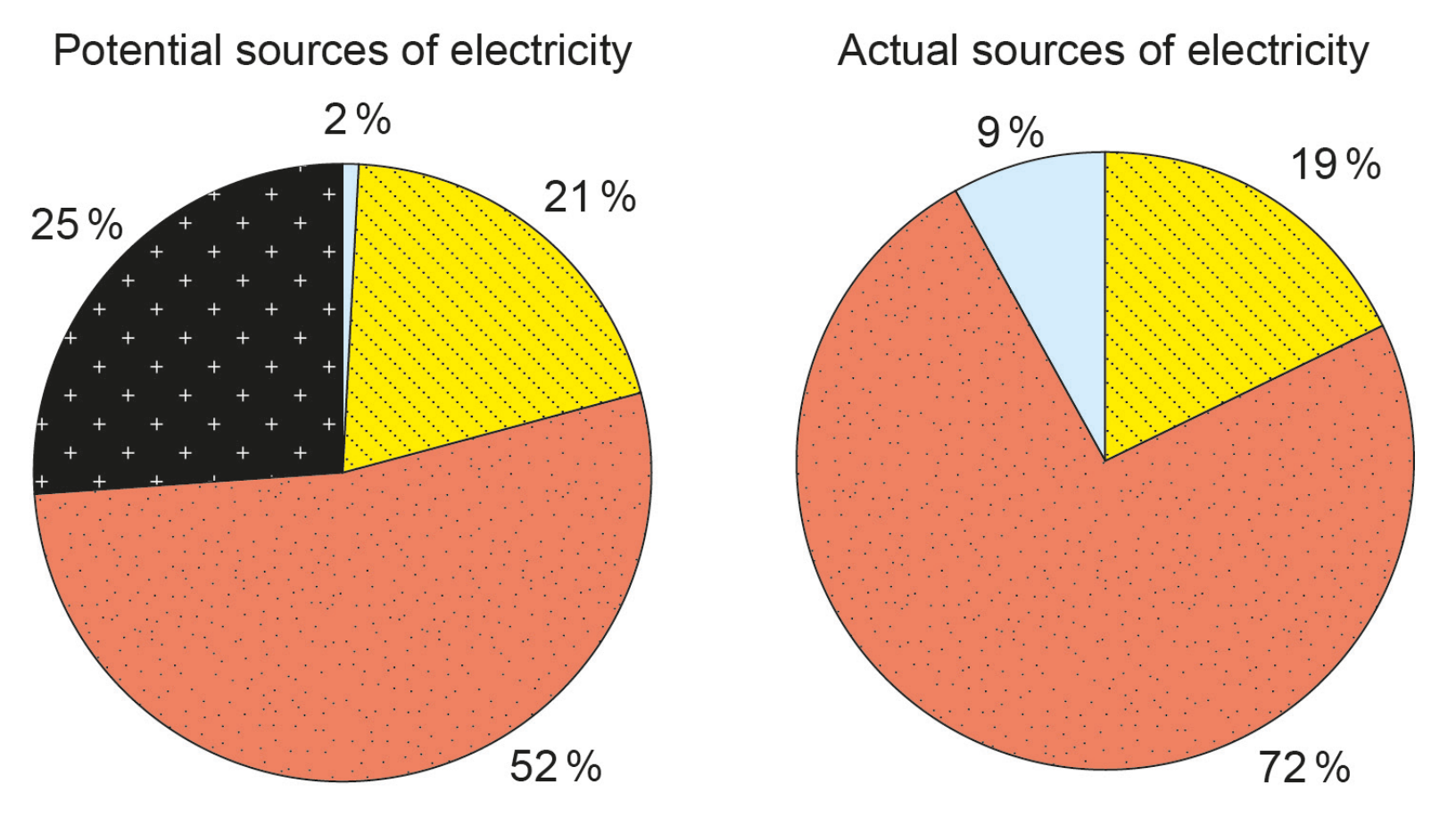
With reference to Figures 9(a) and 9(b), suggest two reasons for the differences between Hokkaido's potential and actual sources of electricity in 2017.

Figure 9(a) and 9(b): Potential and actual sources of electricity

Figure 9(a) and 9(b): Potential and actual sources of electricity

Japan aims to reduce CO2 emissions by 26% by 2030 to meet Paris Agreement targets.
Japan is resource-poor in fossil fuels and imports 94% of the energy it needs.
All potential hydroelectric sites have already been developed.
All future electricity-generation developments require an Environmental Impact Assessment.

[ 2 ]
(a)
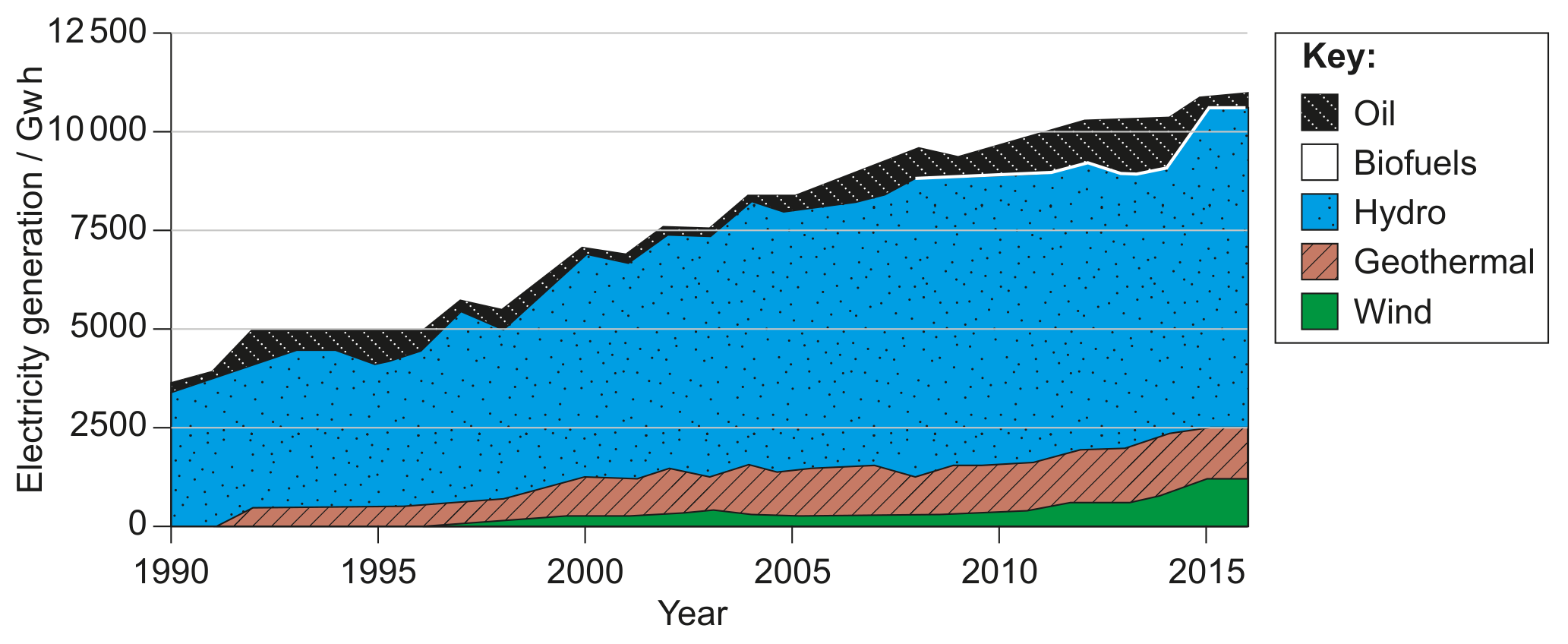
Figure 9(a): Electricity generation in Costa Rica by energy source (1990-2016)

Figure 9(a): Electricity generation in Costa Rica by energy source (1990-2016)

Identify one possible reason why there has been a change in the quantity of electricity generated from wind as shown in Figure 9(a).

[ 1 ]
(b)
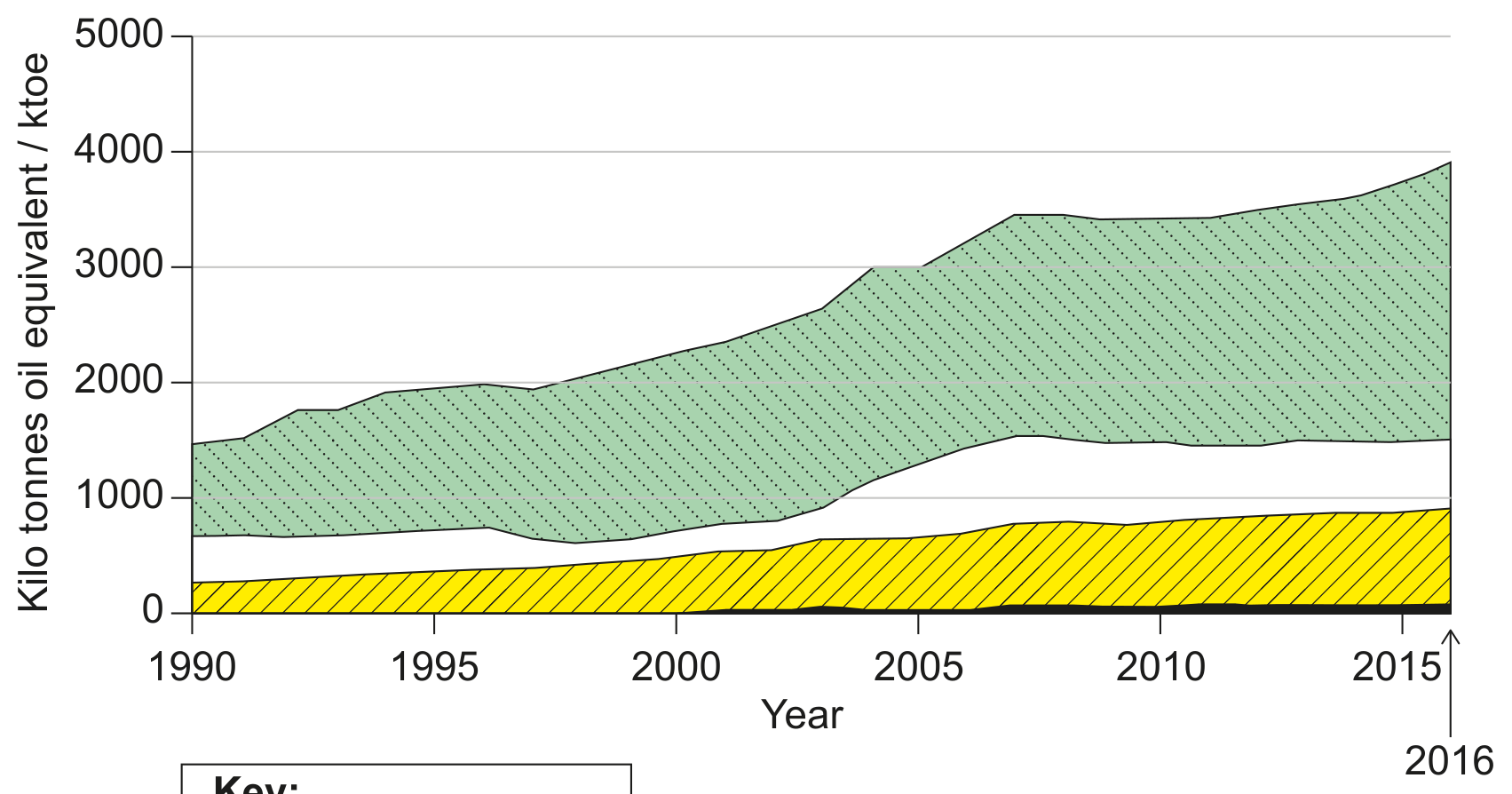
Figure 9(b): Total energy consumption in Costa Rica (including electricity) between 1990 and 2016

Figure 9(b): Total energy consumption in Costa Rica (including electricity) between 1990 and 2016

With reference to Figure 9(b), calculate the percentage of energy consumed that came from fossil fuels in 2016.

[ 2 ]
(c)

Figure 10(a): Fact file on carbon neutrality
- Costa Rica pledged to become carbon neutral by balancing carbon dioxide output with carbon dioxide input.
- Since the mid-1980s, national methane emissions have decreased and a twenty-year ban was placed on oil exploration in 2002.
- Government encourages public transport, lower-emission vehicles, electric/biofuel/hybrid/hydrogen vehicles, renewable electricity and carbon offset schemes.
- The world's first certified carbon-neutral coffee producer was established in Costa Rica.

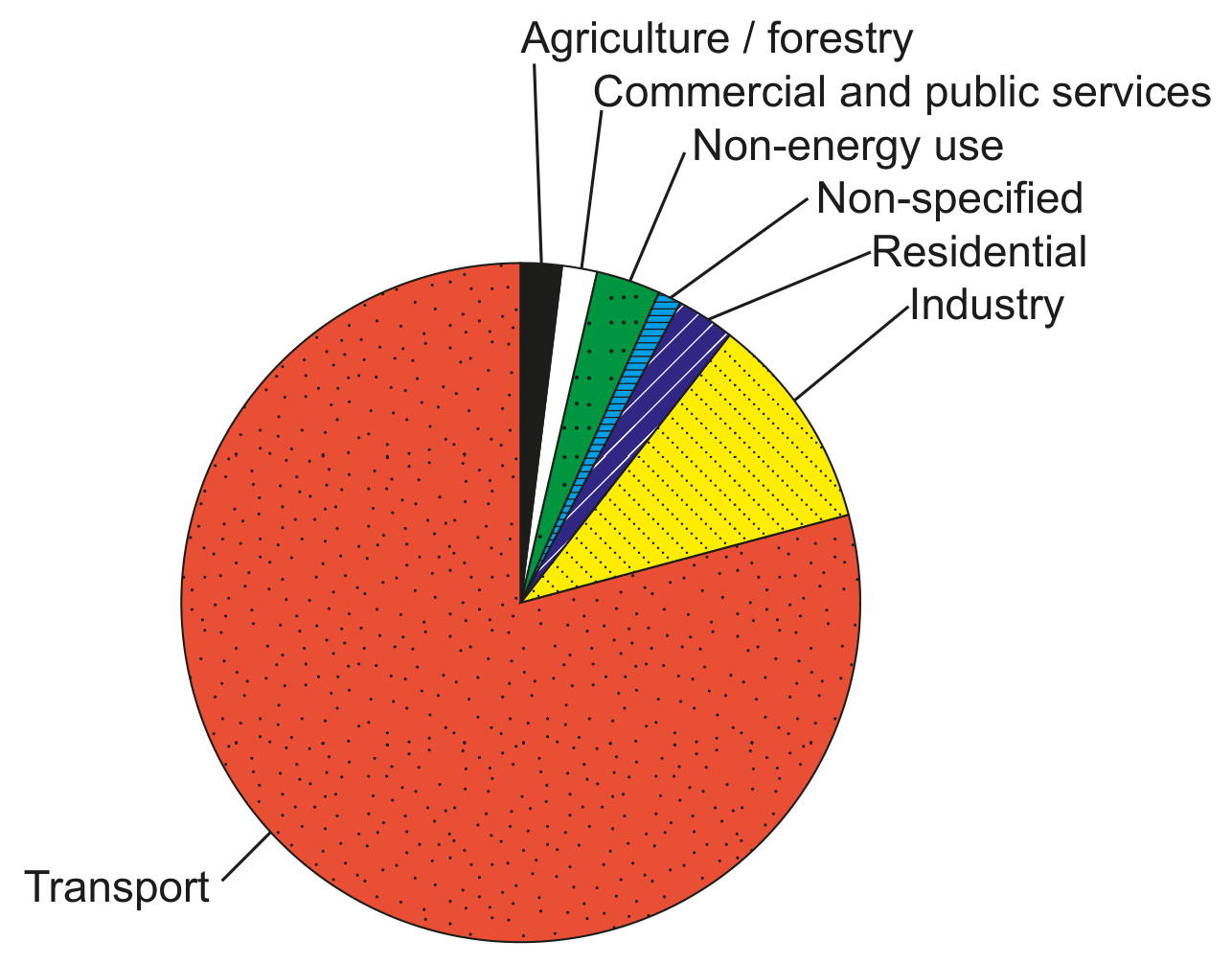
Figure 9(c): Consumption of crude oil in Costa Rica by sector (2016)

Figure 9(c): Consumption of crude oil in Costa Rica by sector (2016)

With reference to Figure 9(c), suggest two strategies that would be most effective in reducing the use of crude oil in Costa Rica.

[ 2 ]
0