C4.2.5—Supply to decomposers
Supply to decomposers explains how energy flow, matter cycling, trophic transfer or carbon movement is represented, measured or limited within ecosystems.
- Syllabus
- First assessment 2025
- Objective
- C4.2.5
- Level
- SL
Supply to decomposers explains how energy flow, matter cycling, trophic transfer or carbon movement is represented, measured or limited within ecosystems.
Coverage 2015–2025 · Updated 16 Jul 2026
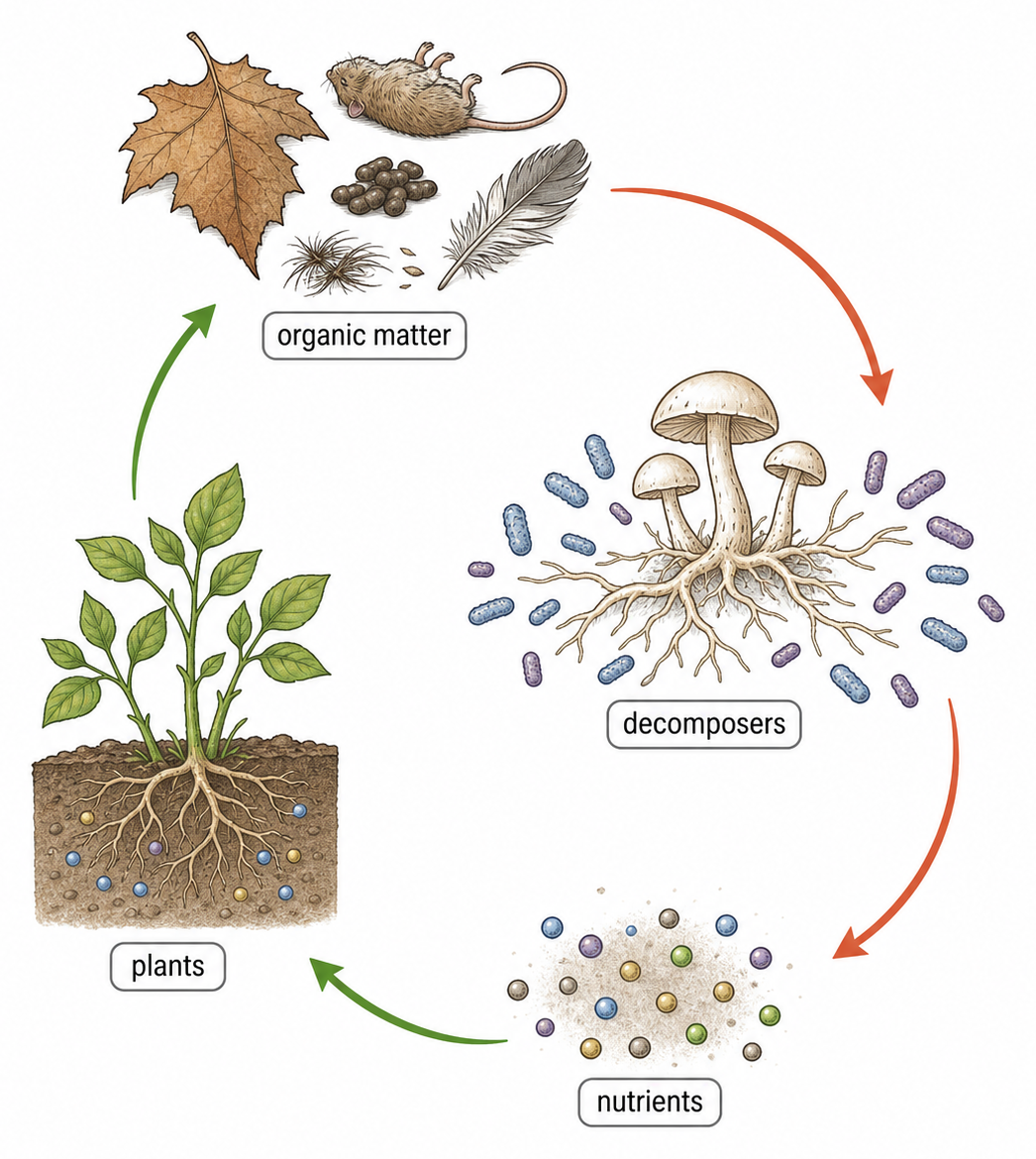
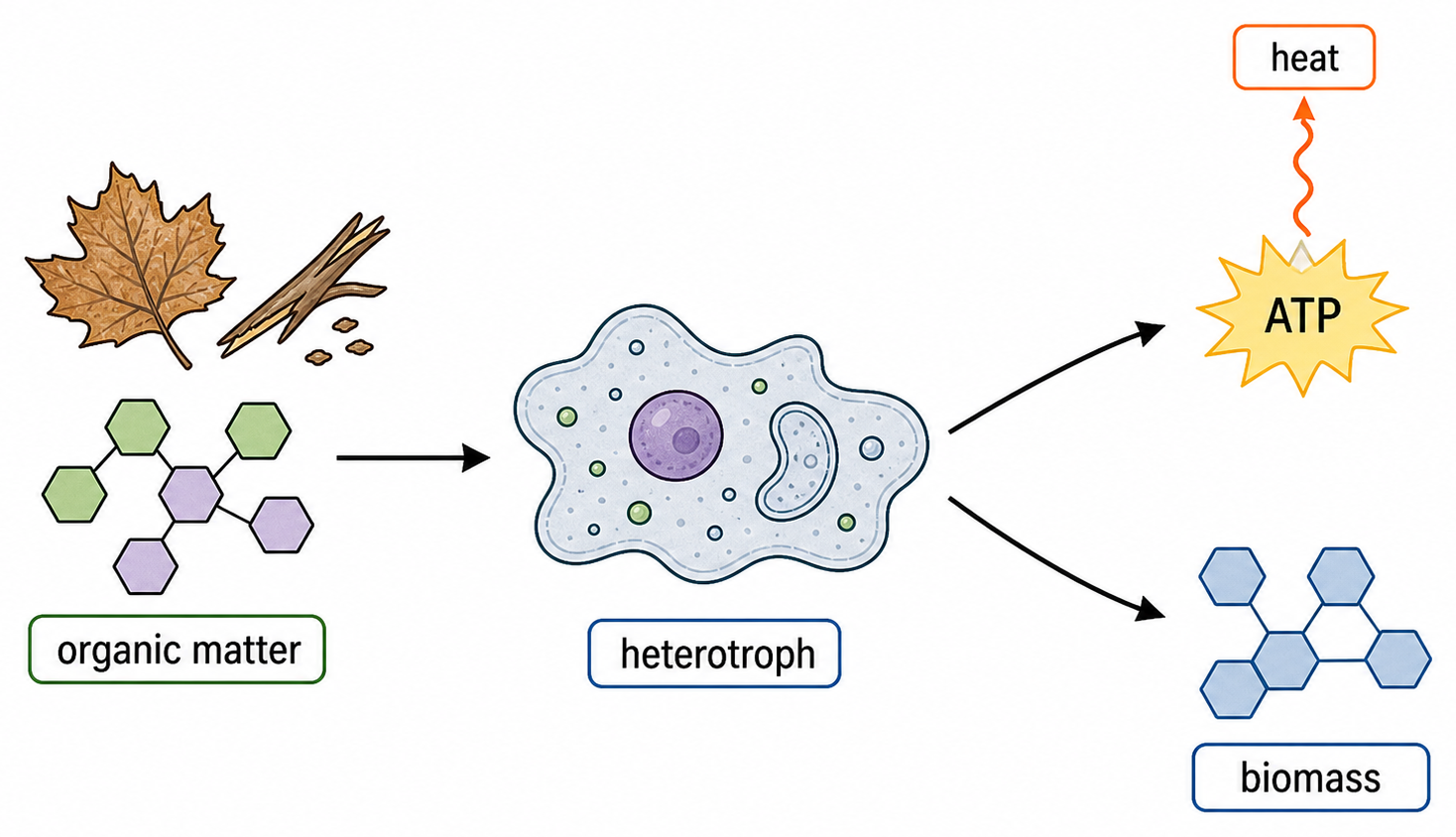
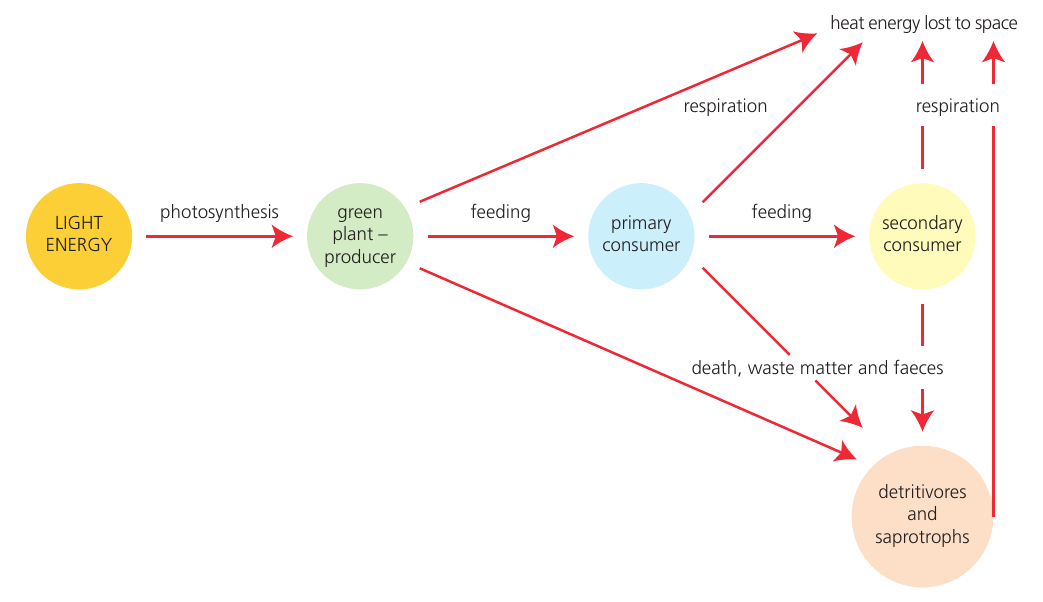
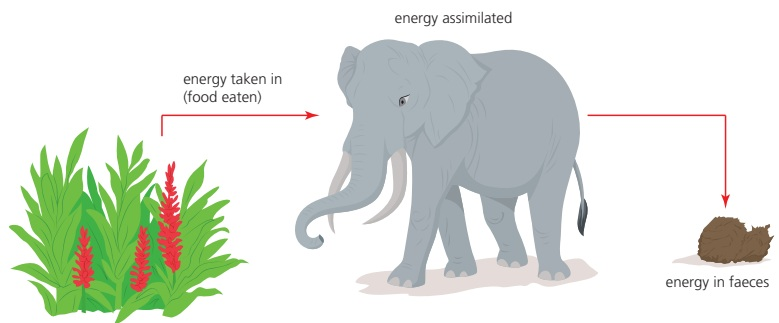
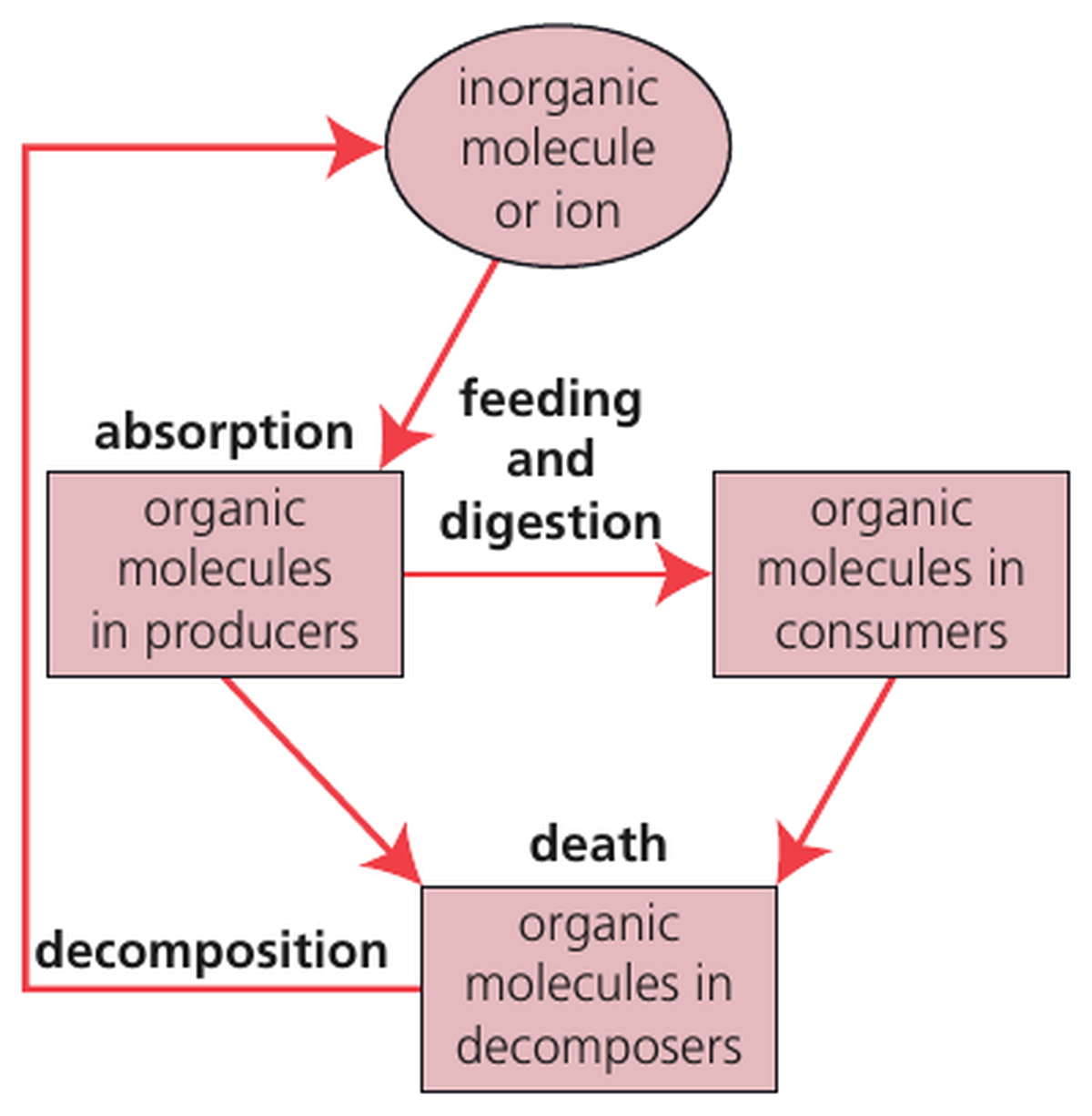
Decomposers obtain energy from carbon compounds in organic matter derived from faeces, dead parts and whole dead organisms.
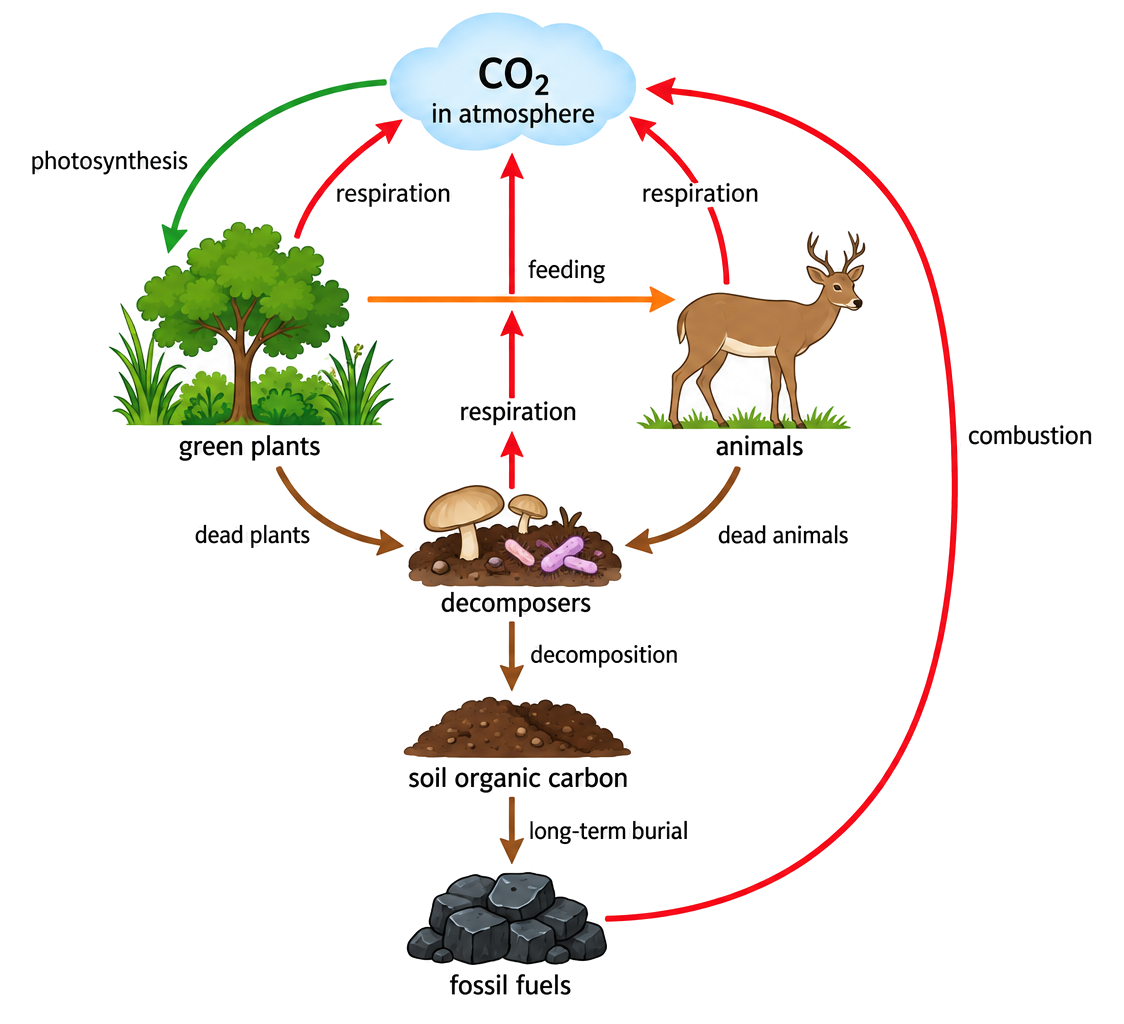
Fungi and bacteria secrete enzymes onto detritus, absorb soluble digestion products and oxidize some carbon compounds in respiration. This transfers chemical energy to decomposer metabolism.
Faeces/dead tissue/dead organism → extracellular digestion → soluble carbon compounds absorbed → decomposer respiration and biomass → inorganic nutrients released.
A fungus digests dead leaf tissue externally, absorbs sugars and other products, uses some for respiration and growth, and releases mineral nutrients into soil.
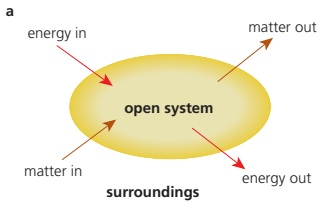
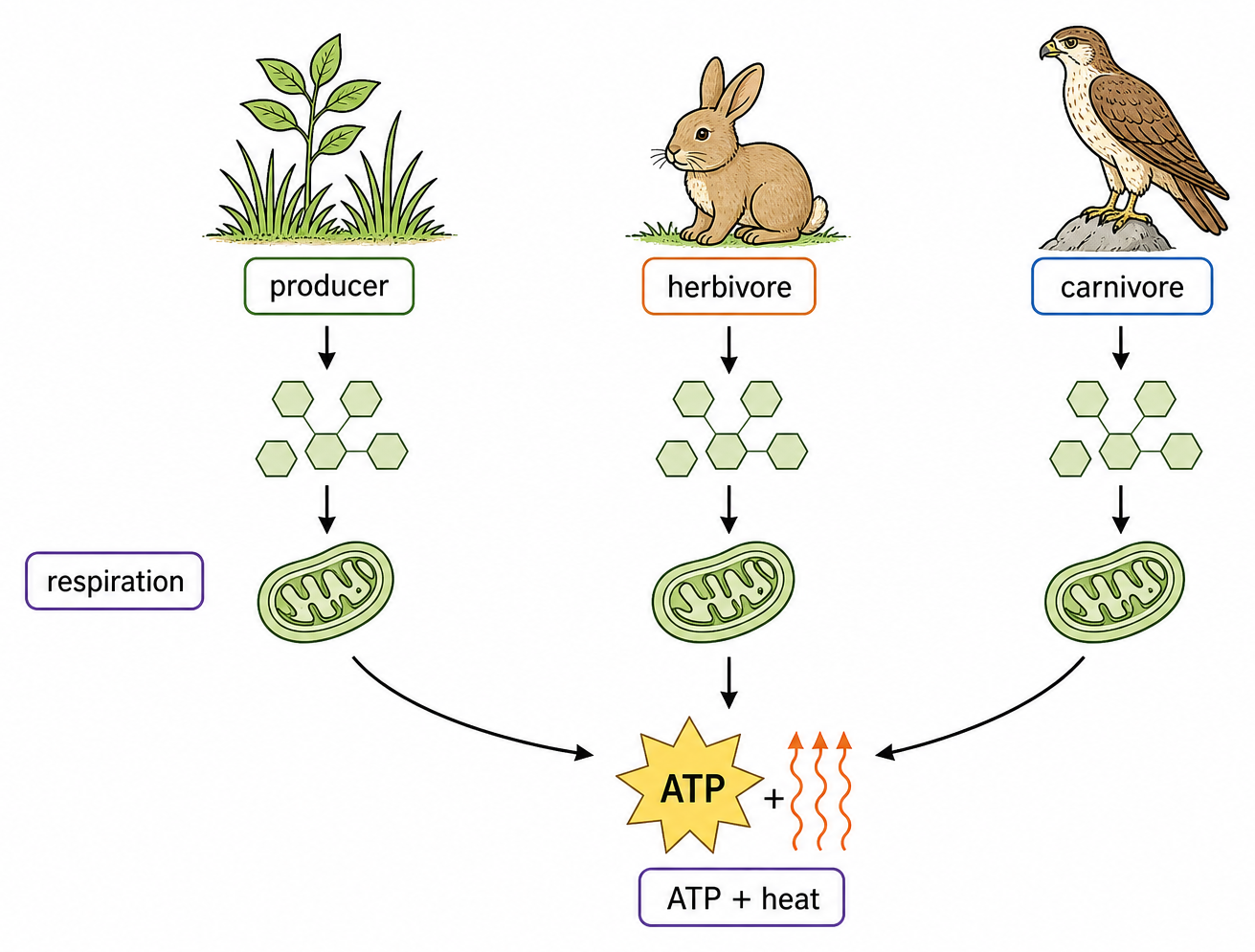
Decomposers transform both matter and energy, but matter can return to nutrient cycles while respiratory energy ultimately leaves as heat.
This objective is assessed through structured response, commonly using State / Explain / Describe.
State / Explain / Describe / Outline / Suggest
Build the answer around this relationship: Supply to decomposers must be linked to the correct source, store, transfer or loss process.
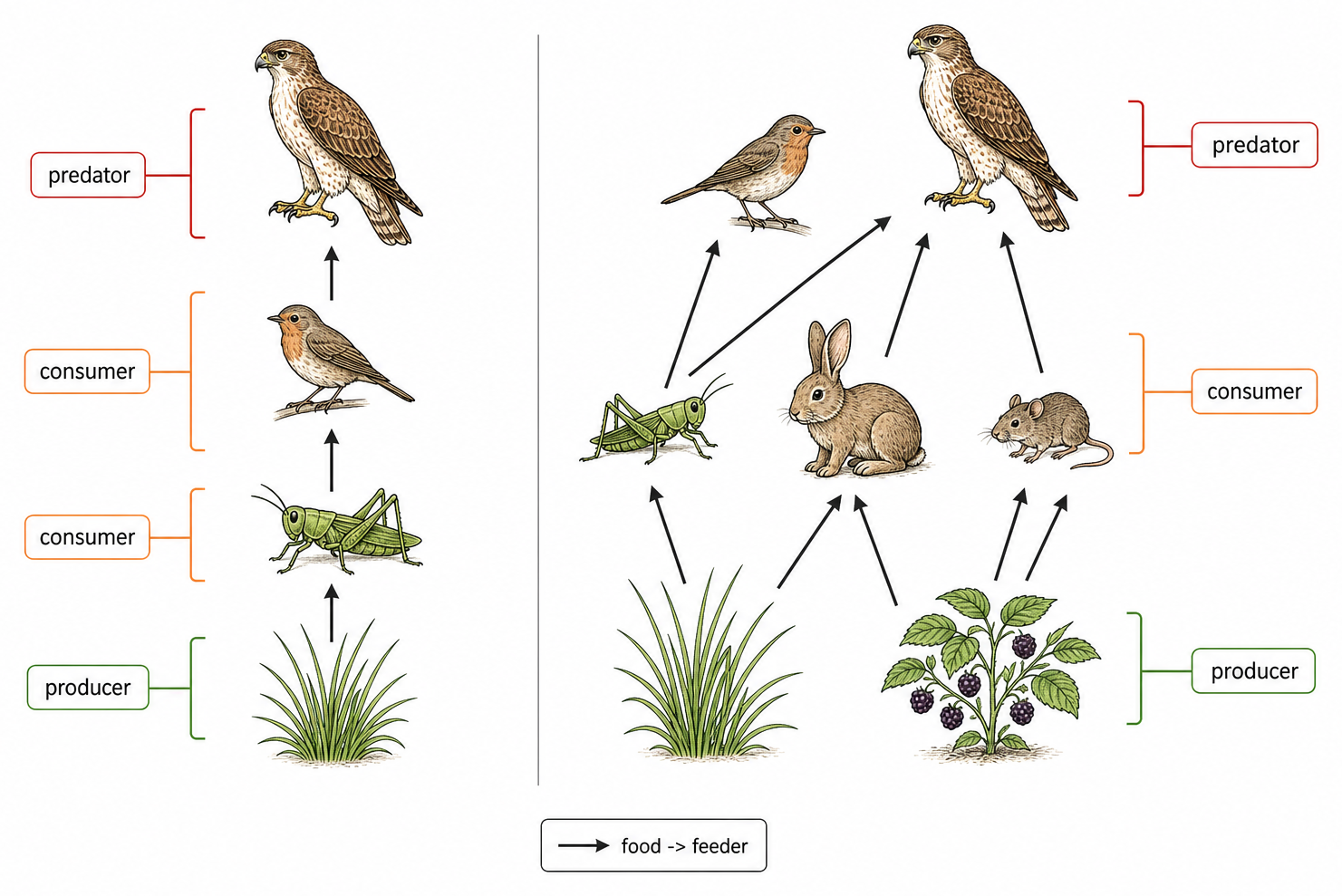
Reversing food-web arrows instead of showing energy transfer direction.
Representative question
Detritus accumulates on coral reefs damaged by ocean acidification.
Suggest two possible impacts of an increase in detritus on the organisms in this food web.
a. detritus feeders/named example of detritus feeder get more food/increase (in number)
b. animals/named example of animal feeding on detritus feeders get more food/increase
c. herbivores feed more on detritus so macroalgae/turf algae increase OR coral cryptic fauna feed more on detritus so turf algae increase OR more herbivores so macroalgae/turf algae decrease OR more coral cryptic fauna so turf algae decrease
d. blocks light for/reduces growth of producers/macroalgae/turf algae
OR
blocks light penetration to algae inside (hard) corals
e. feeding problems for corals/ filter-feeders
OR
degrades habitat of benthic piscivores/bottom dwellers
Mark the first two answers only.
For named example of detritus feeder in mpa accept detritivores, coral cryptic fauna and herbivores only.
For named example of animals feeding on a detritus feeder please check arrows including arrowheads on the food web to verify.
Answers must relate in some way to organisms in the food web - do not reward general answers such as 'decreases biodiversity' unless expanded with more specific references
Marking guidance:
Allow zooxanthellae instead of algae in mpd.
2 max