C4.2.2—Sunlight as principal energy source

Sunlight as principal energy source explains how energy flow, matter cycling or carbon transfer is represented, measured or limited within ecosystems.
Syllabus
First assessment 2025
Objective
C4.2.2
Level
SL

Exam analysis

Chance of appearing2%of analysed past papers
Latest appearanceMay 2024
Most common paperPaper2
Typical marks1–8

Common command terms

  • State
  • Explain

Scoring notes

Common mistake
Skipping the conversion of light energy into chemical energy by producers.
Recent exam appearances

May 2024Paper2 ["SL"] · TZ16(c)[ 7 ]C4.2.2—Sunlight as principal energy source
November 2016Paper2 ["SL"] · TZ07(a)[ 8 ]C4.2.2—Sunlight as principal energy source
November 2011Paper2 ["SL"] · TZ03(b)(ii)[ 1 ]C4.2.2—Sunlight as principal energy source
Practice this objective

Coverage 2011–2024 · Updated 16 Jul 2026

Sunlight supplies most ecosystem energy

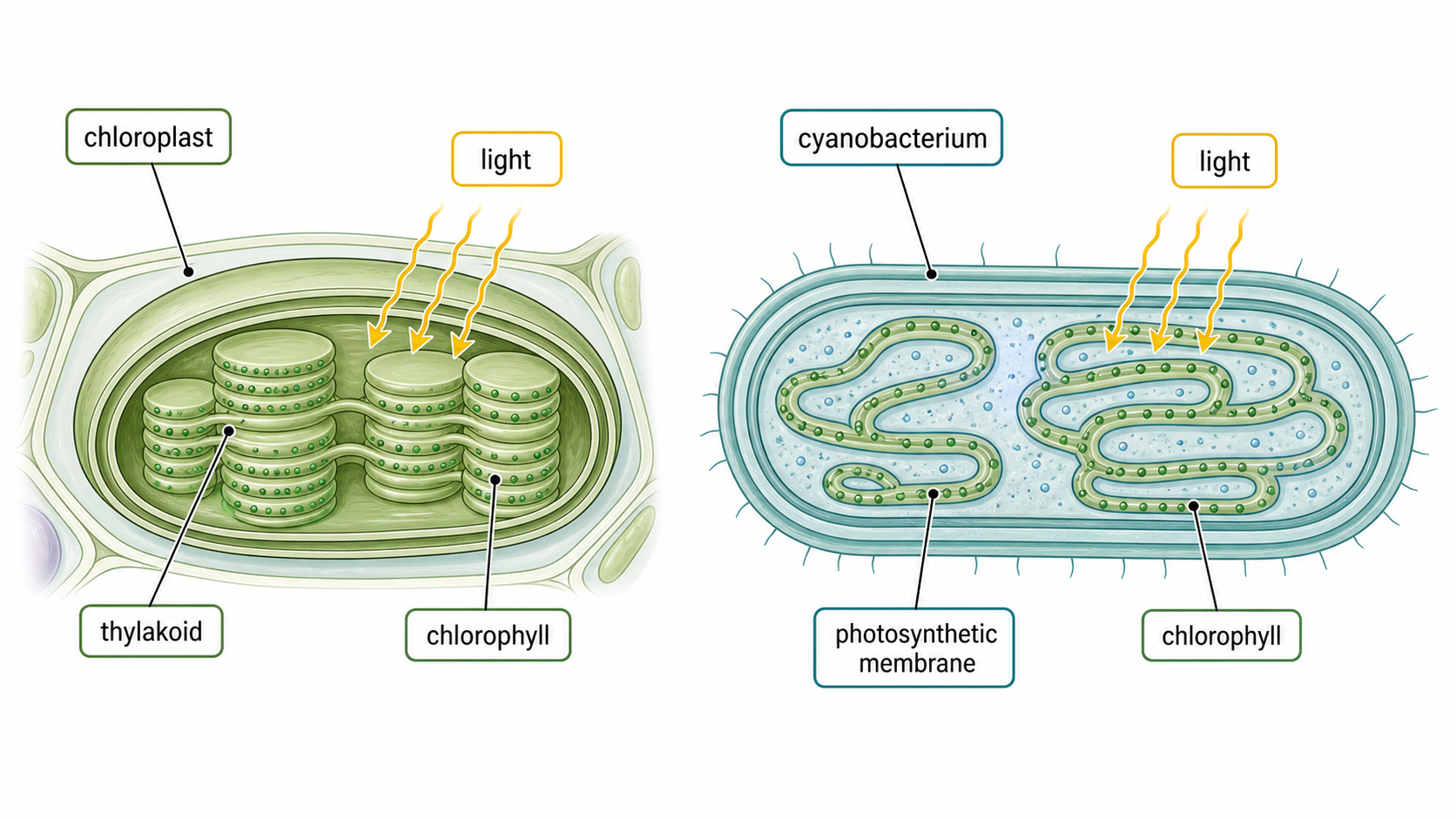
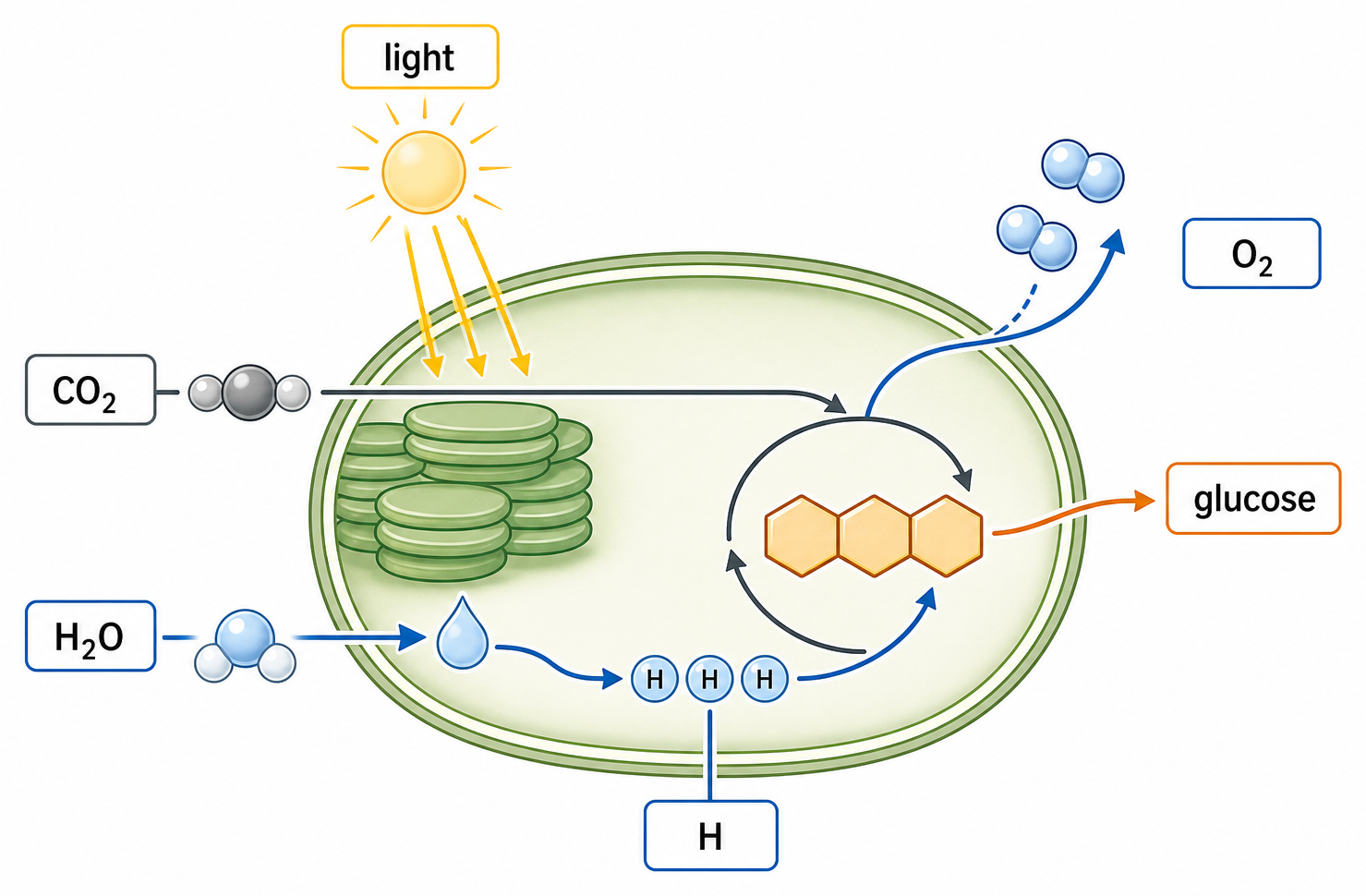
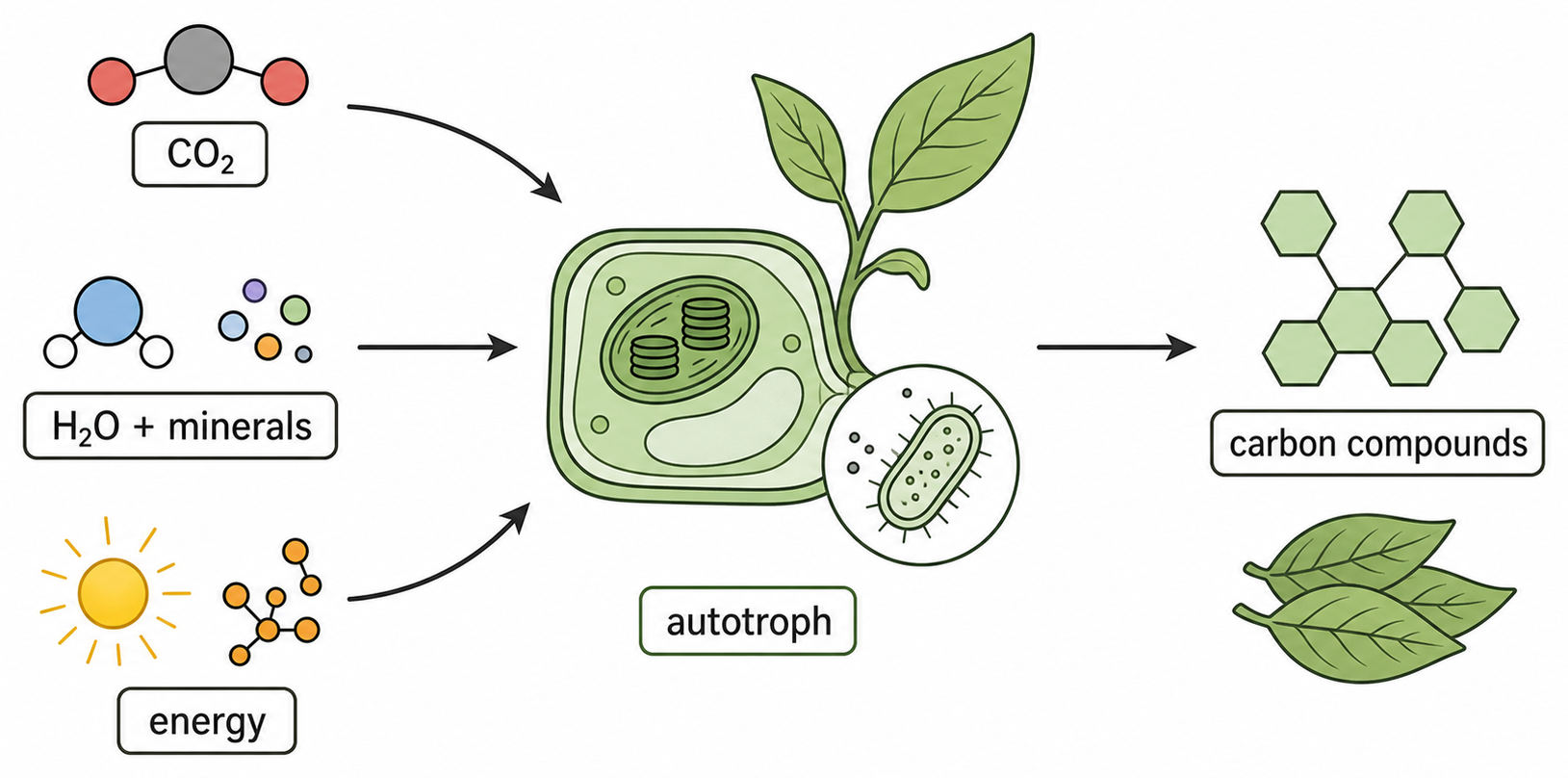
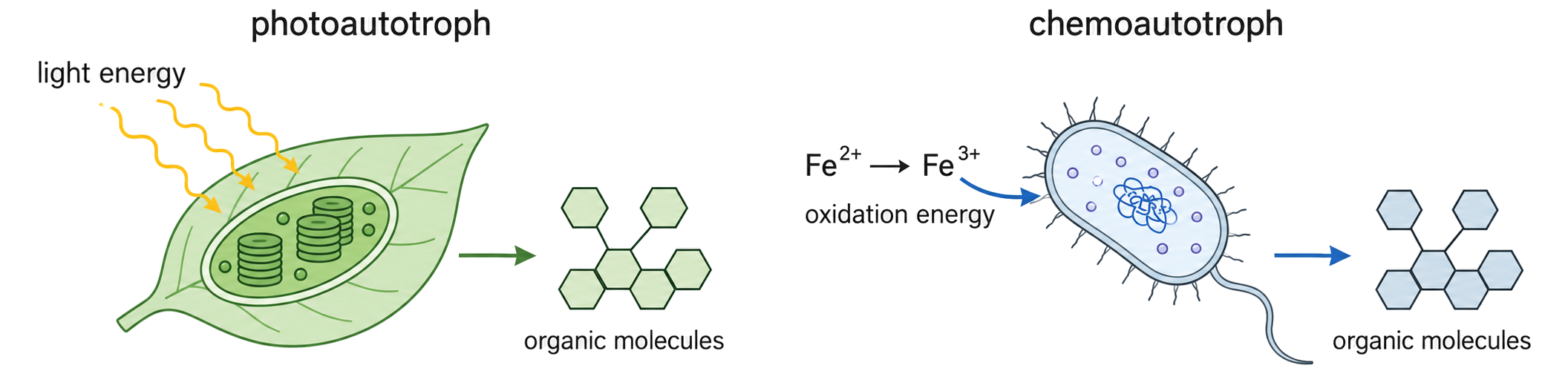
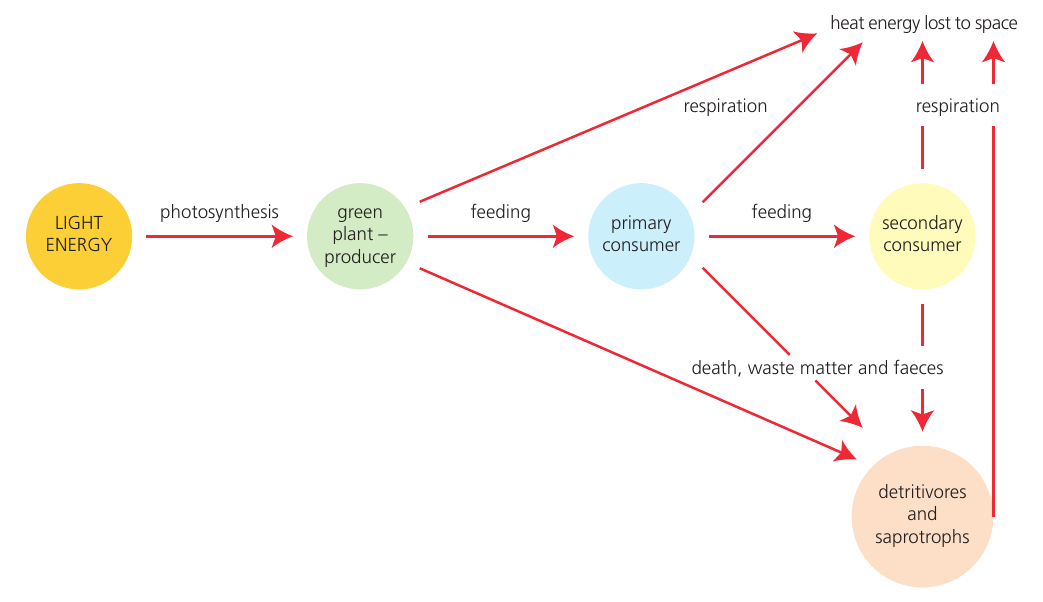
Sunlight is the principal energy source sustaining most ecosystems because photoautotrophs convert light into chemical energy stored in biomass.

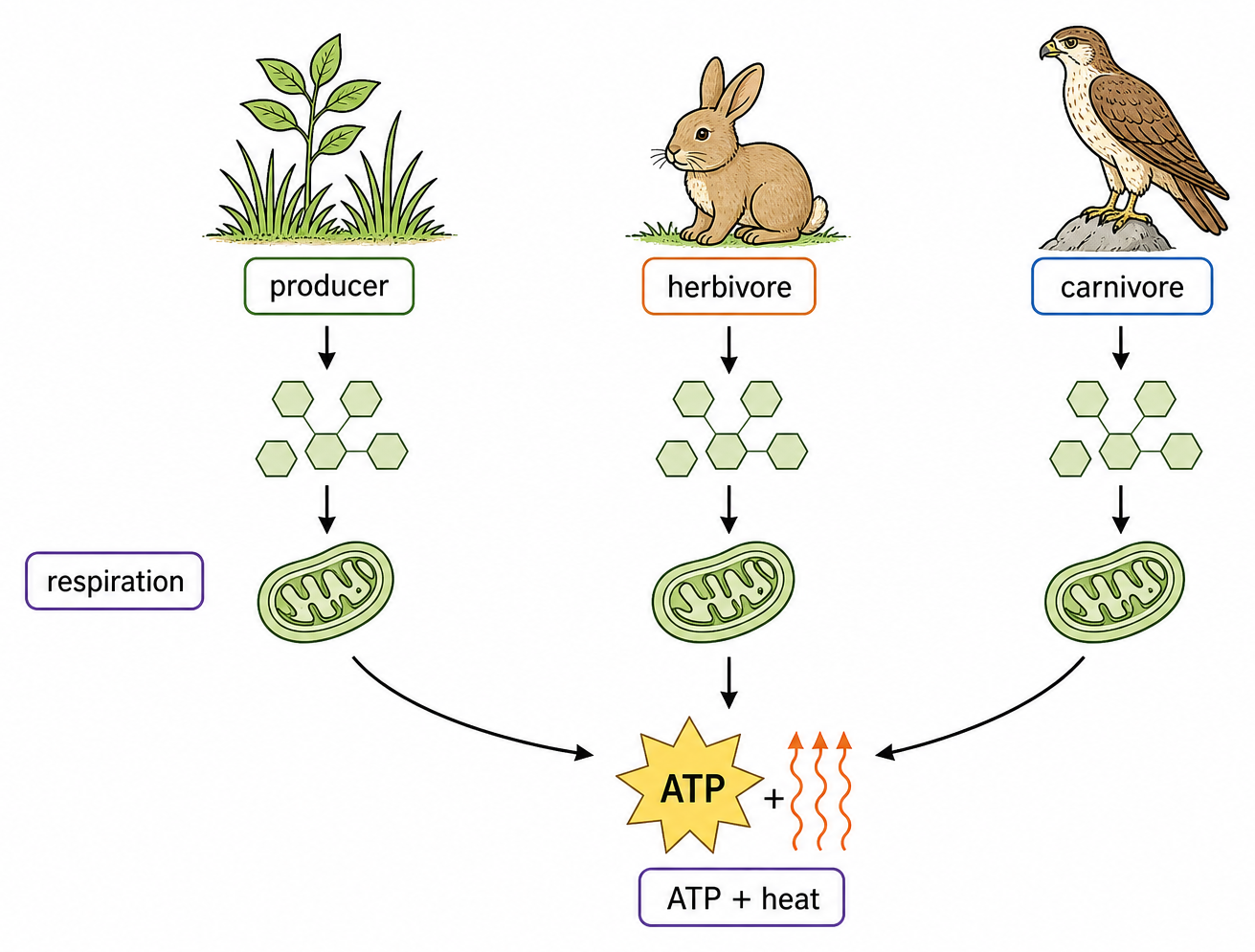
Chemical energy then reaches consumers through feeding. This is a useful generalization: it describes a widespread pattern and supports predictions, but it is not an explanation of every ecosystem and must allow known exceptions.

Cave ecosystems can depend on organic matter imported from sunlit areas, while communities below ocean light penetration can depend on sinking detritus or chemoautotrophic production powered by oxidation reactions.

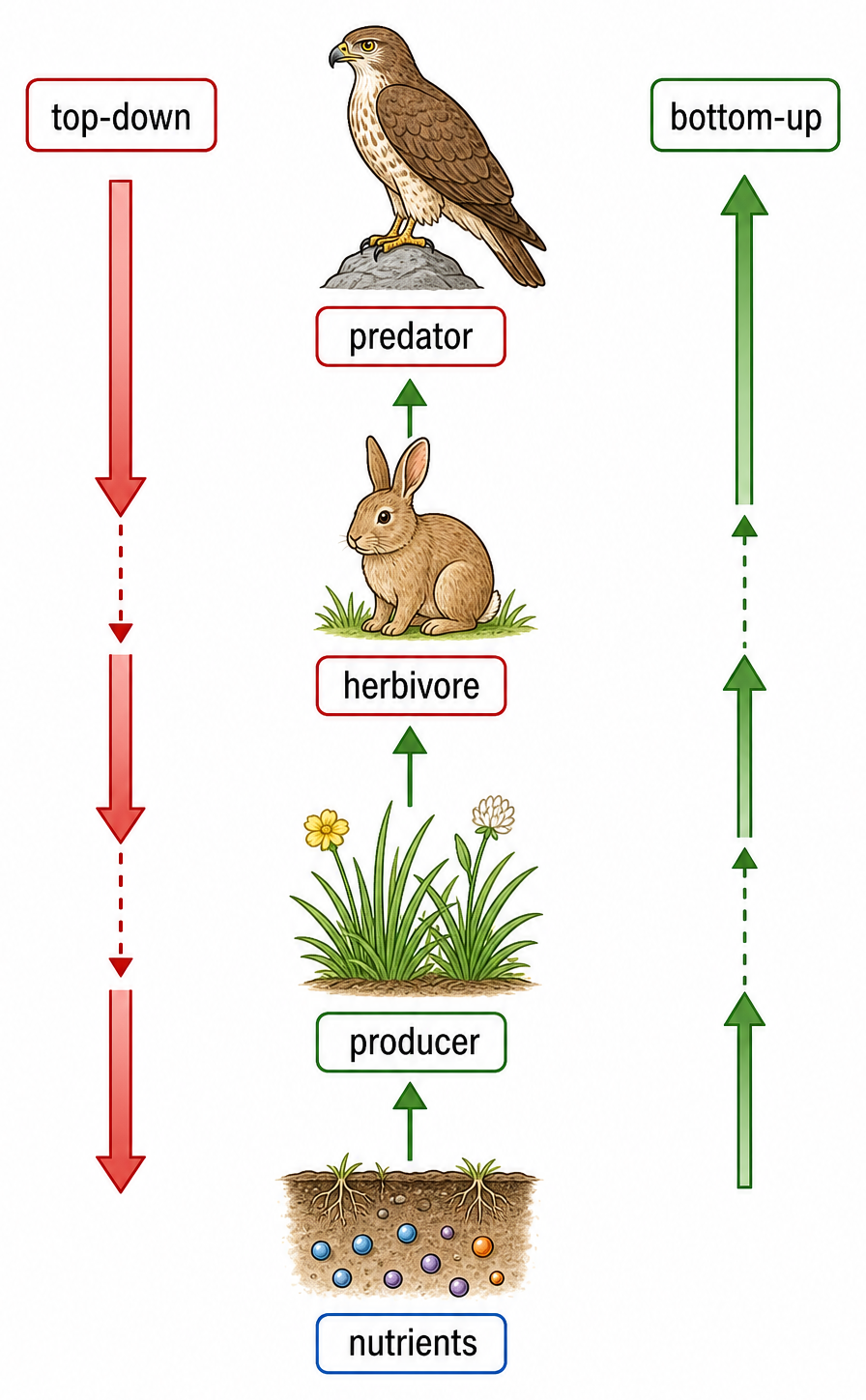
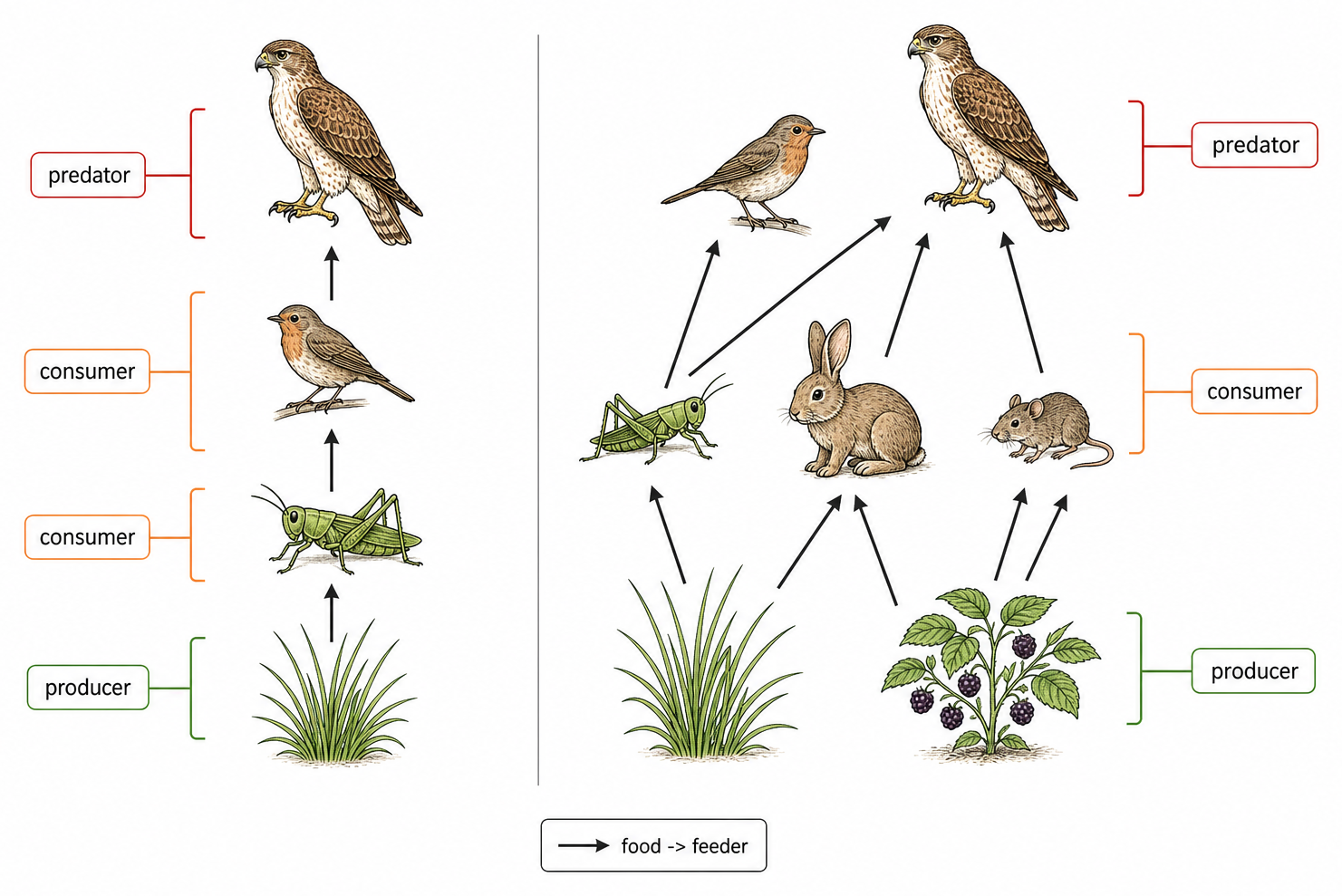
In a grassland, sunlight → producer biomass → herbivore → predator. In a deep-sea vent community, chemical oxidation can supply the primary energy input instead.

Sunlight supplies energy, not carbon atoms. ‘Principal source’ means the dominant global pattern, not a universal rule without exceptions.

Sunlight as principal energy source

Assessment in practice

1–8 marks
How it is assessed

This objective is assessed through structured response, commonly using State / Explain.

Command terms

State / Explain

What earns marks

Build the answer around this relationship: Sunlight as principal energy source must be linked to the correct source, store, transfer or loss process.

Watch for

Skipping the conversion of light energy into chemical energy by producers.

Representative question

Question 1

[Maximum number: 7]

Explain how the energy supply in an ecosystem is dependent on sunlight.

Energy and Matter

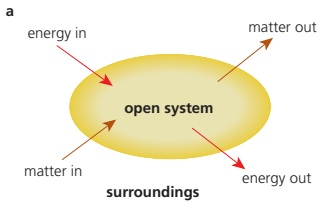
  • Ecosystems are open systems: energy flows through them and leaves as heat, while matter is recycled and may enter or leave.
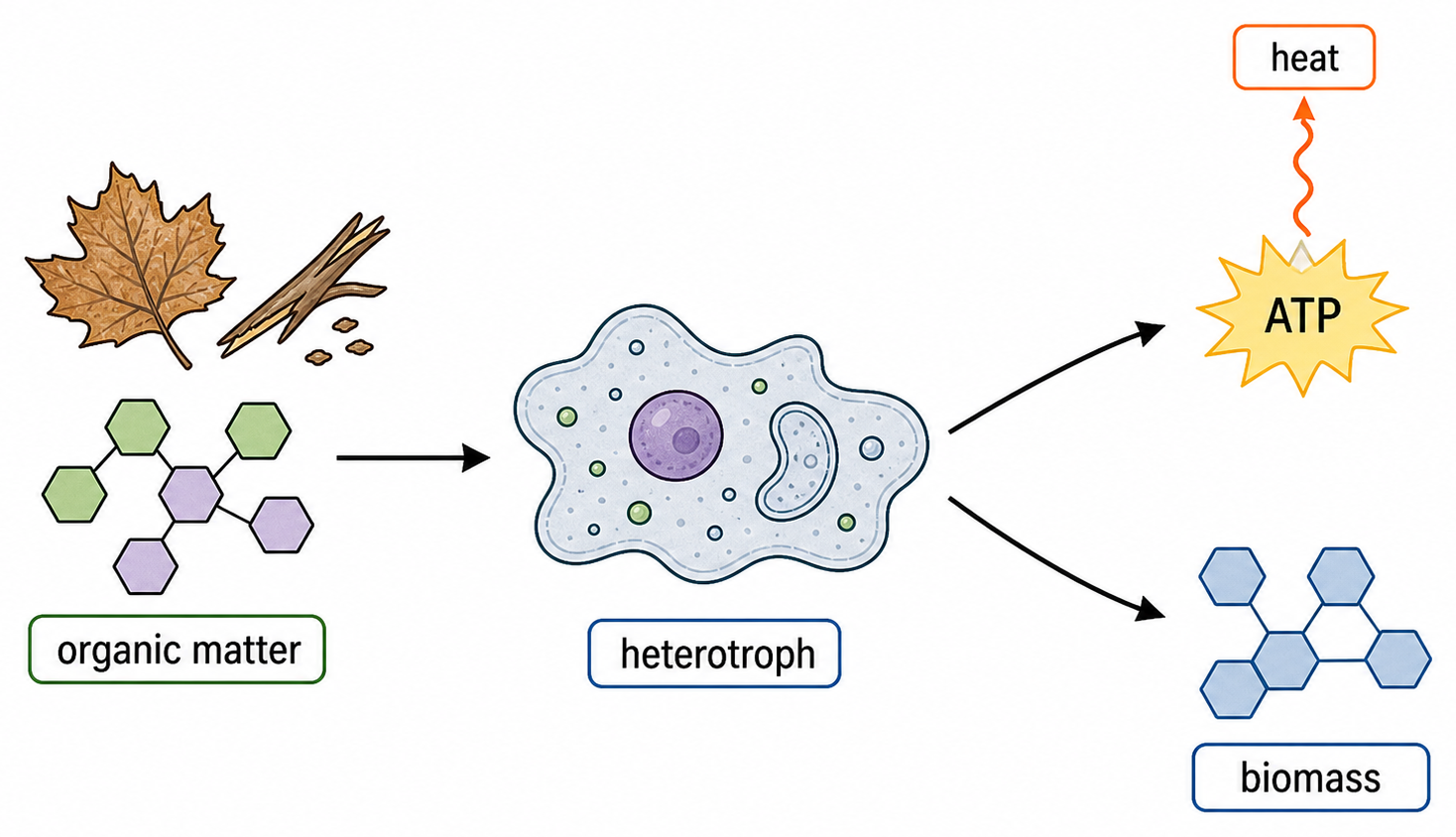
  • Photoautotrophs capture light; chemoautotrophs oxidize inorganic substances. Both build biomass from inorganic carbon. Heterotrophs obtain organic carbon from other organisms.
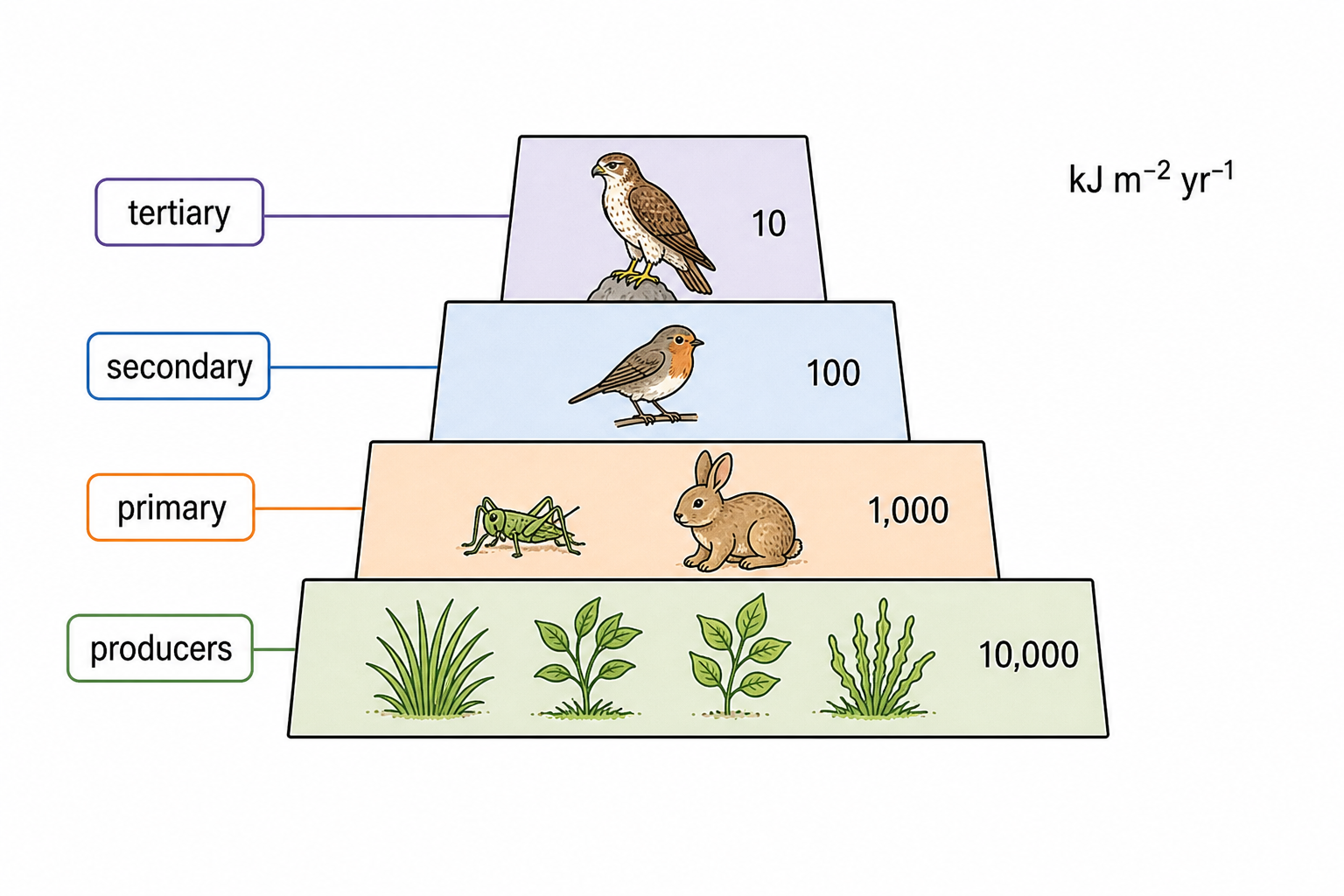
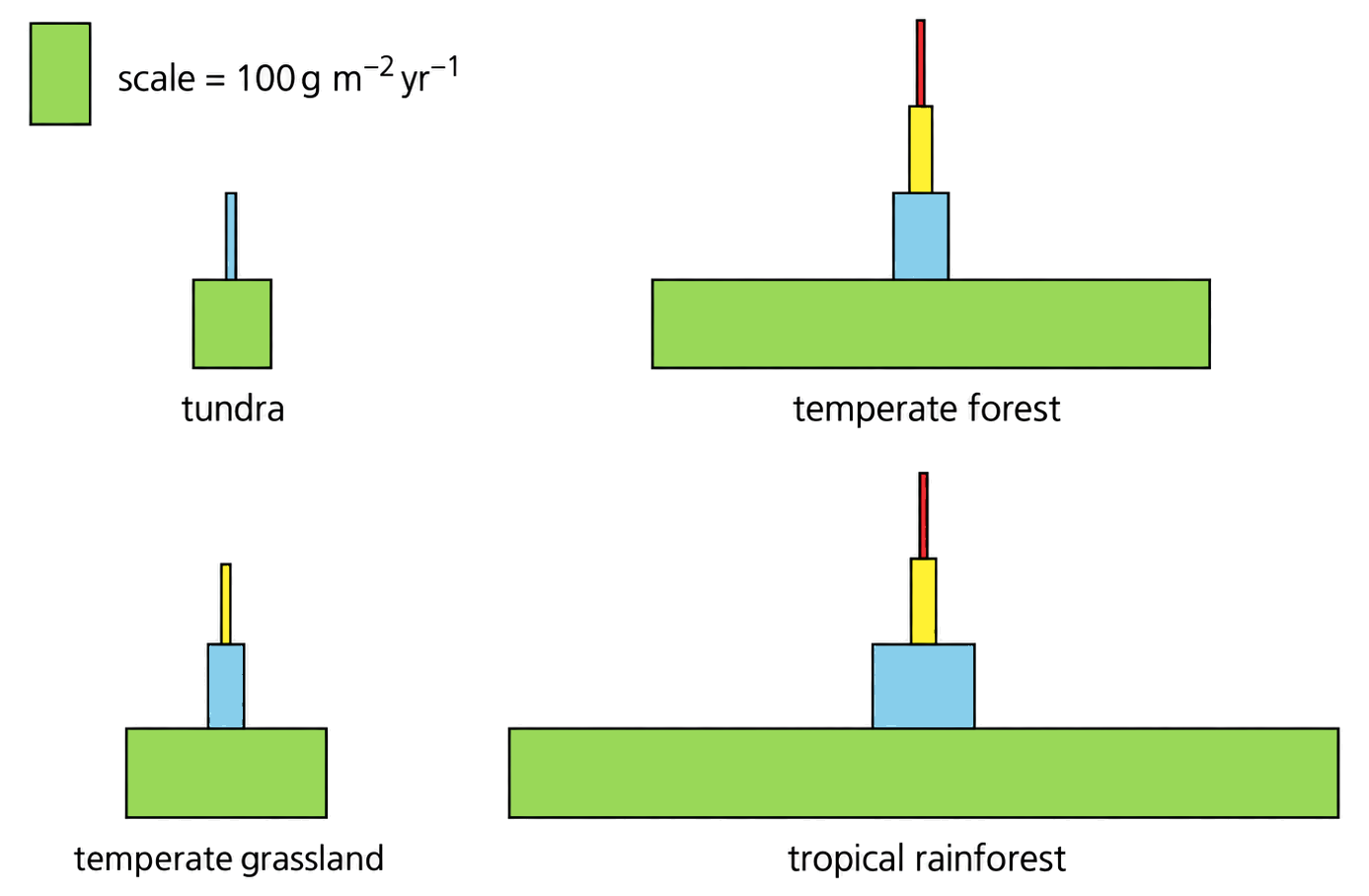
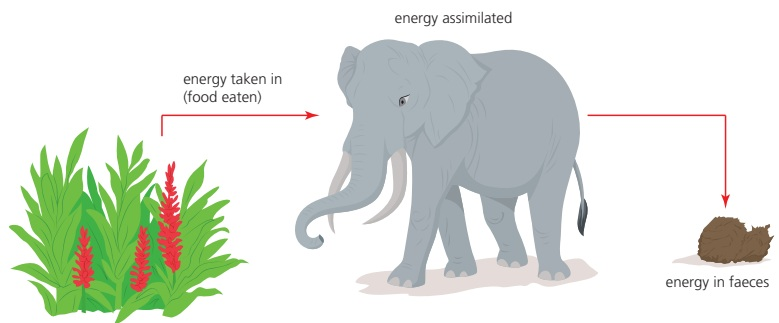
  • Food-web arrows show energy and biomass transfer. Energy decreases between trophic levels through respiration, heat, egestion, excretion and uneaten material, limiting chain length.
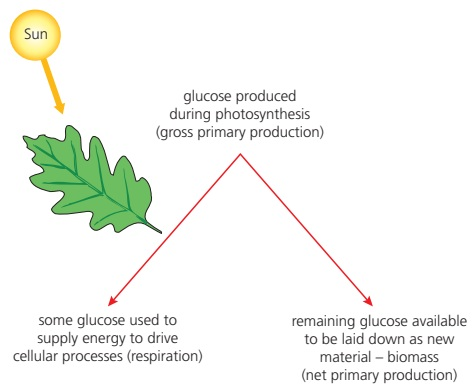
  • Gross primary production minus producer respiration gives net primary production; secondary production is heterotroph biomass gain.
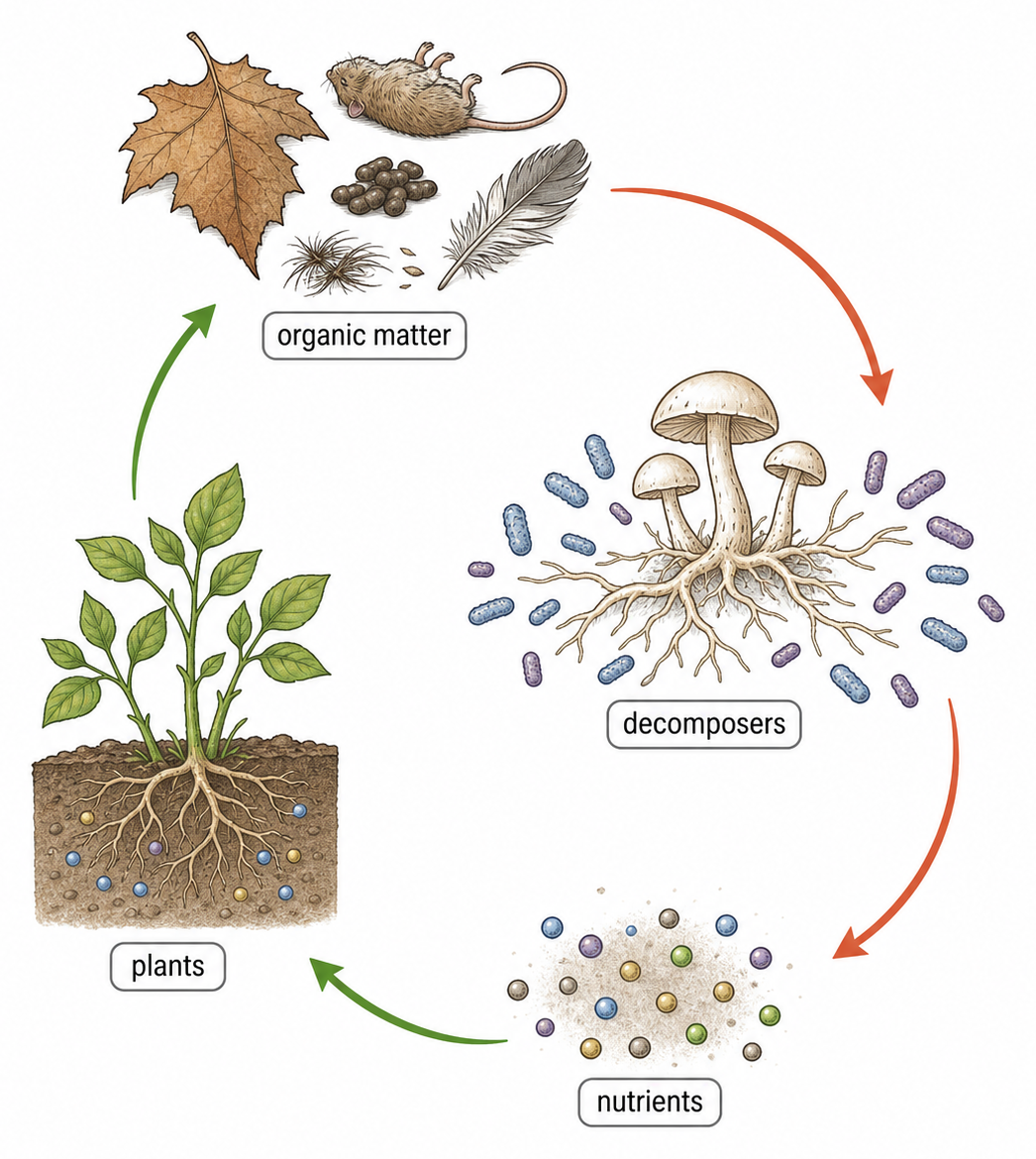
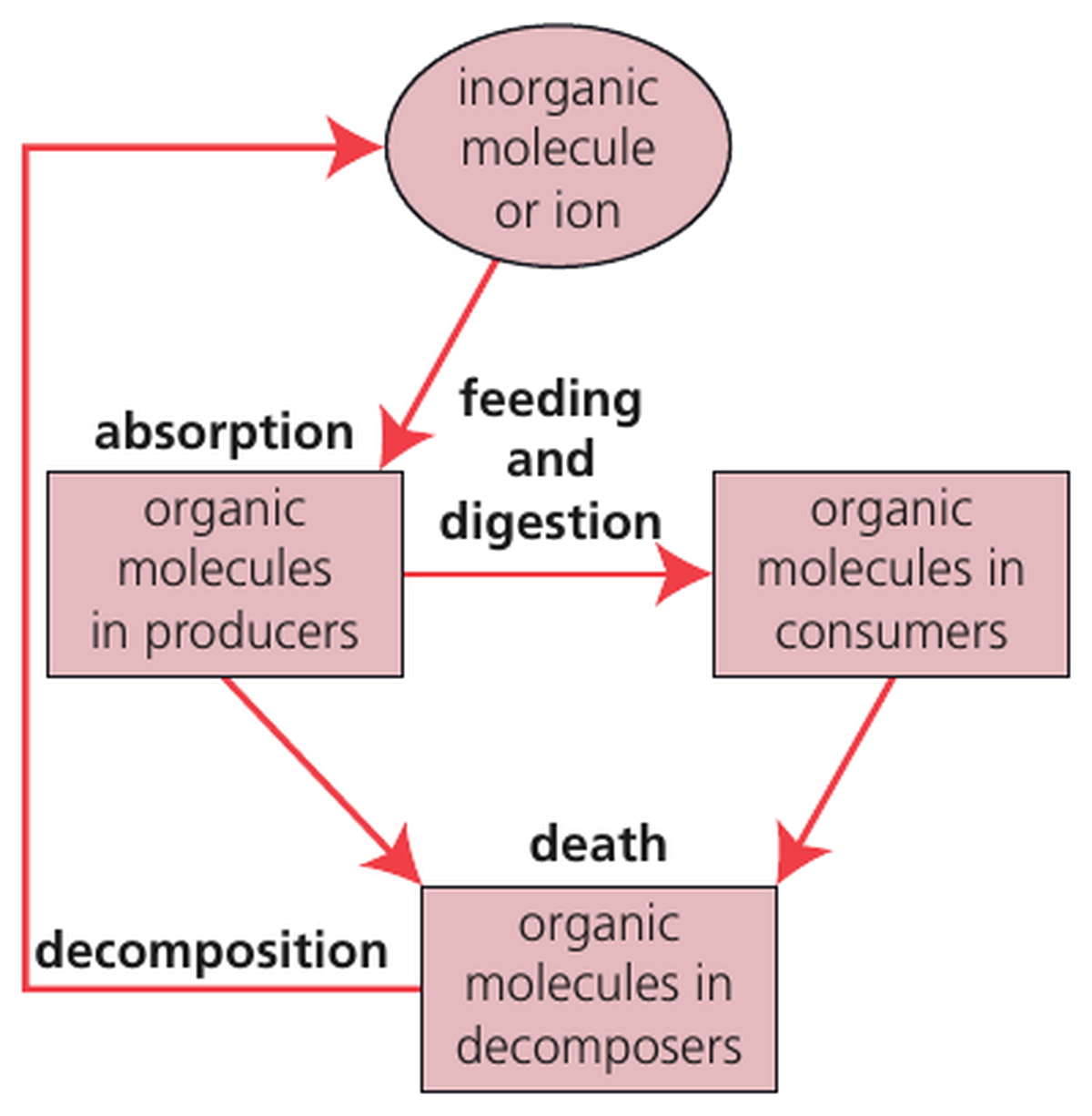
  • Decomposers obtain energy from detritus and return inorganic nutrients to producers.
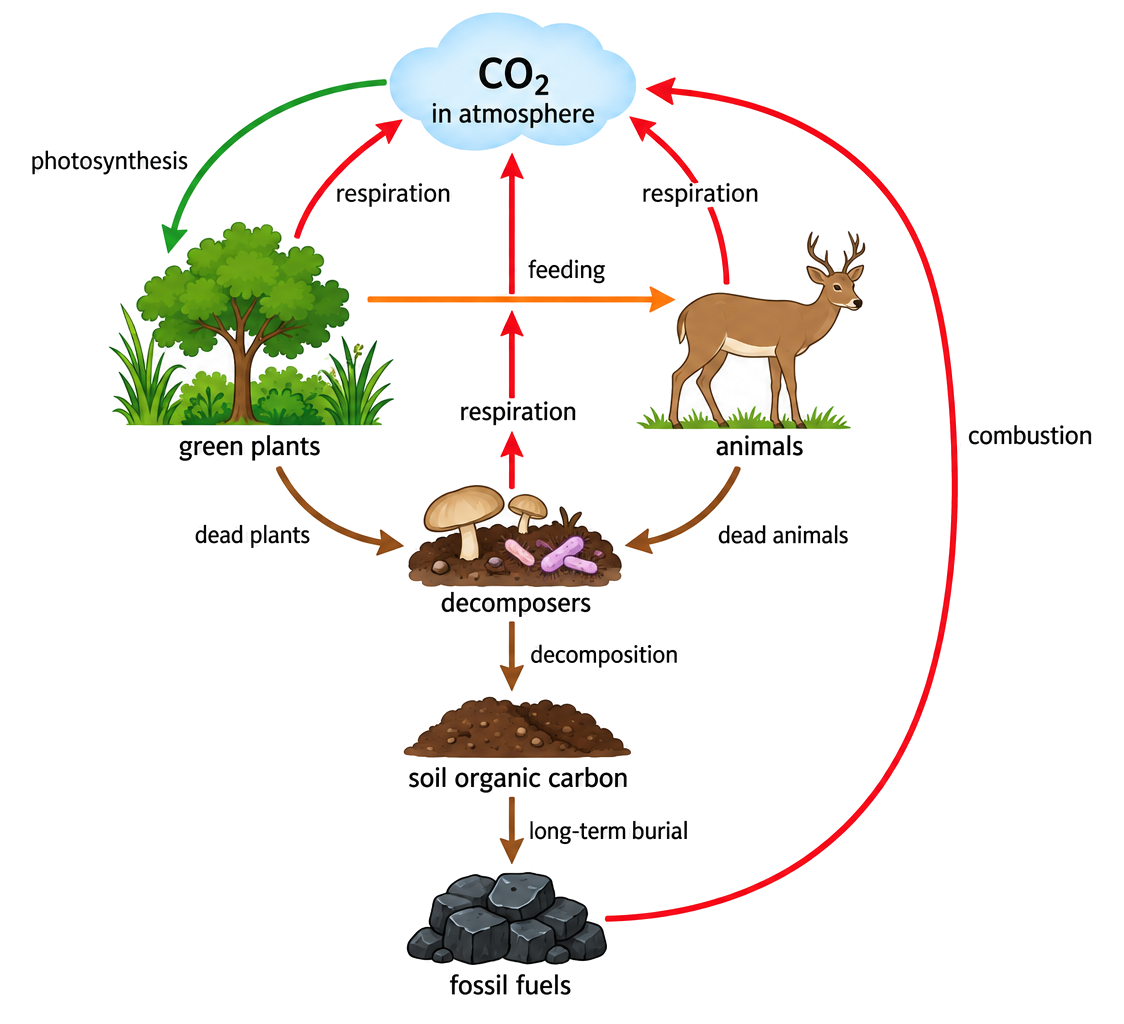
  • Carbon-cycle diagrams distinguish stores and fluxes. Photosynthesis removes CO2; respiration, decomposition and combustion release it.
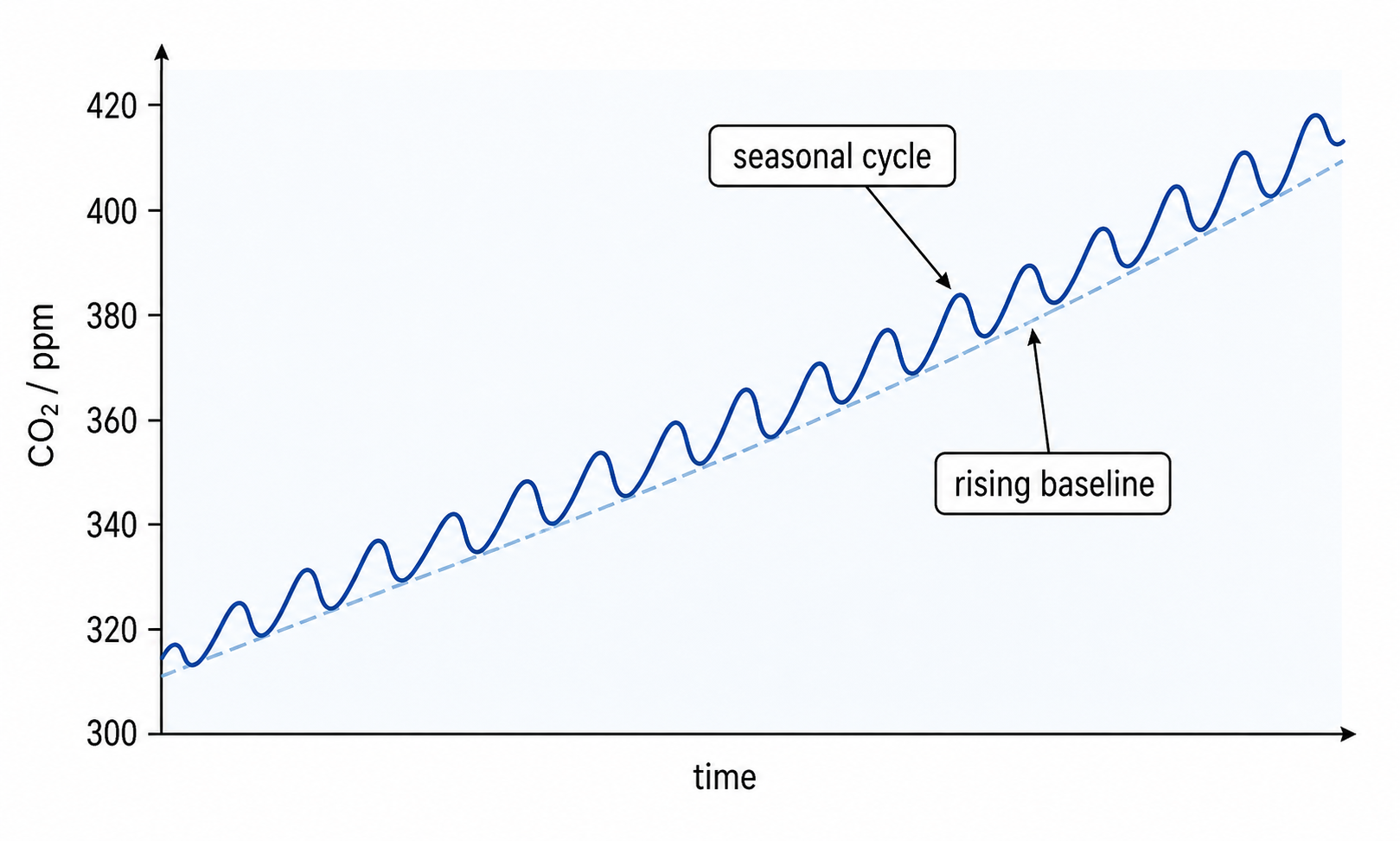
  • A sink absorbs more carbon than it releases; a source does the reverse. The Keeling Curve shows a long-term atmospheric CO2 rise with seasonal oscillation.

Concept essentials

  • Sunlight as principal energy source must be linked to the correct source, store, transfer or loss process.
  • The evidence for sunlight as principal energy source depends on distinguishing energy flow from matter cycling.
  • Sunlight as principal energy source is clearer when arrows, units and trophic positions match the biological process.
  • Data or diagrams for sunlight as principal energy source need interpretation as ecosystem transfer evidence.