C4.2.1—Ecosystems as open systems
Ecosystems as open systems explains how energy flow, matter cycling or carbon transfer is represented, measured or limited within ecosystems.
- Syllabus
- First assessment 2025
- Objective
- C4.2.1
- Level
- SL
Ecosystems as open systems explains how energy flow, matter cycling or carbon transfer is represented, measured or limited within ecosystems.
Coverage 2010–2024 · Updated 16 Jul 2026
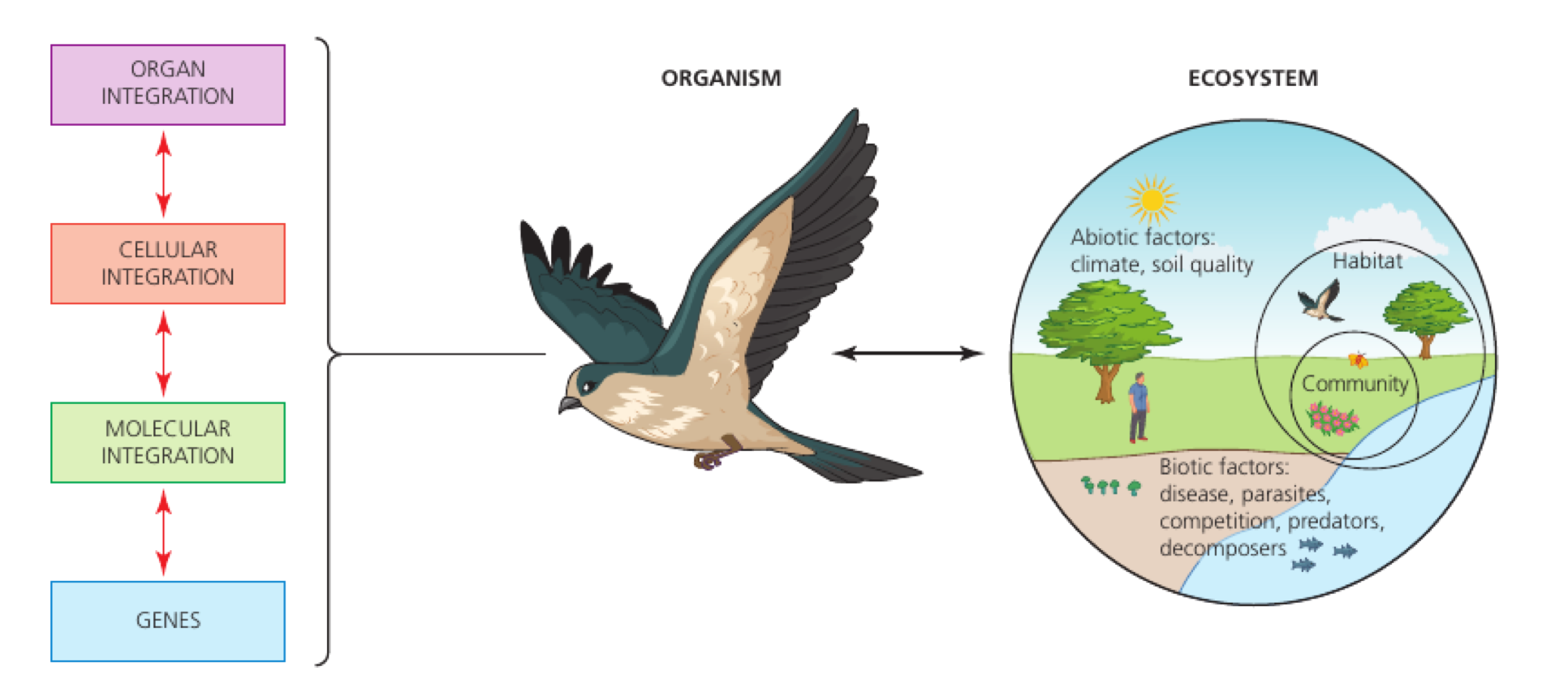
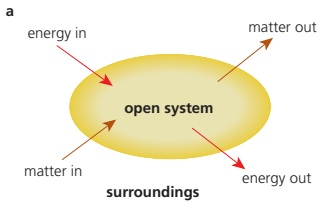
An ecosystem is open to matter and energy.
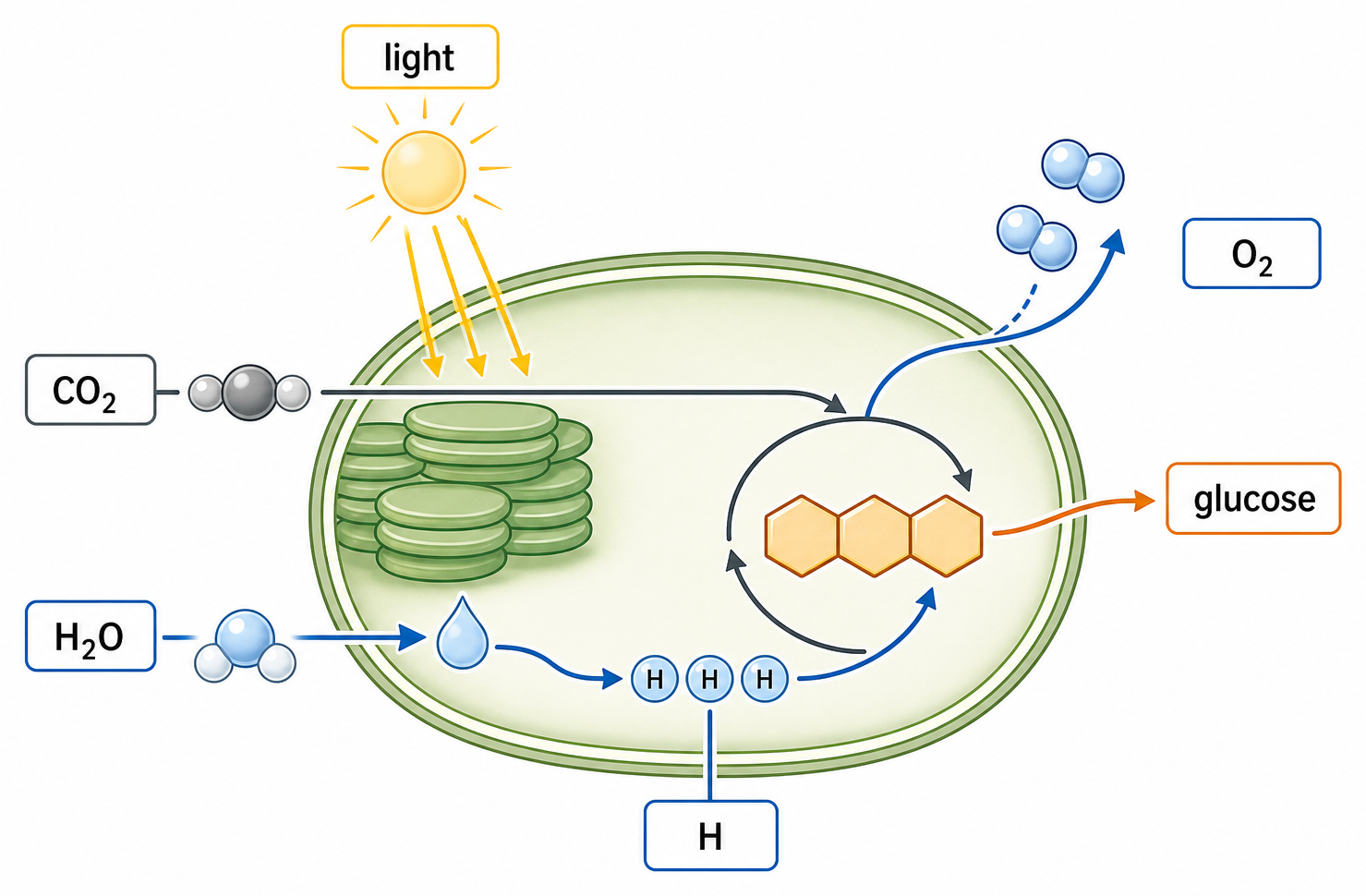
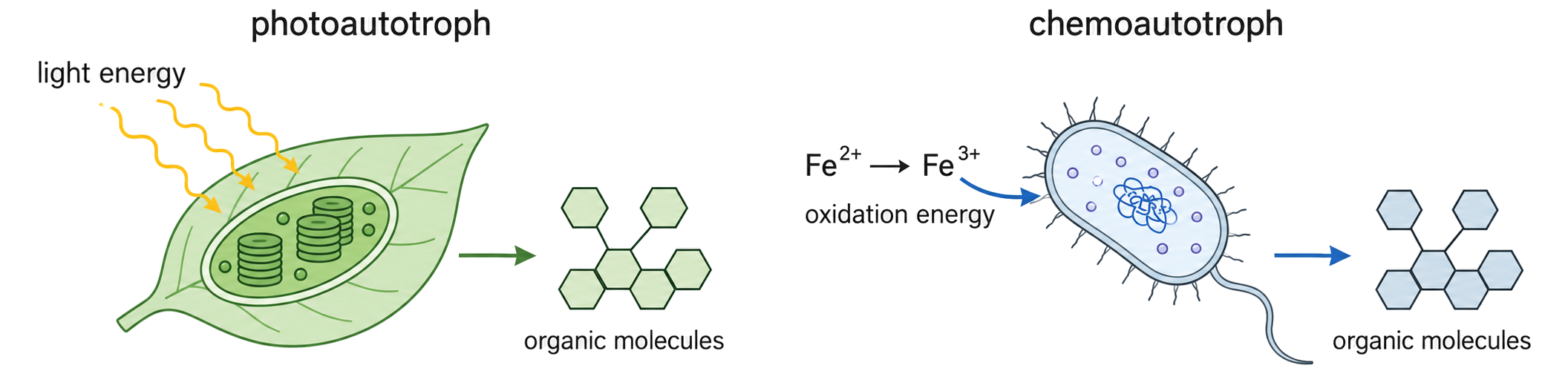
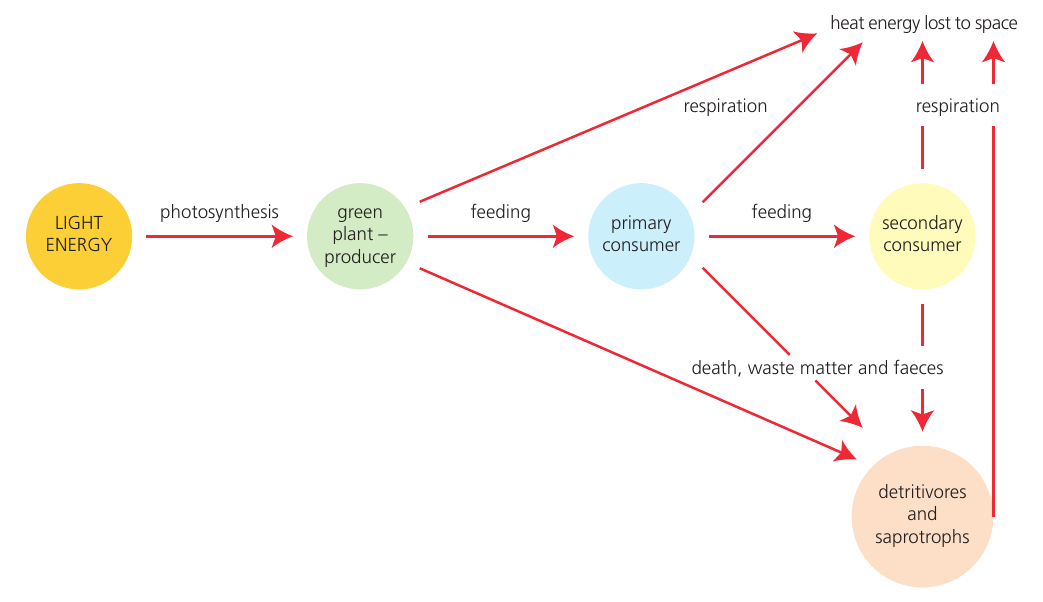
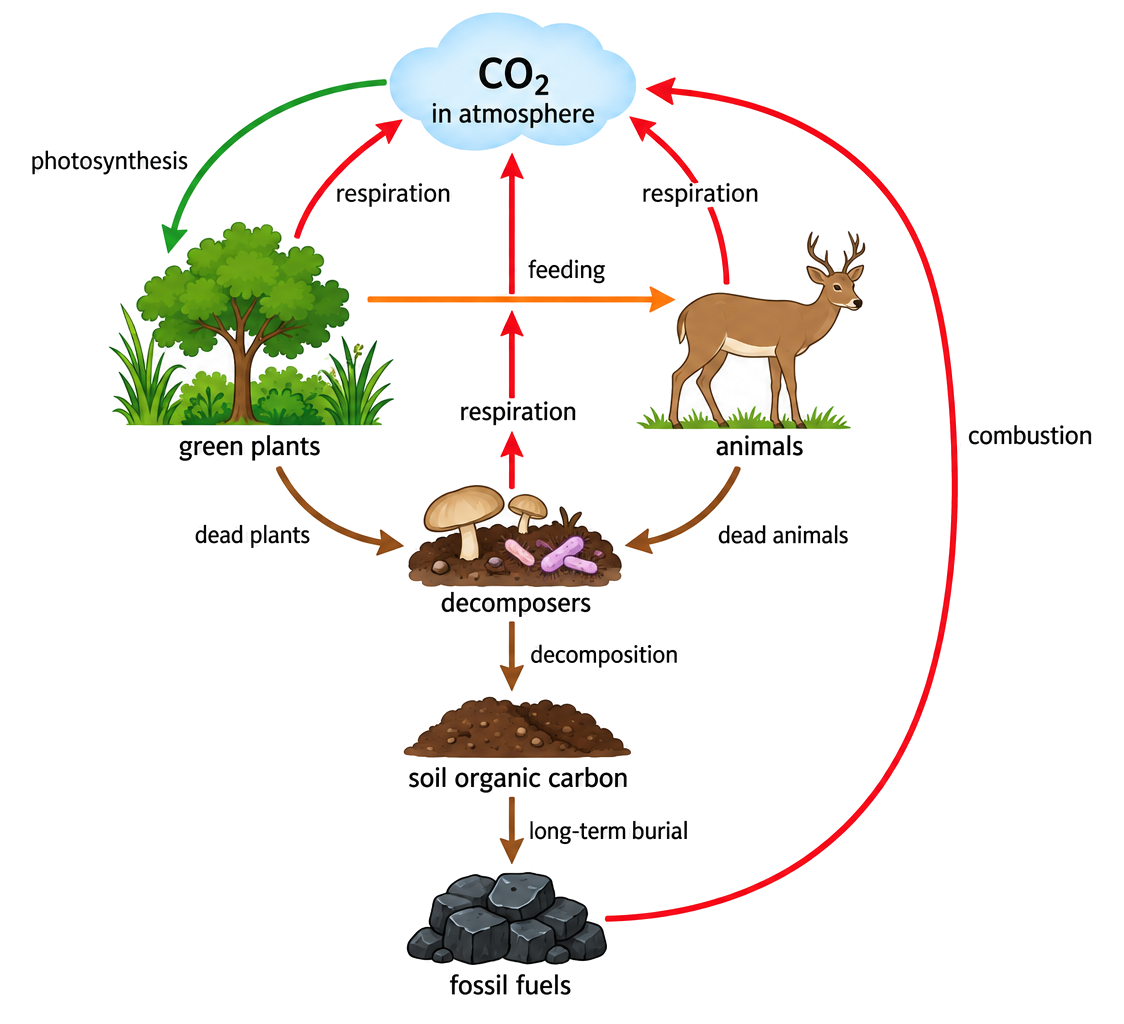
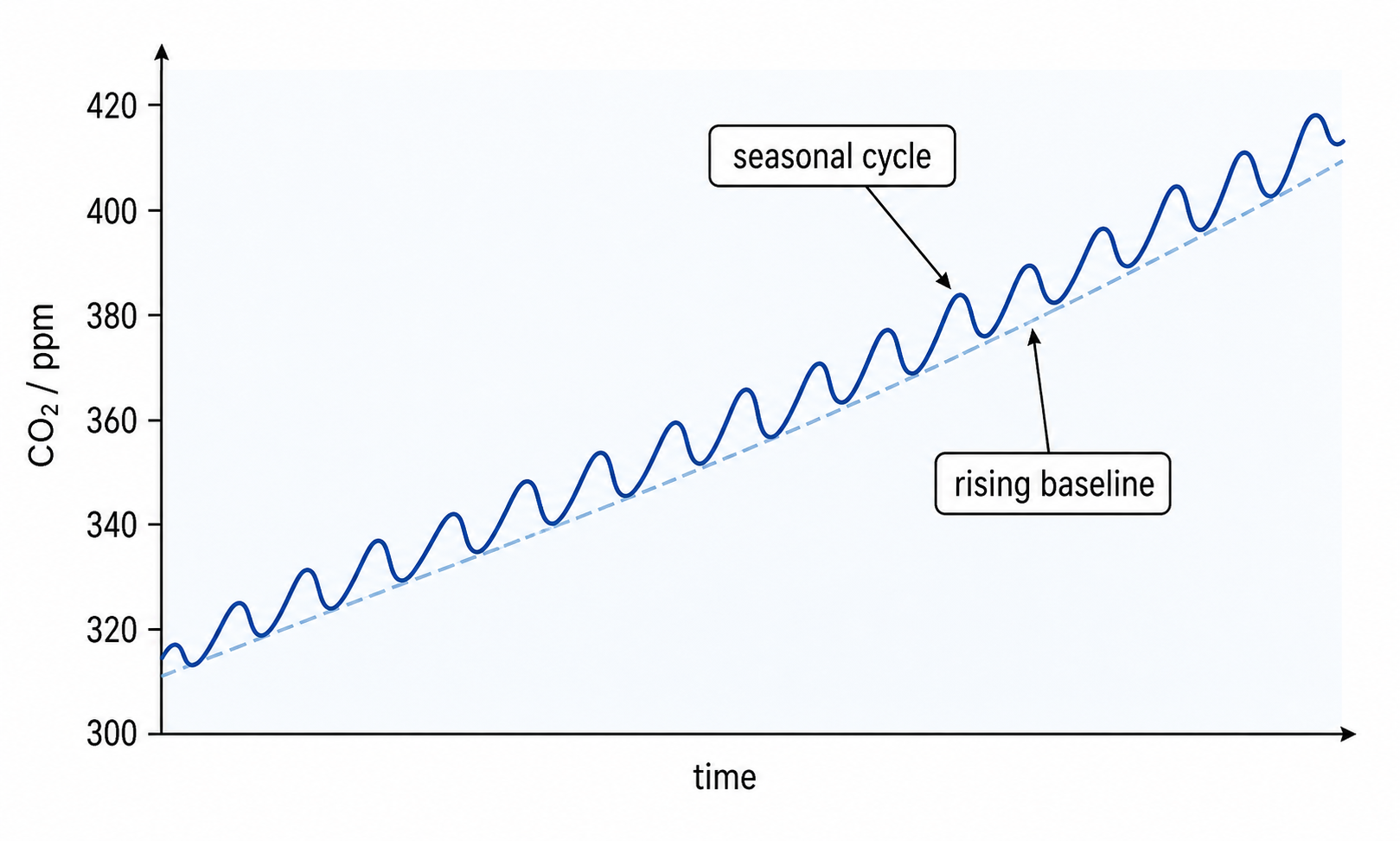
Energy crosses an ecosystem boundary, usually entering as light and leaving as heat. Matter such as carbon, nitrogen and water is transferred between the ecosystem and its surroundings and recycled internally.
name boundary; identify energy input/output; identify matter stores and transfers; state timescale.
A forest receives sunlight and nitrogen deposition, exports heat and dissolved nutrients, and cycles carbon among plants, soil and atmosphere.
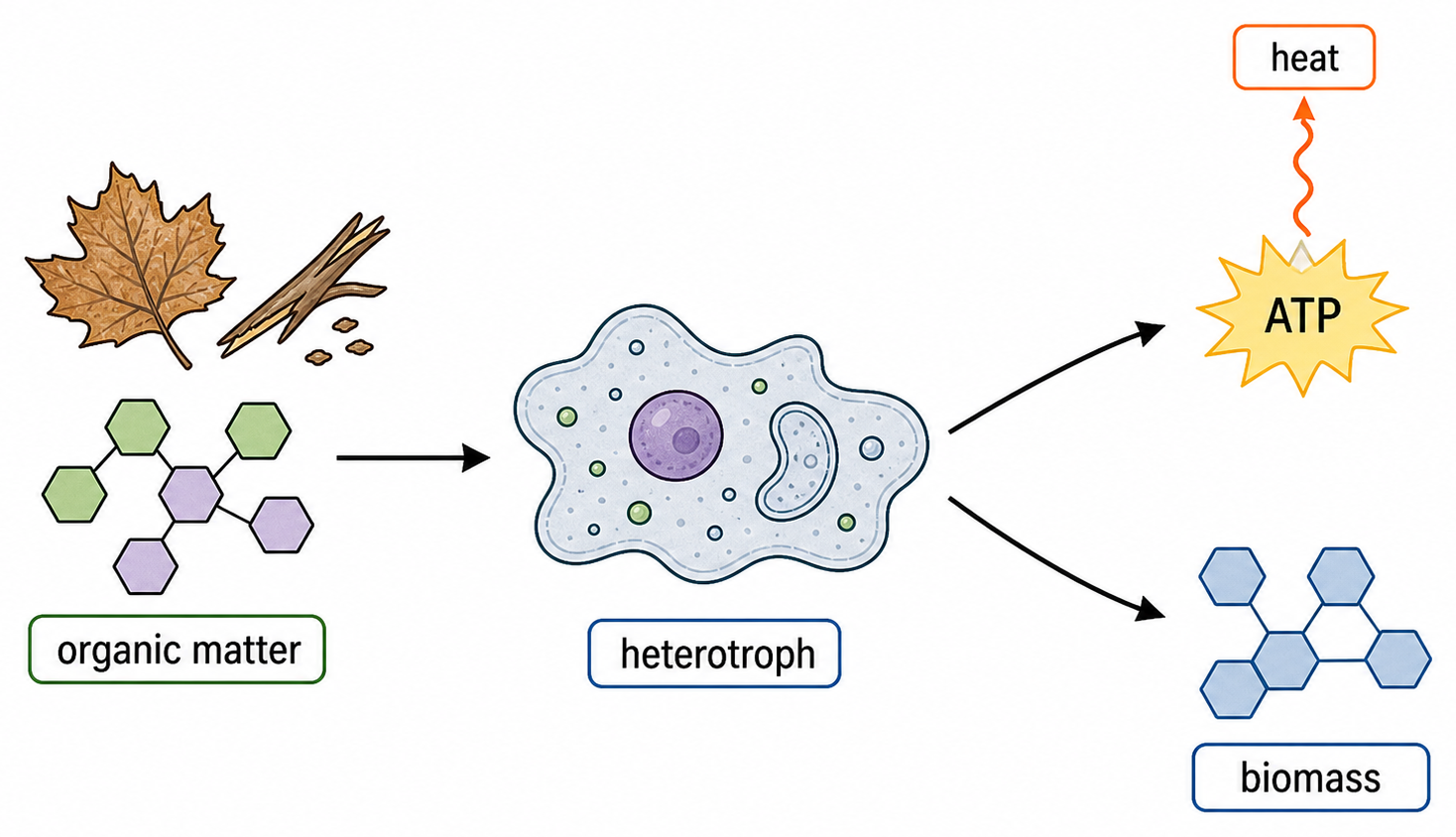
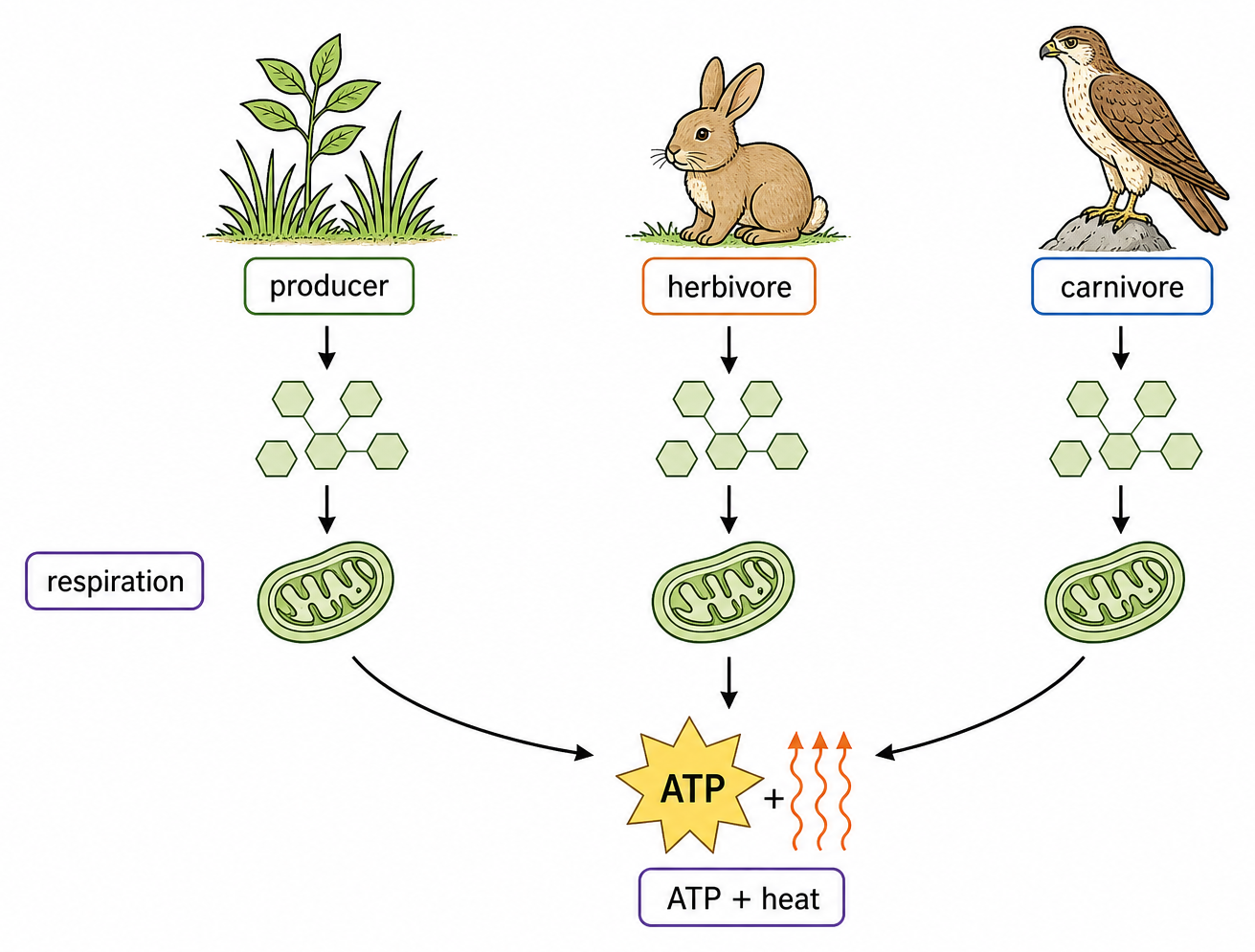
Energy is not recycled in the same way as matter; most usable energy eventually dissipates as heat.
This objective is assessed through structured response, commonly using Describe / Identify / Distinguish.
Describe / Identify / Distinguish / Outline / Compare / Contrast / State / Explain
Build the answer around this relationship: Ecosystems as open systems must be linked to the correct source, store, transfer or loss process.
Saying energy is recycled instead of flowing through and leaving ecosystems as heat.
Representative question
Describe the movement of energy and nutrients in an ecosystem.
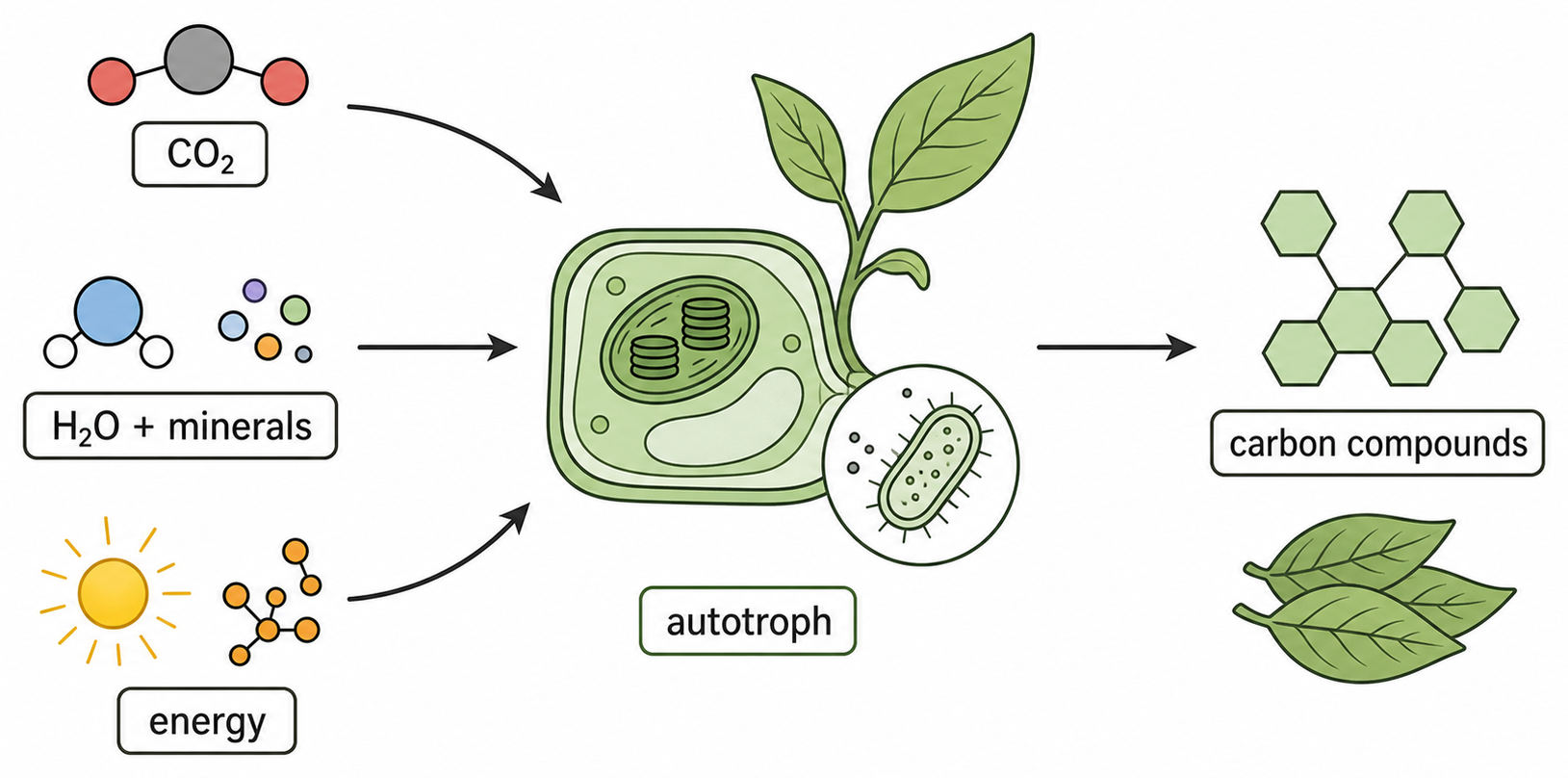
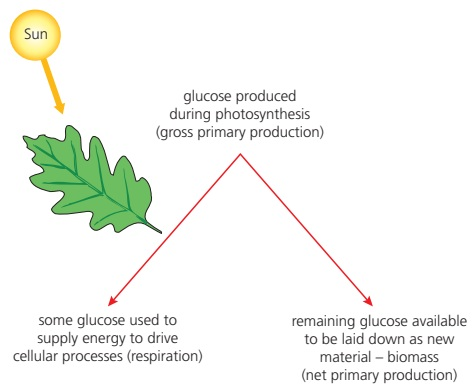
ecosystem is a community and its abiotic environment; solar energy collected by autotrophs/plants (via photosynthesis);
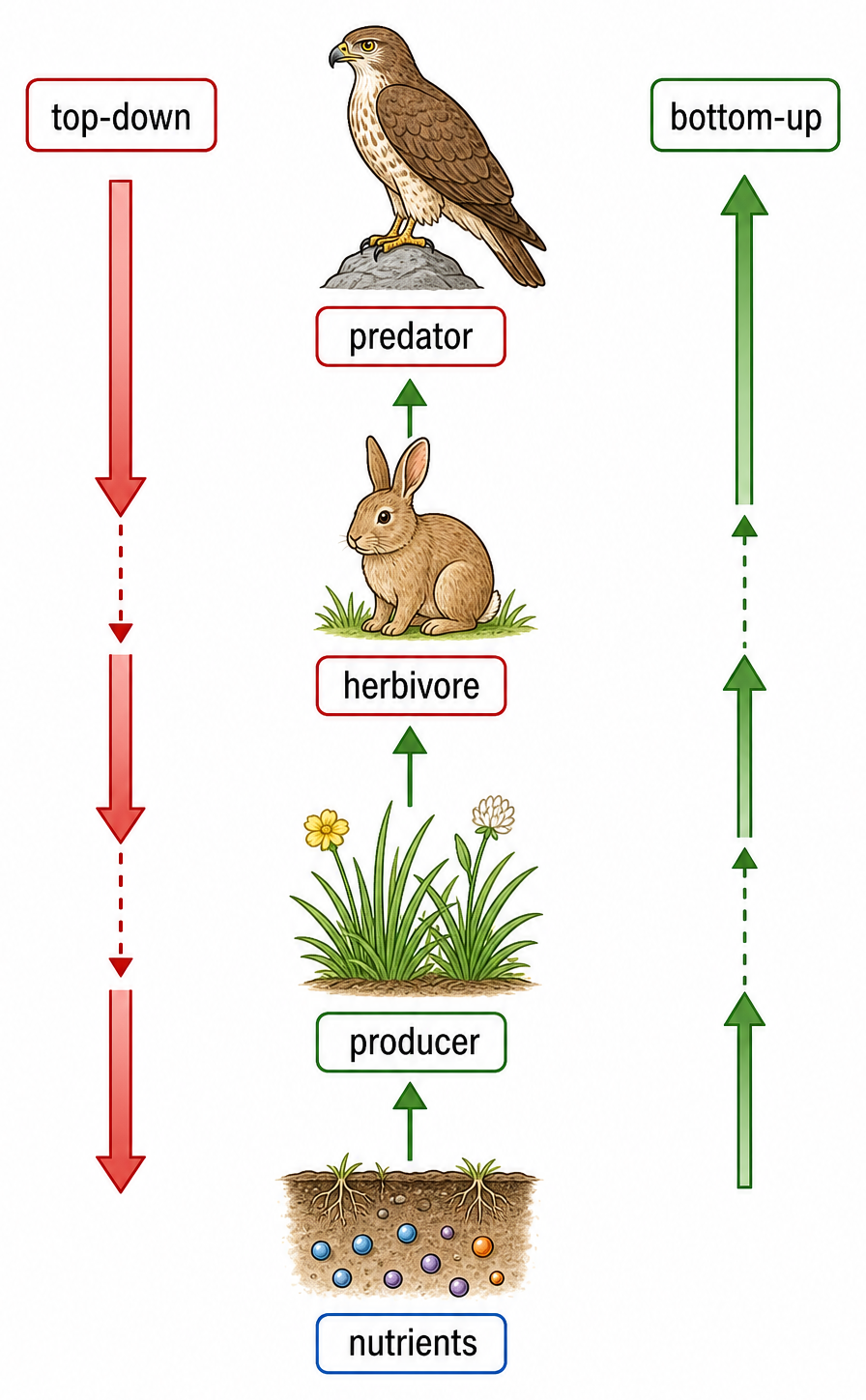
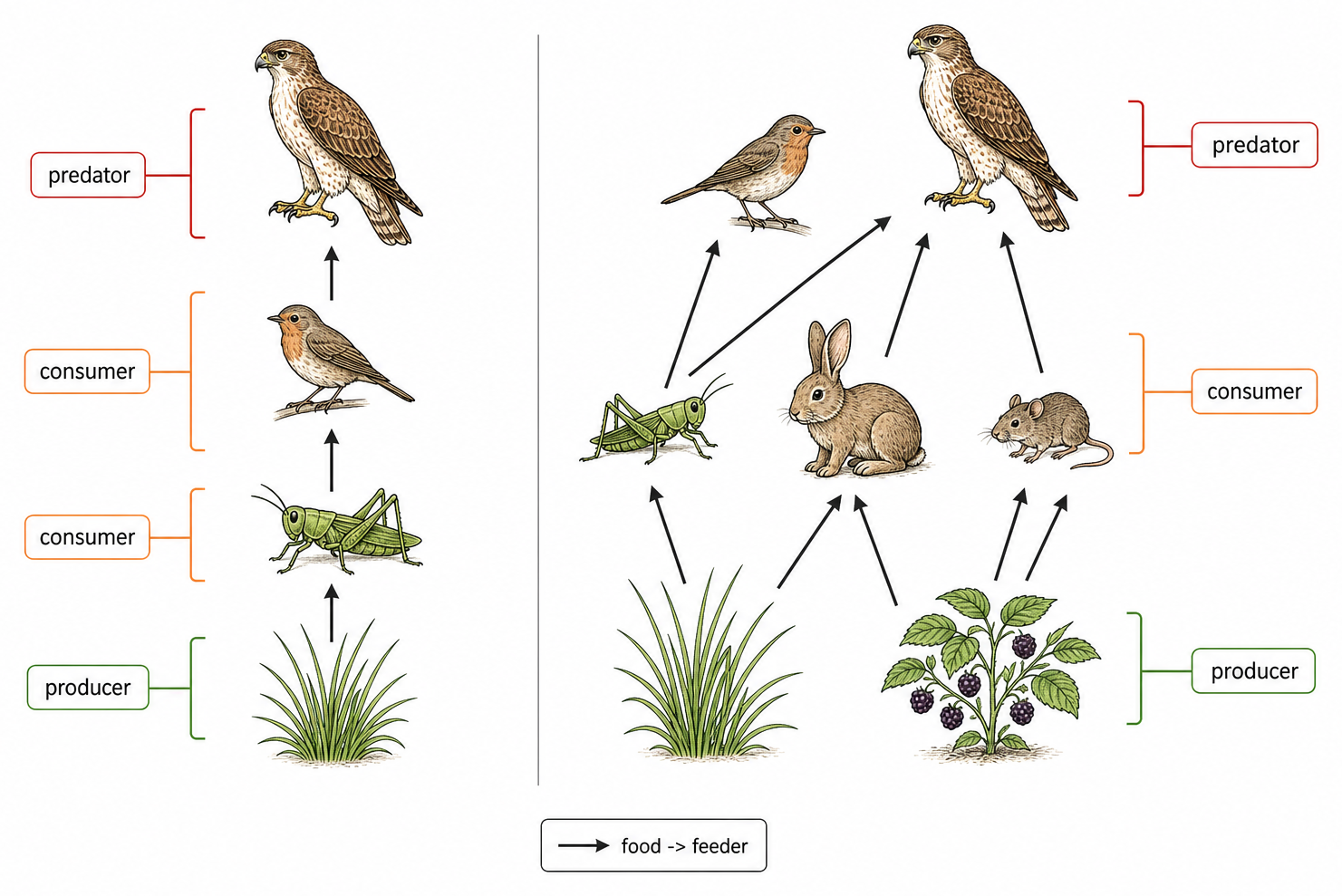
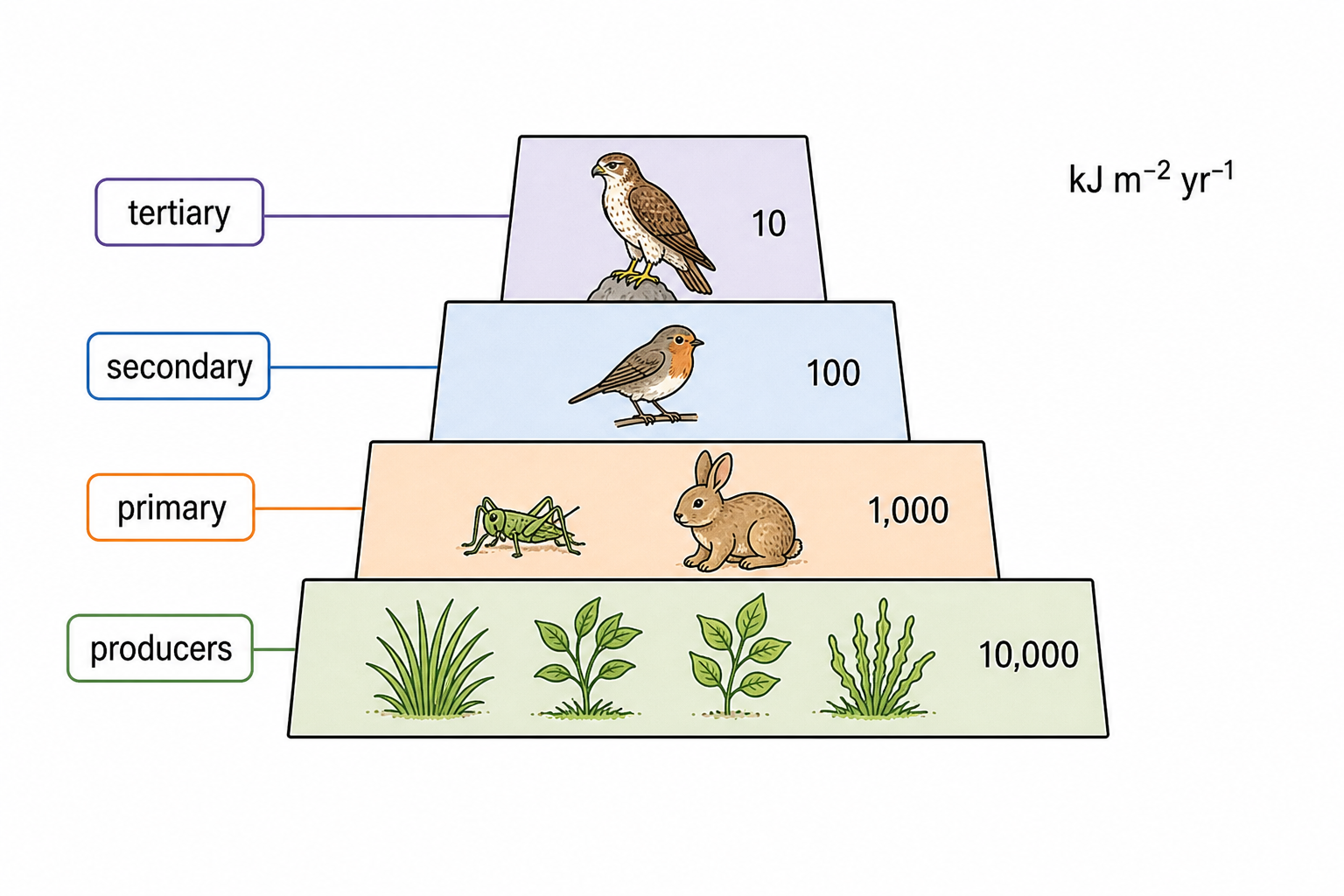
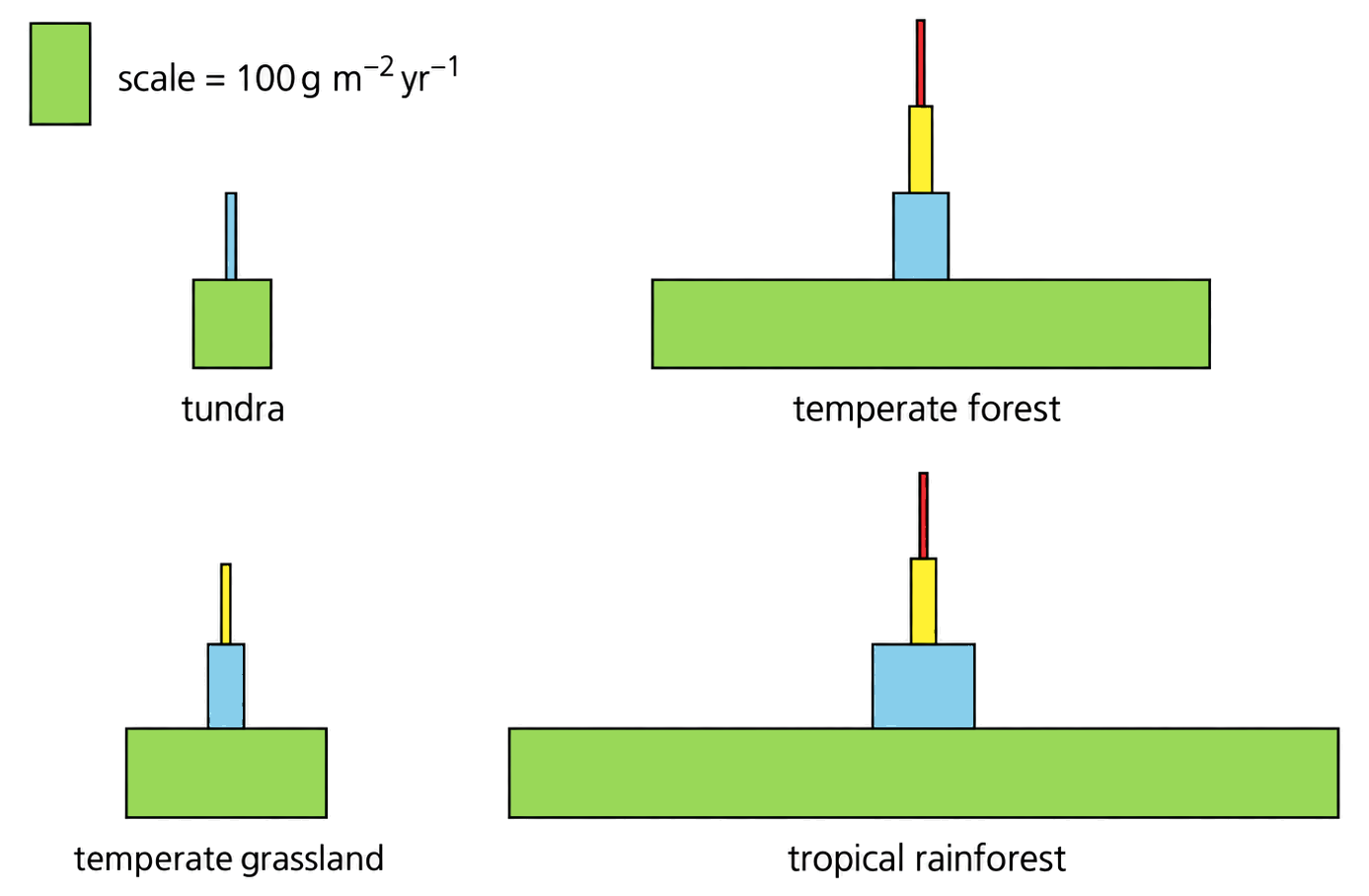
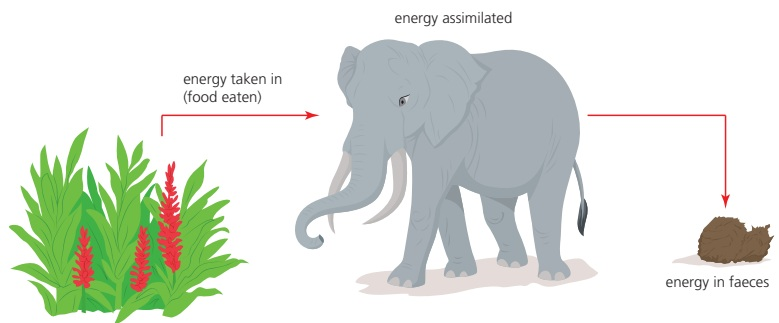
moves through trophic levels via food; only 5 to 20 % transferred from one trophic level to next / never 100 % efficient;
lost as metabolic heat/organic waste; energy flow can be illustrated by pyramid shape;
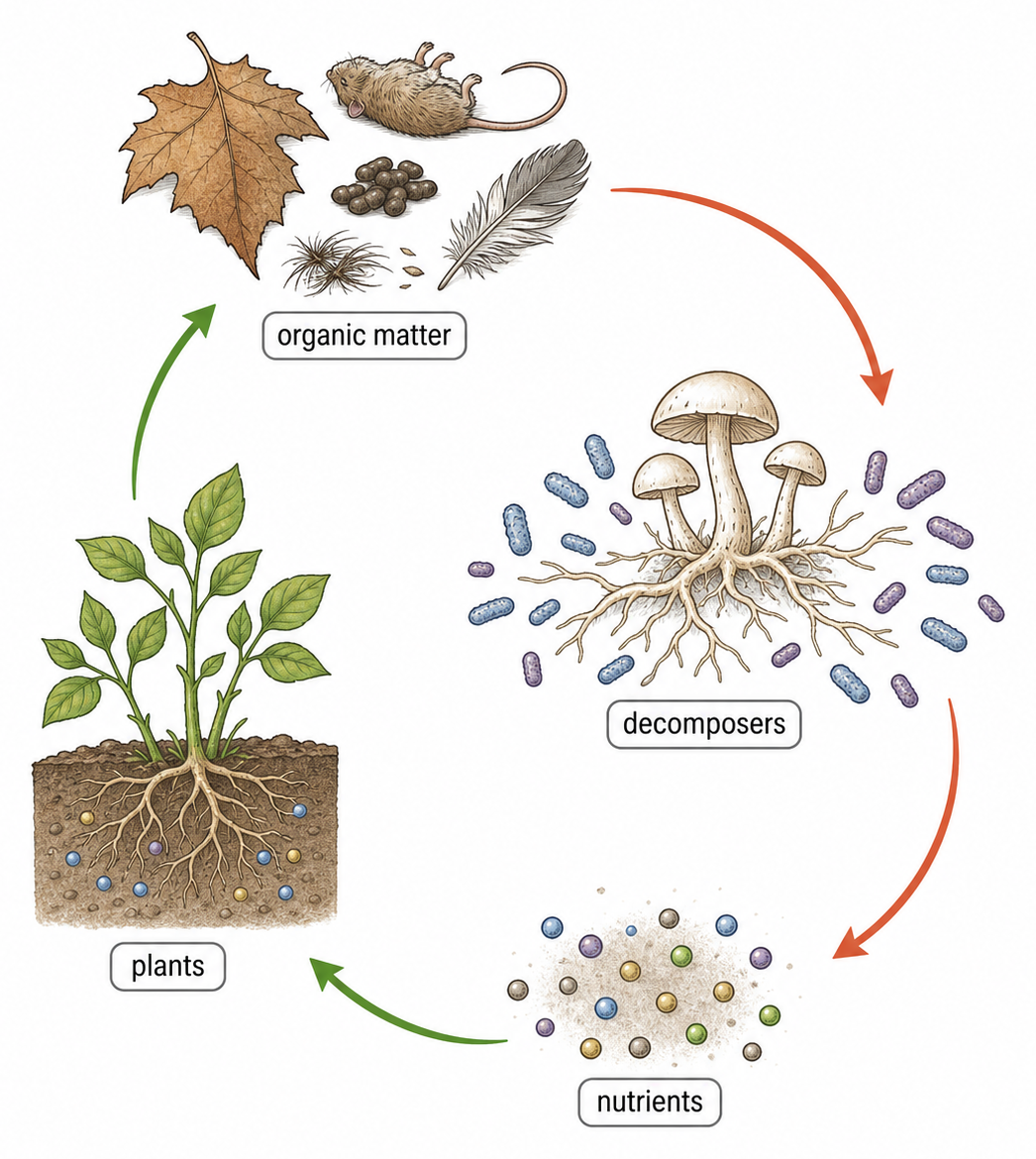
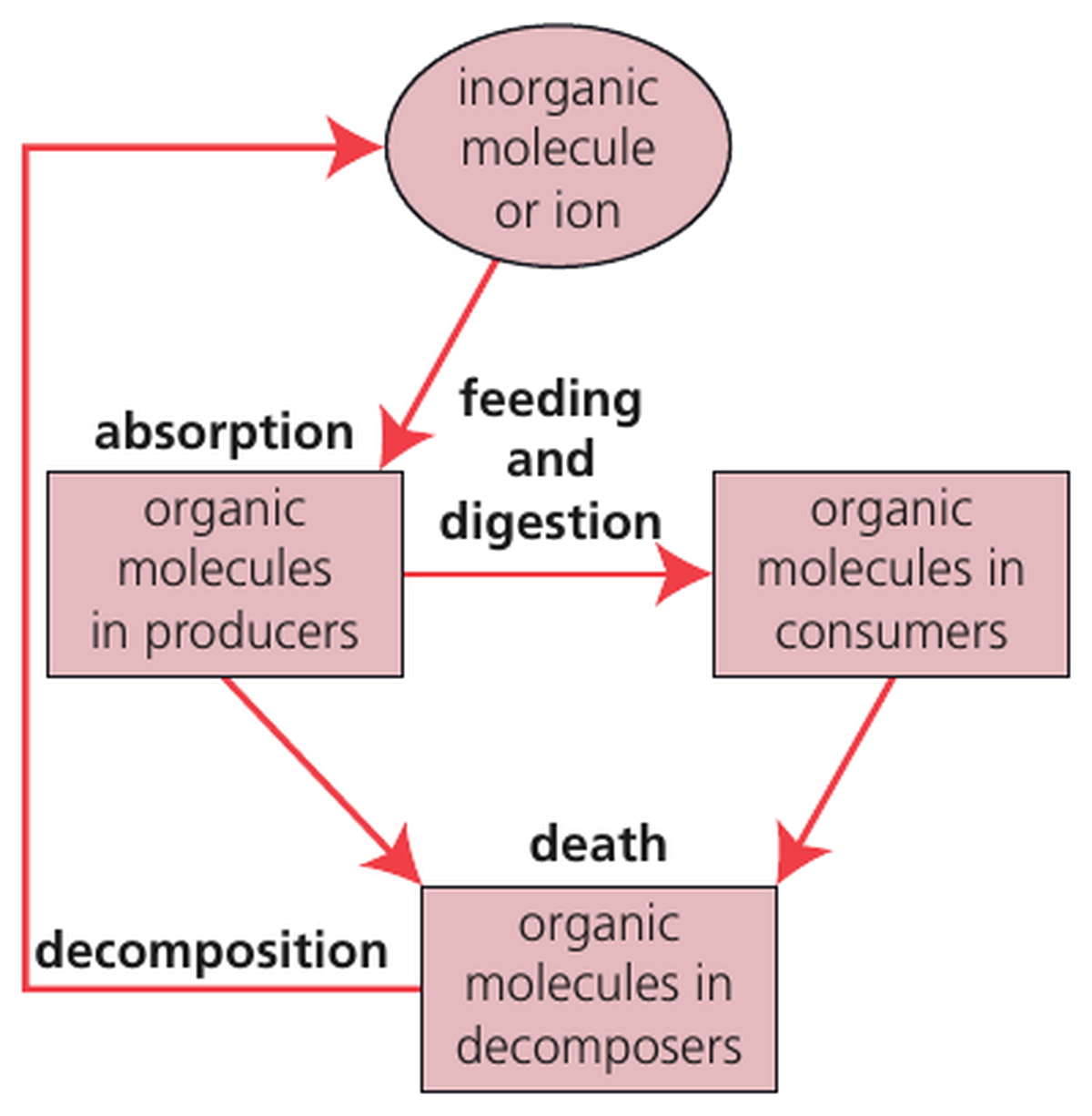
organisms absorb nutrients from food/environment; nutrients occur as complex organic matter in living organisms; after death, saprotrophic bacteria and fungi (decomposers) breakdown complex
organic matter; breakdown products are simpler substances; absorbed into plants for resynthesis into complex organic matter/recycled;