Q BankQuestion BankDocsDocuments

C1.2 Cell respiration

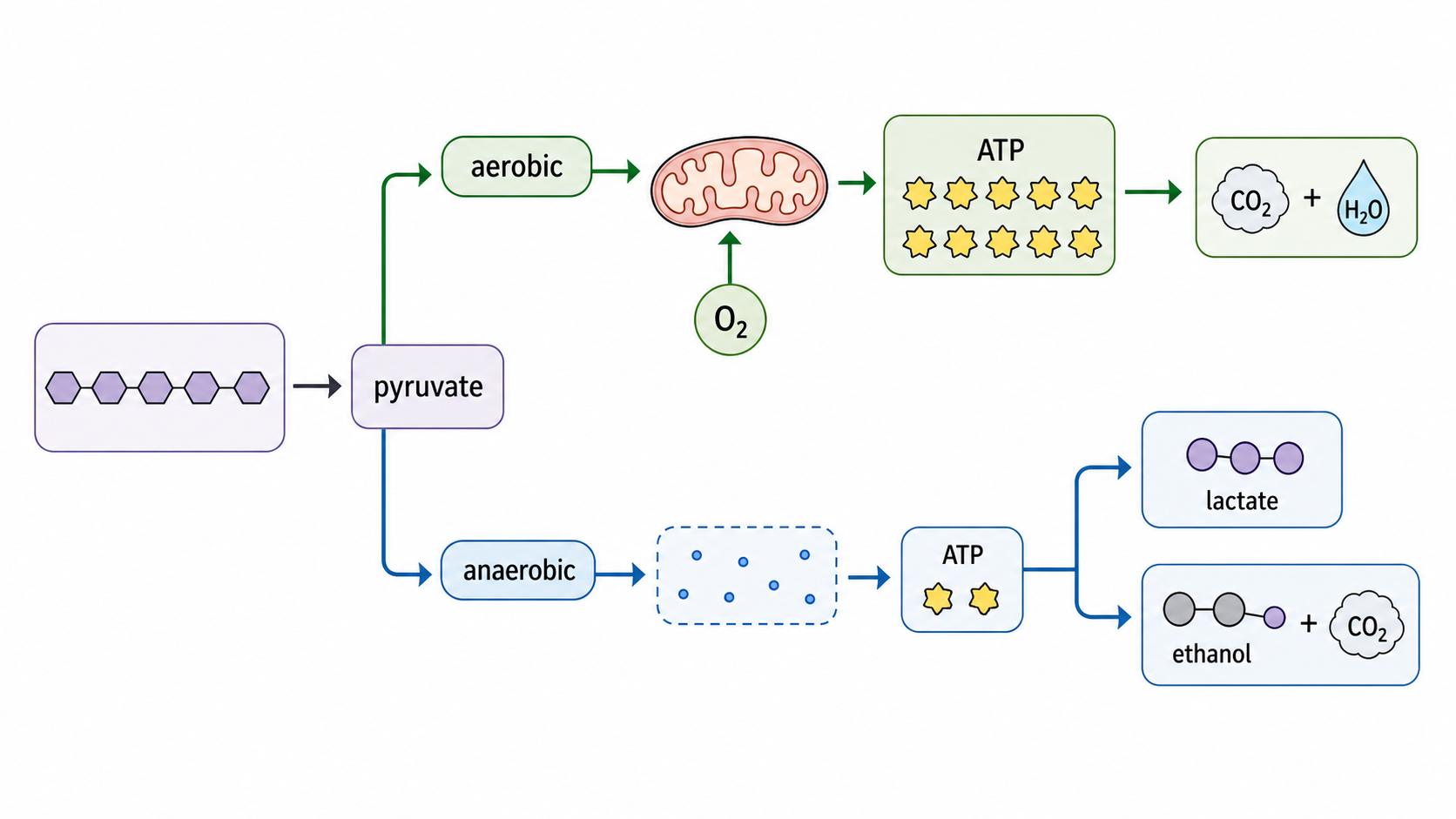
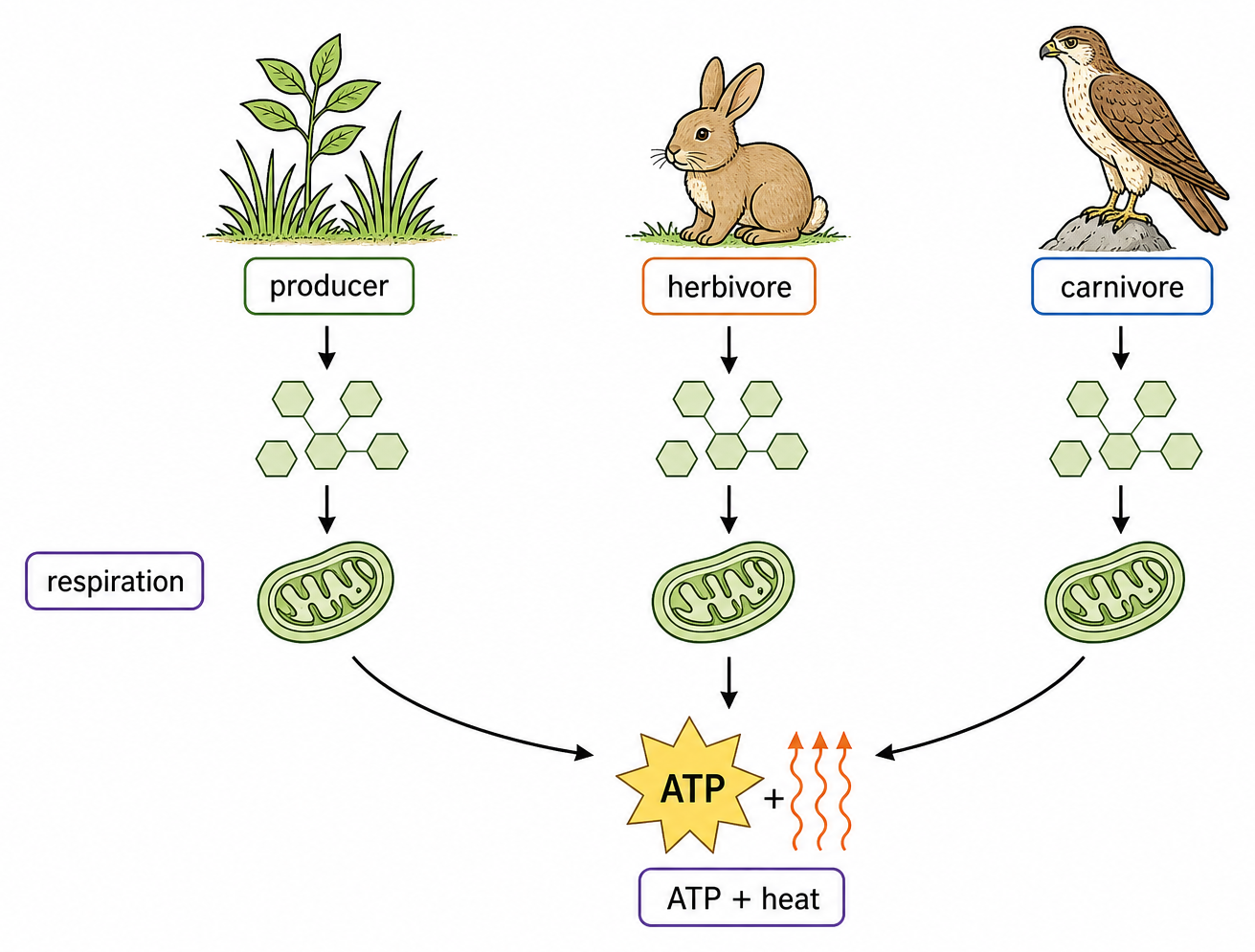
Cell respiration transfers energy from organic compounds into ATP through glycolysis, anaerobic pathways and aerobic mitochondrial stages, supporting usable cellular work and measurable biological activity.

Syllabus
First assessment 2025
Topic
C1.2
Level
SL

Exam analysis

Chance of appearing44%of analysed past papers
Latest appearanceNovember 2025
Most common paperPaper3
Typical marks1–2

Most tested objectives

Common question formats

  • Calculation
  • Comparison
  • Data analysis
  • Diagram interpretation
  • Evaluation
  • Extended response
  • Graph interpretation
  • Structured response

Recent exam appearances

November 2025Paper2 ["SL"] · TZ14(b)[ 3 ]C1.2.4—Cell respiration system
November 2025Paper2 ["SL"] · TZ14(a)[ 2 ]C1.2.2—Life processes using ATP
November 2025Paper1A ["SL"] · TZ34[ 1 ]C1.2.5—Anaerobic vs. aerobic respiration in humans
November 2025Paper1B ["SL"] · TZ33(e)[ 2 ]C1.2.1—ATP distributes energy
November 2025Paper1B ["SL"] · TZ33(d)[ 2 ]C1.2.6—Variables affecting rate
Practice this topic

Coverage 2010–2025 · Updated 15 Jul 2026

Objective notes

6 learning objectives
C1.2.1ATP distributes energy

• ATP is a small soluble nucleotide and universal energy currency

• It links energy-yielding respiration to energy-requiring cellular processes

C1.2.2Life processes using ATP

• ATP supplies active transport, anabolic synthesis, and movement

• Examples include membrane pumps, macromolecule synthesis, and chromosome movement

C1.2.3ATP ↔ ADP interconversions

• ATP hydrolysis to ADP and phosphate releases energy for coupled reactions

• Respiration phosphorylates ADP to ATP; ATP is recycled rather than stored

C1.2.4Cell respiration system

• Cell respiration is enzyme-controlled release of energy from organic compounds

• Carbon compounds are oxidized stepwise so energy can be transferred to ATP

C1.2.5Anaerobic vs. aerobic respiration in humans
• Aerobic respiration uses oxygen and mitochondria, producing CO₂, water, and high ATP

• Anaerobic respiration in human cytoplasm produces lactate and low ATP

C1.2.6Variables affecting rate

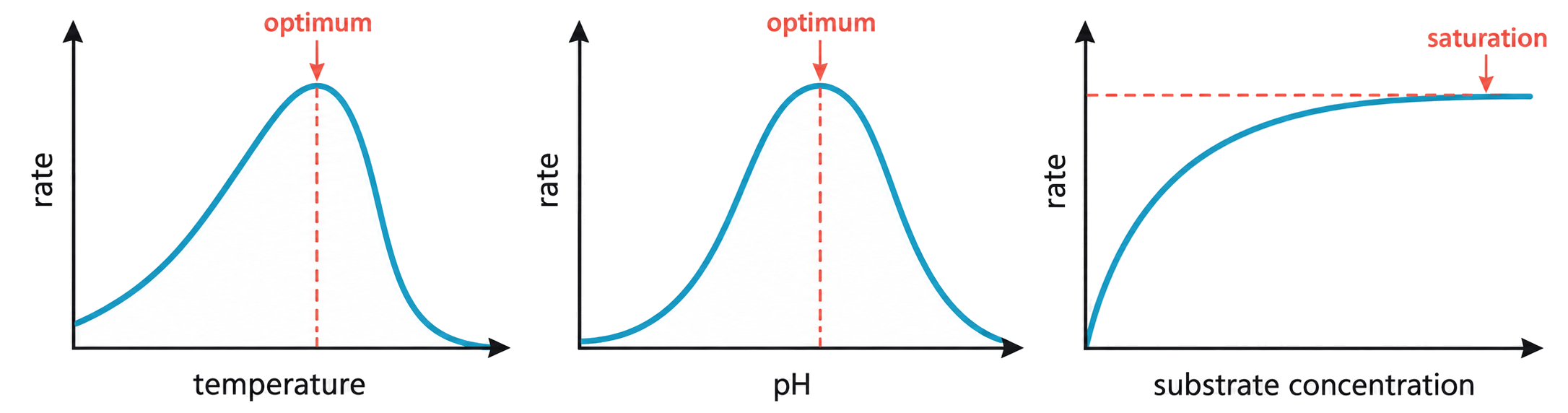
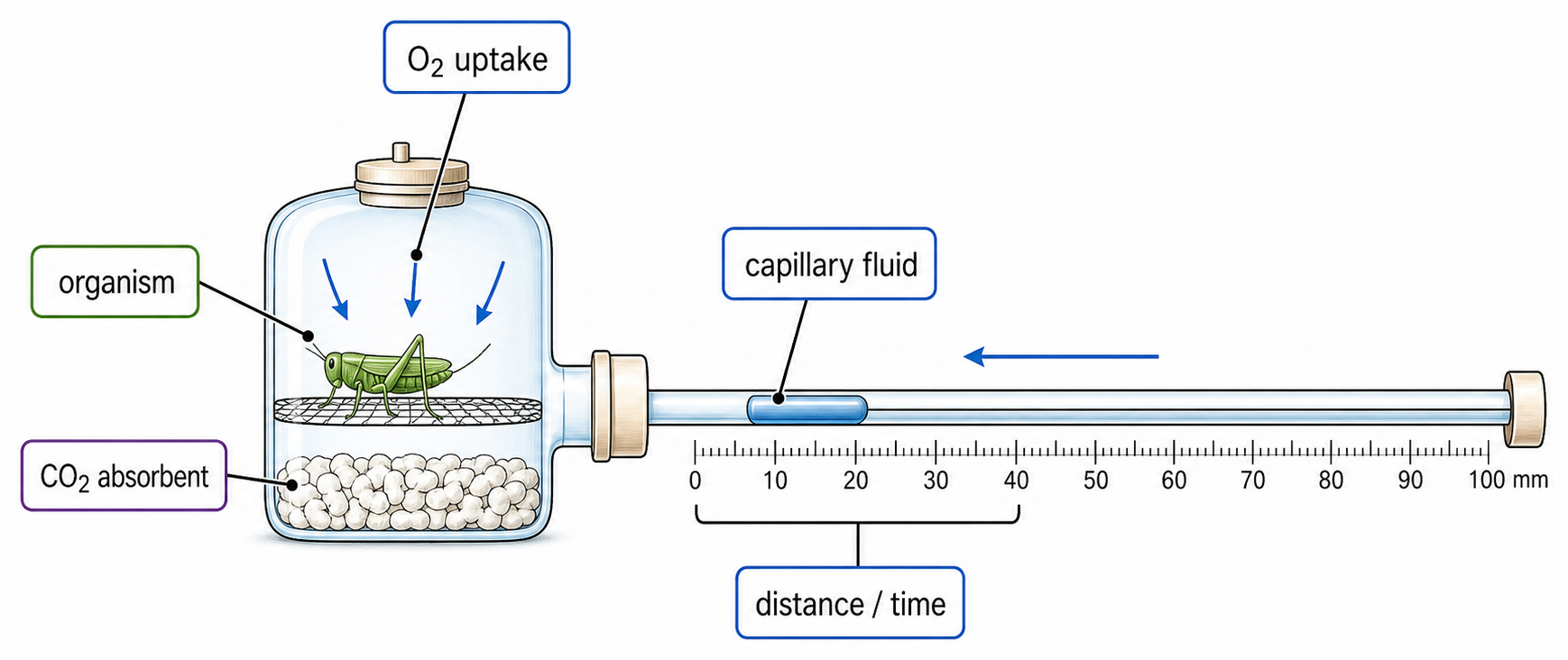
• Rate depends on metabolic demand, organism size, oxygen, substrate, temperature, and pH

• Respirometers measure oxygen uptake while soda lime absorbs CO₂

ConceptIB Biology SL