EduNinja
[Maximum number: 1]

The St. Lawrence river in Canada has been identified as an area with very high biodiversity.

(a)

The St. Lawrence river is rich in species of aquatic mammals, especially whales.

In spring, thousands of whales swim from the Atlantic ocean up the St. Lawrence river. Thirteen different species of whale have been recorded. One of these is the blue whale, Balaenoptera musculus.

Fig. 1.1 is a diagram of a blue whale.
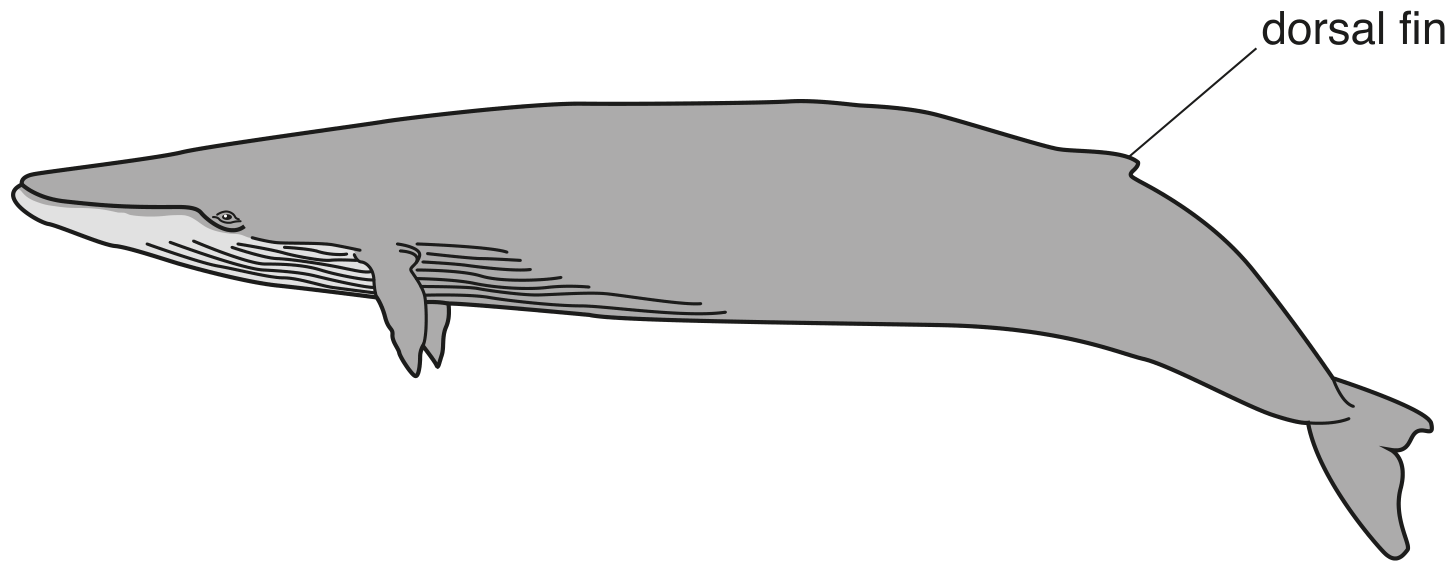
Fig. 1.1

Fig. 1.1

Photographs of blue whales are analysed by computer so that individual whales can be identified and population abundance can be estimated. Each blue whale is different in colour and in the shape of dorsal fin. Different whales also have different patterns of scarring.

[ 1 ]
(i)

Suggest one reason why it is difficult to measure the actual population size of the blue whale.
[ 1 ]
[Maximum number: 2]

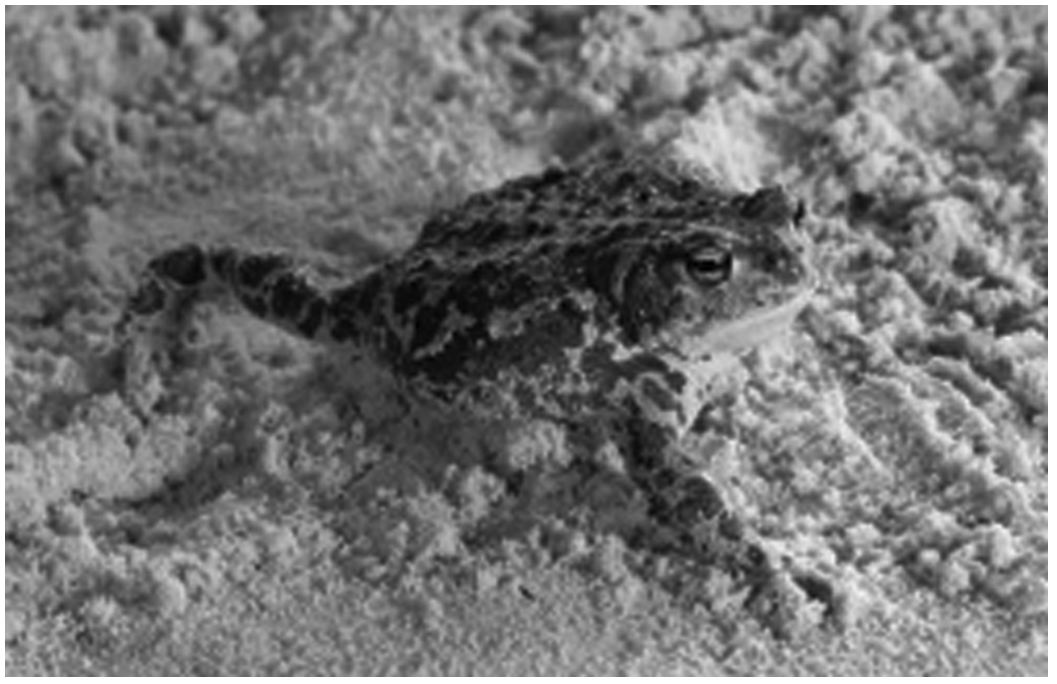
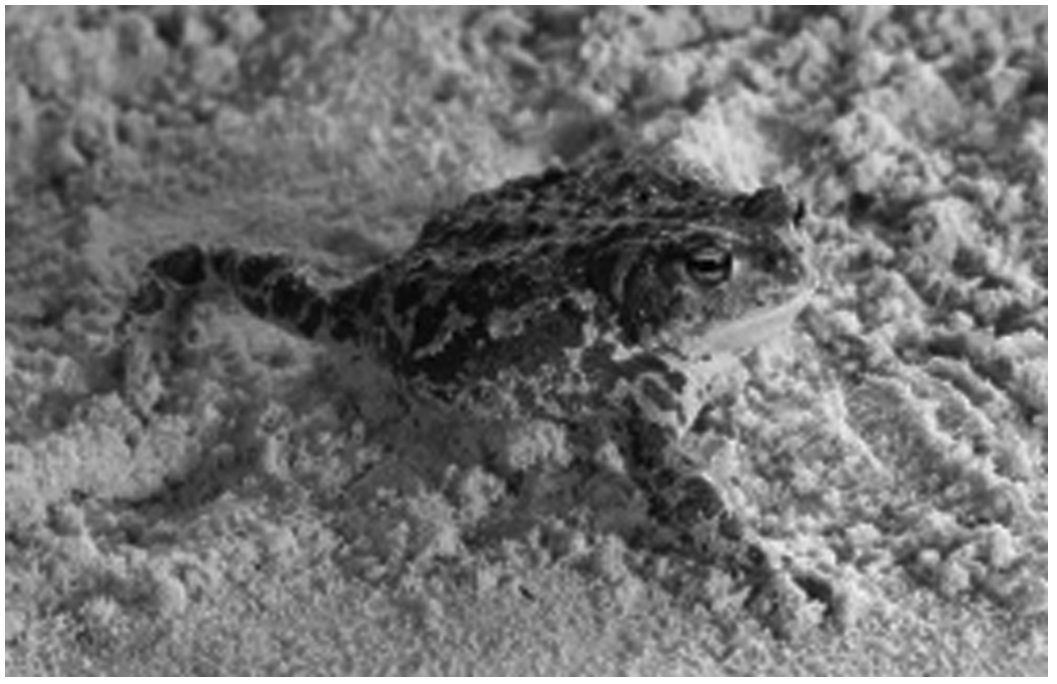
The natterjack toad, Bufo calamita, is an endangered amphibian species in the UK. It comes out of hibernation in April and breeds in pools by sand dunes along parts of the UK coast. A young natterjack toad will take about 10 weeks to develop from a fertilised egg. A natterjack toad feeds at night, by running at its prey, mainly insects and worms, on the sand dunes.

Fig. 1.1 shows a natterjack toad.

Fig. 1.1

Fig. 1.1

(a)

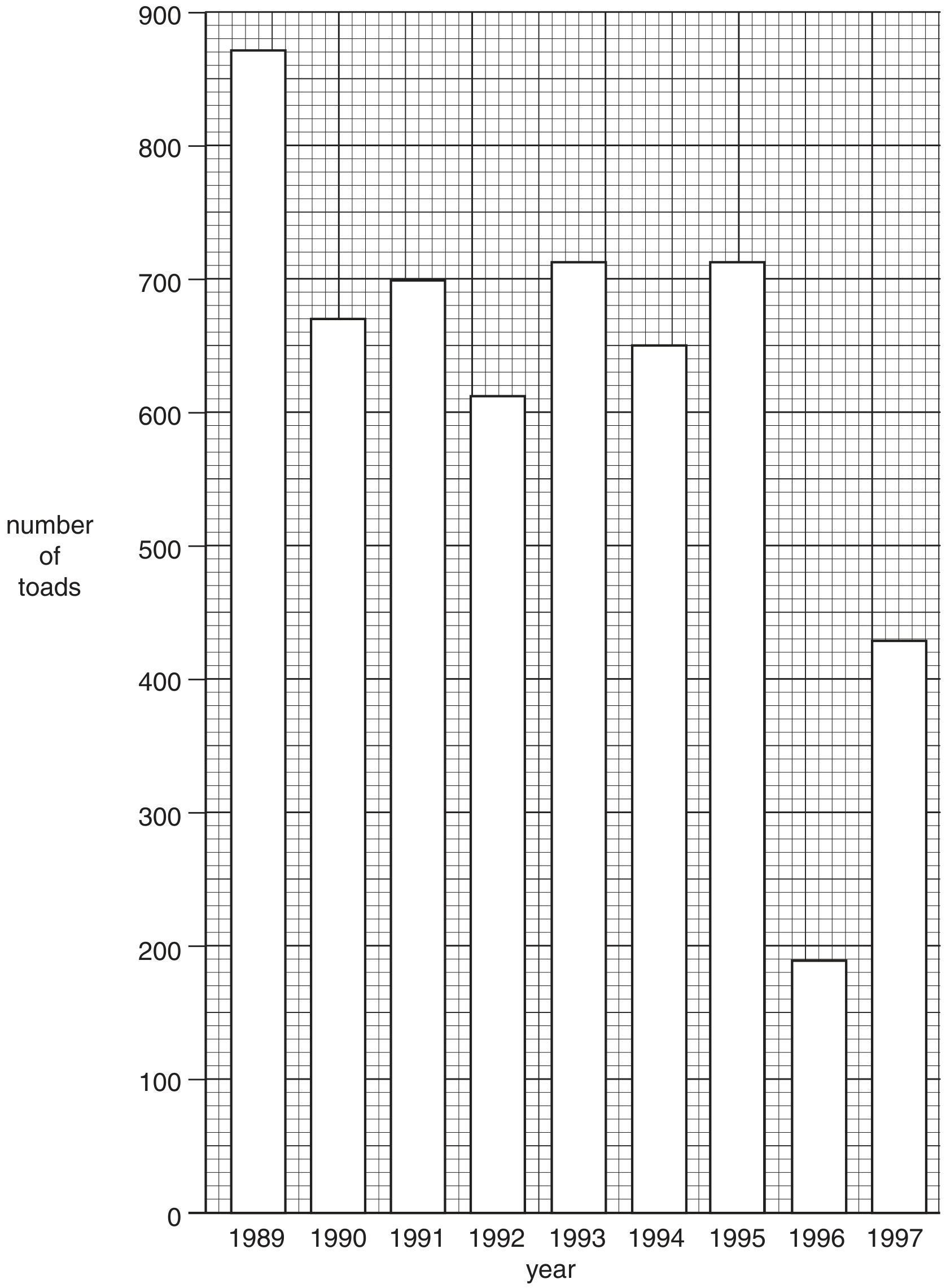
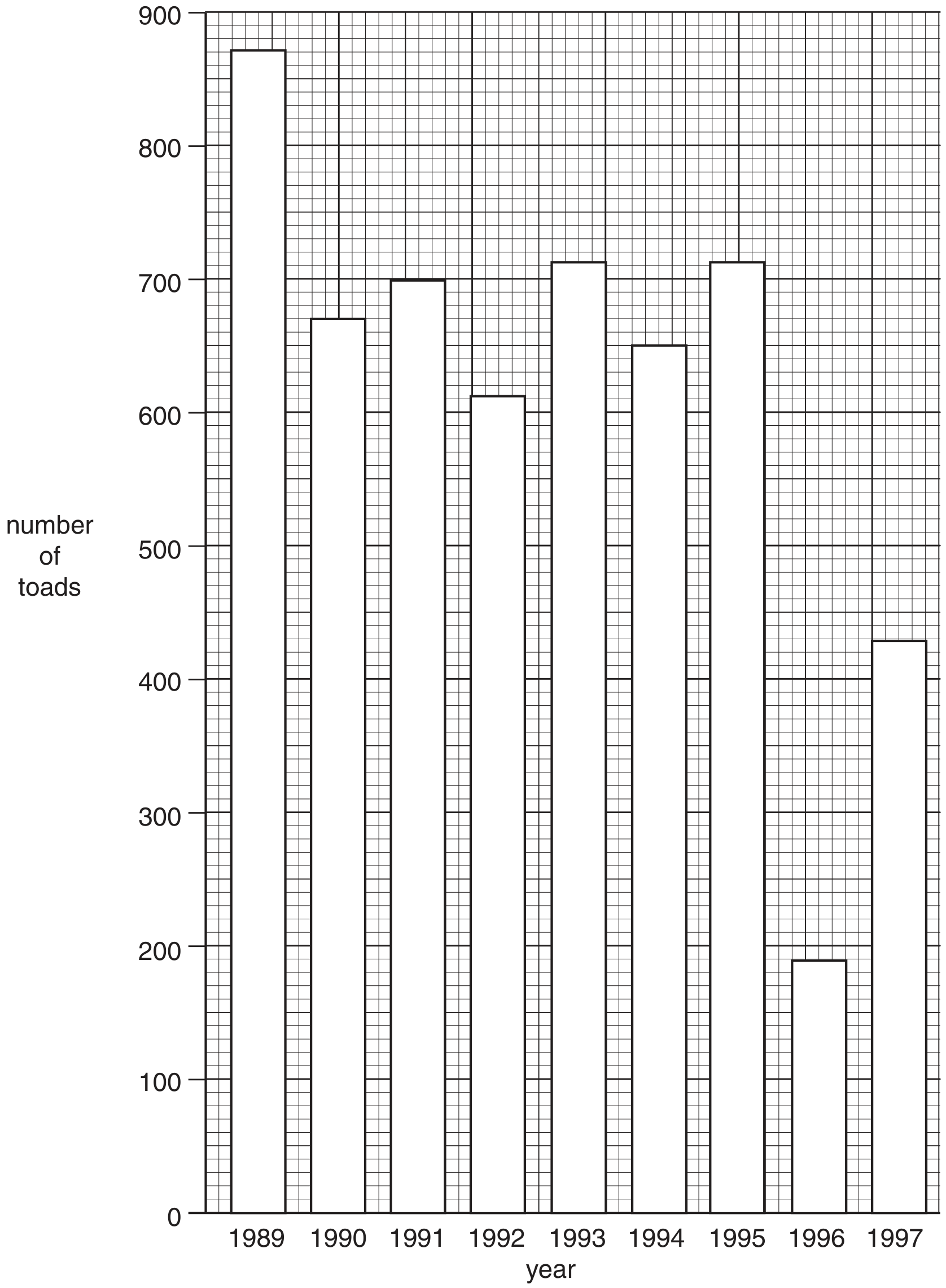
Fig. 1.2 shows the number of adult natterjack toads counted from 1989 to 1997 in one area of the UK.

Fig. 1.2

Fig. 1.2

Calculate the mean annual number of adult natterjack toads counted from 1989 to 1997.

Give your answer to the nearest whole number.
Show your working.

[ 2 ]
[Maximum number: 5]

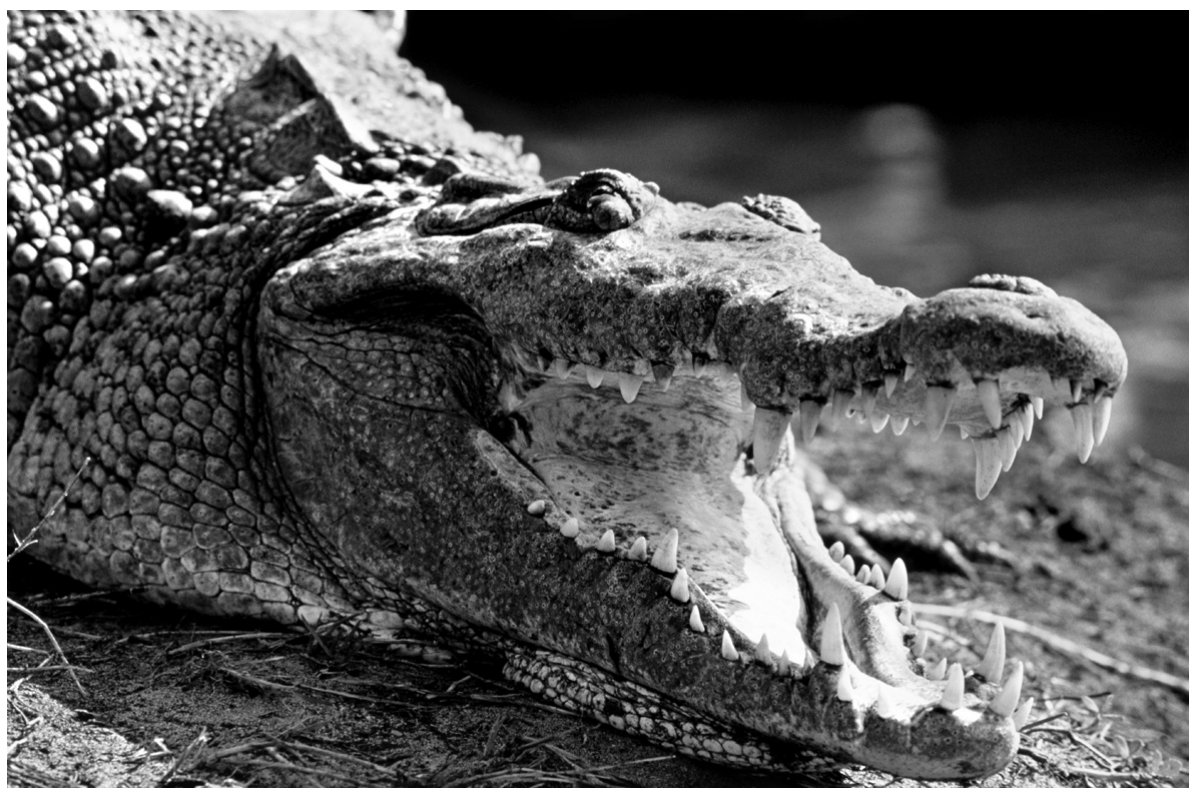
The American crocodile, Crocodylus acutus, was classified as an endangered species by the USA in 1975. It is found in estuarine regions of southern Florida.

Fig. 1.1 shows an American crocodile.

Fig. 1.1

Fig. 1.1

The salinity of the water was thought to play a part in the distribution of the American crocodile.

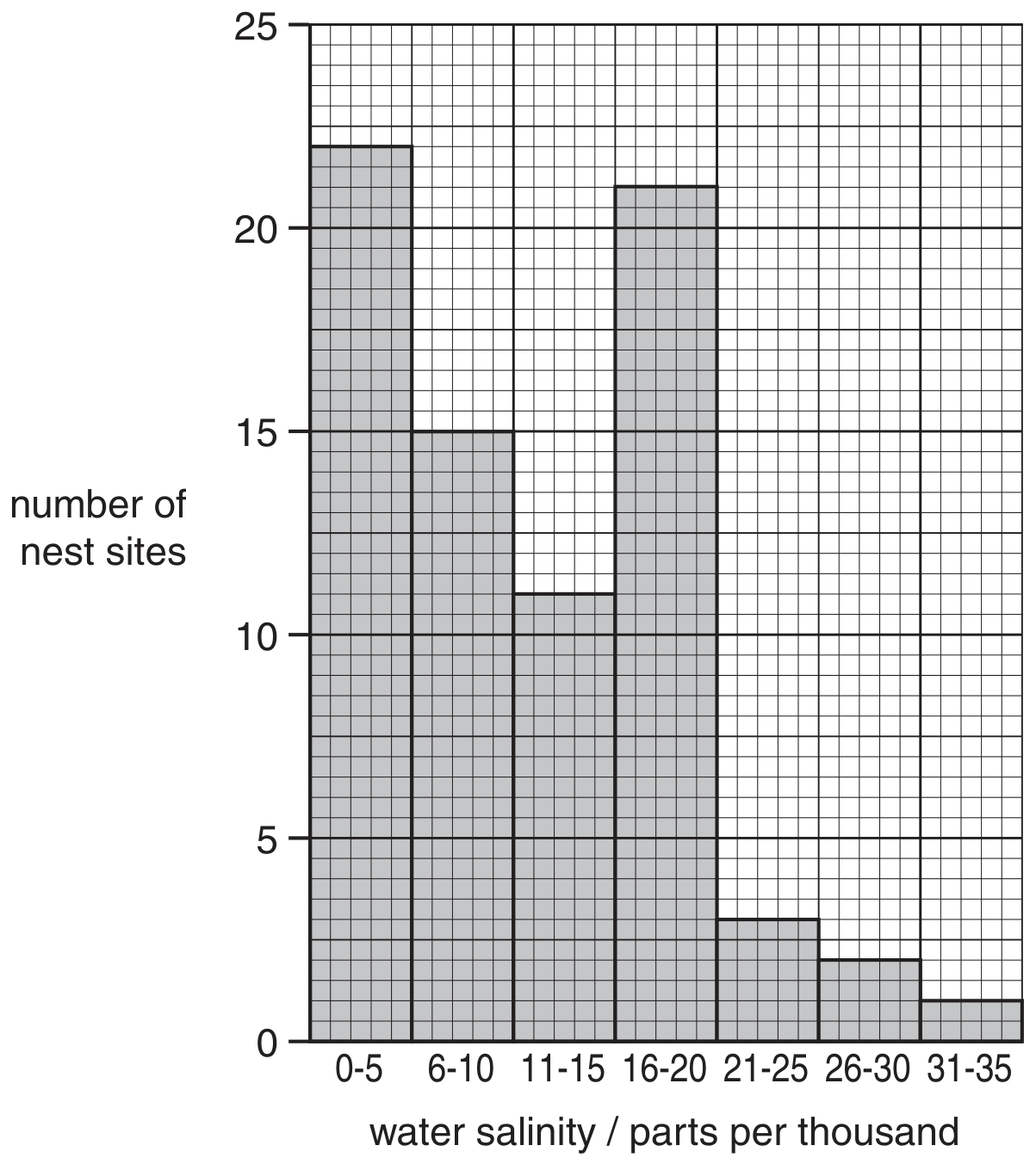
Fig. 1.2 shows the number of American crocodile nest sites in areas with water of varying salinity in southern Florida.

Fig. 1.2

Fig. 1.2

(a)

Describe the results shown in Fig. 1.2.

[ 3 ]
(b)

Much conservation work has been done in the Everglades National Park in Florida, which is a large wetland area. As a result the number of nest sites has increased from 8 in 1975 to 31 in 2000. This has led to a rise in the number of crocodiles.

[ 2 ]
(i)

Calculate the percentage increase in nest sites between 1975 and 2000.

Show your working.
answer \%

[ 2 ]
[Maximum number: 2]

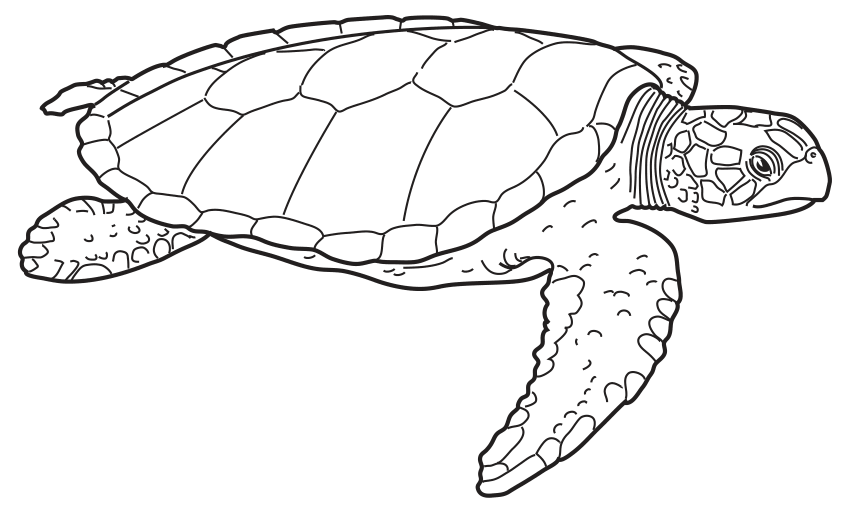
The flatback turtle, Natator depressus, is an endangered species that nests on northern Australian beaches.

Fig. 1.1 shows a flatback turtle.

Fig. 1.1

Fig. 1.1

Each female lays approximately 50 eggs per nest, which is a smaller number than all other species of marine turtle. The eggs are buried in the sand and when the hatchlings emerge each has a mass of approximately 43 g . Unlike most marine turtles, flatback turtles spend most of their time in coastal waters. This is where they feed and mate.

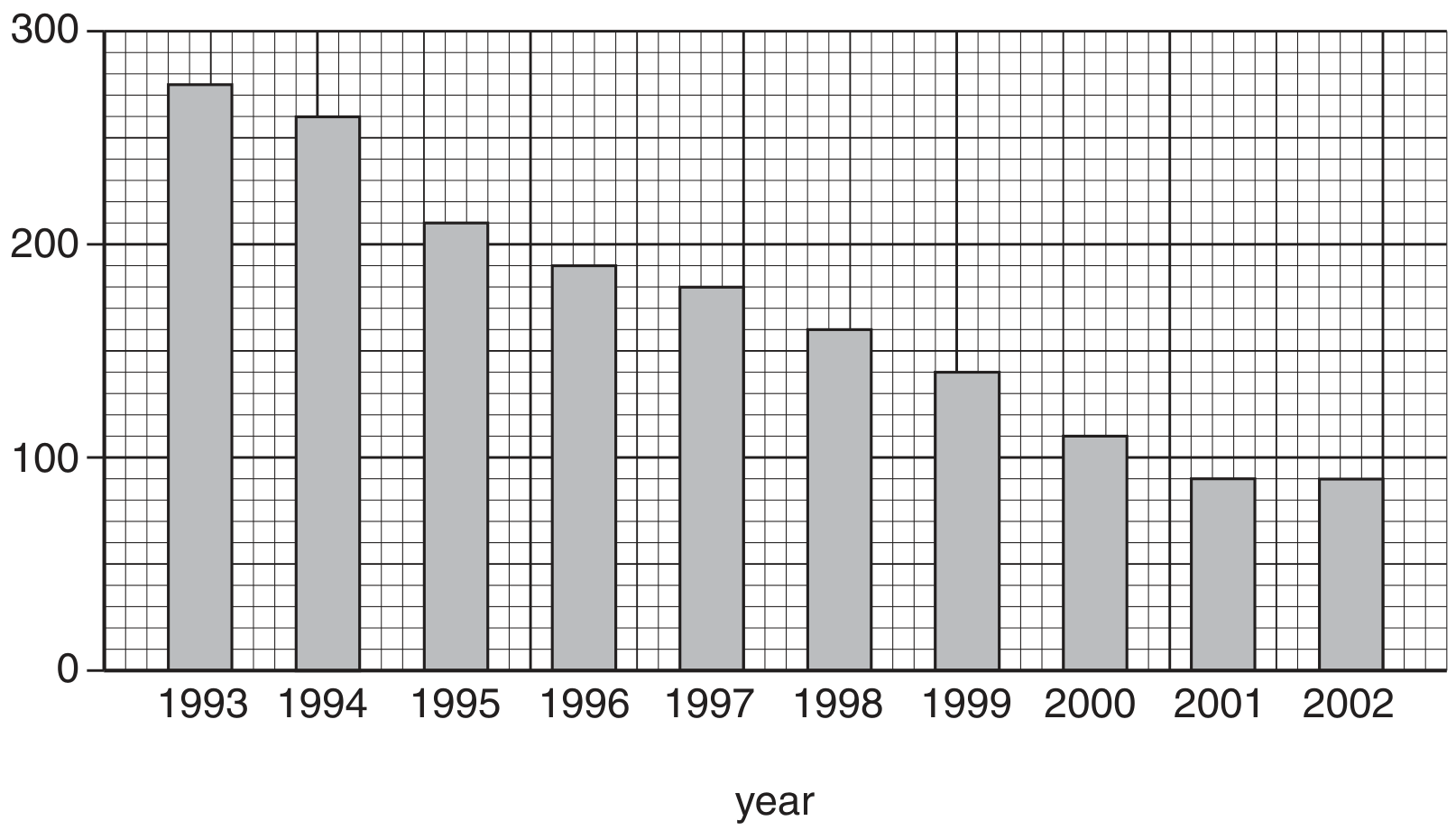
Fig. 1.2 shows the numbers of female flatback turtles nesting on a beach in northern Australia between 1993 and 2002.
number of female turtles nesting

Fig. 1.2

Fig. 1.2

(a)

Calculate the mean rate of decrease in the numbers of females nesting between 1993 and 2002.

Show all the steps in your calculation.

\author{
Answer
}

[ 2 ]
[Maximum number: 3]

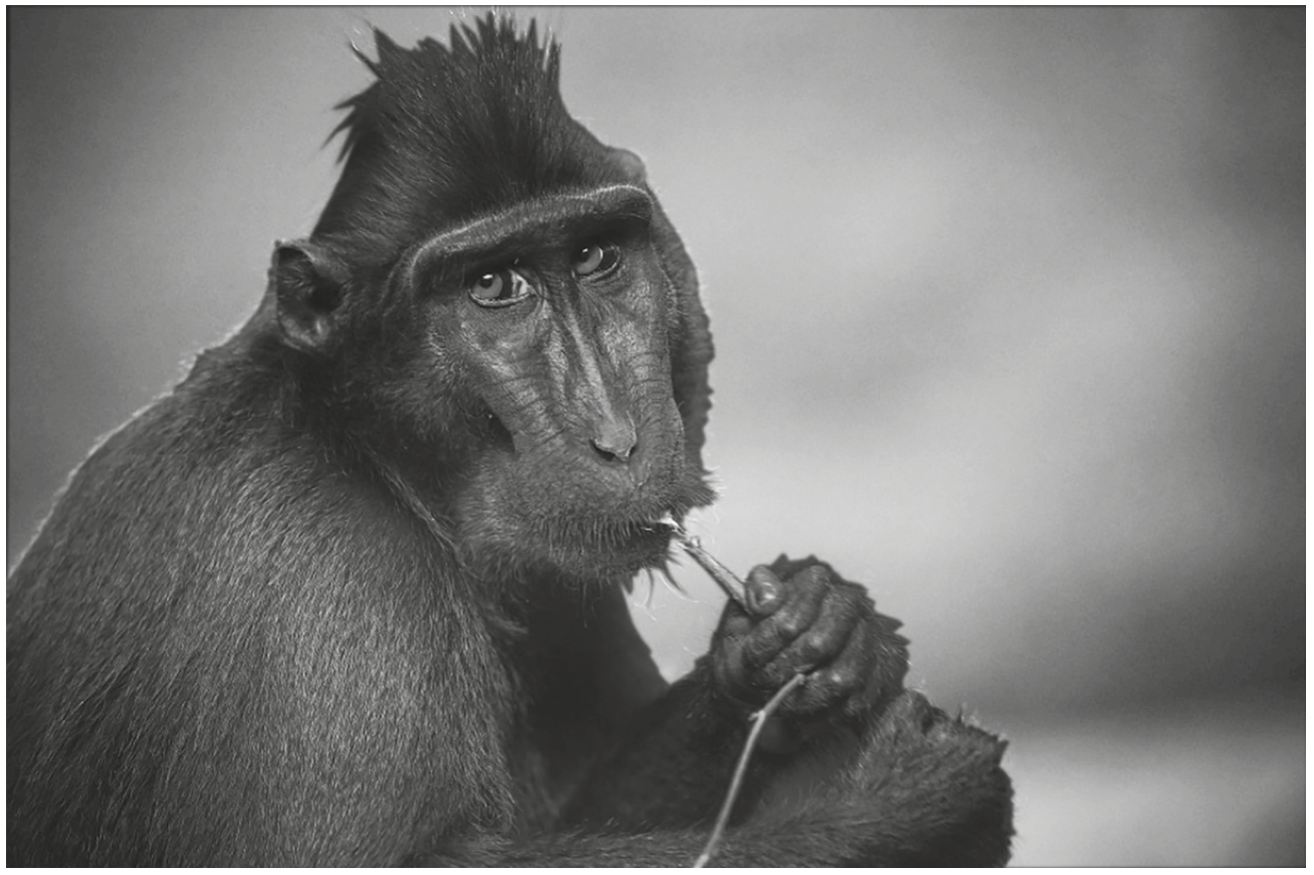
The Sulawesi macaque, Macaca nigra, is found on the large island of Sulawesi in Indonesia. The Sulawesi macaque is also found on other smaller islands close to Sulawesi, such as the island of Bacan.

Fig. 1.1 shows a Sulawesi macaque.

Fig. 1.1

Fig. 1.1

(a)

The International Union for Conservation of Nature (IUCN) is the world's largest global environmental organisation. The IUCN Red List of Threatened Species TM { }^{\text {TM }} evaluates the conservation status of plant and animal species. The Sulawesi macaque is categorised as critically endangered on the IUCN Red List.

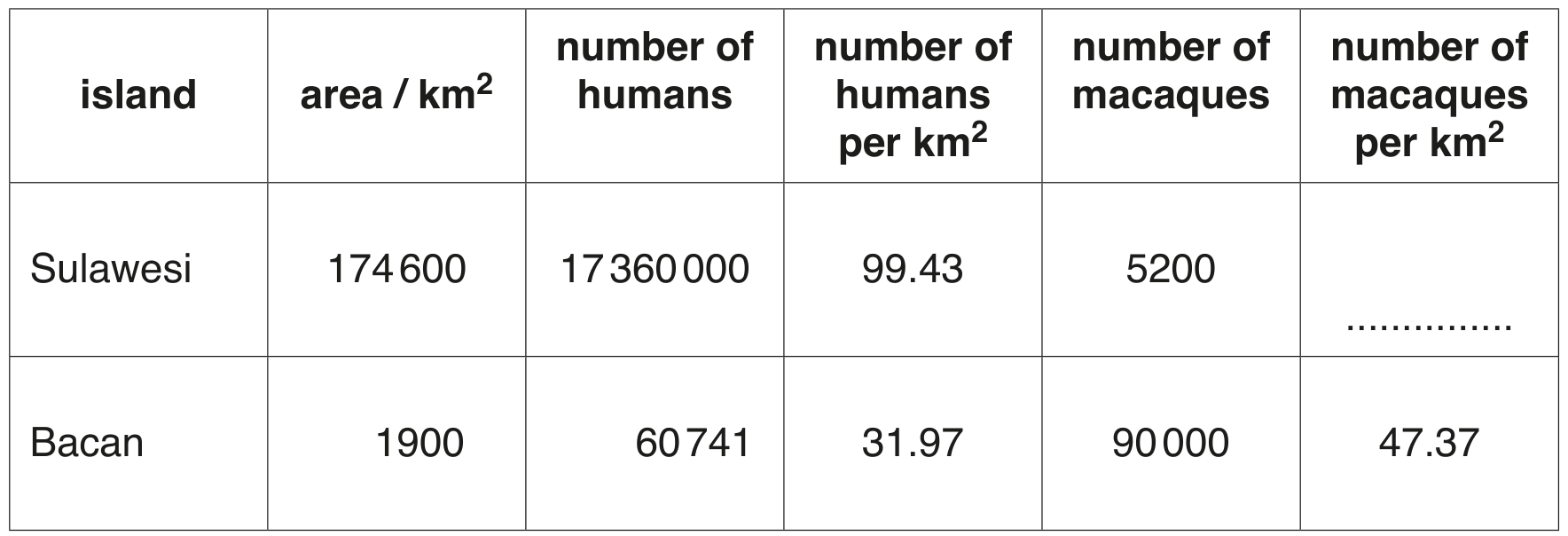
Table 1.1 shows the numbers of humans and the numbers of Sulawesi macaques on Sulawesi and Bacan.

Table 1.1

Table 1.1

[ 3 ]
(i)

Calculate the number of macaques per km2\mathrm{km}^{2} for Sulawesi.

Write your answer in Table 1.1.

[ 3 ]

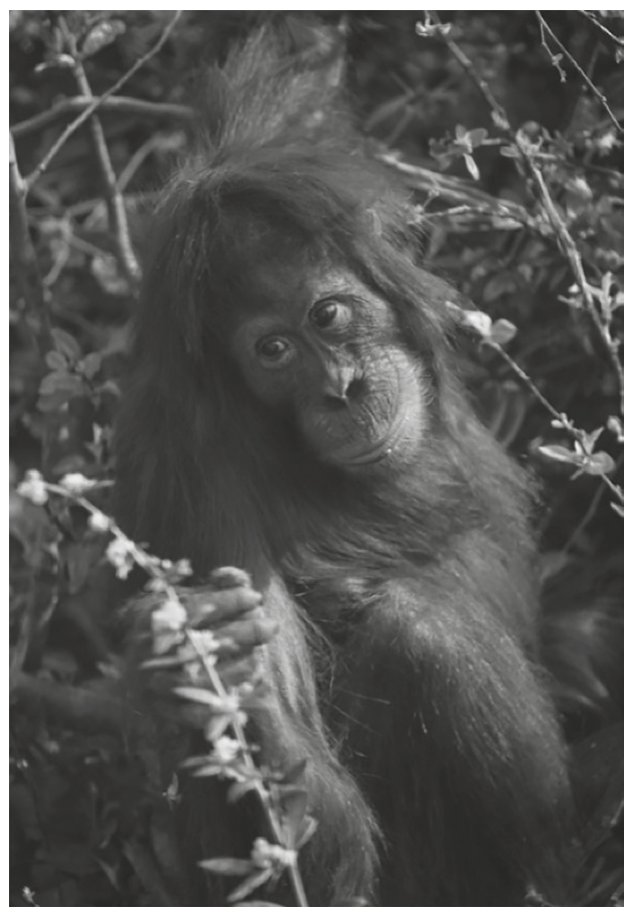
The Sumatran orangutan, Pongo abelii, is found only on the island of Sumatra, Indonesia.
Fig. 1.1 shows a Sumatran orangutan.

Fig. 1.1

Fig. 1.1

(a)

The International Union for Conservation of Nature (IUCN) is the world's largest global environmental organisation. The IUCN Red List of Threatened Species ™ { }^{\text {™ }} evaluates the conservation status of plant and animal species. The Sumatran orangutan is categorised as critically endangered on the IUCN Red List.

The Sumatran orangutan spends most of its time in trees and is very sensitive to habitat destruction.

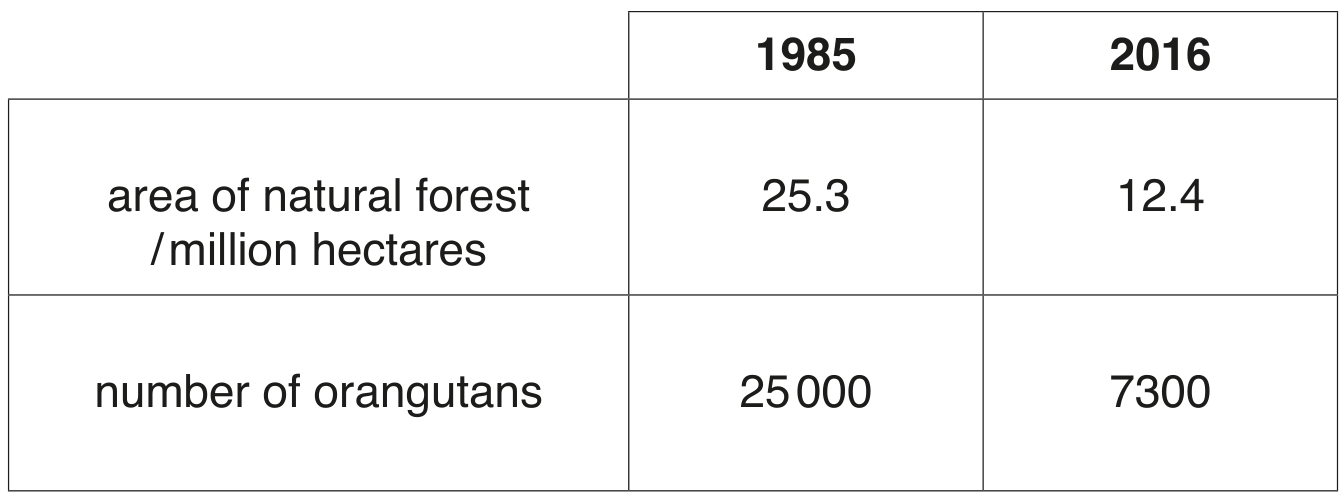
Table 1.1 shows the area of natural forest of Sumatra and the numbers of orangutans in 1985 and 2016.

Table 1.1

Table 1.1

(i)

Calculate the mean annual decrease in orangutan numbers between 1985 and 2016.

Show your working.
Give your answer to the nearest whole number.

mean annual decrease =
[Maximum number: 2]

The natterjack toad, Bufo calamita, is an endangered amphibian species in the UK. It comes out of hibernation in April and breeds in pools by sand dunes along parts of the UK coast. A young natterjack toad will take about 10 weeks to develop from a fertilised egg. A natterjack toad feeds at night, by running at its prey, mainly insects and worms, on the sand dunes.

Fig. 1.1 shows a natterjack toad.

Fig. 1.1

Fig. 1.1

(a)

Fig. 1.2 shows the number of adult natterjack toads counted from 1989 to 1997 in one area of the UK.

Fig. 1.2

Fig. 1.2

Calculate the mean annual number of adult natterjack toads counted from 1989 to 1997.

Give your answer to the nearest whole number.
Show your working.

[ 2 ]
[Maximum number: 1]

The natural ecosystem on Hawadax Island in Alaska was disrupted in the 1780s when brown rats, Rattus norvegicus, swam to the island from a sinking ship and then rapidly increased their population size.

The rats occupied a new niche on the island as predators. The rats ate the eggs and chicks of birds such as the black oystercatcher, Haematopus bachmani, and the glaucous-winged gull, Larus glaucescens. These birds make nests, lay eggs and rear their chicks on the beaches of the island.

(a)

To measure the abundance of invertebrates and seaweeds, the ecologists used this method:
- They laid 30 m tapes from high-tide mark to low-tide mark on the beach.
- They placed quadrats at 5 metre intervals next to the tapes.
- They took a photograph of each quadrat.
- They analysed the photographs to calculate the percentage cover of seaweeds and the percentage cover of invertebrates such as mussels and sea snails.

[ 1 ]
(i)

State the name of the sampling technique used.

[ 1 ]
[Maximum number: 3]

Biodiversity can be assessed at three different levels. One of these is the genetic variation within each species.

(a)

Genetic variation is considered important in the conservation of species. Low genetic variation is assumed to decrease the chance of the long-term survival of a species.

[ 3 ]
(i)

Assess whether the data in Fig. 2.2 provide support for the prediction you made in 2(d)(ii).

[ 3 ]
(a)

Suggest what epidemiological evidence would lead to the conclusion that tobacco smoking is a risk factor for TB.

[ 2 ]
0