EduNinja
[Maximum number: 1]

The St. Lawrence river in Canada has been identified as an area with very high biodiversity.

(a)

Algal blooms sometimes occur in the area of the Atlantic ocean near the St. Lawrence river. These result from rapid population growth of unicellular algae such as Alexandrium tamarense.

[ 1 ]
(i)

Algae, such as A. tamarense, used to belong to the kingdom Plantae but are now classified in the kingdom Protoctista.

State one reason why A. tamarense is classified in the kingdom Protoctista and not in the kingdom Plantae.

[ 1 ]
[Maximum number: 2]

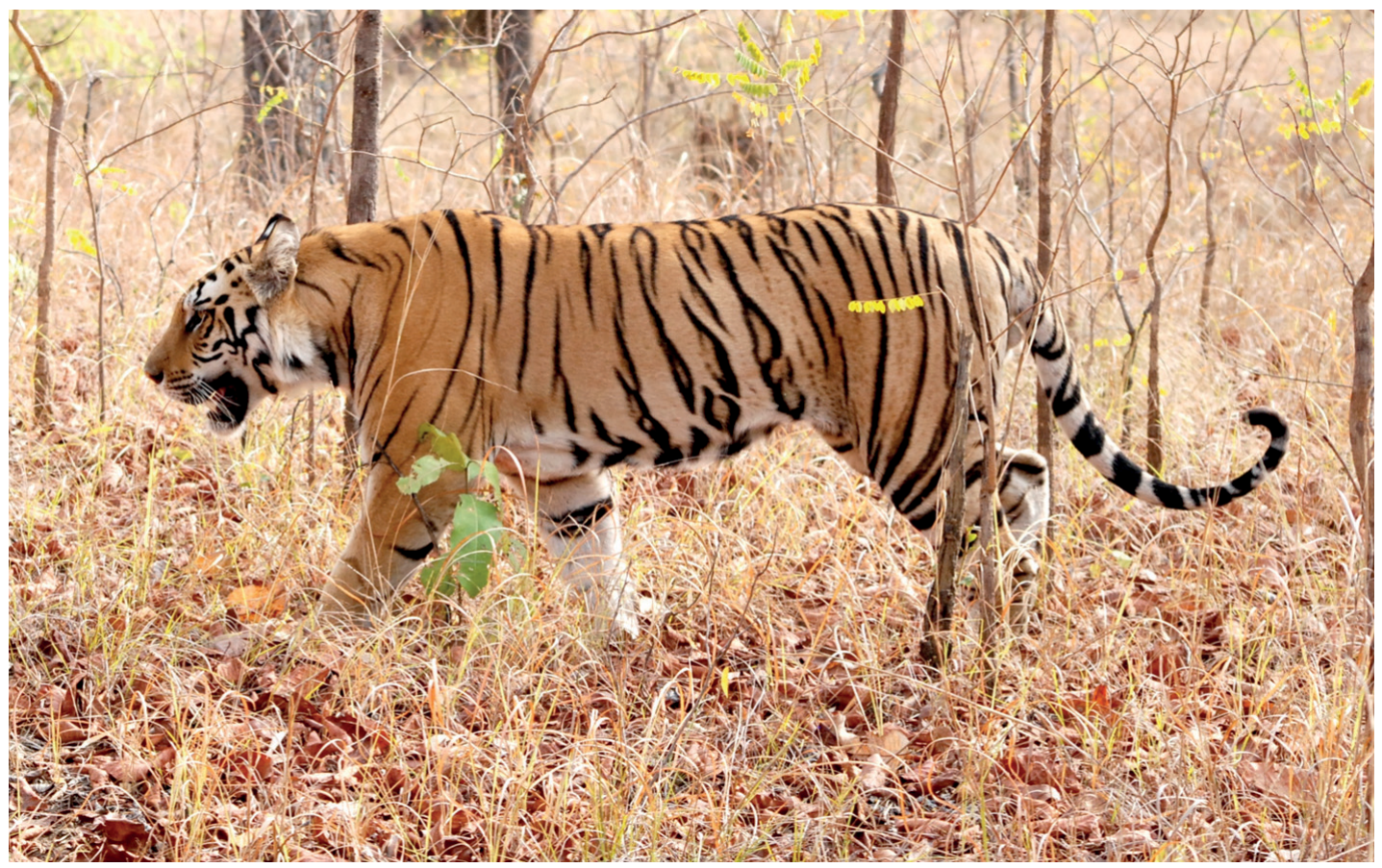
The Bengal Tiger, Panthera tigris tigris, is an endangered mammalian species of Southern Asia. It lives mostly in a forest habitat.

Fig.1.1 shows a Bengal Tiger.

Fig. 1.1

Fig. 1.1

(a)

The Bengal Tiger belongs to the kingdom Animalia. State two differences between members of the kingdom Animalia and the kingdom Plantae.

[ 2 ]

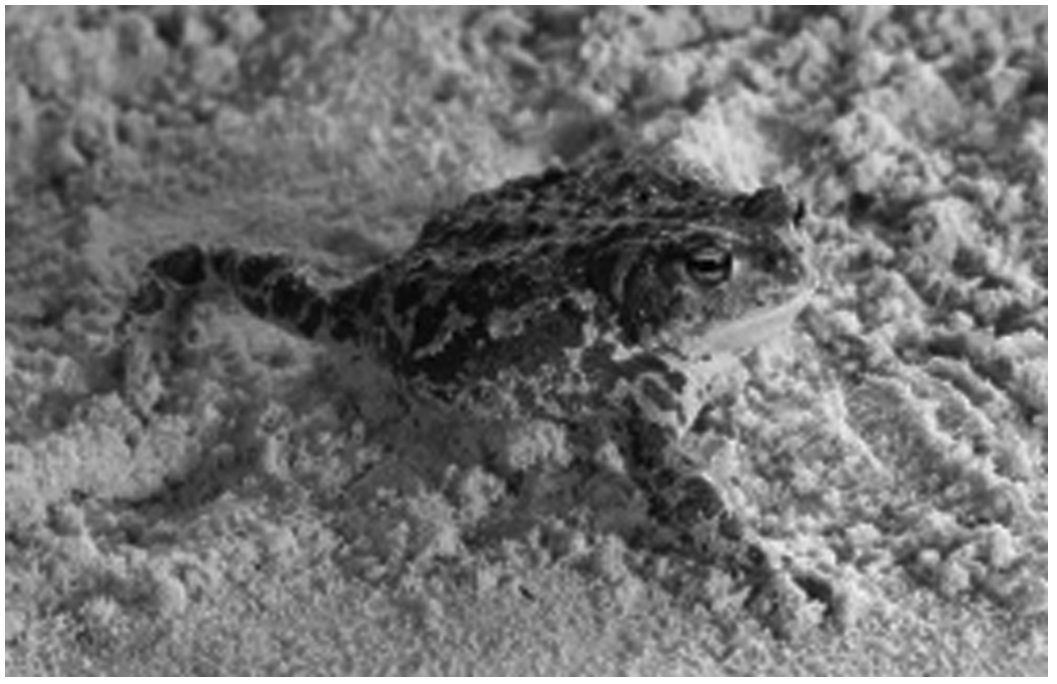
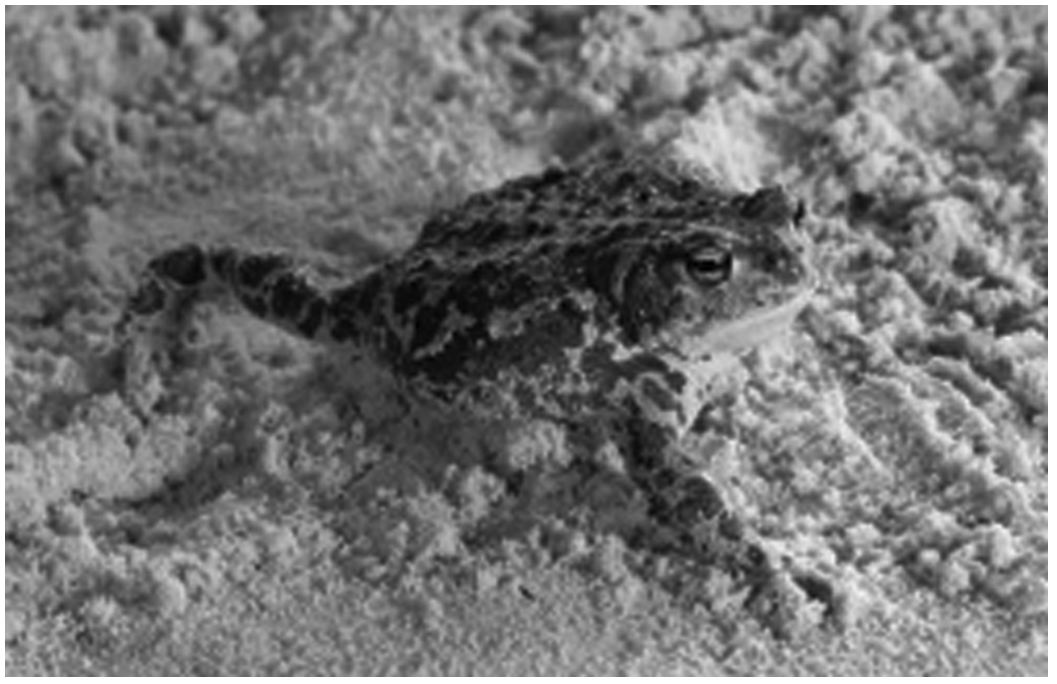
The natterjack toad, Bufo calamita, is an endangered amphibian species in the UK. It comes out of hibernation in April and breeds in pools by sand dunes along parts of the UK coast. A young natterjack toad will take about 10 weeks to develop from a fertilised egg. A natterjack toad feeds at night, by running at its prey, mainly insects and worms, on the sand dunes.

Fig. 1.1 shows a natterjack toad.

Fig. 1.1

Fig. 1.1

(a)

The natterjack toad is heterotrophic.

(i)

Explain what is meant by heterotrophic.

(ii)

Name two kingdoms that are exclusively heterotrophic.
1.

[Maximum number: 1]

The natterjack toad, Bufo calamita, is an endangered amphibian species in the UK. It comes out of hibernation in April and breeds in pools by sand dunes along parts of the UK coast. A young natterjack toad will take about 10 weeks to develop from a fertilised egg. A natterjack toad feeds at night, by running at its prey, mainly insects and worms, on the sand dunes.

Fig. 1.1 shows a natterjack toad.

Fig. 1.1

Fig. 1.1

(a)

The natterjack toad is heterotrophic.

[ 1 ]
(i)

Name two kingdoms that are exclusively heterotrophic.
1.
2.

[ 1 ]
[Maximum number: 2]

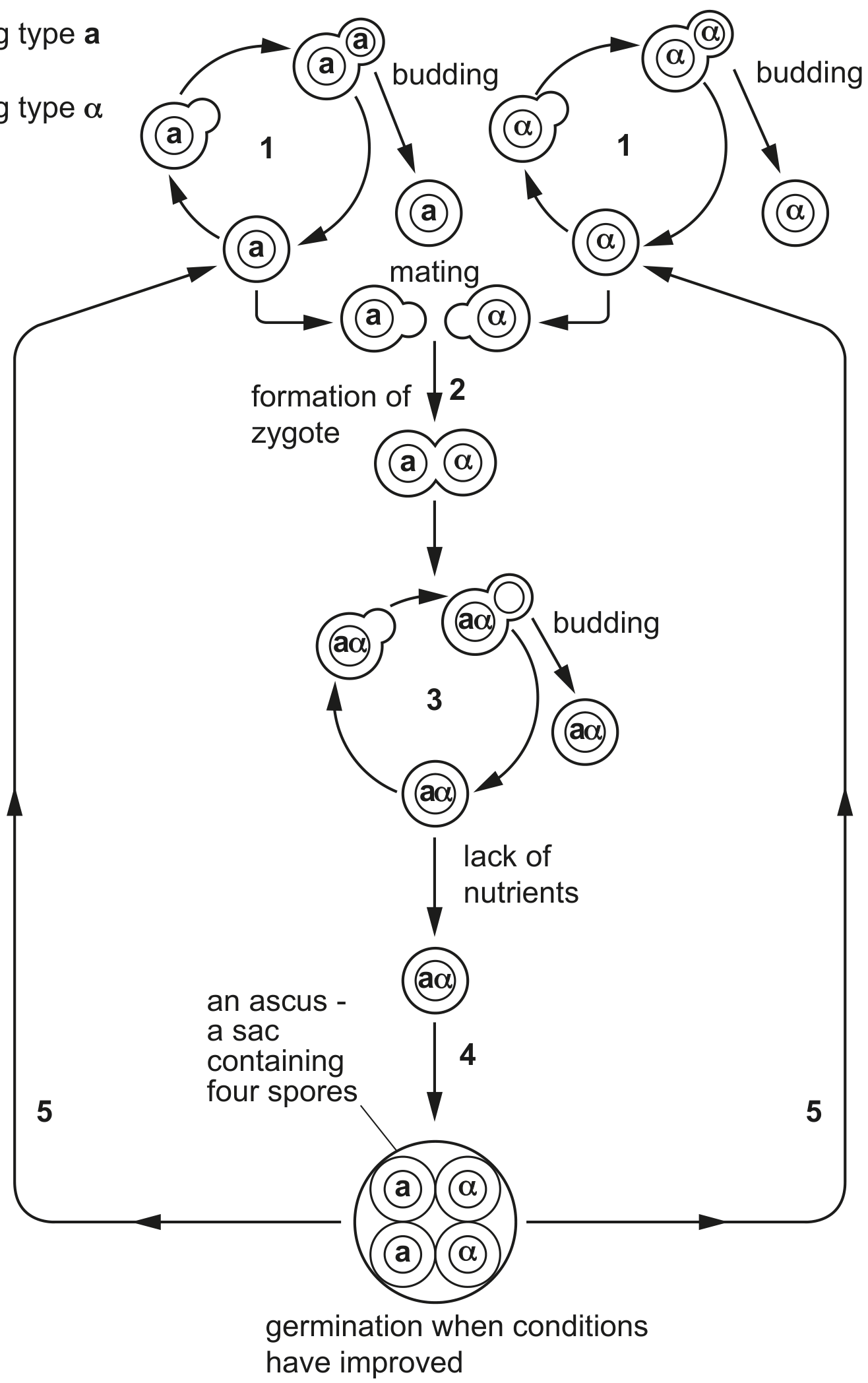
Yeasts are unicellular organisms from the kingdom Fungi. Saccharomyces cerevisiae is one species of yeast that can carry out either asexual reproduction by mitosis or sexual reproduction by meiosis.

Budding in S. cerevisiae is a process where a small daughter cell forms as a bud on the parent cell. The bud contains a copy of the parent cell nucleus and it eventually separates from the parent cell to form a new cell.
S. cerevisiae can exist in two forms: haploid cells or diploid cells.
- Haploid cells can be one of two different mating types: a and α\boldsymbol{\alpha}.
- Haploid cells can only mate with other haploid cells of the opposite mating type.

Key: (a) mating type a

 @ mating type α\text { @ mating type } \alpha
Fig. 2.1

Fig. 2.1

(a)

State two features, other than reproduction using spores, of the kingdom Fungi.

[ 2 ]
[Maximum number: 3]

The natural ecosystem on Hawadax Island in Alaska was disrupted in the 1780s when brown rats, Rattus norvegicus, swam to the island from a sinking ship and then rapidly increased their population size.

The rats occupied a new niche on the island as predators. The rats ate the eggs and chicks of birds such as the black oystercatcher, Haematopus bachmani, and the glaucous-winged gull, Larus glaucescens. These birds make nests, lay eggs and rear their chicks on the beaches of the island.

(a)

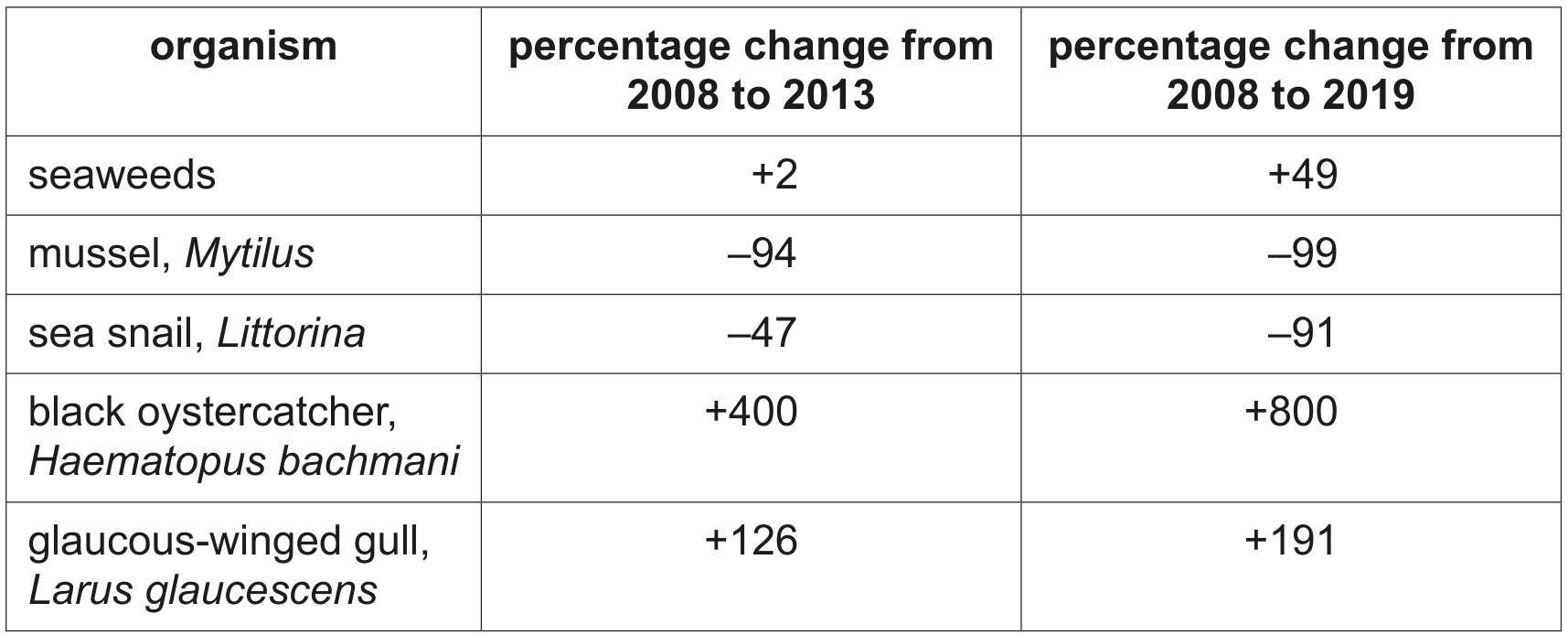
Table 2.1 shows the percentage change in abundance of some of the seaweeds, invertebrates and birds found on the beaches of Hawadax Island.

Table 2.1

Table 2.1

[ 3 ]
(i)

Use Table 2.1 to state the genus name of one organism that has increased in abundance.

[ 1 ]
(ii)

Seaweeds were once thought to be plants but are now classified in the kingdom Protoctista.

Outline the features of the kingdom Protoctista that are shown by seaweeds.

[ 2 ]
[Maximum number: 1]

Biodiversity can be assessed at three different levels. One of these is the genetic variation within each species.

(a)

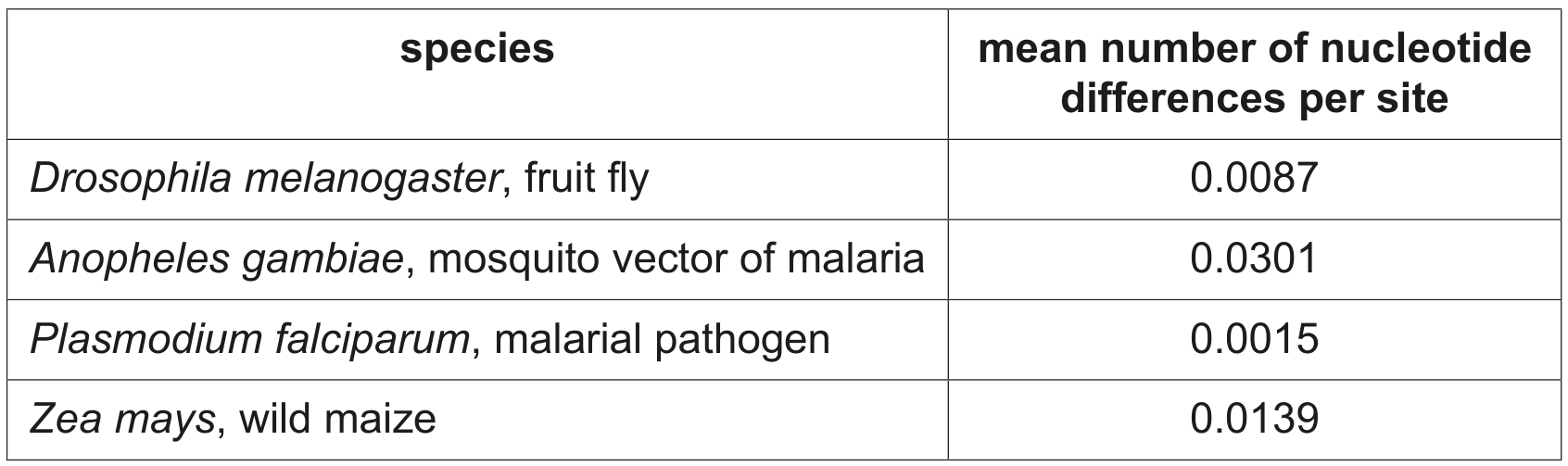
Table 2.1 shows the mean number of nucleotide differences per site of some species.

Table 2.1

Table 2.1

[ 1 ]
(i)

State how many kingdoms of organisms are represented in Table 2.1.

[ 1 ]
(a)

State the structural features that are characteristic of a wind-pollinated flower and explain how each feature contributes to successful pollination.

[ 5 ]
(a)

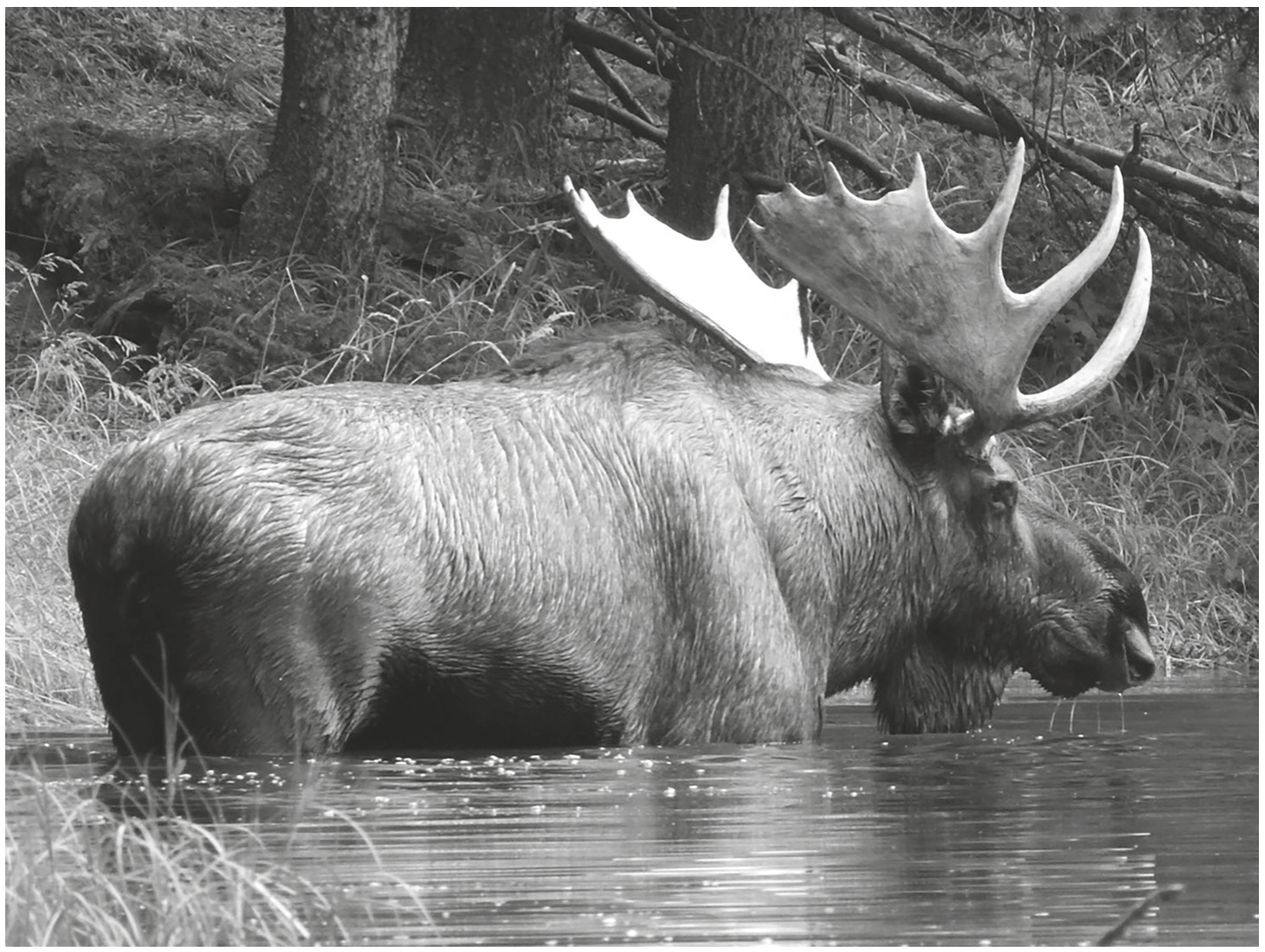
The moose, Alces alces, is a large member of the deer family. It lives in temperate forests in North America and northern Europe, where snow is present for large parts of the year.

Fig. 10.1 shows an adult male moose feeding in a lake.

Fig. 10.1

Fig. 10.1

The moose feeds on a plant in the lake called watermilfoil, Myriophyllum aquaticum.
The moose and the watermilfoil belong to the domain Eukarya, which includes the kingdoms Animalia and Plantae.

Describe the main differences between the kingdom Animalia and the kingdom Plantae.

[ 4 ]
0