EduNinja
(a)

The aye-aye, Daubentonia madagascariensis, is a mammal, native to Madagascar. Aye-ayes are active at night and make their nests high up in trees. They feed on insect larvae in the trunks of trees.

Fig. 1.1 shows an aye-aye.
Fig. 1.1

Fig. 1.1

The International Union for Conservation of Nature (IUCN) categorises the aye-aye as endangered. This means that the aye-aye has a very high risk of becoming extinct in the wild.

[ 1 ]
(i)

Name the domain to which the aye-aye belongs.

[ 1 ]
(a)

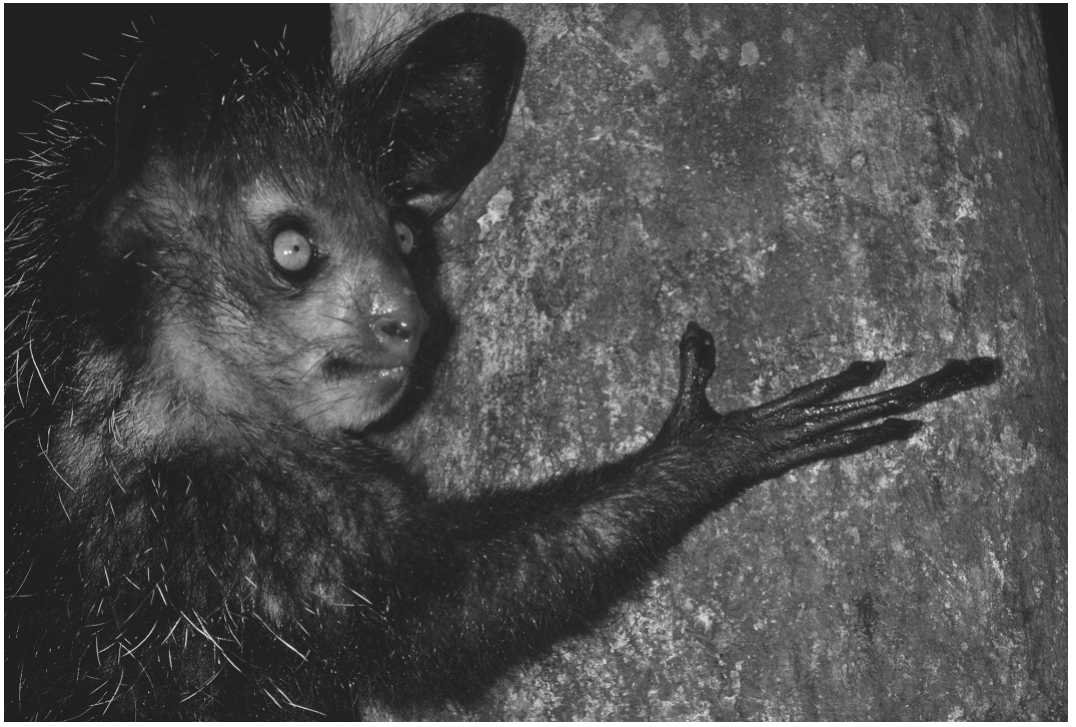
The aye-aye, Daubentonia madagascariensis, is a primate native to Madagascar. Aye-ayes are nocturnal (active at night) and make their nests high up in trees. They feed on insect larvae in the trunks of trees.

Fig. 1.1 shows an aye-aye.

Fig. 1.1

Fig. 1.1

The International Union for Conservation of Nature (IUCN) is the world's largest global environmental organisation. The IUCN Red List of Threatened Species TM { }^{\text {TM }} evaluates the conservation status of plant and animal species.

The aye-aye is categorised as endangered on the IUCN Red List, which means that it faces a very high risk of becoming extinct in the wild.

[ 1 ]
(i)

Name the domain to which the aye-aye belongs.

[ 1 ]
[Maximum number: 1]

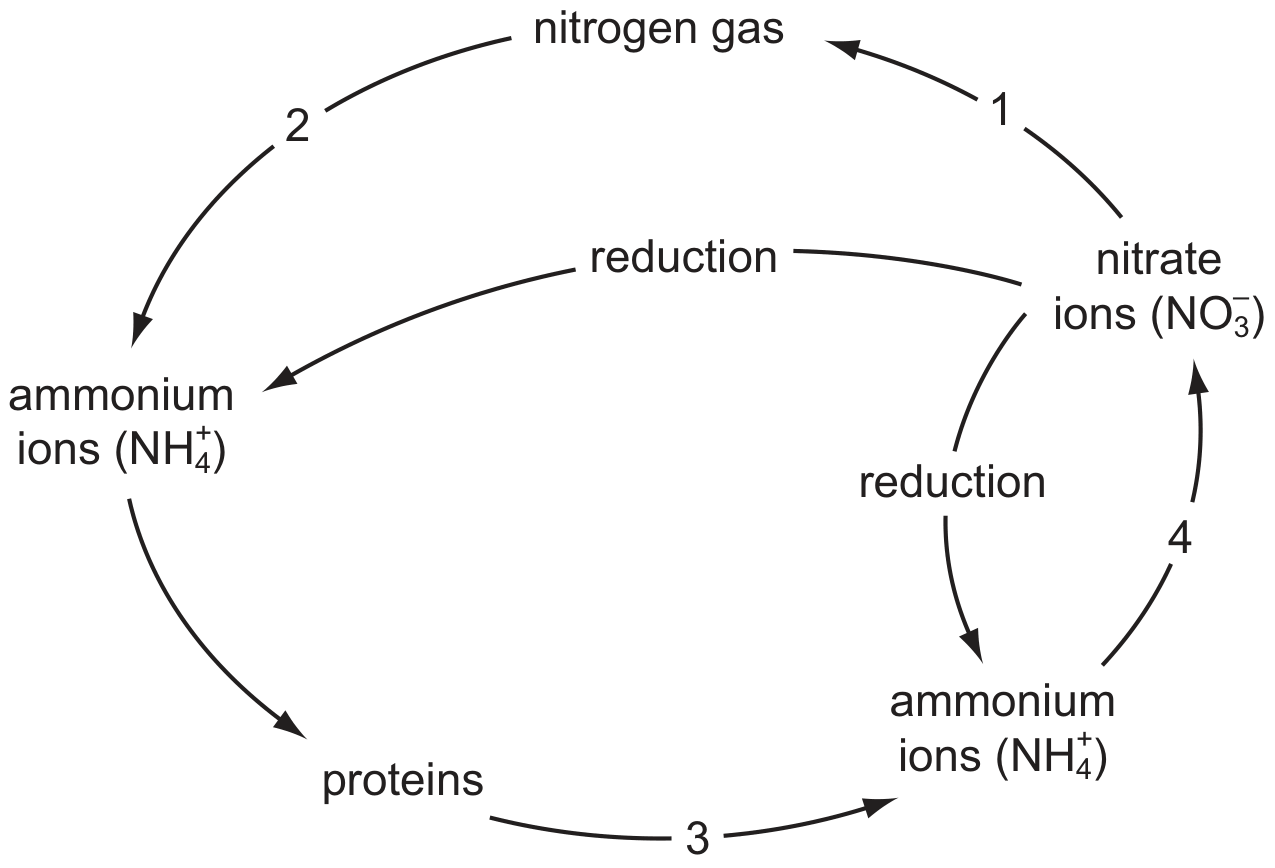
The diagram shows part of the nitrogen cycle.

Question image

Which sequence of numbers correctly shows the roles of different types of microorganism in the nitrogen cycle?

decomposing (putrefying) bacteria

denitrifying bacteria

nitrifying bacteria

2

4

3

3

1

2

3

1

4

4

2

1

[Maximum number: 4]

In 2014, scientists published a phylogenetic (evolutionary) tree diagram showing how and when different groups of insects developed from ancestral groups.

To construct the diagram, the scientists compared nucleotide and amino acid sequence data for 1478 genes from each of 103 different insect species. The 103 species represented all 32 orders of the class Insecta.

The data were used to arrange the species in related groups according to their degree of molecular similarity and to track how sequences changed over time.

(a)
(i)

Organisms are classified in a hierarchical system of taxonomic units.

Name the domain and kingdom to which insects belong.
domain
kingdom

[ 2 ]
(ii)

Explain why a phylogenetic tree diagram is useful for classifying insect species.

[ 2 ]
[Maximum number: 1]

Genetic technology uses many different enzymes and techniques.

(a)

Restriction endonucleases are used in genetic modification. These enzymes occur naturally in prokaryotic cells. More than 3500 different restriction endonucleases have been identified and it is thought there are many more to discover.

Name two domains that are a source of restriction endonucleases.

[ 1 ]
[Maximum number: 1]

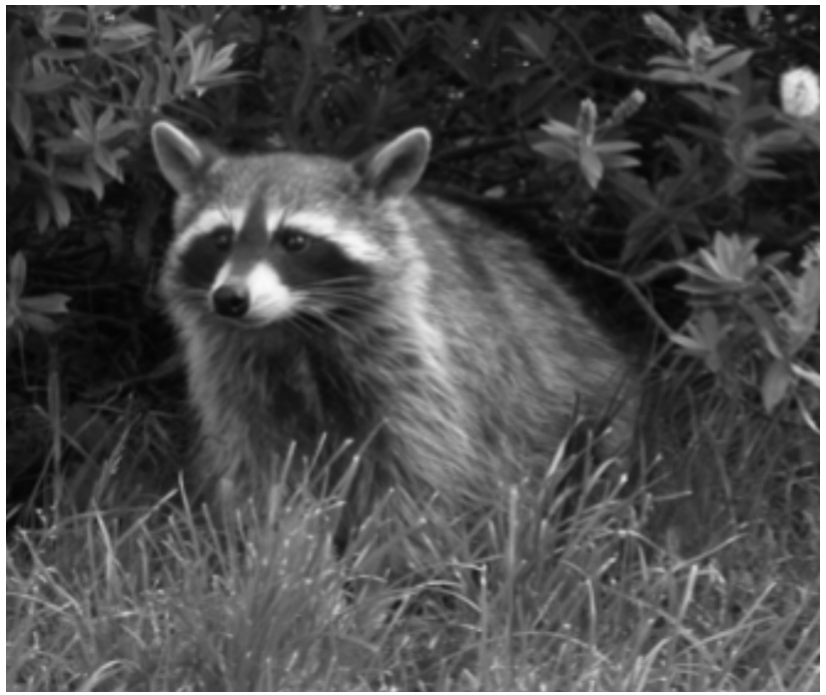
Fig. 5.1 shows a raccoon, Procyon lotor. This species is native to North America. Four individuals were released in Germany in 1934. There are now thought to be more than a million raccoons in Germany.

Fig. 5.1

Fig. 5.1

(a)
(i)

Raccoons are classified in the phylum Chordata of the kingdom Animalia.

Name the domain to which raccoons belong.

[ 1 ]
[Maximum number: 1]

A gardener has a waterlogged garden showing poor growth. He decides to drain it in an attempt to reduce the numbers of some harmful bacteria.

Which type of bacteria would he be attempting to reduce in number?

A

decomposing

B

denitrifying

C

nitrifying

D

nitrogen fixing

(a)

Compare the characteristic features of the domains Eukarya and Bacteria.

[ 8 ]
0