C4.1.5—Carrying capacity
Carrying capacity explains how ecological evidence links organisms, resources and interactions to population size, distribution or community structure in a habitat.
- Syllabus
- First assessment 2025
- Objective
- C4.1.5
- Level
- SL
Carrying capacity explains how ecological evidence links organisms, resources and interactions to population size, distribution or community structure in a habitat.

Coverage 2010–2018 · Updated 16 Jul 2026
Carrying capacity is a resource-limited population size.
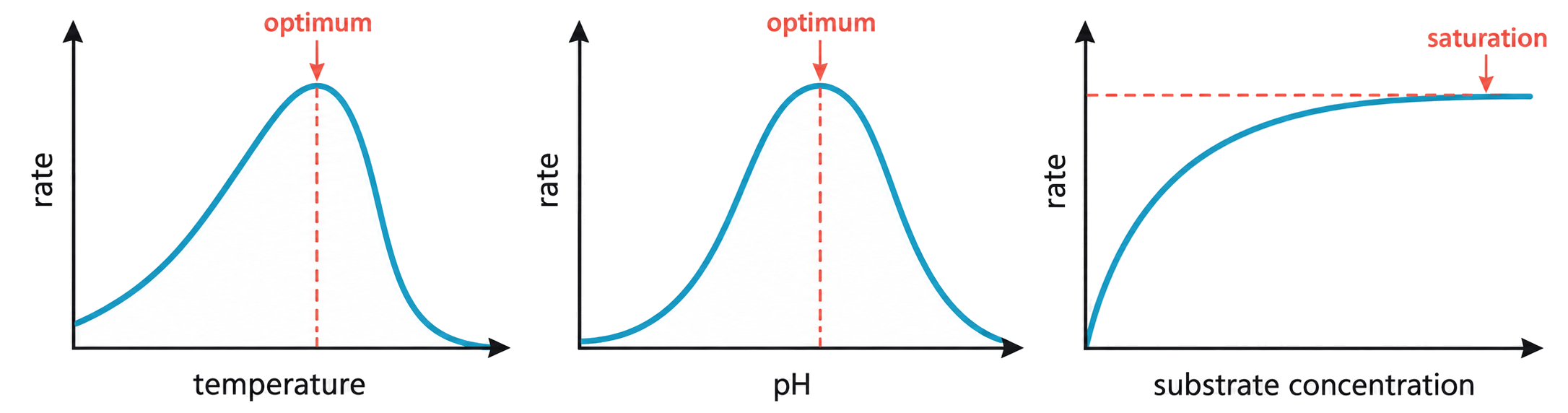
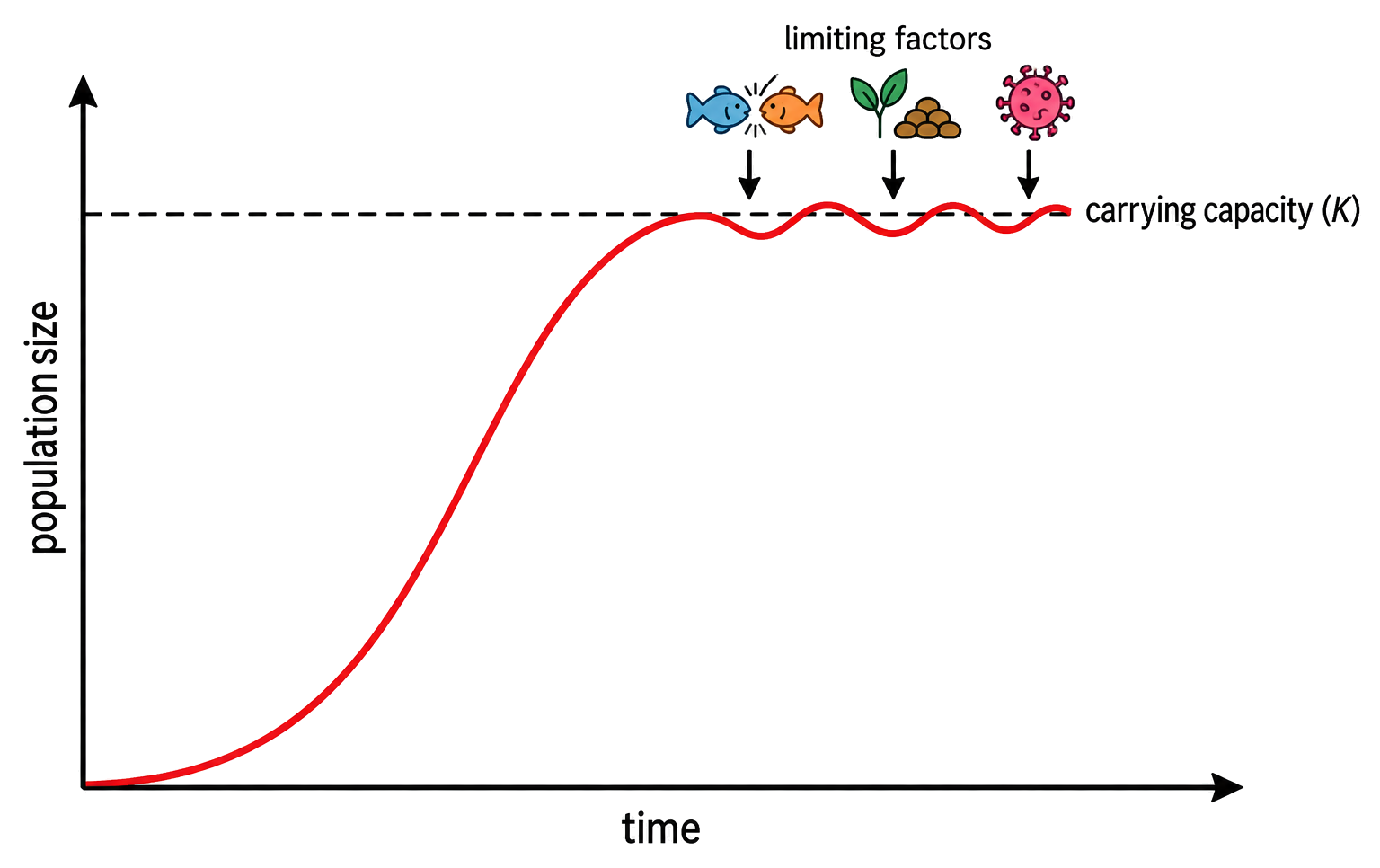
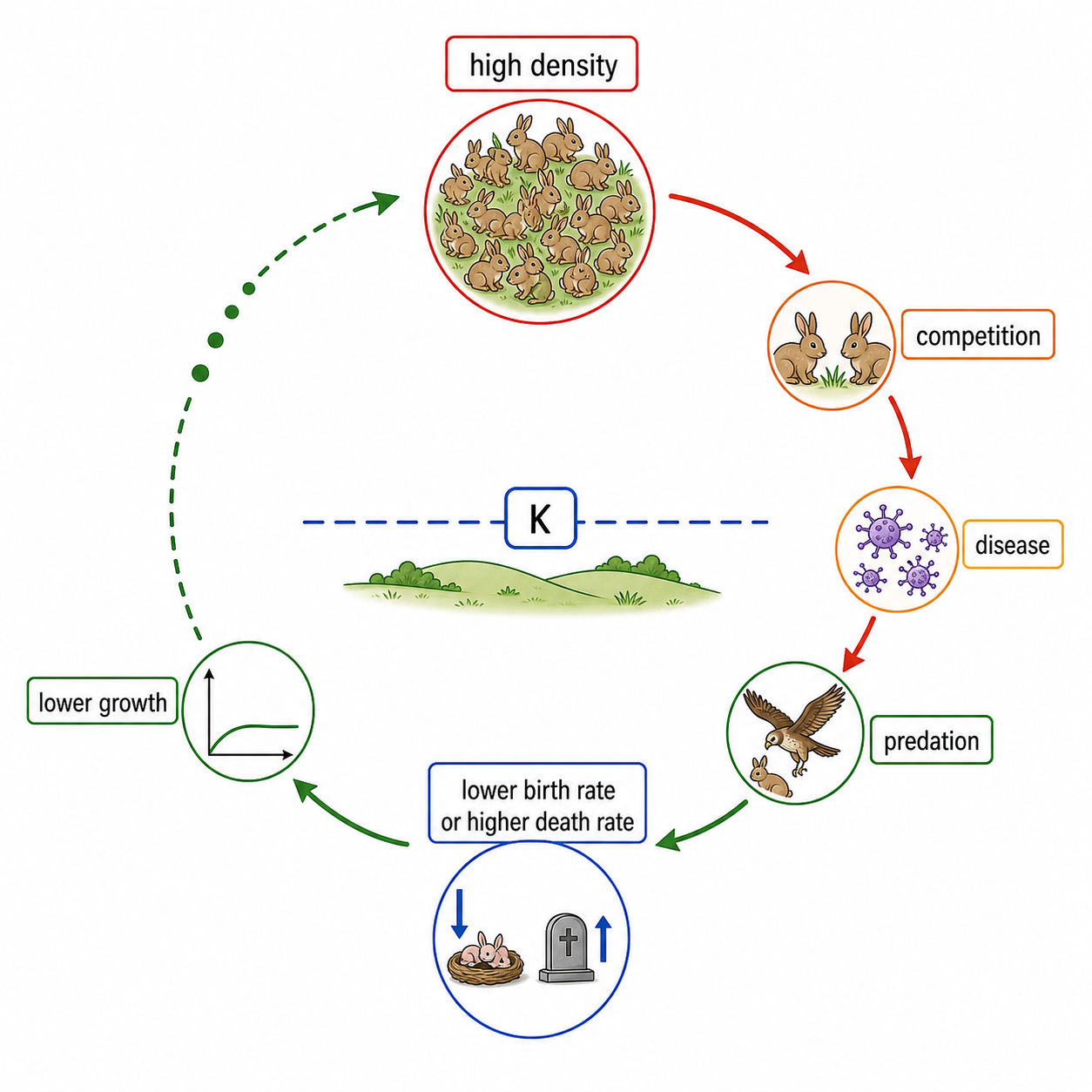
Carrying capacity is the population size an environment can support over time under specified conditions. Resource limits and feedback make growth slow as the population approaches it.
identify limiting resource; link density to birth/death rate; state that capacity can change.
A drought lowers available food, so the carrying capacity for grazing animals falls even if the species is unchanged.
Carrying capacity is not a fixed species constant; it depends on environment and timescale.
This objective is assessed through structured response, commonly using Identify / Describe / Explain.
Identify / Describe / Explain / Outline / State
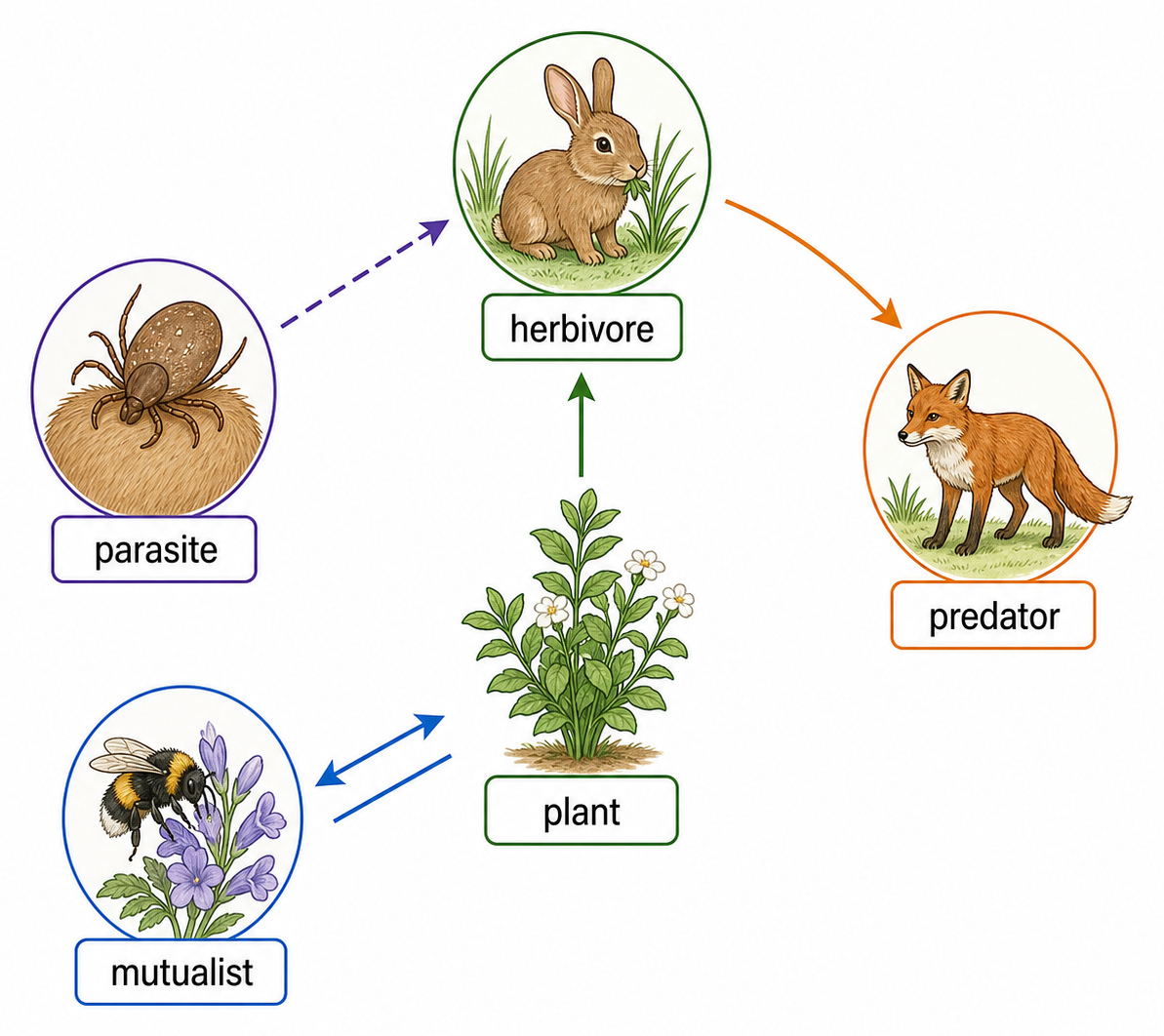
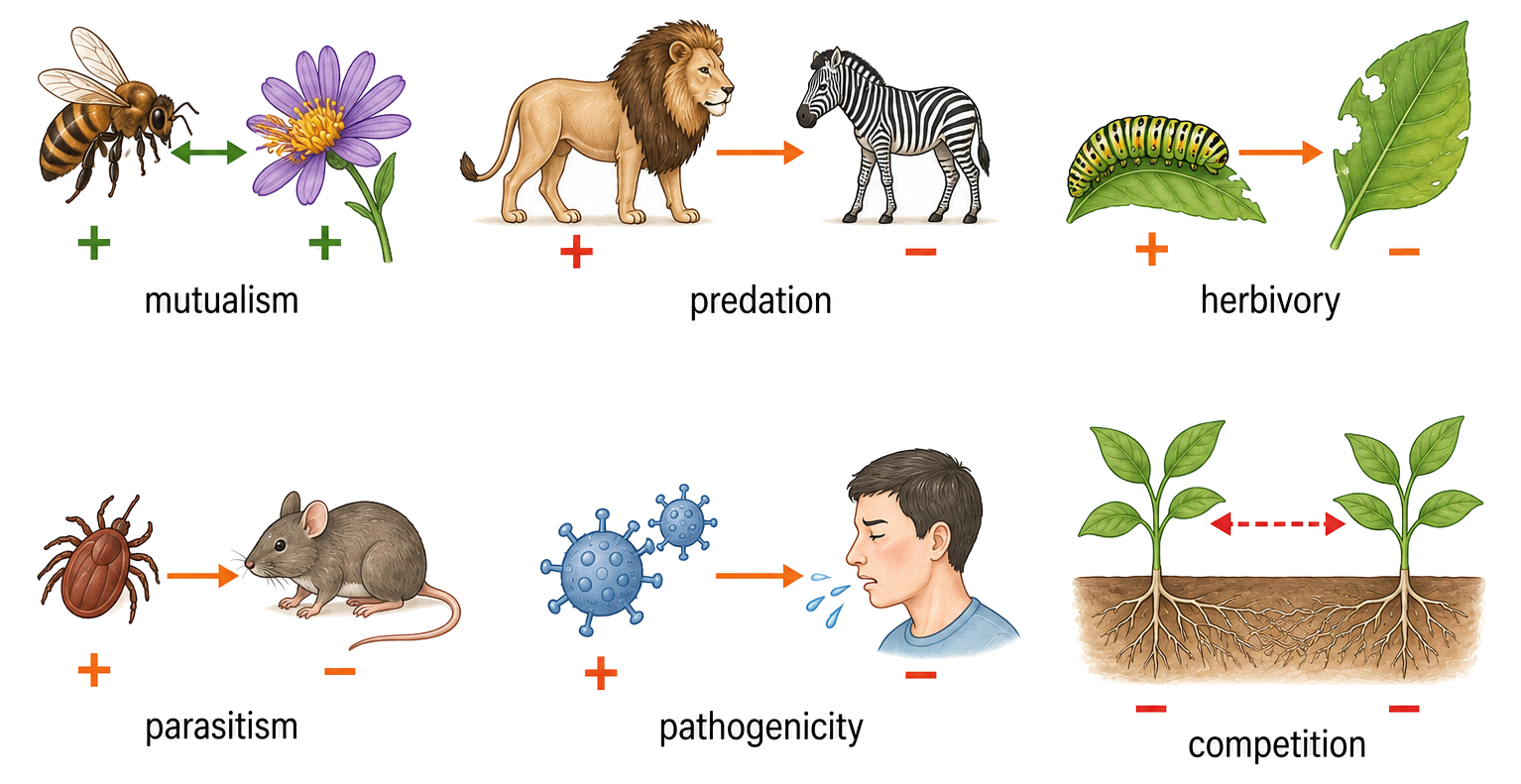
Build the answer around this relationship: Carrying capacity must be linked to the correct ecological unit, method or species interaction.
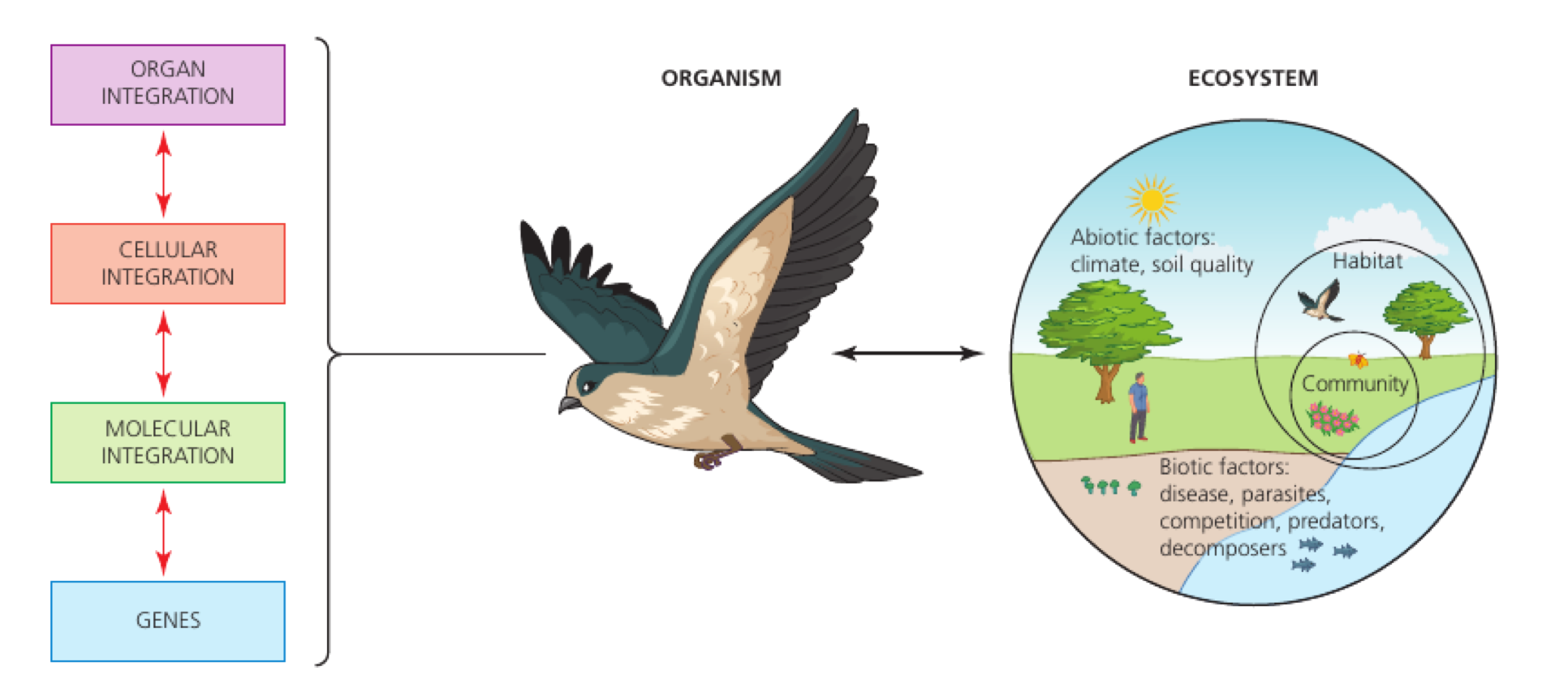
Confusing a population with a community or with all organisms in an ecosystem.
Representative question
Explain why populations that have grown exponentially reach a maximum size, rather than continue to grow.
Complete correct answer:
During exponential growth, a population has few limitations. The plateau phase occurs as limitations decrease growth;
this is the maximum sustainable size and the population has reached carrying capacity. Population stability occurs when natality plus immigration equals mortality plus emigration, or vice versa. Further growth is limited by abiotic factors such as temperature, climate, weather or seasons;
lack of water or food supply;
shortage or destruction of breeding habitats;
shortage or destruction of shelter;
and increased numbers of predators, competitors, enemies or diseases.
Marking guidance:
Award up to 7 marks. Official markscheme page 10.