Q BankQuestion BankDocsDocuments

C4.1.16—Predator-prey relationships

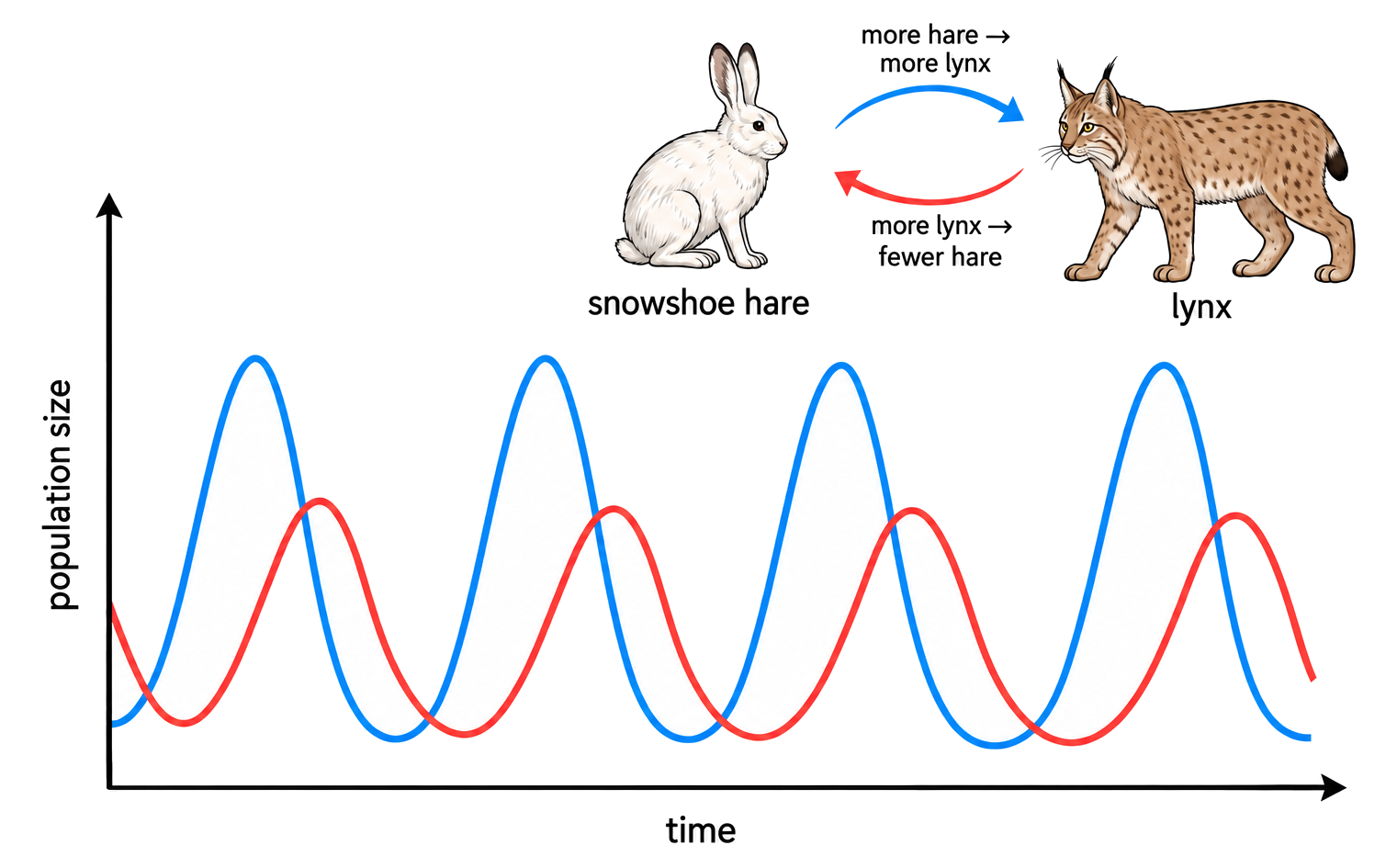
Predator-prey relationships explains how ecological evidence links organisms, resources and interactions to population size, distribution or community structure in a habitat.

Syllabus
First assessment 2025
Objective
C4.1.16
Level
SL

Exam analysis

Chance of appearing2%of analysed past papers
Latest appearanceNovember 2017
Most common paperPaper2
Typical marks2

Common command terms

  • Identify
  • Compare
  • Describe
  • Predict
  • Explain
  • Contrast
  • Suggest
  • Determine

Scoring notes

Common mistake
Confusing a population with a community or with all organisms in an ecosystem.

Recent exam appearances

November 2017Paper3 ["SL"] · TZ013(a)[ 2 ]C4.1.16—Predator-prey relationships
May 2014Paper2 ["SL"] · TZ11(g)[ 2 ]C4.1.16—Predator-prey relationships
May 2014Paper2 ["SL"] · TZ11(f)[ 3 ]C4.1.16—Predator-prey relationships
May 2014Paper2 ["SL"] · TZ11(b)[ 2 ]C4.1.16—Predator-prey relationships
May 2010Paper1 ["SL"] · TZ219[ 1 ]C4.1.16—Predator-prey relationships
Practice this objective

Coverage 2010–2017 · Updated 16 Jul 2026

Concept essentials

  • Predator-prey relationships must be linked to the correct ecological unit, method or species interaction.
  • The evidence for predator-prey relationships depends on measurable abundance, distribution, survival or resource patterns.
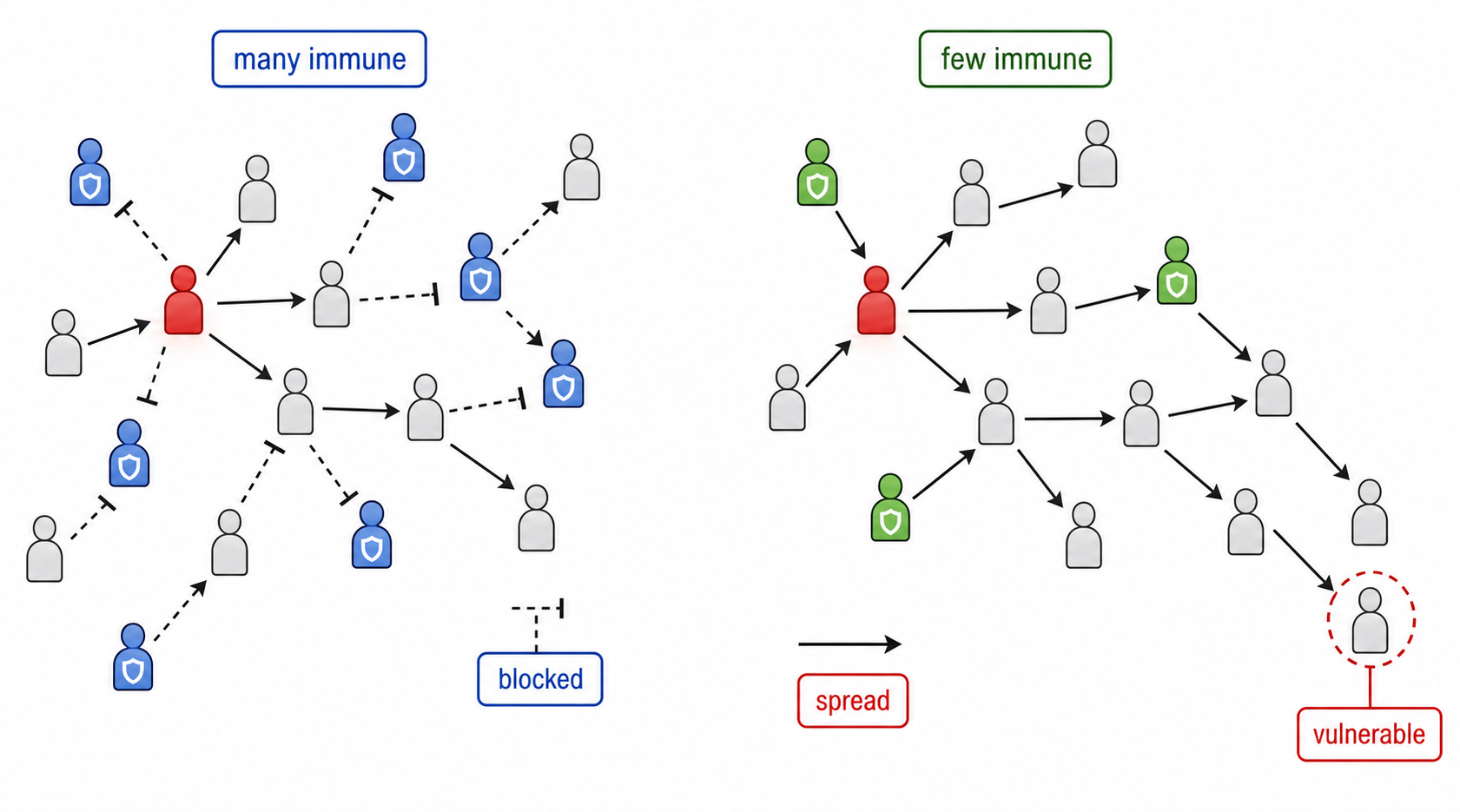
  • Predator-prey relationships is clearest when cause, ecological process and population outcome are kept distinct.
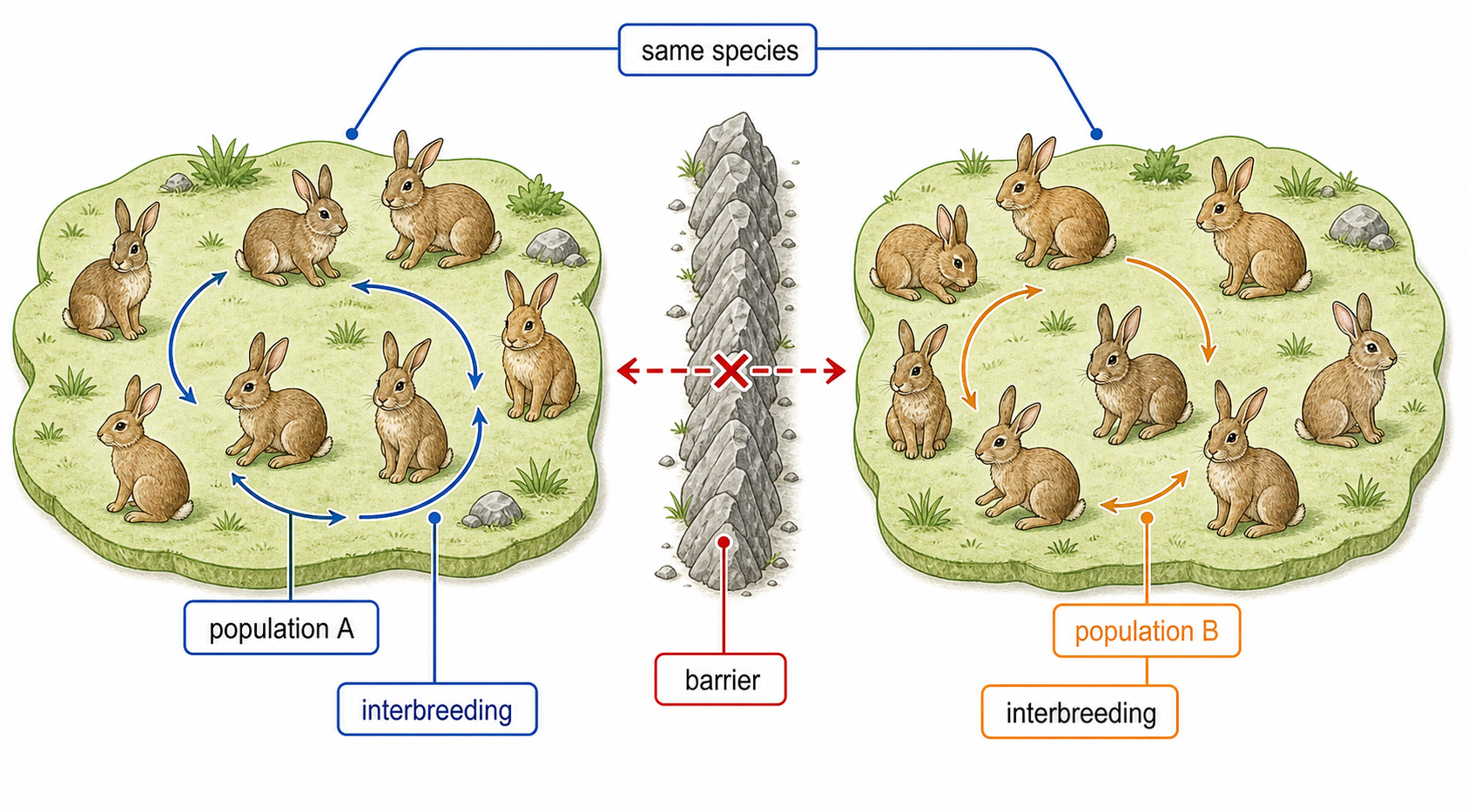
  • Field or graph evidence for predator-prey relationships needs biological interpretation, not values alone.
ConceptIB Biology SL