Q BankQuestion BankDocsDocuments

C2.2.7—Excitatory postsynaptic potential

An excitatory postsynaptic potential forms when neurotransmitter binding opens ion channels and depolarizes the postsynaptic membrane toward threshold, linking cellular mechanisms to rapid communication in nervous systems.

Syllabus
First assessment 2025
Objective
C2.2.7
Level
HL

Exam analysis

Chance of appearing2%of analysed past papers
Latest appearanceMay 2021
Most common paperPaper1
Typical marks1–2

Common command terms

  • Explain
  • Describe

Recent exam appearances

May 2021Paper2 ["HL"] · TZ22(c)[ 2 ]C2.2.7—Excitatory postsynaptic potential
May 2014Paper1 ["HL"] · TZ224[ 1 ]C2.2.7—Excitatory postsynaptic potential
Practice this objective

Coverage 2014–2021 · Updated 15 Jul 2026

Excitatory Postsynaptic Potentials Move a Neuron toward Threshold

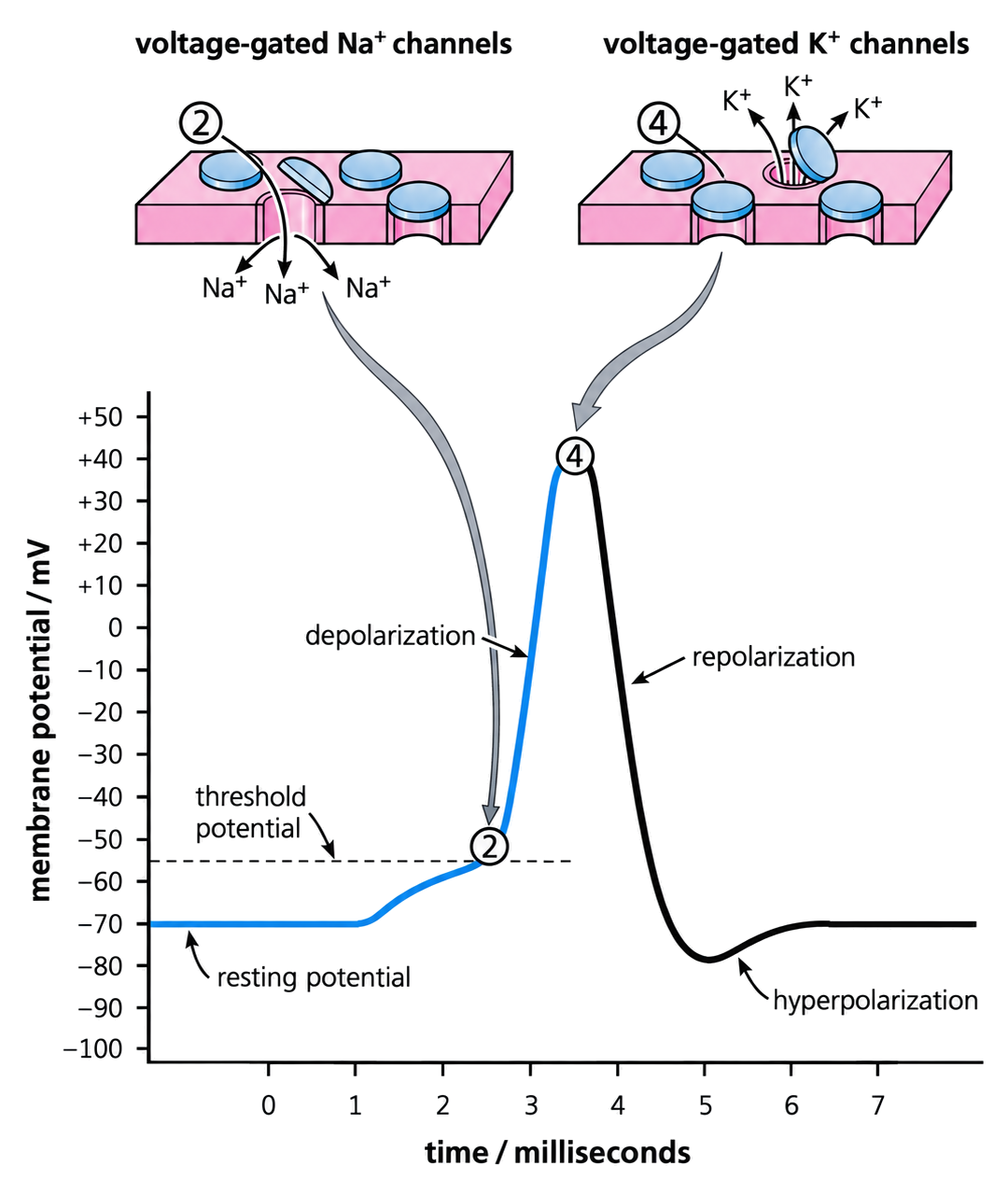
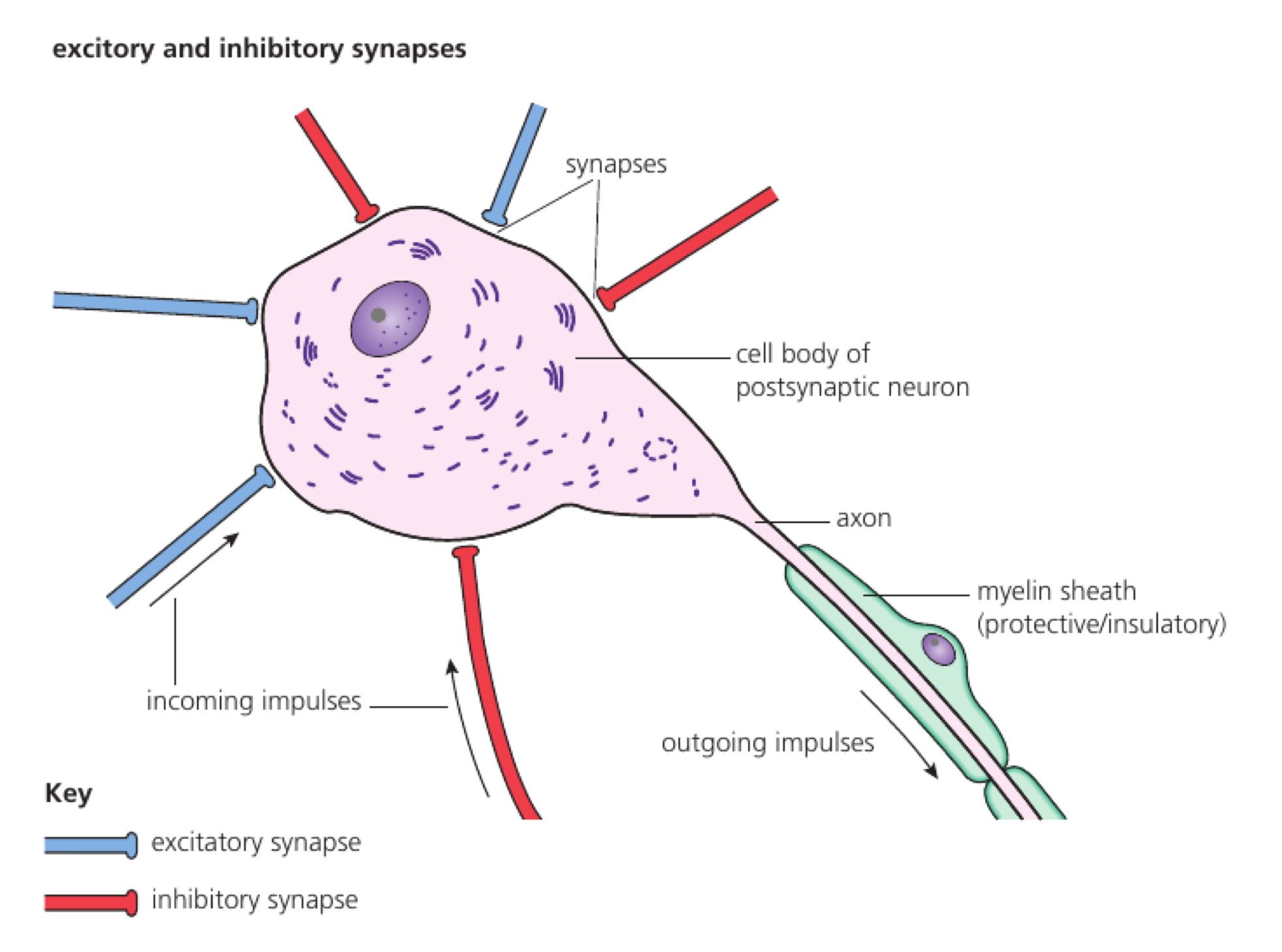
An excitatory postsynaptic potential (EPSP) is a local depolarization that increases the probability of an action potential.

Excitatory transmitter opens channels that allow net positive charge in or reduce outward current. EPSPs decay with distance and time, so several inputs may be needed at the axon hillock. The summed postsynaptic effect determines whether the receiving neuron reaches threshold.

Interpret an EPSP by checking:

  • receptor channel
  • ion movement
  • membrane-potential change
  • effect on threshold

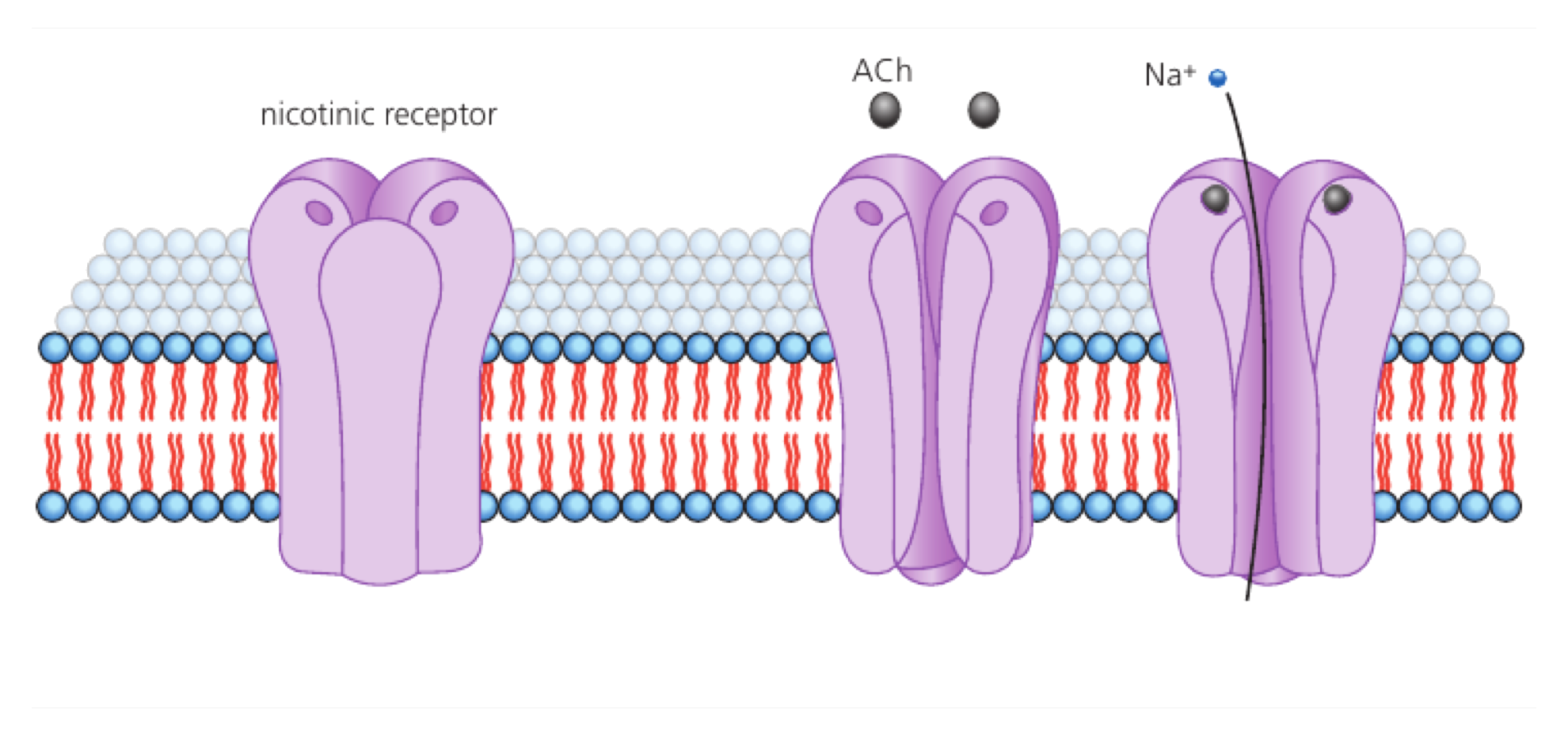
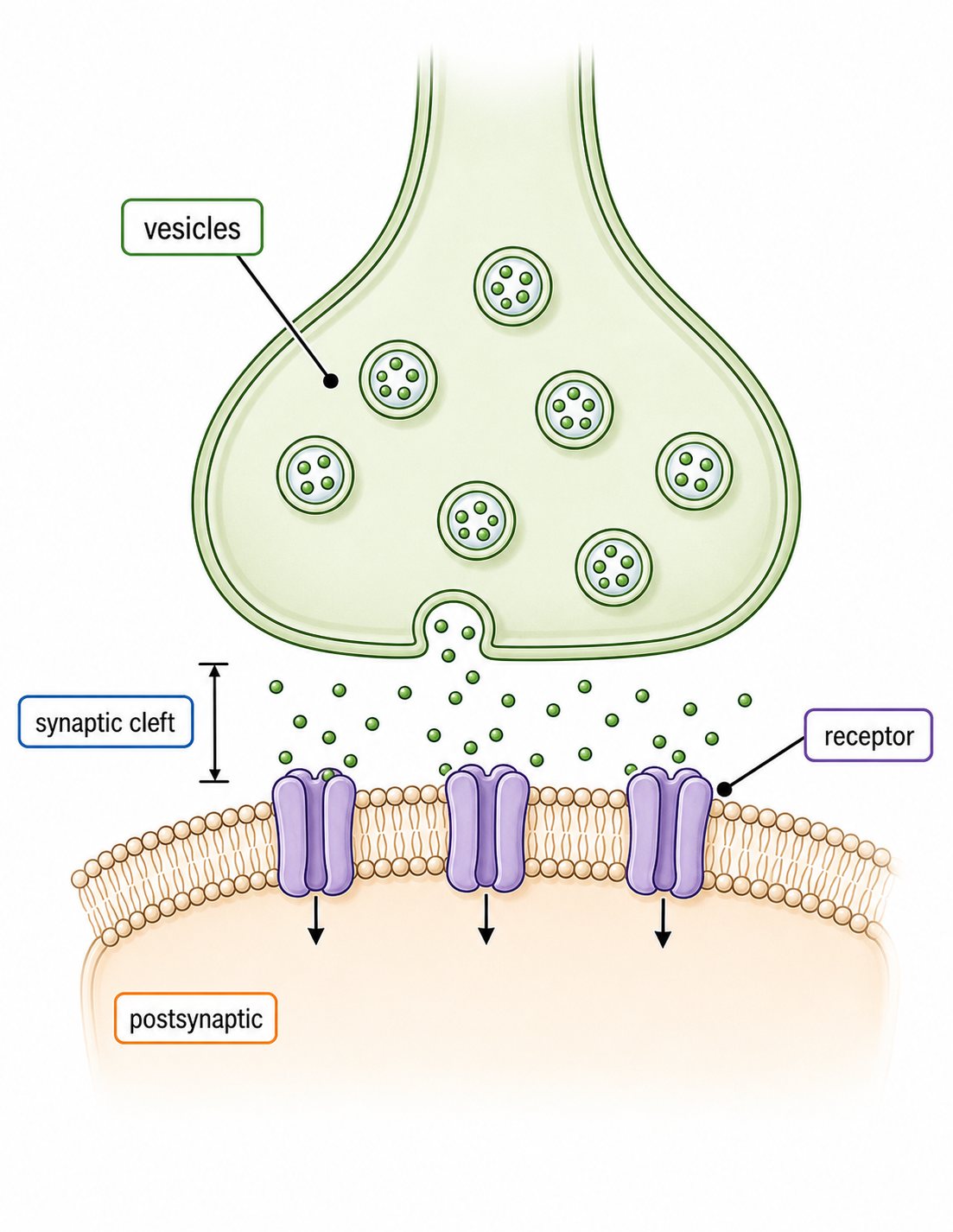
Opening ligand-gated sodium channels at a dendrite produces a small depolarization that can combine with EPSPs from other synapses.

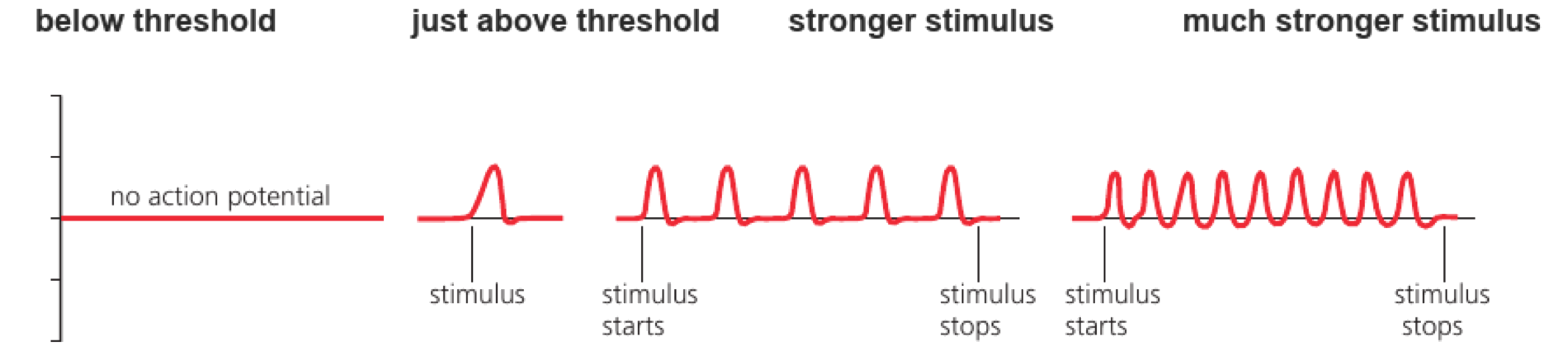
An EPSP is graded and local; it is not itself an all-or-none action potential.

Excitatory postsynaptic potential

Assessment in practice

1–2 marks
How it is assessed

This objective is assessed through structured response, commonly using Explain / Describe.

Command terms

Explain / Describe

What earns marks

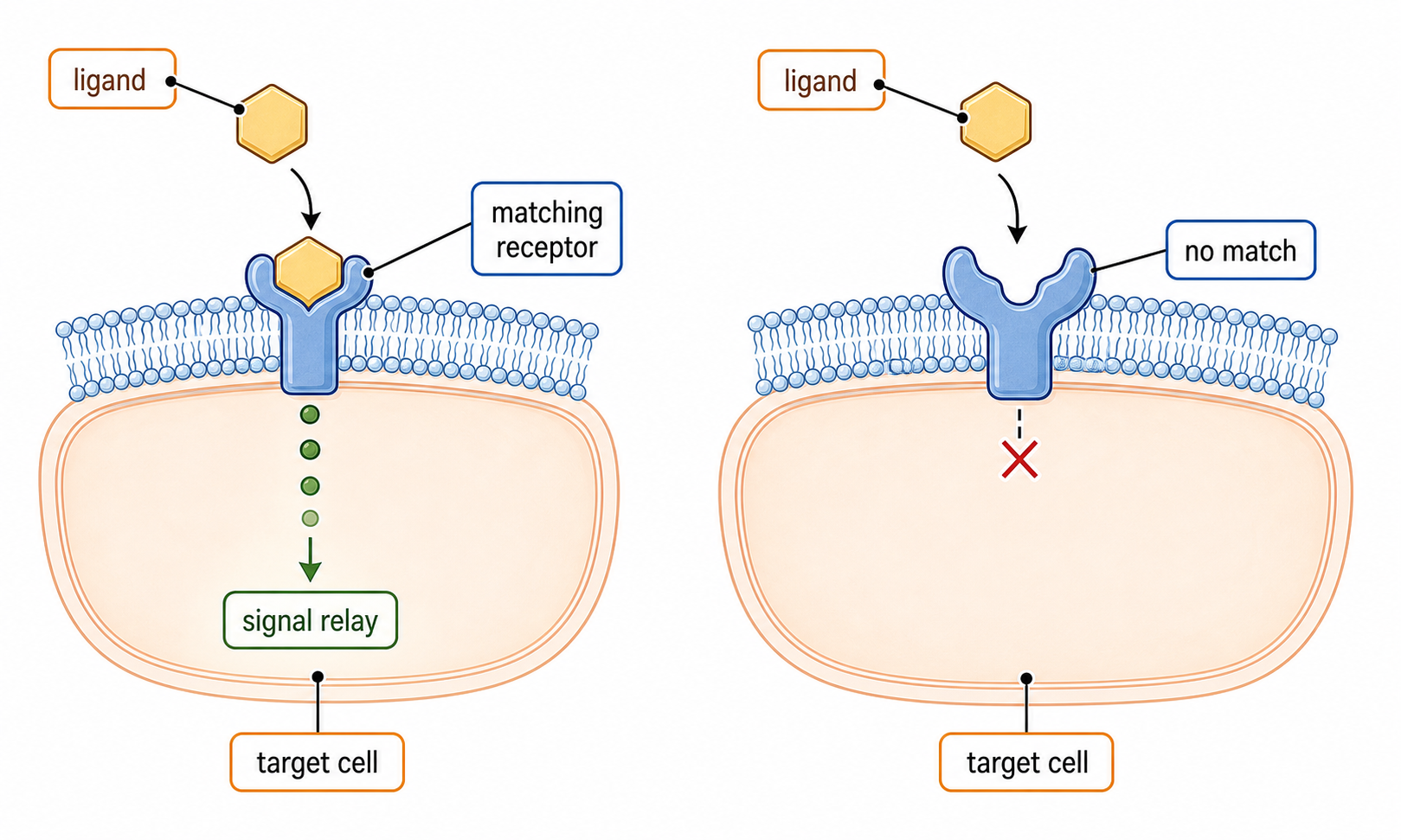
Build the answer around this relationship: Excitatory neurotransmitters bind receptors on the postsynaptic membrane.

Representative question

Question 1

[Maximum number: 3]

Describe how an excitatory postsynaptic potential is generated.

Up to one additional mark is available for the construction of your answer.

SL Transfer: Explain Core Neural Signalling

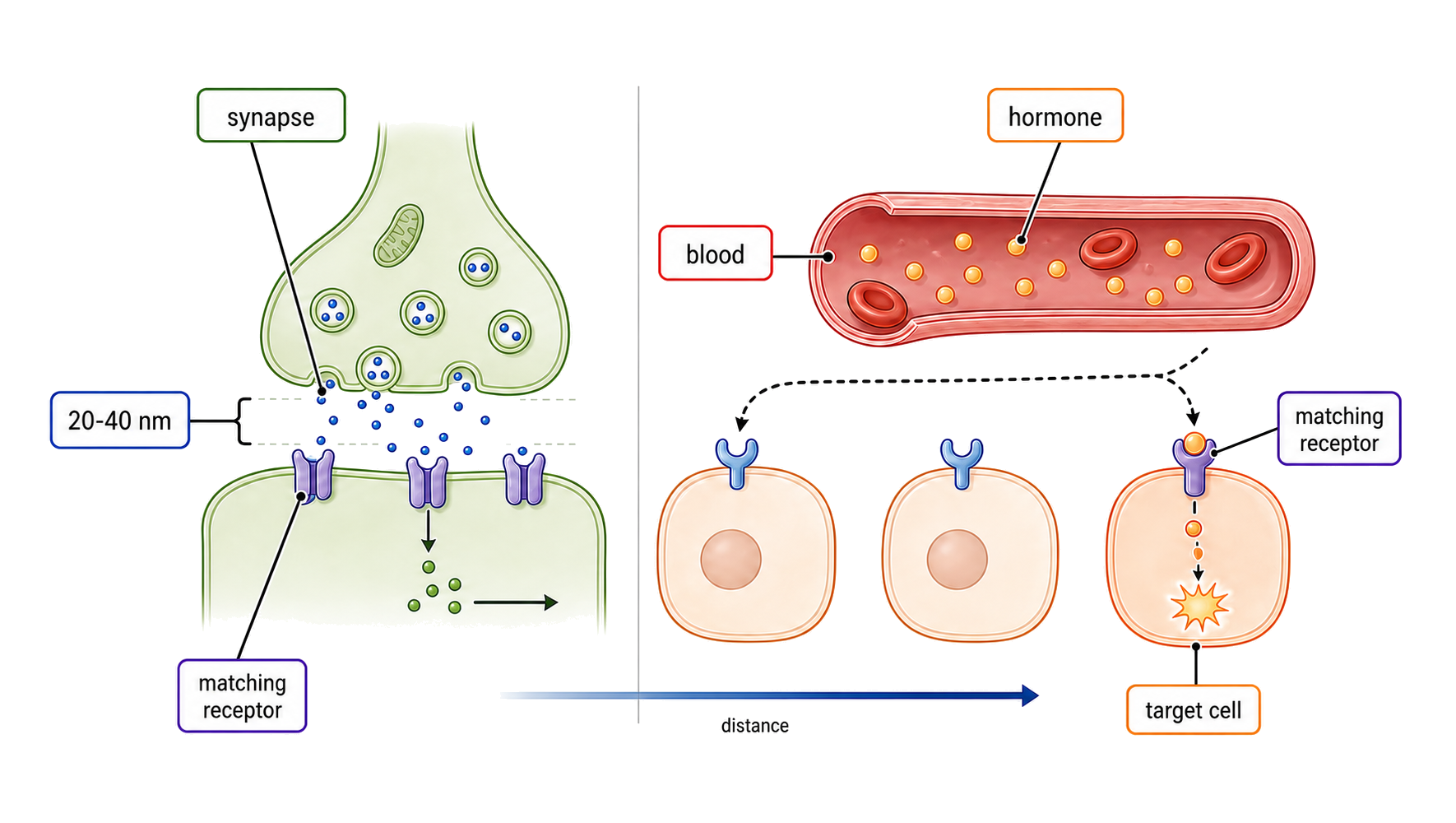
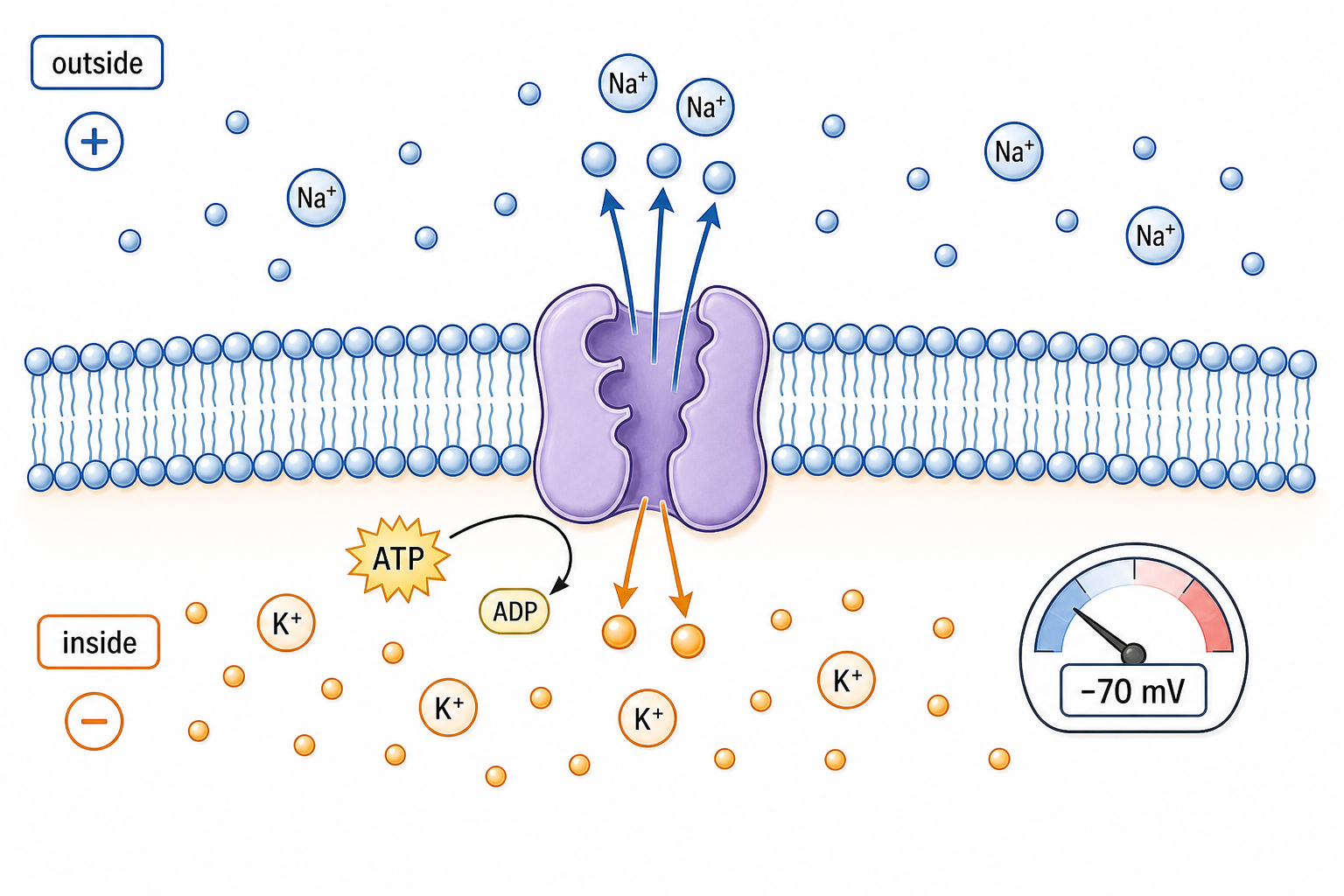
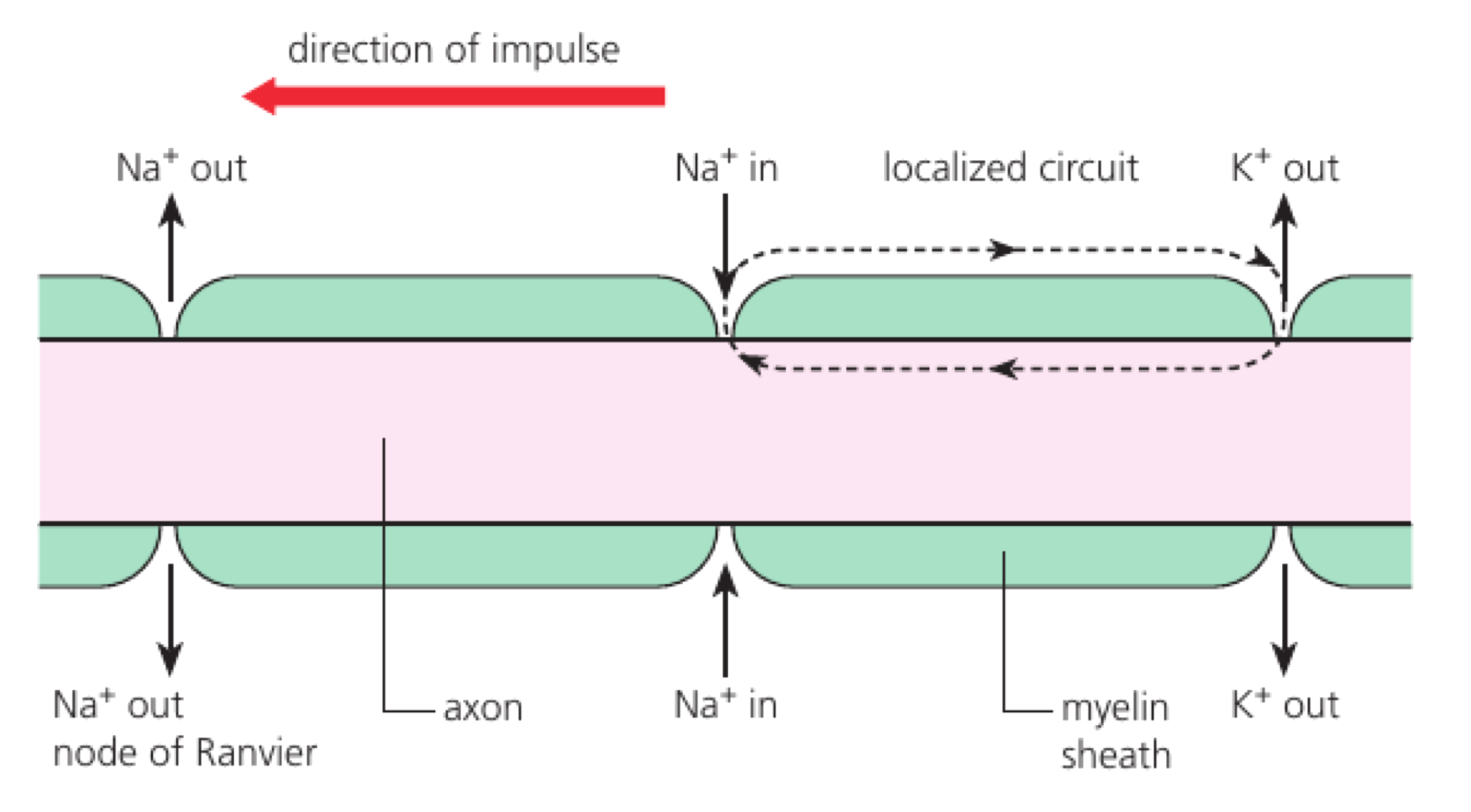
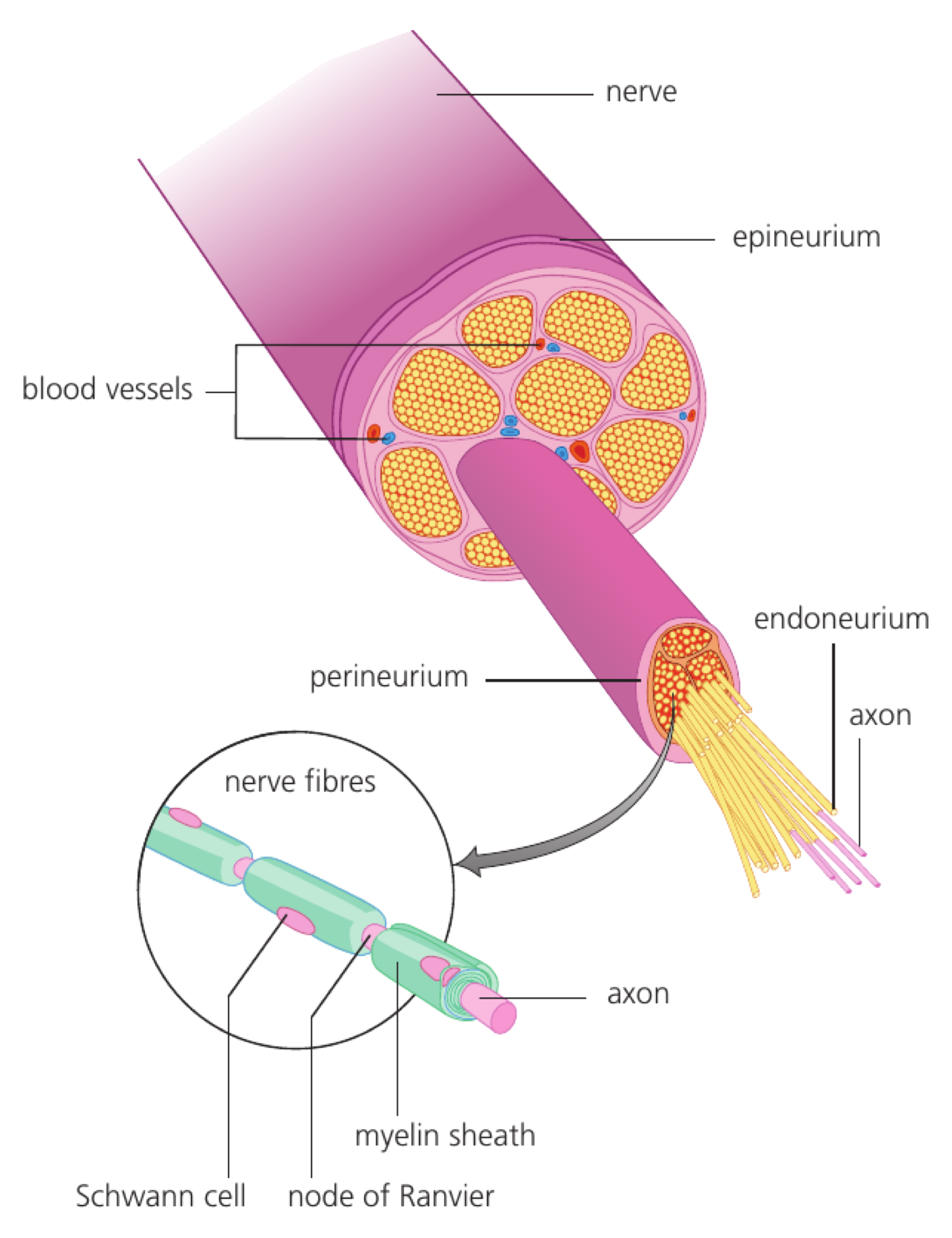
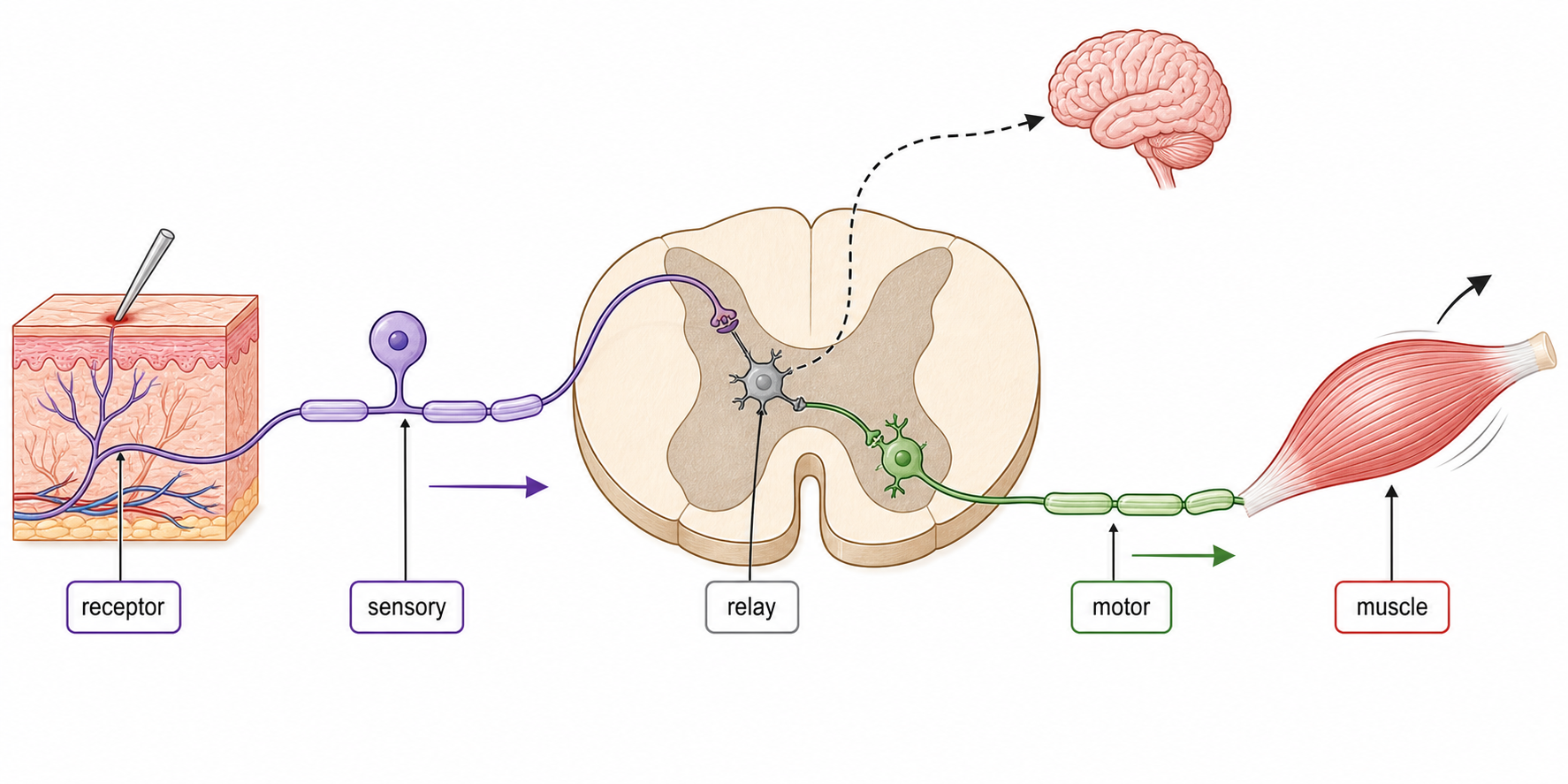
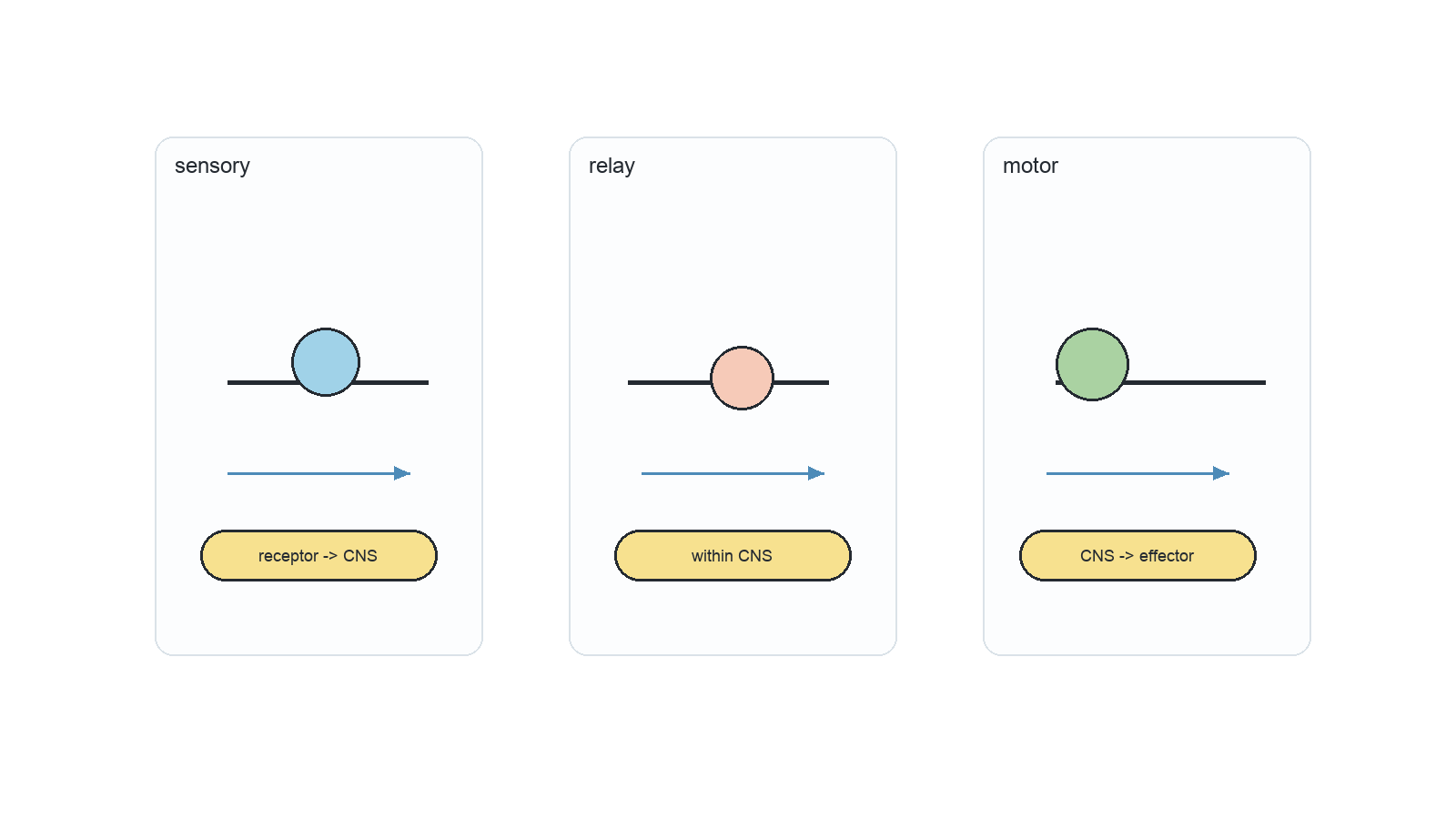
Neurons carry electrical impulses in the nervous system; motor, sensory, and relay neurons differ in axon, dendrite, and cell body arrangement. Sodium-potassium pumps use ATP to move 3 Na+ out and 2 K+ in; ion gradients make the resting axon polarized at about -70 mV. A nerve impulse is a propagated action potential along a nerve fibre; stimulus-triggered sodium influx reverses membrane polarity. Larger axon diameter lowers resistance and increases impulse speed; myelin sheaths and nodes of Ranvier enable faster saltatory conduction. Synapses connect neurons to neurons, muscles, or glands; chemical synapses transmit one way across a narrow synaptic cleft. Action potentials open voltage-gated Ca2+ channels in presynaptic terminals; Ca2+ causes vesicle fusion and neurotransmitter exocytosis into the cleft. Neurotransmitters diffuse and bind receptors on the postsynaptic membrane; EPSPs depolarize the membrane and make threshold more likely.

Concept essentials

  • Excitatory neurotransmitters bind receptors on the postsynaptic membrane.
  • Receptor activation can open ion channels.
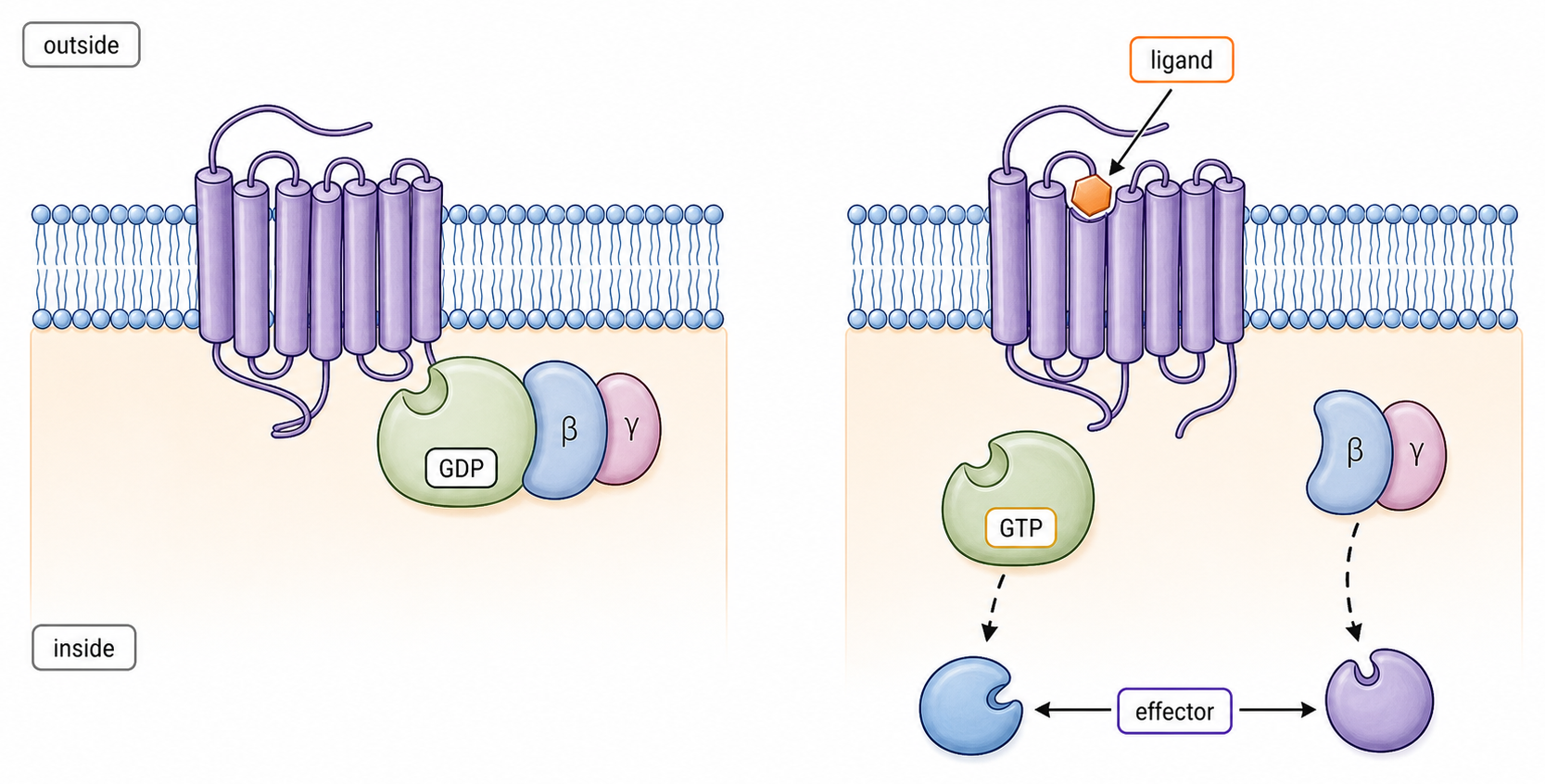
  • Positive ion entry depolarizes the postsynaptic membrane.
  • An action potential occurs only if threshold is reached.
ConceptIB Biology HL