Q BankQuestion BankDocsDocuments

C2.2.5—Synapses as junctions

Synapses are narrow junctions where neurotransmitters carry signals from presynaptic neurons to receptor-bearing postsynaptic membranes, linking cellular mechanisms to rapid communication in nervous systems.
Syllabus
First assessment 2025
Objective
C2.2.5
Level
HL

Exam analysis

Chance of appearing10%of analysed past papers
Latest appearanceMay 2024
Most common paperPaper3
Typical marks1–6

Common command terms

  • Explain
  • Describe
  • State
  • Identify
  • Distinguish
  • Suggest

Recent exam appearances

May 2024Paper3 ["HL"] · TZ18[ 6 ]C2.2.5—Synapses as junctions
May 2024Paper1 ["HL"] · TZ121[ 1 ]C2.2.5—Synapses as junctions
November 2023Paper3 ["HL"] · TZ26(a)(i)[ 1 ]C2.2.5—Synapses as junctions
May 2023Paper3 ["HL"] · TZ29[ 6 ]C2.2.5—Synapses as junctions
May 2023Paper3 ["HL"] · TZ16(a)[ 1 ]C2.2.5—Synapses as junctions
Practice this objective

Coverage 2013–2024 · Updated 15 Jul 2026

A Synapse Connects One Cell to Another

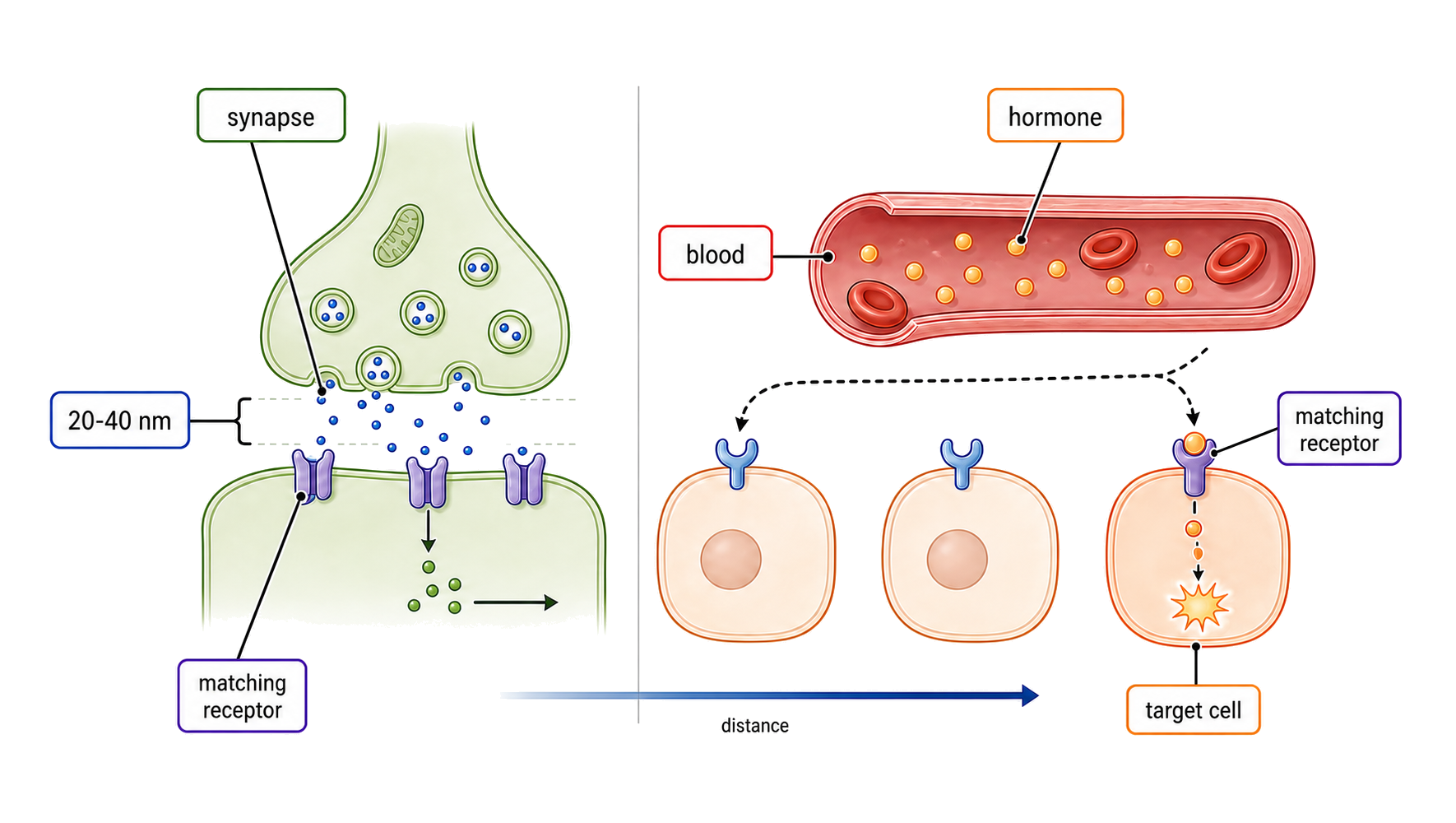
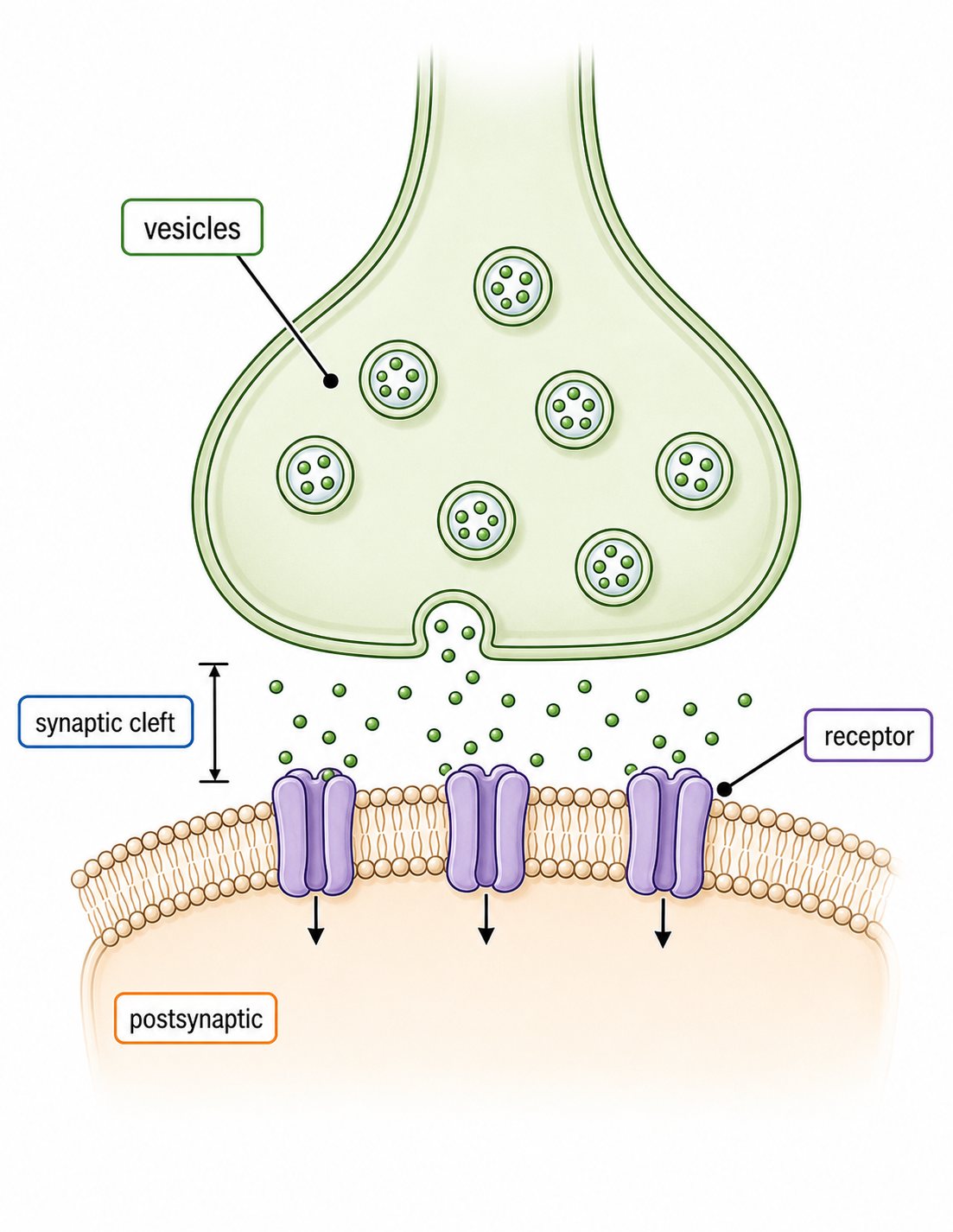
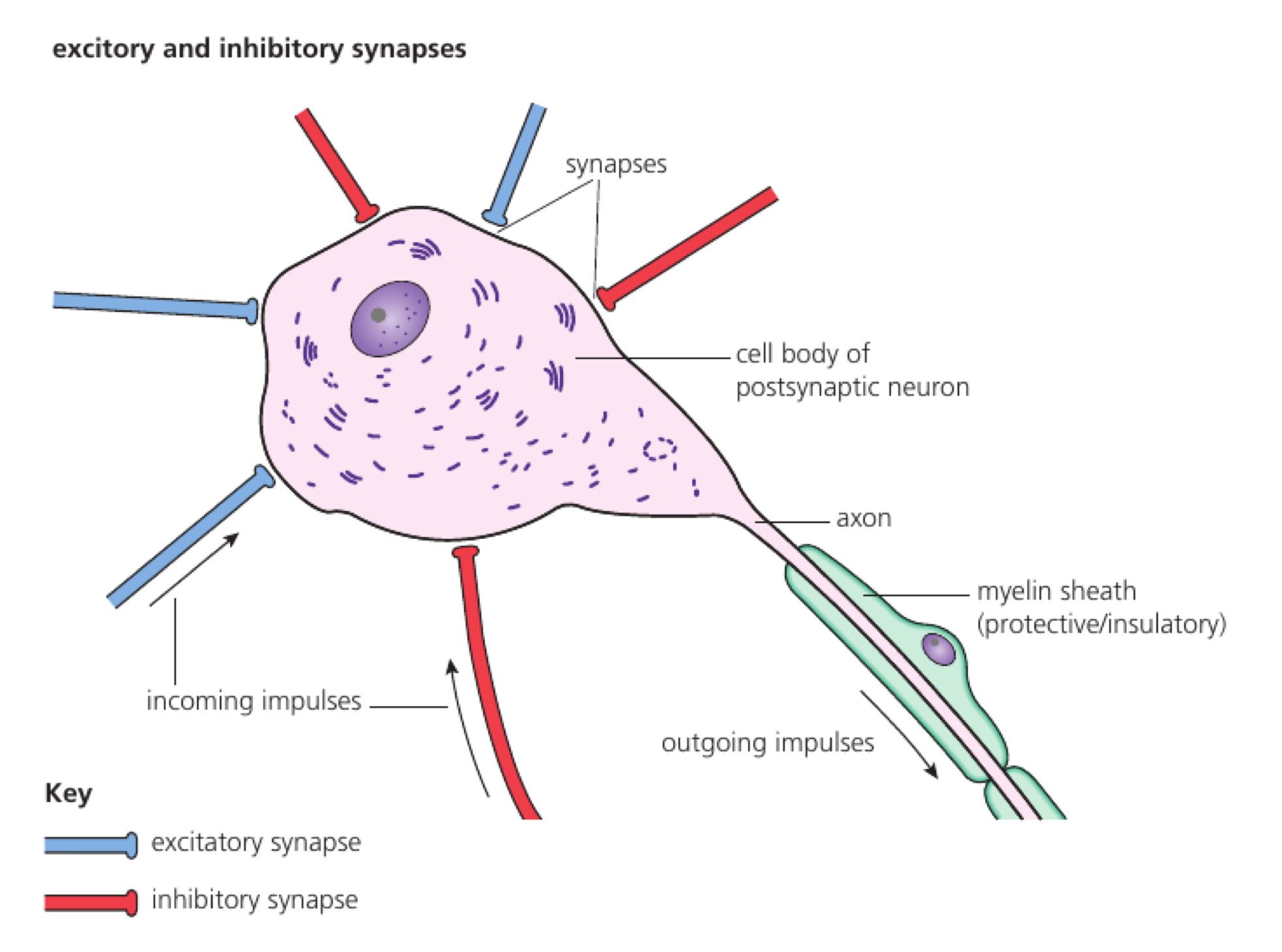
A synapse is a junction where a presynaptic cell communicates with a postsynaptic cell, usually through neurotransmitter release.
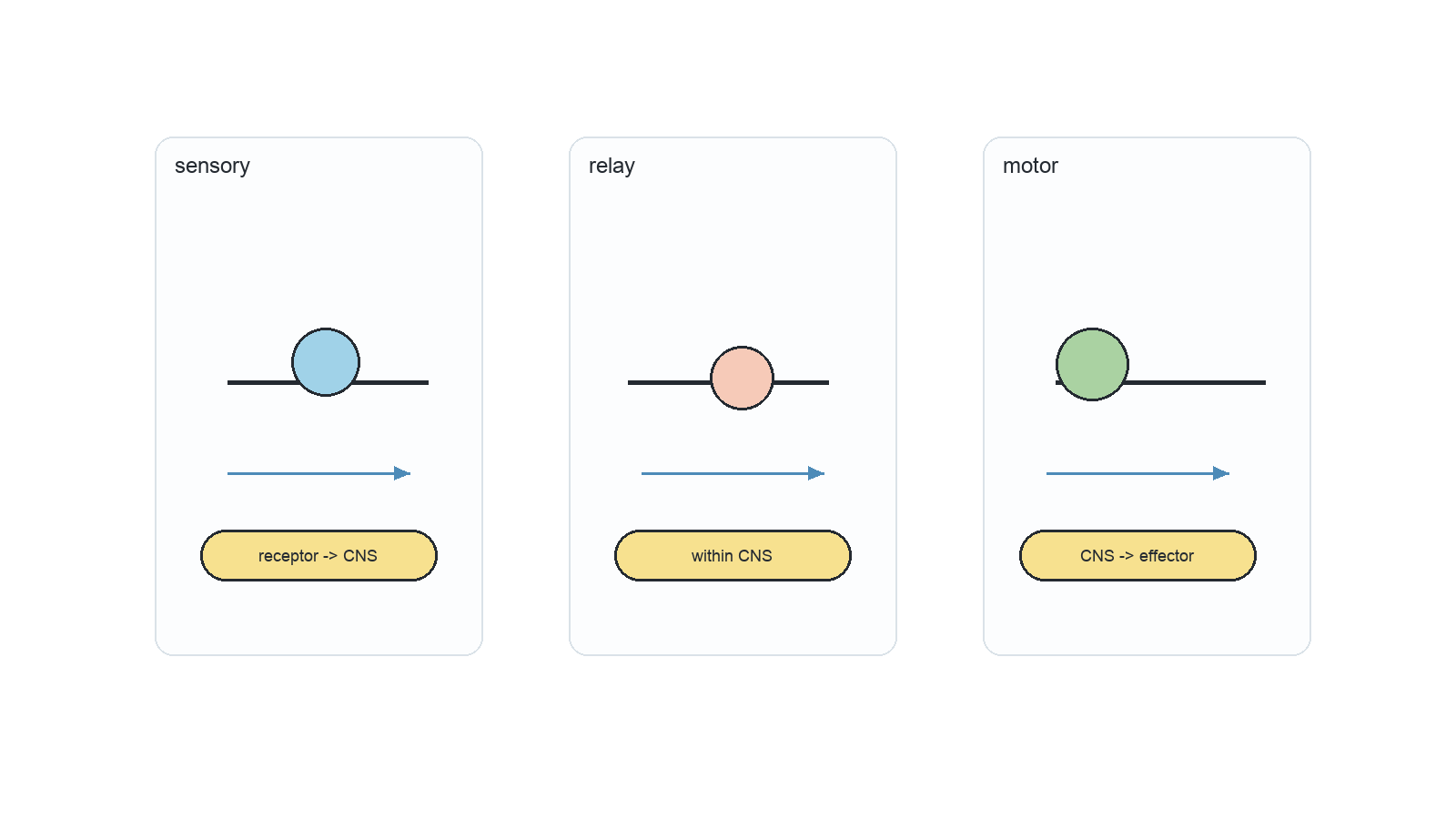
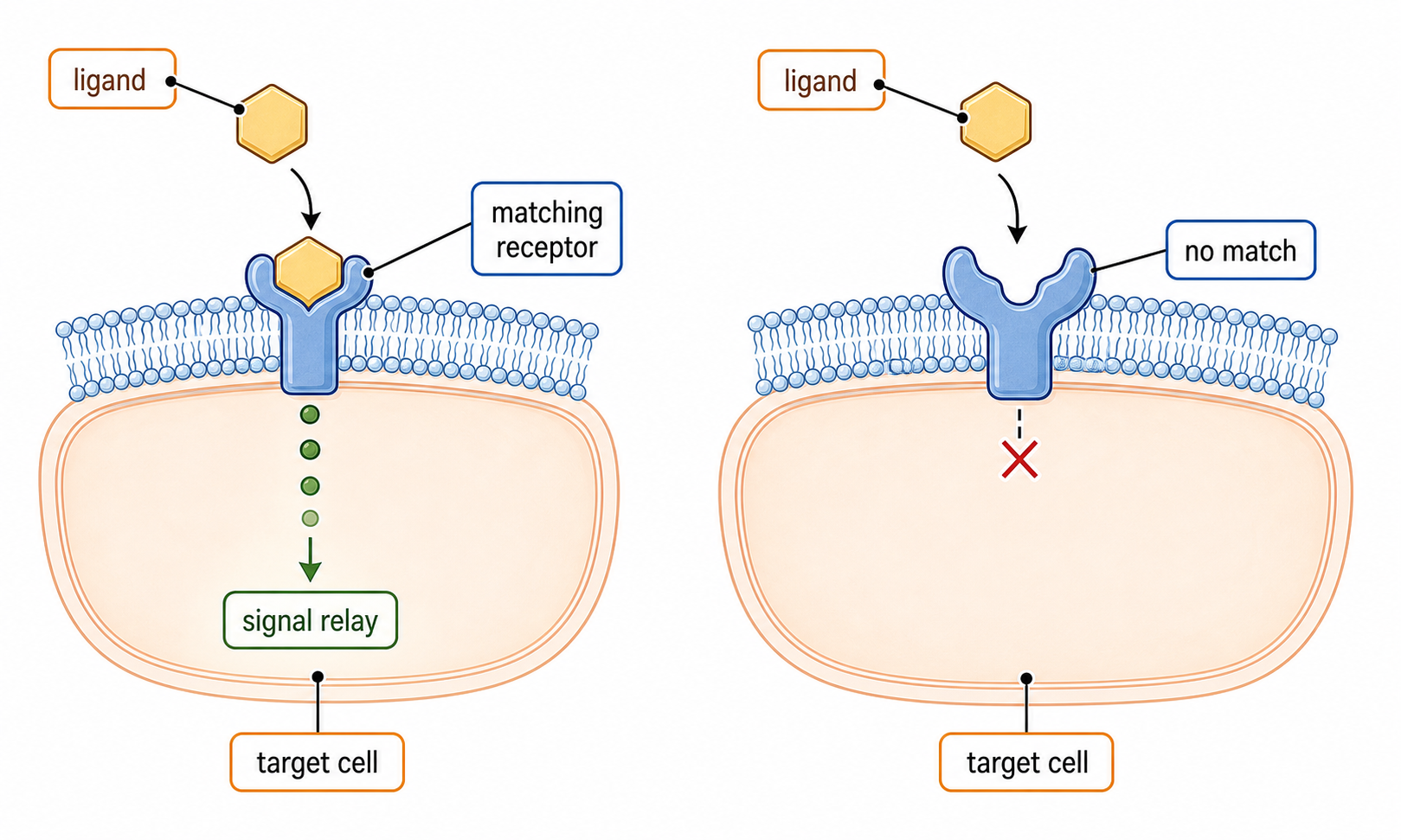
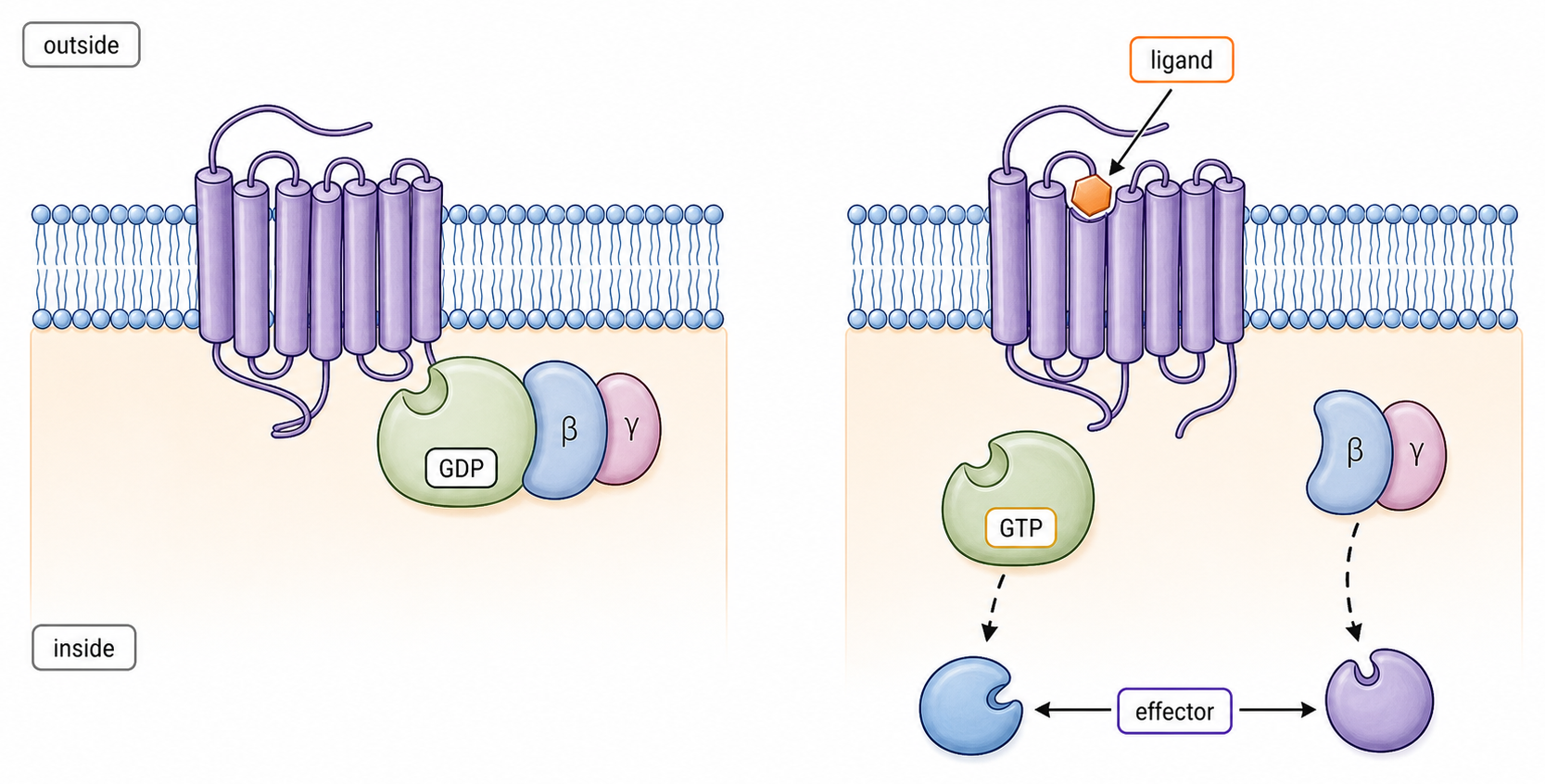
The synaptic cleft separates membranes, creating a one-way delay in chemical synapses. Receptors on the postsynaptic membrane convert transmitter binding into ion-flow or intracellular effects. The synapse is a junction, so the signal must be converted before it can cross to the next cell.

Describe a chemical synapse:

  • presynaptic terminal
  • vesicles and cleft
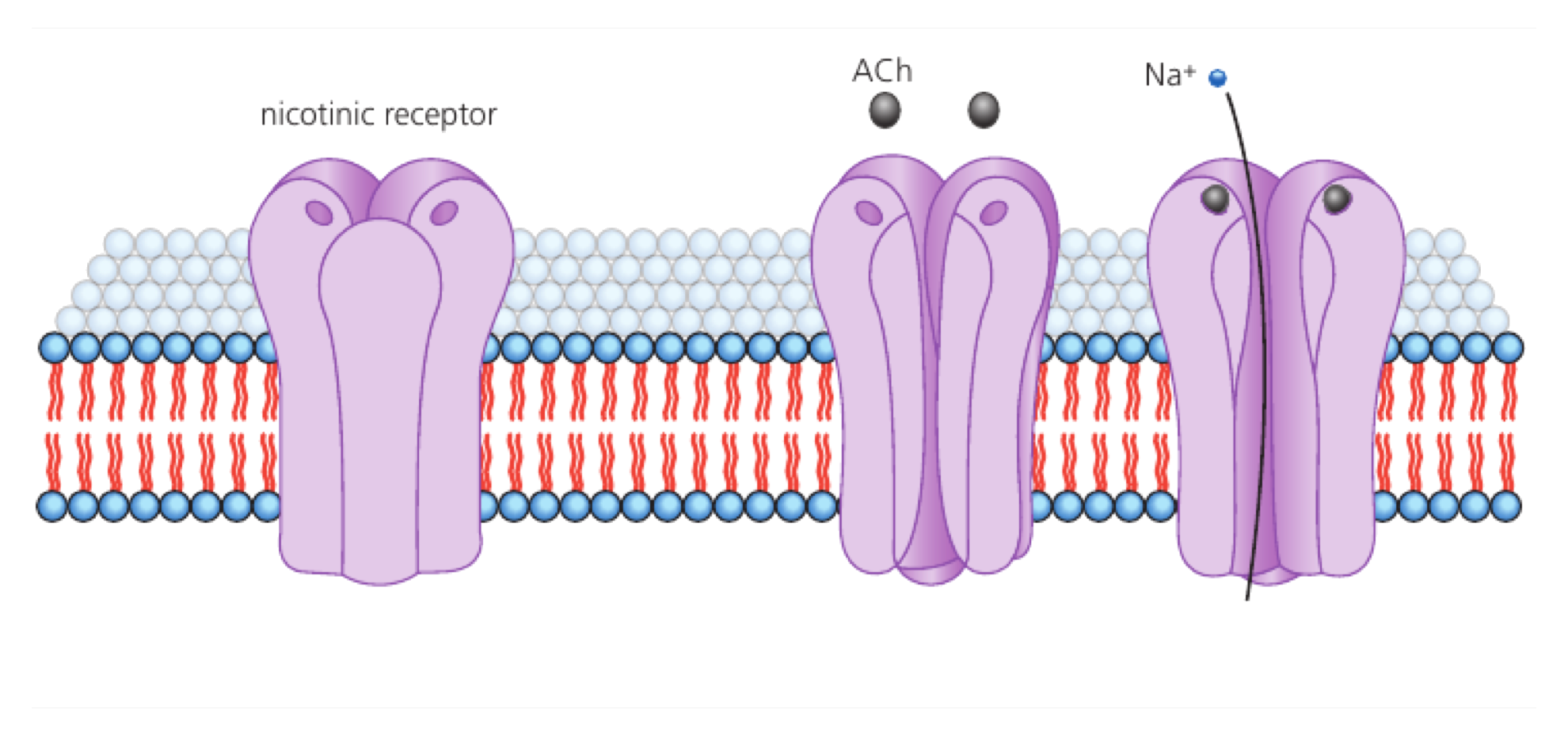
  • postsynaptic receptors
  • signal termination

An action potential at a motor neuron terminal releases transmitter that binds receptors on a muscle fibre.

A synapse is not simply a physical gap; receptor type and transmitter removal determine the response.

Synapses as junctions

Assessment in practice

1–6 marks
How it is assessed

This objective is assessed through structured response, commonly using Explain / Describe / State.

Command terms

Explain / Describe / State / Identify / Distinguish / Suggest

What earns marks

Build the answer around this relationship: Synapses transmit signals chemically between neurons.

Representative question

Question 1

[Maximum number: 2]

Distinguish between the presynaptic and postsynaptic membranes by giving two differences.

SL Transfer: Explain Core Neural Signalling

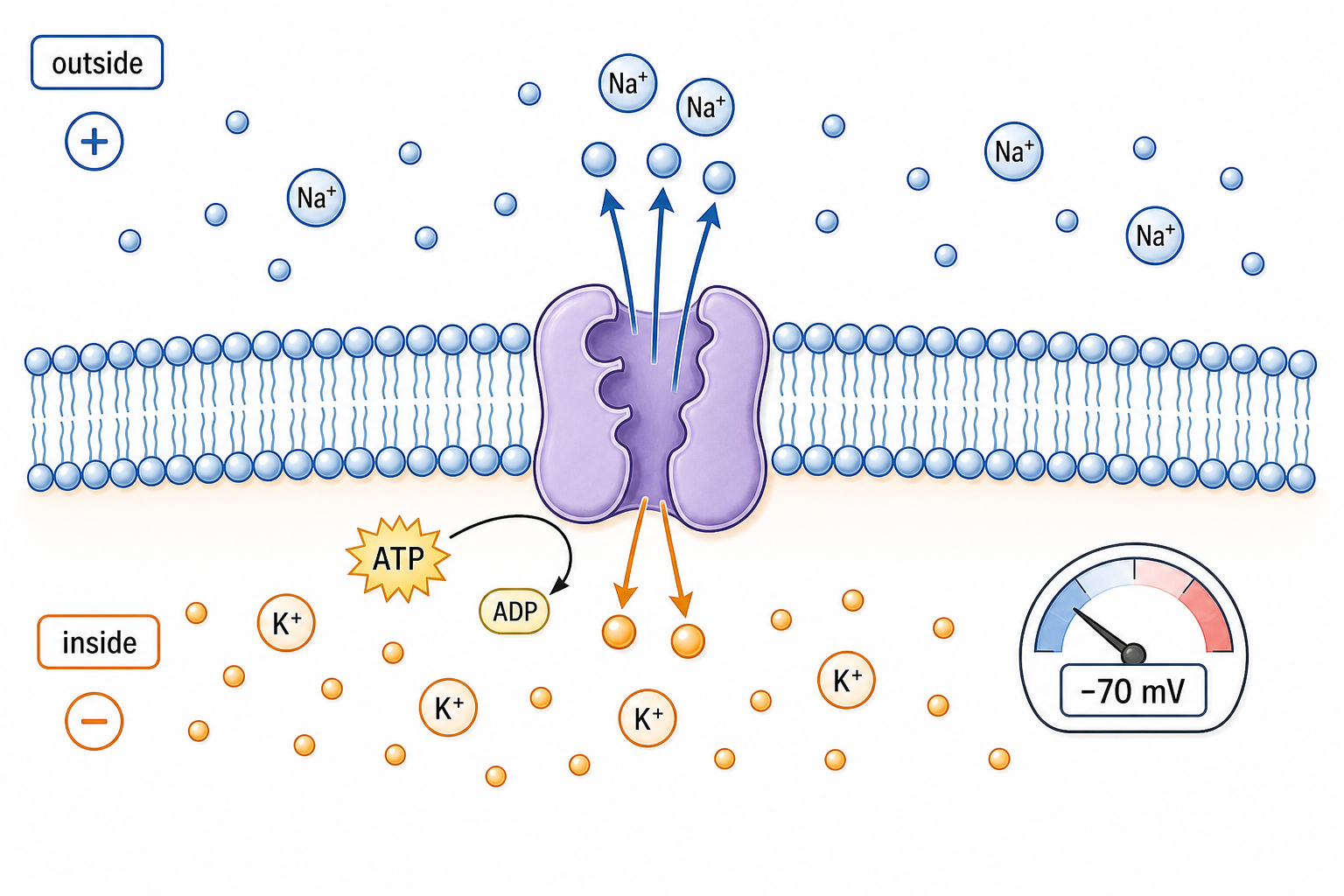
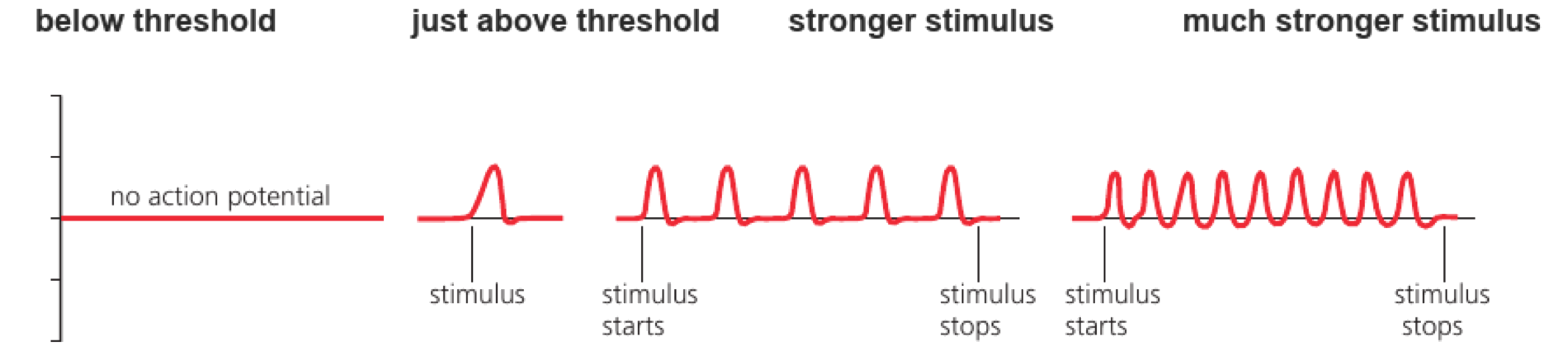
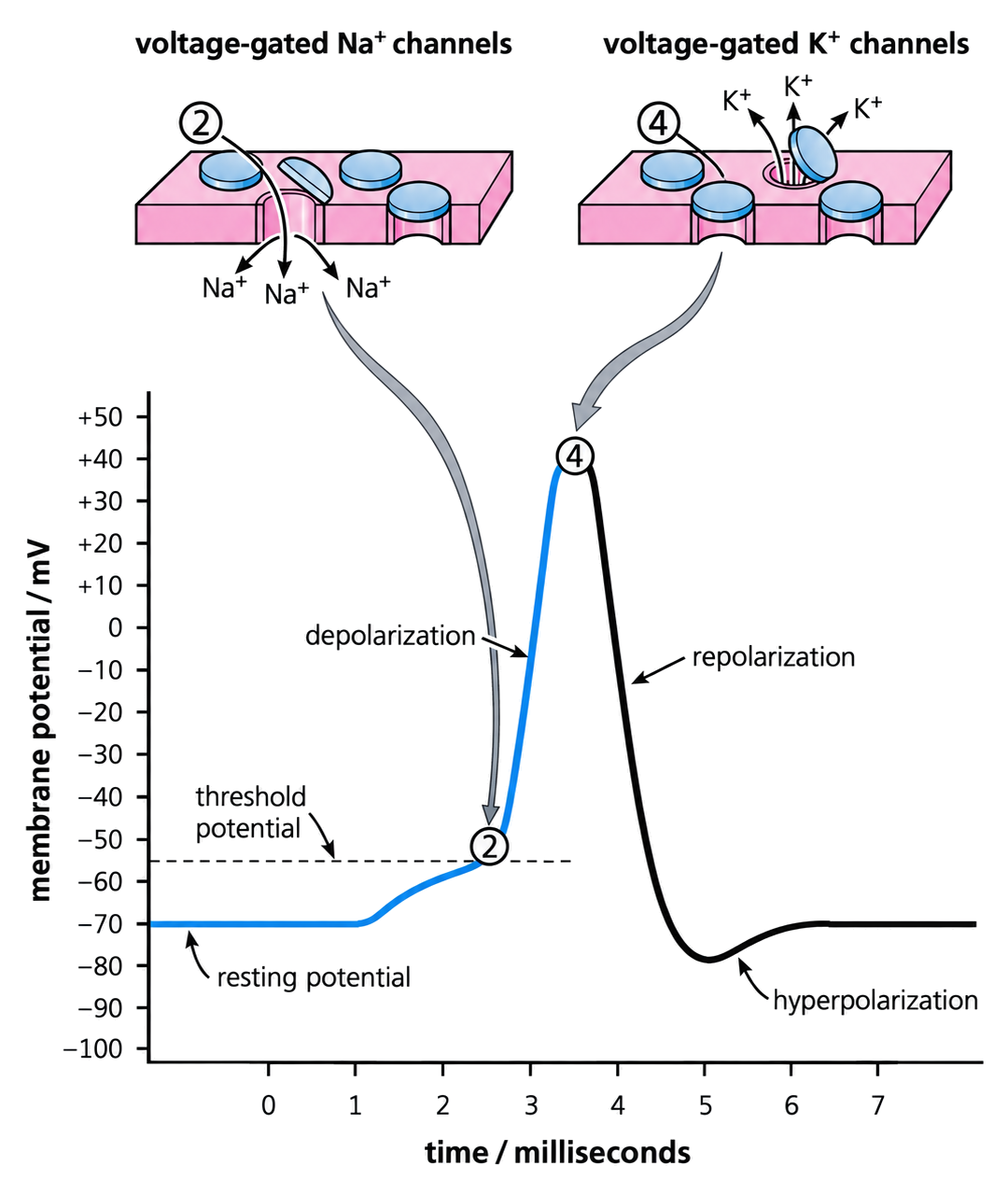
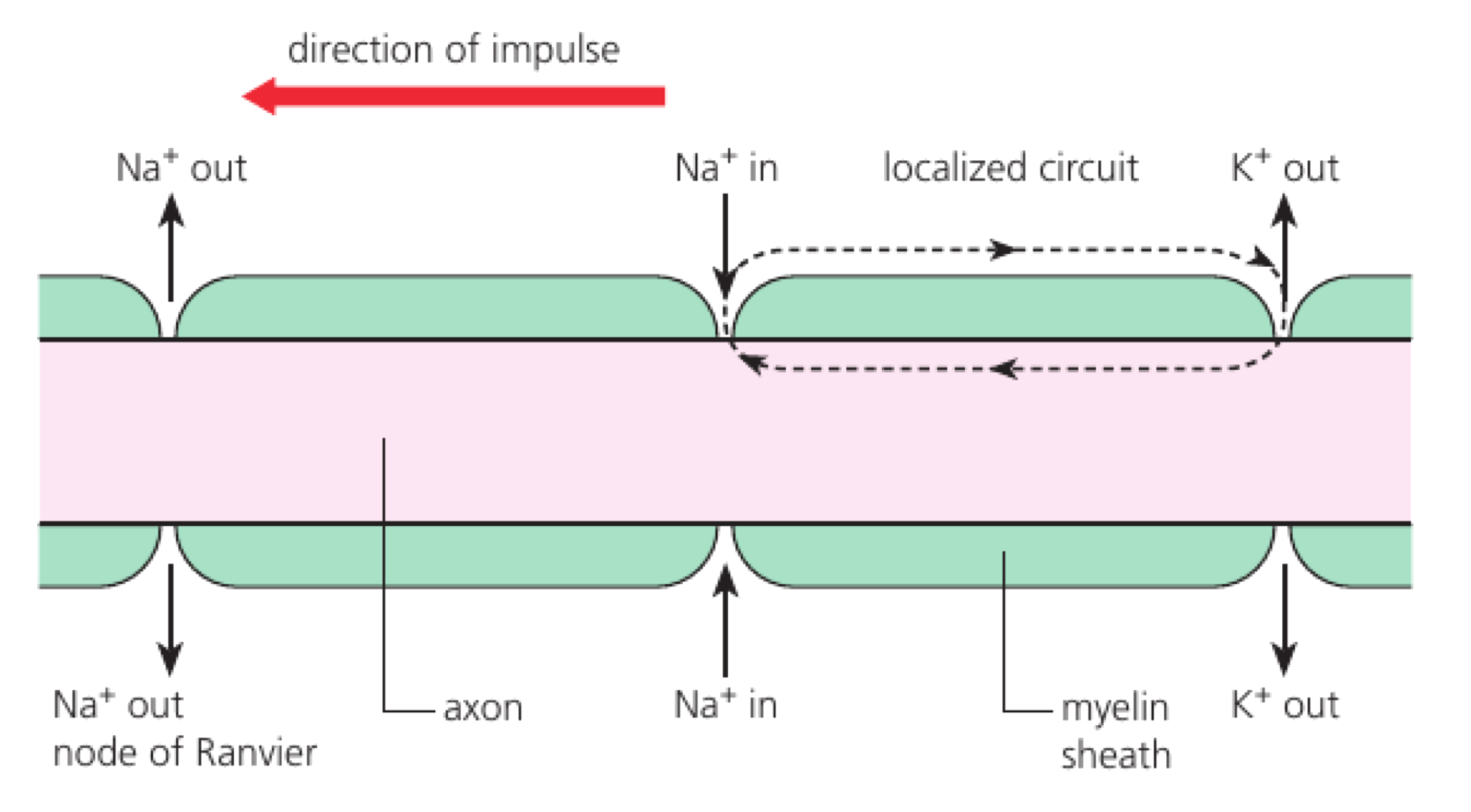
Neurons carry electrical impulses in the nervous system; motor, sensory, and relay neurons differ in axon, dendrite, and cell body arrangement. Sodium-potassium pumps use ATP to move 3 Na+ out and 2 K+ in; ion gradients make the resting axon polarized at about -70 mV. A nerve impulse is a propagated action potential along a nerve fibre; stimulus-triggered sodium influx reverses membrane polarity. Larger axon diameter lowers resistance and increases impulse speed; myelin sheaths and nodes of Ranvier enable faster saltatory conduction. Synapses connect neurons to neurons, muscles, or glands; chemical synapses transmit one way across a narrow synaptic cleft. Action potentials open voltage-gated Ca2+ channels in presynaptic terminals; Ca2+ causes vesicle fusion and neurotransmitter exocytosis into the cleft. Neurotransmitters diffuse and bind receptors on the postsynaptic membrane; EPSPs depolarize the membrane and make threshold more likely.

Concept essentials

  • Synapses transmit signals chemically between neurons.
  • Calcium entry into the presynaptic terminal triggers neurotransmitter release.
  • Neurotransmitters diffuse across the synaptic cleft and bind postsynaptic receptors.
  • Neurotransmitter removal helps end the postsynaptic signal.
ConceptIB Biology HL