EduNinja
(a)

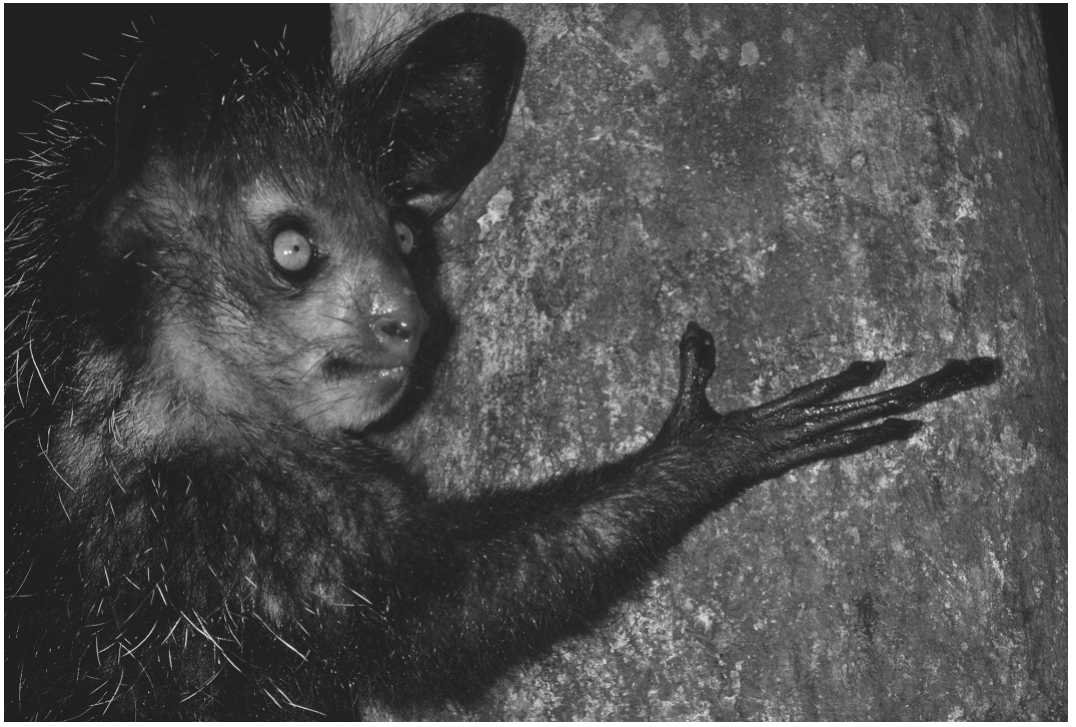
The aye-aye, Daubentonia madagascariensis, is a mammal, native to Madagascar. Aye-ayes are active at night and make their nests high up in trees. They feed on insect larvae in the trunks of trees.

Fig. 1.1 shows an aye-aye.
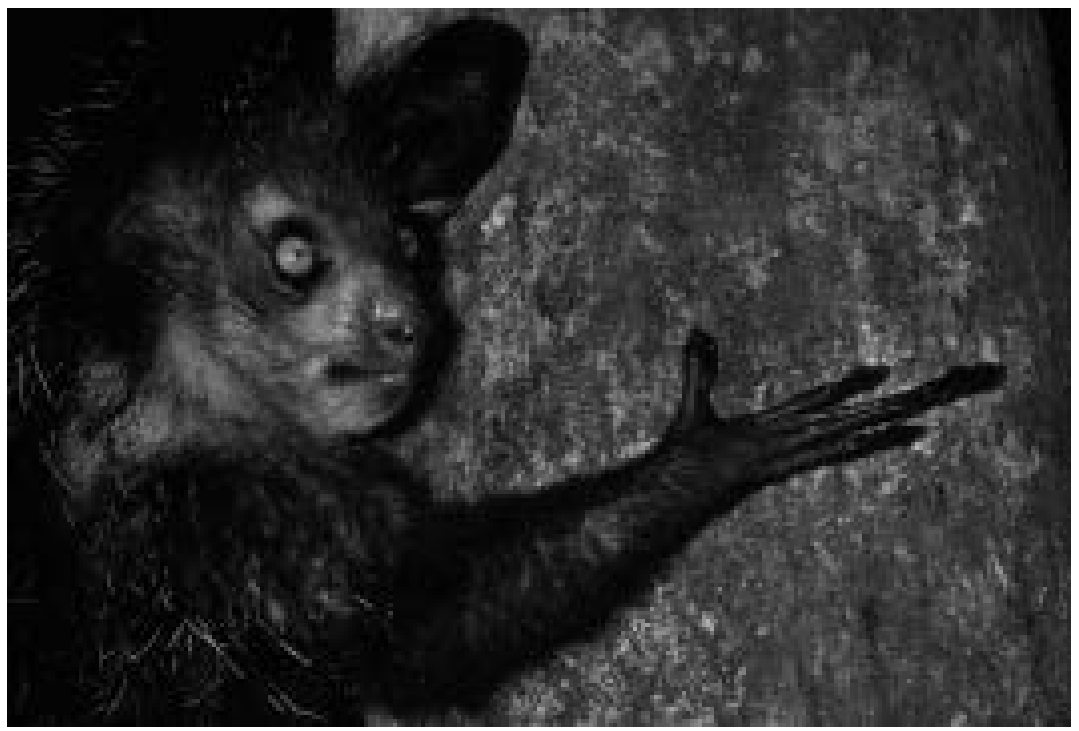
Fig. 1.1

Fig. 1.1

The International Union for Conservation of Nature (IUCN) categorises the aye-aye as endangered. This means that the aye-aye has a very high risk of becoming extinct in the wild.

[ 3 ]
(i)

Suggest ways in which zoos may be able to protect this species from extinction.

[ 3 ]
[Maximum number: 3]

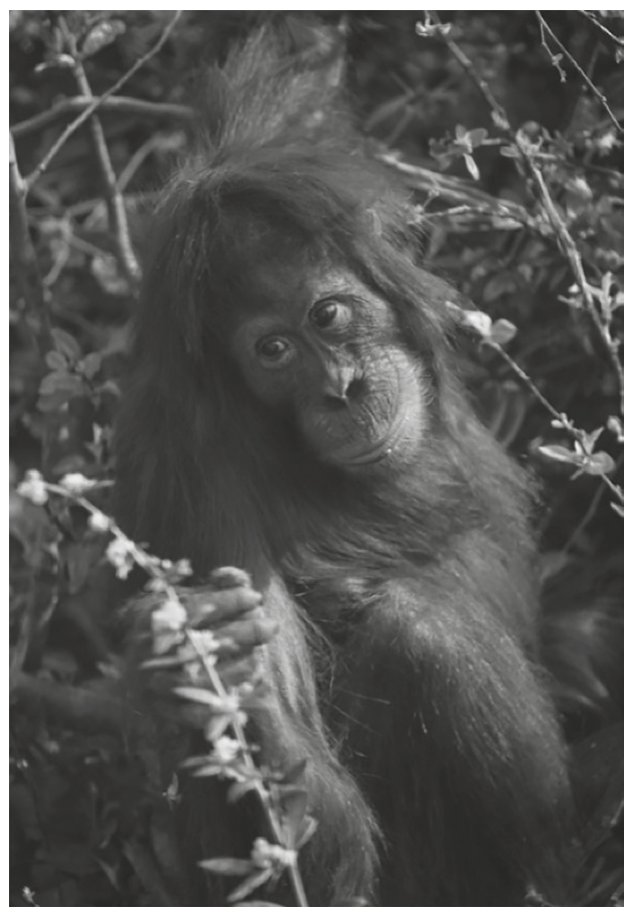
The Sumatran orangutan, Pongo abelii, is found only on the island of Sumatra, Indonesia.
Fig. 1.1 shows a Sumatran orangutan.

Fig. 1.1

Fig. 1.1

(a)

Outline the role zoos can take in the protection of the Sumatran orangutan.

[ 3 ]
[Maximum number: 5]

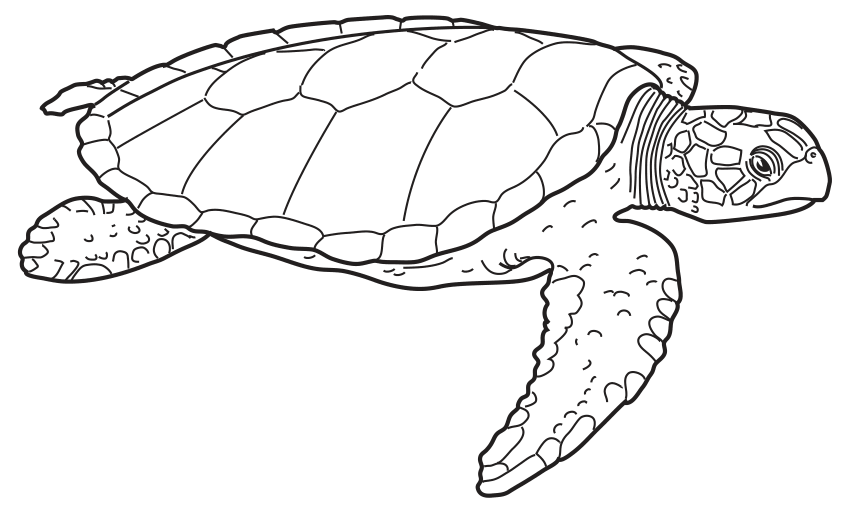
The flatback turtle, Natator depressus, is an endangered species that nests on northern Australian beaches.

Fig. 1.1 shows a flatback turtle.

Fig. 1.1

Fig. 1.1

Each female lays approximately 50 eggs per nest, which is a smaller number than all other species of marine turtle. The eggs are buried in the sand and when the hatchlings emerge each has a mass of approximately 43 g . Unlike most marine turtles, flatback turtles spend most of their time in coastal waters. This is where they feed and mate.

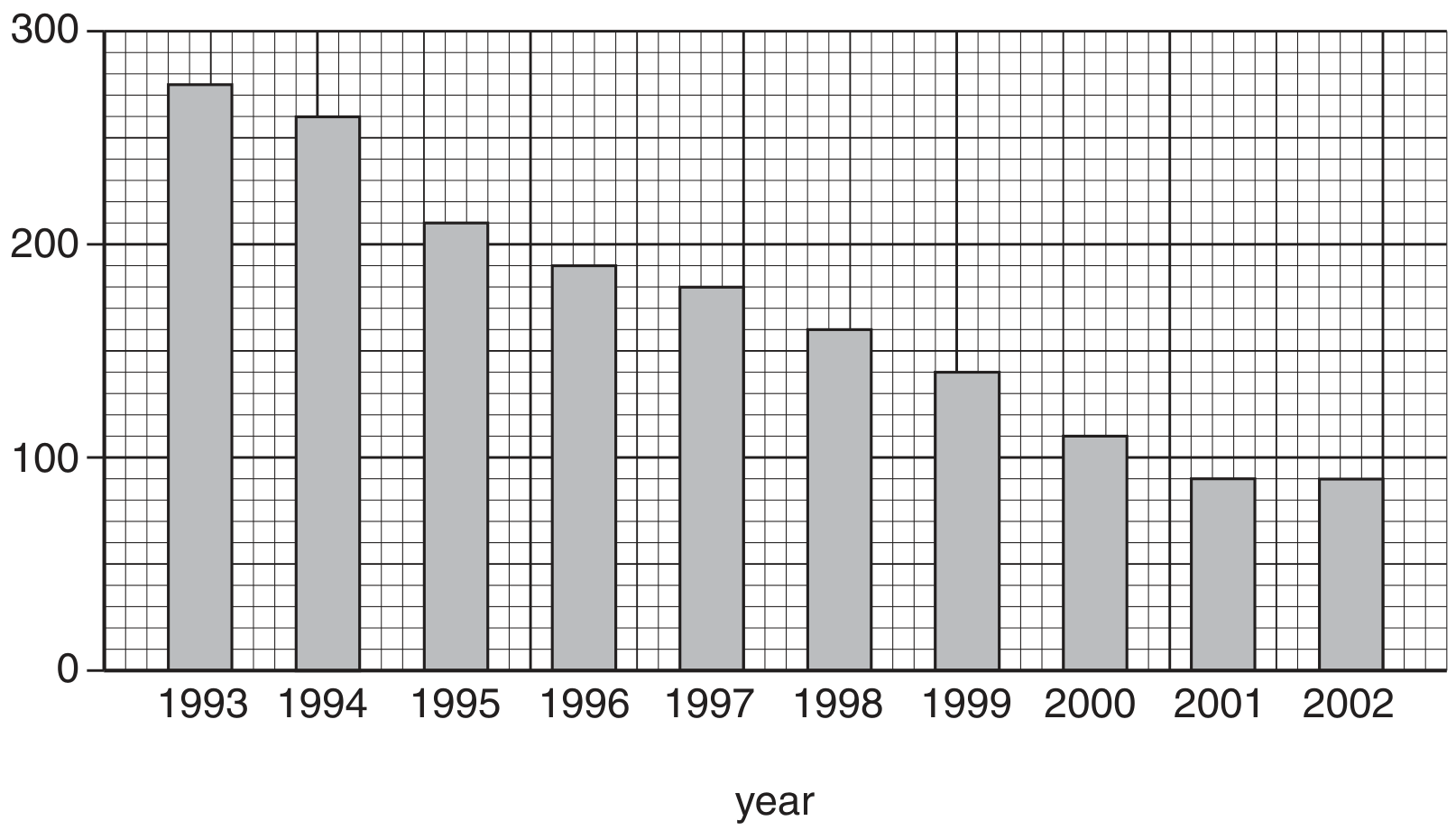
Fig. 1.2 shows the numbers of female flatback turtles nesting on a beach in northern Australia between 1993 and 2002.
number of female turtles nesting

Fig. 1.2

Fig. 1.2

(a)

Suggest ways in which the flatback turtle could be protected.

[ 5 ]
[Maximum number: 4]

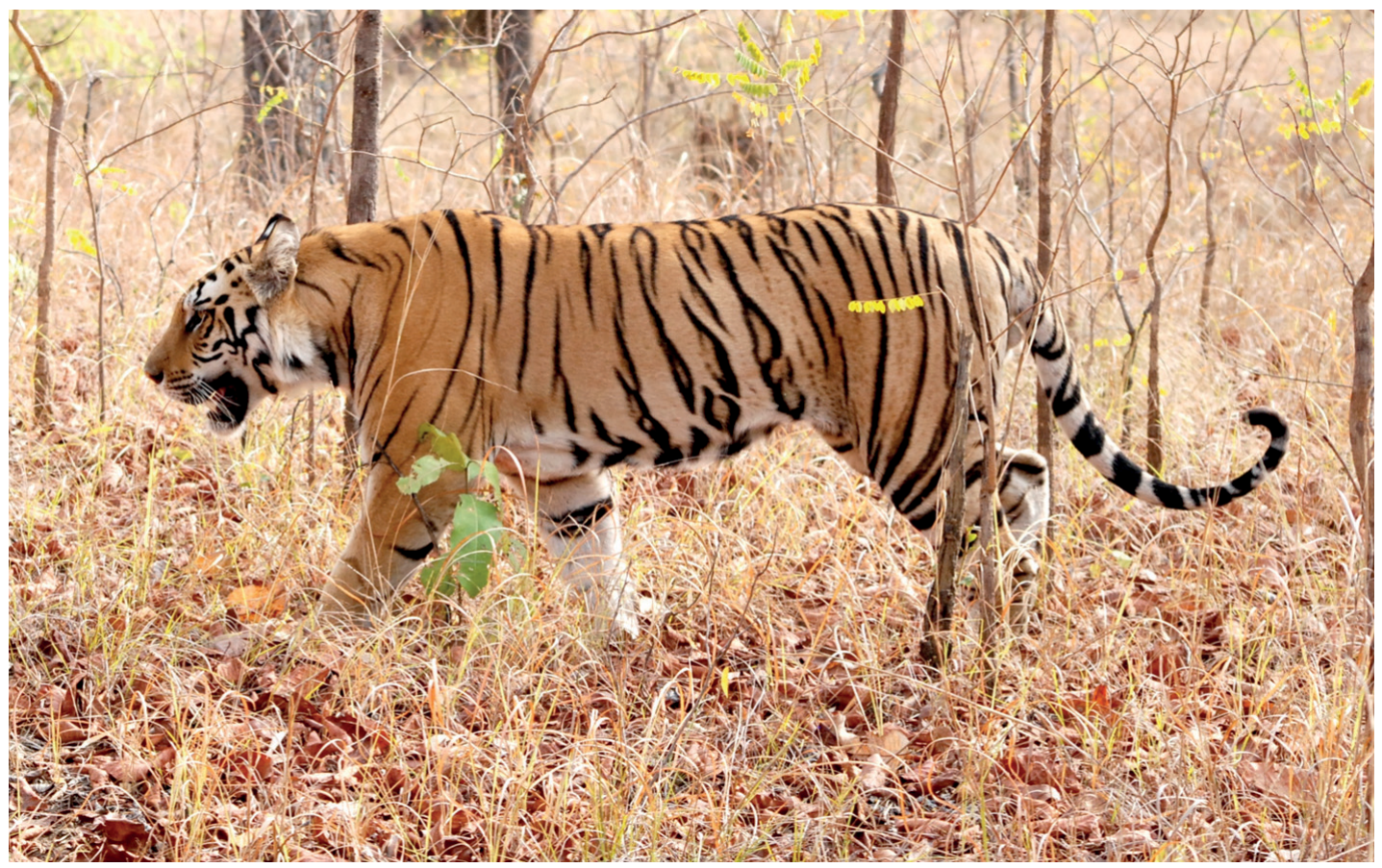
The Bengal Tiger, Panthera tigris tigris, is an endangered mammalian species of Southern Asia. It lives mostly in a forest habitat.

Fig.1.1 shows a Bengal Tiger.

Fig. 1.1

Fig. 1.1

(a)

Suggest methods to conserve the Bengal Tiger.

[ 4 ]
[Maximum number: 3]

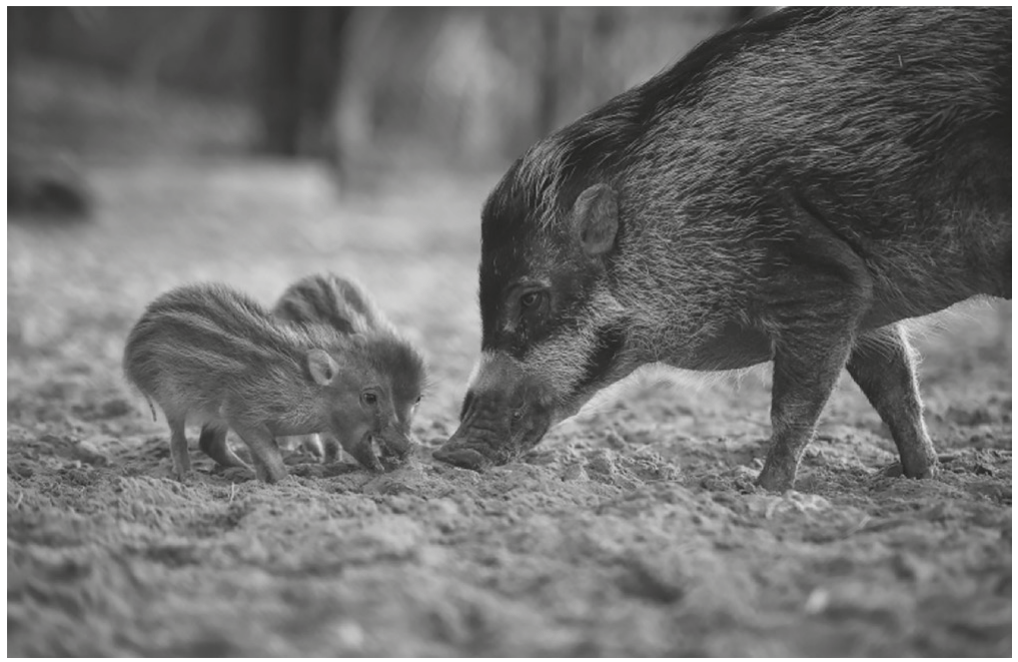
The Visayan warty pig, Sus cebifrons, is found on two islands in the Philippines.
Fig. 1.1 shows a female Visayan warty pig with her young.

Fig. 1.1

Fig. 1.1

(a)

The International Union for Conservation of Nature (IUCN) is the world's largest global environmental organisation. The IUCN Red List of Threatened Species ™ { }^{\text {™ }} evaluates the conservation status of plant and animal species.

The Visayan warty pig is categorised as critically endangered on the IUCN Red List, which means that it is nearly extinct in the wild.

There are now only approximately 200 Visayan warty pigs in the Philippines.
Visayan warty pigs live in areas of dense forest that may be close to human habitation.

[ 3 ]
(i)

Describe the role of zoos in the protection of the Visayan warty pig.

[ 3 ]
[Maximum number: 2]

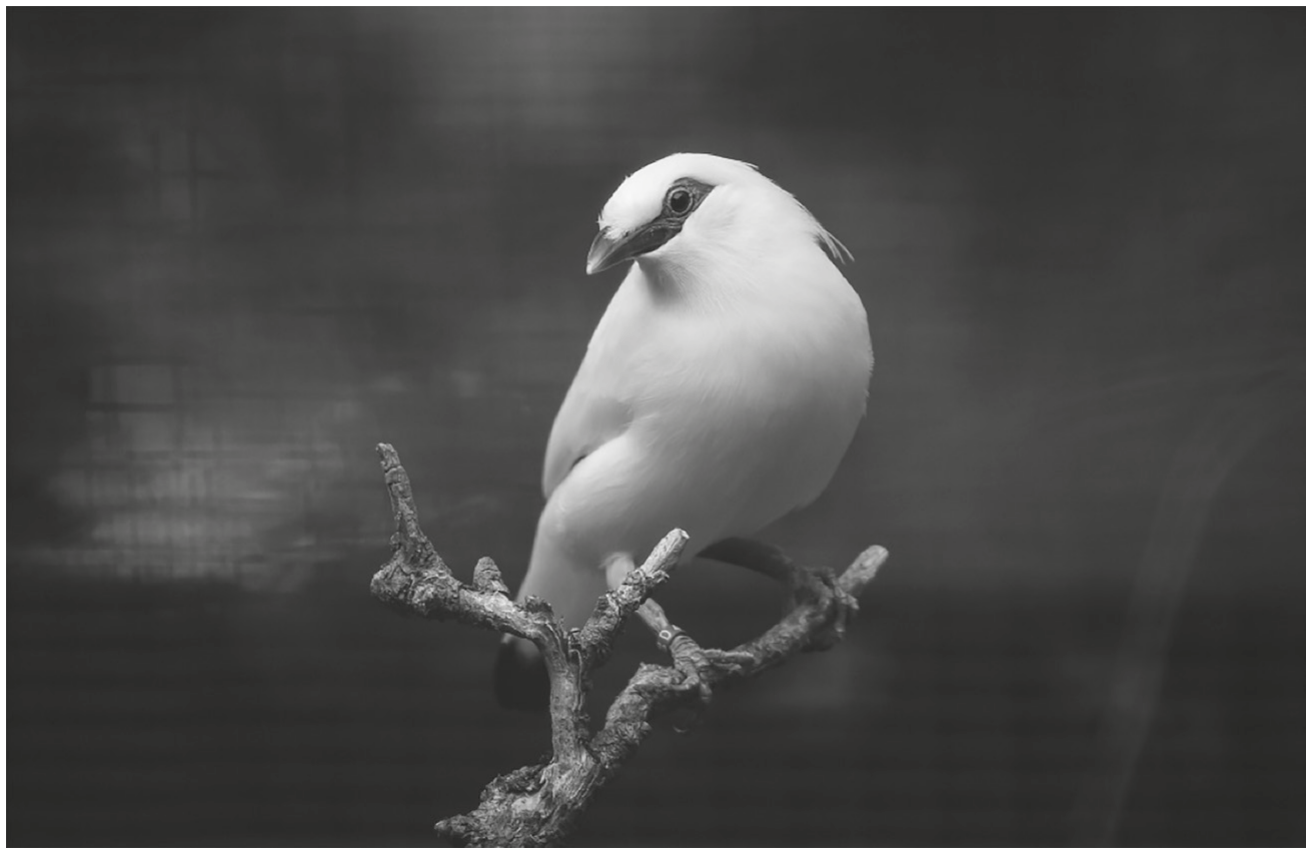
The Bali starling, Leucopsar rothschildi, is found on the island of Bali, Indonesia.
Fig. 1.1 shows a Bali starling.

Fig. 1.1

Fig. 1.1

(a)

The International Union for Conservation of Nature (IUCN) is the world's largest global environmental organisation. The IUCN Red List of Threatened Species TM { }^{\text {TM }} evaluates the conservation status of plant and animal species.

The Bali starling is categorised as critically endangered on the IUCN Red List, which means that it is nearly extinct in the wild.

The Bali starling is protected by Indonesian law and trapping of the birds for sale as pets is illegal. In 2001 there were only six Bali starlings in the wild and about 1000 in captivity.

[ 2 ]
(i)

Describe the roles zoos can take in the protection of the Bali starling.

[ 2 ]
[Maximum number: 4]

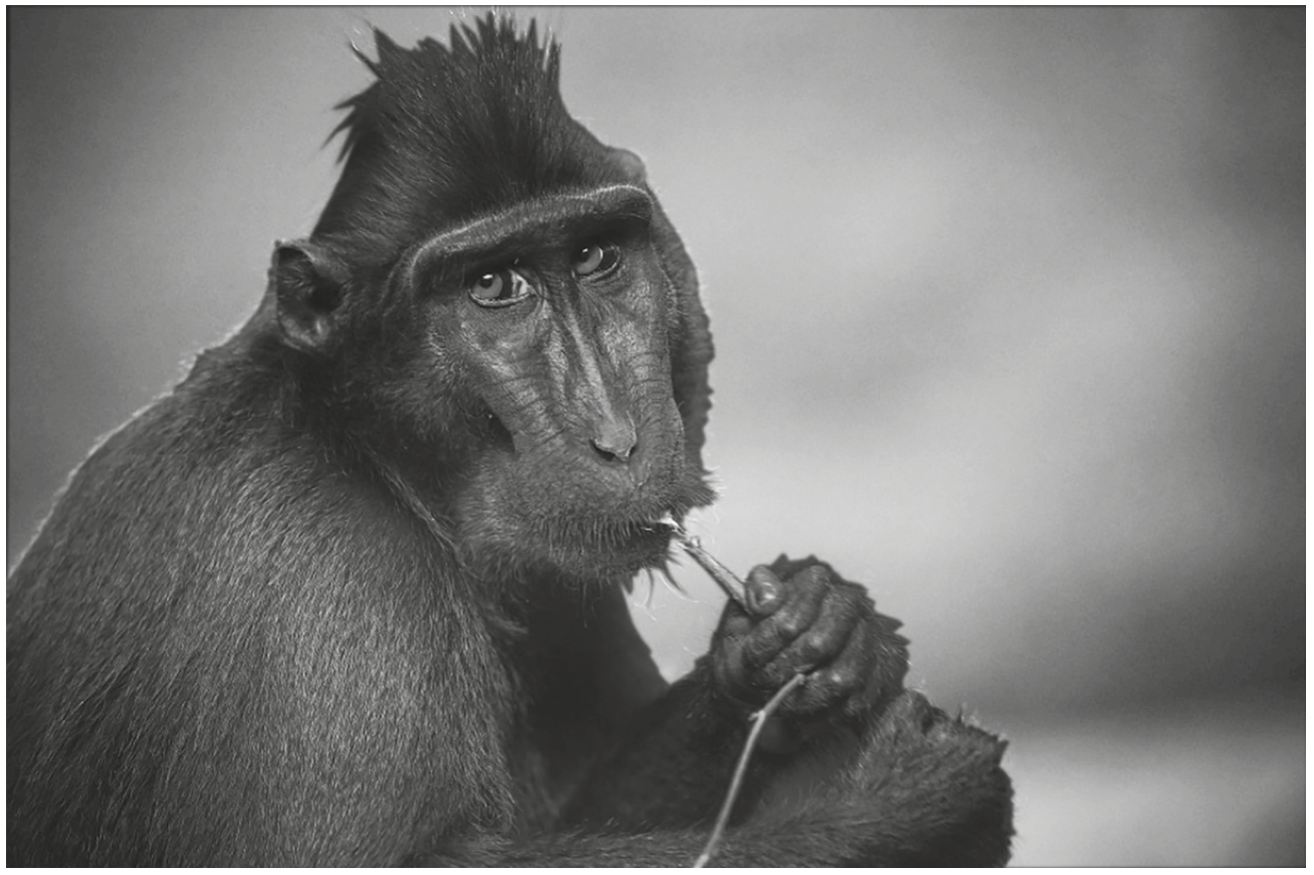
The Sulawesi macaque, Macaca nigra, is found on the large island of Sulawesi in Indonesia. The Sulawesi macaque is also found on other smaller islands close to Sulawesi, such as the island of Bacan.

Fig. 1.1 shows a Sulawesi macaque.

Fig. 1.1

Fig. 1.1

(a)

Suggest ways of protecting the Sulawesi macaque.

[ 4 ]
[Maximum number: 3]

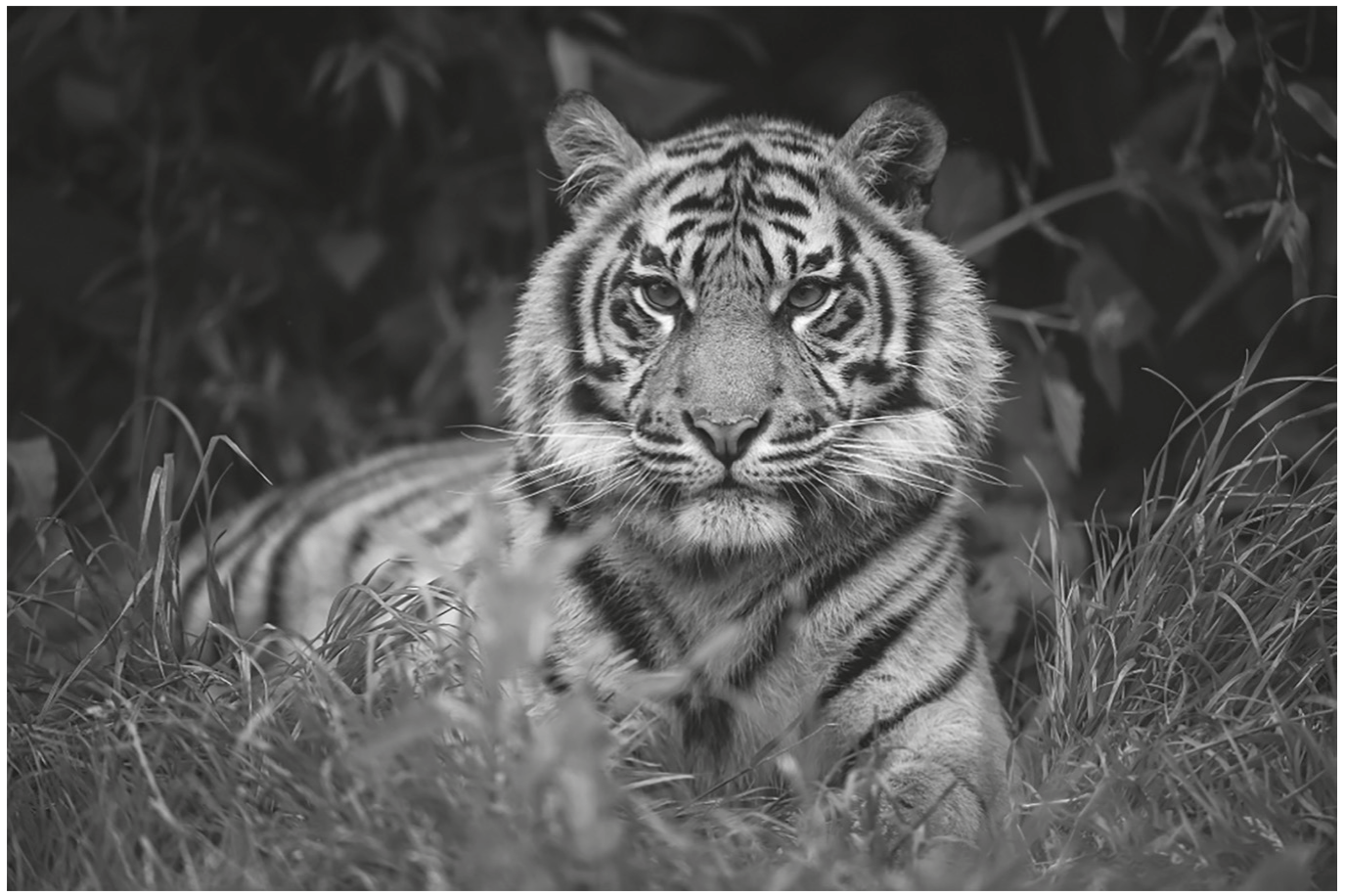
The Sumatran tiger lives on the island of Sumatra, Indonesia.
Fig. 1.1 shows a Sumatran tiger.

Fig. 1.1

Fig. 1.1

(a)

Some zoos in Europe have captive breeding programmes for the Sumatran tiger, which breeds well in captivity. Once cubs have reached maturity they may be moved to other zoos. For example, as part of a coordinated breeding programme carried out in 2013, one tiger born in Chester Zoo in England was moved to France and another tiger born in the same zoo was moved to Germany. This type of coordinated breeding programme is essential for the survival of the Sumatran tiger.

Explain why it is important to the gene pool of Sumatran tigers to move tigers from one zoo to another.

[ 3 ]
(a)

The aye-aye, Daubentonia madagascariensis, is a primate native to Madagascar. Aye-ayes are nocturnal (active at night) and make their nests high up in trees. They feed on insect larvae in the trunks of trees.

Fig. 1.1 shows an aye-aye.

Fig. 1.1

Fig. 1.1

The International Union for Conservation of Nature (IUCN) is the world's largest global environmental organisation. The IUCN Red List of Threatened Species TM { }^{\text {TM }} evaluates the conservation status of plant and animal species.

The aye-aye is categorised as endangered on the IUCN Red List, which means that it faces a very high risk of becoming extinct in the wild.

[ 3 ]
(i)

Suggest ways in which zoos may help to protect this species from extinction.
Question 1 continues on page 4

[ 3 ]
[Maximum number: 3]

Fig. 1.1 shows a snow leopard, Panthera uncia. The habitat of the snow leopard is the high mountains of Central Asia.

Fig. 1.1

Fig. 1.1

Snow leopards usually live and hunt alone. Their main prey is grazing herbivores, such as wild sheep and wild goats. They will also hunt domesticated animals and livestock.

The number of snow leopards has decreased dramatically in the last 40 years.

(a)

The Convention on International Trade in Endangered Species of Wild Fauna and Flora (CITES) is an agreement between the governments of most countries.

The snow leopard is endangered and is listed on this agreement.
Describe the actions taken by participating governments that help to conserve endangered animals, such as the snow leopard.

[ 3 ]
0