IB ESS 5.2 Agriculture and Food Topic Practice

EduNinja

Question 1

[Maximum number: 8]

The figure refers to a typical Western European diet. This example shows recommended consumption of food types (on the basis of health) and the environmental impact of their production.

Figure 1(b): Environmental impact pyramid
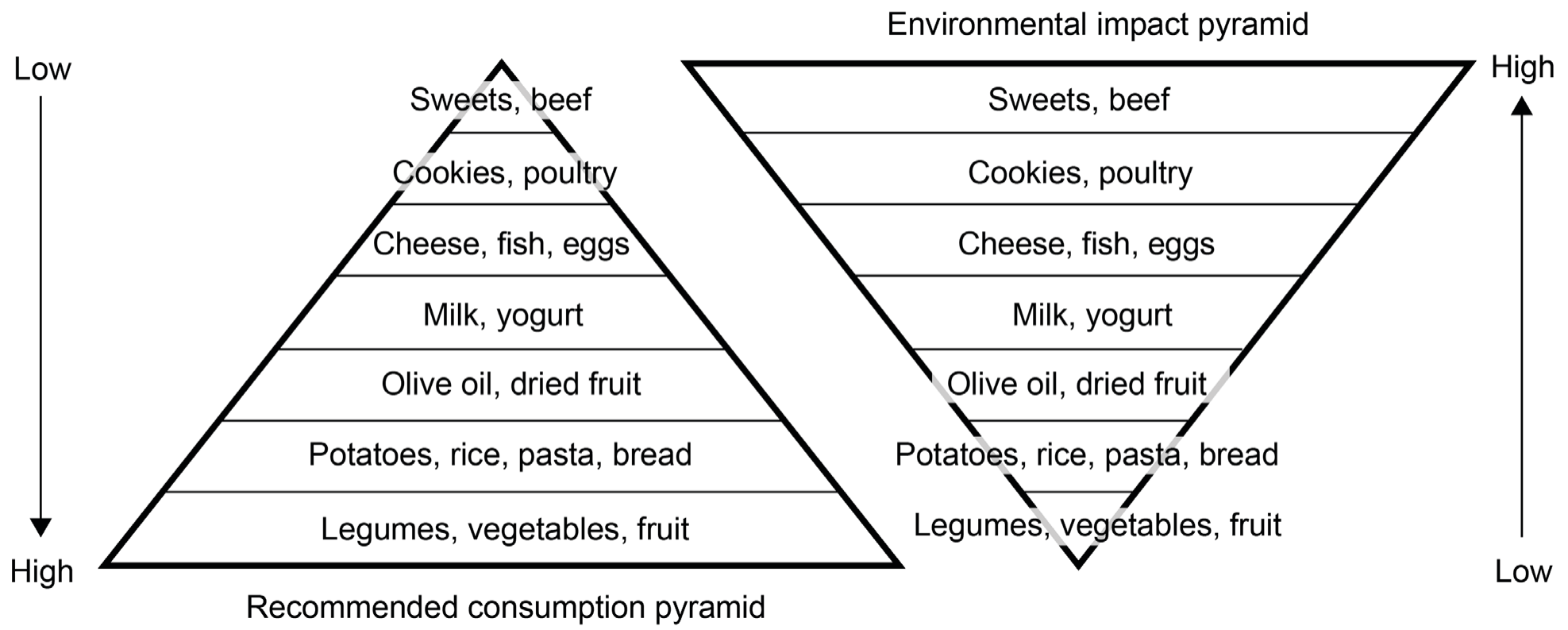
Figure 1(a): Recommended consumption pyramid and Figure 1(b): Environmental impact pyramid

Figure 1(a): Recommended consumption pyramid and Figure 1(b): Environmental impact pyramid

Question 1(a)

(a)

With reference to Figures 1(a) and 1(b):

[ 2 ]

Question 1(a)(i)

(i)

State the food that has the highest environmental impact.

[ 1 ]

Question 1(a)(ii)

(ii)

State the food that has the highest recommended consumption.

[ 1 ]

Question 1(b)

(b)

Describe the relationship between both pyramids in Figures 1(a) and 1(b).

[ 2 ]

Question 1(c)

(c)

Identify two environmental impacts associated with producing the foods near the base of the recommended consumption pyramid (Figure 1(a)).

[ 2 ]

Question 1(e)

(d)

Outline two reasons why the composition of a typical diet in other regions of the world may differ from the Western European diet shown in Figure 1(a).
[ 2 ]

Question 3

Question 3(a)

(a)
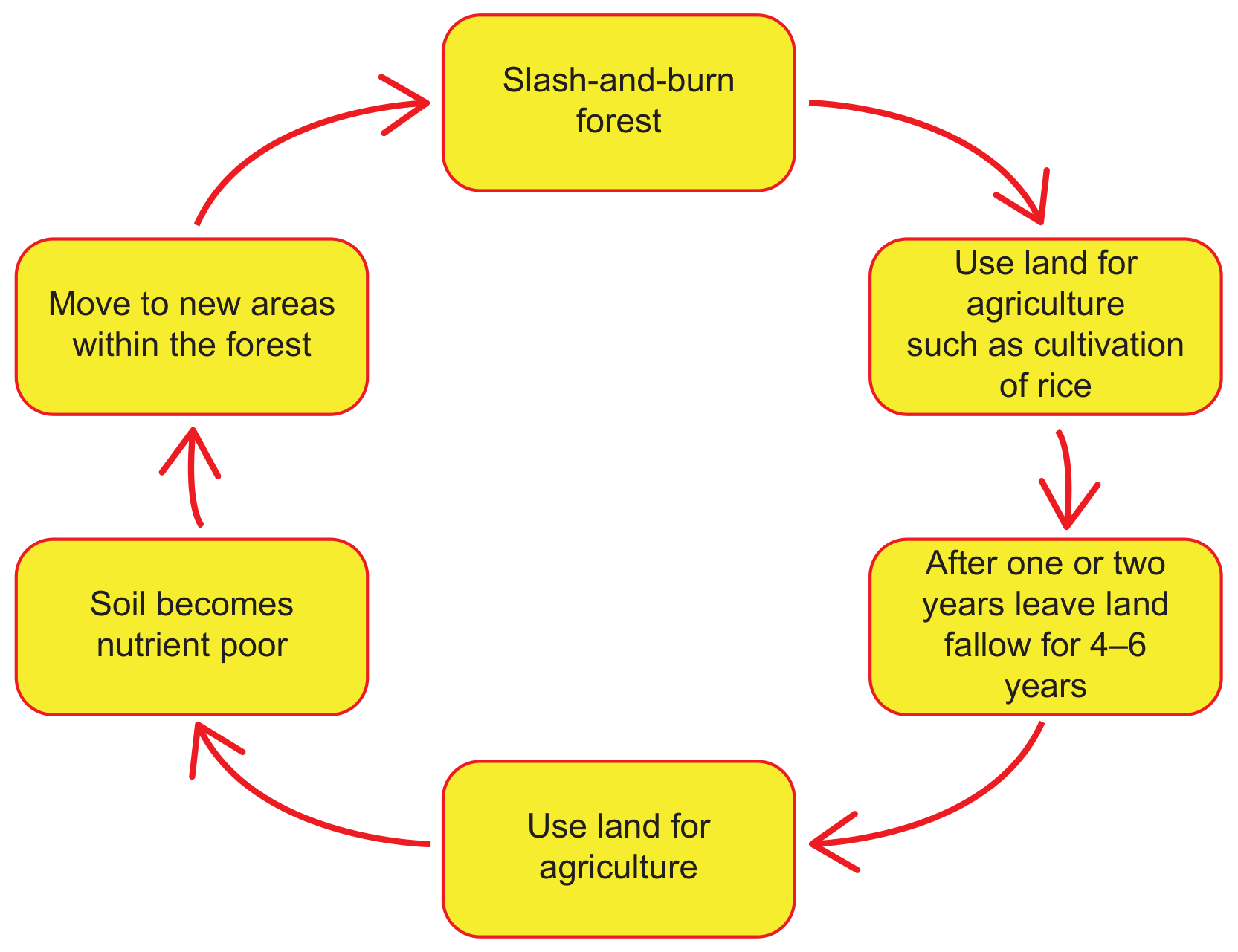
Figure 4(a): Tavy slash-and-burn agriculture cycle

Figure 4(a): Tavy slash-and-burn agriculture cycle

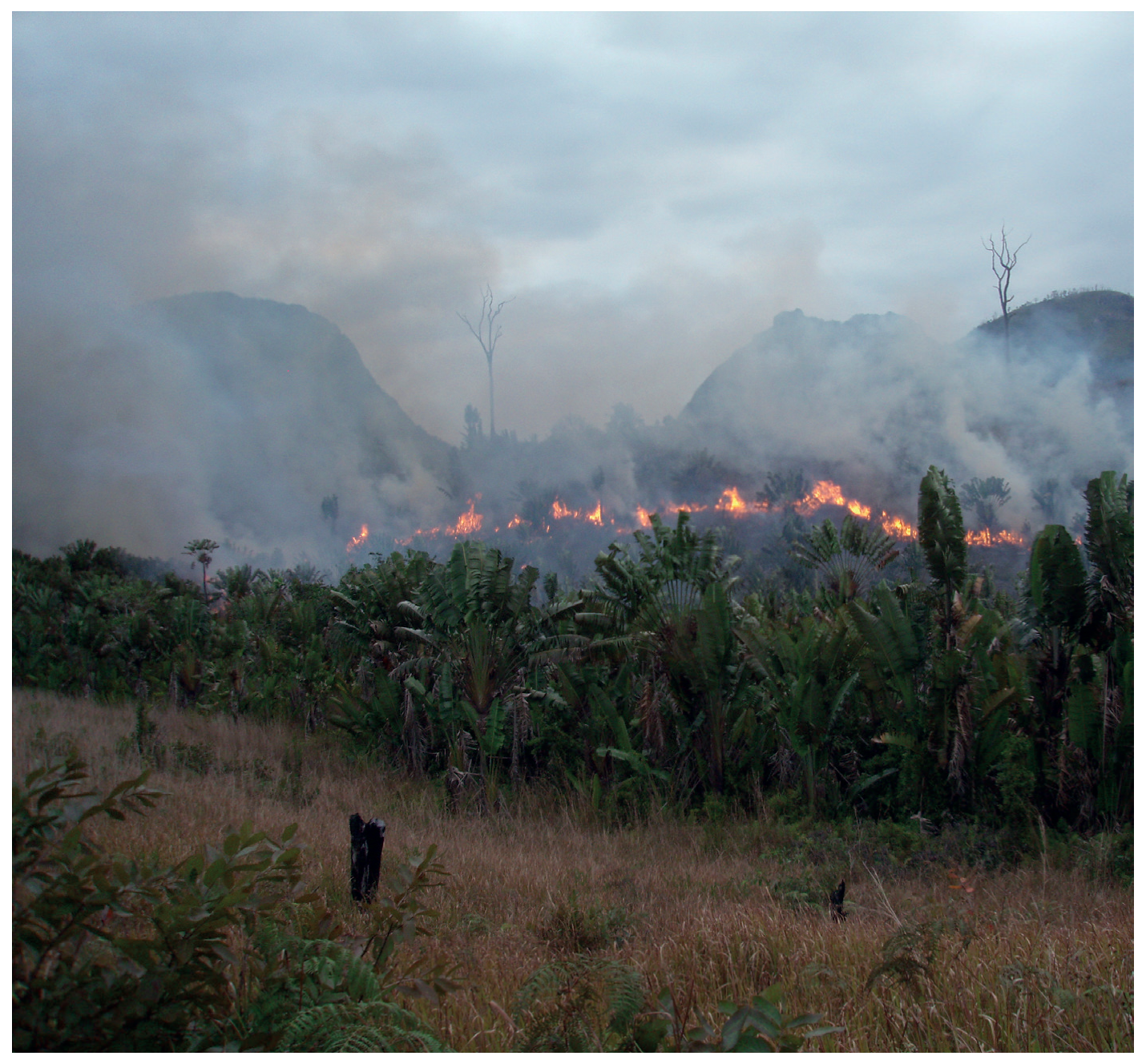
Figure 4(b): Clearance of forest for tavy agriculture

Figure 4(b): Clearance of forest for tavy agriculture

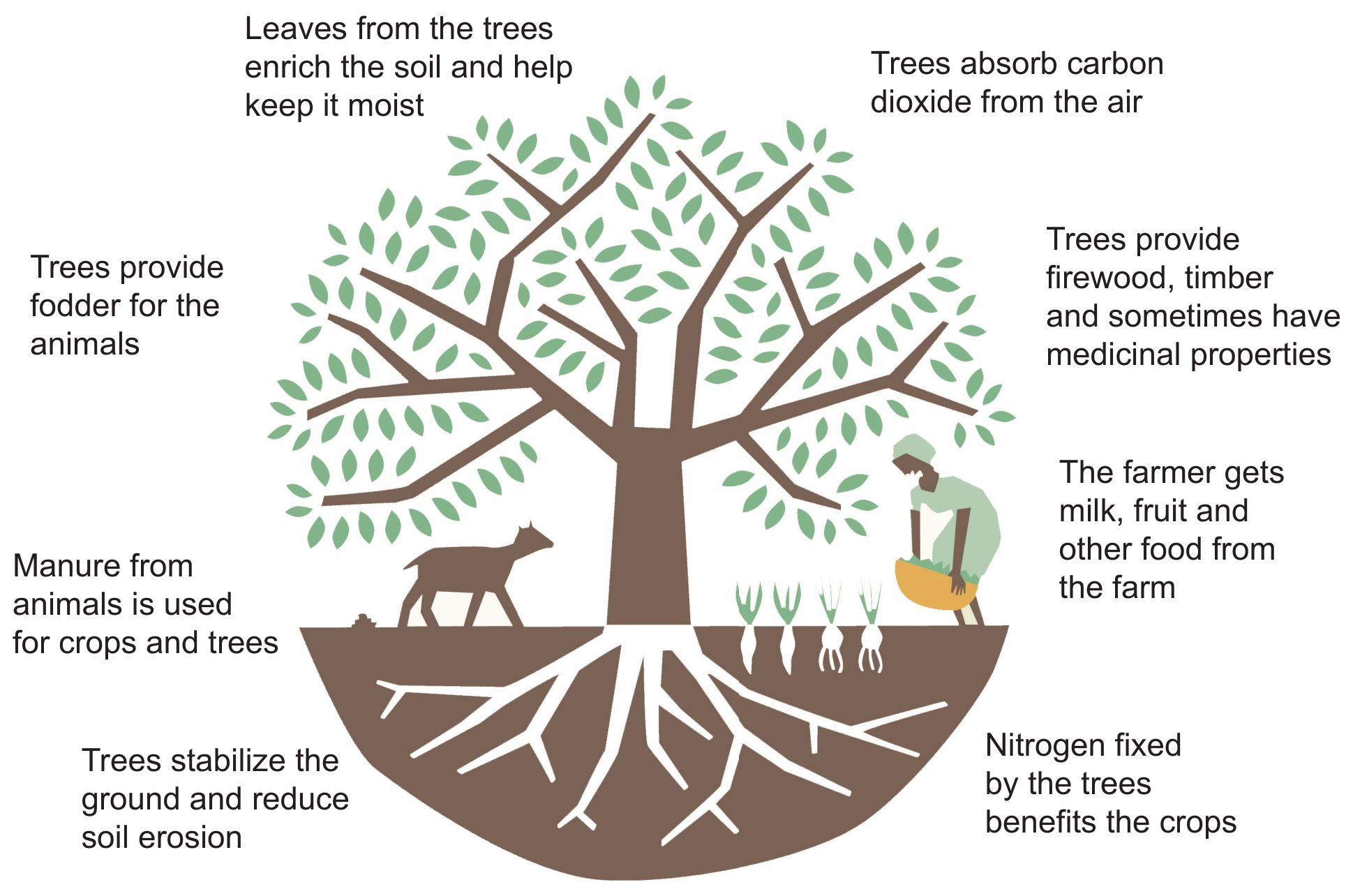
Figure 4(c): Agroforestry alternative to tavy farming

Figure 4(c): Agroforestry alternative to tavy farming

With reference to Figures 4(a), 4(b) and 4(c), outline two reasons why a change from tavy agriculture to agroforestry may be more sustainable.

[ 2 ]

Question 3(b)

(b)

Figure 2: Fact file on Madagascar
Figure 2: Madagascar is the fourth largest island in the world and had about 24 million people in 2016.
Crude birth rate was 32.1 per 1000 and crude death rate 6.7 per 1000 in 2016.
Main employment sectors are agriculture, fisheries and forestry; most people rely on traditional subsistence farming.
Forests are cleared for traditional farming, valuable timber and charcoal; soil erosion is serious, with up to 363 tonnes/ha/year lost in some areas.

Outline two reasons why the change from tavy agriculture to agroforestry may be difficult to achieve.

[ 2 ]

Question 4(c)

[Maximum number: 2]

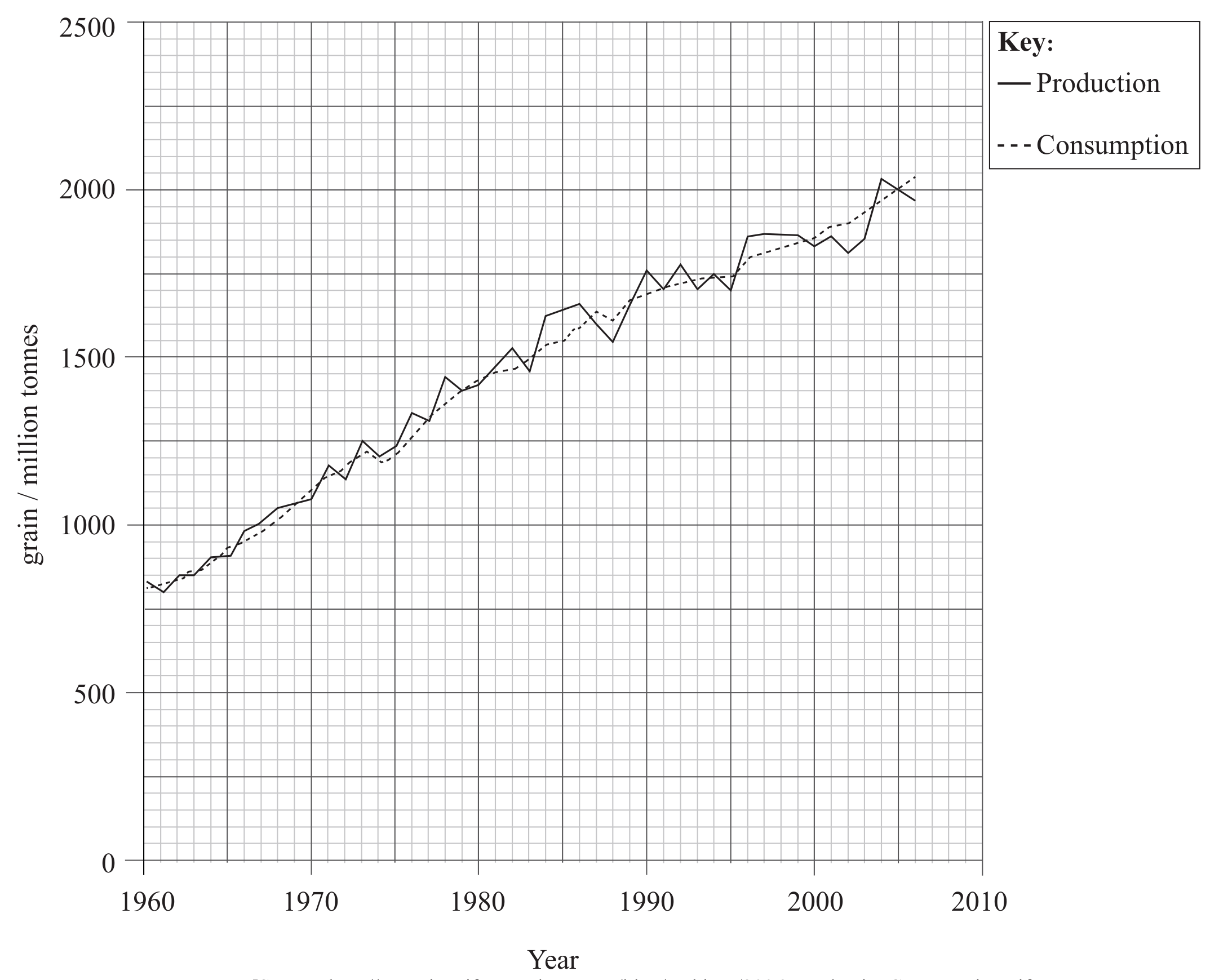
Figure 4 shows changes in world grain production and consumption between 1960 and 2006.

Figure 4

Figure 4

Outline two negative environmental impacts of increasing food production.

Question 3(c)

[Maximum number: 8]

Evaluate ways in which different agricultural techniques may affect the sustainability of soil as a resource.

Question 5

[Maximum number: 4]

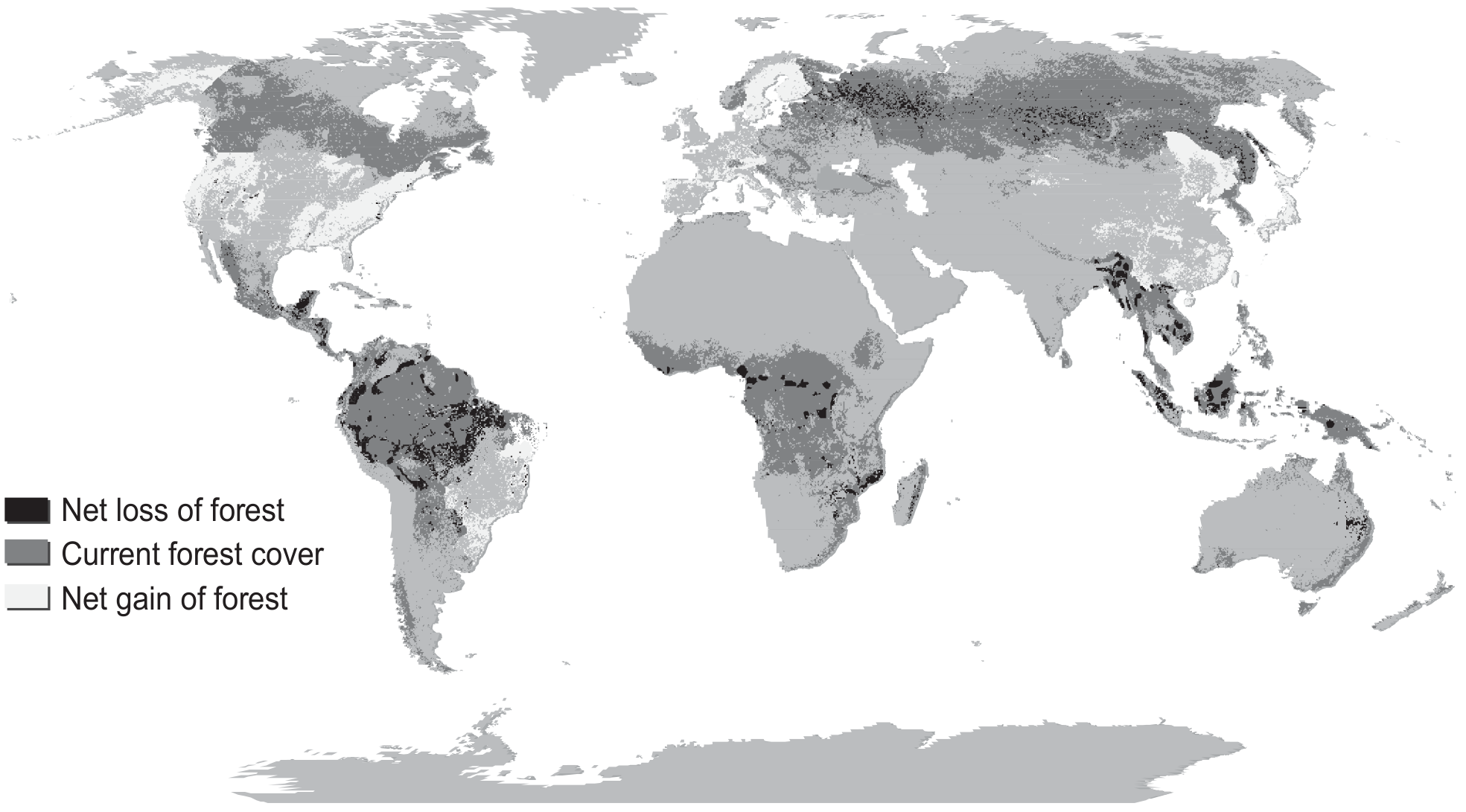
Figure 6: Changes in forest cover between 1990 and 2000.

Figure 6

Figure 6

Question 5(a)

(a)

State two ways in which the impacts of economic development may lead to net loss of forests.

[ 2 ]

Question 5(b)

(b)

Suggest two reasons for the net gains in forest area.

[ 2 ]

Question 5(c)

[Maximum number: 9]

Discuss strategies that can be used to improve the sustainability of food production systems.

Question 7(c)

[Maximum number: 9]

Using examples, discuss how social, cultural, political and economic factors influence societies in their choice of food production systems.

0 selected