IB ESS 4.1 Water Systems Topic Practice

EduNinja

Question 2

[Maximum number: 2]
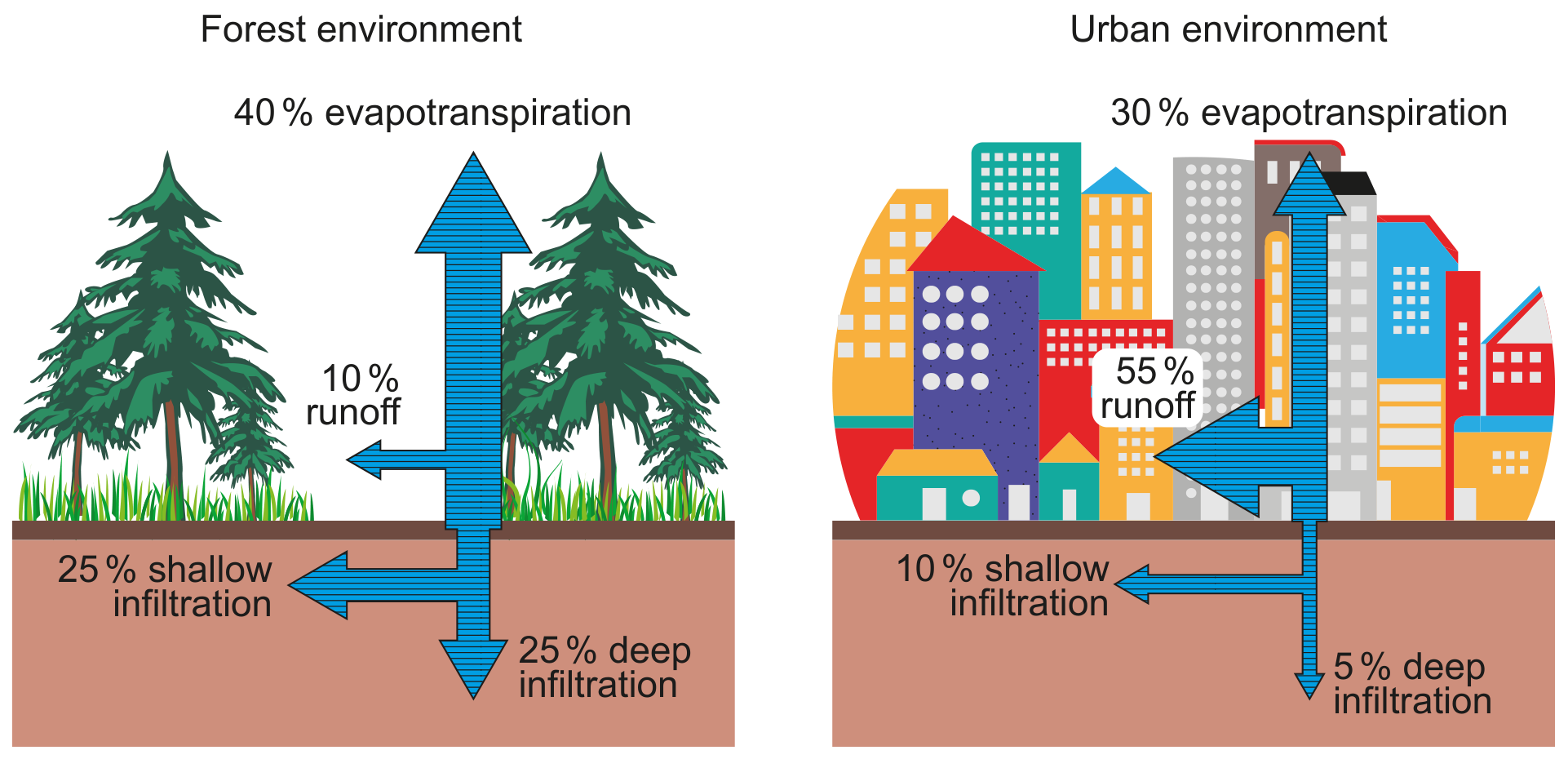
Figure 2(a): Water transfers and transformations after rainfall in forest and urban environments
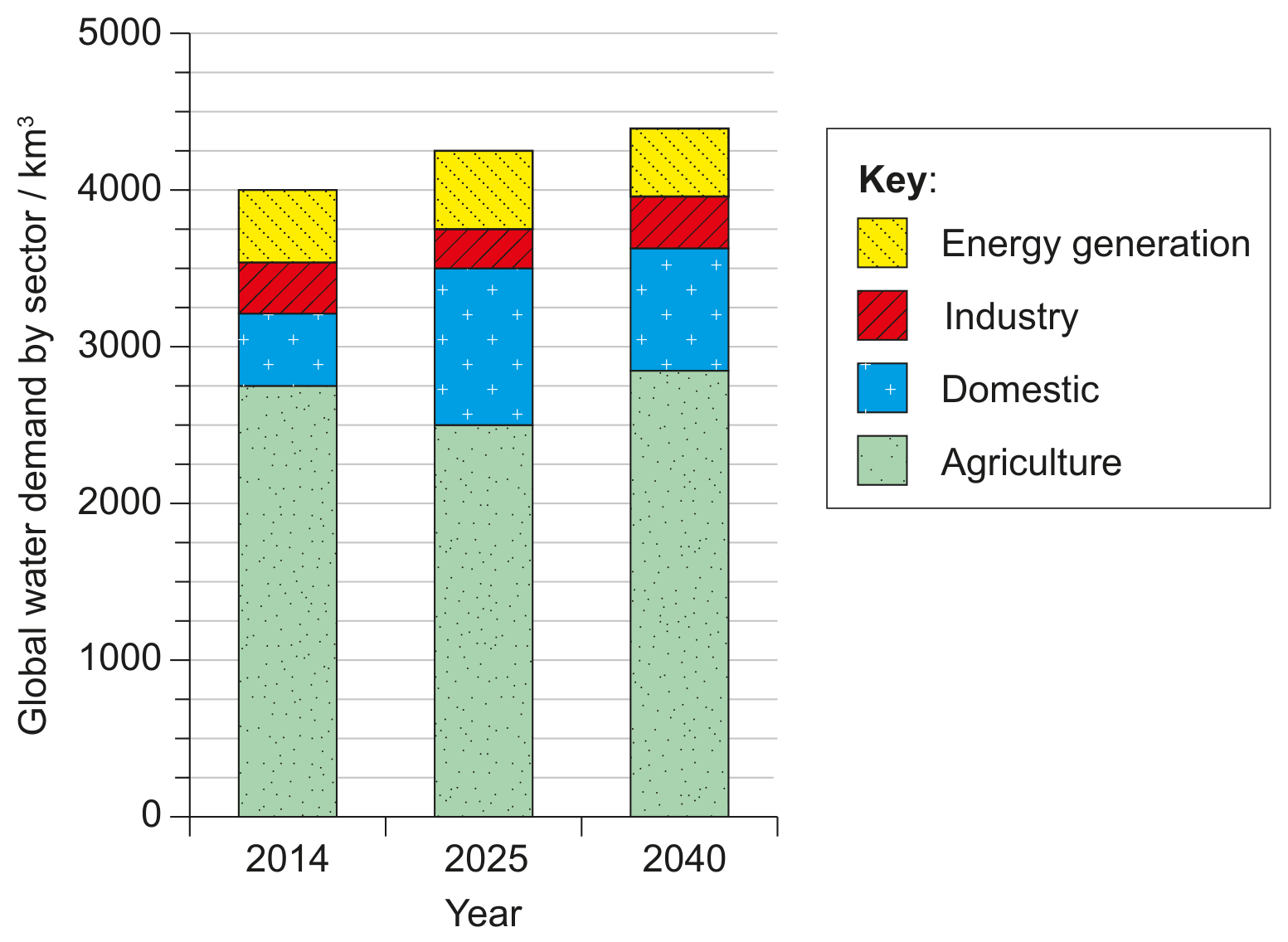
Figure 2(a): Water transfers and transformations after rainfall in forest and urban environments

Figure 2(b): Global water demand by sector for 2014, and projected for 2025 and 2040

Figure 2(b): Global water demand by sector for 2014, and projected for 2025 and 2040

Question 2(b)

(a)

Calculate the difference in water infiltration between the forest and urban environments.

[ 1 ]

Question 2(c)

(b)

Outline how one storage in the hydrological cycle decreases with urbanization.

[ 1 ]
Question 3

[Maximum number: 2]
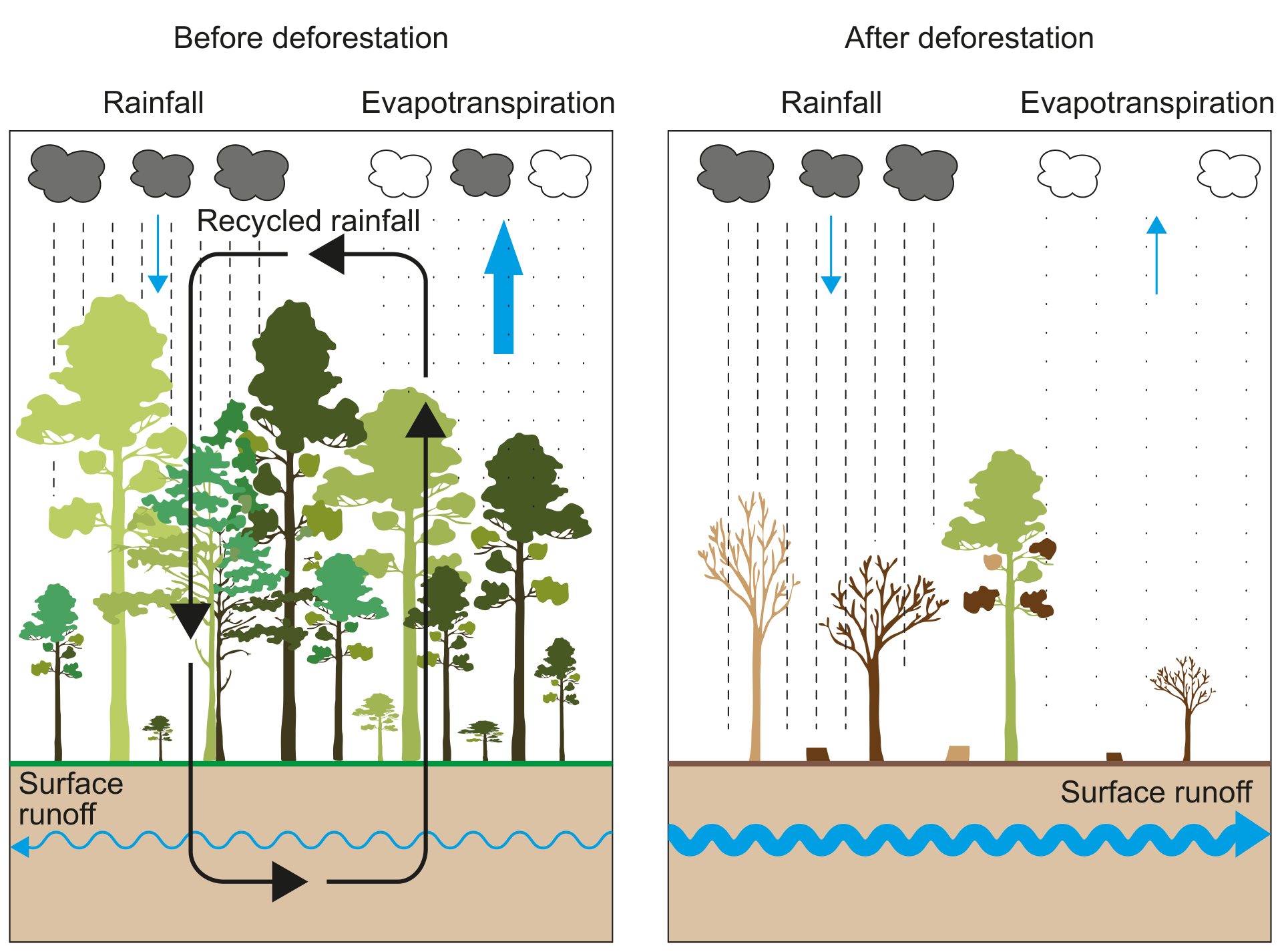
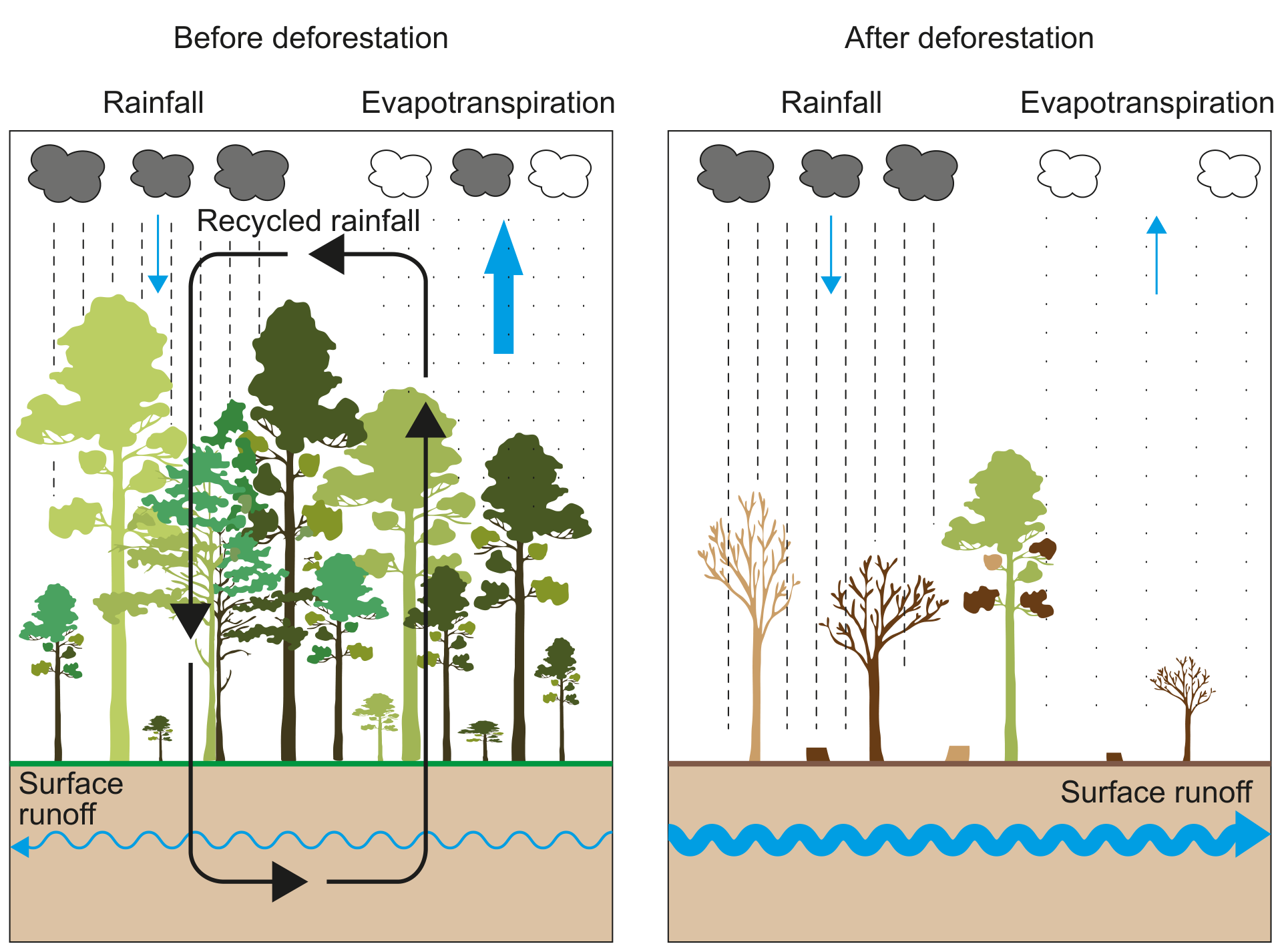
Figure 3: Impact of deforestation on the water cycle

Figure 3: Impact of deforestation on the water cycle

Question 3(a)

(a)

State one storage of fresh water not shown in Figure 3.

[ 1 ]

Question 3(b)

(b)

State one input of water into the atmosphere not shown in Figure 3.

[ 1 ]

Question 3

[Maximum number: 2]
Figure 3: Impact of deforestation on the water cycle

Figure 3: Impact of deforestation on the water cycle

Question 3(a)

(a)

State one storage of fresh water not shown in Figure 3.

[ 1 ]

Question 3(b)

(b)

State one input of water into the atmosphere not shown in Figure 3.

[ 1 ]

Question 6(a)(ii)

[Maximum number: 1]

Explain how the production of cash crops (such as pineapples) may have an environmental impact on:

lakes or rivers.

Question 4(b)

[Maximum number: 7]

Describe how the use of fossil fuels may impact the abiotic conditions of oceanic systems.

Question 7

Question 7(a)

(a)

Outline how energy drives the hydrological cycle.

[ 4 ]

Question 7(b)

(b)

Explain, with the use of a system diagram, how human activities affect flows in the global water cycle.

[ 7 ]

Question 6(a)

[Maximum number: 4]

Outline four ways in which urbanization may influence processes in the hydrological cycle.

0 selected