IB ESS 3.1 Biodiversity and Evolution Topic Practice

EduNinja

Question 1(f)

[Maximum number: 1]
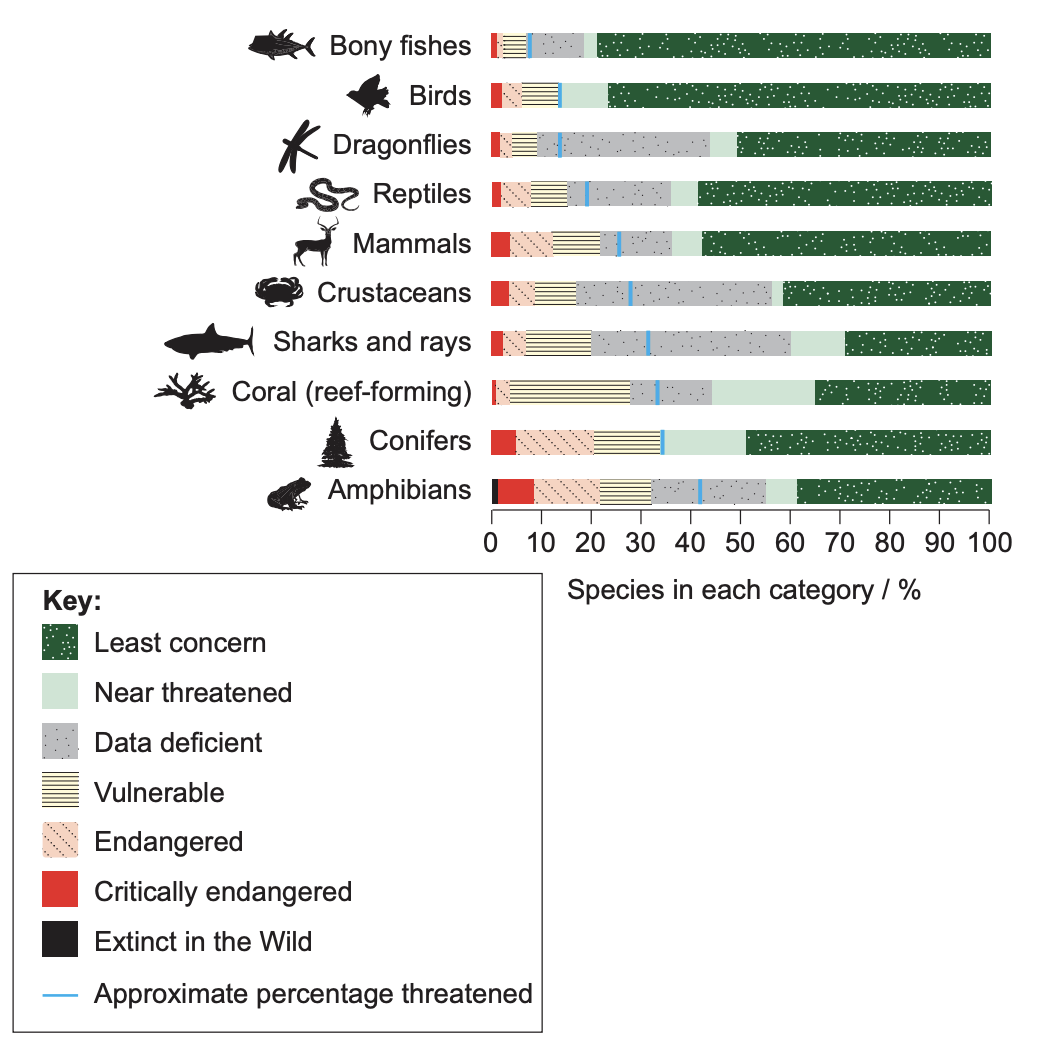
Figure 1(a): Extinction risk levels of species in global biodiversity by category
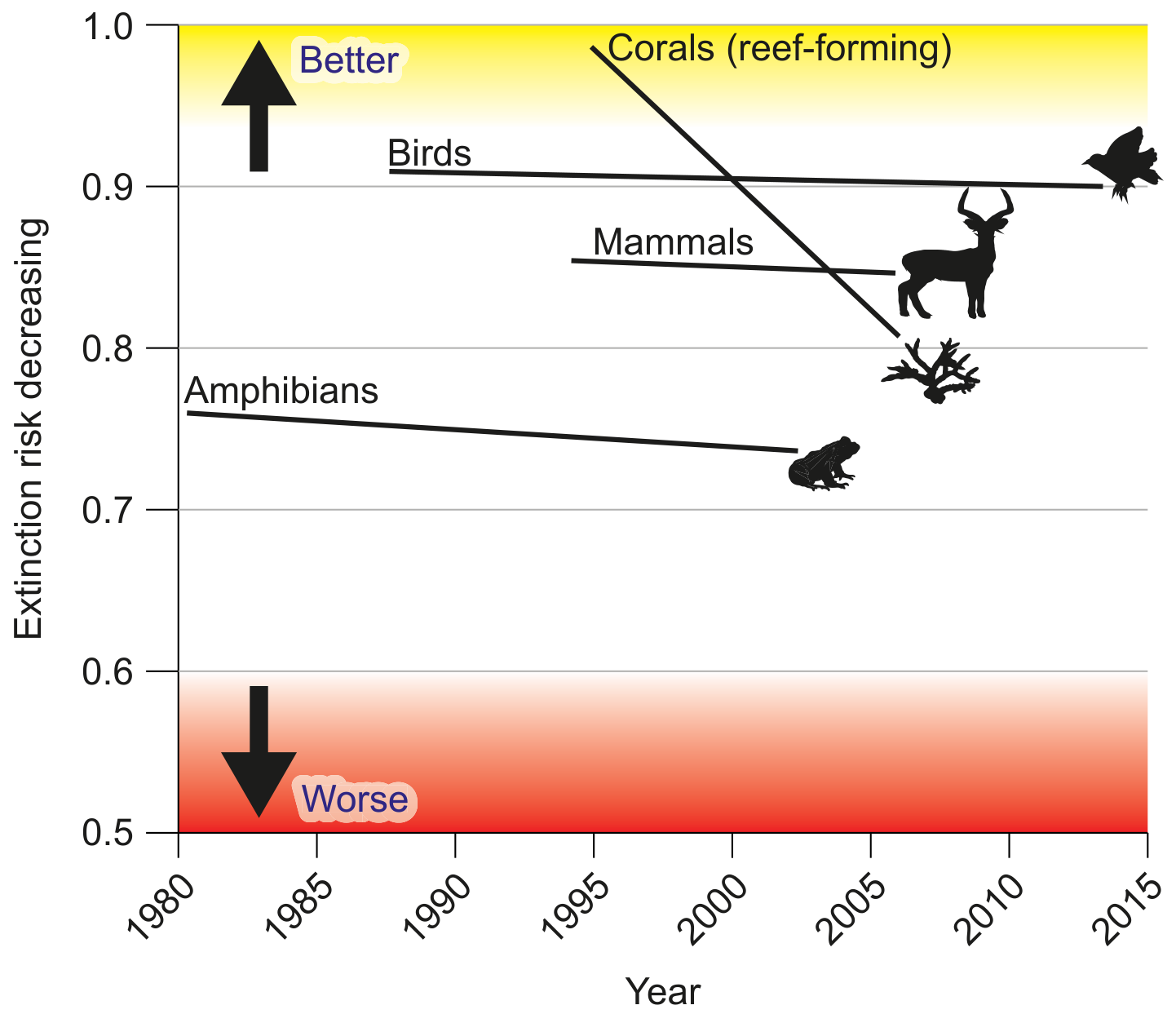
Figure 1(a): Extinction risk levels of species in global biodiversity by category

Figure 1(b): Changing species extinction risk by category 1980-2015

Figure 1(b): Changing species extinction risk by category 1980-2015

Figures 1(a) and 1(b) are based on records for species diversity. Identify one other factor that may be measured to assess the diversity of life on Earth.
Question 1(f)

[Maximum number: 1]
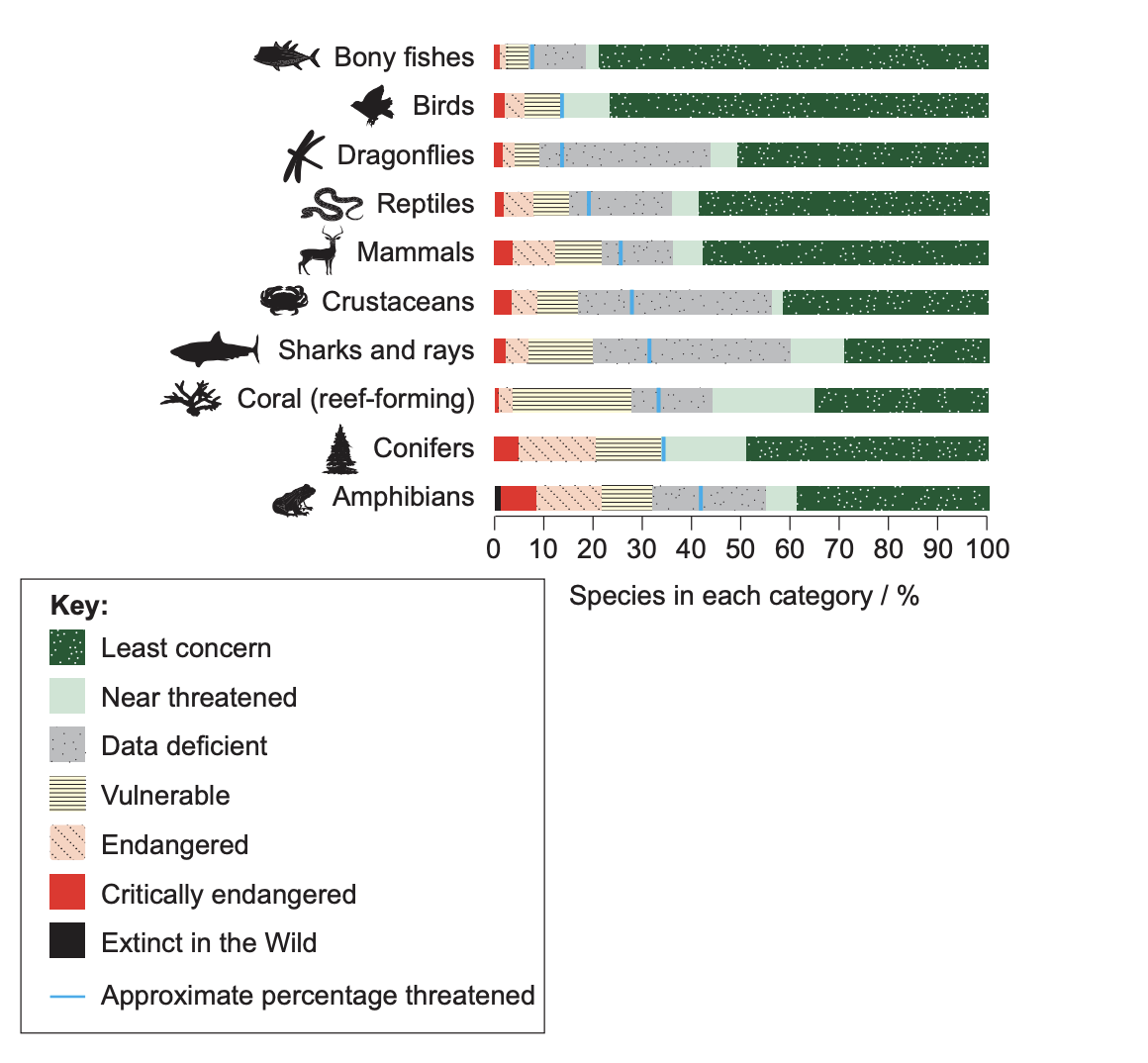
Figure 1(a): Extinction risk levels in global biodiversity

Figure 1(a): Extinction risk levels in global biodiversity

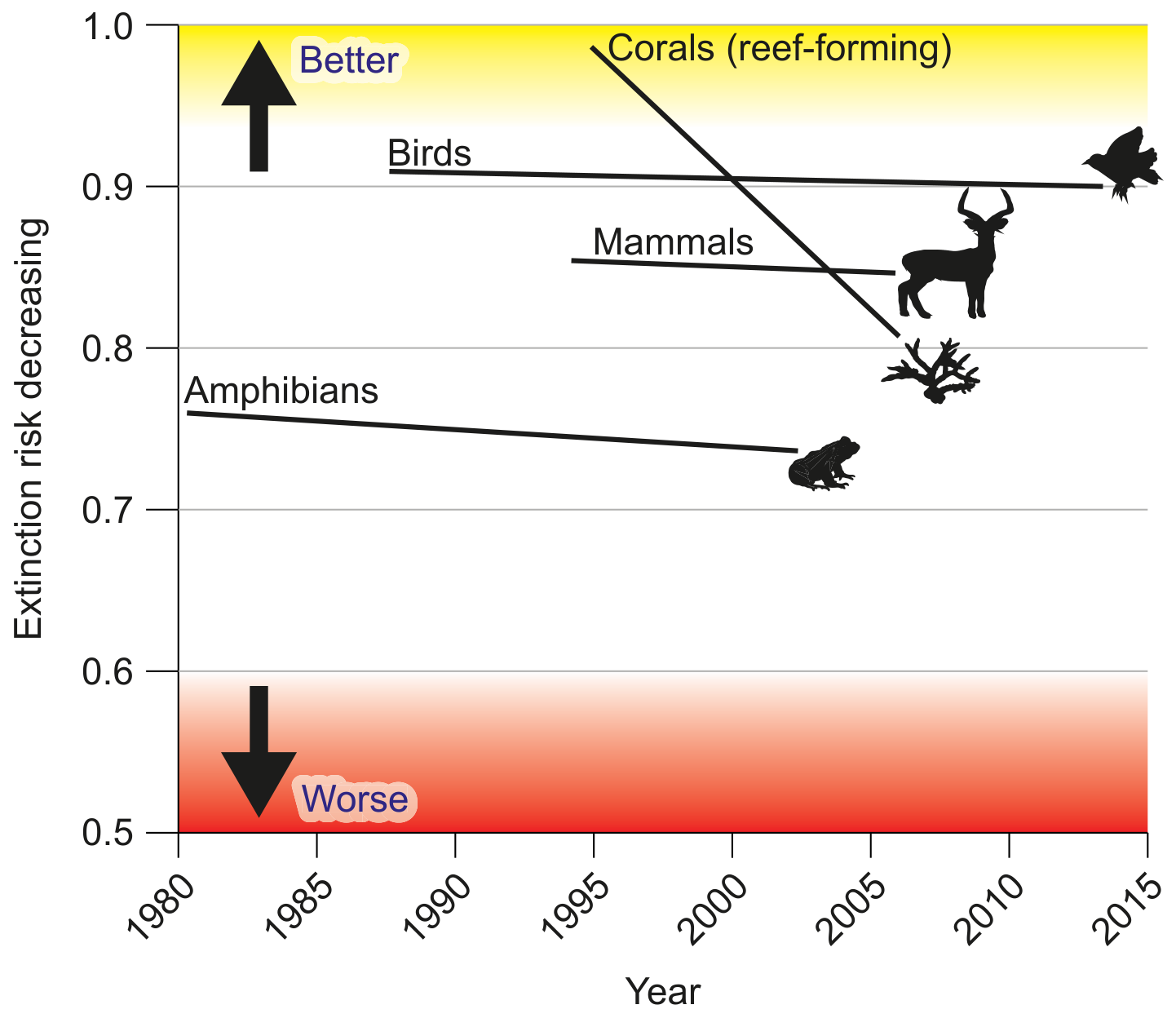
Figure 1(b): Changing species extinction risk 1980-2015

Figure 1(b): Changing species extinction risk 1980-2015

Figures 1(a) and 1(b) are based on records for species diversity. Identify one other factor that may be measured to assess the diversity of life on Earth.
Question 1(d)

[Maximum number: 2]

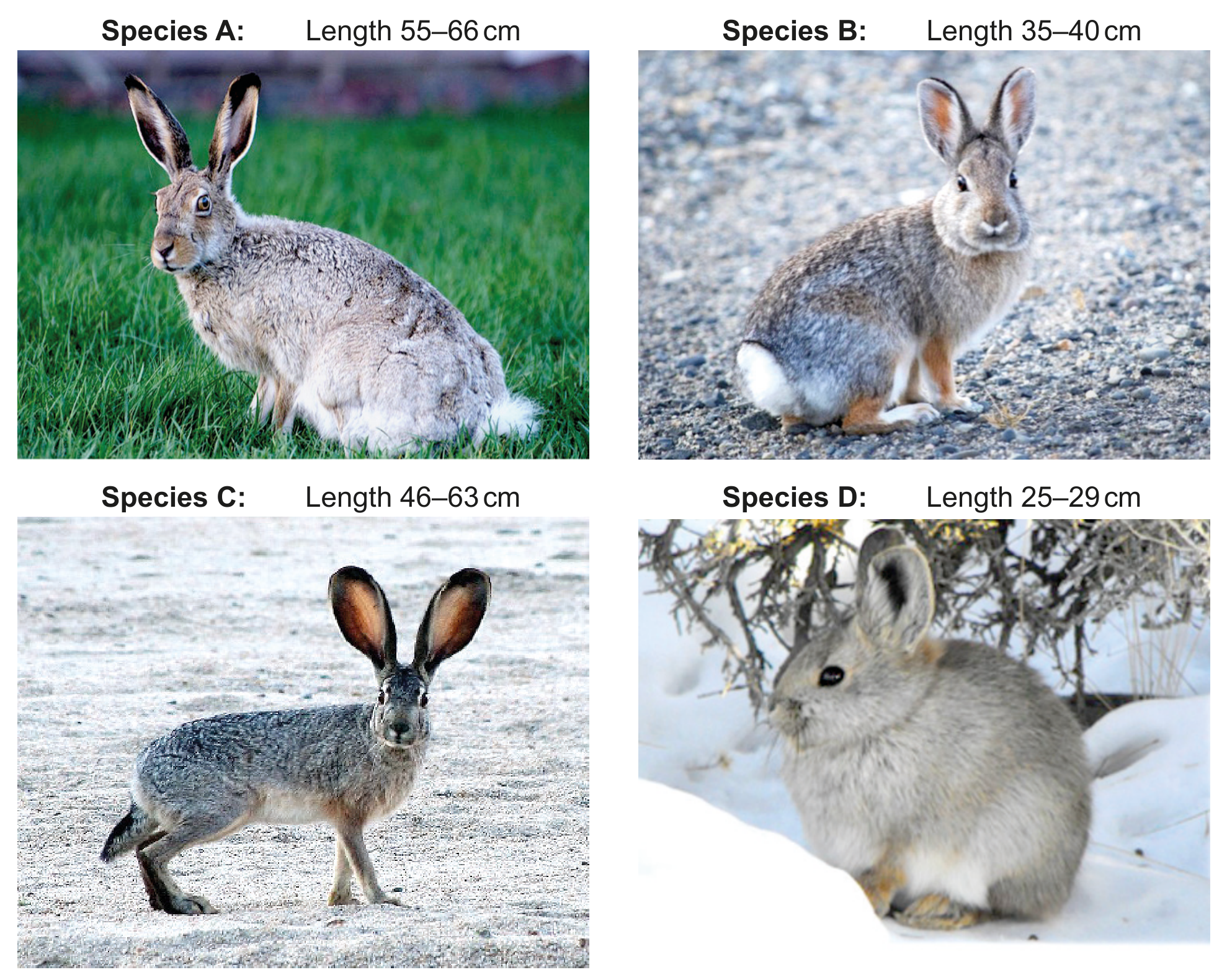
The family Leporidae includes hares and rabbits. The figures show four species that can be found in western North America.

Figure 1(a): Four species of the family Leporidae

Figure 1(a): Four species of the family Leporidae

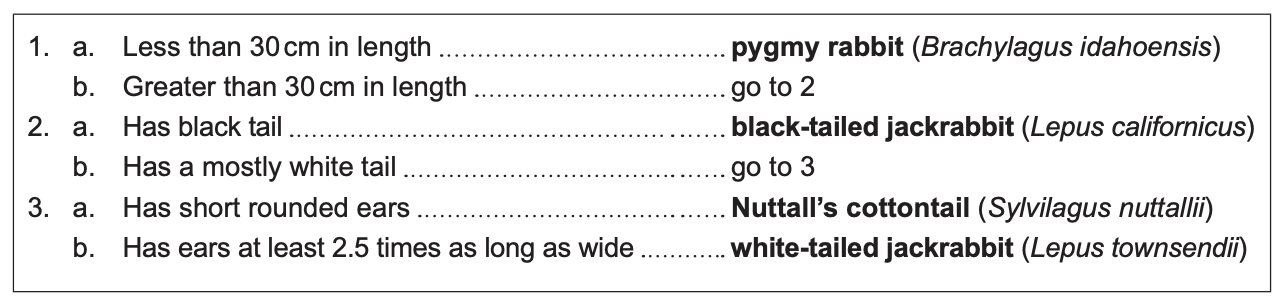
Figure 1(b): A dichotomous key for species A to D

Figure 1(b): A dichotomous key for species A to D

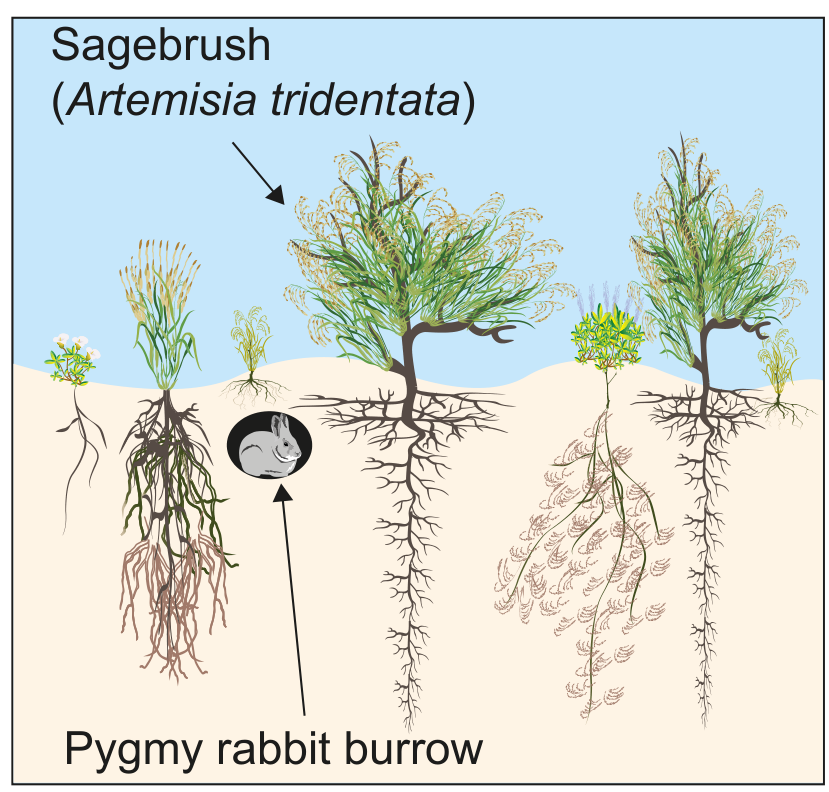
Figure 1(c): Sagebrush ecosystem without invasive cheatgrass

Figure 1(c): Sagebrush ecosystem without invasive cheatgrass

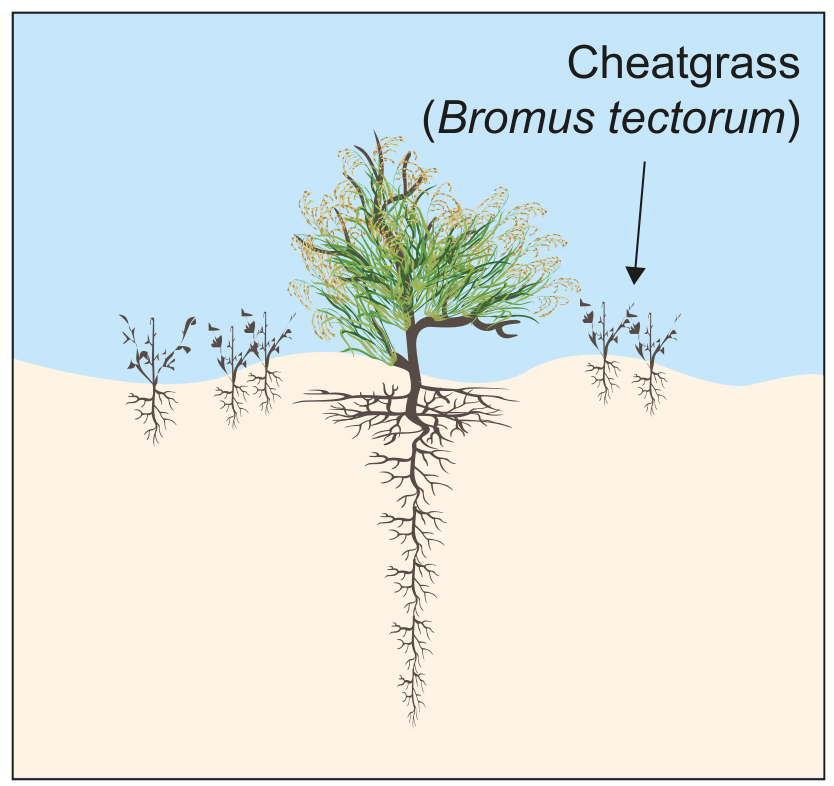
Figure 1(d): Sagebrush ecosystem with invasive cheatgrass

Figure 1(d): Sagebrush ecosystem with invasive cheatgrass

Distinguish between the biodiversity of the sagebrush ecosystems in

Figures 1(c) and 1(d).

Question 2

[Maximum number: 6]
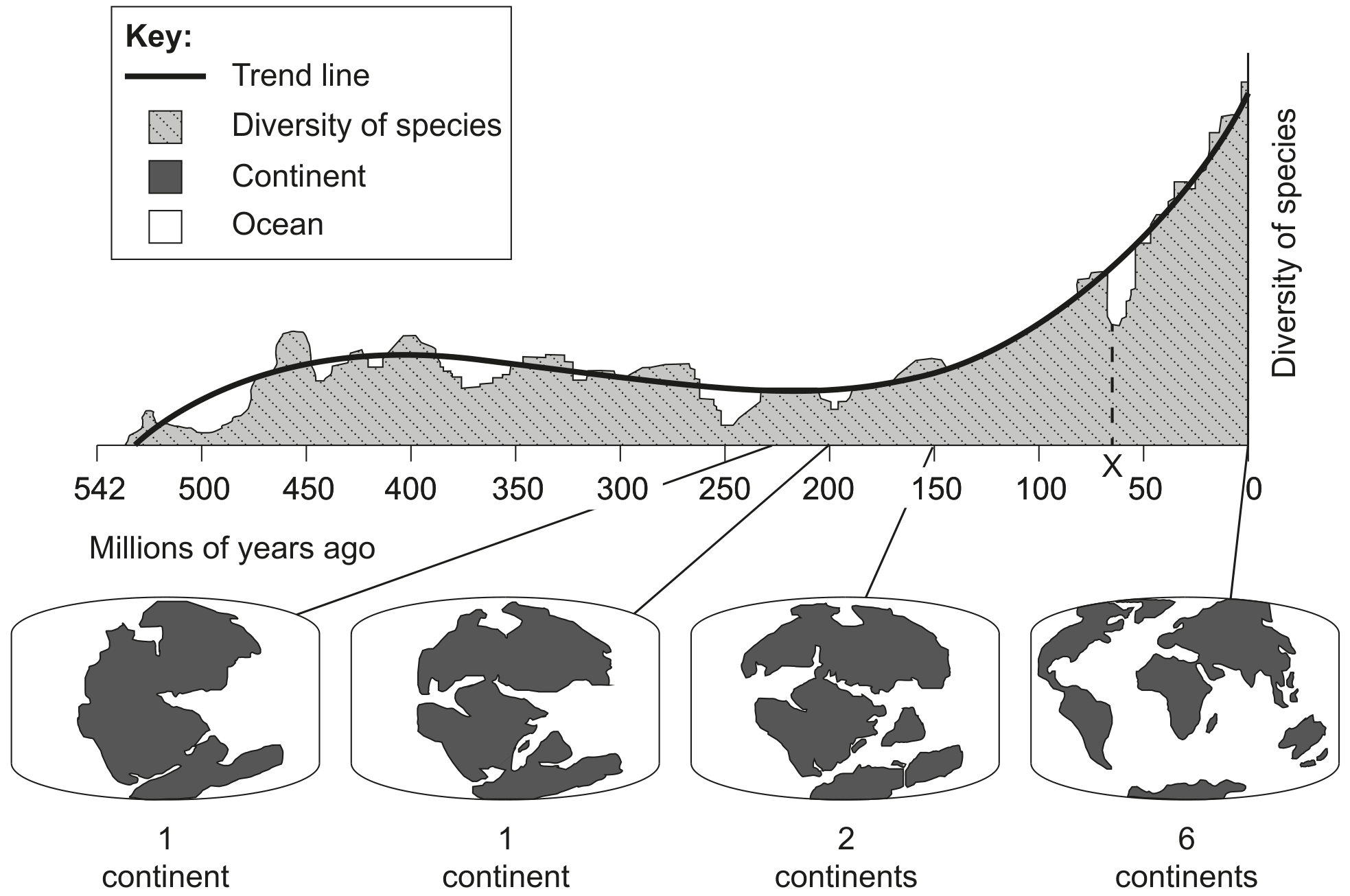
Figure 2: Distribution of continents and diversity of species over time

Figure 2: Distribution of continents and diversity of species over time

Question 2(a)(i)

(a)

With reference to Figure 2, identify when the diversity of species was lowest in the past 400 million years.

[ 1 ]

Question 2(b)(i)

(b)

Identify the relationship between the number of continents and the diversity of species during the past 250 million years.

[ 1 ]

Question 2(b)(ii)

(c)

Describe two reasons why there is a relationship between the number of continents and the diversity of species.

[ 2 ]

Question 2(c)

(d)

Outline the role of natural selection in increasing the diversity of species.

[ 2 ]

Question 6(b)

[Maximum number: 7]

Explain how natural processes may lead to the formation of new species.

Question 6(b)

[Maximum number: 7]

Explain how tectonic plate activity may lead to the formation of new species.

Question 7(a)

[Maximum number: 4]

Outline the mechanism of natural selection.

0 selected