C3.1.20 (HL)—Auxin efflux carriers
Auxin efflux carriers links named stimuli, coordinating structures and effectors so body systems or plant tissues produce an integrated biological response.
- Syllabus
- First assessment 2025
- Objective
- C3.1.20
- Level
- HL
Auxin efflux carriers links named stimuli, coordinating structures and effectors so body systems or plant tissues produce an integrated biological response.

Coverage 2017–2025 · Updated 16 Jul 2026
Coordinated auxin efflux carriers establish directional cell-to-cell transport and concentration gradients of auxin in plant tissue.
Auxin can diffuse into a plant cell but cannot freely diffuse out. Efflux carriers placed on one side of the plasma membrane export it; when neighbouring cells position carriers on the same side, auxin is actively transported in one tissue direction.
Auxin enters cell → asymmetrically positioned efflux carrier exports it → coordinated carrier polarity repeats across cells → directional transport concentrates auxin in a particular region.
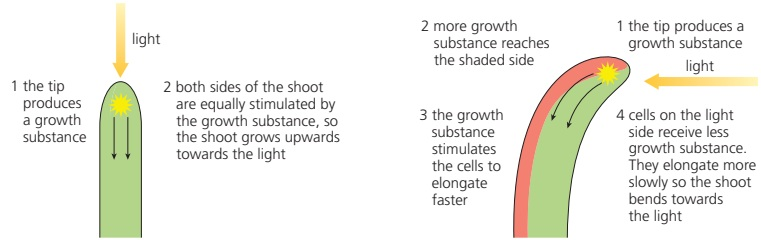
If shoot cells relocate their auxin efflux carriers to the shaded side, coordinated export can establish the unequal auxin distribution needed for unequal elongation.
Diffusion alone does not explain tissue-scale direction. The location and shared polarity of membrane efflux carriers determine the gradient.
This objective is assessed through structured response, commonly using Analyse / Compare / Contrast.
Analyse / Compare / Contrast / Deduce / Identify
Mark schemes reward named structures, correct direction of information flow and explanations that keep the sequence causal.
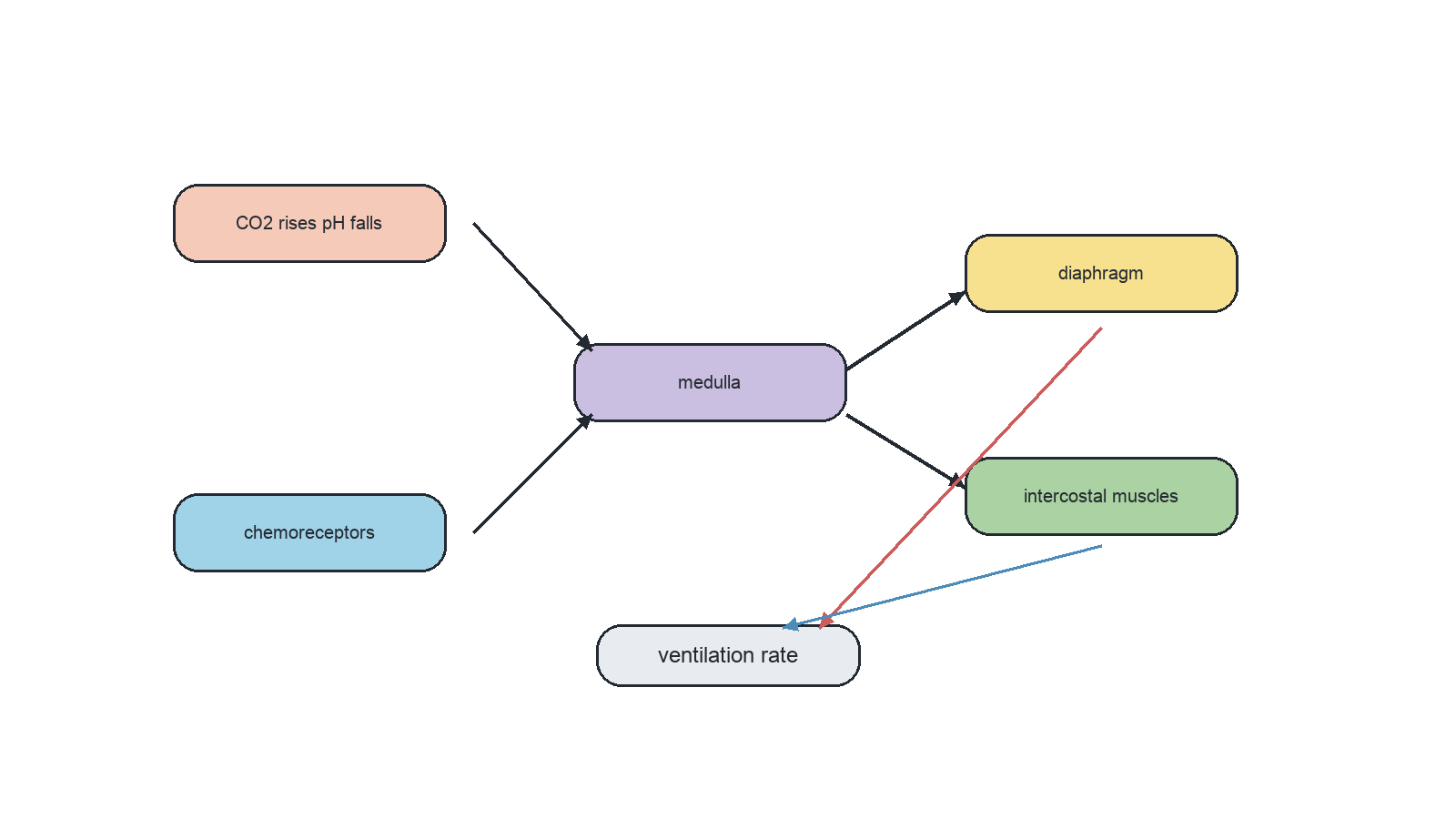
Treating low oxygen as the only trigger and omitting carbon-dioxide-driven pH change.
Representative question
Deduce the effect of NPA on auxin transport between L6 and the stem base.
a. NPA «appears to have» no effect on concentrations/transport of auxin in L6 as control and NPA-treated remain at same «low» level
b. NPA «probably» inhibits the auxin efflux pumps/transport «in the leaves» as the levels drop in NPA-treated in stem base «but not in control»
c. the transport of auxin to the stem base must occur from younger leaves
OR
L6 is not the source of auxin in the stem base
d. NPA inhibits the auxin pumps/transport «in the leaves» as the levels drop in NPA-treated in stem base
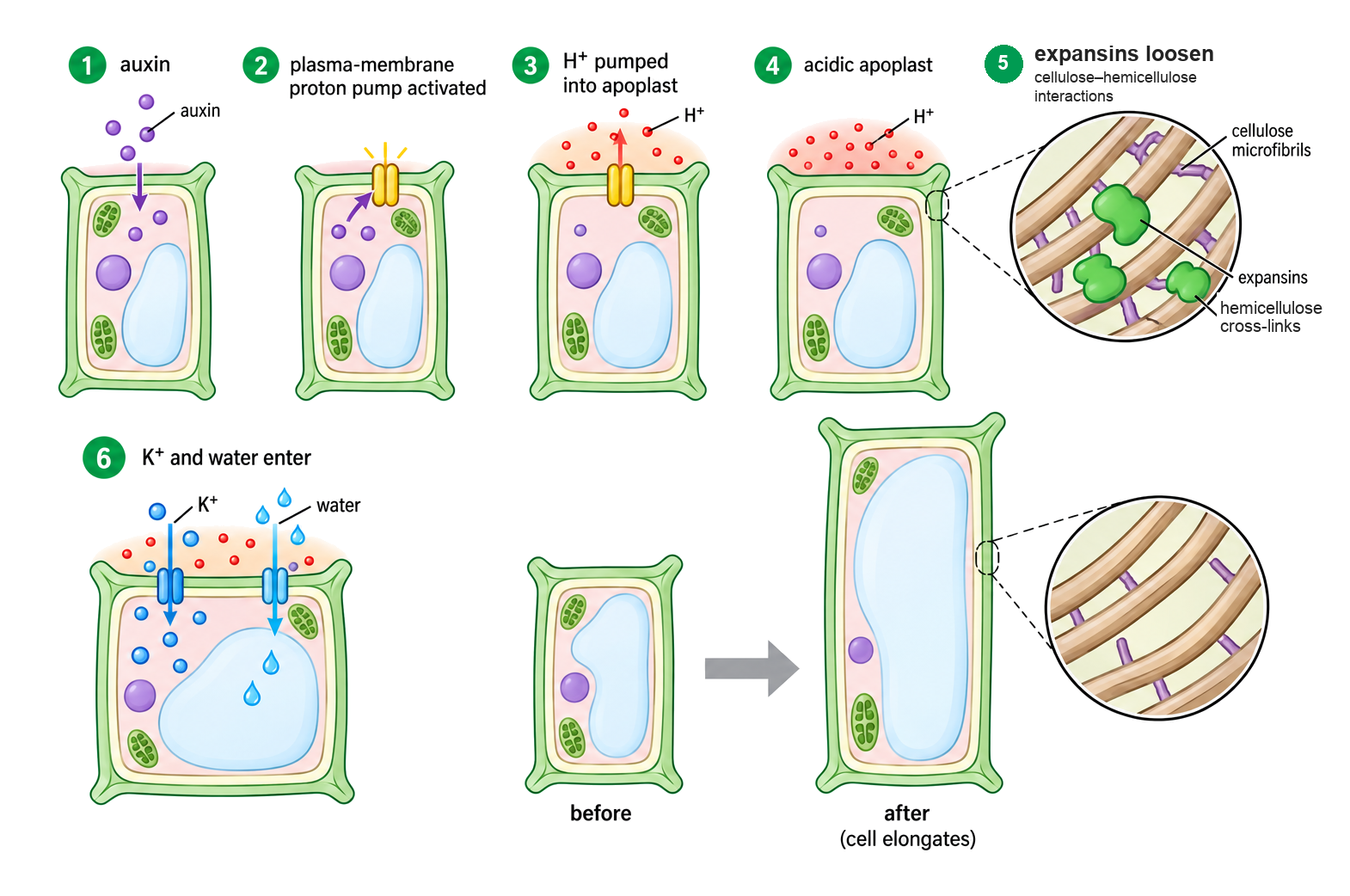
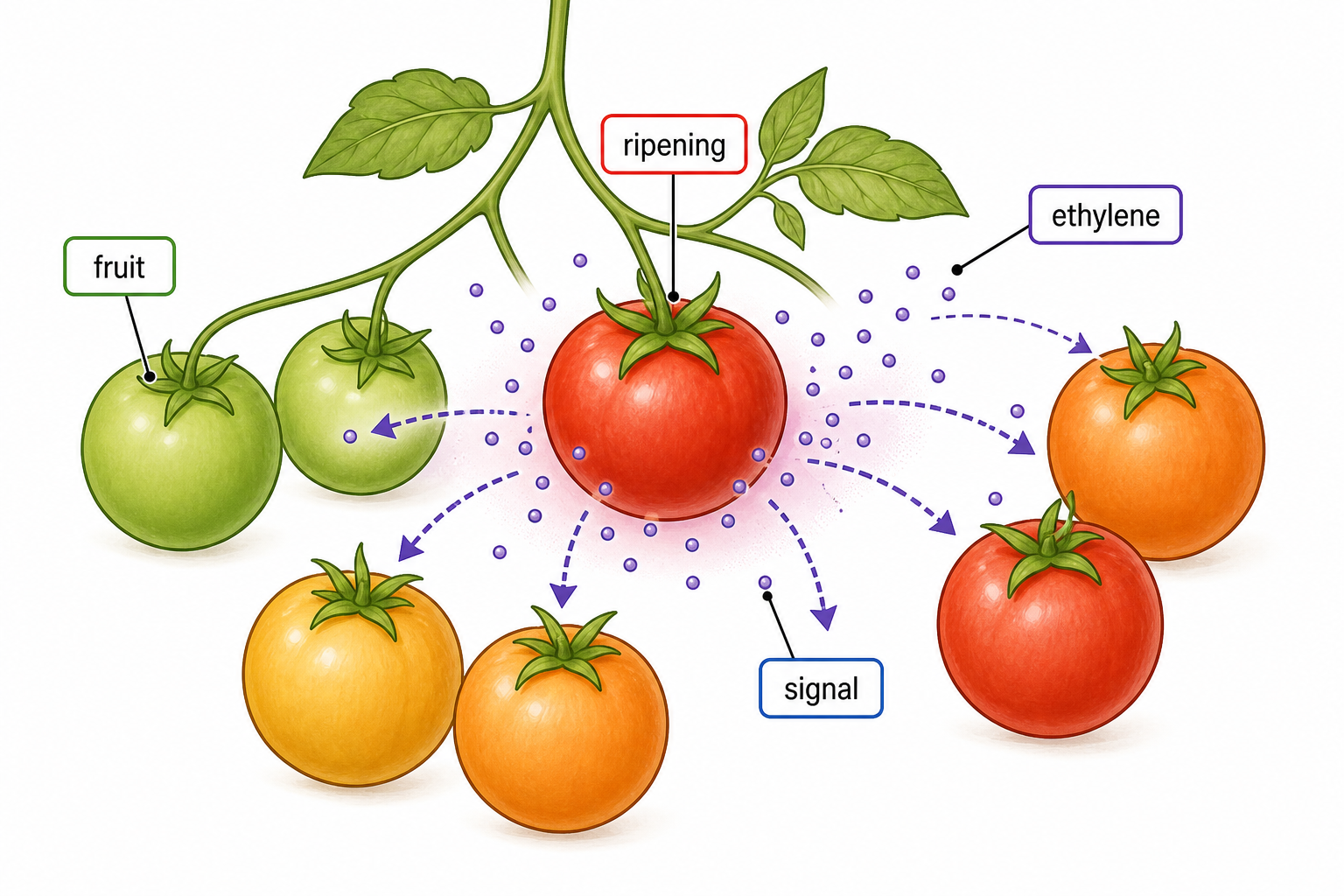
Plant signalling integrates directional growth, phytohormones, and responses to stimuli. Tropisms are directional growth responses in seedlings; experiments compare shoot or root growth under lateral light or gravity stimuli. Shoots show positive phototropism toward lateral light; auxin redistribution causes greater elongation on the shaded side. Phytohormones are plant signalling chemicals controlling growth and development; auxin, cytokinin, and ethylene coordinate responses to stimuli and internal state. PIN auxin efflux carriers actively move auxin between plant cells; asymmetric carrier placement maintains auxin gradients during tropic responses. Auxin activates proton pumping into the apoplast; acidified cell walls loosen, allowing water uptake, elongation, and bending. Auxin generally promotes root formation; cytokinin promotes shoot formation and division; their ratio coordinates root-shoot growth and plant tissue culture outcomes. Ethylene is a gaseous phytohormone that promotes fruit ripening; ripening fruit releases more ethylene, creating positive feedback in nearby fruit.