C3.1.8—Nerves as bundles
Nerves as bundles links named stimuli, coordinating structures and effectors so body systems or plant tissues produce an integrated biological response.
- Syllabus
- First assessment 2025
- Objective
- C3.1.8
- Level
- HL
Nerves as bundles links named stimuli, coordinating structures and effectors so body systems or plant tissues produce an integrated biological response.
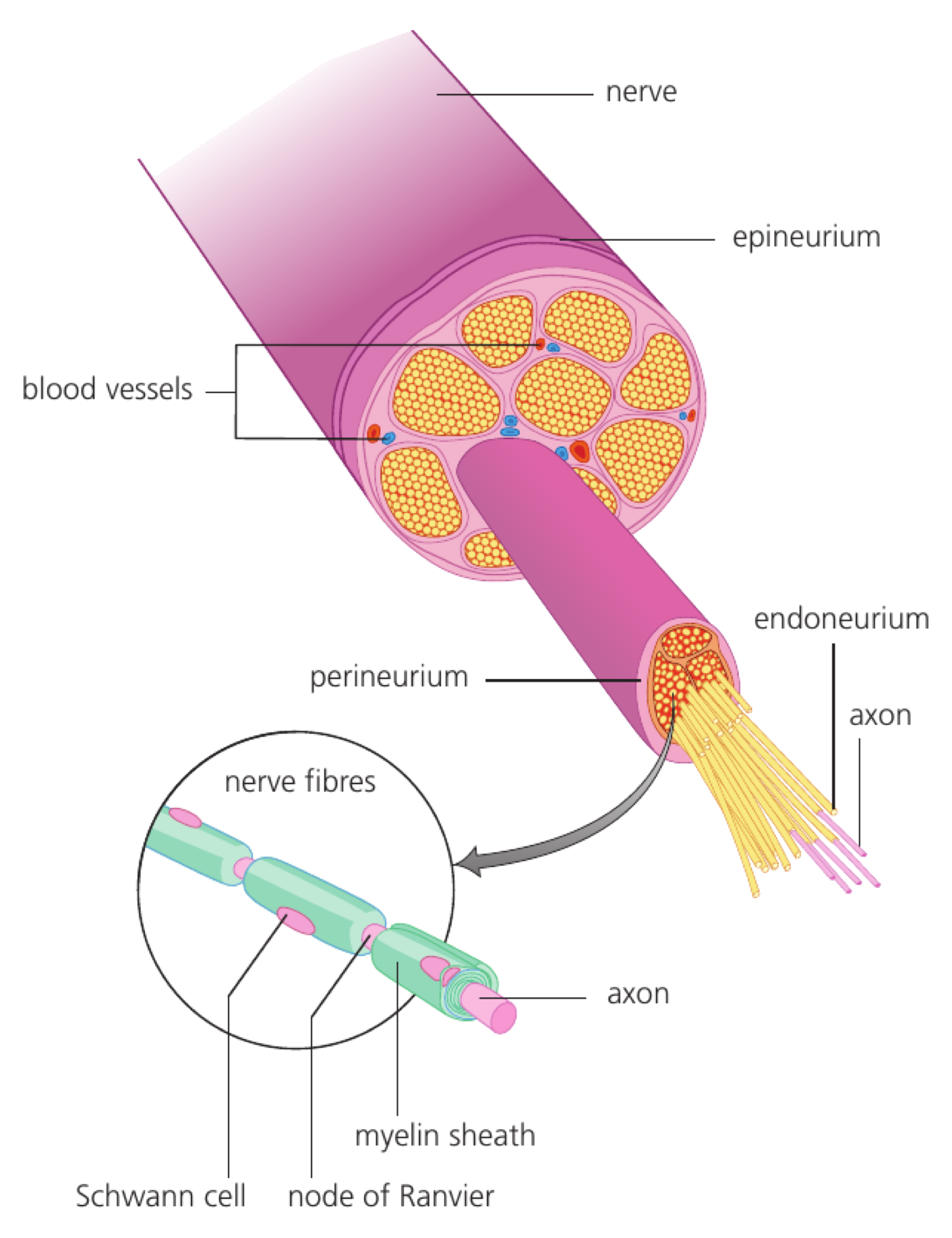
A peripheral nerve is a bundle of many nerve fibres—axons—from sensory and motor neurons, protected and organized by connective tissue sheaths.
In transverse section, each fibre appears cut across. Some have a visible myelin sheath around the axon and others are unmyelinated; groups of fibres are surrounded by protective connective tissue and supplied by blood vessels.
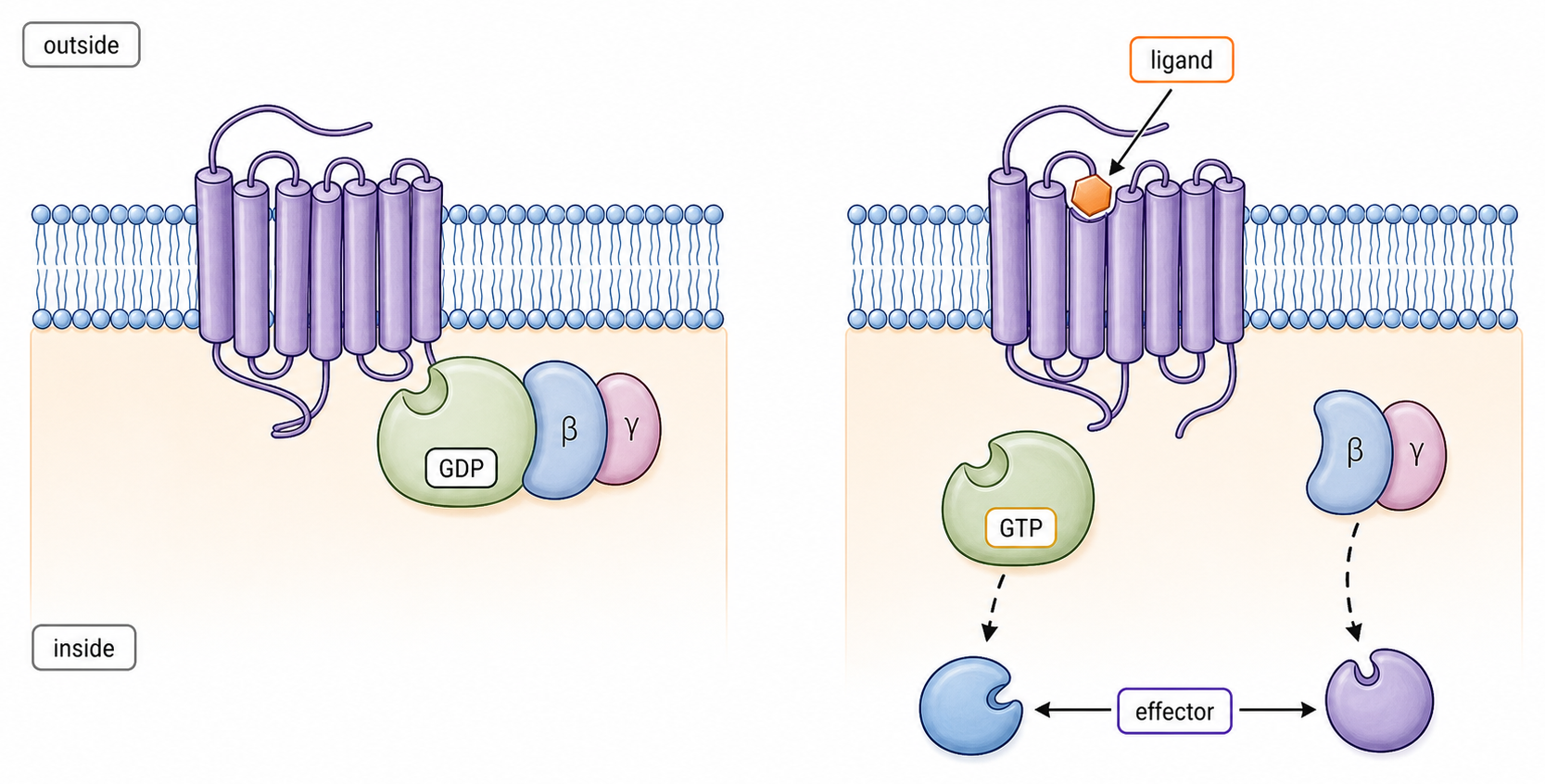
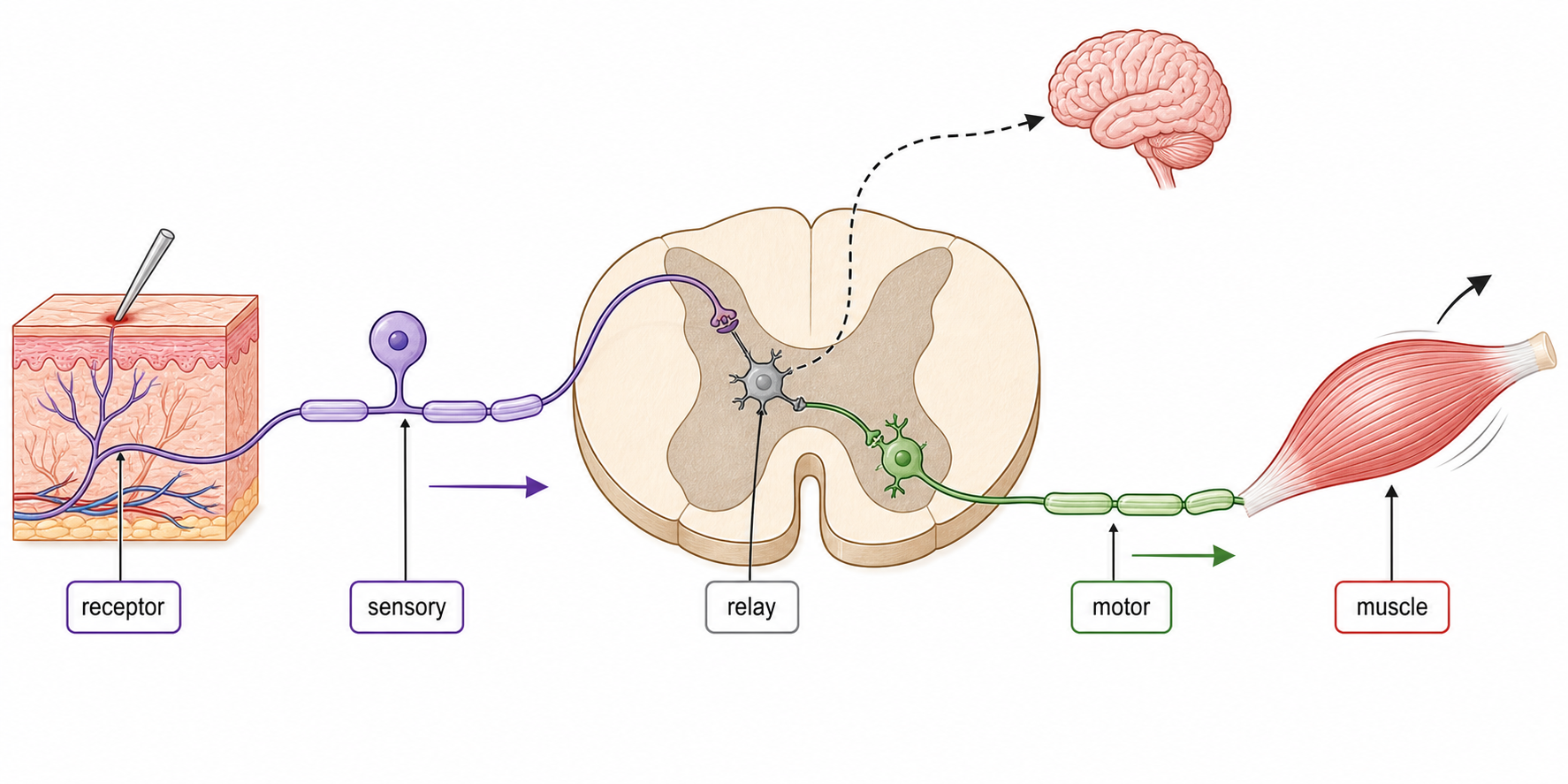
Identify outer protective sheath, bundles of fibres, myelinated fibres and unmyelinated fibres. Sensory axons carry input toward the CNS; motor axons carry output toward effectors.
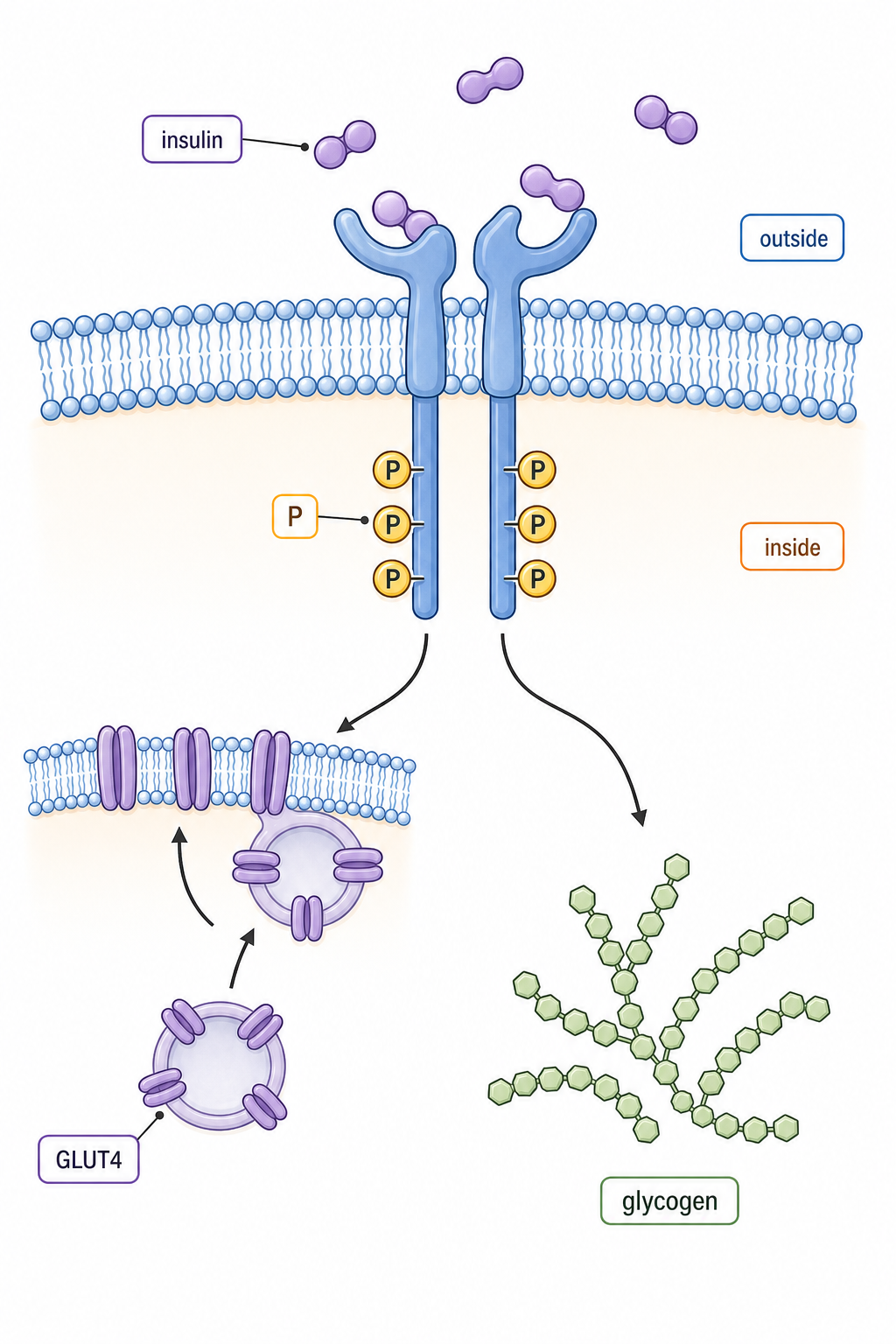
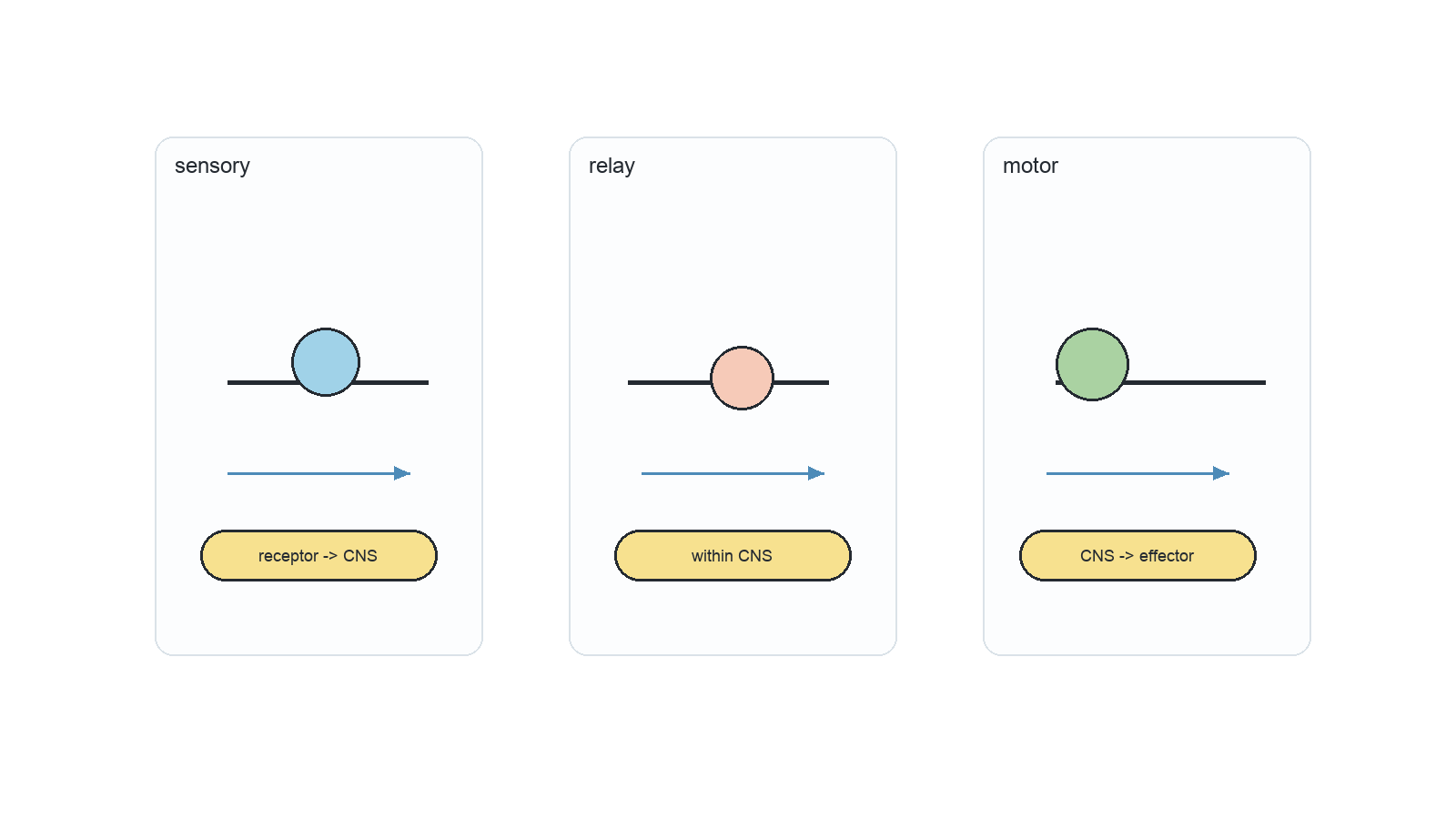
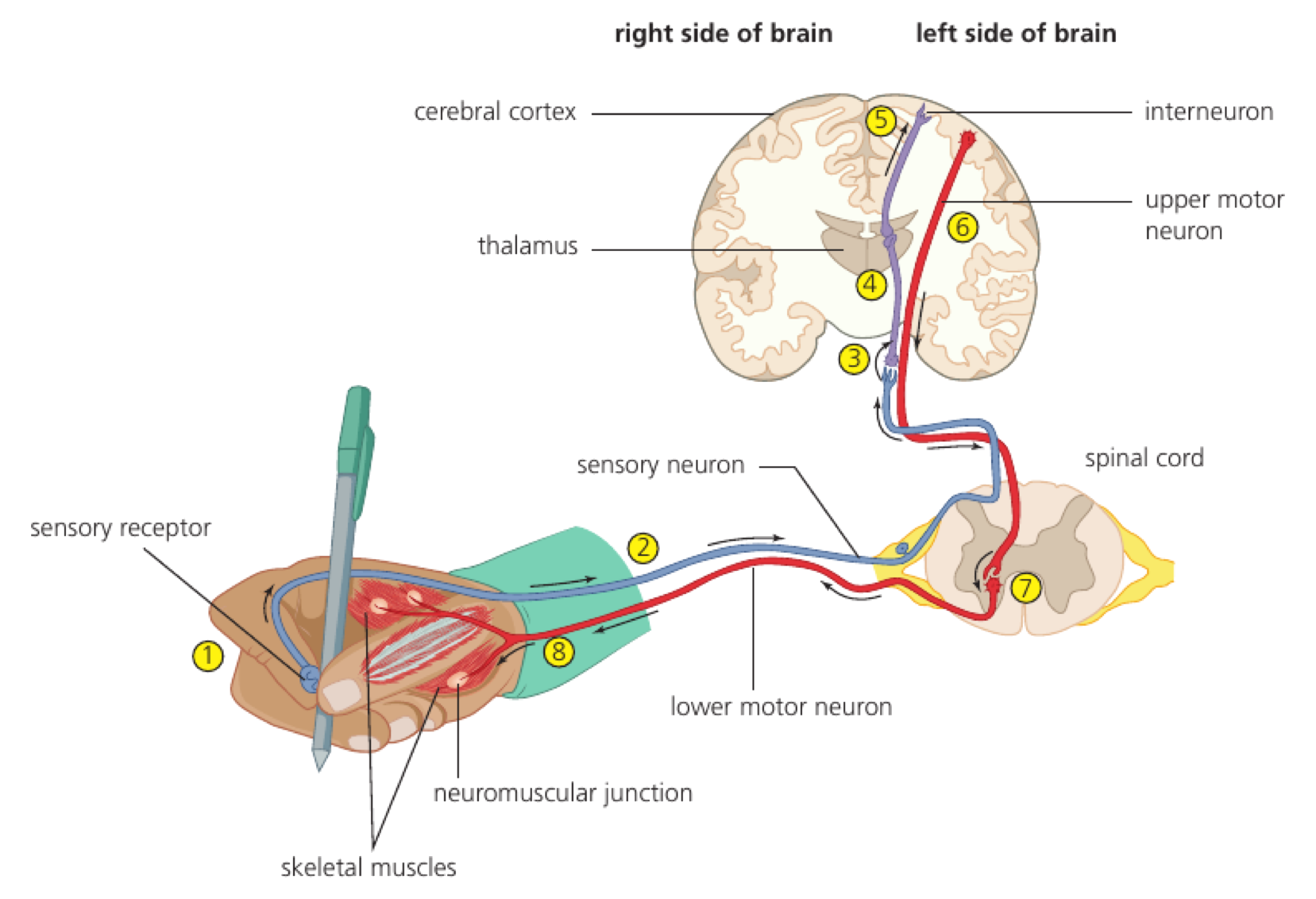
A mixed nerve to a limb can contain sensory fibres carrying touch information toward the spinal cord and motor fibres carrying impulses back to skeletal muscle.
A nerve is not one giant neuron. Myelinated and unmyelinated fibres remain separate signal pathways inside the same protective bundle.
This objective is assessed through structured response, commonly using State.
State
Mark schemes reward named structures, correct direction of information flow and explanations that keep the sequence causal.
Representative question
State the role of the vagus nerve.
transmit impulses from brain to gland cells «in stomach»
stimulate secretion by «stomach» gland cells
stimulates secretion of gastric acid
example of parasympathetic response eg: slows heart
transmit sensory information to the brain