C3.1.1—System integration
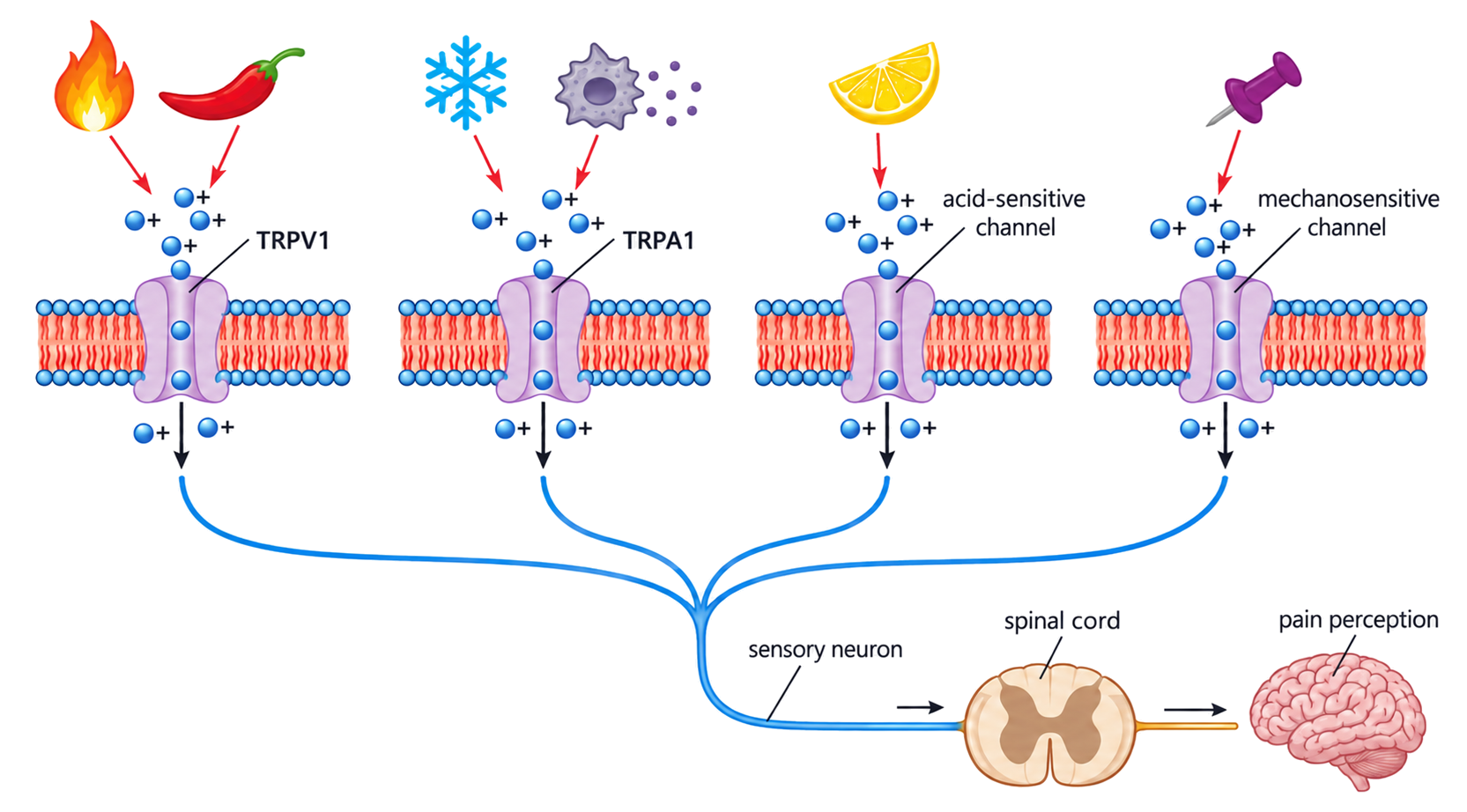
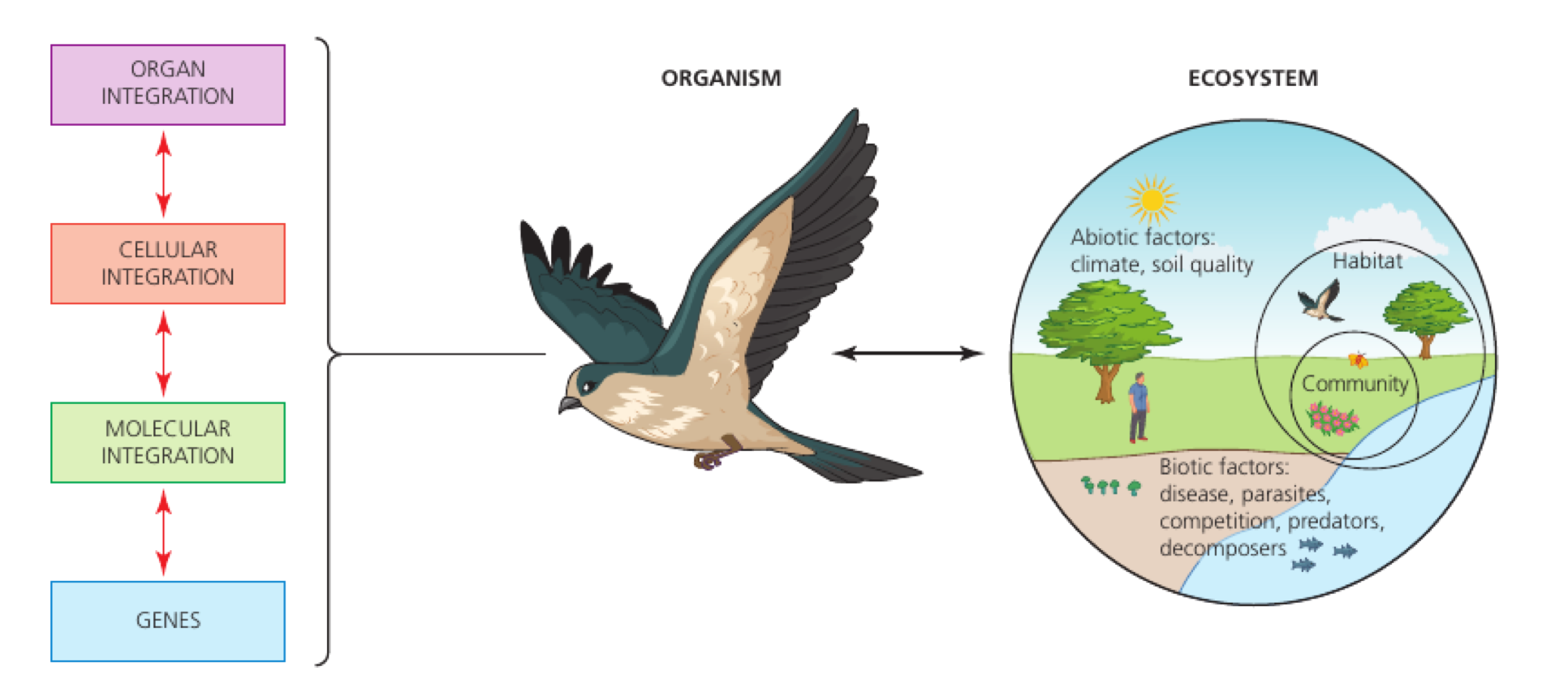
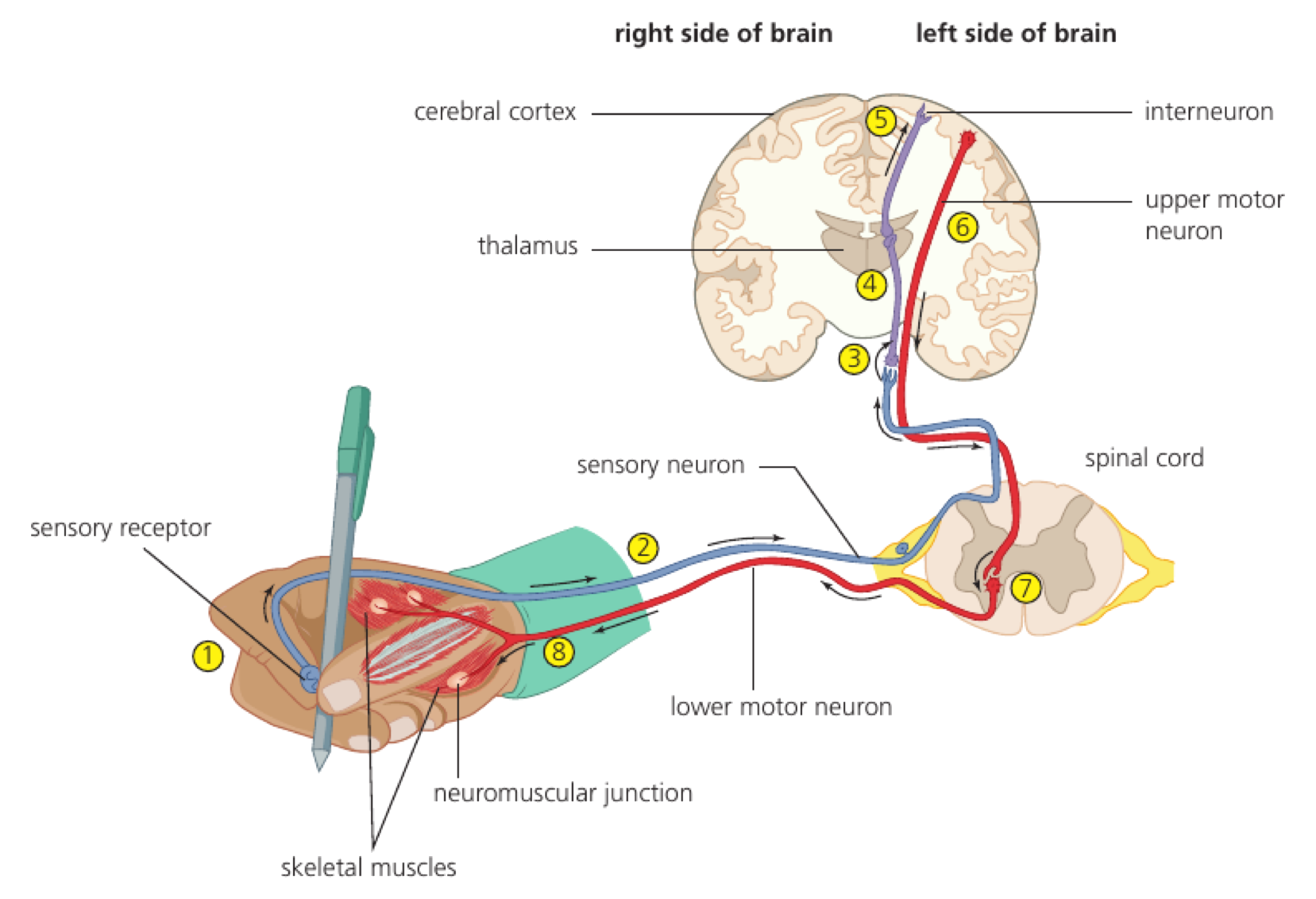
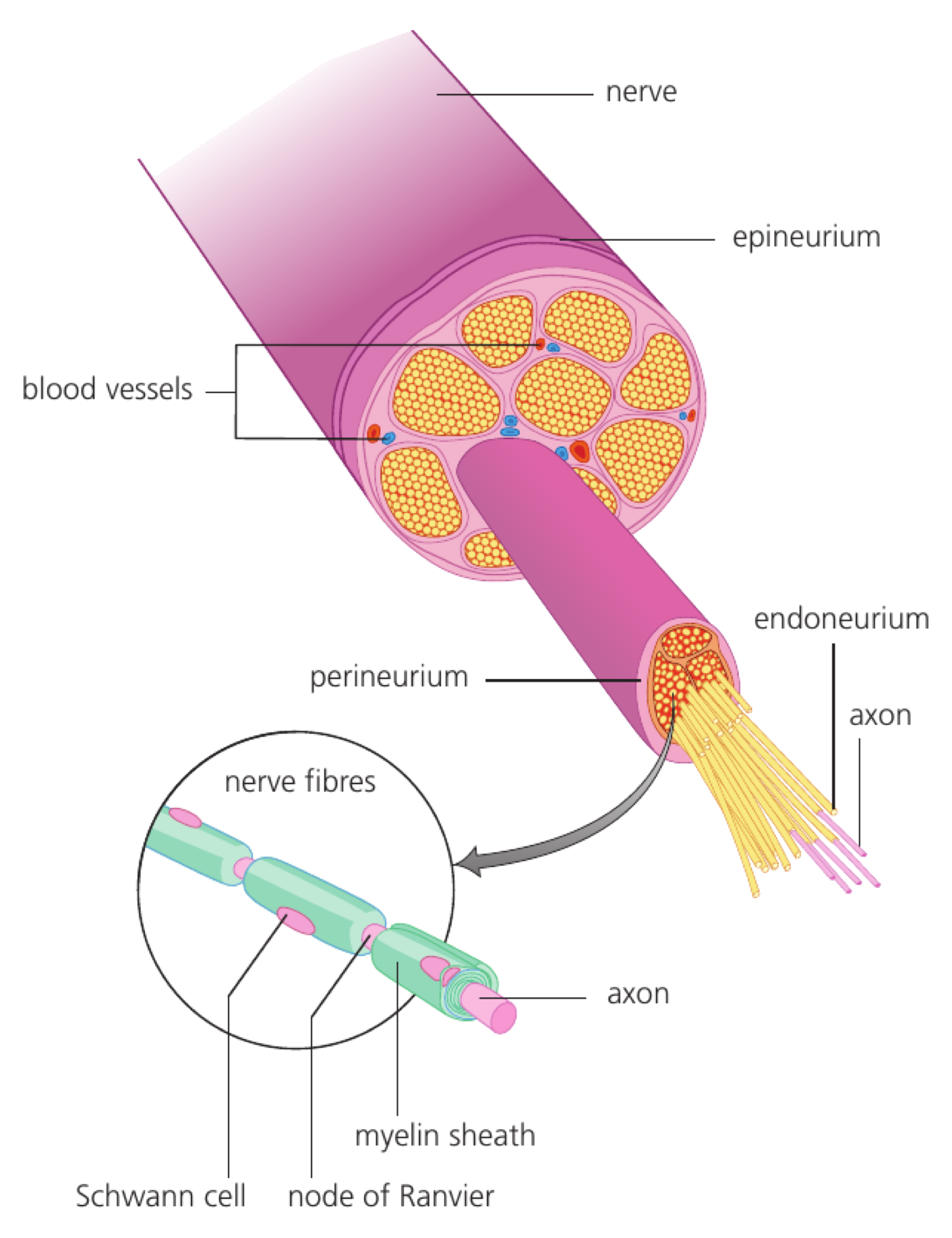
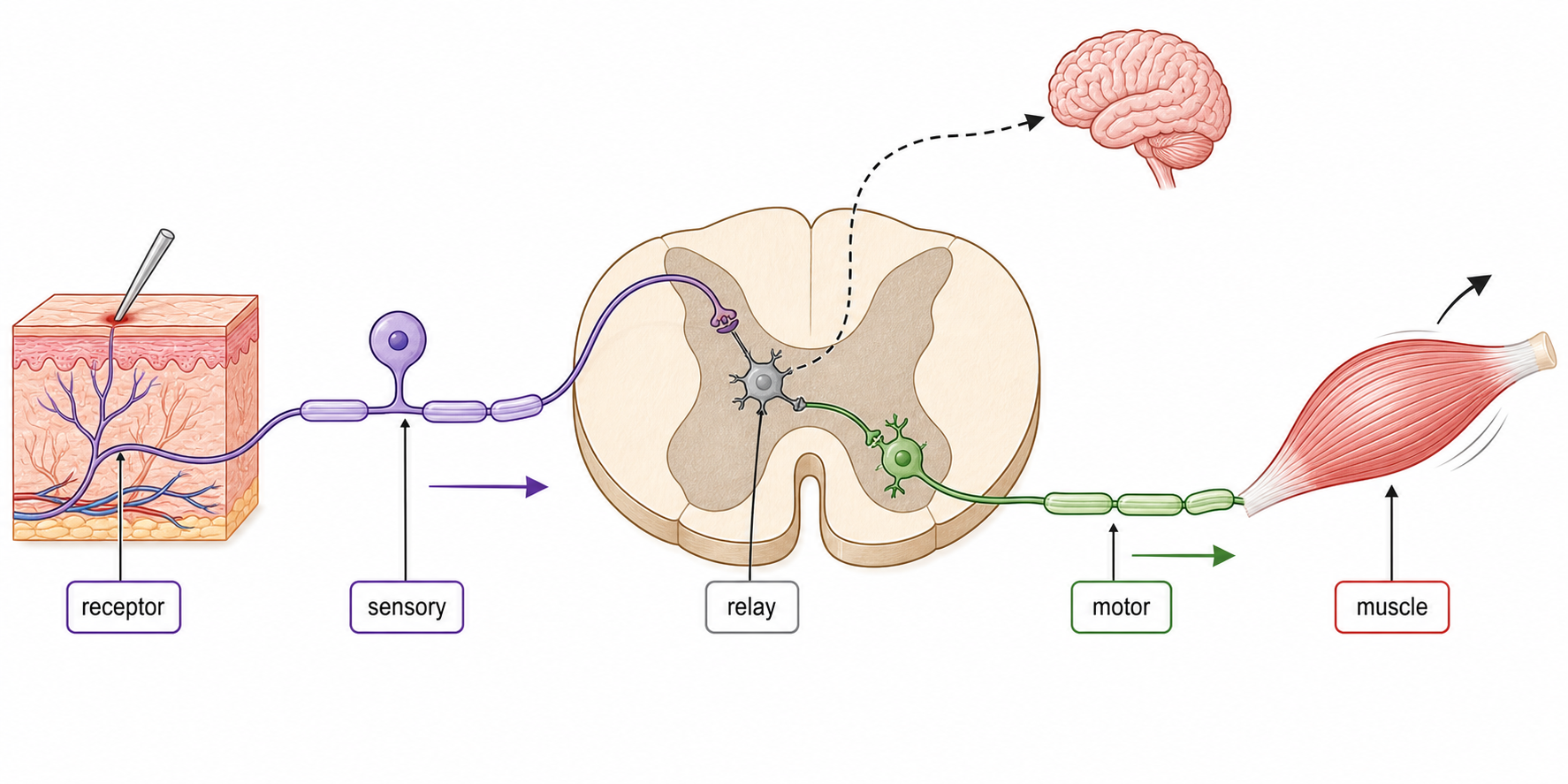
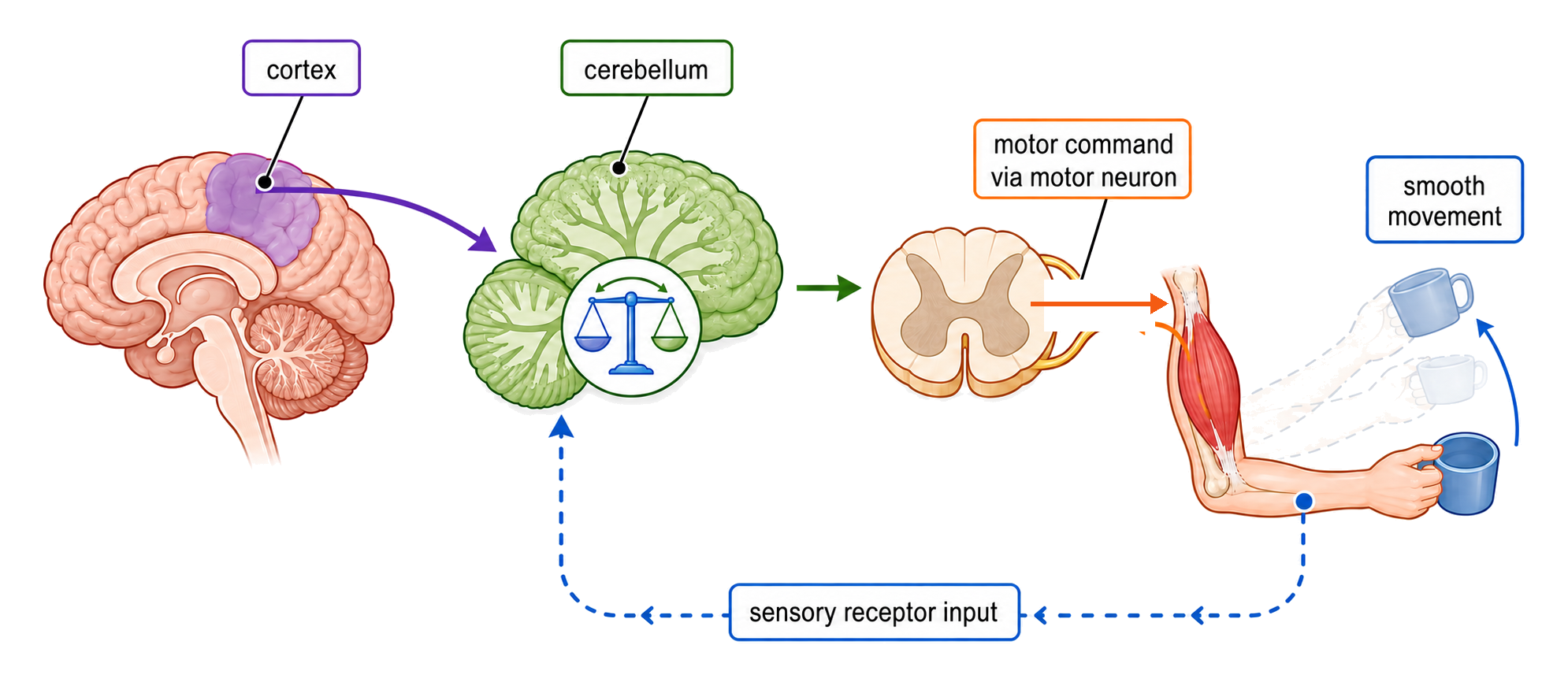
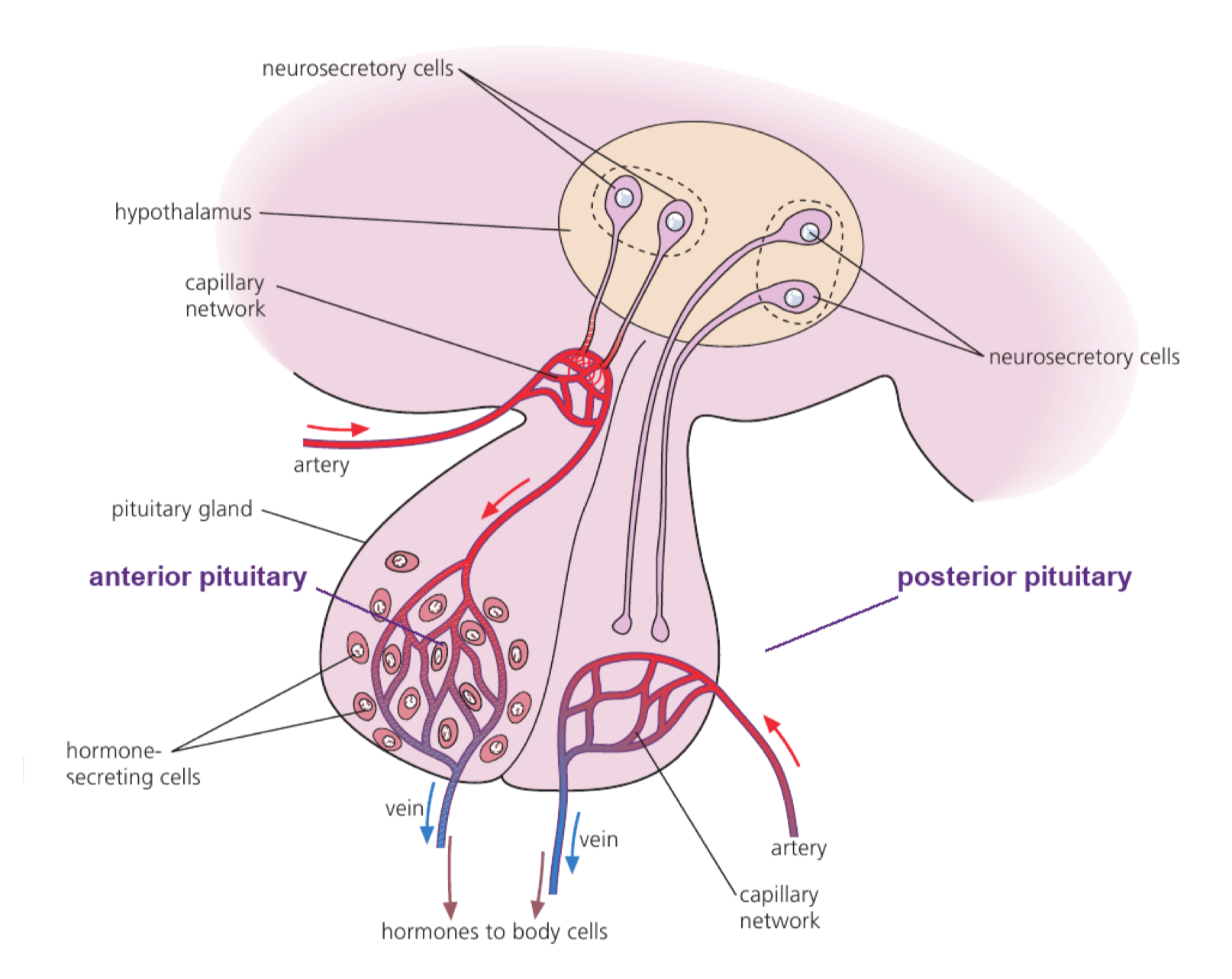
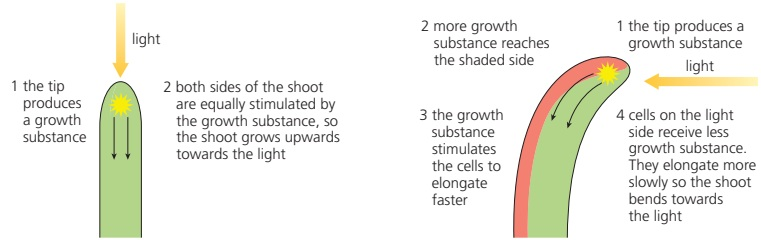
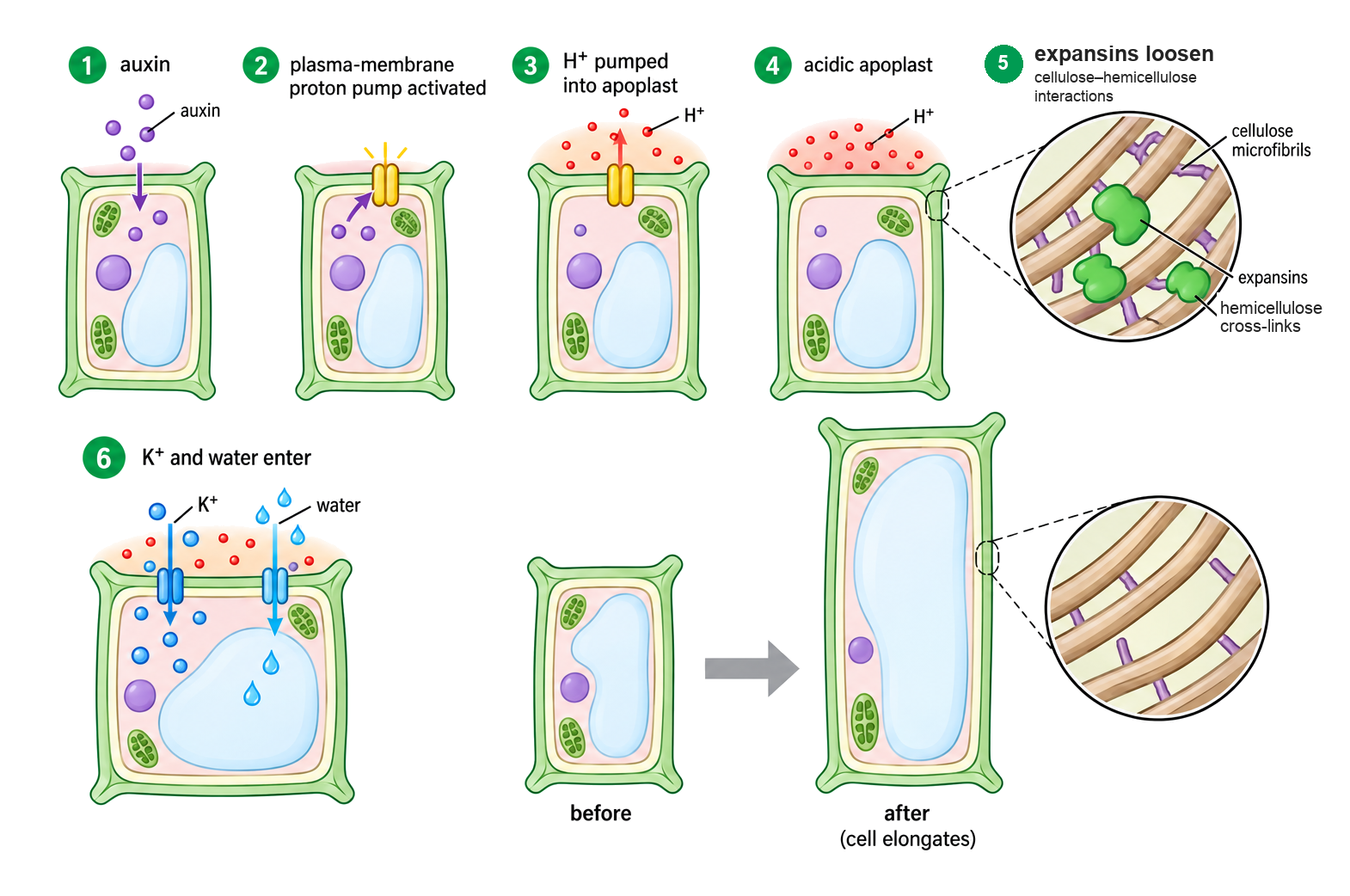
System integration links named stimuli, coordinating structures and effectors so body systems or plant tissues produce an integrated biological response.
- Syllabus
- First assessment 2025
- Objective
- C3.1.1
- Level
- HL
System integration links named stimuli, coordinating structures and effectors so body systems or plant tissues produce an integrated biological response.

Coverage 2014–2014 · Updated 16 Jul 2026
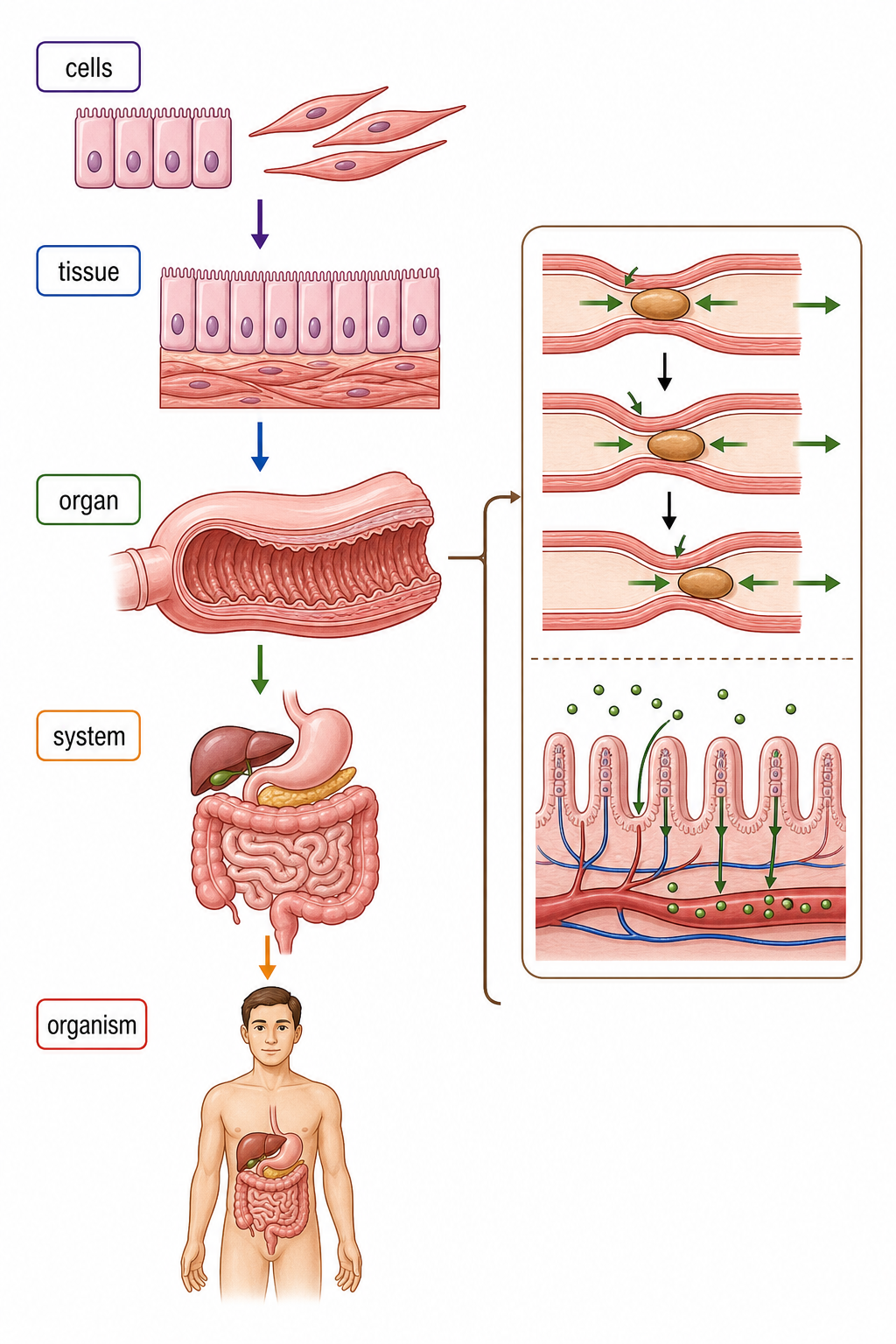
Integration joins specialised parts into a working whole.
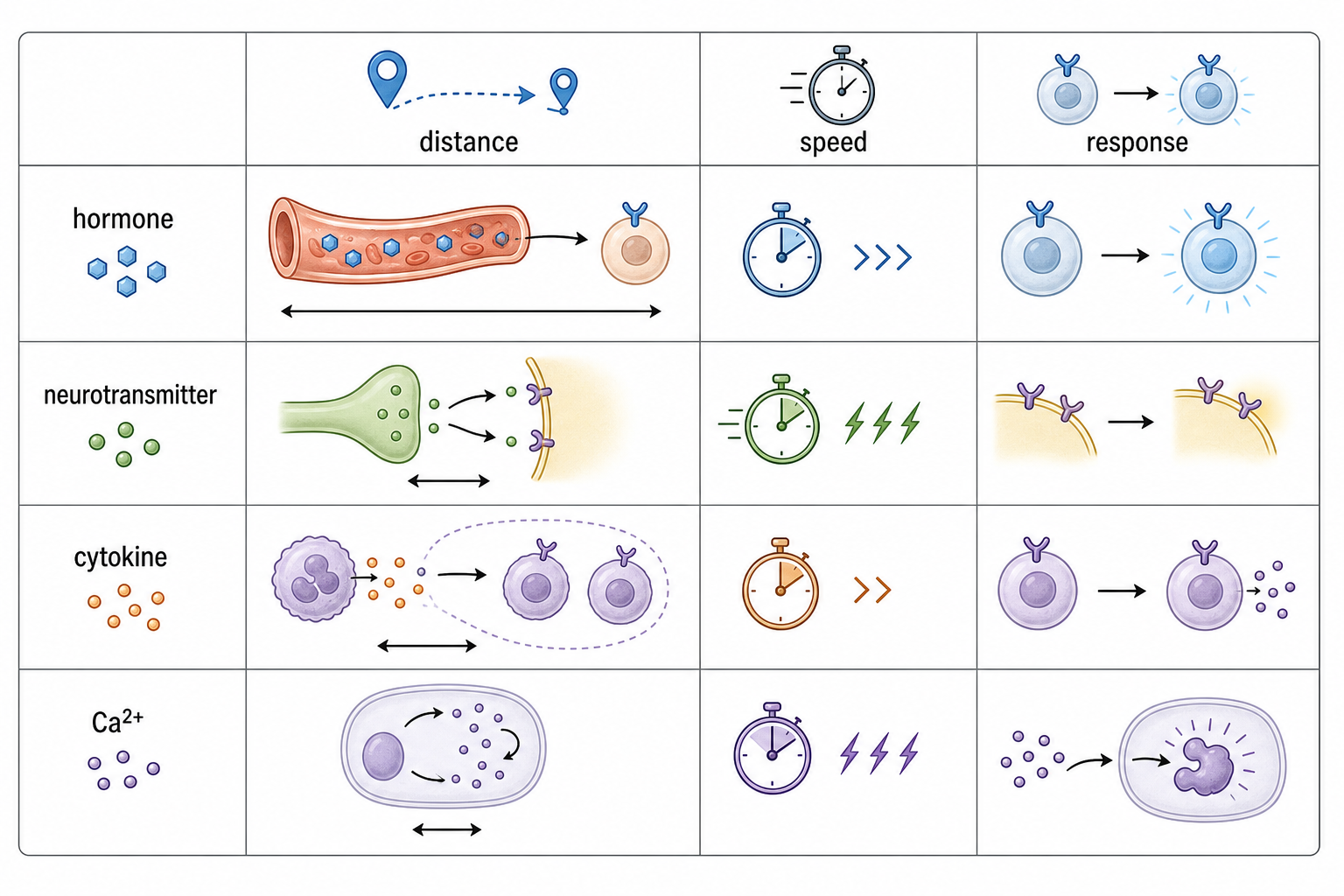
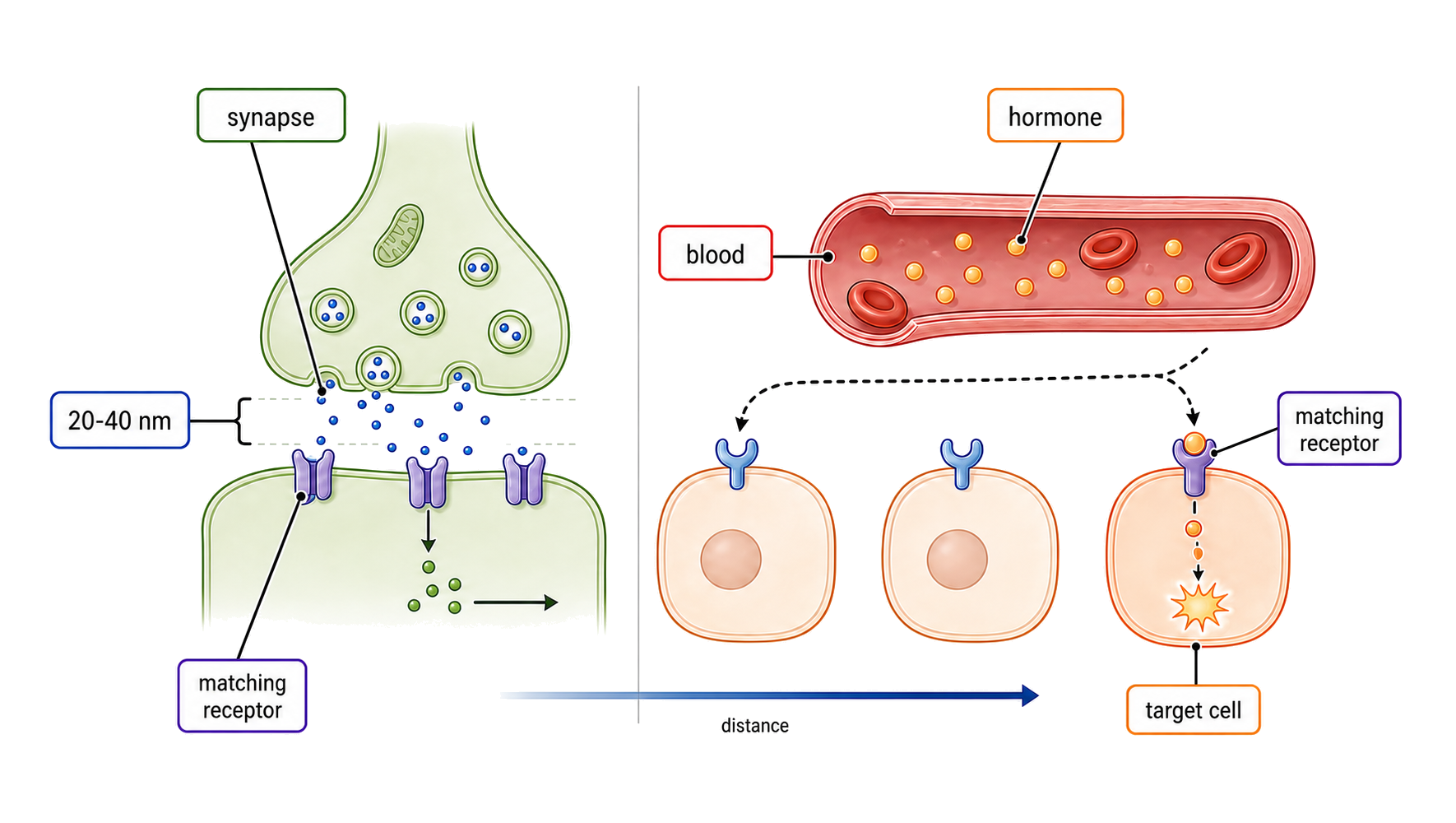
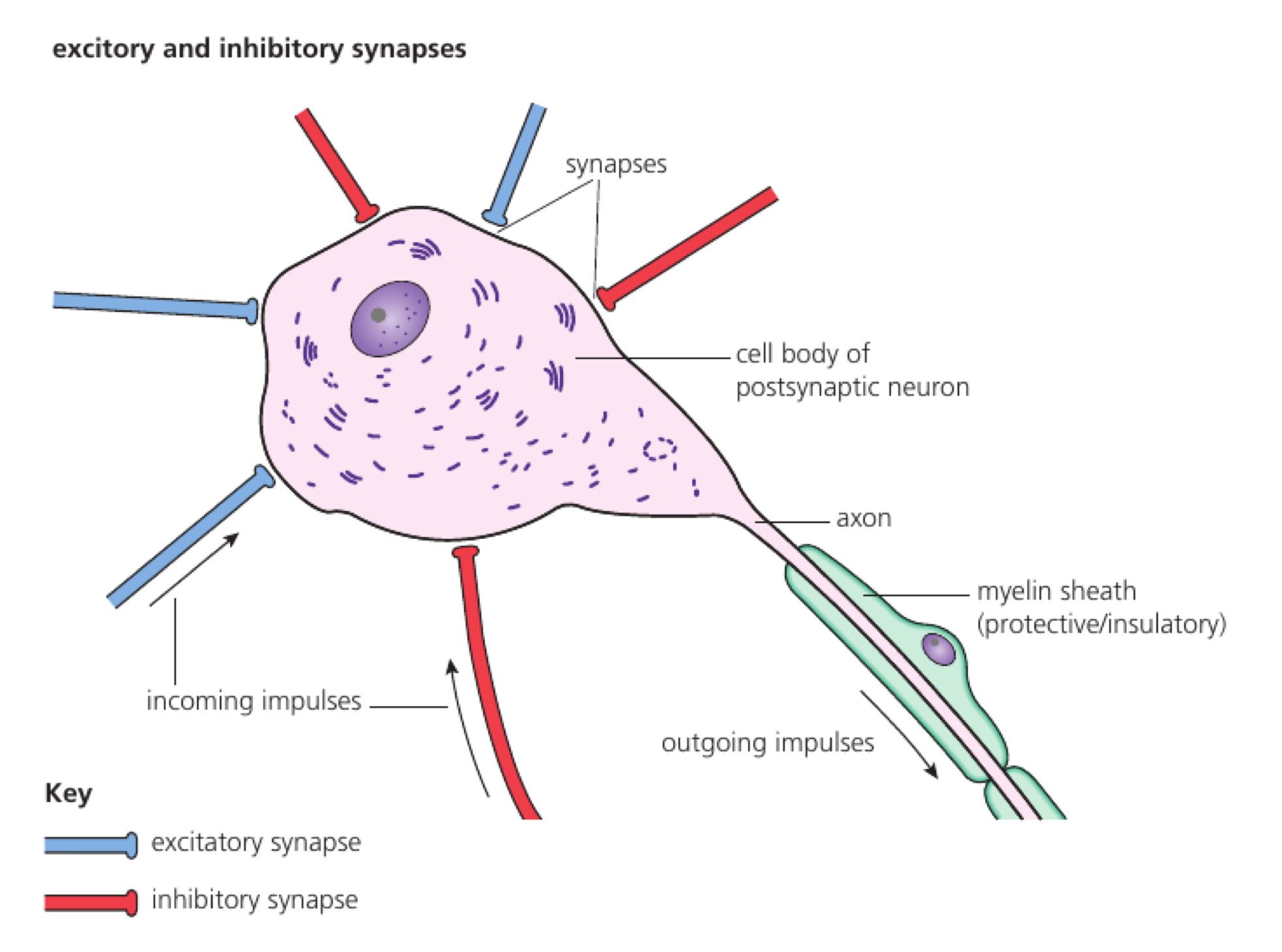
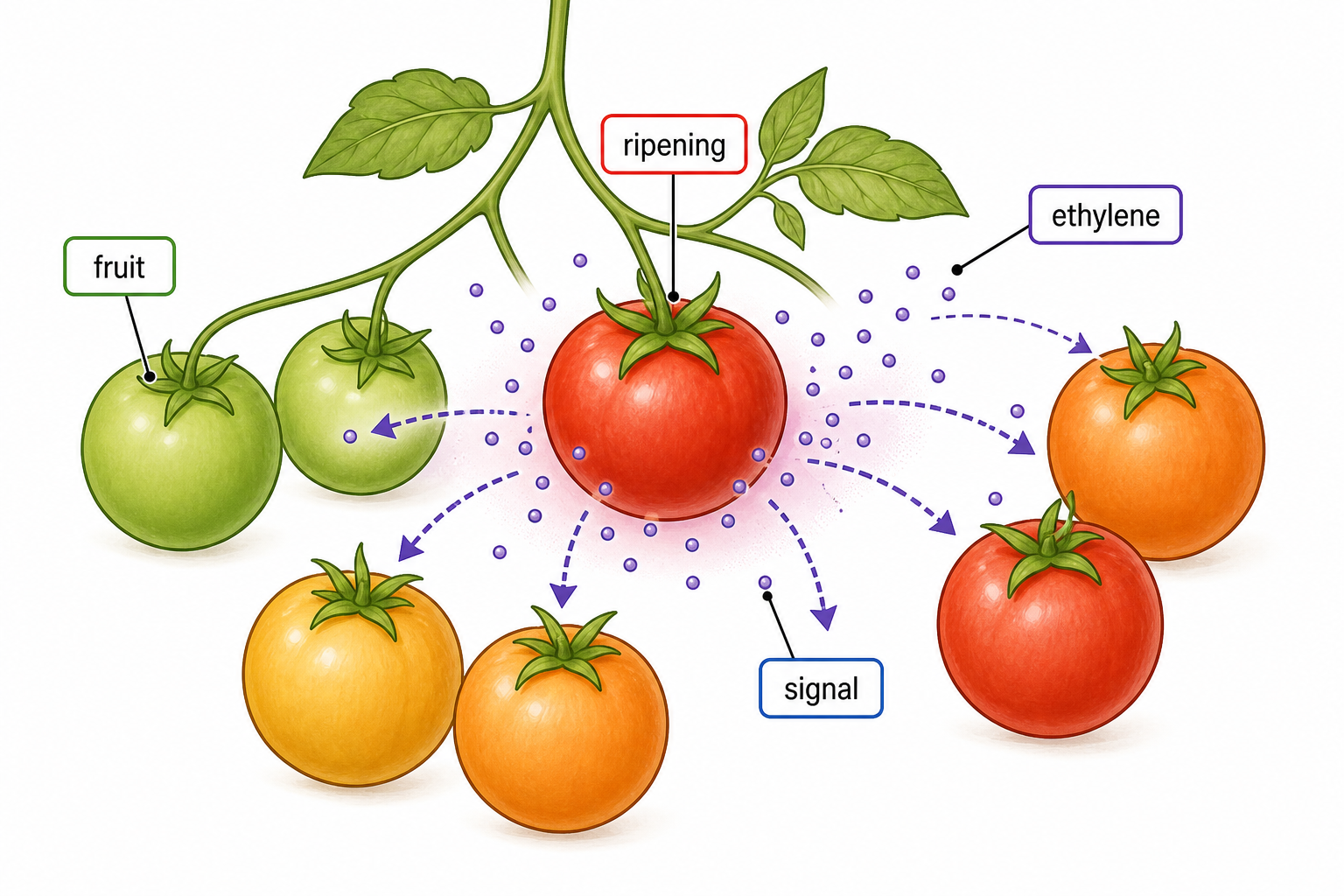
In a multicellular organism, tissues, organs and organ systems exchange information and materials so the organism can coordinate one response. Nervous impulses are fast; hormones travel in blood and can act on distant targets.
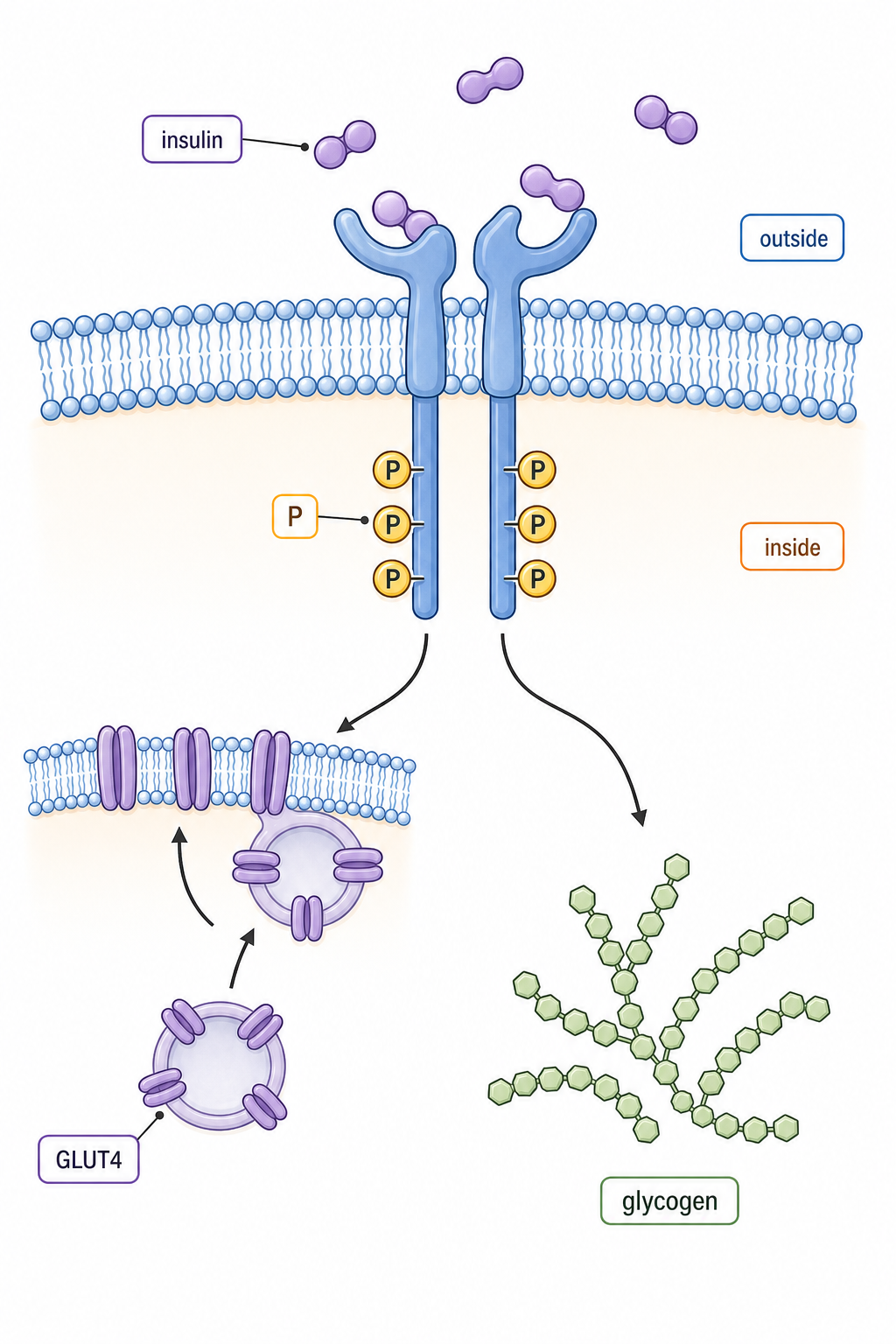
Name the parts; identify the signal or material crossing between them; then state the coordinated outcome.
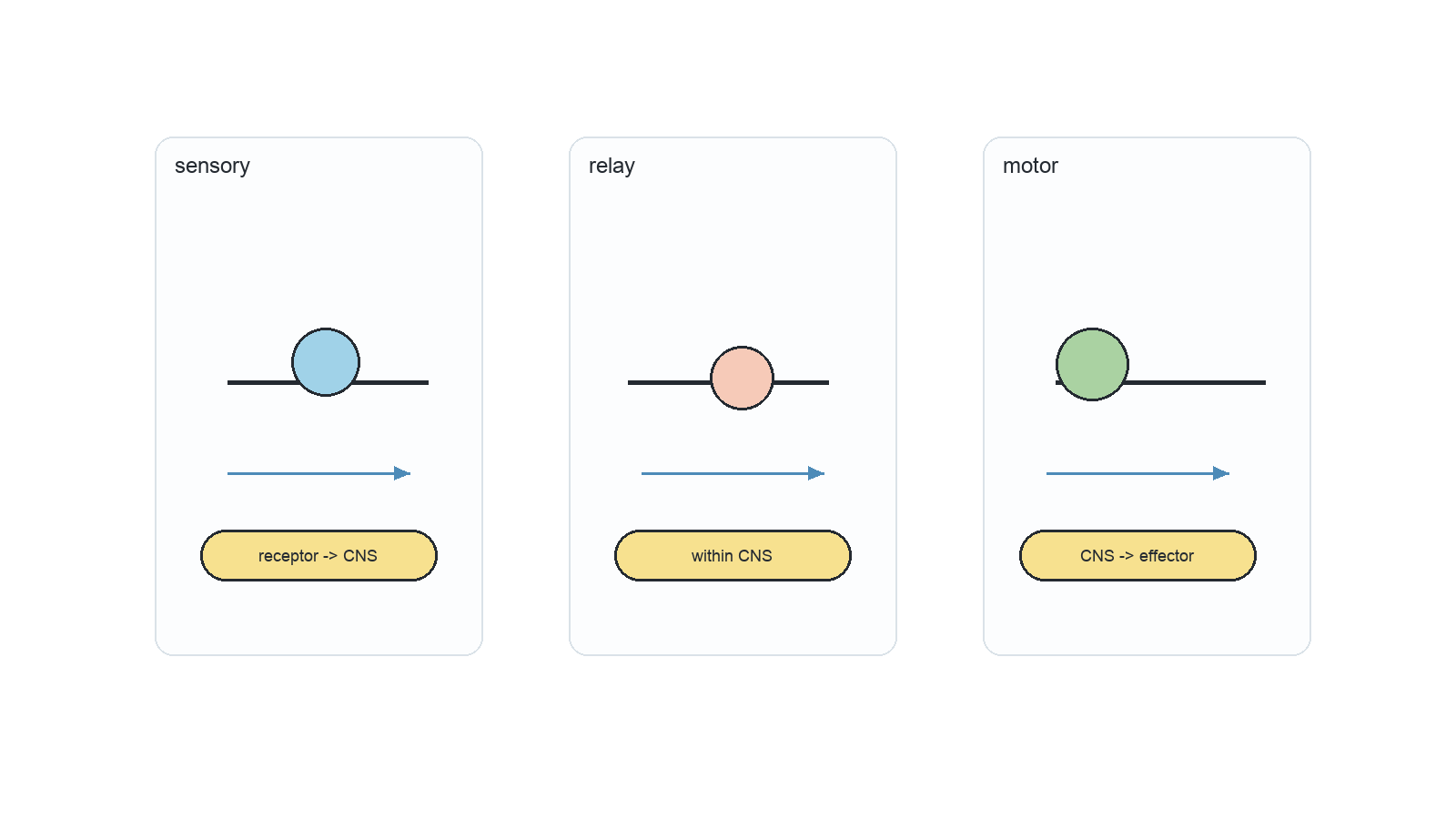
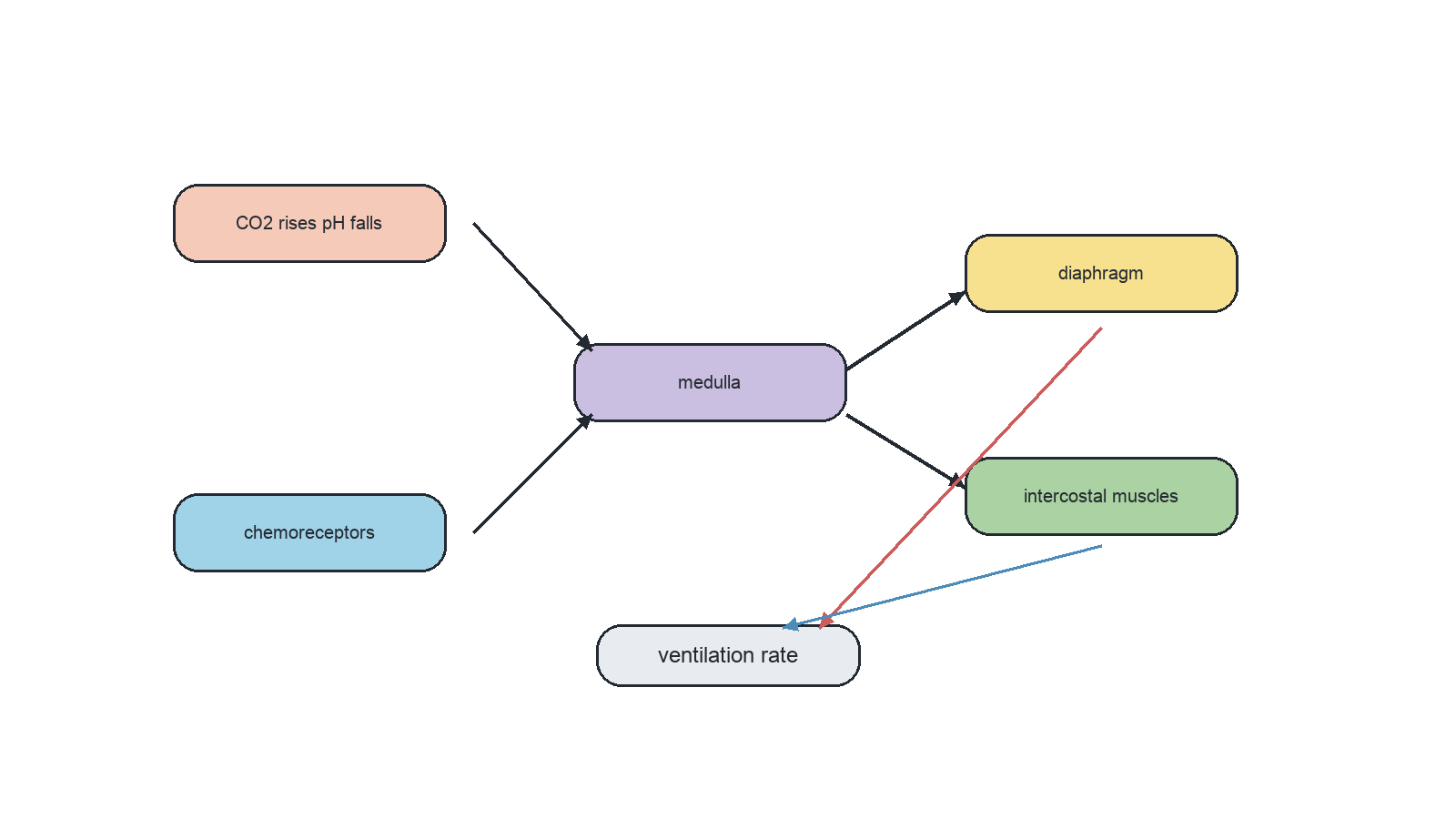
During exercise, receptors and the brain increase heart and ventilation activity while blood delivers oxygen to working muscle.
Integration is more than a list of organs: the explanation must include communication and a shared function.
This objective is assessed through structured response, commonly using Identify / Explain.
Identify / Explain
Mark schemes reward named structures, correct direction of information flow and explanations that keep the sequence causal.
Naming a brain region without linking it to information integration or coordination.
Representative question
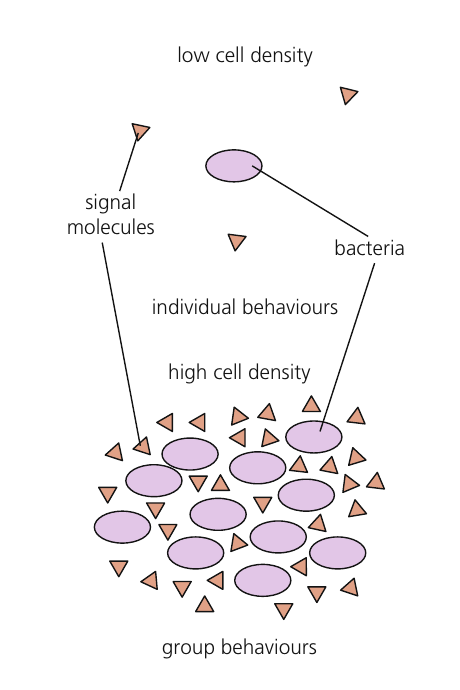
Using the diagram, explain the concept of emergent properties of biofilms.
«in biofilms» bacteria exhibit «emergent» properties not predictable from the individual components of the system
OR
biofilm exhibits its own properties, quite different in comparison with those shown by the single species
b. biofilms form when bacteria adhere to surface of tooth and begin to excrete an EPS/extracellular polymeric substances/exopolysaccharides
c. formation of EPS maintains bacteria together «in biofilm»
d. interspecies relationships are favourable
OR
one species produces growth factors for/facilitates attachment of another species
e. individual forces are low but the overall binding force can exceed that of covalent bonds
f. glue properties/cohesiveness given by different types of bonding
g. biofilms show resistance to antibiotics/other pathogen
3 max