EduNinja
[Maximum number: 1]

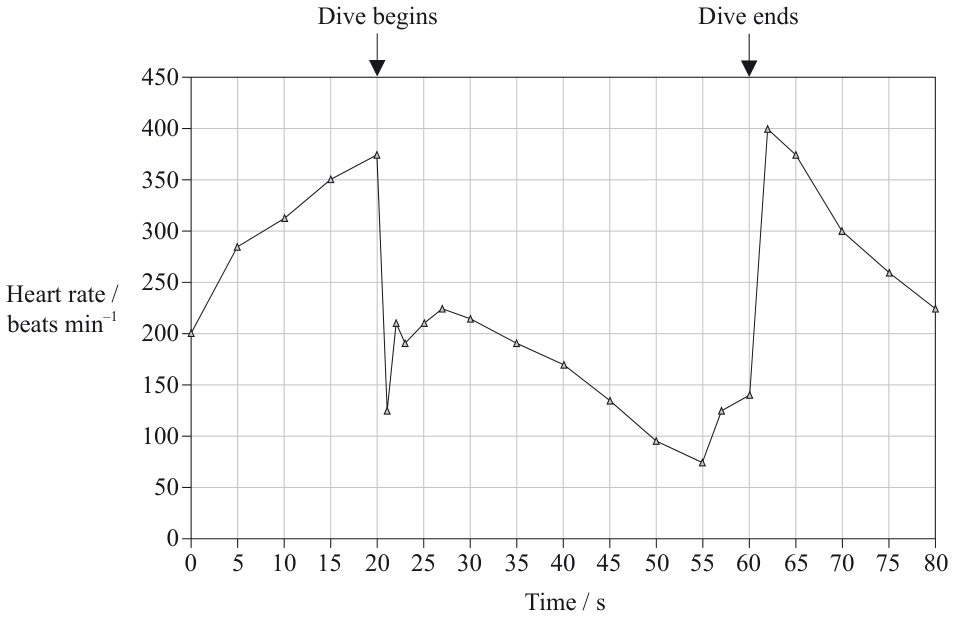
Tufted ducks (Aythya fuligula) are found in lakes and lagoons throughout Europe. They eat molluscs, insects and plants, sometimes from the surface but mostly by diving under the water. The graph shows how the heart rate of a tufted duck changes when diving under the water.

Question image
(a)

State the hormone that affects heart rate.

[ 1 ]
[Maximum number: 4]

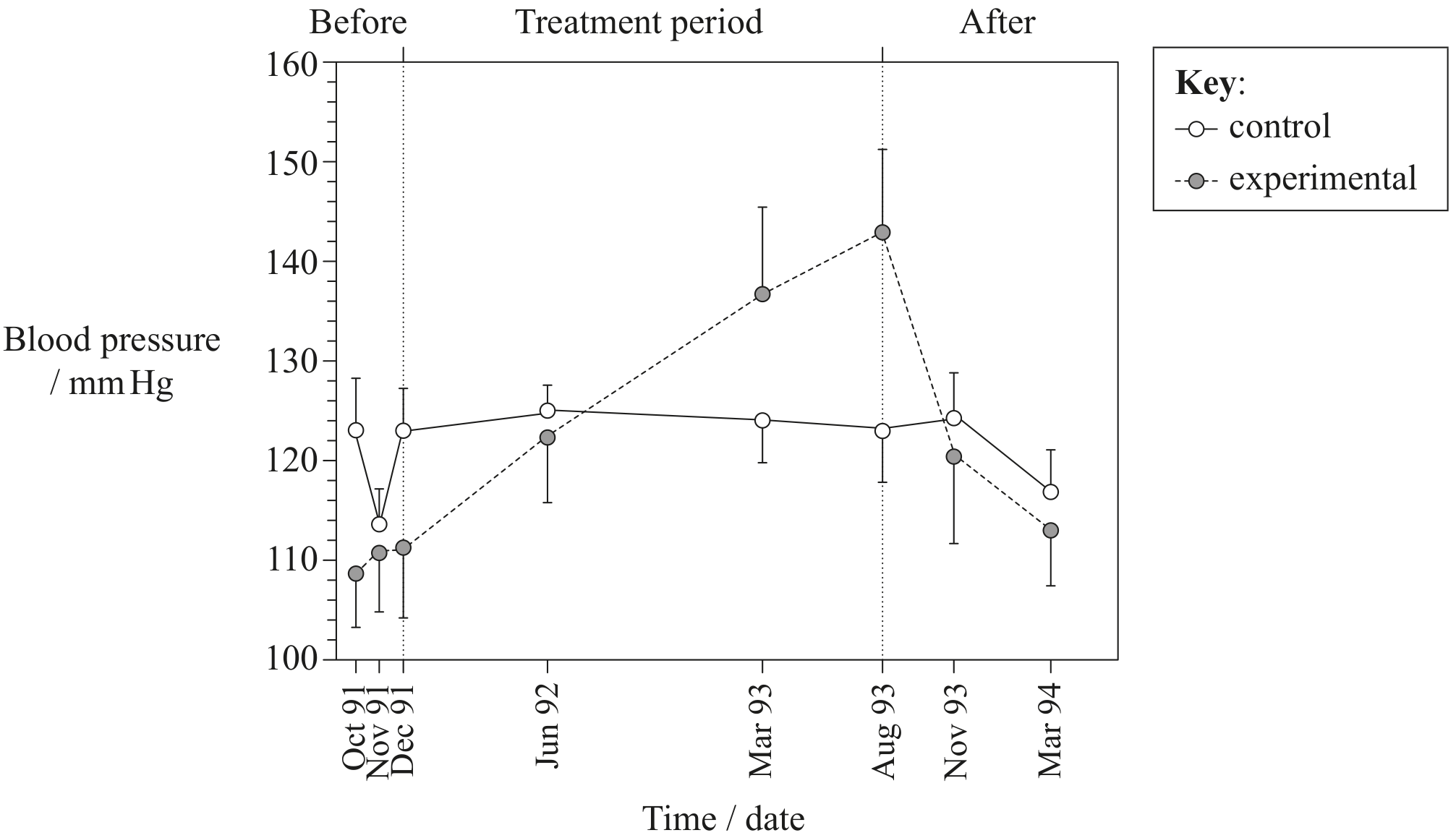
Hypertension (blood pressure exceeding 140 mmHg ) affects millions of people worldwide. Many modern societies consume more sodium in the form of salt (NaCl) than is required for normal physiology. The effect of changing the levels of dietary sodium has been studied in various organisms.

Scientists recorded the blood pressure changes in chimpanzees (Pan troglodytes) fed a diet without added sodium (control) or a sodium supplemented diet (experimental) as follows
- 5 grams of salt per day from December 1991 until May 1992
- 10 grams of salt per day until June 1992
- 15 grams of salt per day until August 1993
after which no more salt was added to the diet until the experiment ended.

Question image
(a)

Suggest one reason for the difference in the effect of dietary sodium on blood pressure between men and women.

[ 1 ]
(b)

The US Institute of Medicine has issued a strong recommendation that sodium consumption should be lowered and dietary potassium increased because of the effect on blood pressure. Evaluate this recommendation using all the data provided.

[ 3 ]
[Maximum number: 4]

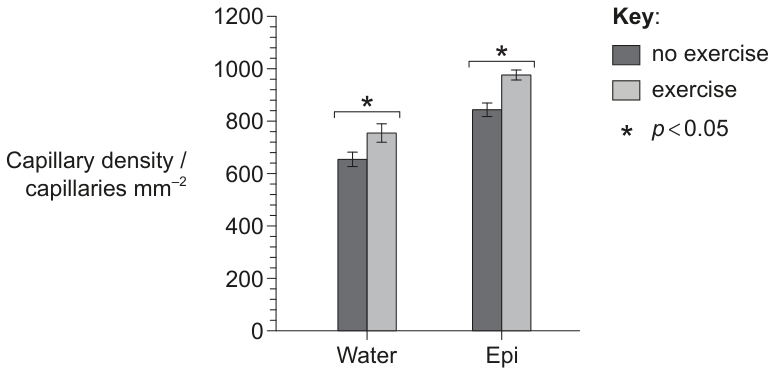
Consumption of dark chocolate has been shown to have health benefits. A study was undertaken to see the effects of epicatechin (Epi), a substance in dark chocolate, on the aerobic capacity of leg muscles of mice.

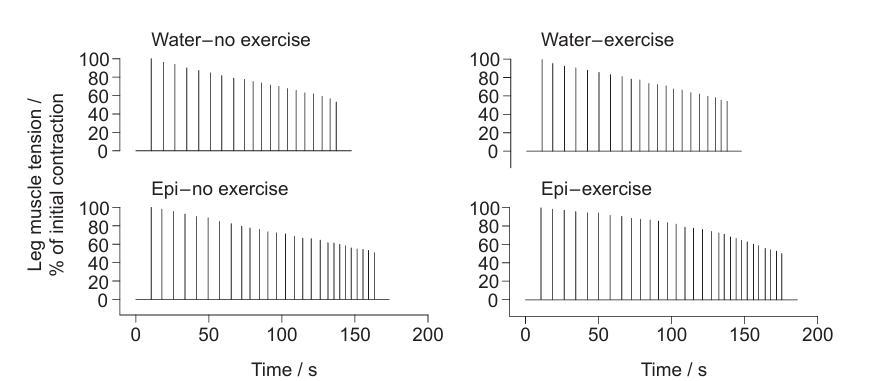
A group of adult mice was used to measure the effects of a low dose of Epi given over 15 days. The mice were divided into four groups and given either water or Epi and were either kept idle (no exercise) or made to exercise on a treadmill.

After 15 days, the results were analysed. The blood capillary density in leg muscle was measured under the light microscope.

Question image
(a)
(i)

State the significance of the statement: p<0.05.

[ 1 ]
(b)

Leg muscle tension was measured over time during a treadmill exercise in all four groups. The muscle is considered to reach a point of fatigue when there is a decrease in tension to 50 % of the initial tension.

Question image
[ 3 ]
(i)

Compare and contrast the results for the water-no exercise group and the Epi-no exercise group.

[ 3 ]
[Maximum number: 12]

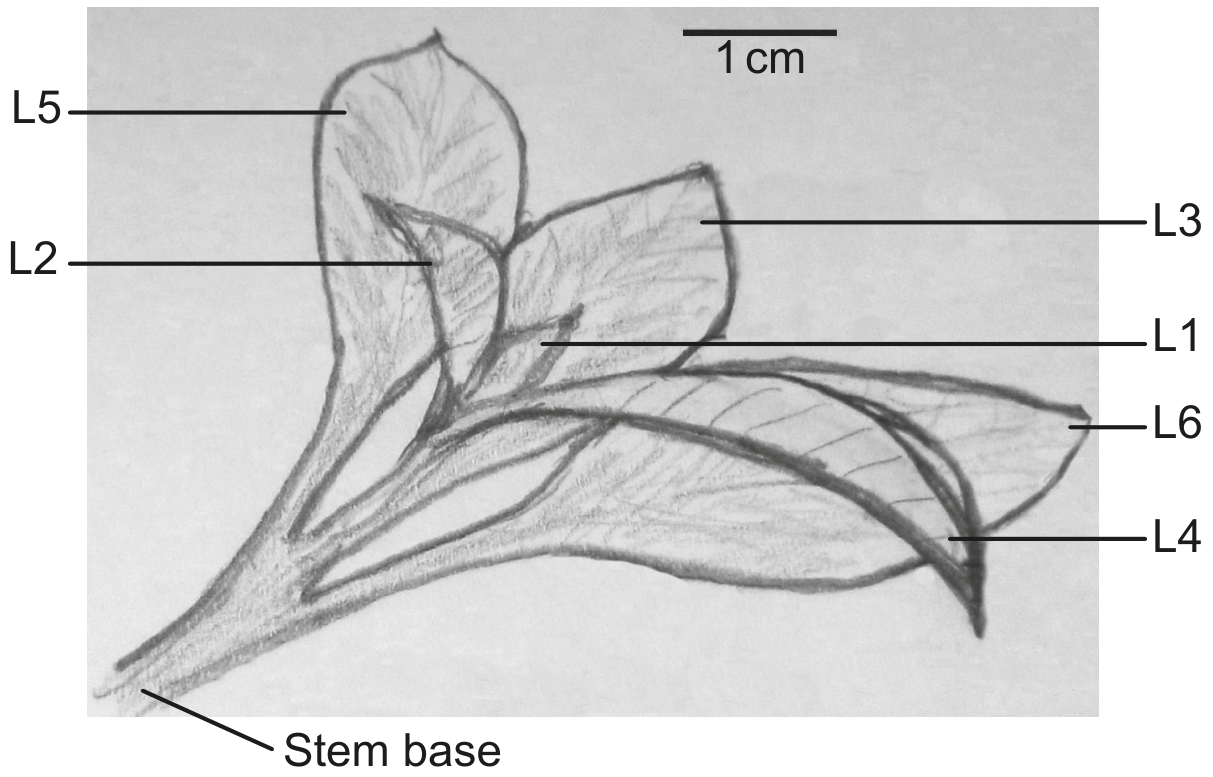
Auxin can be used to promote the development of roots from stem and leafy cuttings in some plants. In a study into the distribution of auxin in the development of these roots, scientists measured the amount of auxin in different leaves of a shoot tip of Petunia hybrida.

The figure indicates the numbering of leaves on the shoot, from L1 as the youngest and smallest to L6 as the largest and oldest leaf. The developmental stage of L5 and L6 was very similar, so L5 was not analysed. The stem base is the lowest part of the cutting where roots may form.

Question image

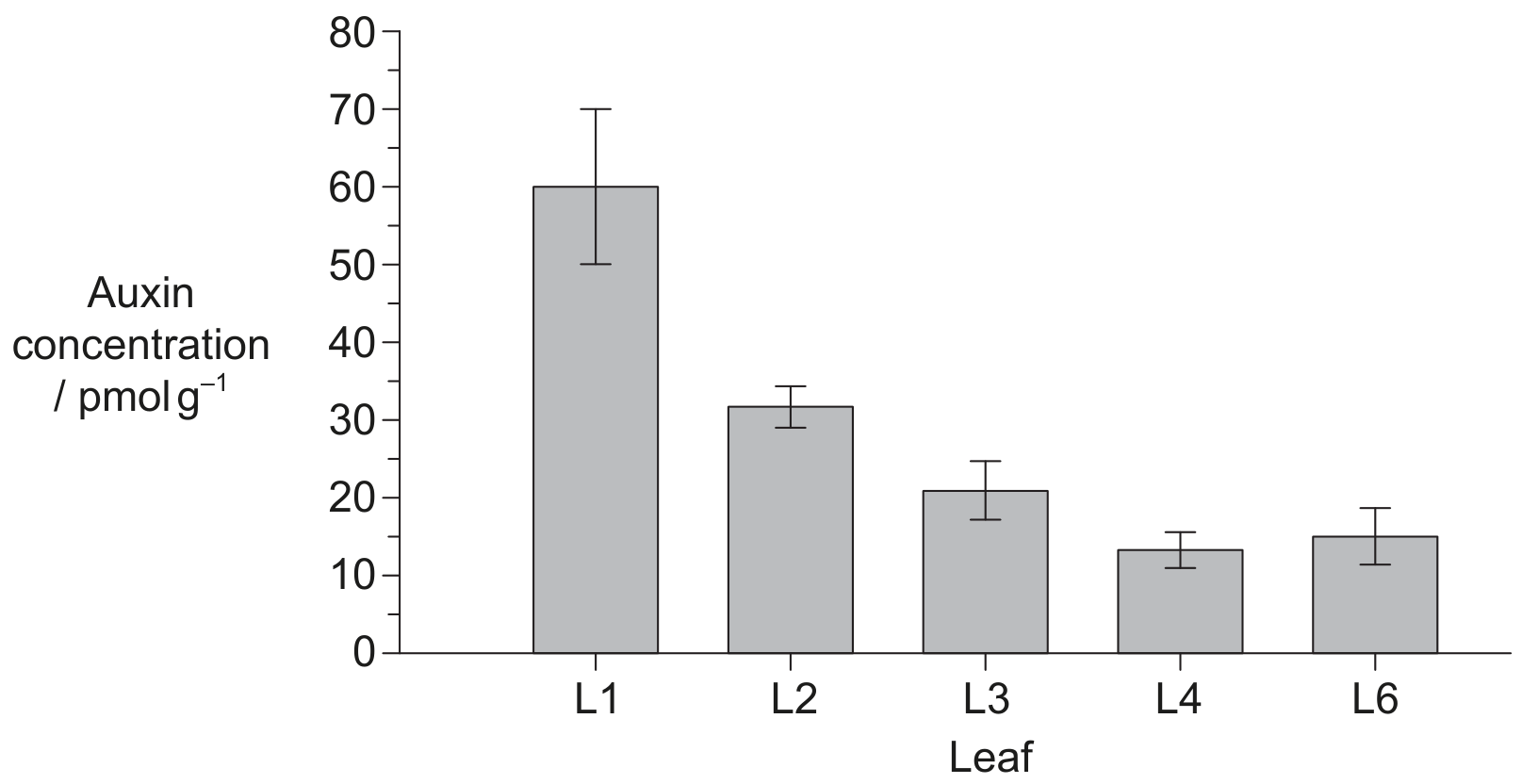
The graph shows the auxin concentration in the different leaves.

Question image
(a)

Calculate the difference in the concentration of auxin found in L1 and L6.
pmol g-1

[ 1 ]
(b)

Identify the relationship between the concentration of auxin and the age of the different leaves.

[ 2 ]
(c)

N-1-naphthylphthalamic acid (NPA) is an inhibitor used to block auxin transport. NPA was sprayed onto the leaves of a set of cuttings for 14 days. Development of the roots in control (non-treated) and NPA-treated cuttings was measured 14 days after taking the cuttings. The table shows the influence of NPA on rooting.

Question image

Analyse the effect of NPA on the formation of roots.

[ 2 ]
(d)

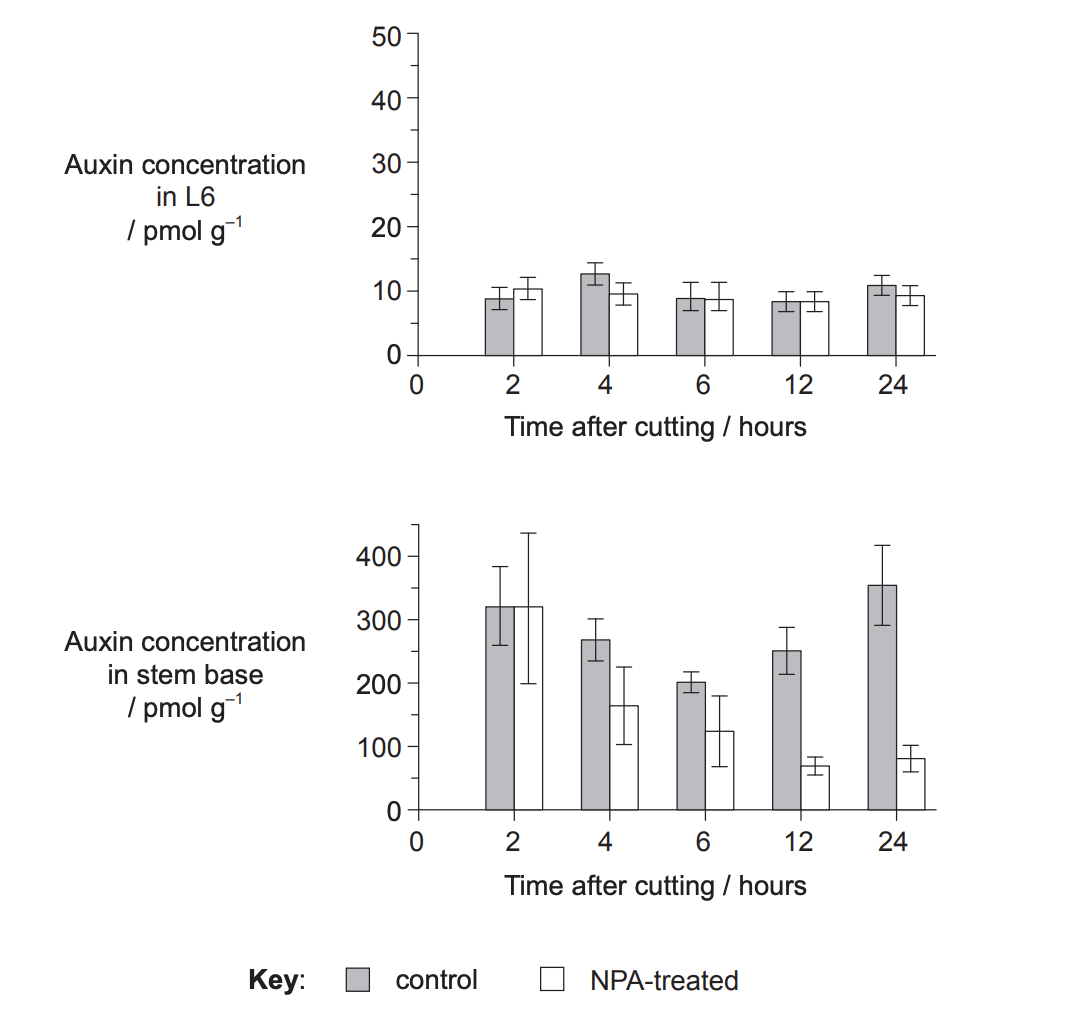
The scientists also measured the changes in auxin concentration in L6 and the stem base during the early period of root formation. They recorded the concentration in the control and NPA-treated cuttings for 24 hours after taking the cuttings.

Question image
[ 4 ]
(i)

Compare and contrast the changes in auxin concentration in the stem base over time for the control and NPA-treated cuttings.

[ 2 ]
(ii)

Deduce the effect of NPA on auxin transport between L6 and the stem base.

[ 2 ]
(e)

Based on all the data presented and your knowledge of auxin, discuss the pattern of auxin production and distribution in the leaves and the possible relationship to root formation in leafy cuttings of Petunia hybrida.

[ 3 ]
[Maximum number: 5]

A study was conducted to look at the short-term effects of a change in diet on the risk of disease in young adults. The table shows data on the habitual diet of the participants as well as the study diet followed for two weeks.

Mean daily intake ± standard deviation
Habitual dietStudy diet
Energy / kJ10143±94910143 \pm 9499992±4799992 \pm 479
Fat / g100±6100 \pm 699±599 \pm 5
Saturated fat / \% total fat37±237 \pm 260±160 \pm 1
Unsaturated fat / \% total fat63±263 \pm 240±140 \pm 1
Monounsaturated fat / \% total fat46±146 \pm 132±132 \pm 1
Polyunsaturated fat / \% total fat17±117 \pm 18±18 \pm 1
Carbohydrate / g248±23248 \pm 23232±16232 \pm 16
Protein / g119±12119 \pm 12120±9120 \pm 9
(a)

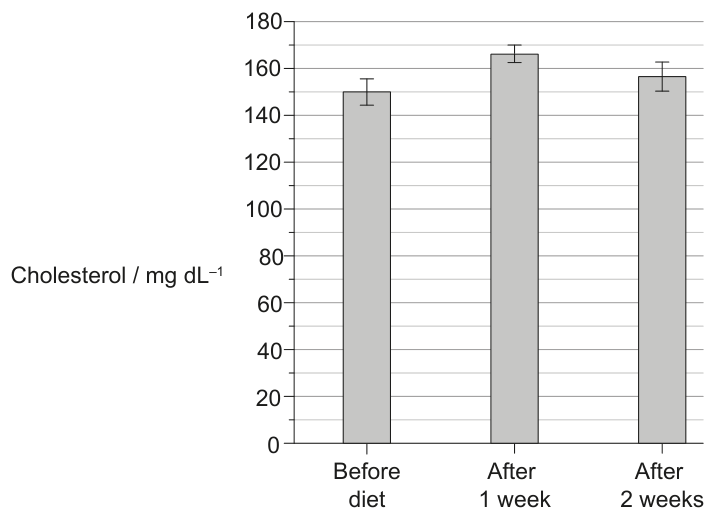
Total blood plasma cholesterol levels were measured before the study began and once a week after starting the study diet. Mean results are shown in the bar chart, including the standard deviation.

Question image

Calculate, showing your working, the percentage change in mean cholesterol level after one week on the study diet.

[ 2 ]
(b)

The hypothesis made before the study was that saturated fats in the diet affected the risk of coronary artery blockage and diabetes. Using all the data in question 1, evaluate whether this hypothesis is supported by the study.

[ 3 ]
[Maximum number: 5]

Type II diabetes, a widespread and challenging health problem, is due to insulin resistance, which results in raised blood glucose. Alpha-glucosidase enzymes catalyse the hydrolysis of carbohydrates. Inhibition of the enzymes slows the absorption of glucose in the intestine and thus slows the rise in blood glucose. A study examined the inhibitory effect of five species of seaweed (Palmaria palmata, Saccharina latissima, Fucus vesiculosus, Ascophyllum nodosum and Alaria esculenta) on alpha-glucosidase. Dried seaweed extracts made with water or ethanol were added to maltose. The solutions were incubated, then analysed for glucose content.

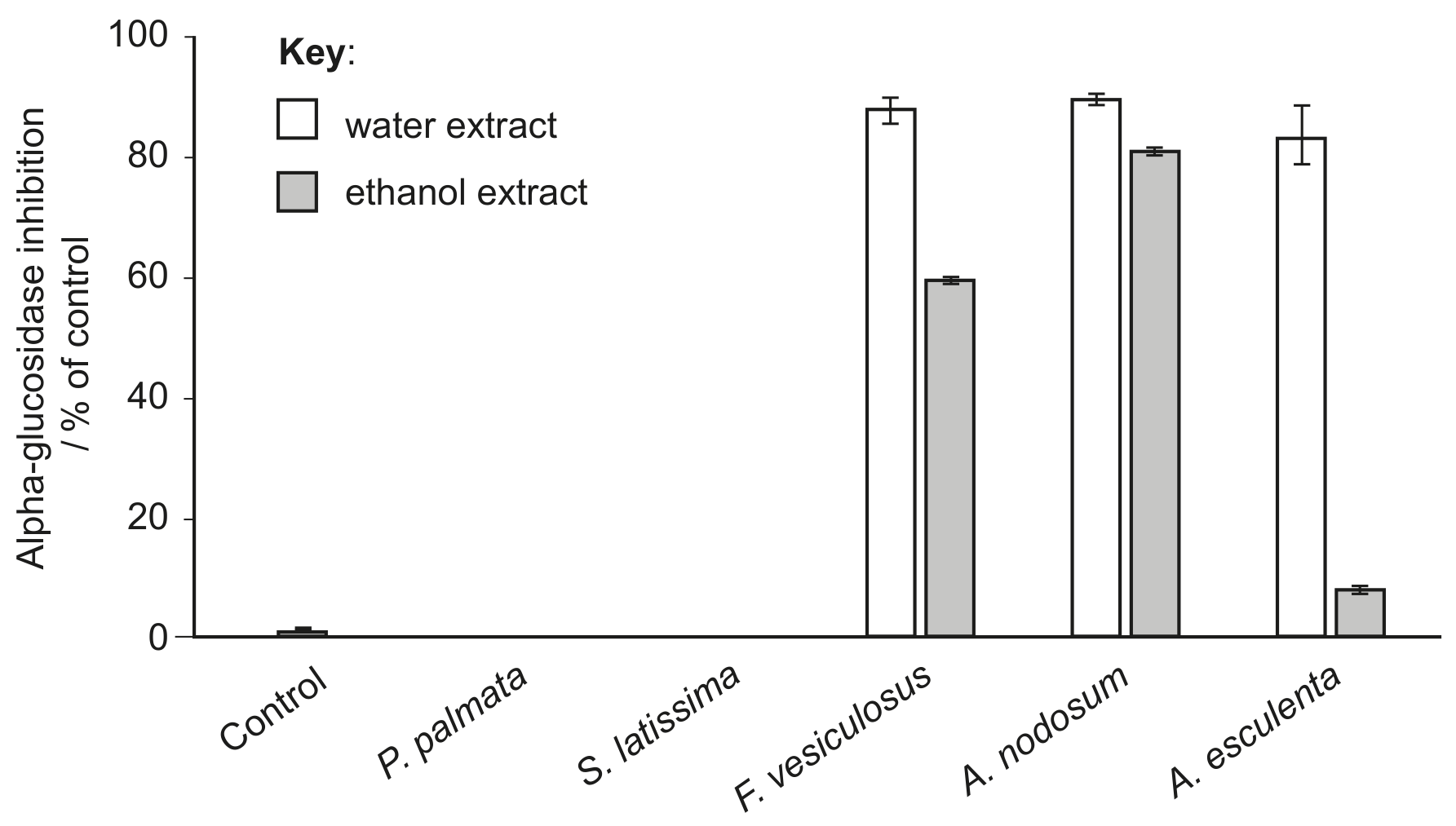
The graph shows percent inhibition of alpha-glucosidase with different seaweed extracts compared with uninhibited enzyme activity (control).

Question image
(a)

Compare and contrast the HbA 1 c results of all seaweed and control treatments.

[ 2 ]
(b)

Using all the data, evaluate the evidence for health benefits of adding dried S. latissima to the diet.

[ 3 ]
[Maximum number: 4]

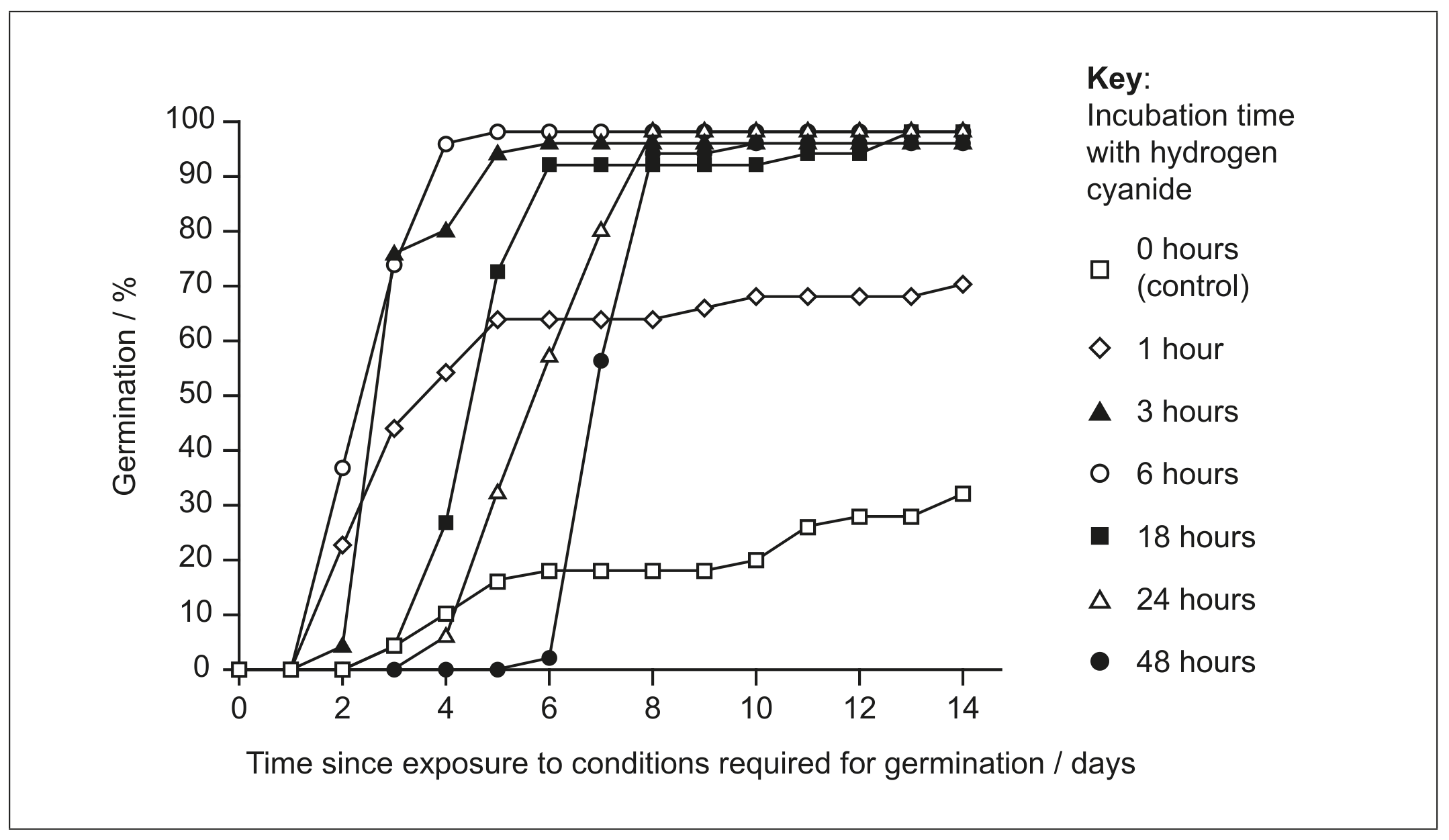
Cyanide, a chemical found in all living organisms, is known to stimulate seed germination in many plant species. Cyanide is also known to be an inhibitor of cellular respiration. Freshly harvested sunflower (Helianthus annuus) seeds were incubated with hydrogen cyanide for different periods of time and then exposed to the conditions required for germination. The graph shows the percentage of seeds that had germinated over fourteen days.

Question image
(a)

Ethylene is a chemical that promotes germination in sunflower seeds. Cyanide is known to activate ethylene production.

Four groups of sunflower seed embryos were treated as follows:
- D Control: dormant (not yet able to germinate) seed embryos not incubated with cyanide
- D Cyanide: dormant (not yet able to germinate) seed embryos incubated with cyanide for 3 hours
- ND Control: non-dormant (able to germinate) seed embryos not incubated with cyanide
- ND Cyanide: non-dormant (able to germinate) seed embryos incubated with cyanide for 3 hours

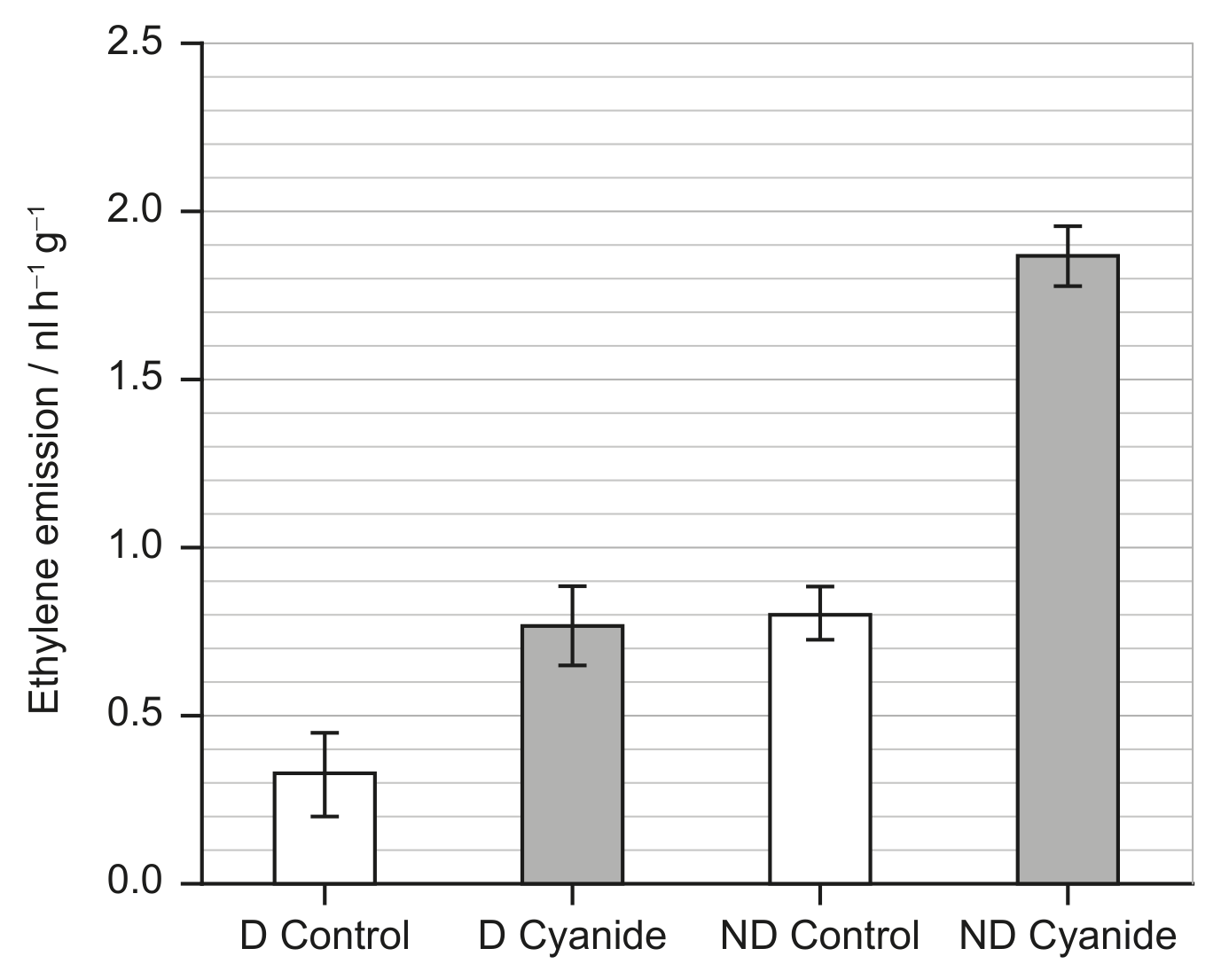
The graph shows the mean volume of ethylene emission by the four groups of seed embryos measured over a period of 5 hours at 20C20^{\circ} \mathrm{C}.

Question image

State the mean increase in ethylene emission in the dormant sunflower seed embryos due to the presence of cyanide.

[ 1 ]
(b)

Calculate the percentage change in the ethylene emission in the non-dormant sunflower seed embryos due to the presence of cyanide.

[ 1 ]
(c)

Compare and contrast the effects of cyanide incubation on mean ethylene production for dormant (D) and non-dormant (ND) seed embryos.

[ 2 ]
[Maximum number: 1]

Angora rabbits (Oryctolagus cuniculus) have soft and silky coats with fine hairs that grow about 30 mm per month. These hairs can be collected and used as wool. Hair growth in mammals depends on stem cells in the base of hair follicles called dermal papilla cells.

Question image

Research was carried out to investigate the role of the WIF1 gene in hair growth. Wool was collected from 6-month-old angora rabbits. Expression of the WIF1 gene was assessed by measuring the quantity of WIF1 mRNA produced in cells taken from each rabbit. The rabbits were divided into groups according to their rate of wool production (low or high).

The table shows mean wool production per rabbit in the low and high wool production groups and relative expression of the WIF1 gene.

Removed for copyright reasons

(a)

Identify the control treatment.

[ 1 ]
[Maximum number: 1]

Though a single nerve cell does not think, millions of them organized as a brain result in thinking. What kind of property does thinking represent?

A

Anatomical

B

Adaptive

C

Extracellular

D

Emergent

[Maximum number: 1]

Why do multicellular organisms have emergent properties?

A

They have more genes than unicellular organisms.

B

Properties of unicellular organisms are enhanced by having many cells.

C

All of their genes are expressed whereas unicellular organisms express only some.

D

They show properties that can only result from the interaction of many cells.

0