EduNinja
[Maximum number: 6]

Stem cells in the bone marrow can be forced into blood vessels in a process called mobilization. Mobilization of stem cells from the bone marrow into the blood vessels represents the basis for modern bone marrow transplantation procedures.

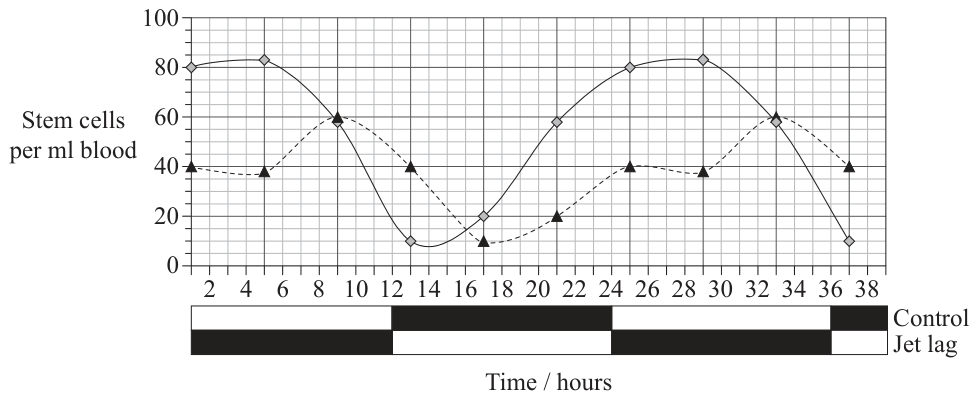
To test the effect of light on the mobilization of stem cells, mice were subjected to a simulated "jet lag" by advancing the light-dark cycle by 12 hours. This was done by subjecting mice to a 24 -hour light period before the results shown in the graph were recorded. The results were compared to the stem cells in control mice under normal conditions of 12 hours of light ( □ ) and 12 hours of darkness ( dark box) and 12 hours of darkness ( dark box ).

Question image
Question image
(a)
(i)

State the maximum number of stem cells per ml blood in the control mice.

[ 1 ]
(ii)

Determine the number of hours of light needed to release the maximum number of stem cells in blood in control mice.

[ 1 ]
(b)

Distinguish between the trends shown in the number of stem cells per ml blood by the mice subjected to jet lag and the control mice.

[ 2 ]
(c)

Other studies suggest that a greater number of blood stem cells for transplantation may be obtained if they are harvested during darkness. Evaluate this hypothesis.
[ 2 ]
[Maximum number: 6]

Cells in the alveolus wall produce a surfactant. Its function is to prevent alveoli collapse at the end of expiration. Surfactants are used in the treatment of respiratory system disease in premature babies.

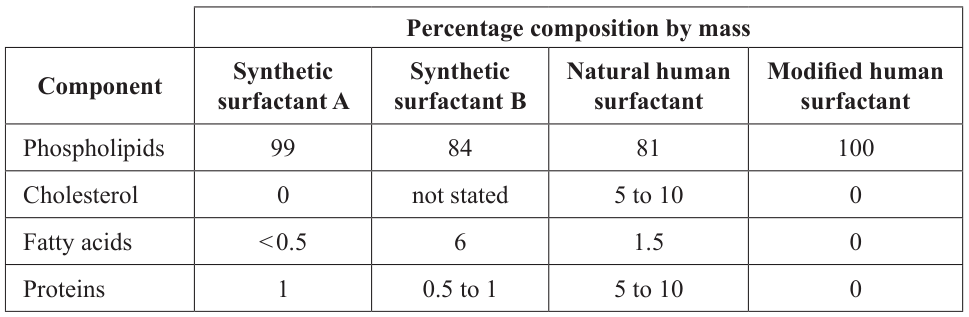
The table shows some of the components of different surfactant preparations.

Table
(a)

State the surfactant that contains the least amount of phospholipids.

[ 1 ]
(b)

Compare the composition of natural human surfactant with synthetic surfactants.

[ 2 ]
(c)

Using all the data provided, evaluate the hypothesis that the presence of proteins in surfactants can decrease bacterial growth.

[ 3 ]
[Maximum number: 1]

What happens to the cell surface area to volume ratio as a cell grows?

A

It decreases, so production of waste material is reduced.

B

It increases, so mineral ion absorption is increased.

C

It increases, so osmosis is reduced.

D

It decreases, so rate of gas exchange is too low.

[Maximum number: 1]

Type I diabetes is a leading cause of death in advanced countries and is associated with various severe or fatal complications, including blindness, kidney failure, heart disease, stroke, neuropathy, and amputations. Embryonic stem cells are considered to be a powerful tool in the treatment of diabetes.

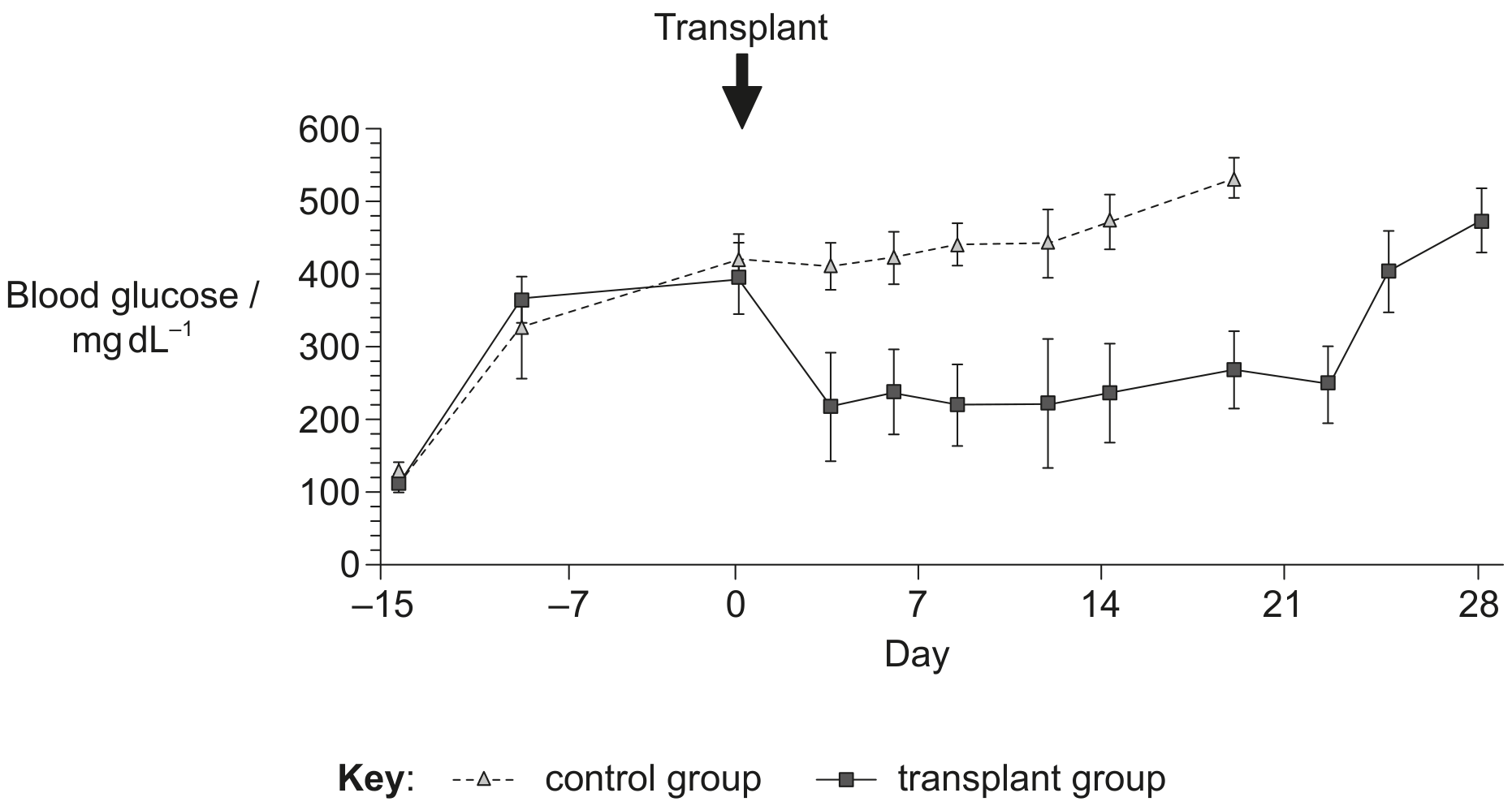
In a study, embryonic stem cells were grown in culture and tested for insulin mRNA. A drug was injected into two groups of healthy mice in order to simulate type I diabetes 15 days prior to the transplant of embryonic stem cells. The mice in the transplant group received embryonic stem cells that produce insulin mRNA. The control group did not receive the transplant. The graph shows the blood glucose concentration in both groups.

Question image
(a)

Suggest an ethical advantage of using this type of therapy over embryonic stem cell therapy.

[ 1 ]
[Maximum number: 2]

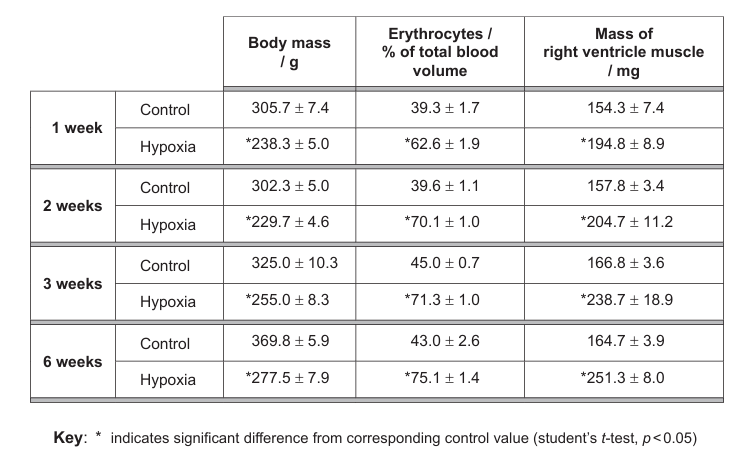
Hypoxia is a condition in which tissues of the body are deprived of an adequate oxygen supply. A study was carried out in rats to examine the effects of continuing hypoxia on the structure of the diaphragm, and to determine whether nitric oxide is implicated in adaptation of the diaphragm to hypoxia. The diaphragm helps to supply oxygen to tissues and organs in the body by ventilating the lungs.

A group of 36 adult male rats were kept for 6 weeks in low oxygen while 36 adult male rats were kept in normal oxygen levels.

Question image
(a)

Outline the effect of hypoxia on body mass and erythrocyte percentage.

[ 1 ]
(b)

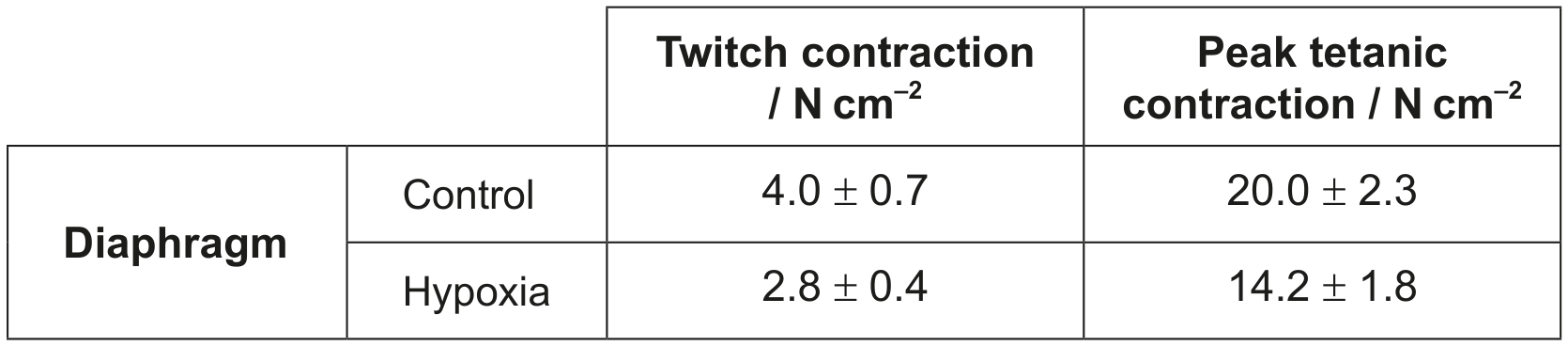
Skeletal muscle contractions can take two different forms: if they are stimulated by a single action potential they take the form of a twitch and if they are stimulated by a series of action potentials the contraction is longer lasting (tetanic). The table shows the effects of hypoxia on the force of twitch and peak tetanic contraction in the diaphragm.

Table
[ 1 ]
(i)

Hypoxia caused a 13 % increase in the surface area to volume ratio of the diaphragm. Suggest a reason for this change.

[ 1 ]
[Maximum number: 1]

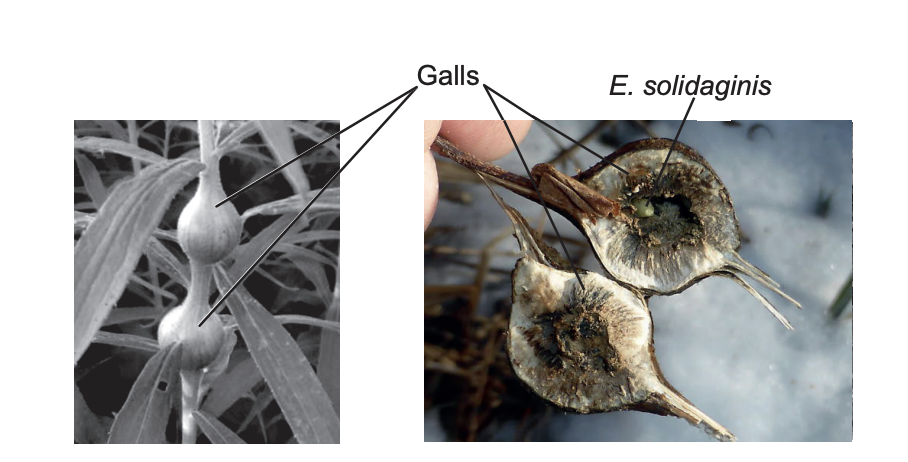
The larval stage of the fly Eurosta solidaginis develops in the plant Solidago altissima.

The larva secretes a chemical which causes plant tissue to grow around it forming a swelling called a gall. The gall provides the developing insect with protection from predators.

Question image

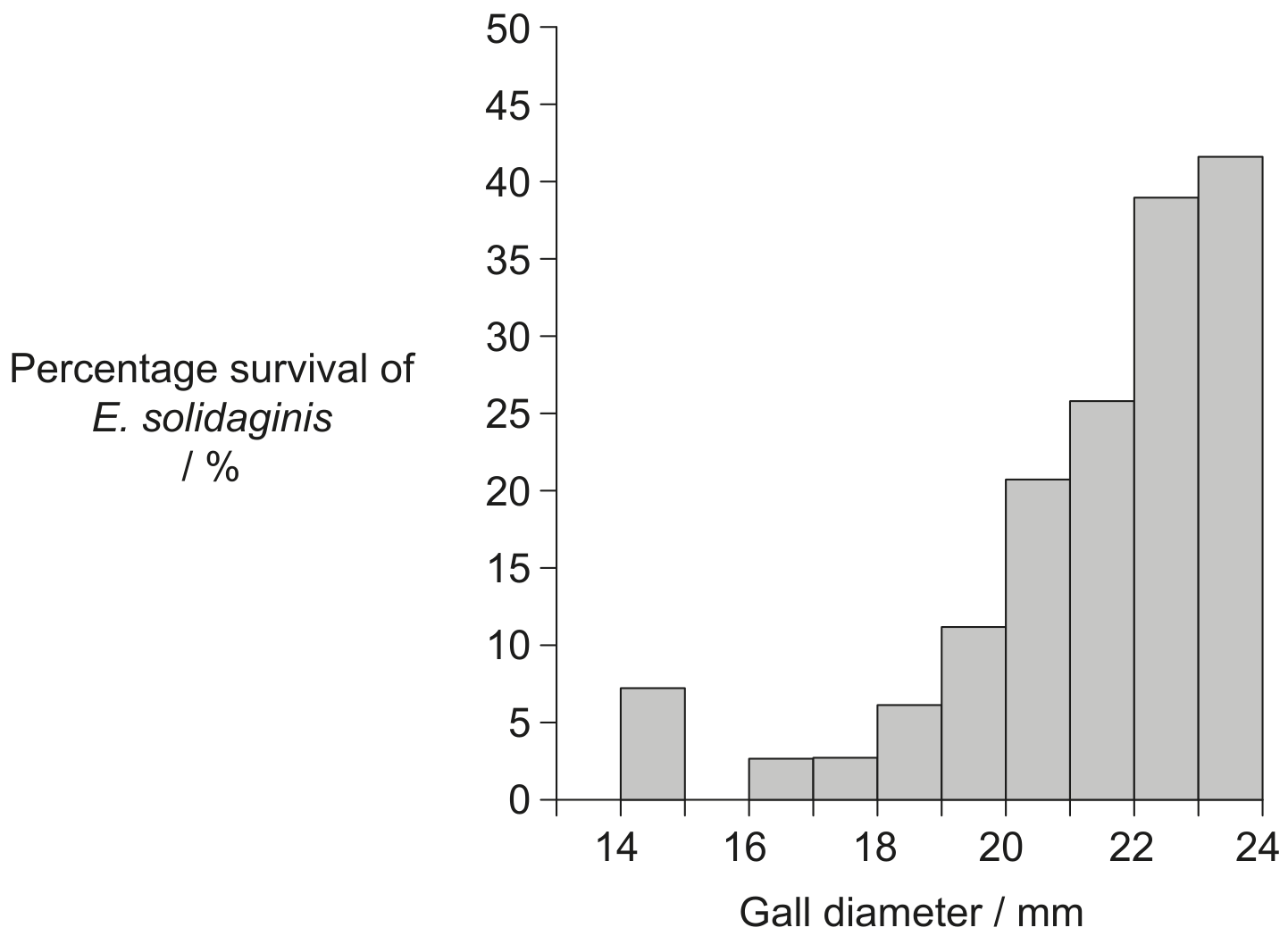
The E. solidaginis fly is preyed upon by the parasitic wasp Eurytoma gigantea. The graph shows the relationship between gall diameter and the percentage of flies that avoid predation by E. gigantea.

Question image
(a)

In order to form galls, the insects choose a location where cell division occurs at a high rate. State the term for a region of rapid cell division within a plant.

[ 1 ]
[Maximum number: 2]

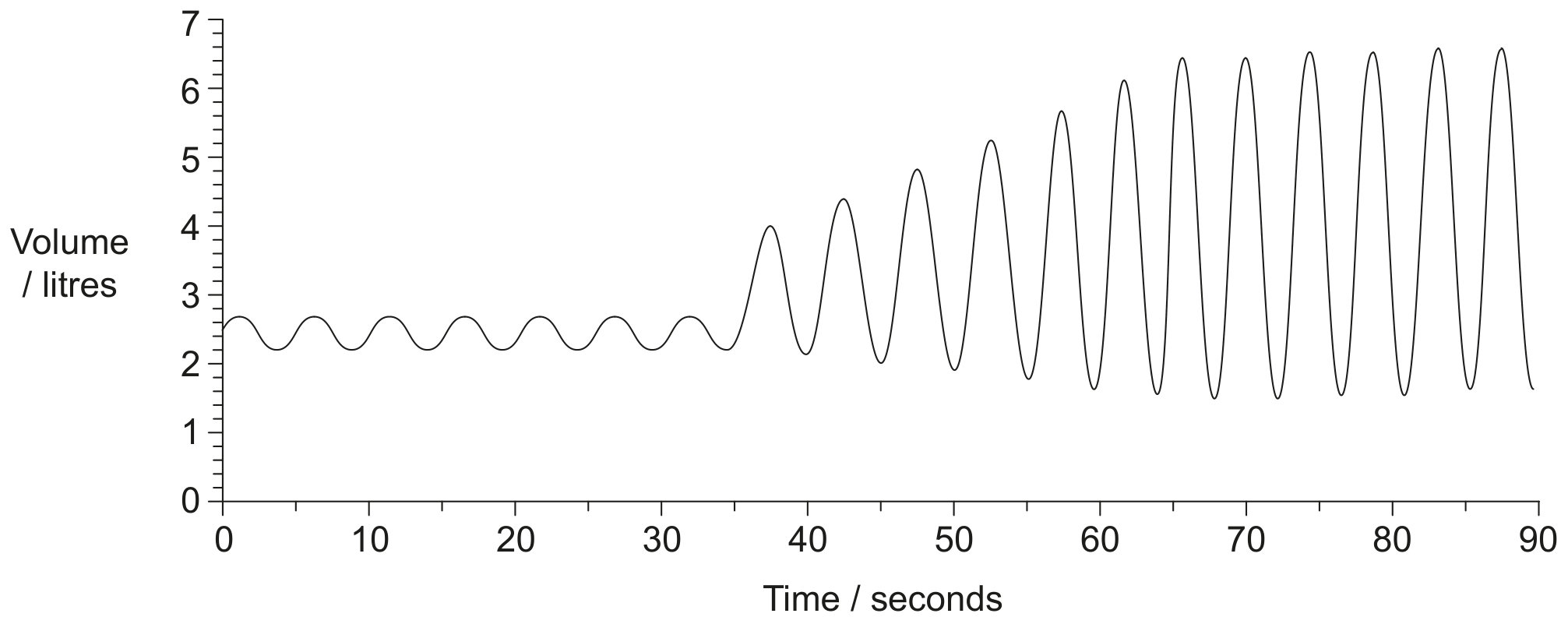
Measurements of the lung capacity of a student were recorded using a spirometer and displayed with a data logger. Initially the student was at rest, then changed to carrying out strenuous exercise. The results are displayed in the graph.

Question image
(a)

Outline the function of pneumocytes in the lungs.

[ 2 ]
[Maximum number: 1]

When compared to other body cells, which characteristic of stem cells is the most important for therapeutic uses?

A

Less differentiation

B

Less excretion

C

Lower rate of reproduction

D

Lower rate of metabolism

[Maximum number: 3]

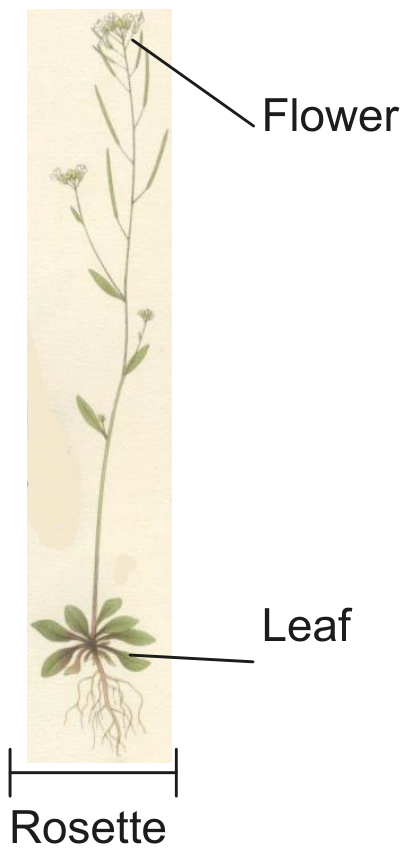
Arabidopsis is a small flowering plant in the mustard family (Brassicaceae) that is widely used in basic research. It has a short life cycle, flowers quickly producing a large number of seeds and is easy to cultivate. It forms a circle of leaves known as a rosette that lies close to the soil. Flowers form at the end of short stems.

Question image

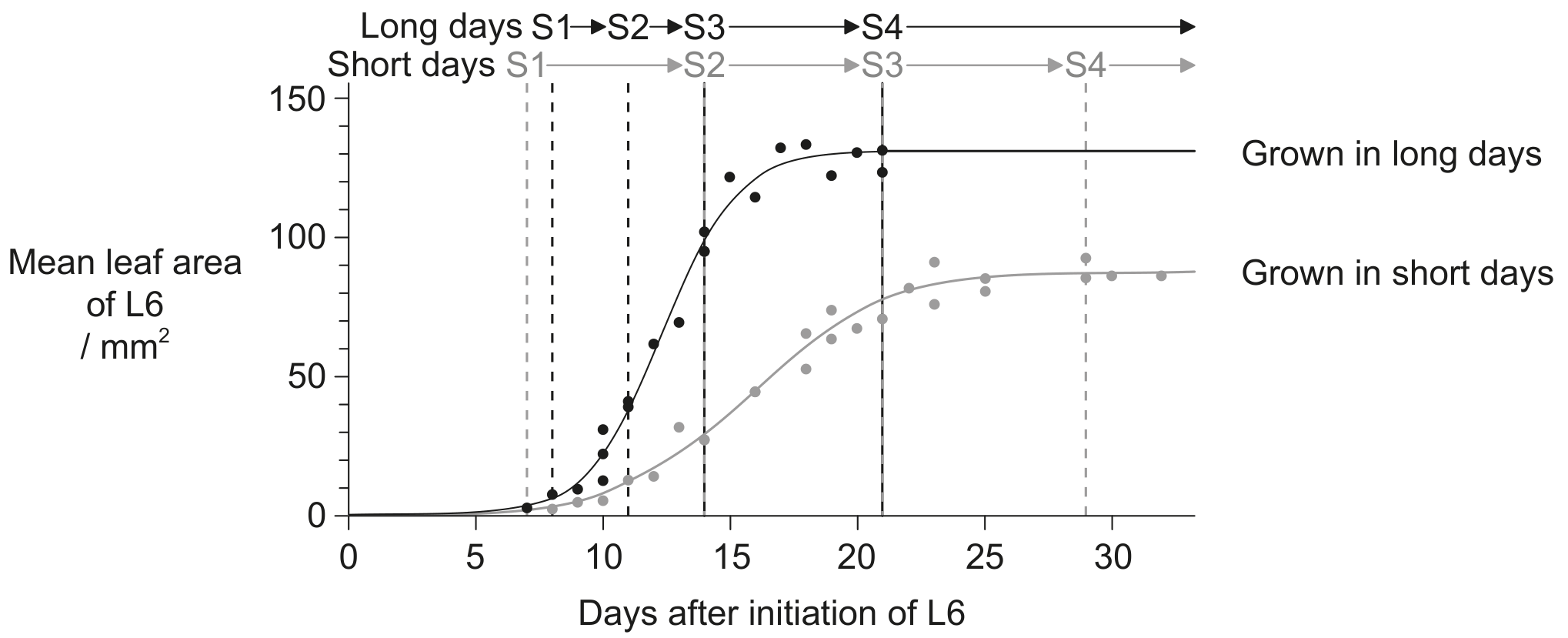
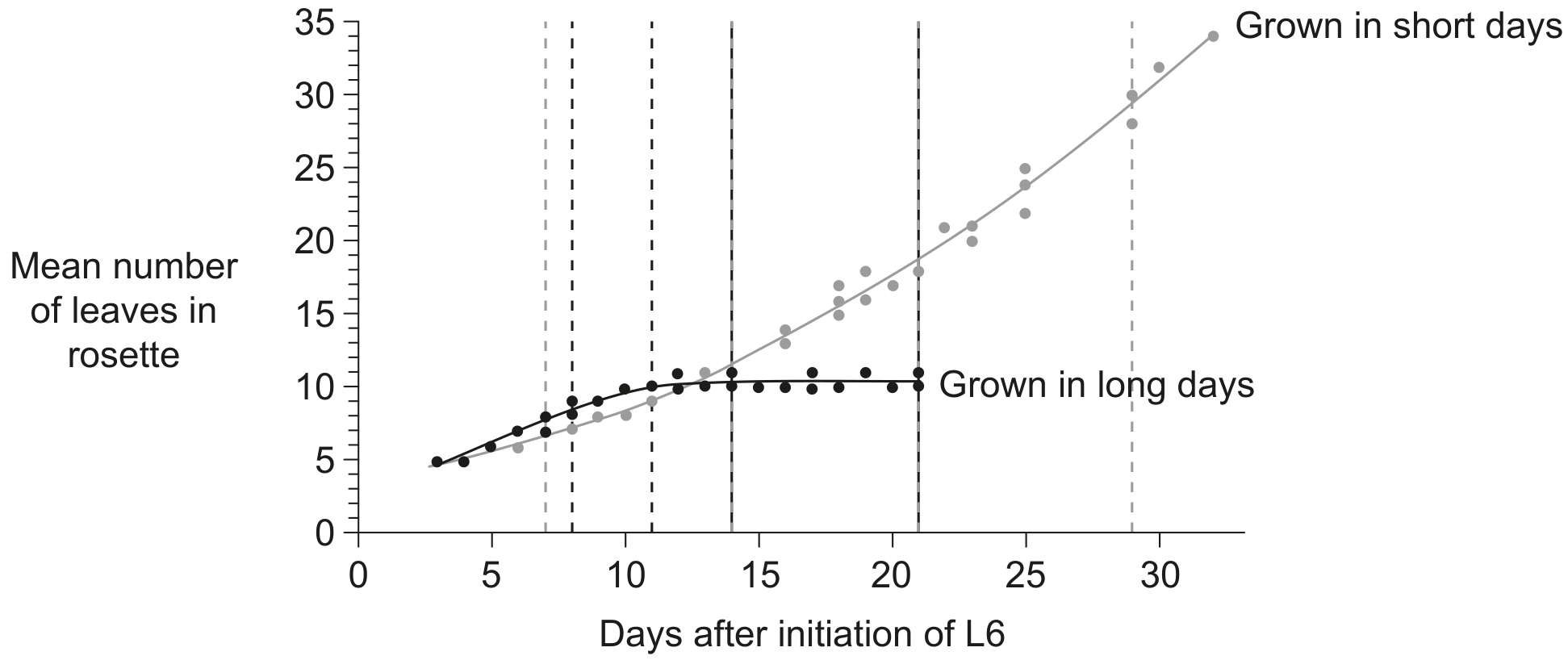
A study was carried out of differences in development between Arabidopsis plants grown in long days ( 16 hours light, 8 hours dark) or short days ( 8 hours light, 16 hours dark). The sixth leaf (L6) to emerge in the rosette of each plant was used in all investigations.

New leaves are initiated by the meristem and go through four stages as they develop.
- Stage 1 (S1) - rapid cell division
- Stage 2 (S2) - cell division has ceased, cell expansion continues
- Stage 3 (S3) - decreasing cell expansion rate
- Stage 4 (S4) - leaf growth complete

The start of each stage of leaf development for plants grown in long days and short days is shown above the first graph.

Question image
Question image
(a)
(i)

Calculate the difference in the mean leaf area of L6 at the start of stage 4 between the leaves of plants grown in long days and short days.
mm2\mathrm{mm}^{2}

[ 1 ]
(ii)

Distinguish between plants grown in long days and short days in the timing of the four stages of leaf development.

[ 2 ]
[Maximum number: 1]

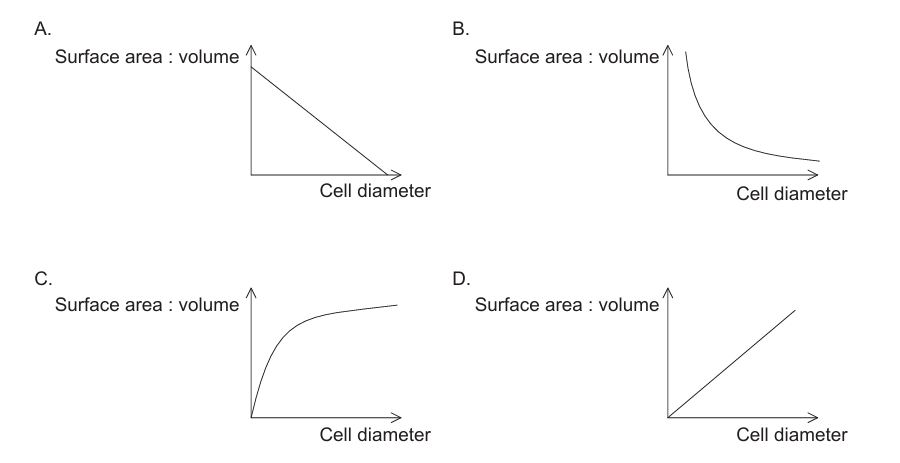
Which graph represents the change in cell surface area to volume ratio with increasing cell diameter?

Question image
0