Q BankQuestion BankDocsDocuments

C3.1.3—Integration of organs

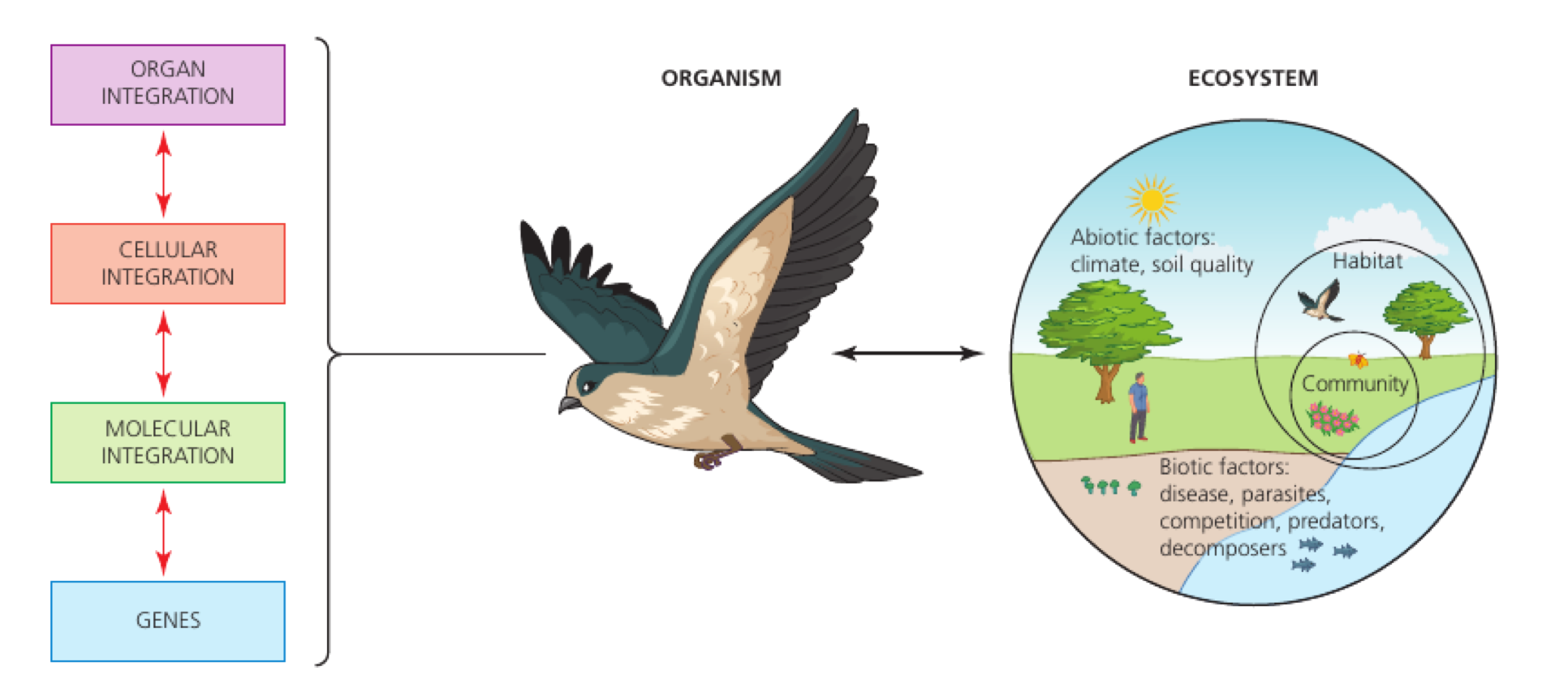
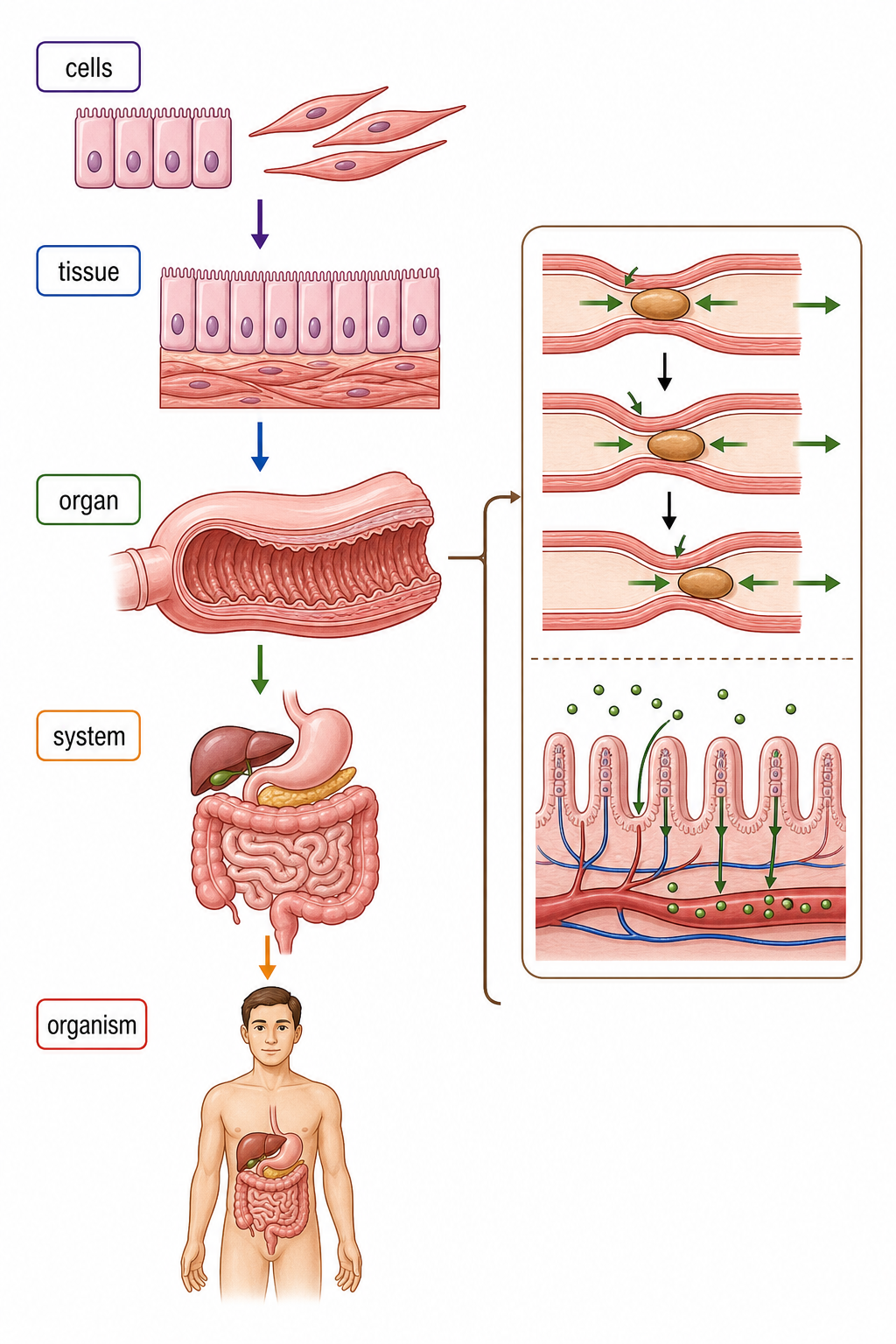
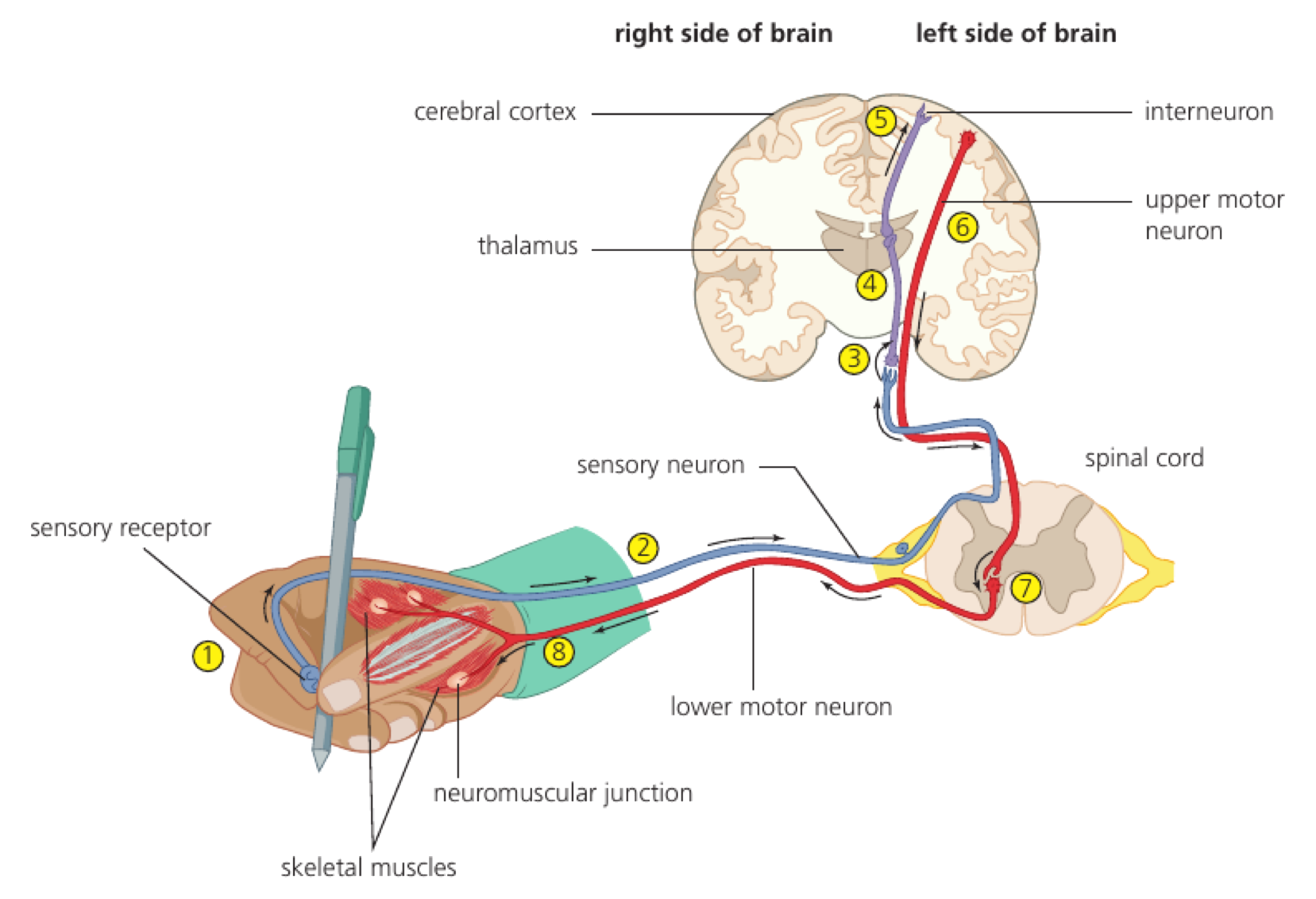
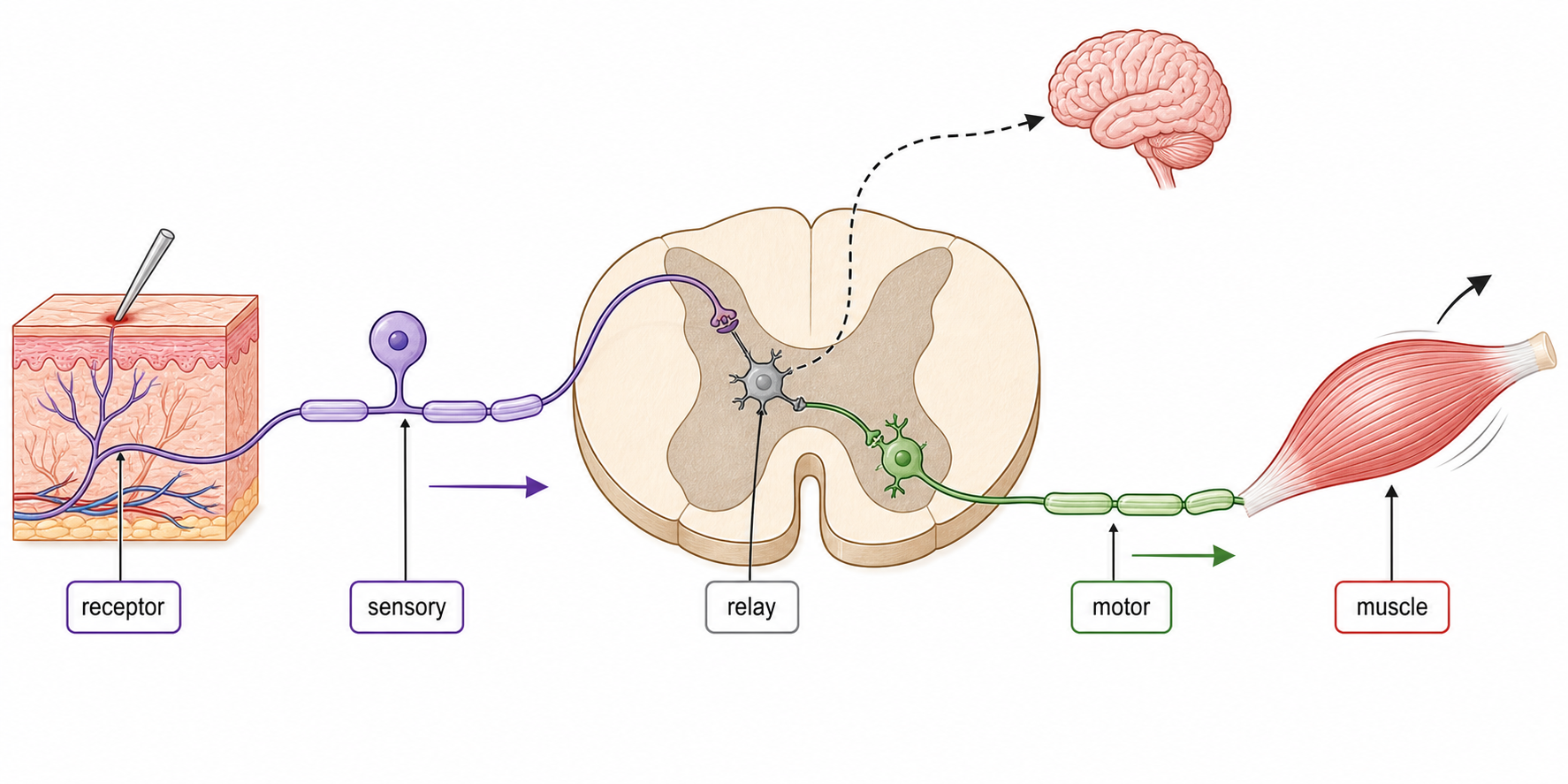
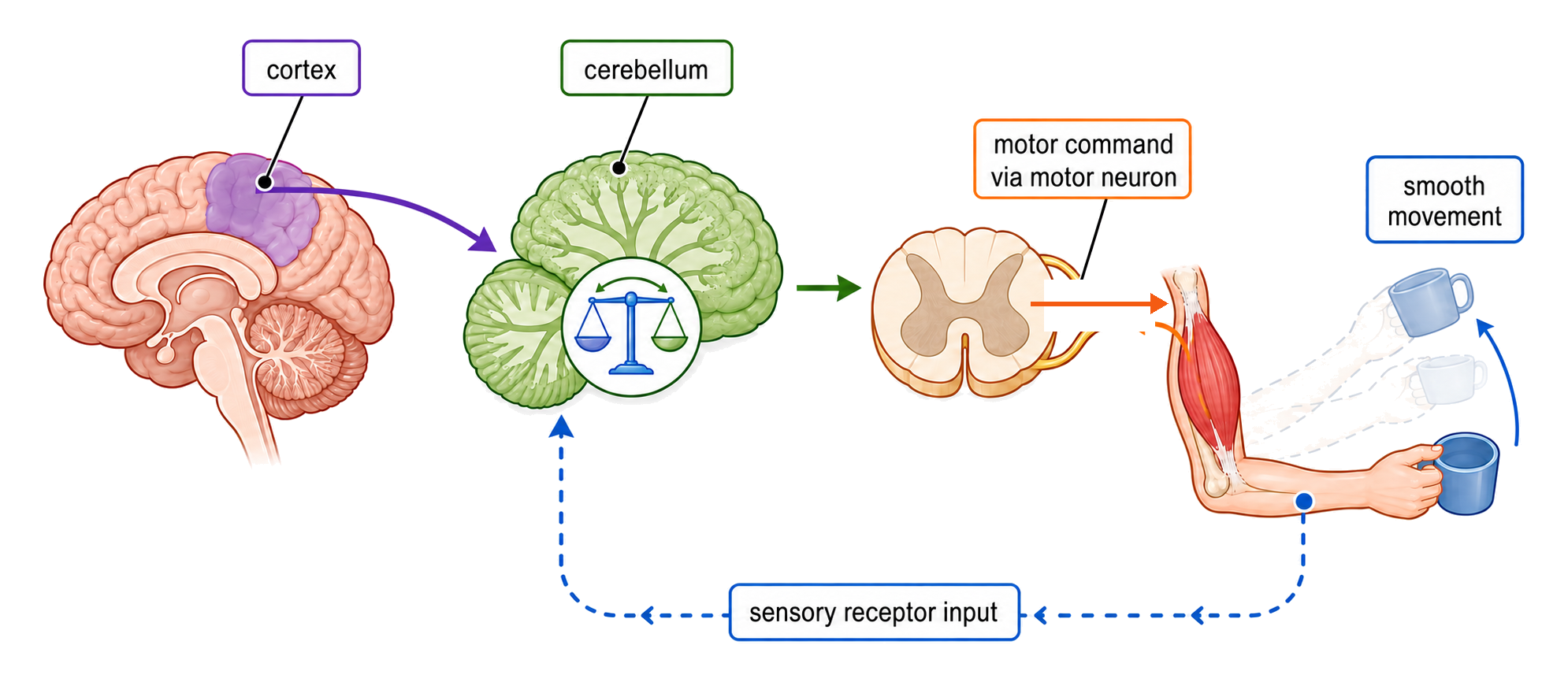
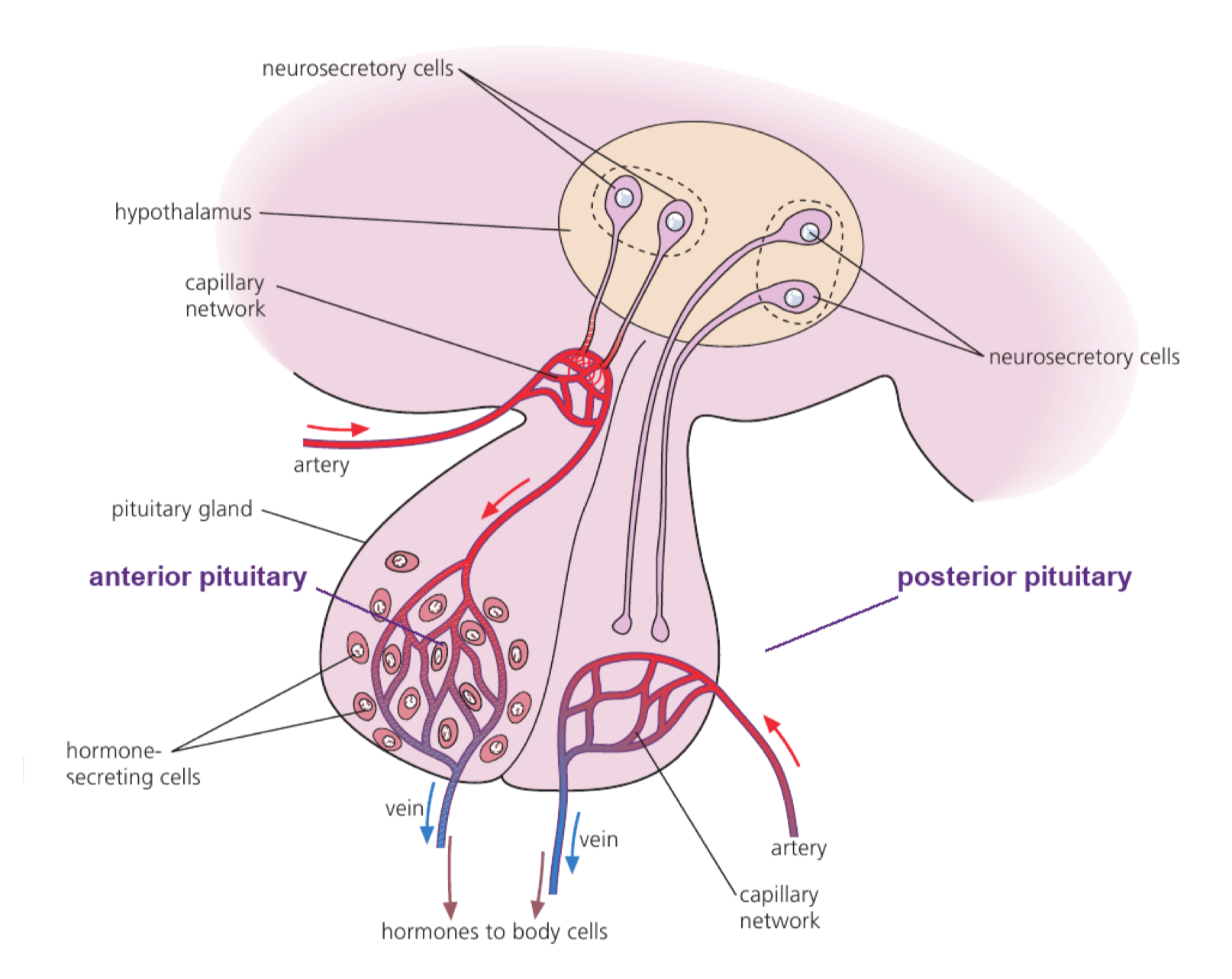
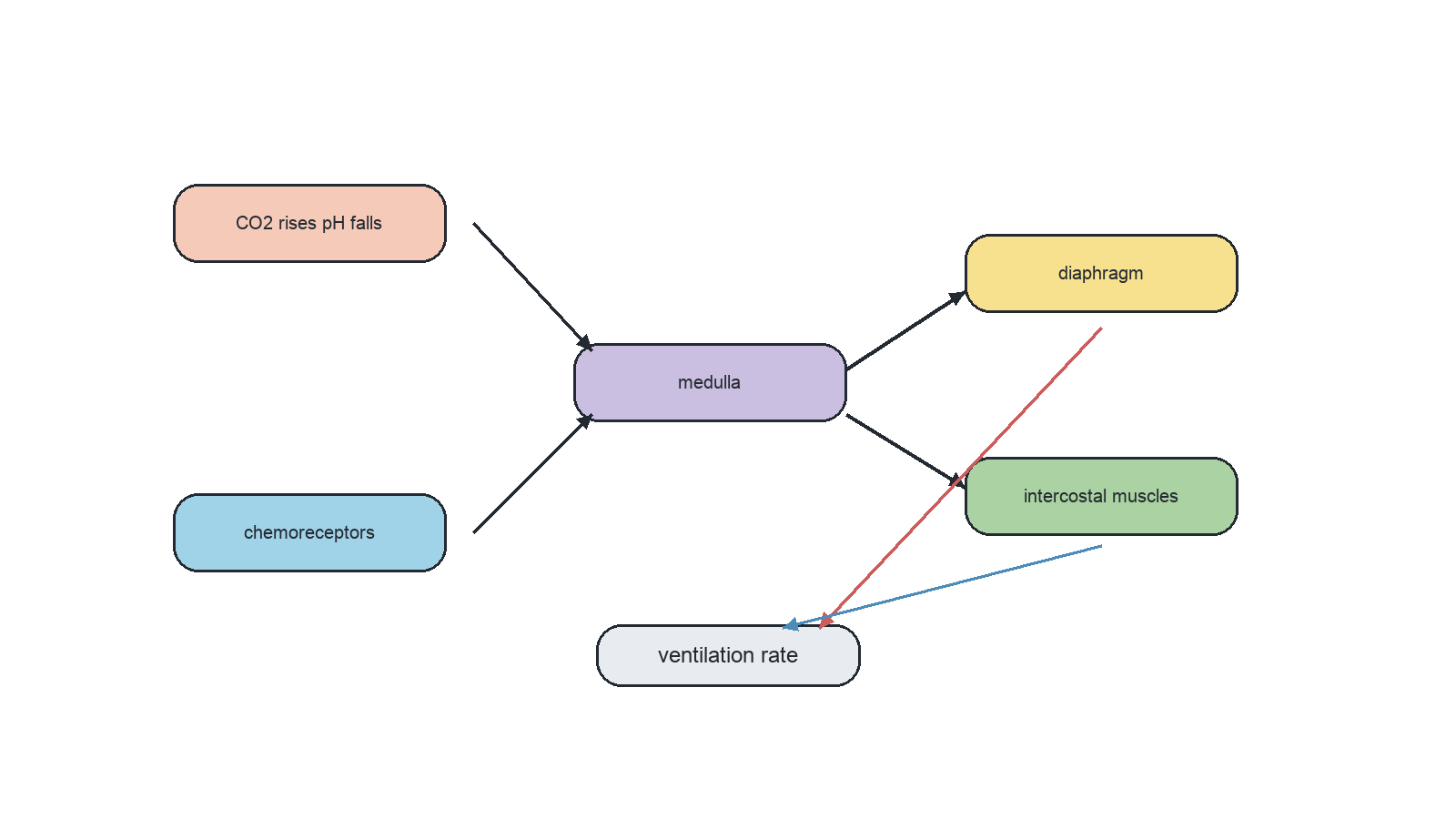
Integration of organs links named stimuli, coordinating structures and effectors so body systems or plant tissues produce an integrated biological response.

Syllabus
First assessment 2025
Objective
C3.1.3
Level
SL

Exam analysis

Chance of appearing4%of analysed past papers
Latest appearanceNovember 2024
Most common paperPaper3
Typical marks1–2

Common command terms

  • Identify
  • Explain
  • Draw
  • Deduce
  • Suggest
  • Outline
  • Describe

Scoring notes

Common mistake
Giving a general body-system answer without the specific pathway step for integration of organs.
Recent exam appearances

November 2024Paper3 ["SL"] · TZ16(a)[ 2 ]C3.1.3—Integration of organs
May 2024Paper3 ["SL"] · TZ16(a)[ 1 ]C3.1.3—Integration of organs
May 2017Paper3 ["SL"] · TZ119[ 2 ]C3.1.3—Integration of organs
May 2017Paper3 ["SL"] · TZ118(b)[ 3 ]C3.1.3—Integration of organs
November 2015Paper2 ["SL"] · TZ04(a)[ 2 ]C3.1.3—Integration of organs
Practice this objective

Coverage 2013–2024 · Updated 16 Jul 2026

Concept essentials

  • Integration of organs depends on linking the stimulus to the coordinating structure or signal.
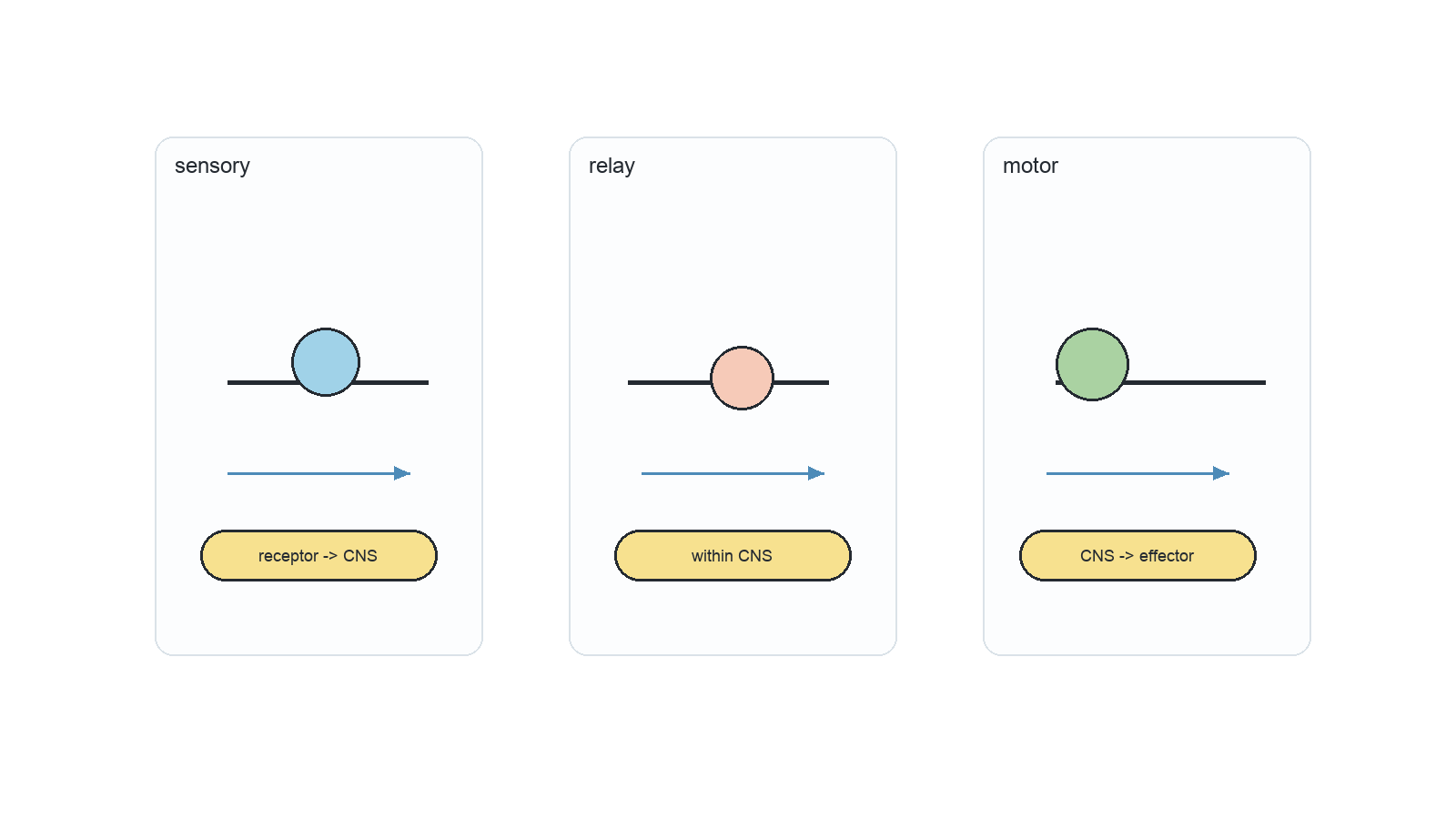
  • The pathway for integration of organs must keep information flow and response direction clear.
  • Named tissues, hormones, neurons or effectors give integration of organs its biological specificity.
  • Evidence about integration of organs is strongest when structure, mechanism and outcome are connected.
ConceptIB Biology SL