Q BankQuestion BankDocsDocuments

C3.1.16—Peristalsis control

Peristalsis control links named stimuli, coordinating structures and effectors so body systems or plant tissues produce an integrated biological response.

Syllabus
First assessment 2025
Objective
C3.1.16
Level
SL

Exam analysis

Chance of appearing1%of analysed past papers
Latest appearanceMay 2025
Most common paperPaper1A
Typical marks1

Common command terms

  • Outline
  • Identify

Scoring notes

Common mistake
Giving a general body-system answer without the specific pathway step for peristalsis control in the gut.

Recent exam appearances

May 2025Paper1A ["SL"] · TZ317[ 1 ]C3.1.16—Peristalsis control
Practice this objective

Coverage 2025–2025 · Updated 16 Jul 2026

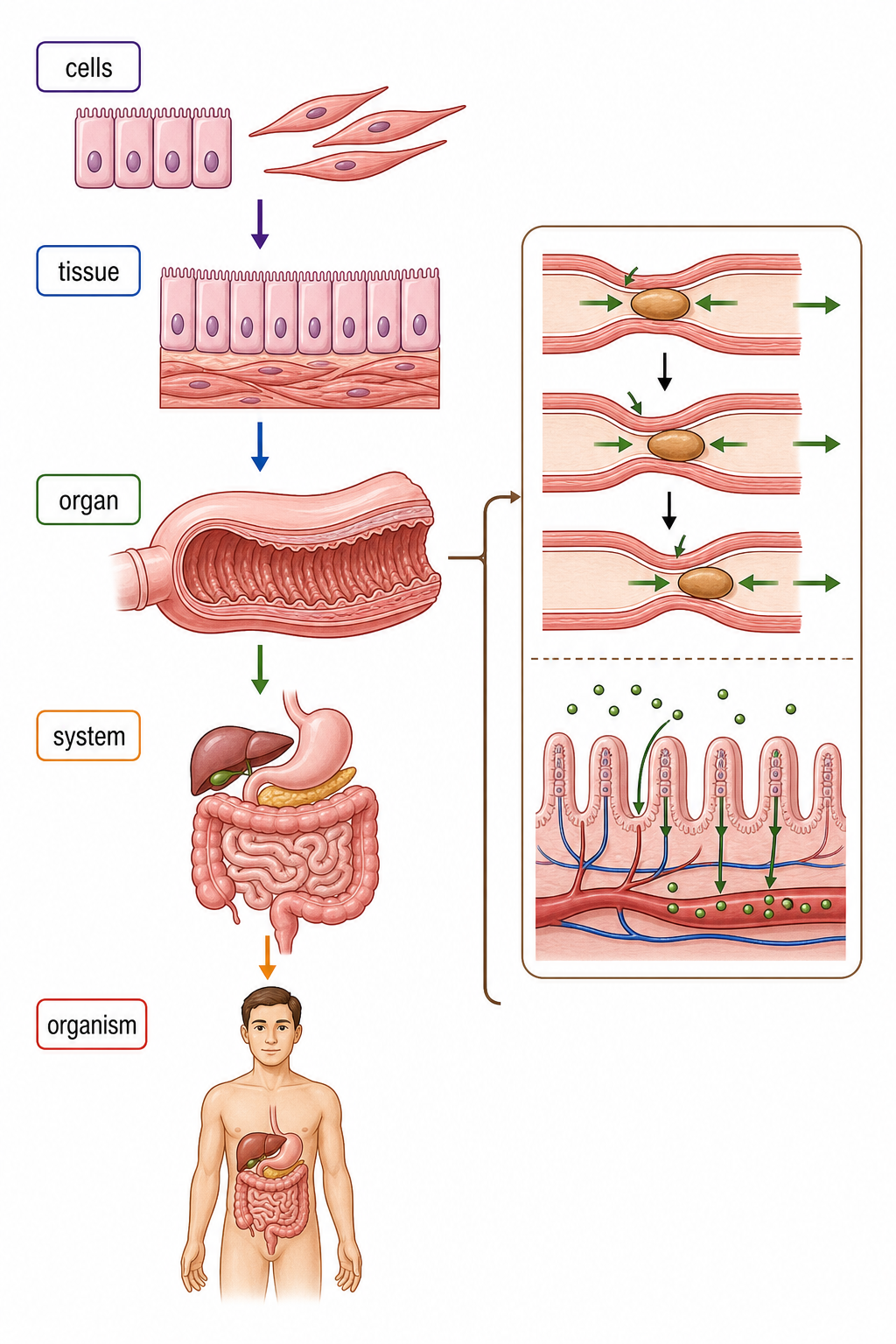
Peristalsis moves gut contents by coordinated smooth muscle

Peristalsis moves gut contents by coordinated smooth muscle.

Stretch and chemical signals activate enteric control. Circular and longitudinal smooth muscles contract in sequence so a wave of pressure moves food along the gut.

stimulus in gut wall → enteric control → contraction behind and relaxation ahead → forward movement.

A bolus stretches the oesophagus; a contraction behind it and relaxation ahead propel it toward the stomach.

Peristalsis is a travelling coordination pattern, not one simultaneous squeeze of the whole gut.

Peristalsis control

Assessment in practice

1–3 marks
How it is assessed

This objective is assessed through structured response, commonly using Outline / Identify.

Command terms

Outline / Identify

What earns marks

Mark schemes reward named structures, correct direction of information flow and explanations that keep the sequence causal.

Watch for

Giving a general body-system answer without the specific pathway step for peristalsis control in the gut.

Representative question

Question 1

[Maximum number: 3]

Outline how food is moved from the stomach to the large intestine.

Body-System Integration

  • Nervous signals, hormones and blood transport integrate organs into coordinated systems; emergent functions arise from their interactions.
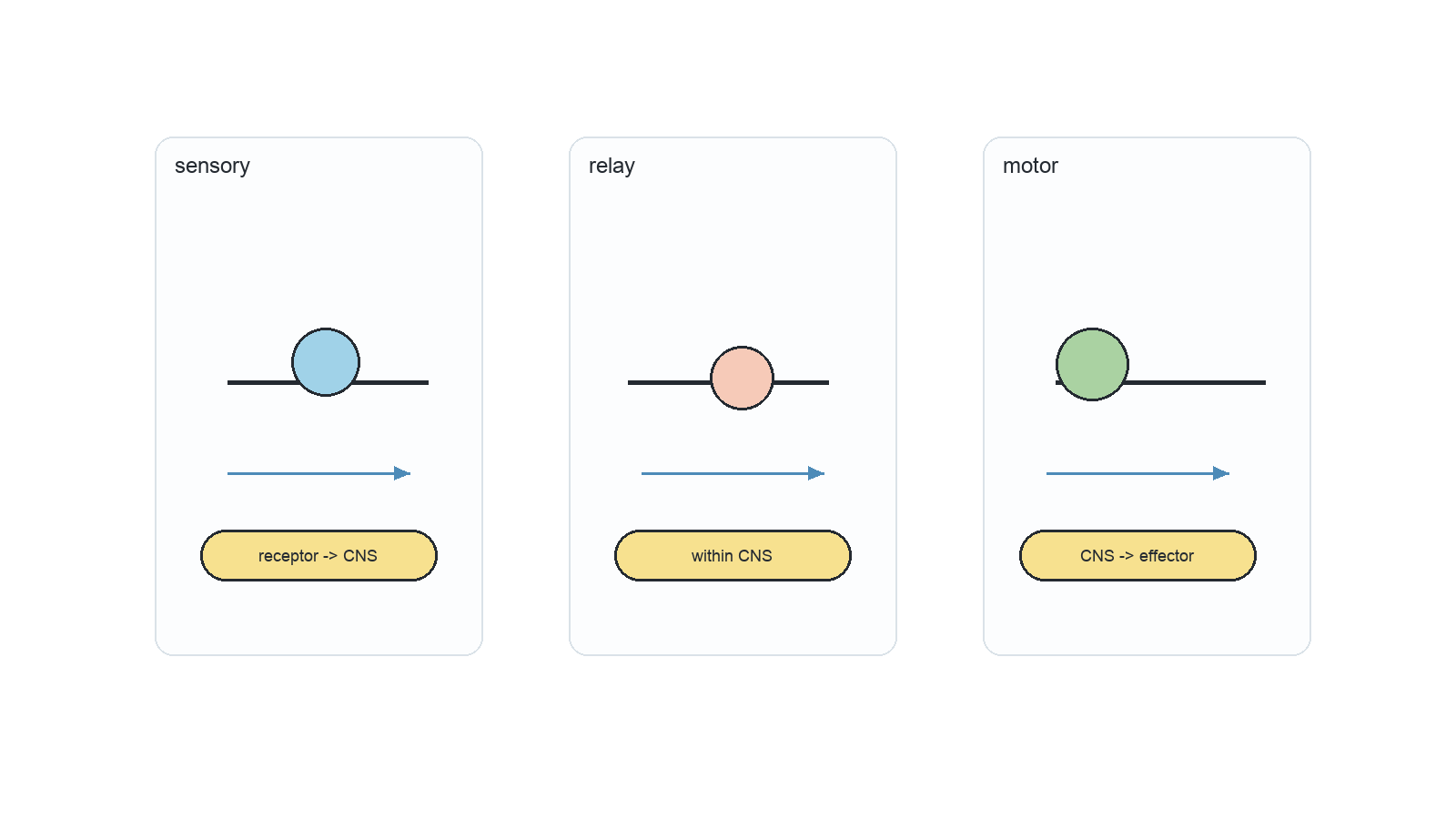
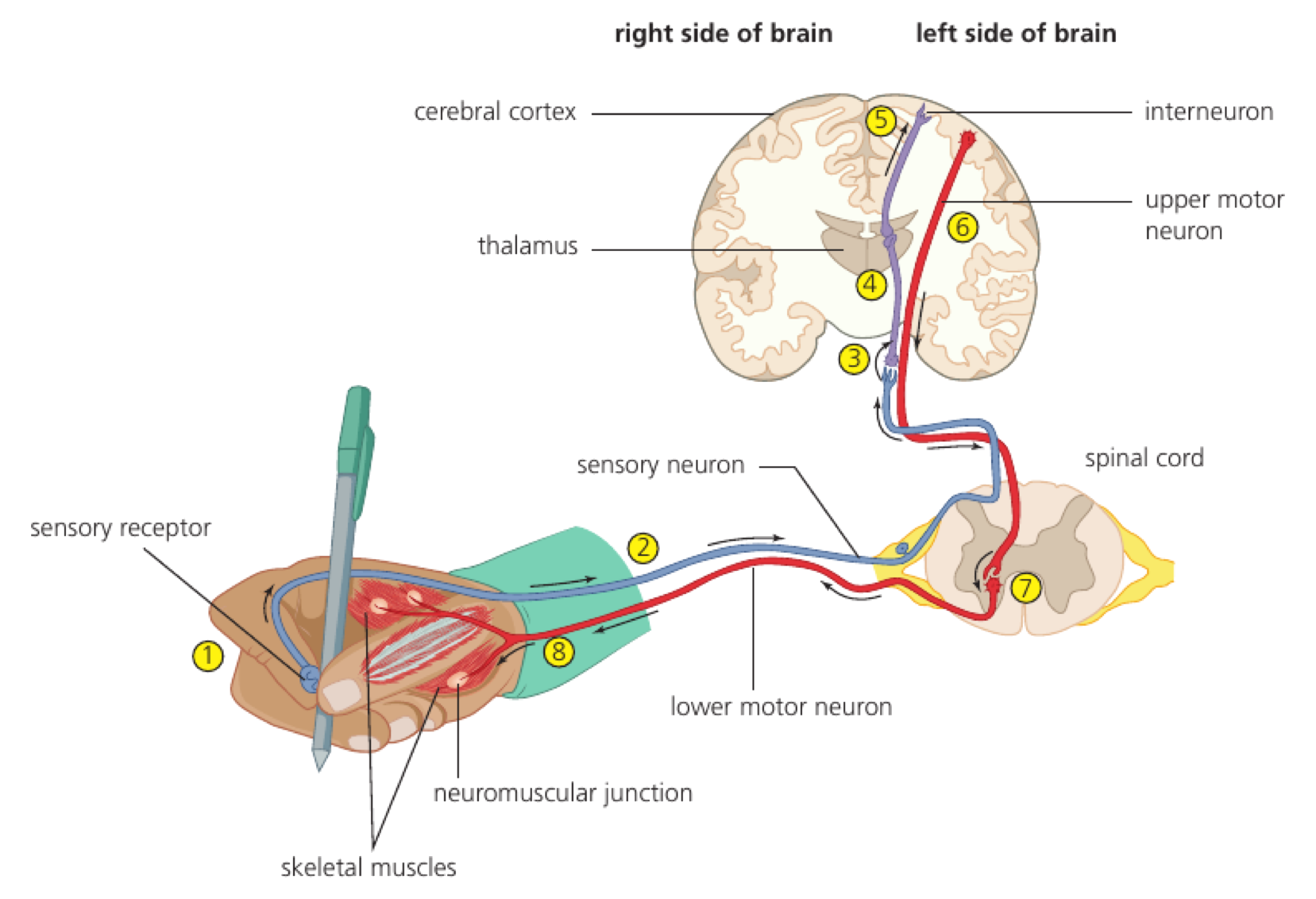
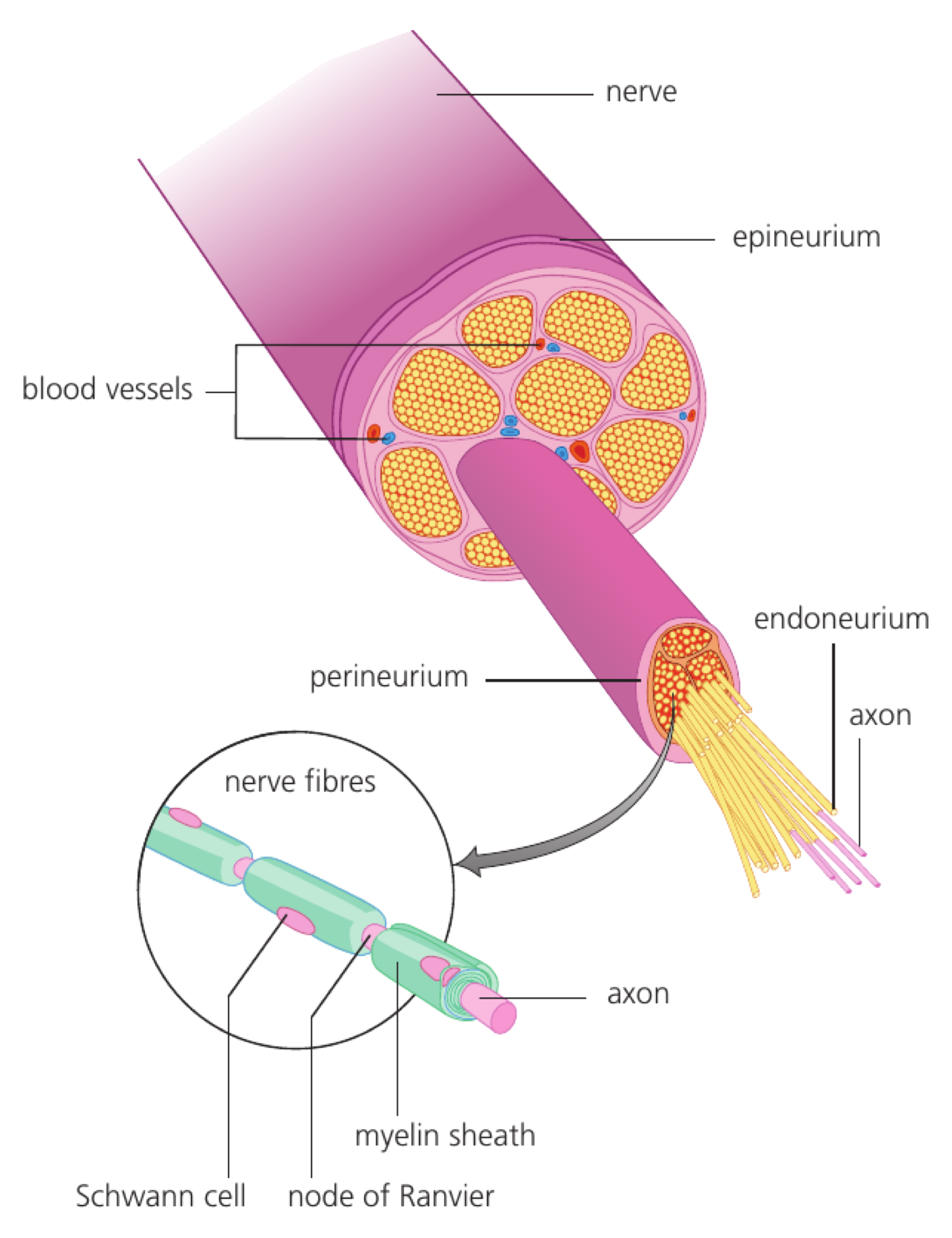
  • Sensory neurons carry receptor input to the CNS; motor neurons carry output to effectors. Mixed nerves contain both fibre types.
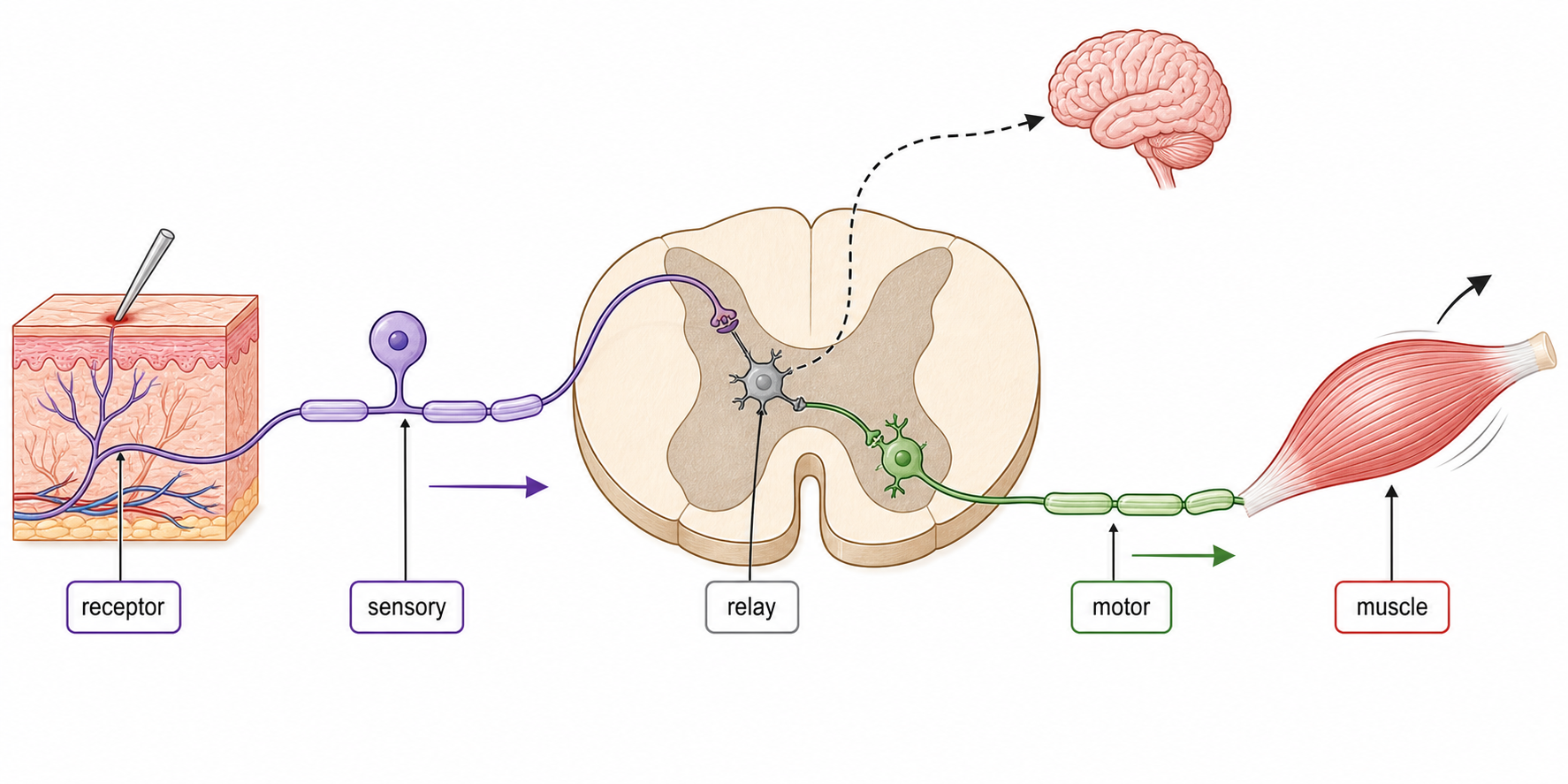
  • Reflex arcs provide rapid involuntary responses through sensory, relay and motor neurons. The spinal cord also links the brain and peripheral nerves.
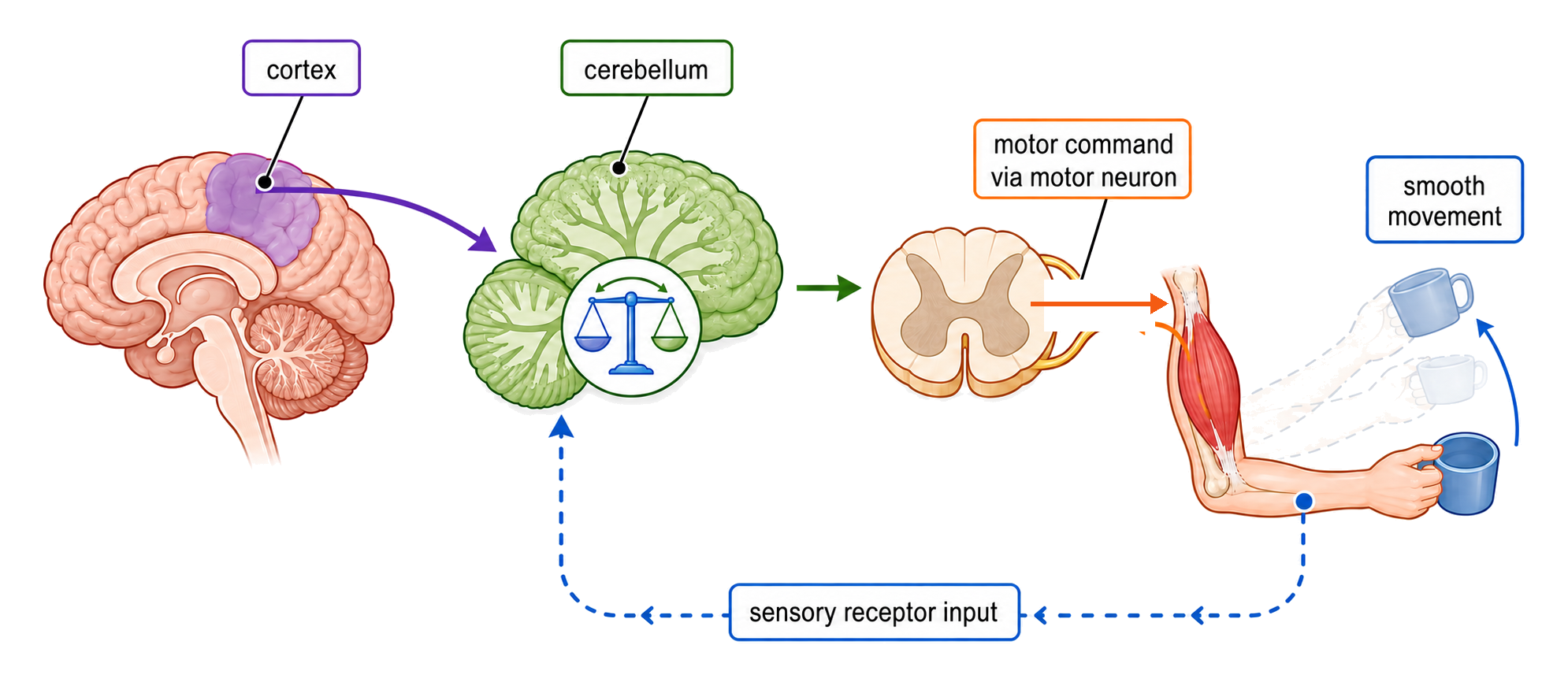
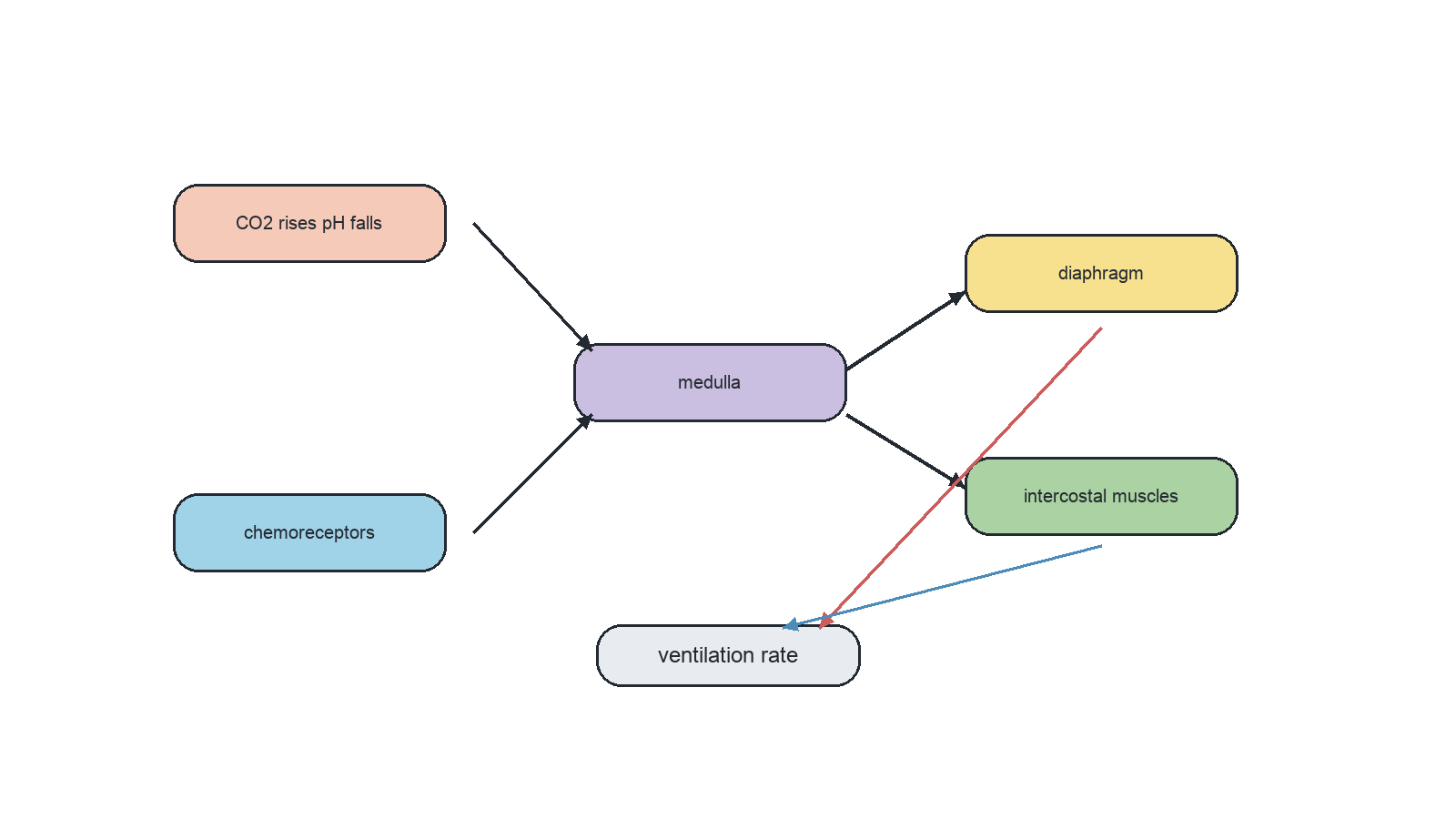
  • Cerebral hemispheres support conscious processing; the cerebellum coordinates movement and balance; the medulla adjusts ventilation and heart activity.
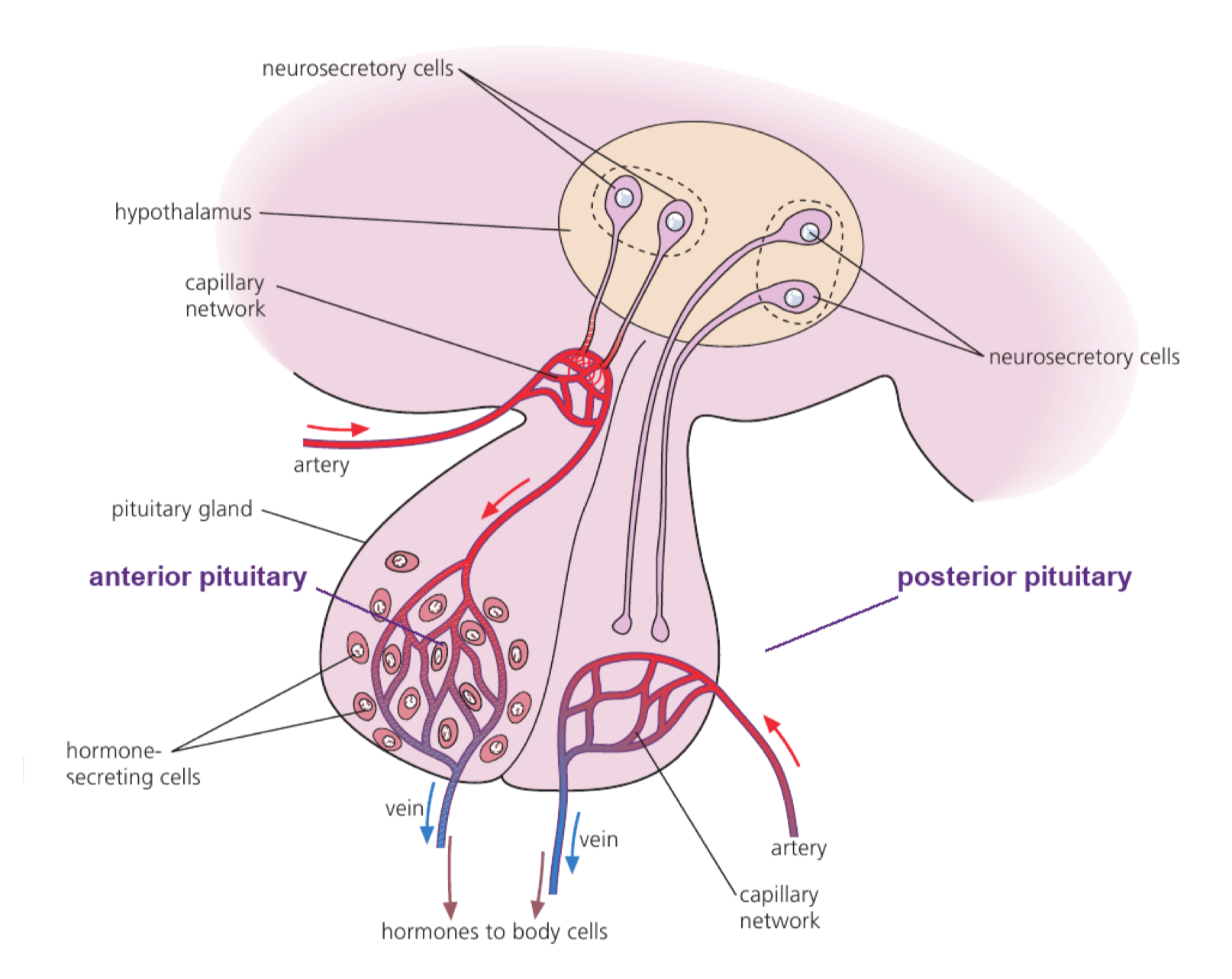
  • The hypothalamus links nervous and endocrine control through the pituitary. Pineal melatonin helps time sleep; adrenal epinephrine supports acute stress responses.
  • Baroreceptors and chemoreceptors provide feedback about pressure, CO2, pH and O2.
  • The CNS controls voluntary swallowing and egestion, while the enteric nervous system coordinates gut peristalsis.

Concept essentials

  • Peristalsis control depends on linking the stimulus to the coordinating structure or signal.
  • The pathway for peristalsis control must keep information flow and response direction clear.
  • Named tissues, hormones, neurons or effectors give peristalsis control its biological specificity.
  • Evidence about peristalsis control is strongest when structure, mechanism and outcome are connected.
ConceptIB Biology SL