C3.1.10—Cerebellum role
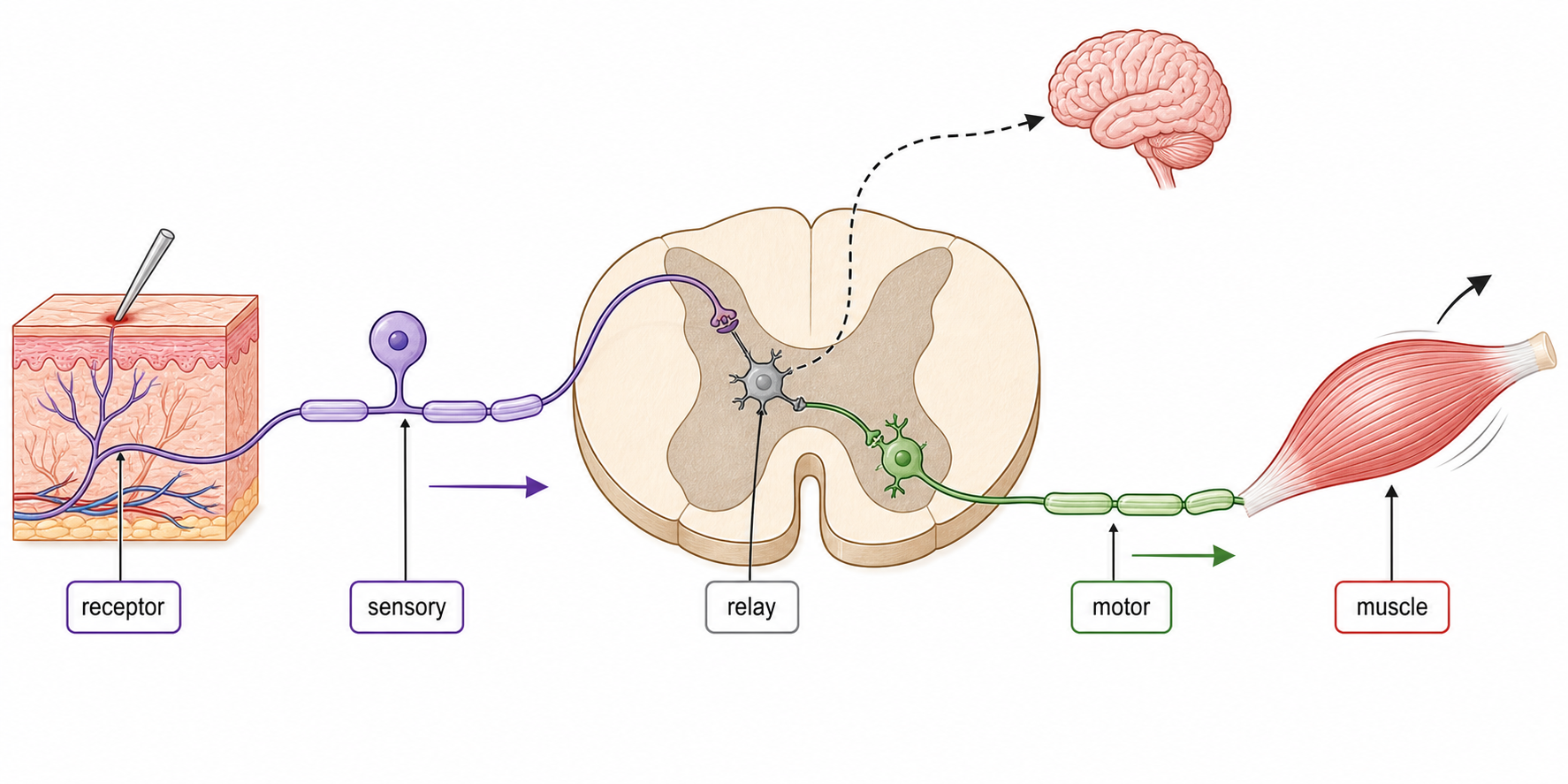
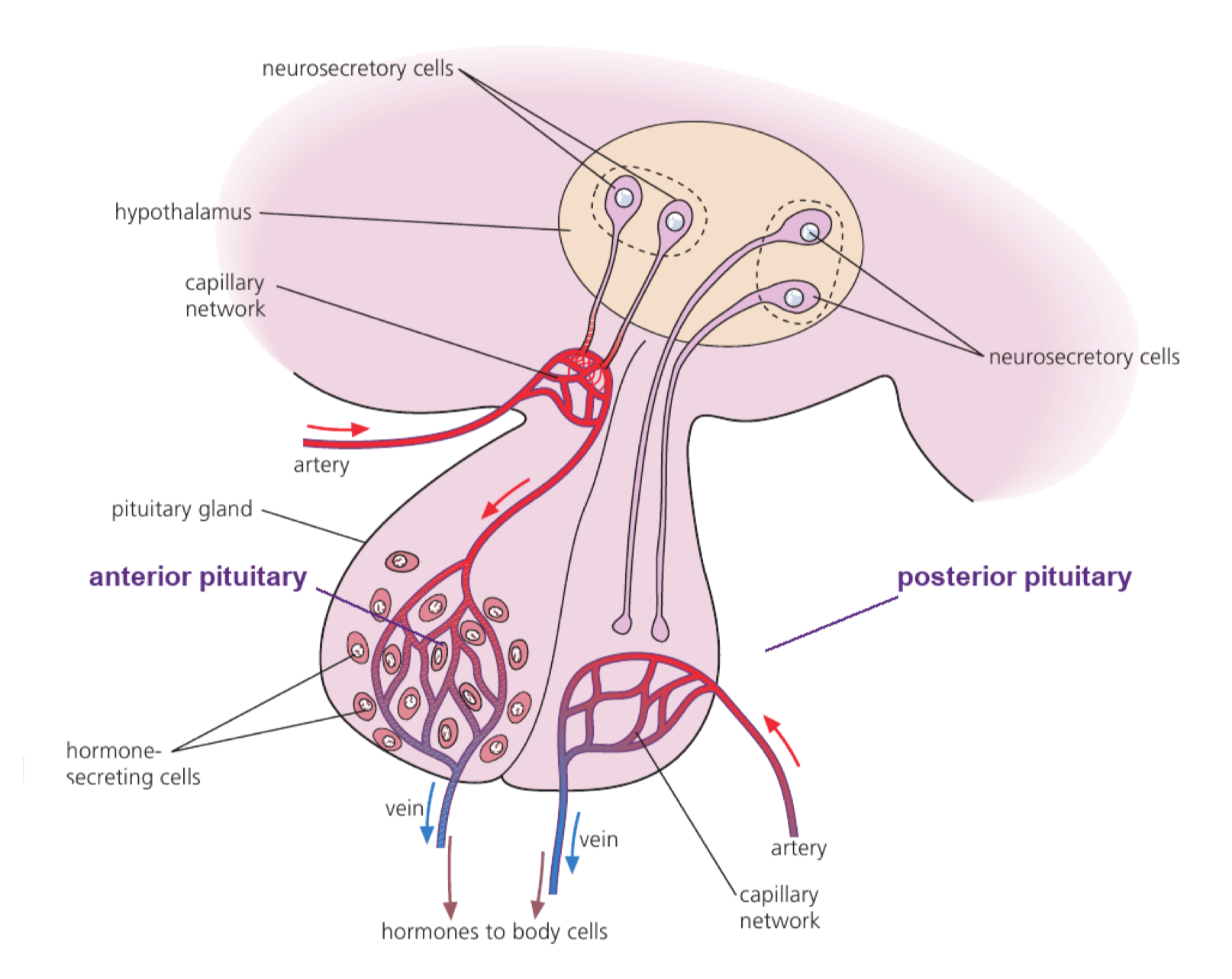
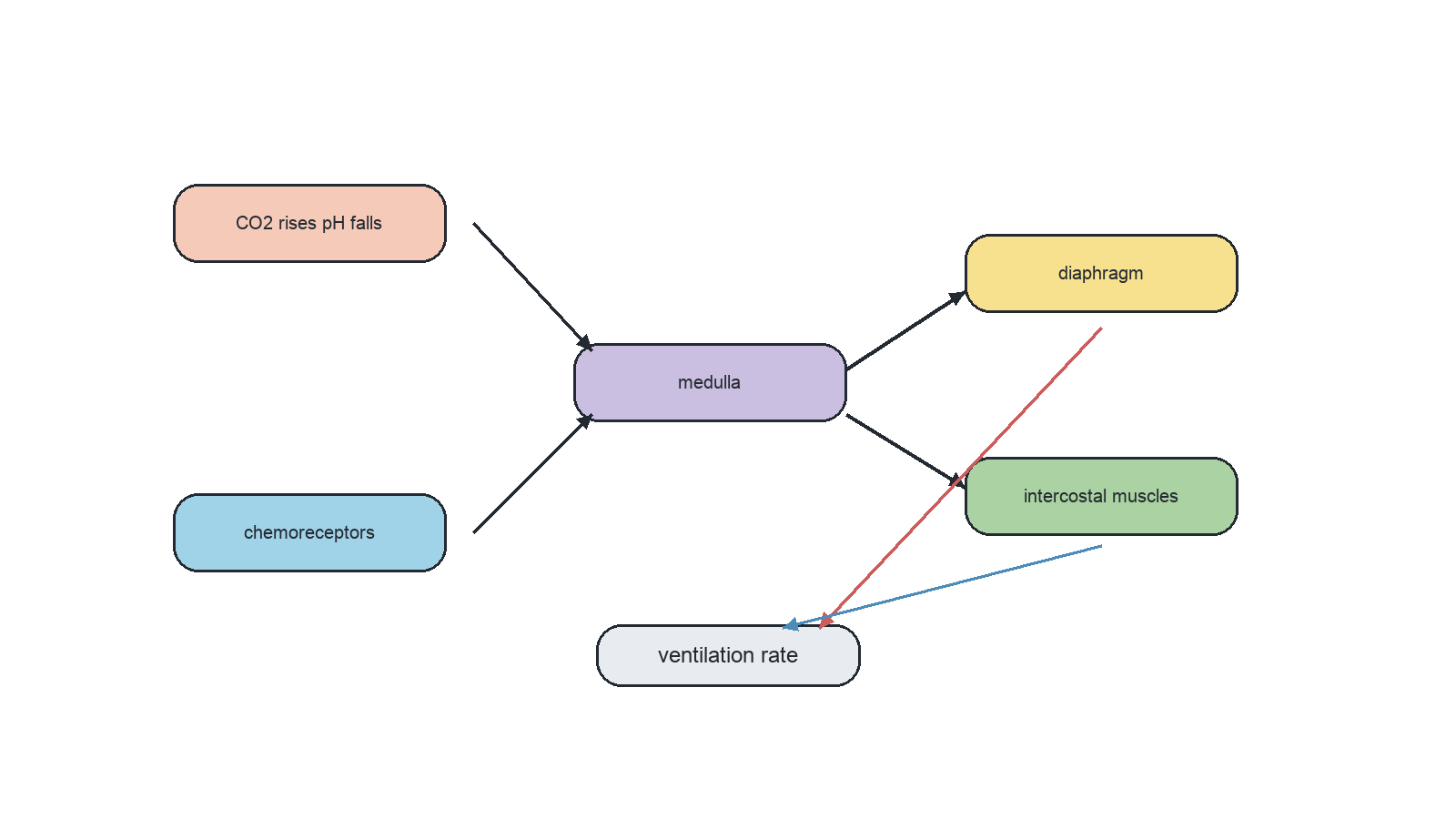
Cerebellum role links named stimuli, coordinating structures and effectors so body systems or plant tissues produce an integrated biological response.
- Syllabus
- First assessment 2025
- Objective
- C3.1.10
- Level
- SL
Cerebellum role links named stimuli, coordinating structures and effectors so body systems or plant tissues produce an integrated biological response.
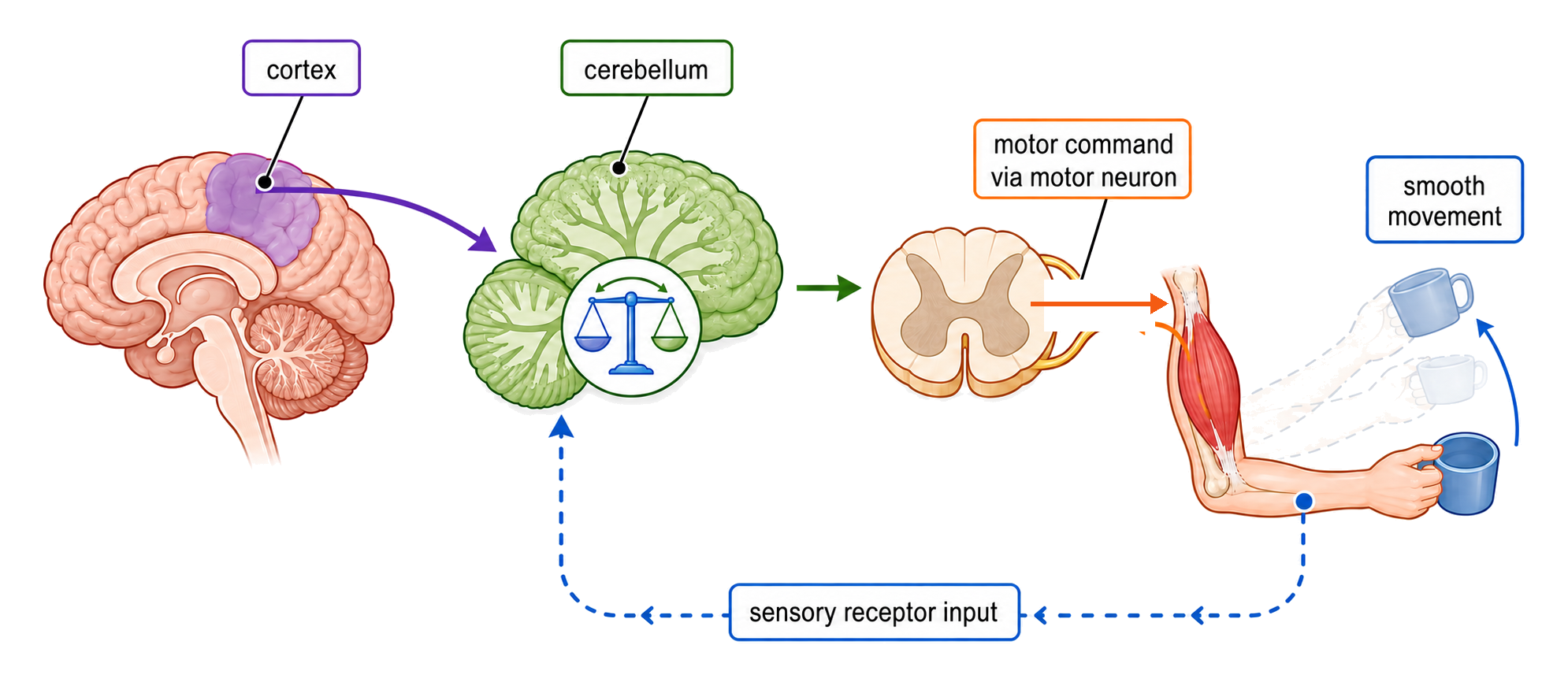
The cerebellum coordinates movement and balance.
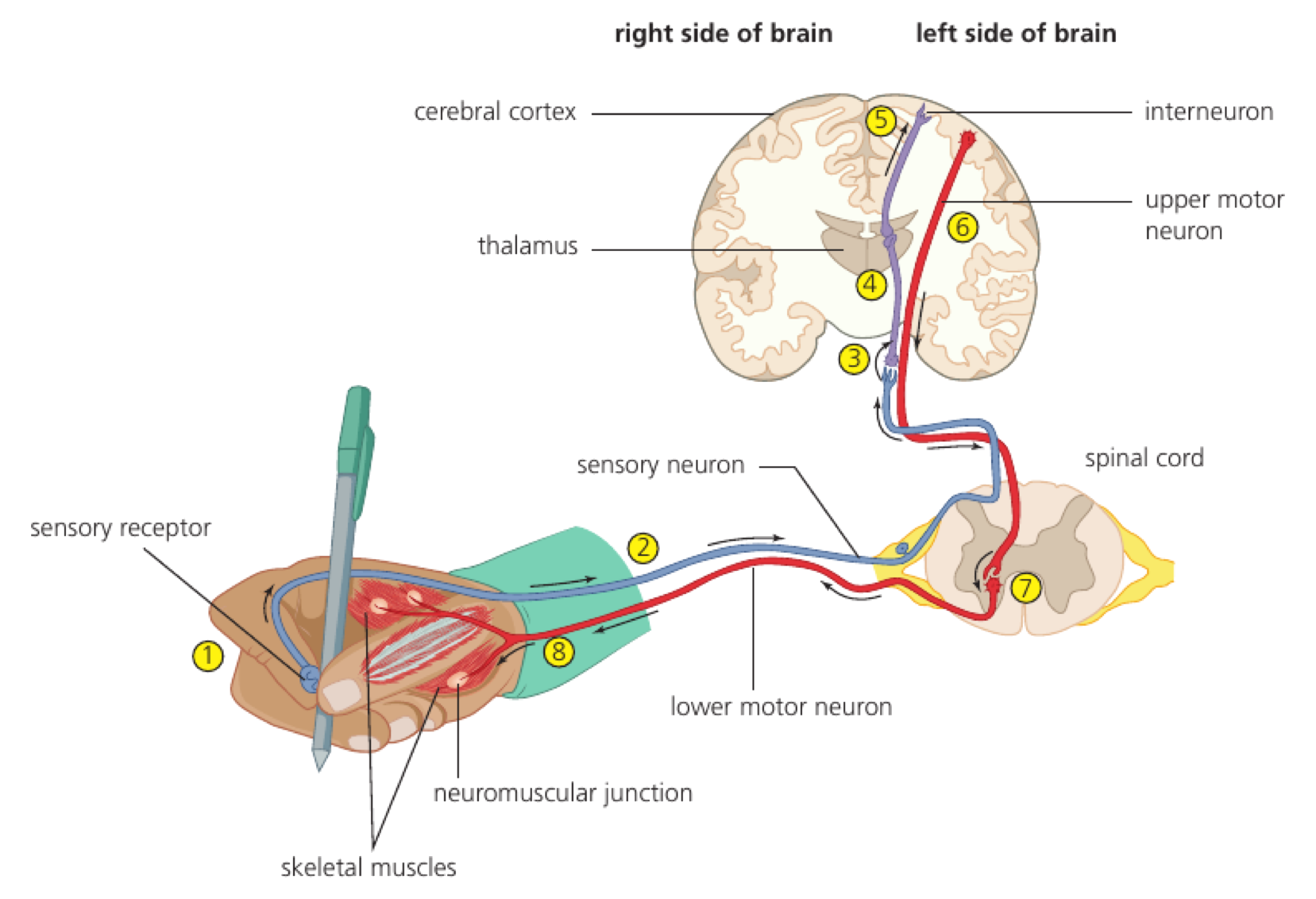
The cerebellum compares intended movement with sensory feedback and adjusts motor output. It helps timing, posture, balance and smooth coordination rather than choosing the goal of a movement.
separate movement planning from coordination; link sensory feedback to corrective output.
If balance shifts while walking, cerebellar processing helps alter muscle activity before the person falls.
The cerebellum does not initiate every voluntary action; it refines the accuracy and timing of movement.
This objective is assessed through structured response, commonly using State / Identify / Describe.
State / Identify / Describe
Mark schemes reward named structures, correct direction of information flow and explanations that keep the sequence causal.
Naming a brain region without linking it to information integration or coordination.
Representative question
Describe the use of fMRI to identify the role of the cerebellum.
a. measures whether the cerebellum/brain is active/being used;
b. by detecting higher blood flow;
c. oxygenated blood (flow) is detected;
Marking guidance:
Award both m p b+c if the student
writes "detecting higher oxygenated
blood flow".
2
max