C4.2.9—Energy release
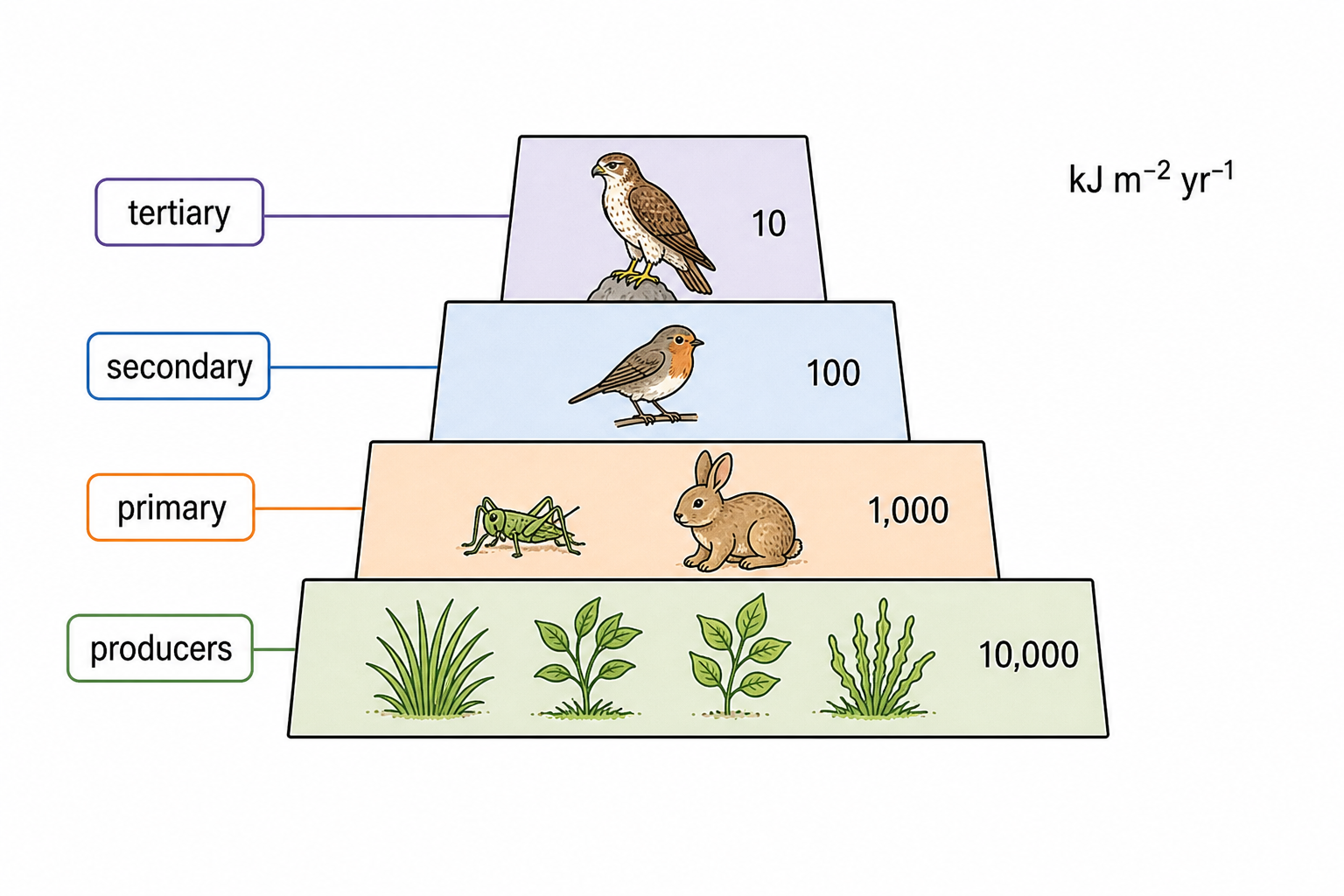
Energy release explains how energy flow, matter cycling, trophic transfer or carbon movement is represented, measured or limited within ecosystems.
- Syllabus
- First assessment 2025
- Objective
- C4.2.9
- Level
- HL
Energy release explains how energy flow, matter cycling, trophic transfer or carbon movement is represented, measured or limited within ecosystems.
Coverage 2013–2021 · Updated 16 Jul 2026
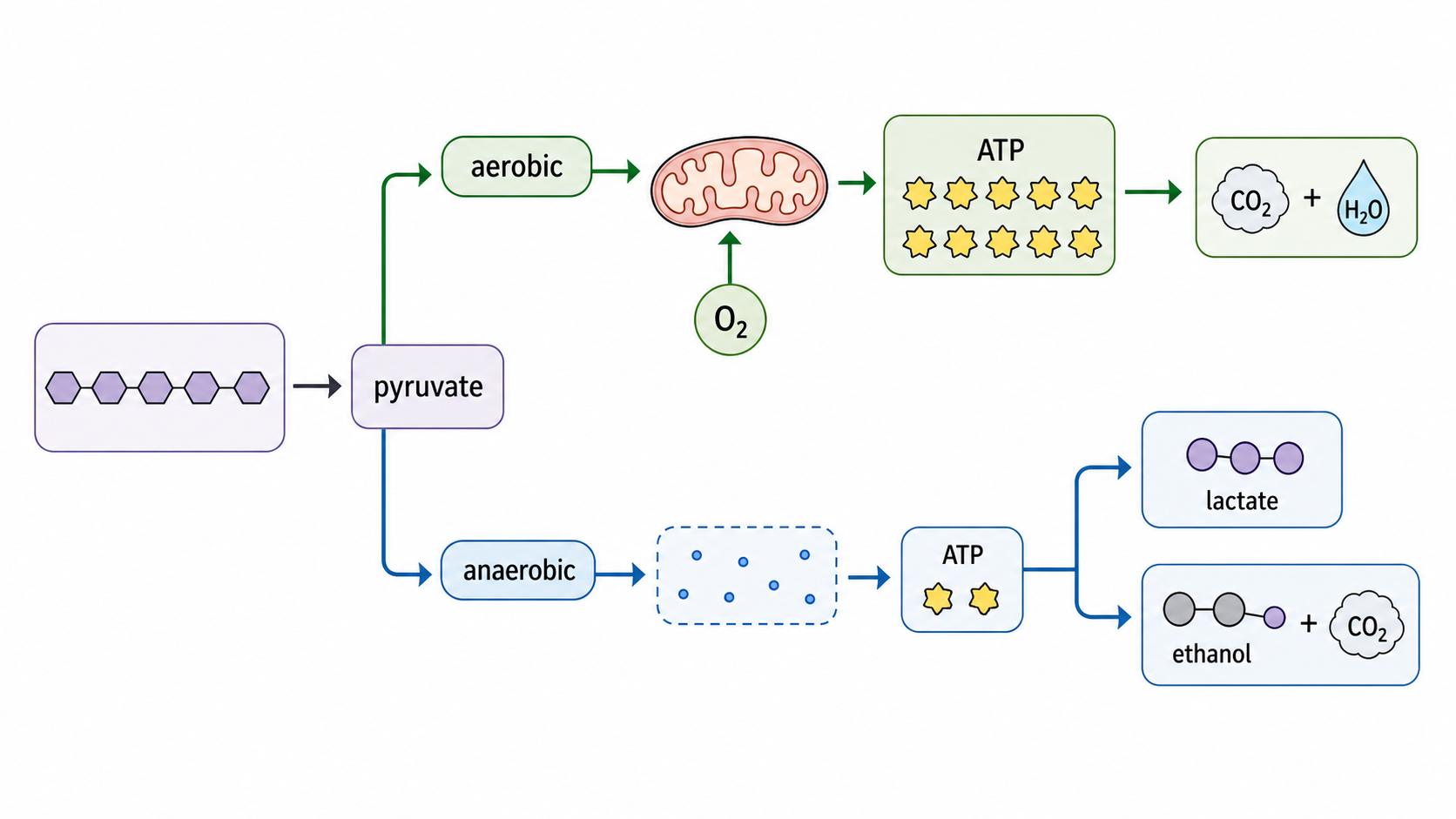
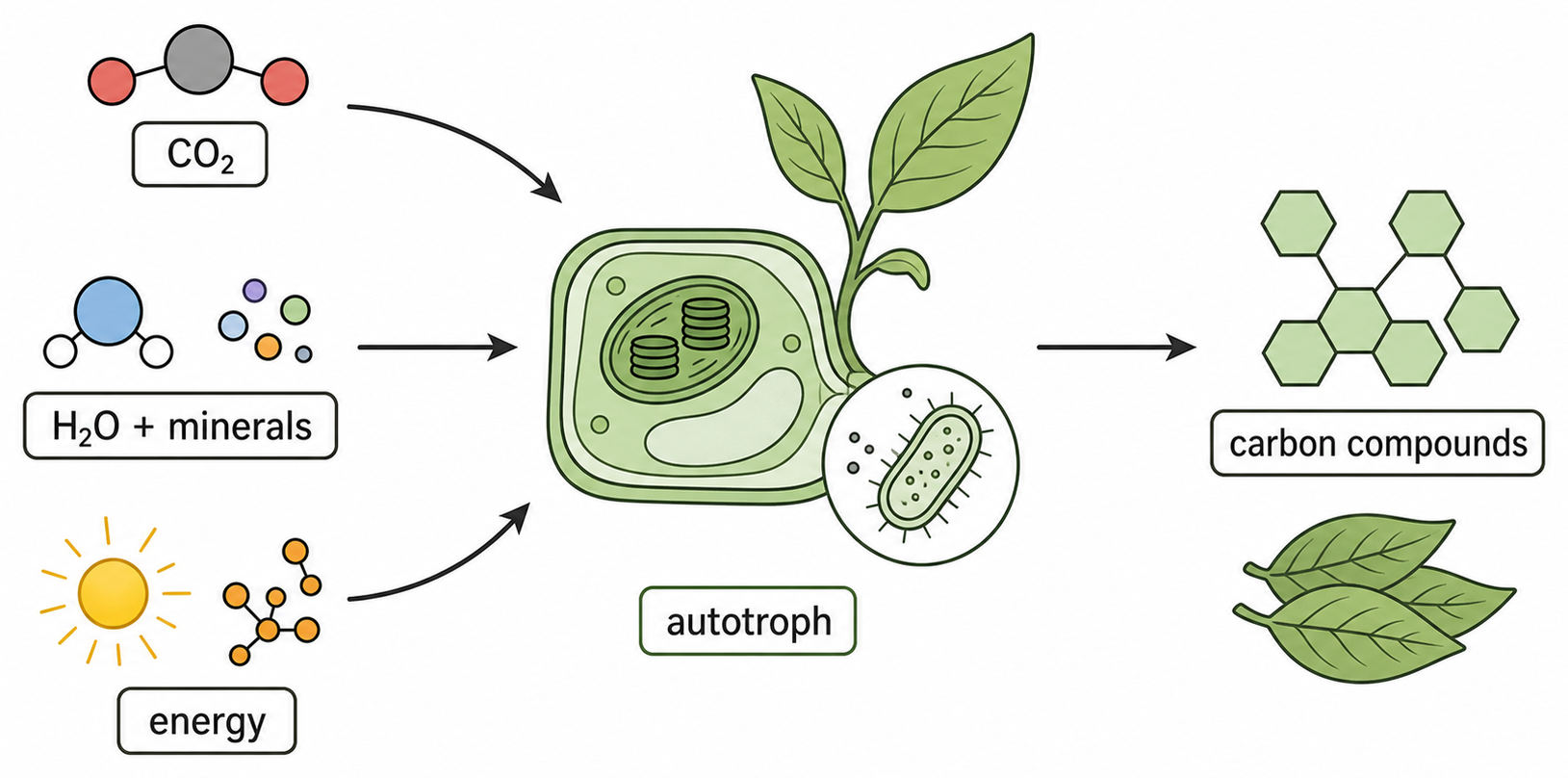
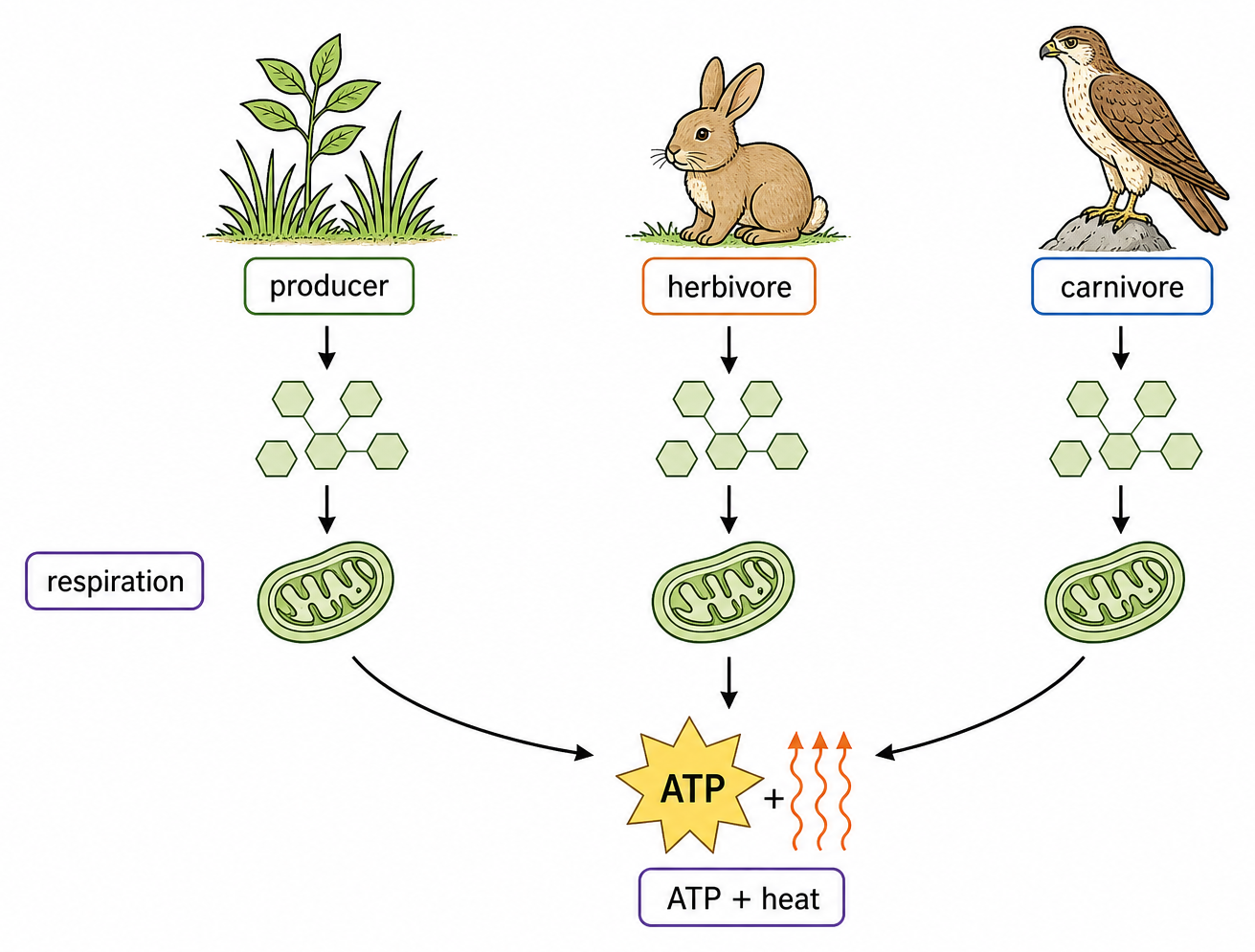
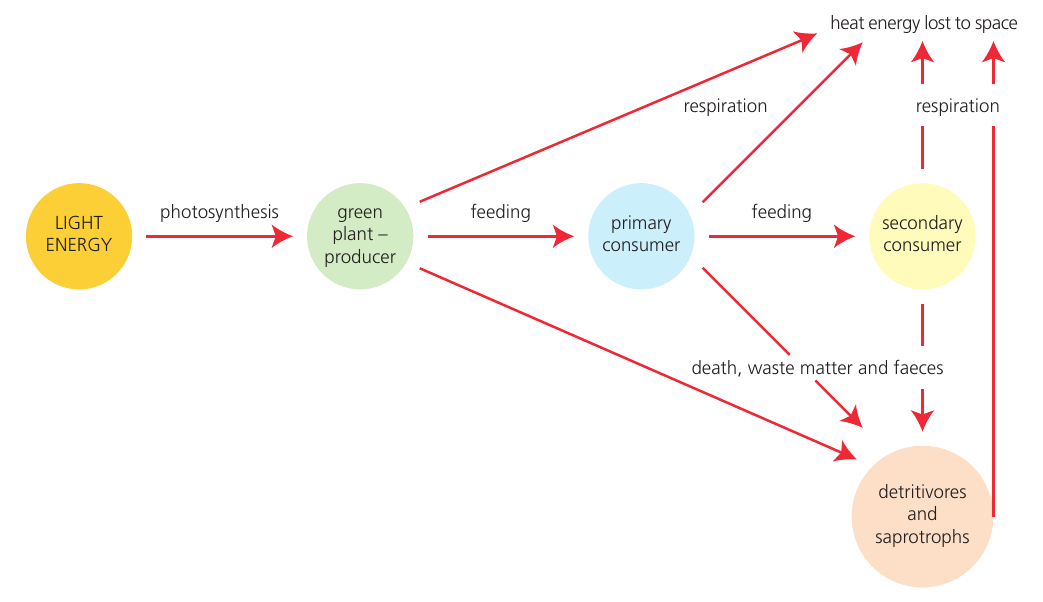
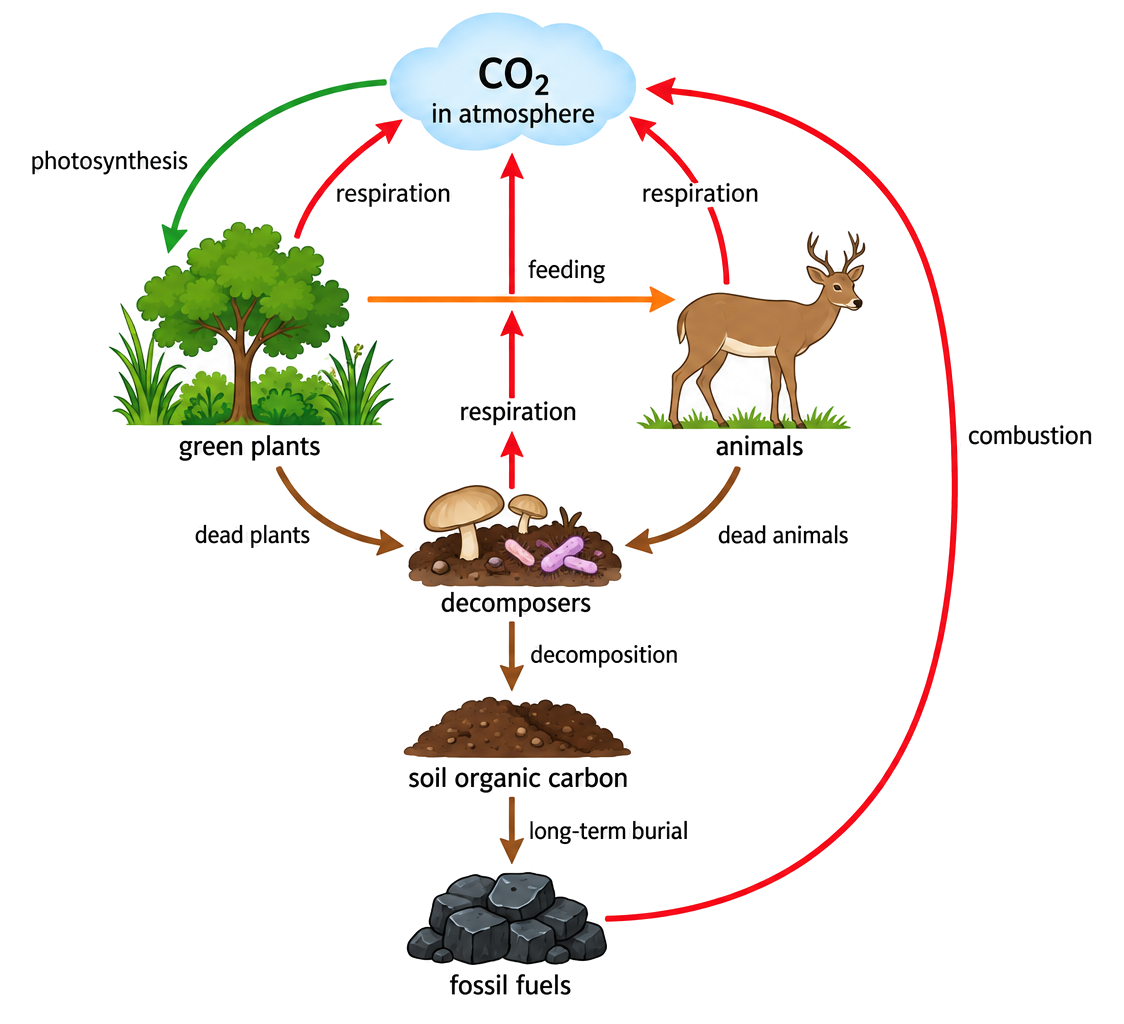
Both autotrophs and heterotrophs release energy by oxidizing carbon compounds in cell respiration.
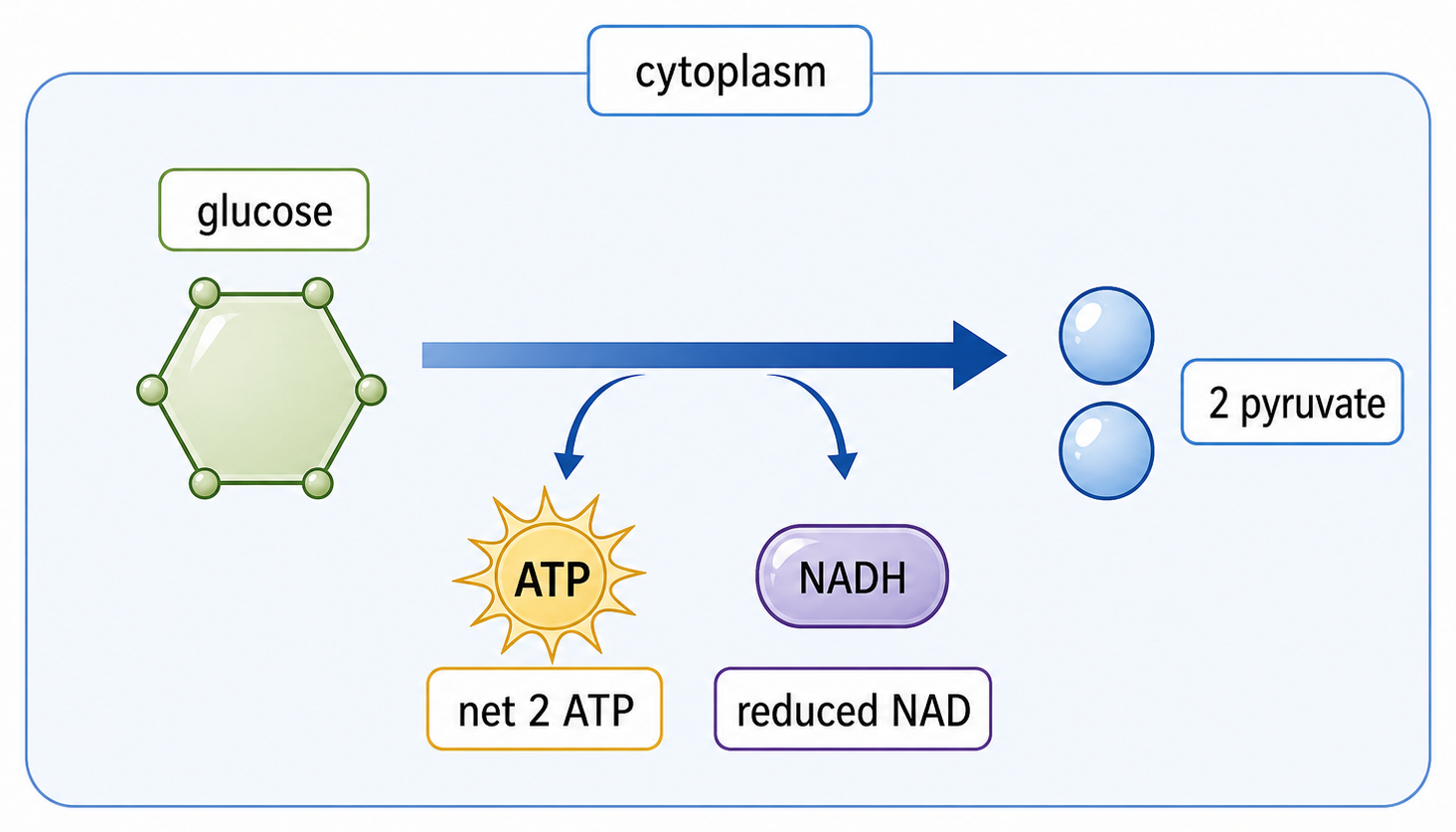
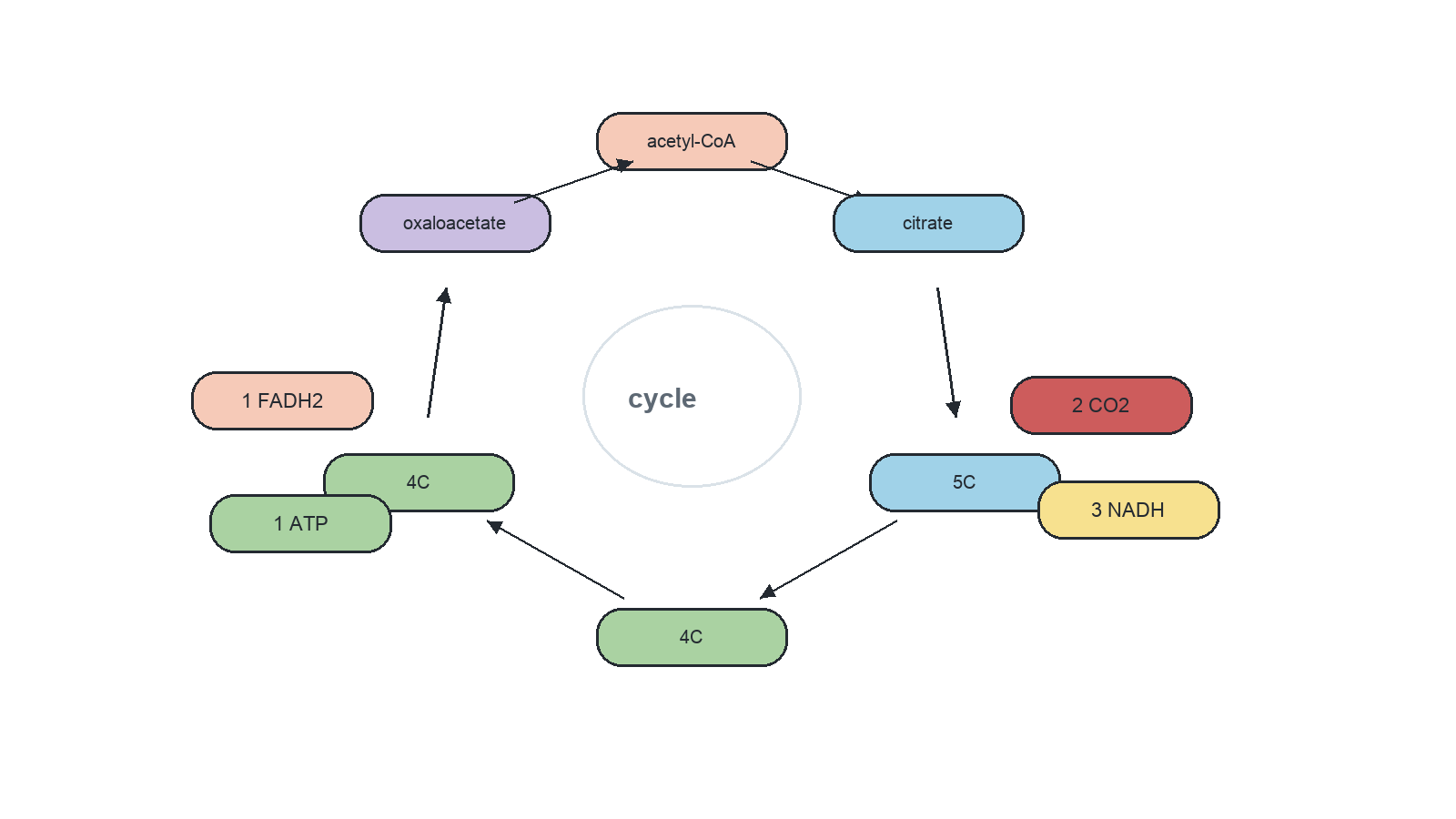
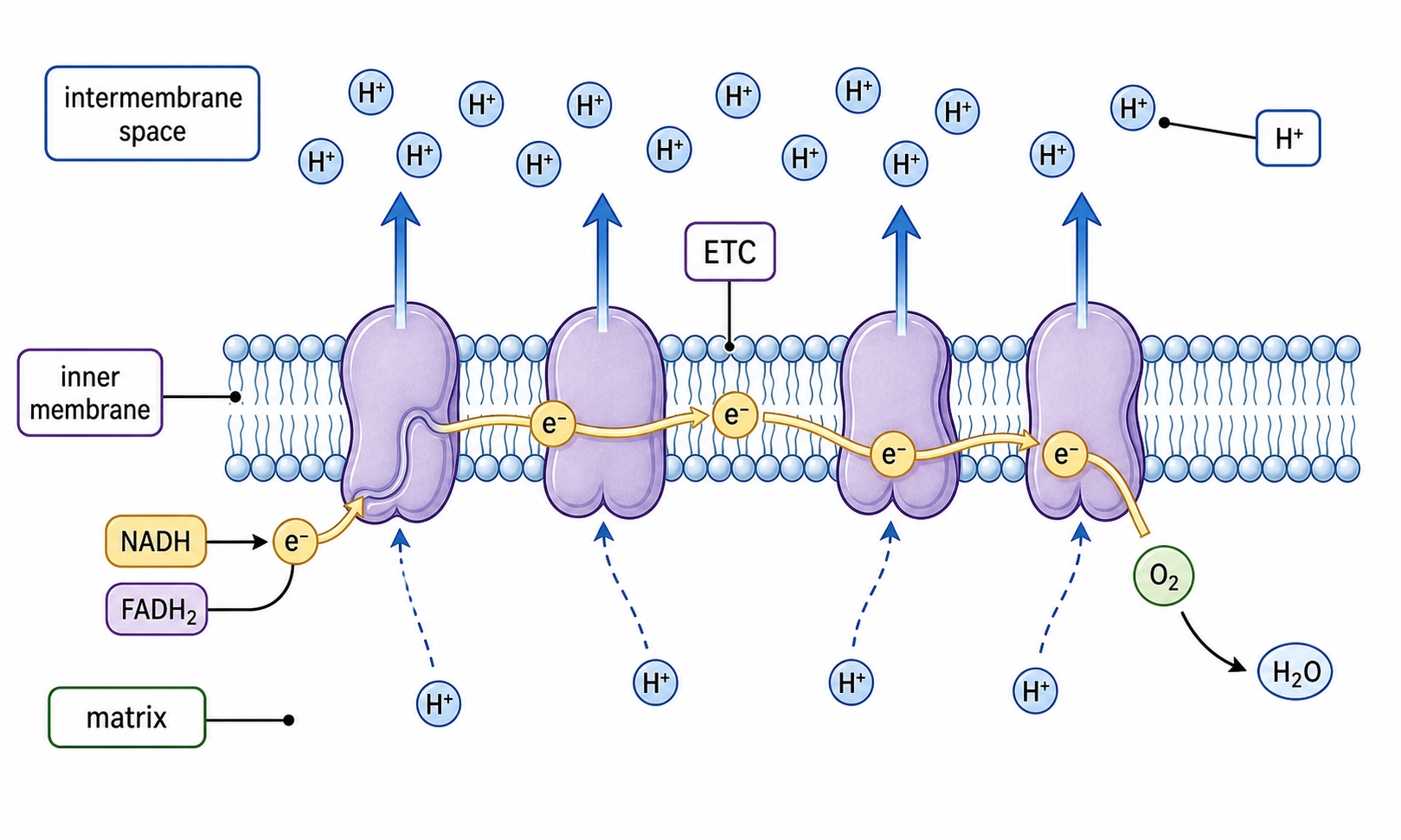
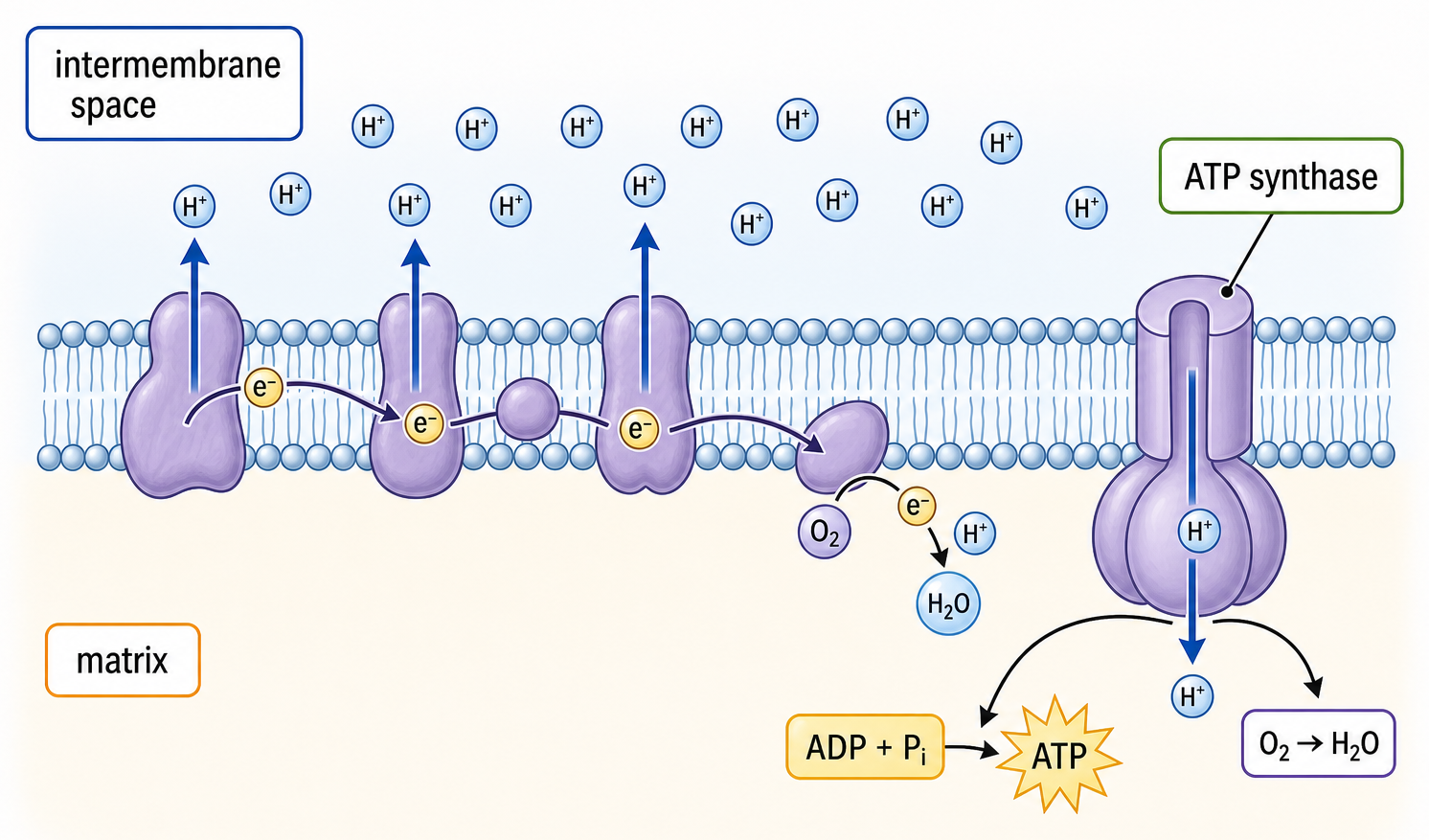
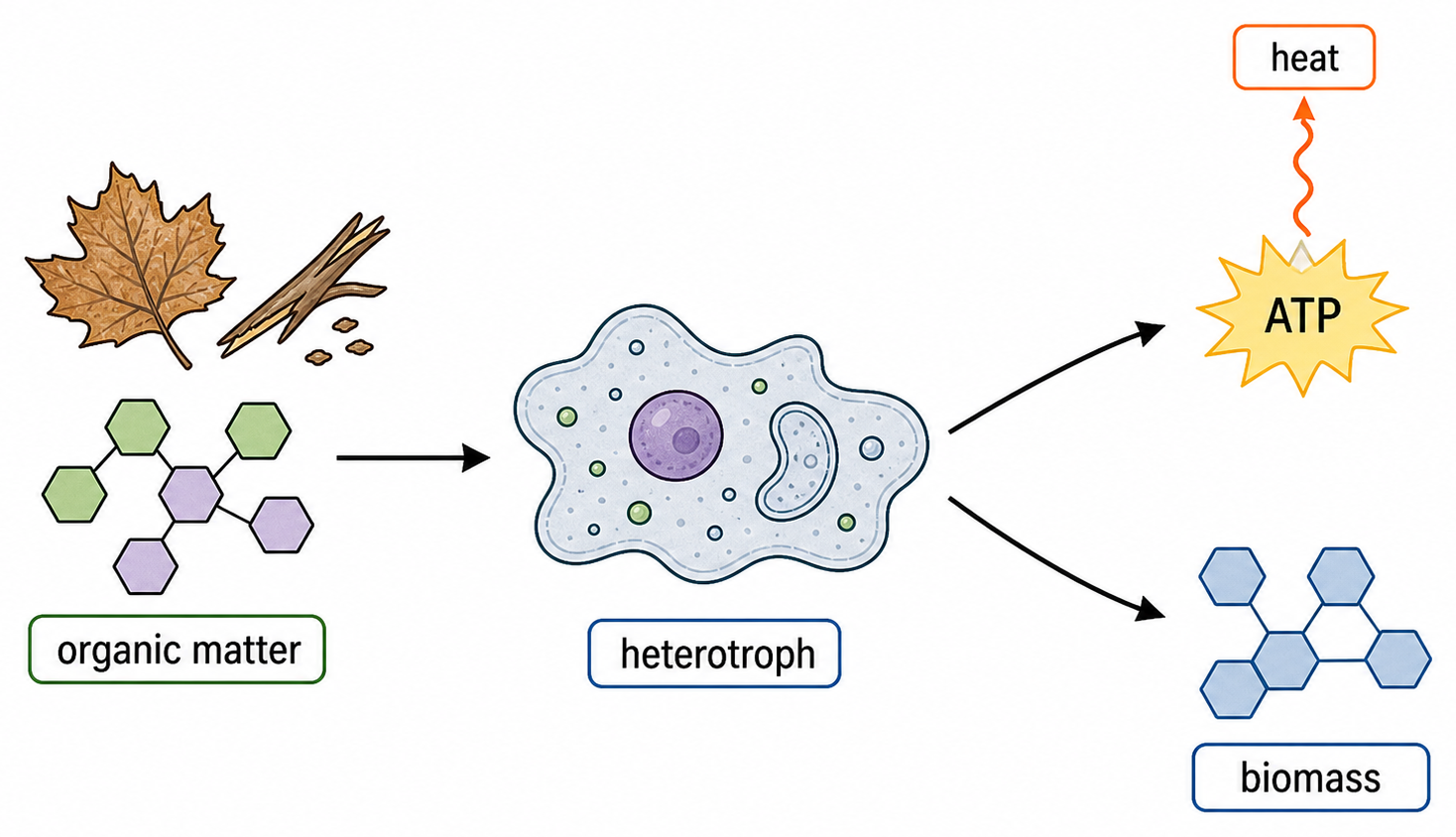
Electrons and hydrogen are transferred from respiratory substrates through enzyme-controlled pathways; part of the released chemical energy is captured in ATP and the rest becomes heat.
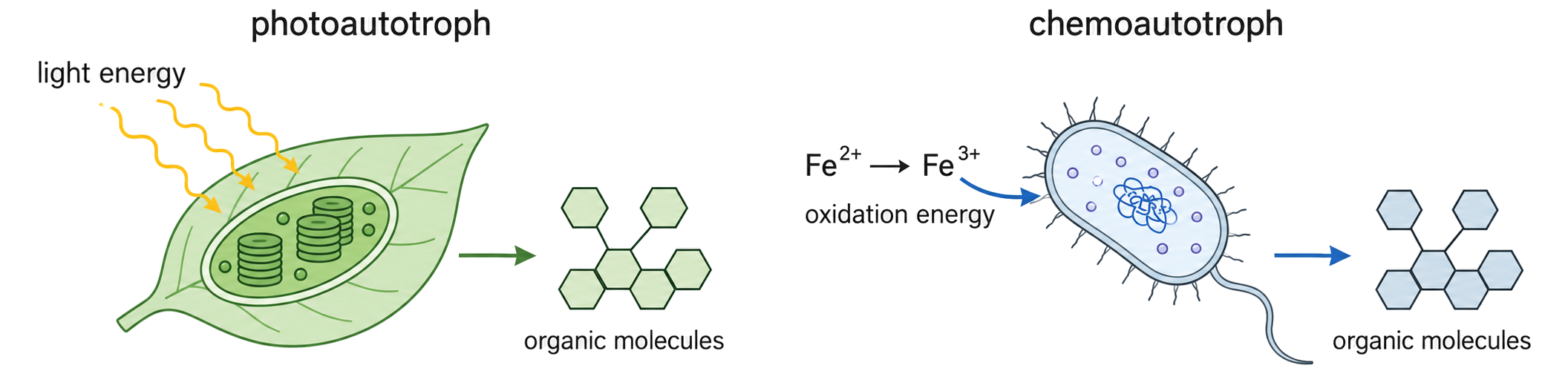
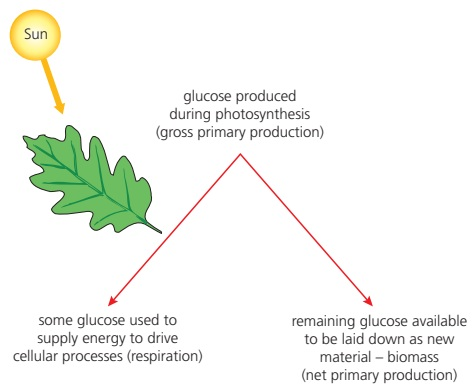
Autotroph: makes carbon compounds, then can respire them. Heterotroph: obtains carbon compounds from other organisms, then can respire them. Both use ATP for cellular work.
A plant leaf respires glucose that the plant synthesized, while an animal respires carbon compounds derived from food; in each, oxidation supports ATP production.
Autotrophs do not only photosynthesize—they also respire. Respiration is cellular oxidation, not gas movement in breathing; photoheterotroph details are not required.
This objective is assessed through structured response, commonly using Describe / Identify / State.
Describe / Identify / State
Build the answer around this relationship: Energy release must be linked to the correct source, store, transfer or loss process.
Giving a generic ecosystem answer without the specific transfer or process for energy release.
Representative question
State one process that results in the loss of carbon dioxide from a marine organism such as a crustacean or a jellyfish.
a. (aerobic/cellular) respiration
b. gas exchange / diffusion