C4.2.7—Energy sources
Energy sources explains how energy flow, matter cycling, trophic transfer or carbon movement is represented, measured or limited within ecosystems.
- Syllabus
- First assessment 2025
- Objective
- C4.2.7
- Level
- HL
Energy sources explains how energy flow, matter cycling, trophic transfer or carbon movement is represented, measured or limited within ecosystems.
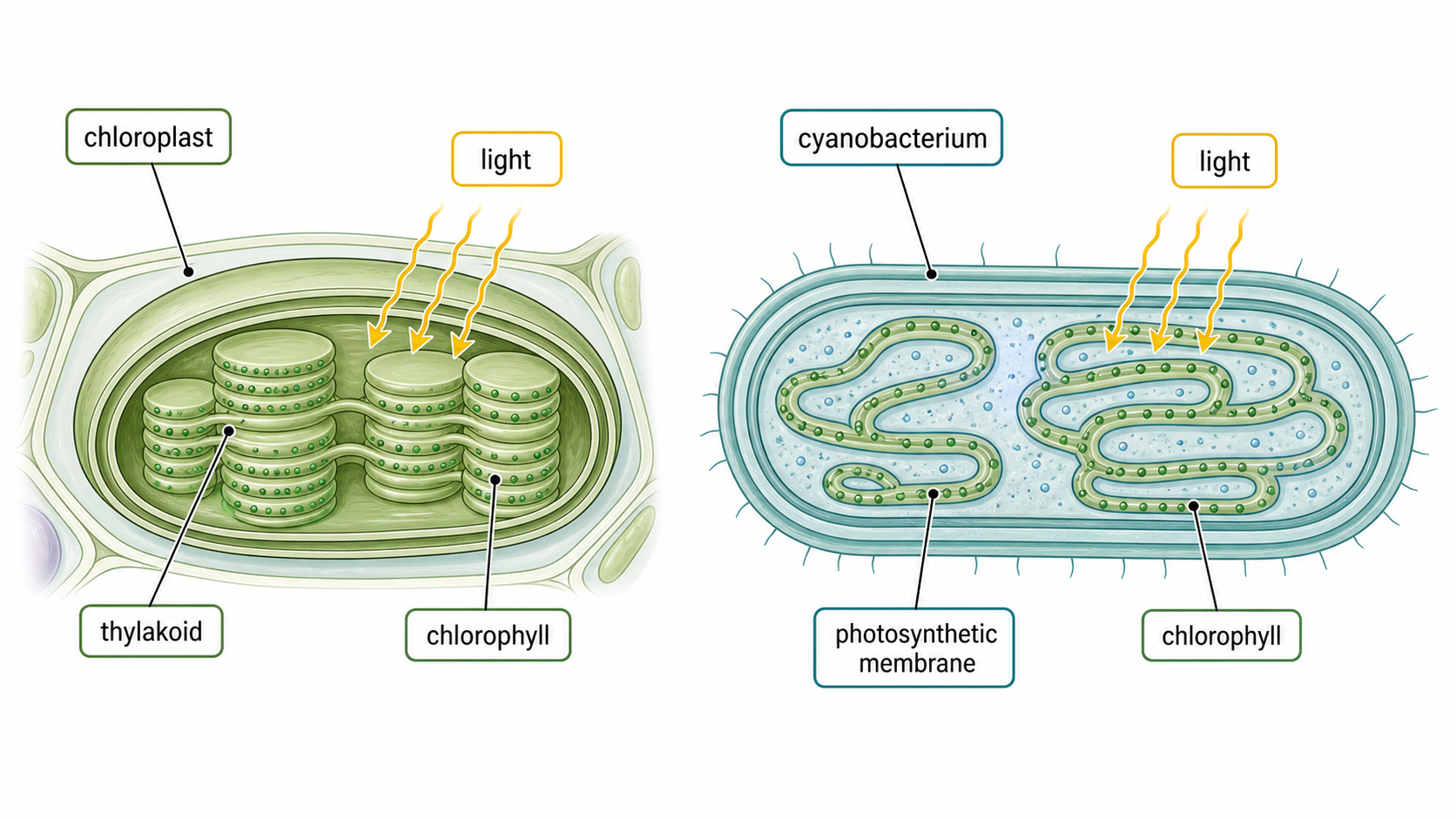
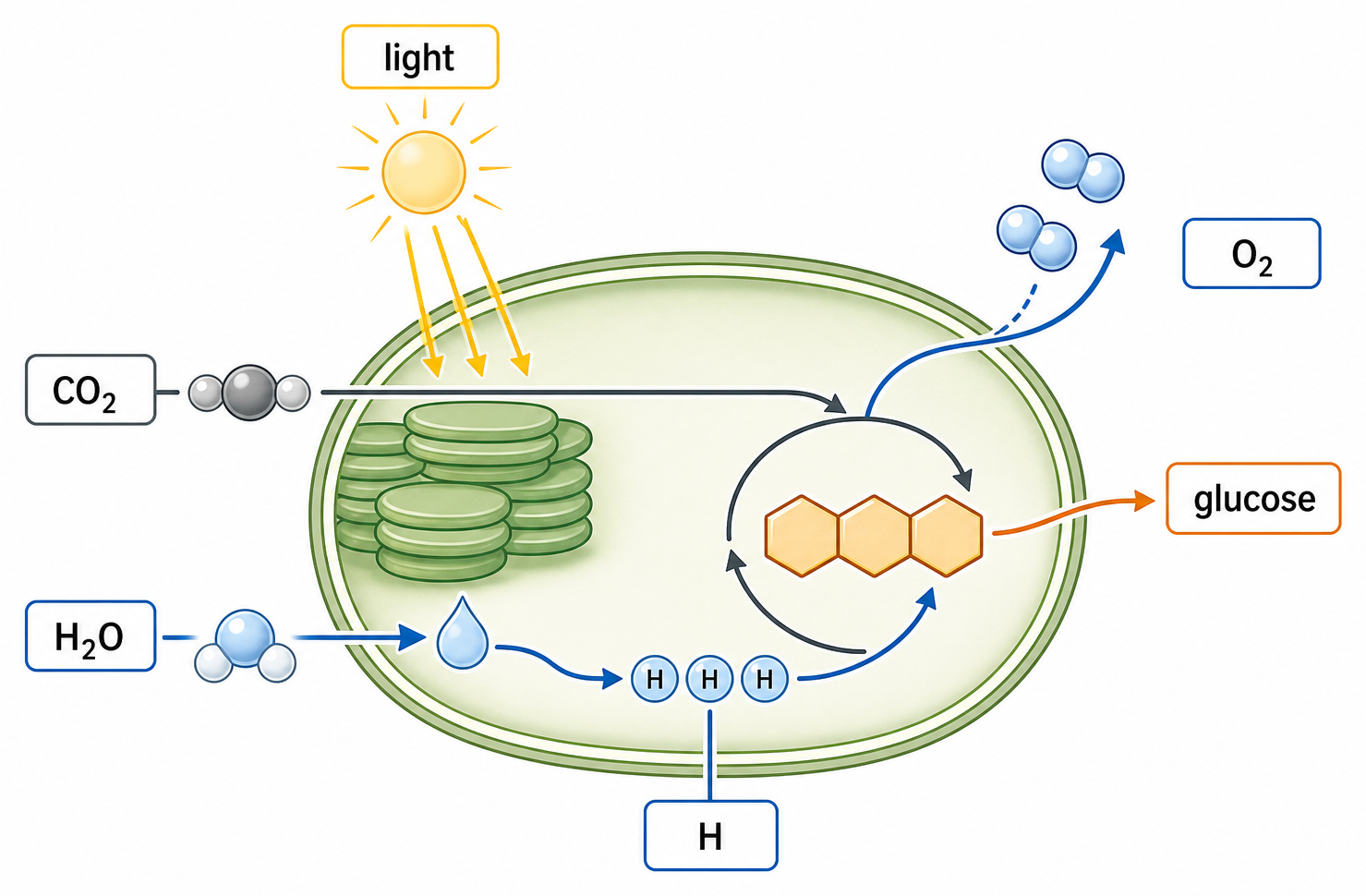
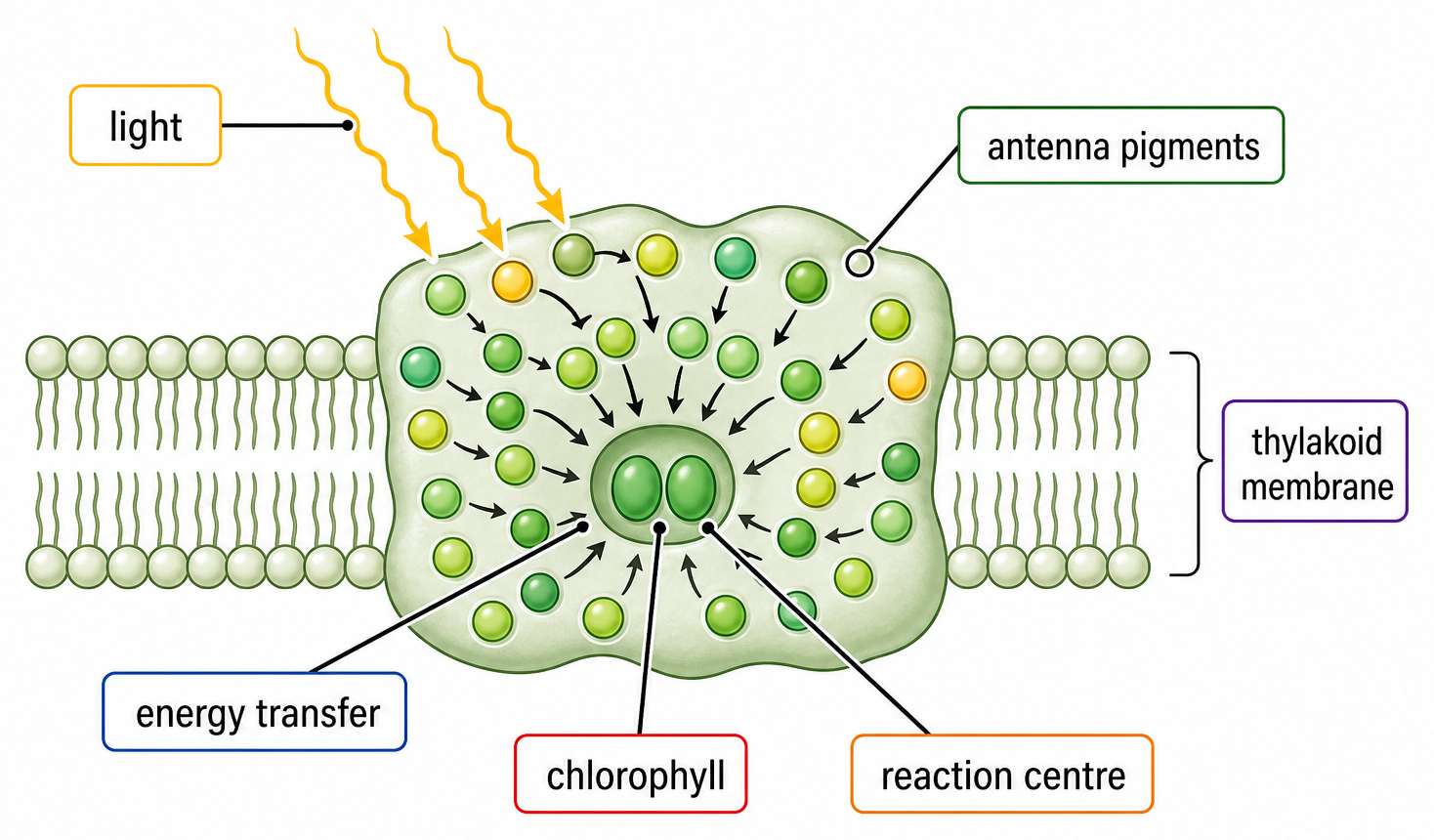
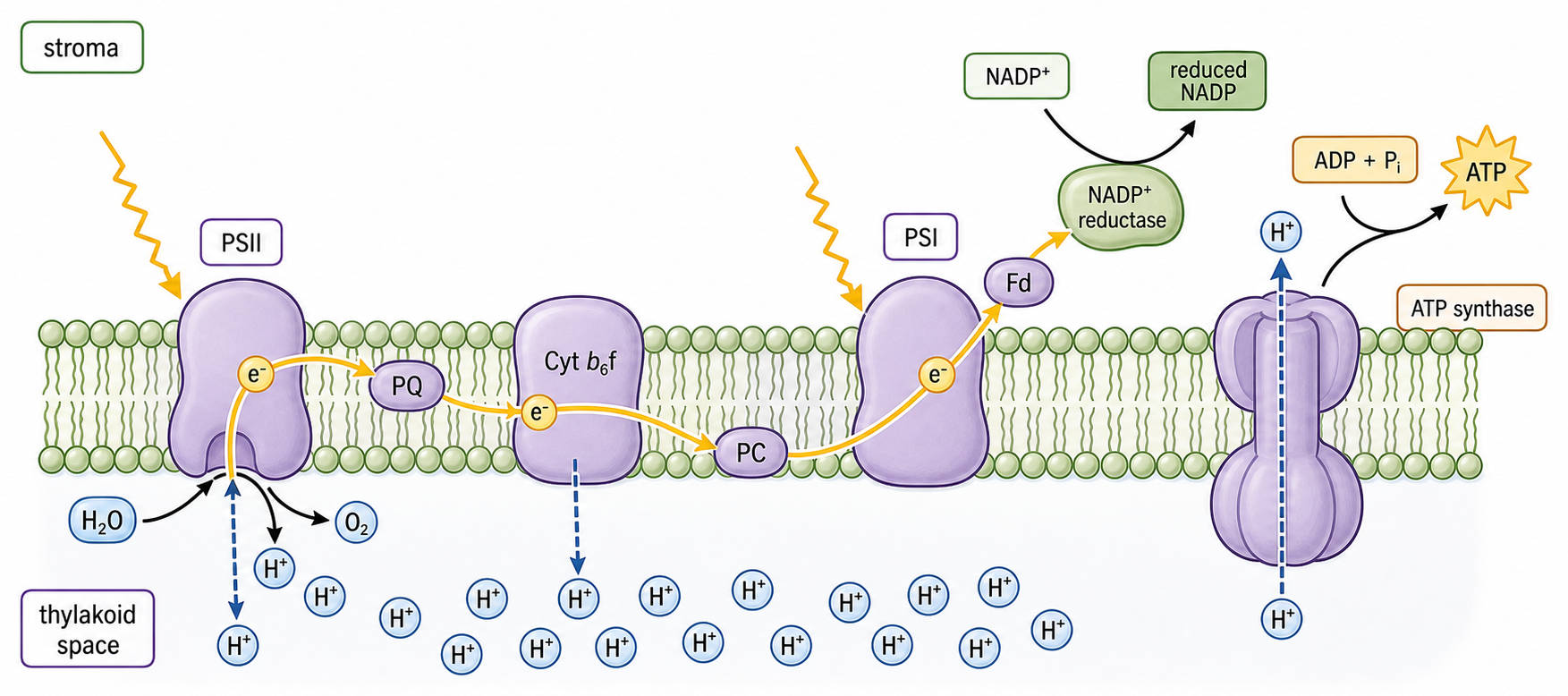
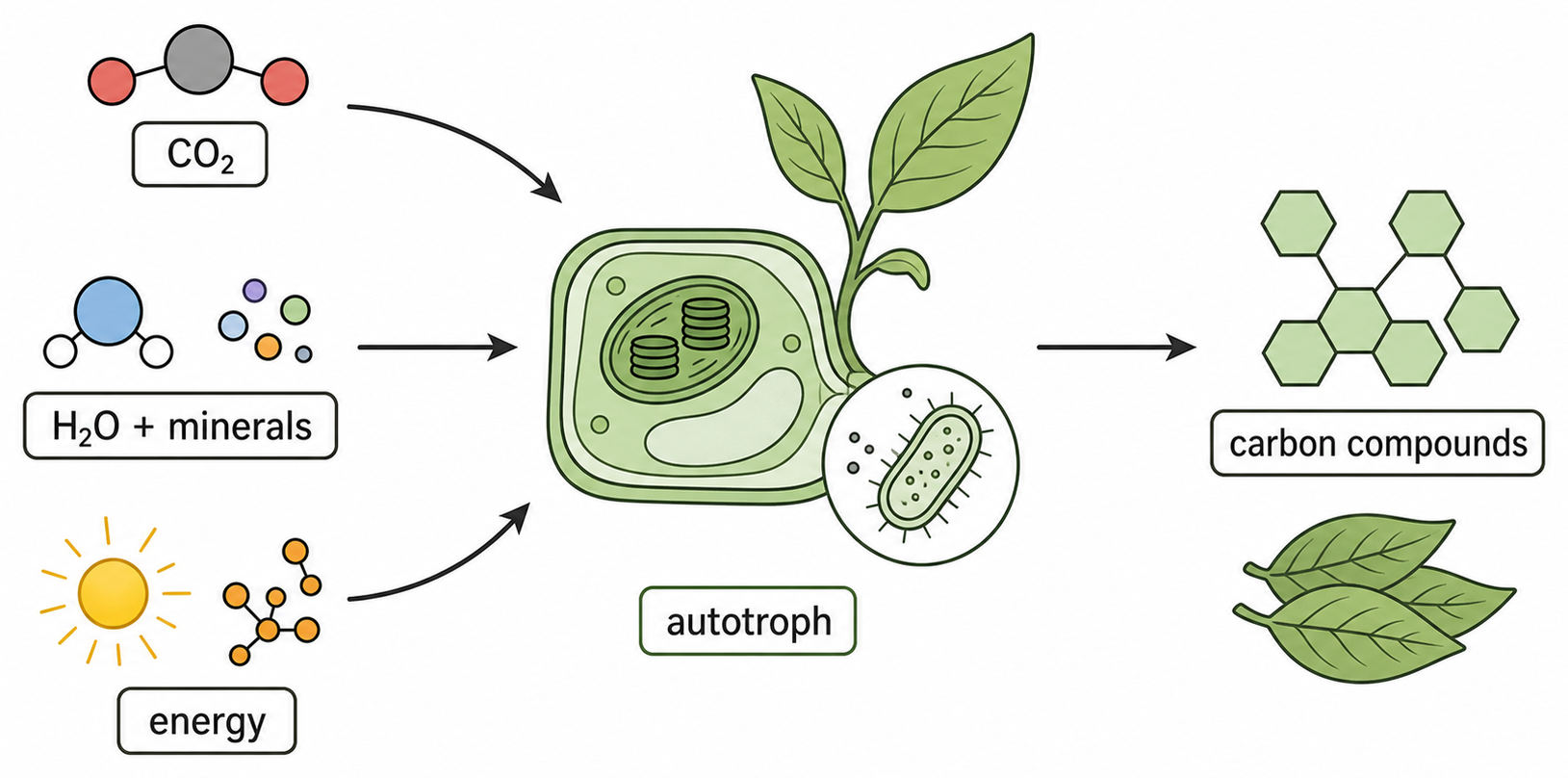
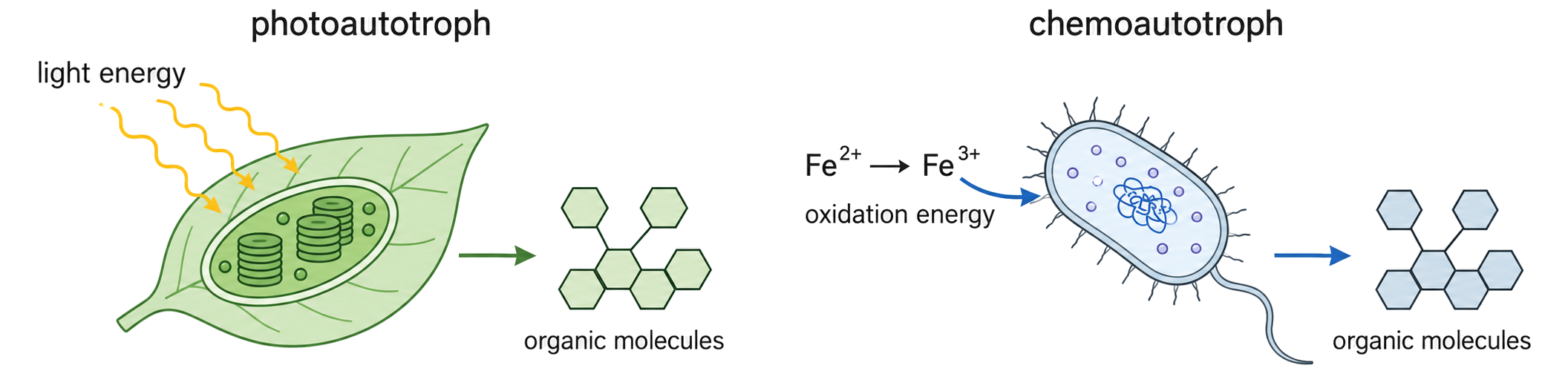
Photoautotrophs use light as their external energy source; chemoautotrophs use energy released by oxidation reactions.
| Type | Energy source | Required example | Carbon source |
|---|---|---|---|
| Photoautotroph | Absorbed light | Green plant or alga | Inorganic carbon such as CO₂ |
| Chemoautotroph | Oxidation of inorganic substances | Iron-oxidizing bacterium | Inorganic carbon such as CO₂ |
Oxidation transfers electrons and releases energy that chemoautotrophs can couple to ATP production and carbon fixation even where light is unavailable.
Chemosynthesis is not photosynthesis without light: the external energy source is an oxidation reaction. Both groups are autotrophs because they synthesize carbon compounds from inorganic carbon.
This objective is assessed through multiple choice, commonly using Identify.
Identify
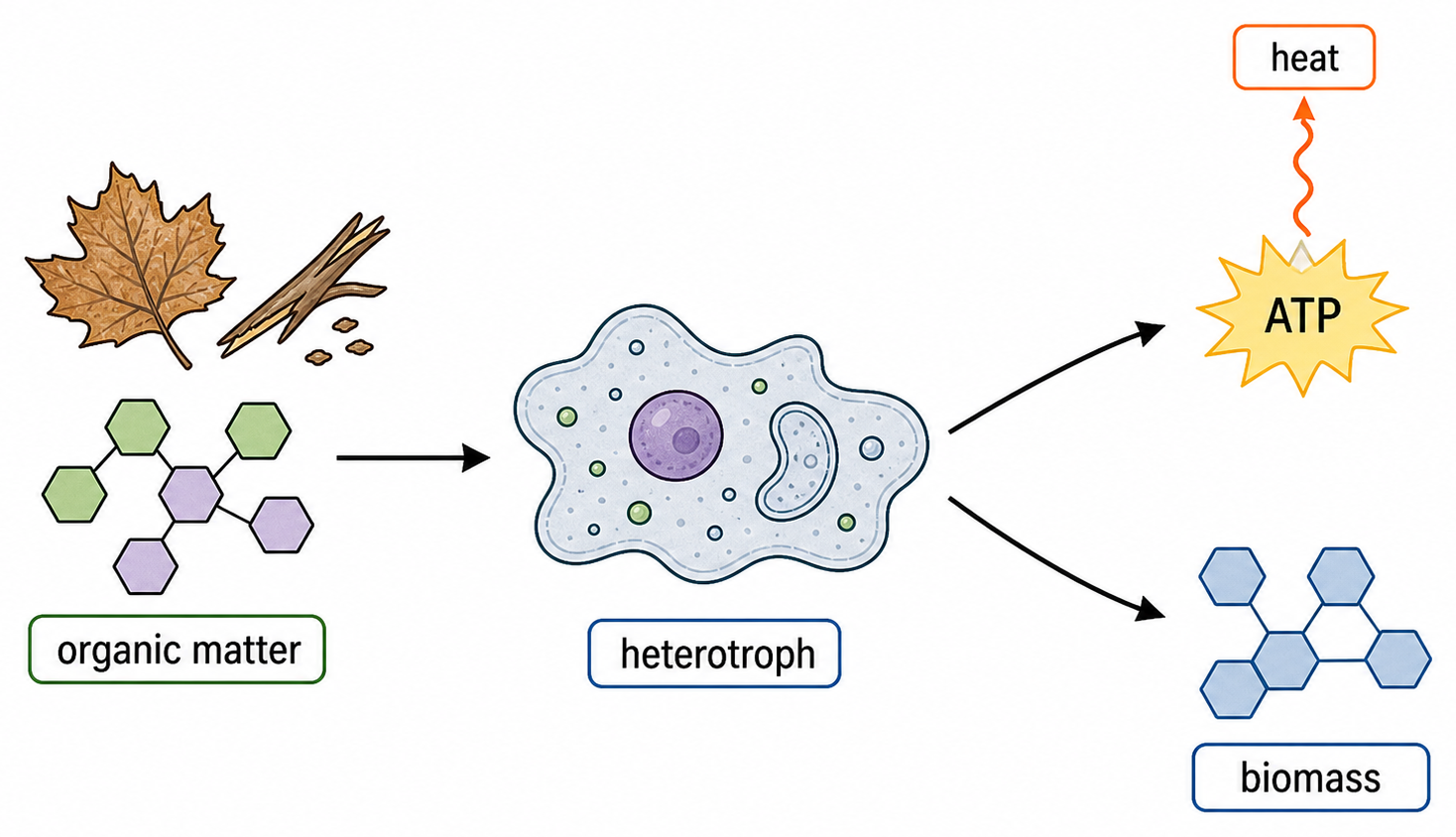
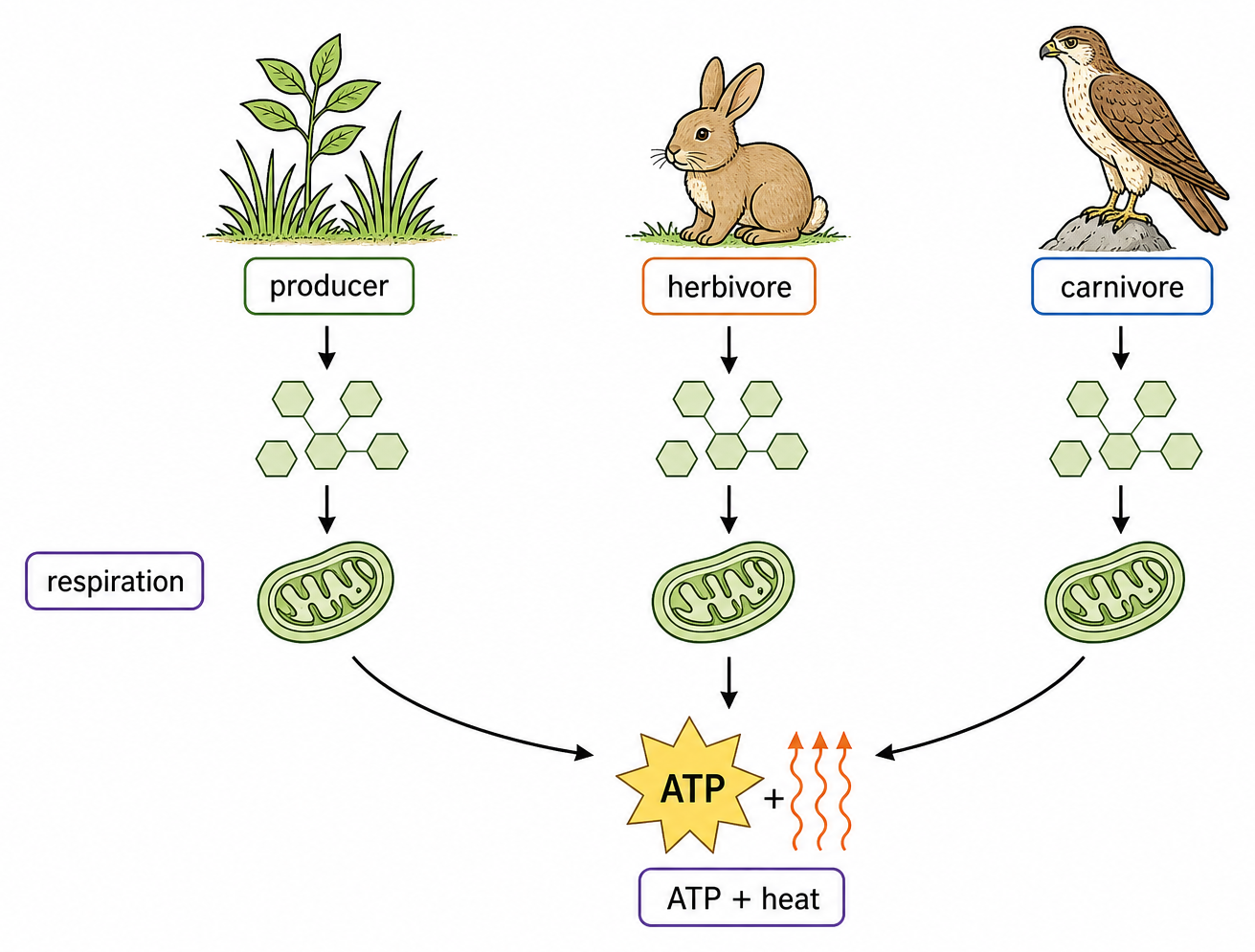
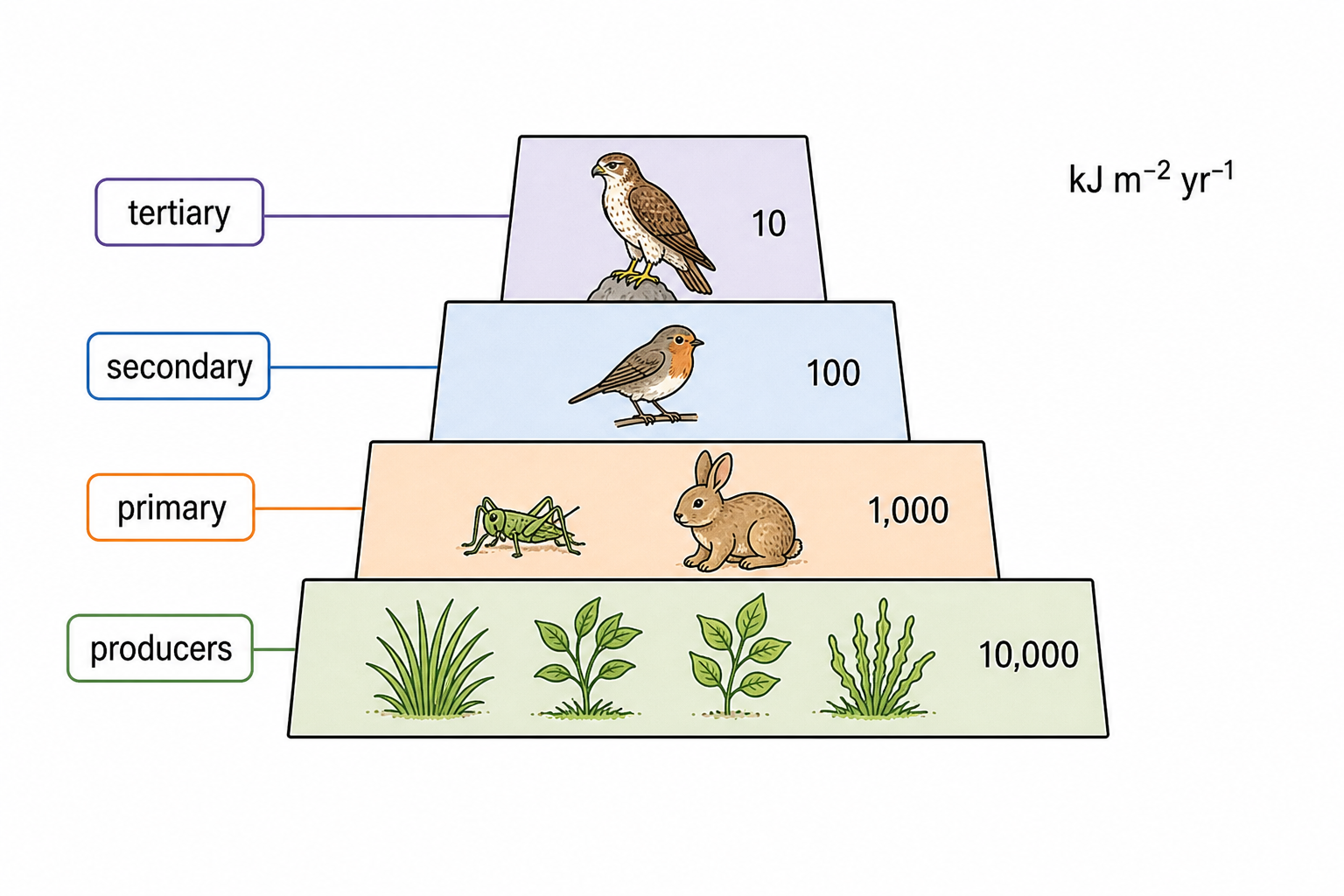
Build the answer around this relationship: Energy sources must be linked to the correct source, store, transfer or loss process.
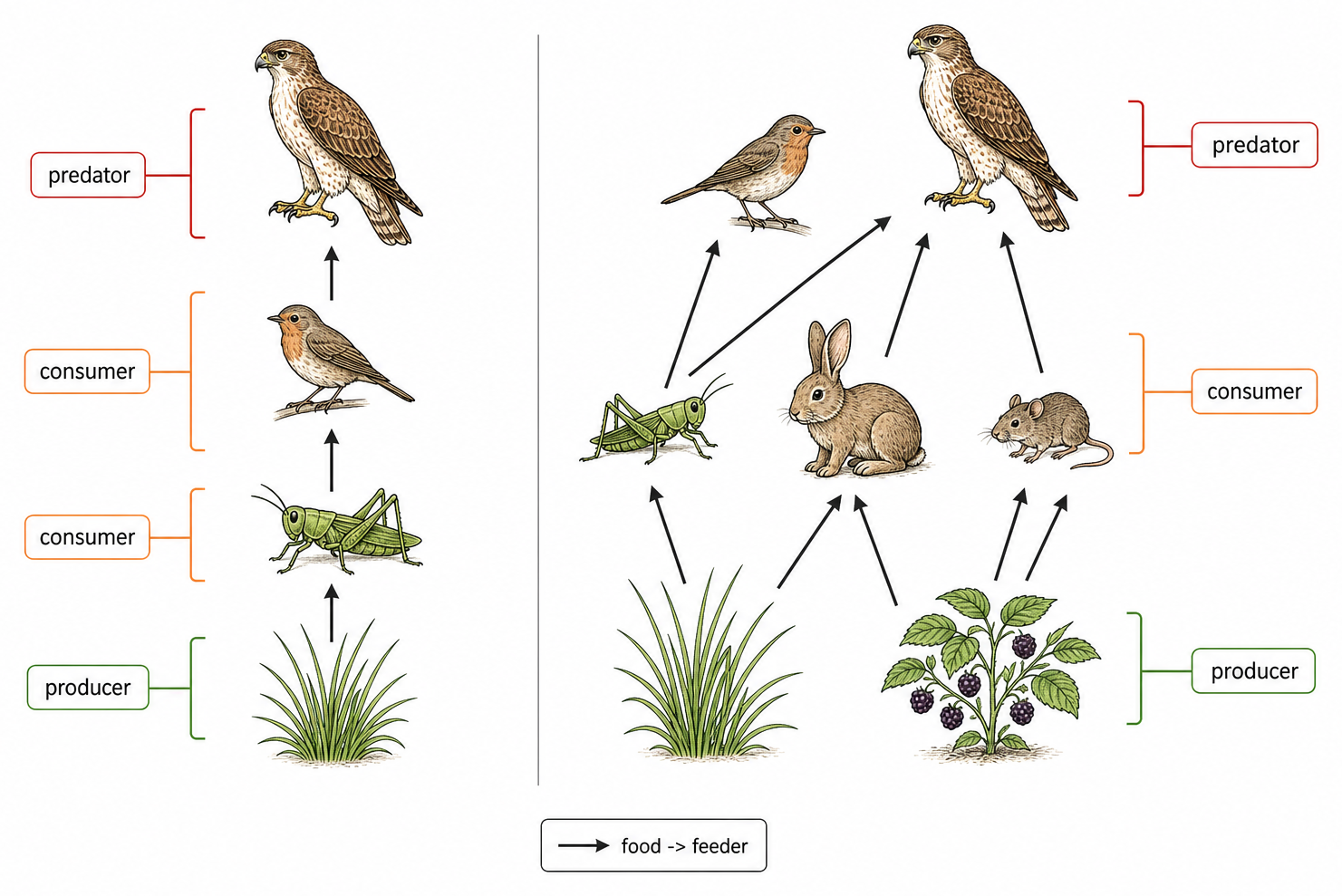
Reversing food-web arrows instead of showing energy transfer direction.
Representative question
Which organisms use oxidation of simple inorganic substances as an energy source?
Photoautotrophs
Heterotrophs
Chemoautotrophs
Saprotrophs
C