Q BankQuestion BankDocsDocuments

C4.2.2—Sunlight as principal energy source

Sunlight as principal energy source explains how energy flow, matter cycling or carbon transfer is represented, measured or limited within ecosystems.
Syllabus
First assessment 2025
Objective
C4.2.2
Level
HL

Sunlight supplies most ecosystem energy

Sunlight supplies most ecosystem energy.
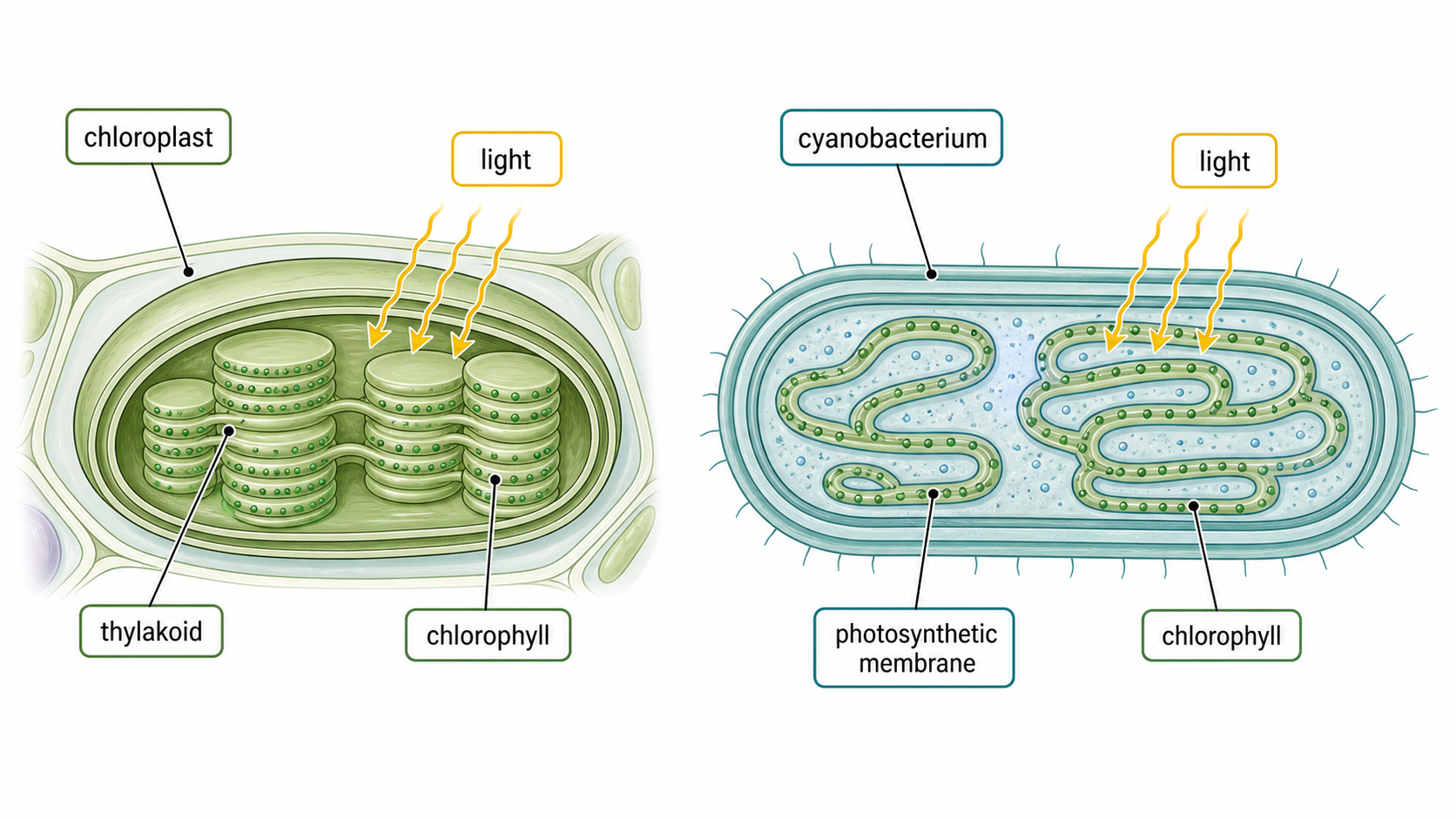
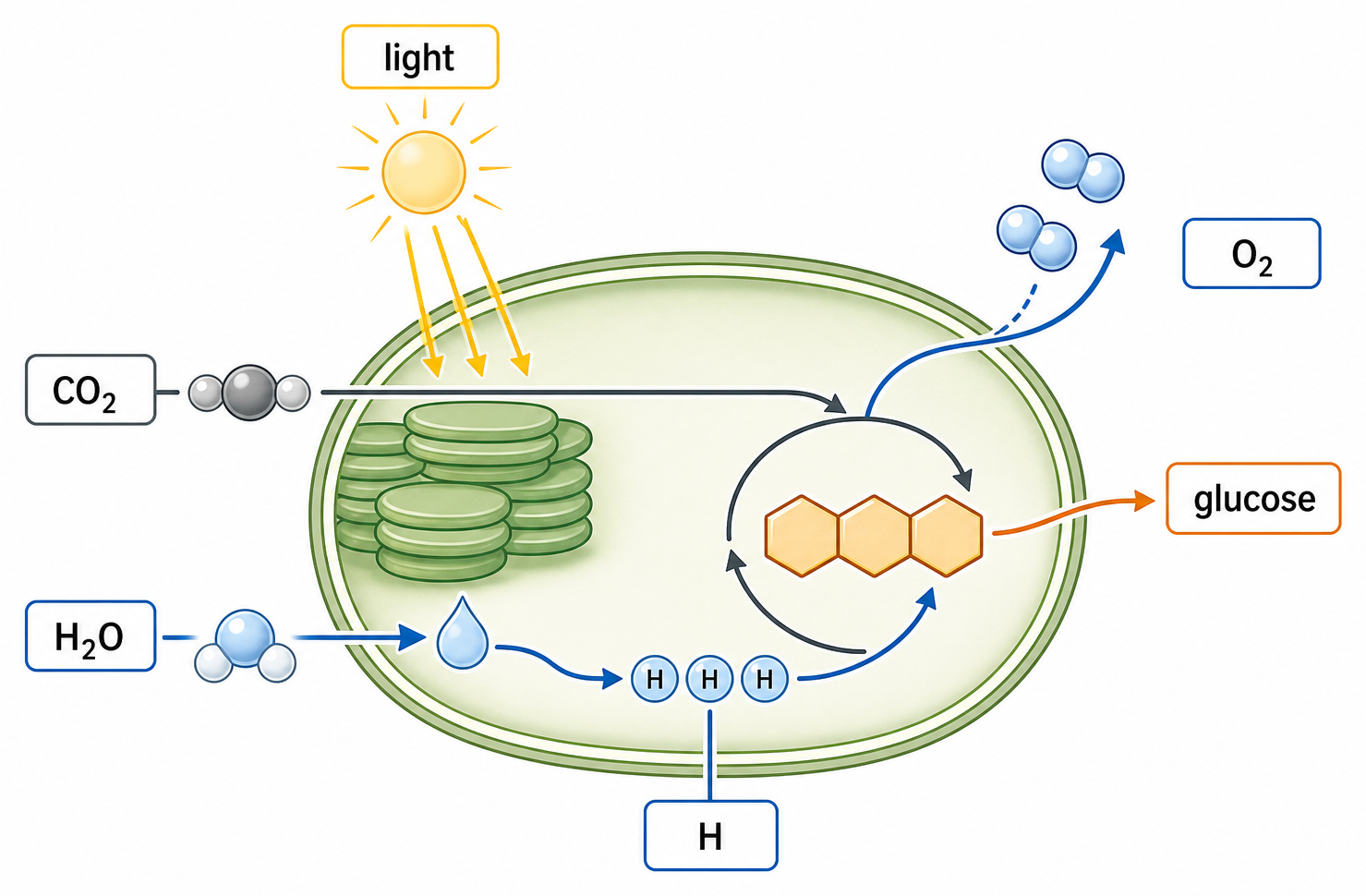
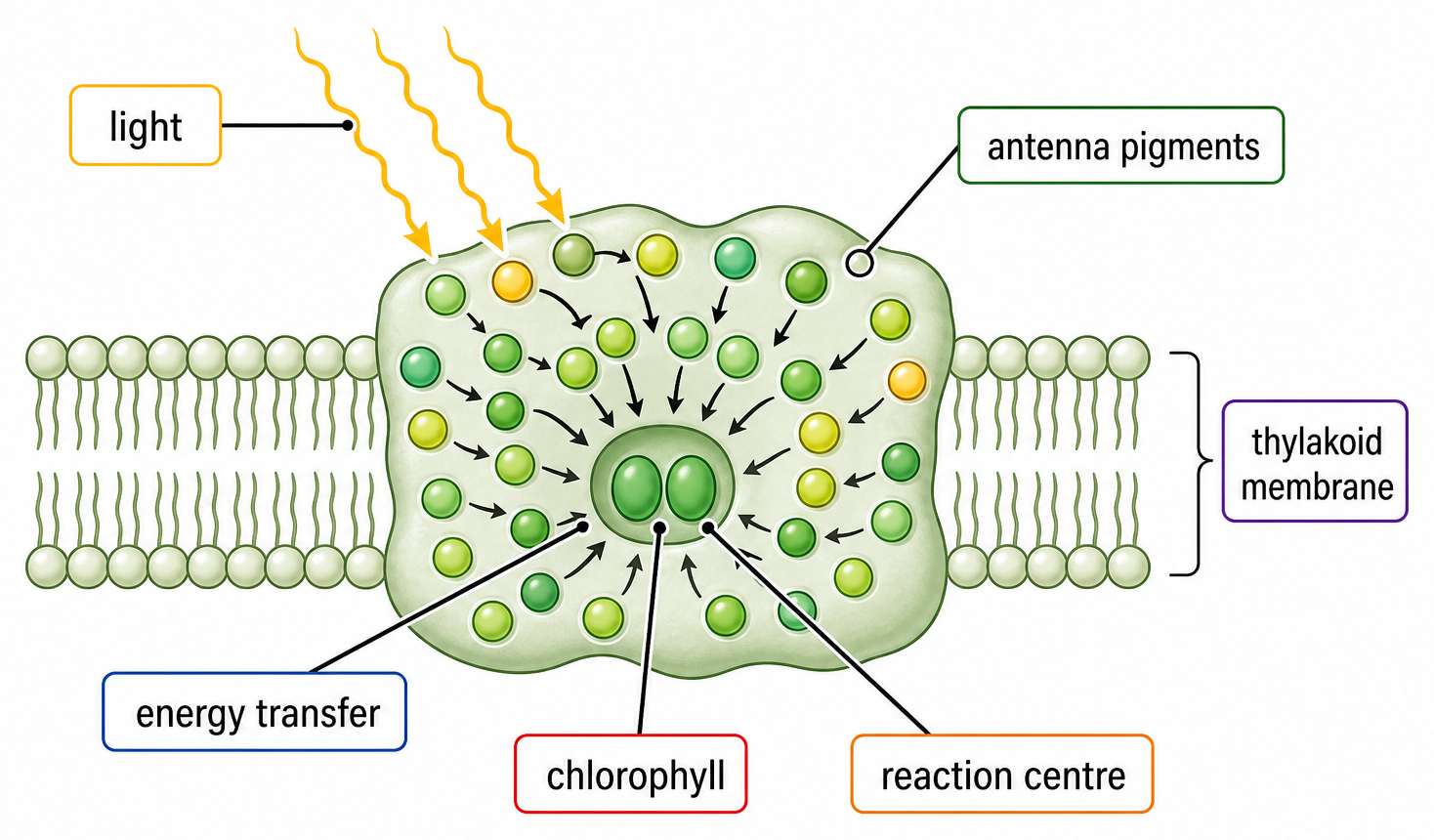
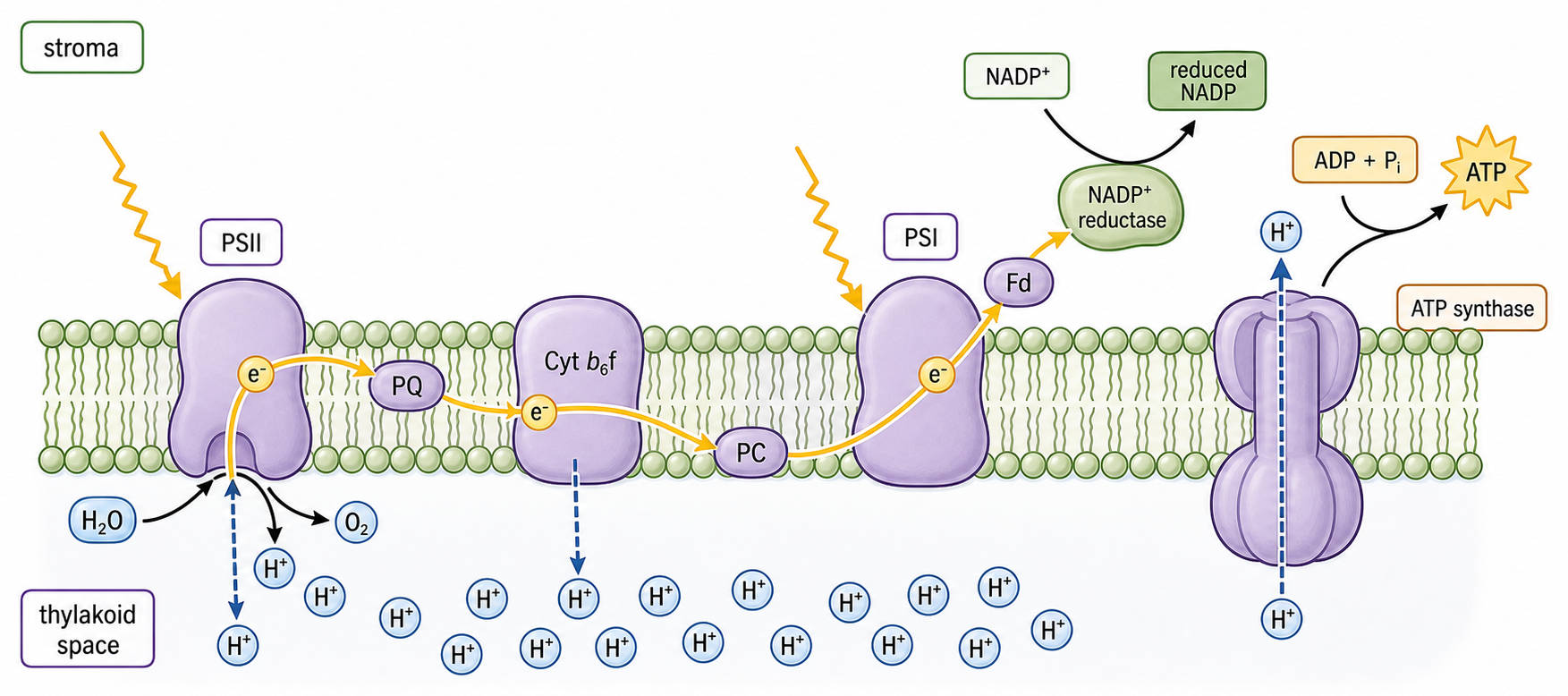
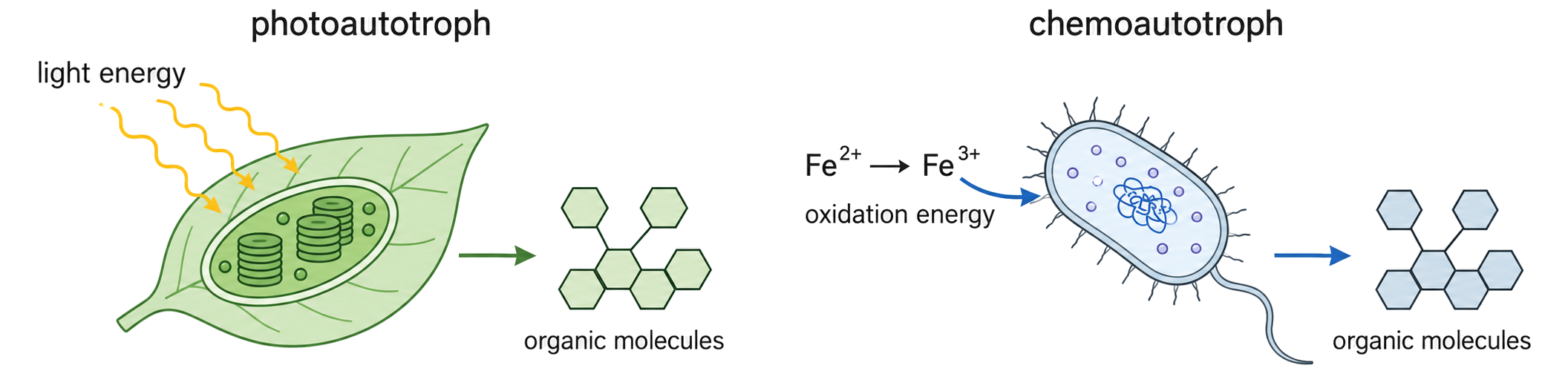
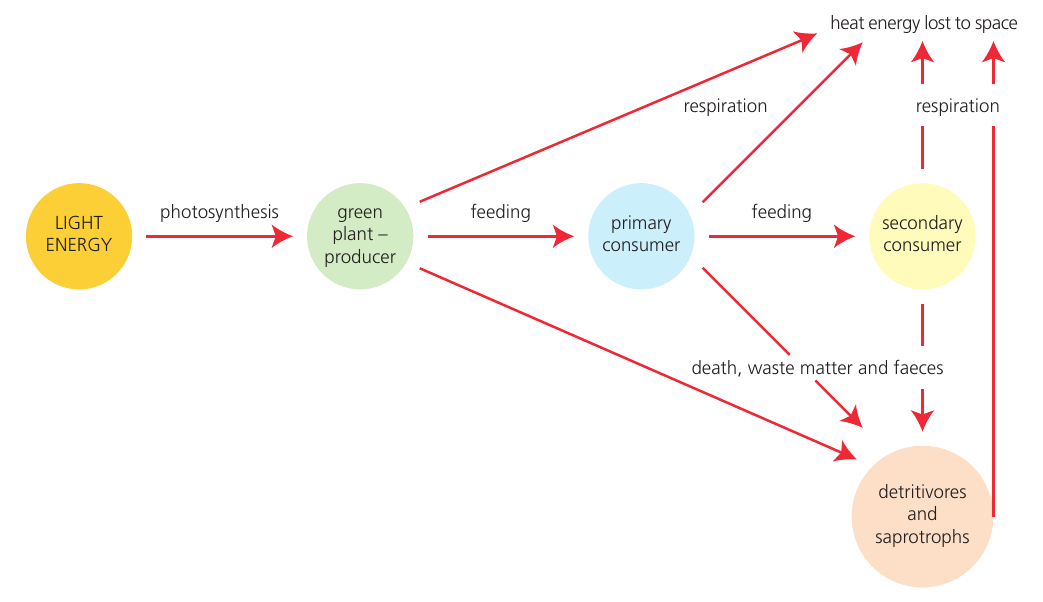
Photosynthetic producers capture photons and convert part of that energy into chemical energy in organic molecules. The captured energy supports consumers only after it enters biomass.

light → photosynthesis → chemical energy → producer biomass → consumers.

A leaf converts absorbed light into carbohydrates that later supply energy to a herbivore through feeding.

Sunlight is the principal input for most ecosystems, not a source of matter such as carbon atoms.

Sunlight as principal energy source

Assessment in practice

1–8 marks
How it is assessed

This objective is assessed through structured response, commonly using State / Explain.

Command terms

State / Explain

What earns marks

Build the answer around this relationship: Sunlight as principal energy source must be linked to the correct source, store, transfer or loss process.

Watch for

Skipping the conversion of light energy into chemical energy by producers.

Representative question

Question 1

[Maximum number: 7]

Explain how the energy supply in an ecosystem is dependent on sunlight.

Energy and Matter

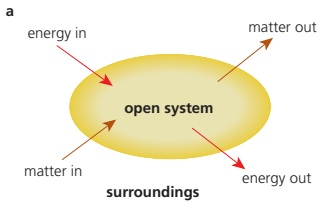
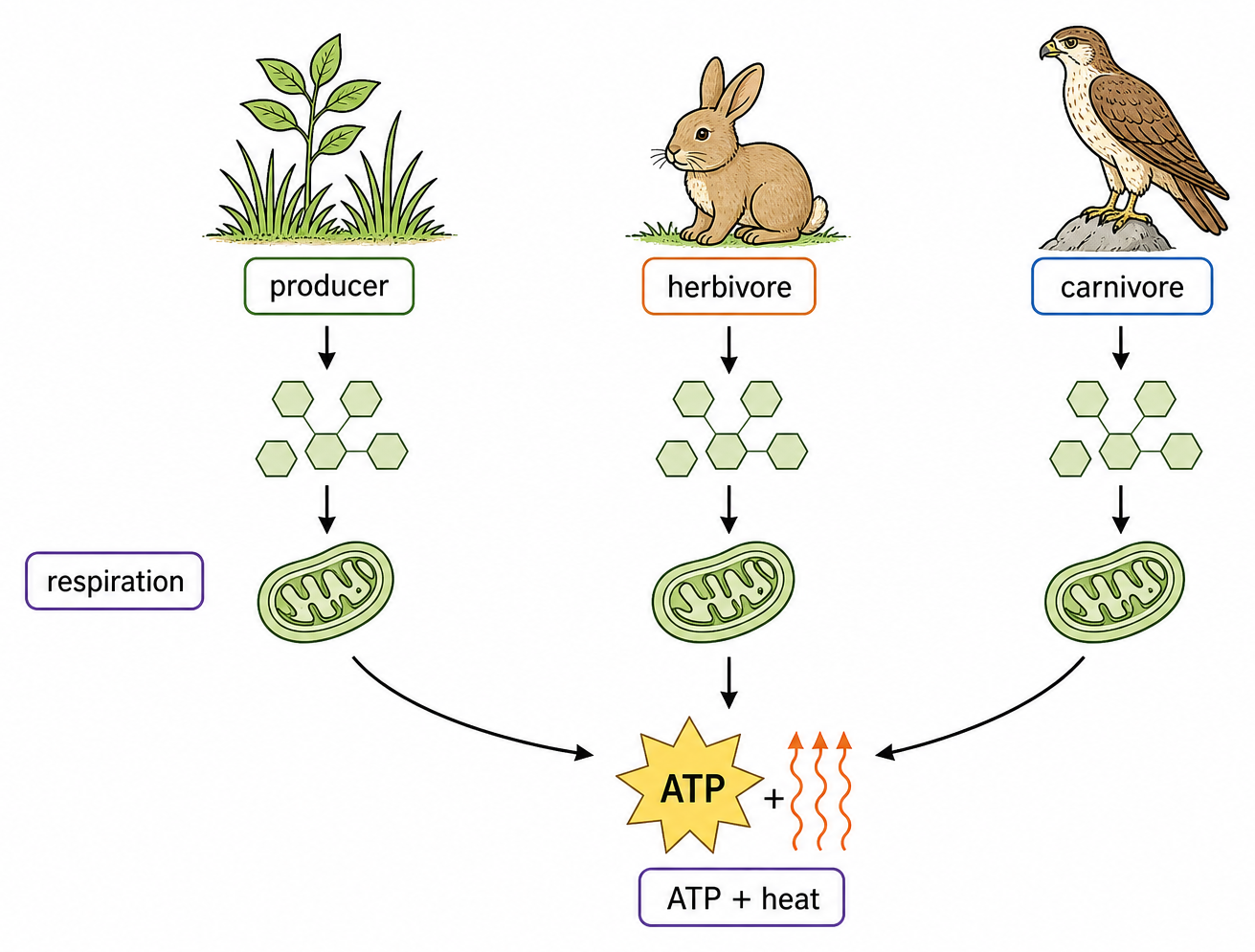
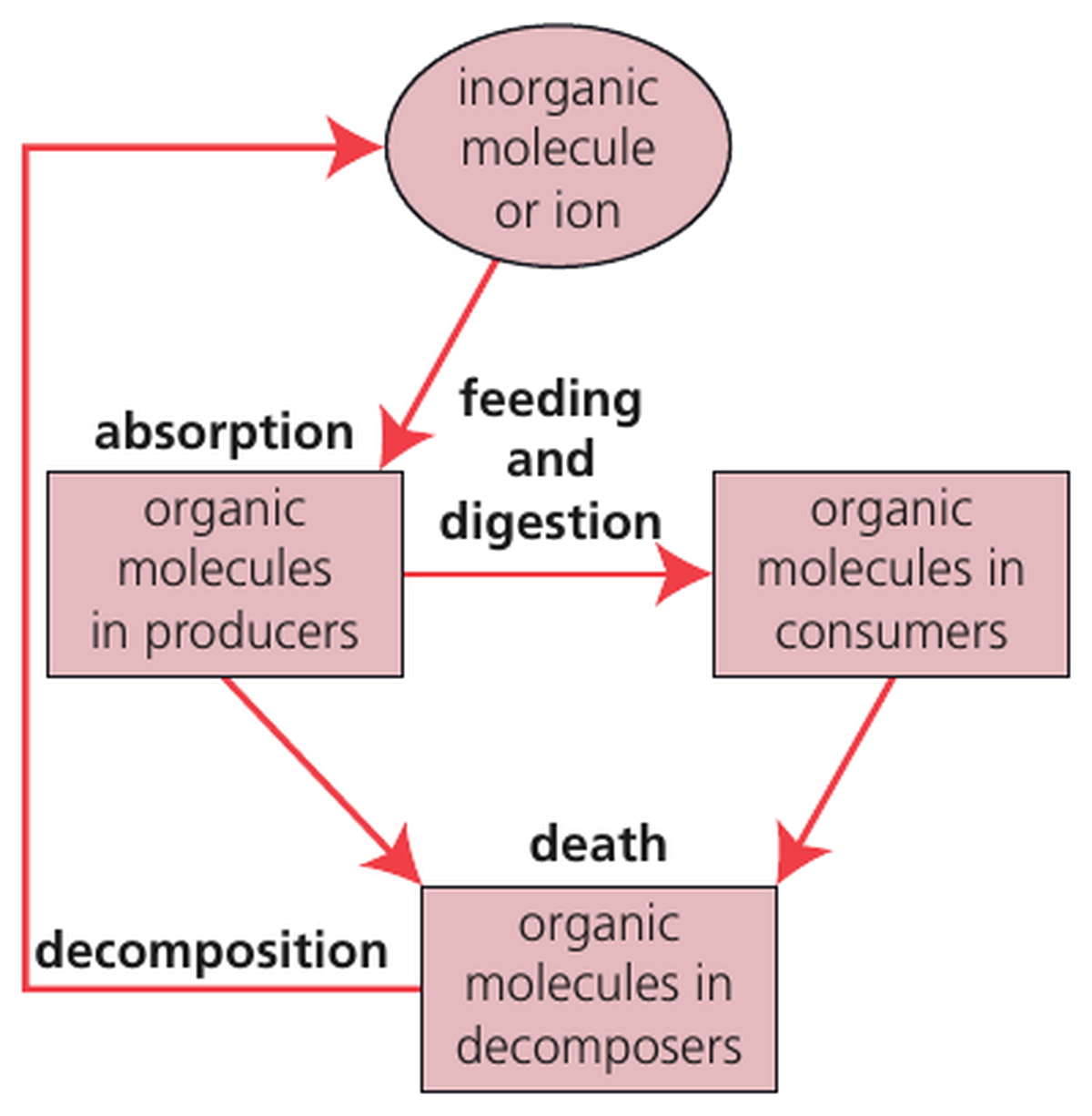
  • Ecosystems are open systems: energy flows through them and leaves as heat, while matter is recycled and may enter or leave.
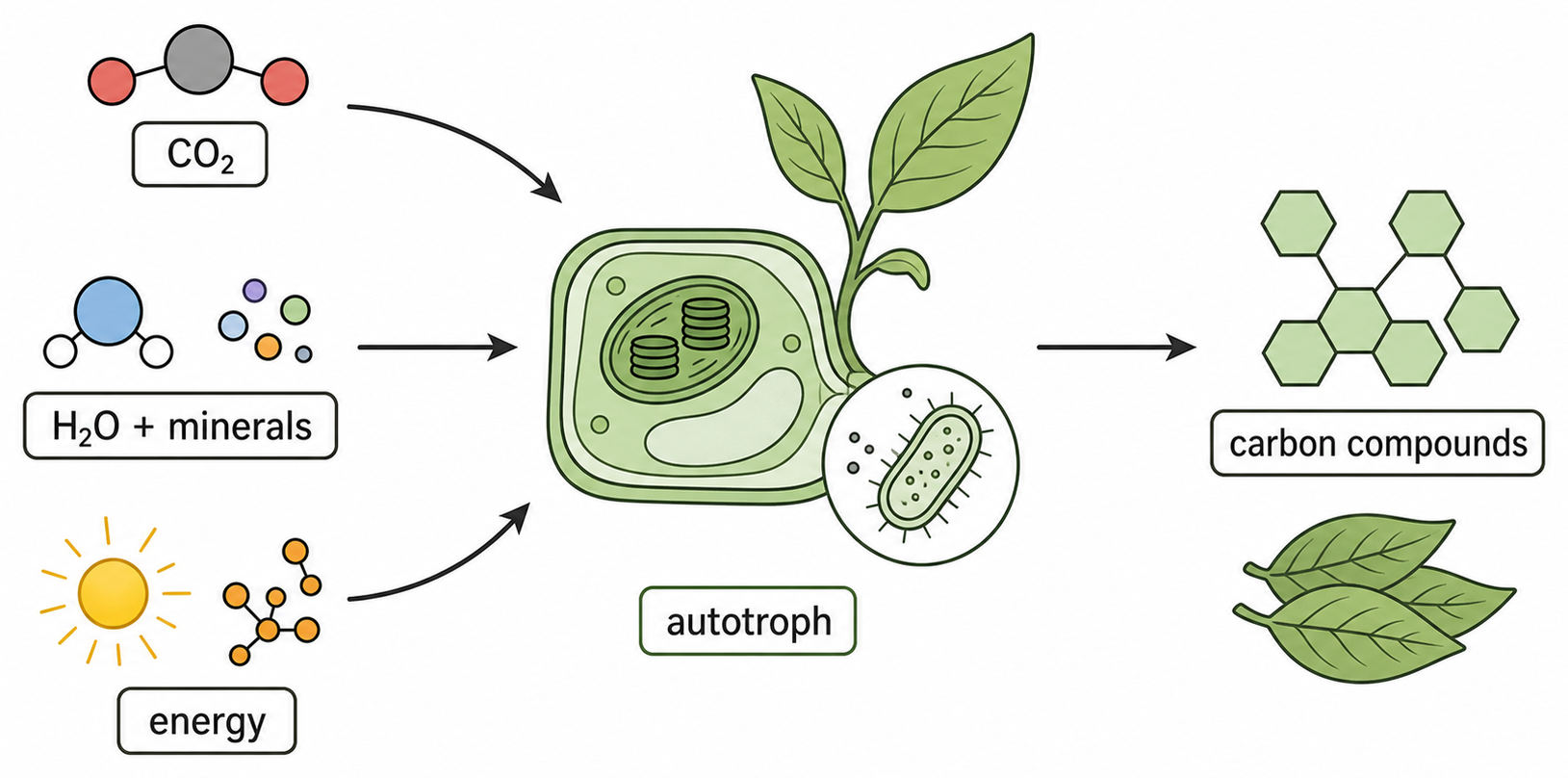
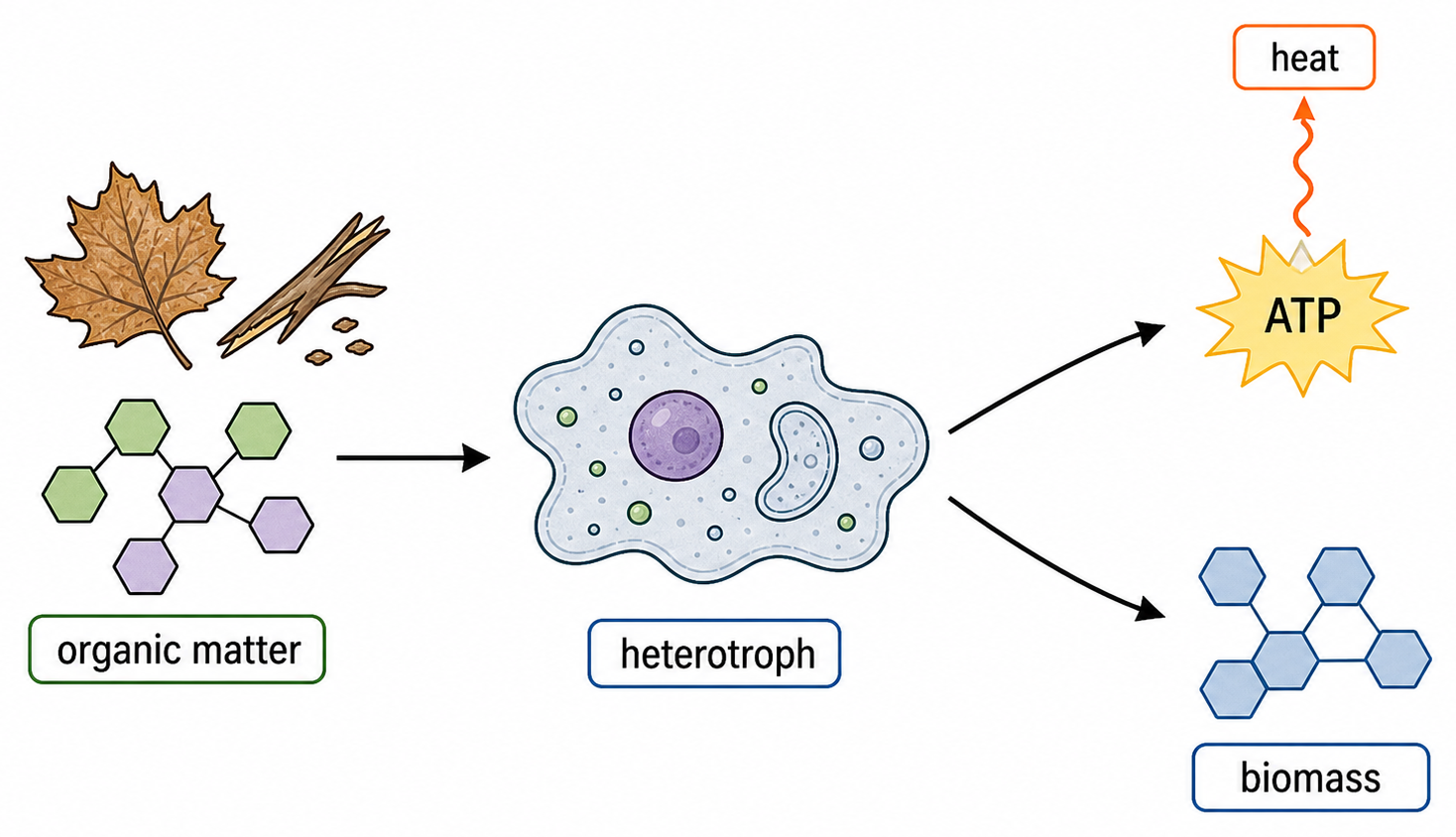
  • Photoautotrophs capture light; chemoautotrophs oxidize inorganic substances. Both build biomass from inorganic carbon. Heterotrophs obtain organic carbon from other organisms.
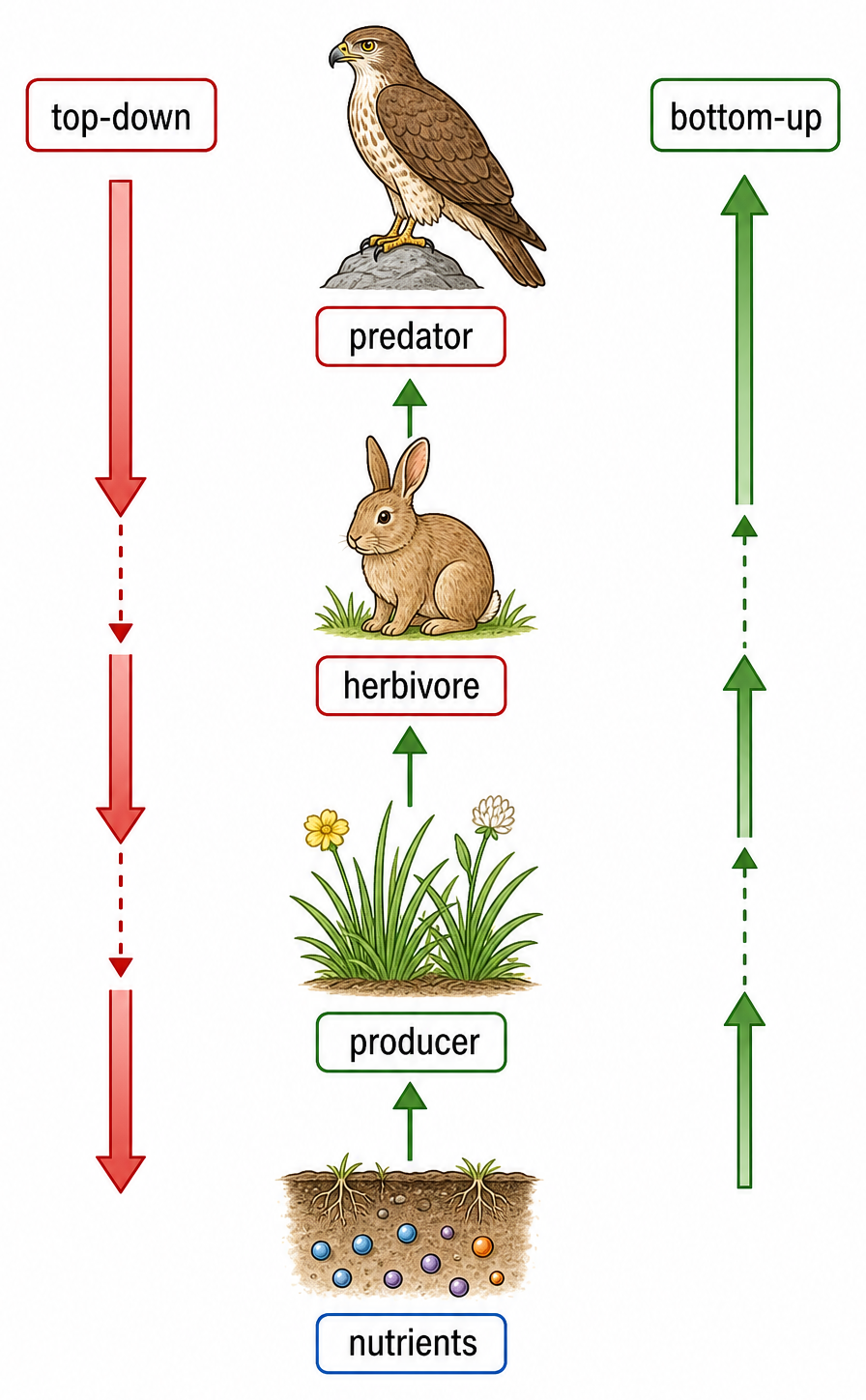
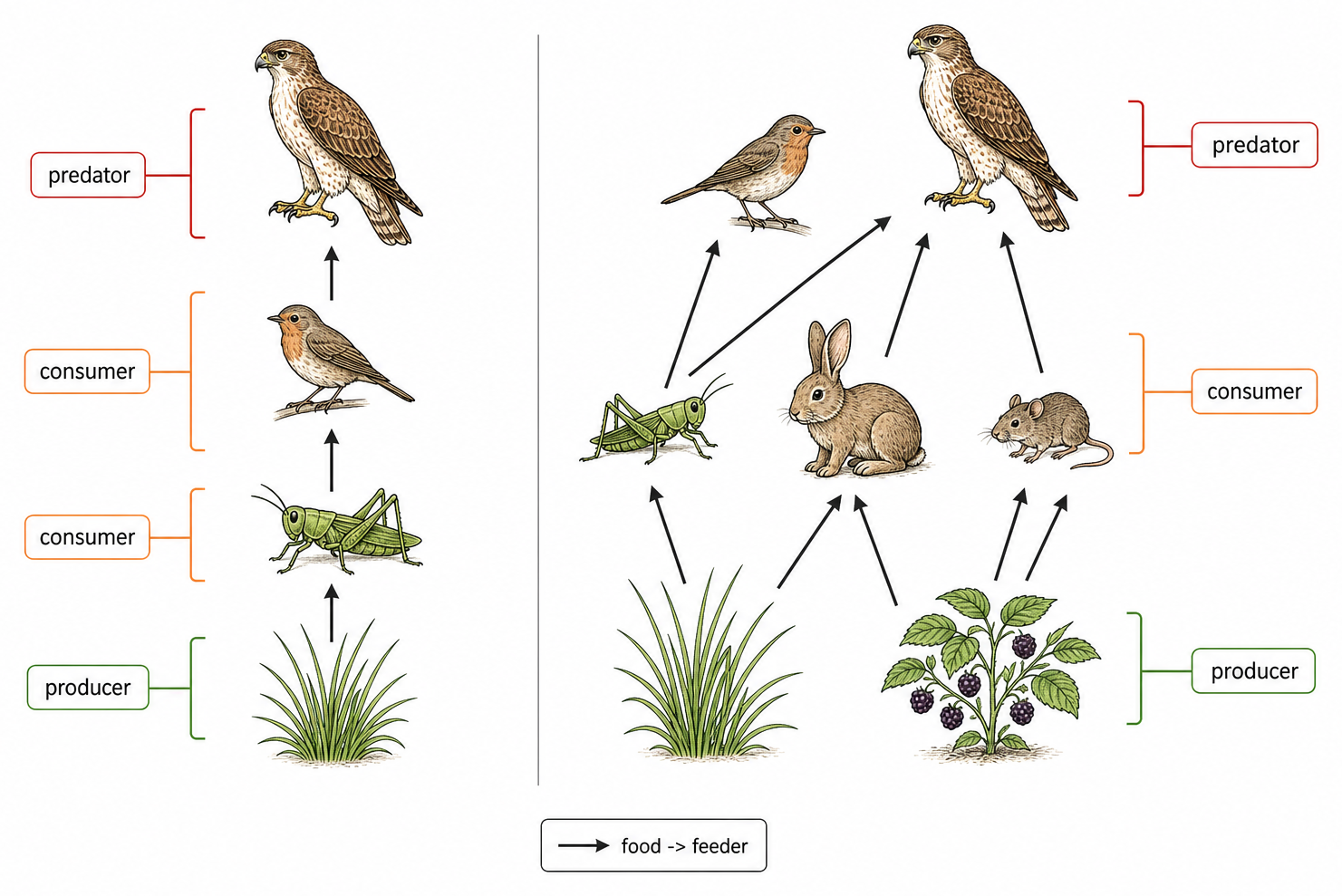
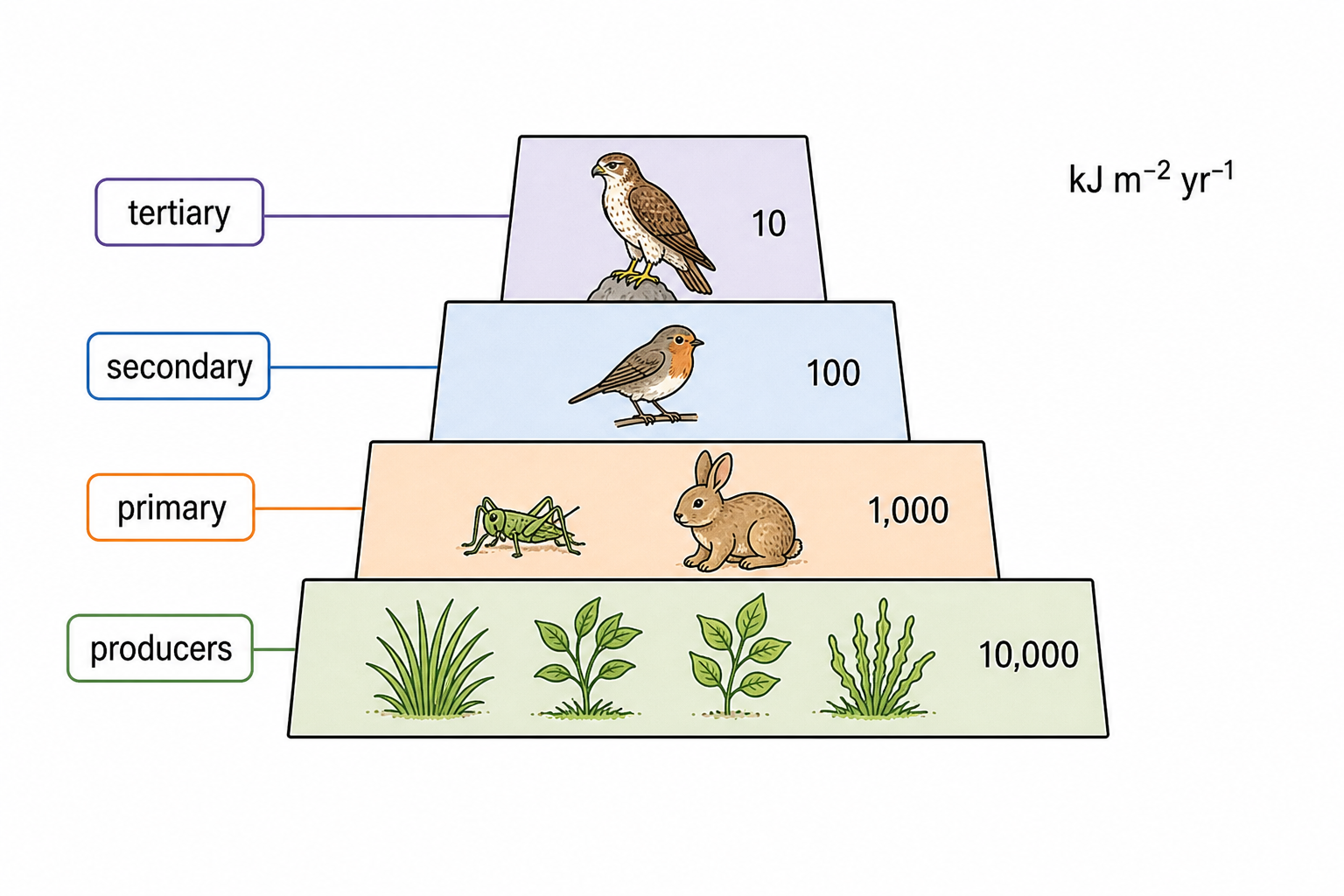
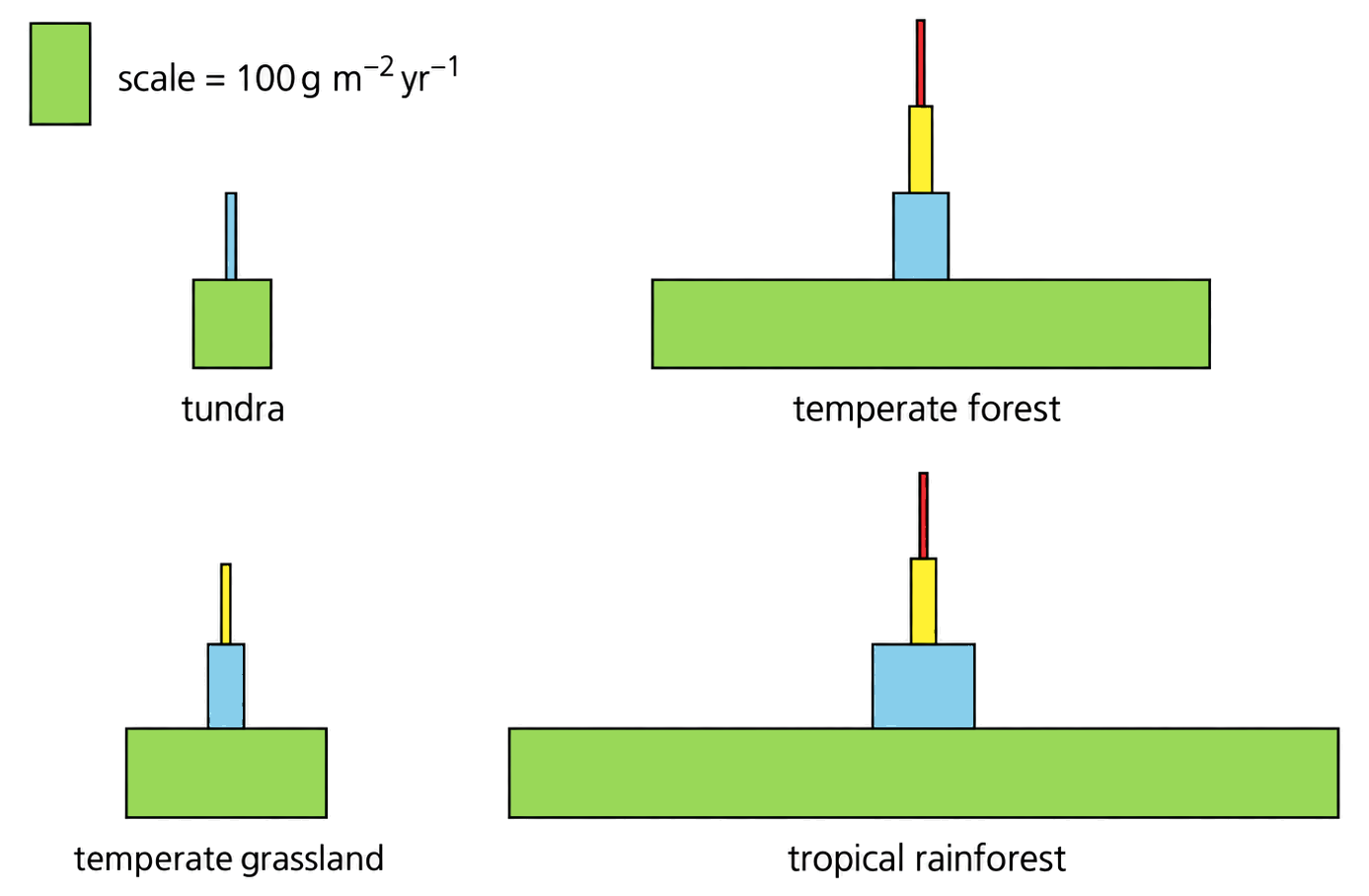
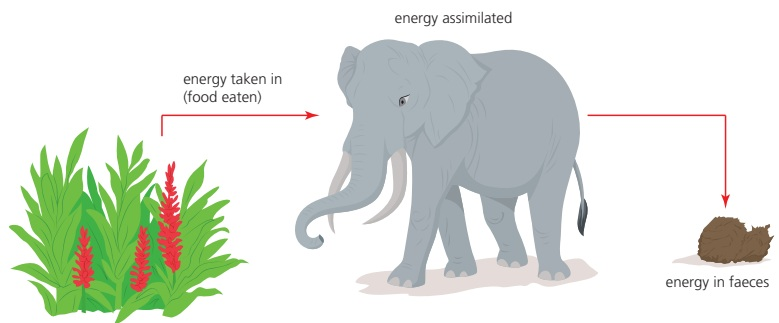
  • Food-web arrows show energy and biomass transfer. Energy decreases between trophic levels through respiration, heat, egestion, excretion and uneaten material, limiting chain length.
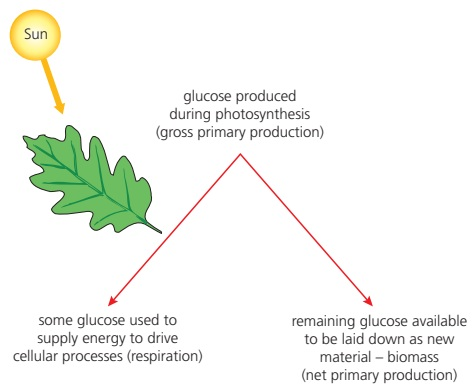
  • Gross primary production minus producer respiration gives net primary production; secondary production is heterotroph biomass gain.
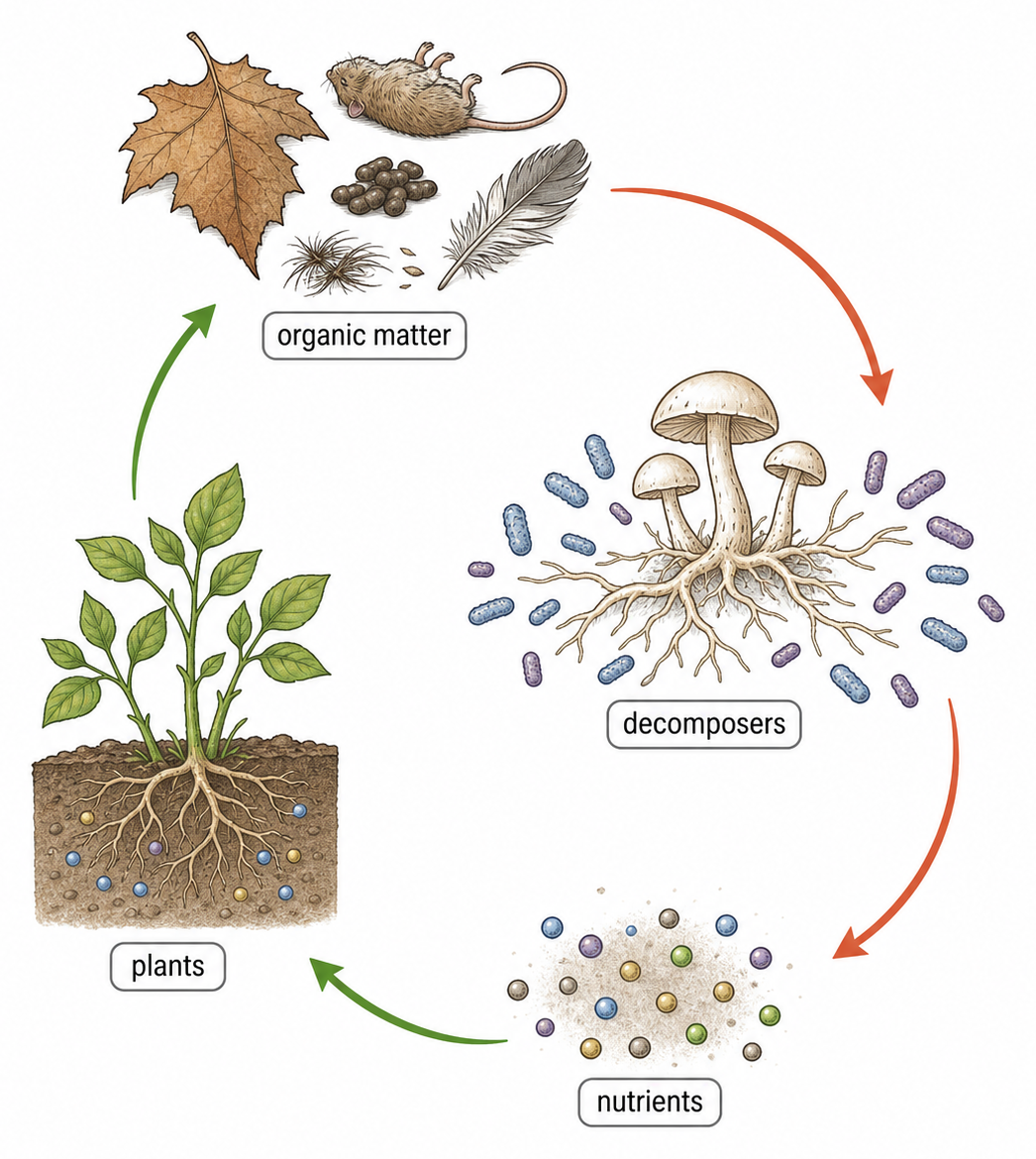
  • Decomposers obtain energy from detritus and return inorganic nutrients to producers.
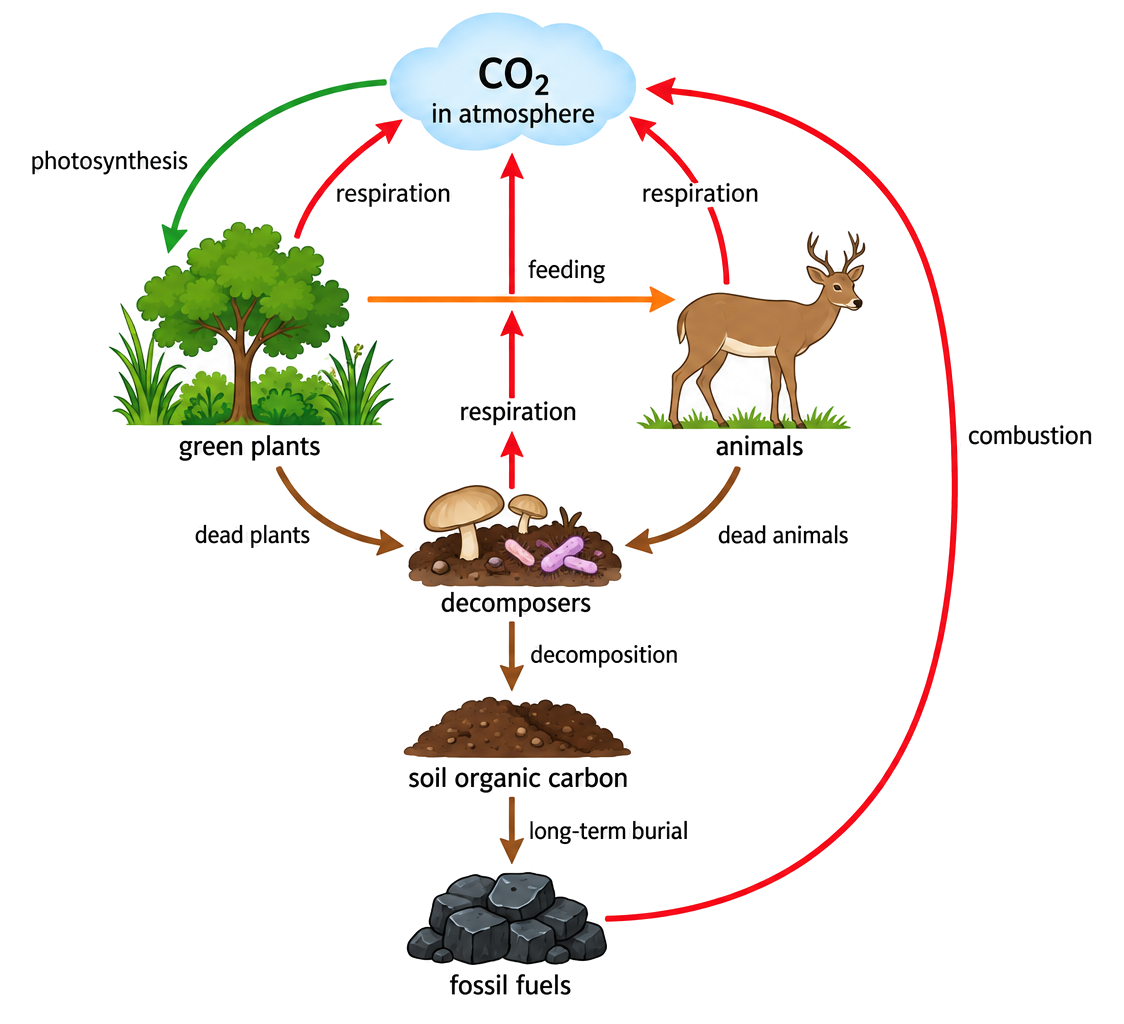
  • Carbon-cycle diagrams distinguish stores and fluxes. Photosynthesis removes CO2; respiration, decomposition and combustion release it.
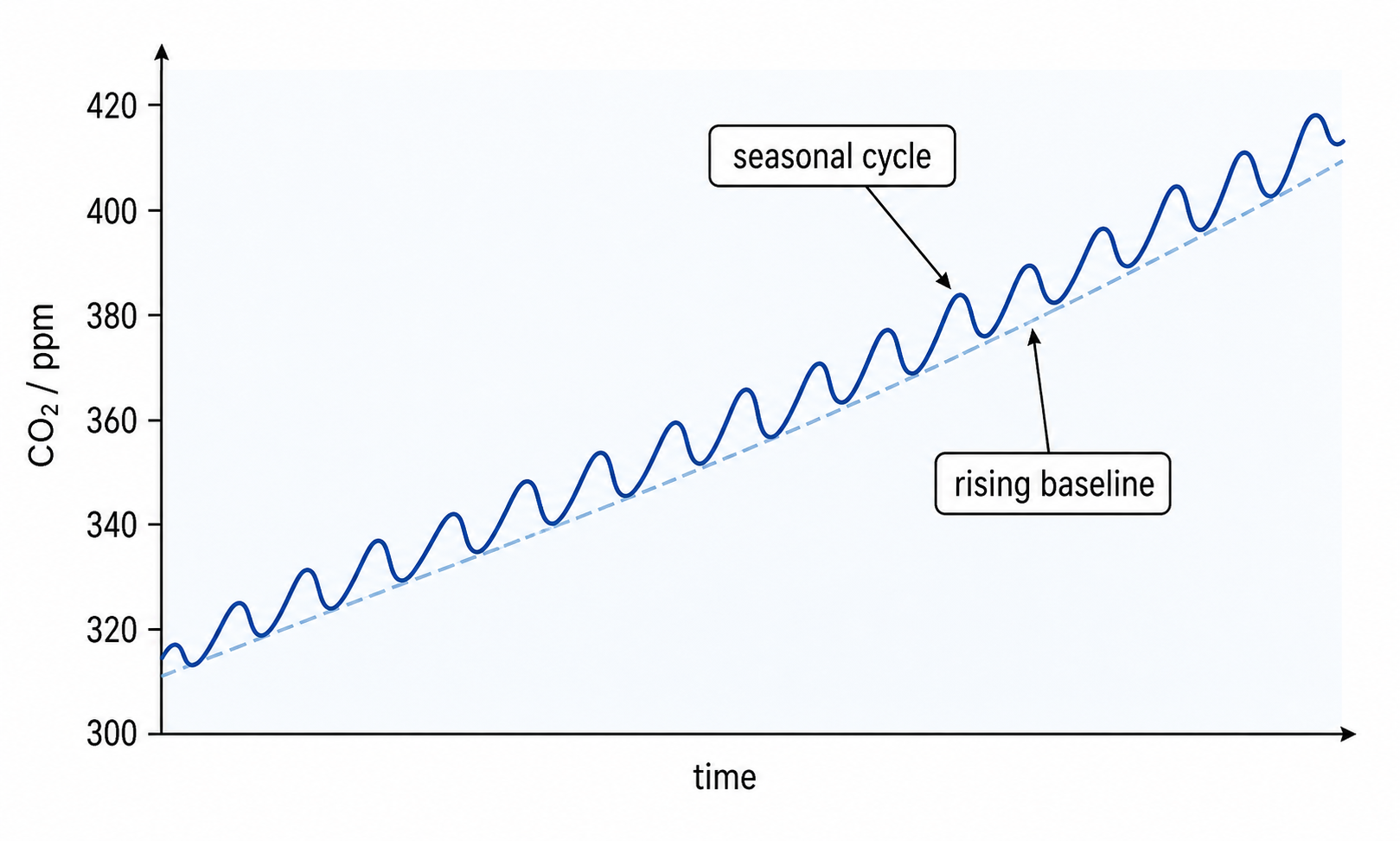
  • A sink absorbs more carbon than it releases; a source does the reverse. The Keeling Curve shows a long-term atmospheric CO2 rise with seasonal oscillation.

Concept essentials

  • Sunlight as principal energy source must be linked to the correct source, store, transfer or loss process.
  • The evidence for sunlight as principal energy source depends on distinguishing energy flow from matter cycling.
  • Sunlight as principal energy source is clearer when arrows, units and trophic positions match the biological process.
  • Data or diagrams for sunlight as principal energy source need interpretation as ecosystem transfer evidence.
ConceptIB Biology HL