C4.2.8—Heterotrophs
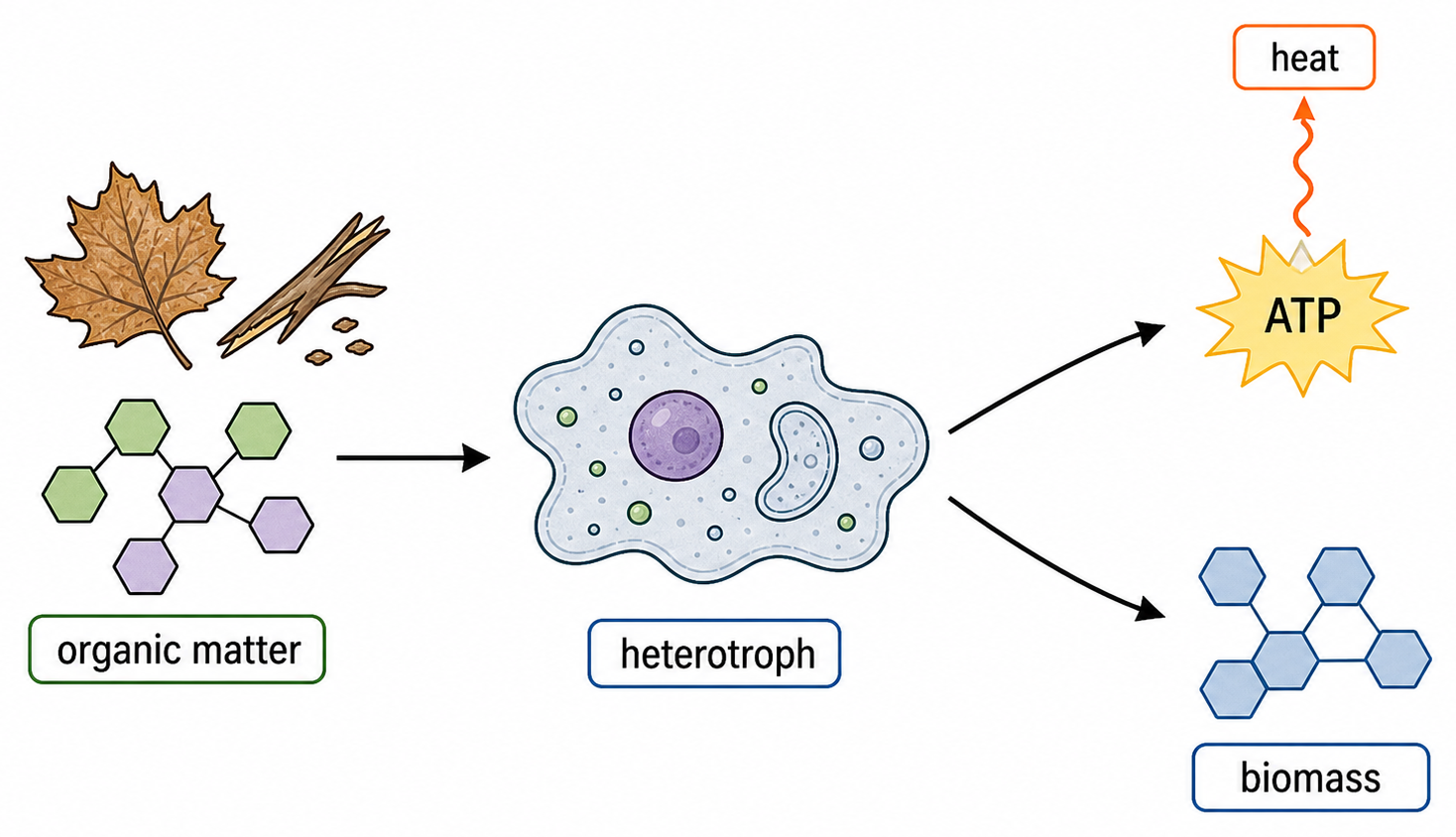
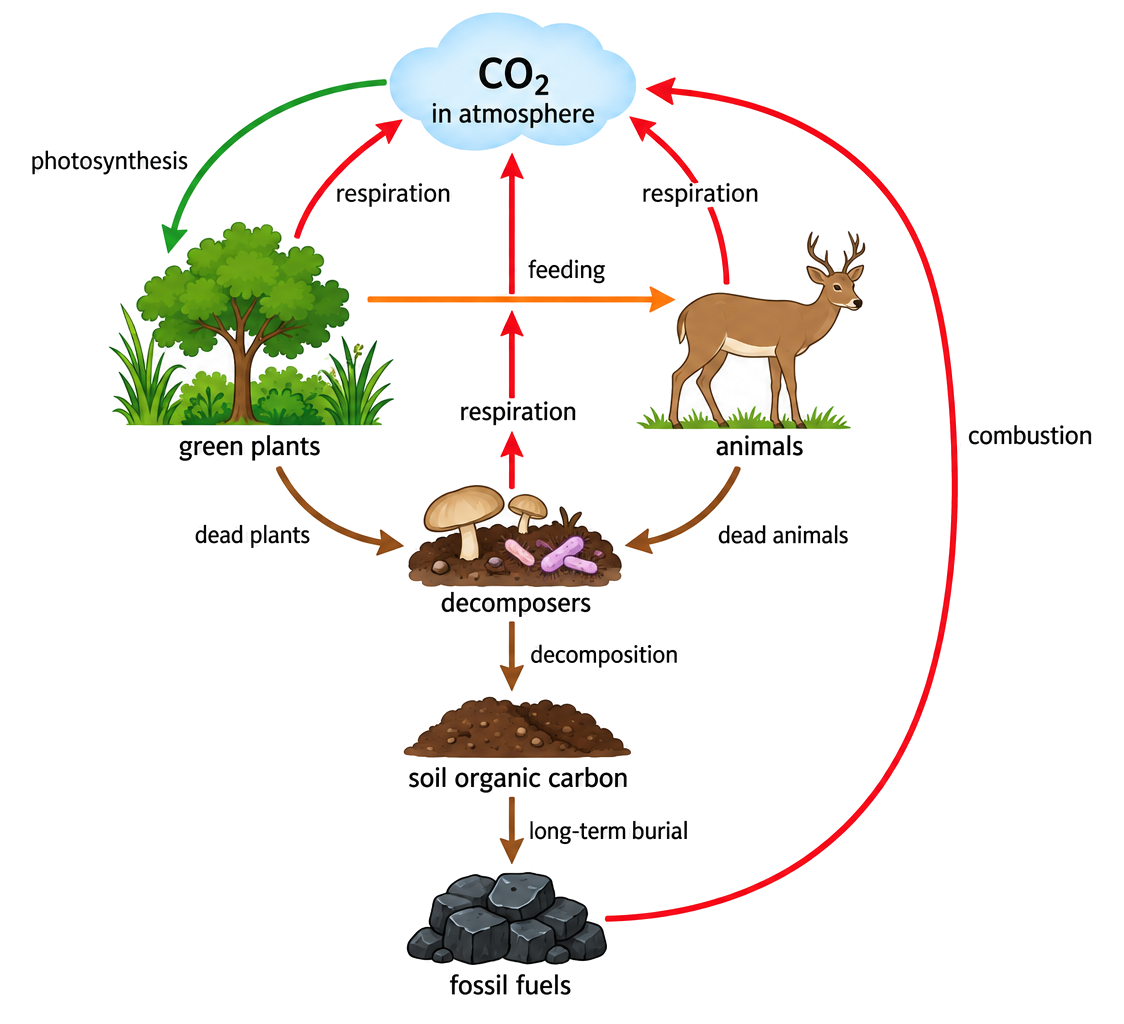
Heterotrophs obtain organic carbon compounds from other organisms or detritus, using digestion and respiration to build biomass and release usable energy.
- Syllabus
- First assessment 2025
- Objective
- C4.2.8
- Level
- HL
Heterotrophs obtain organic carbon compounds from other organisms or detritus, using digestion and respiration to build biomass and release usable energy.

Coverage 2012–2025 · Updated 16 Jul 2026
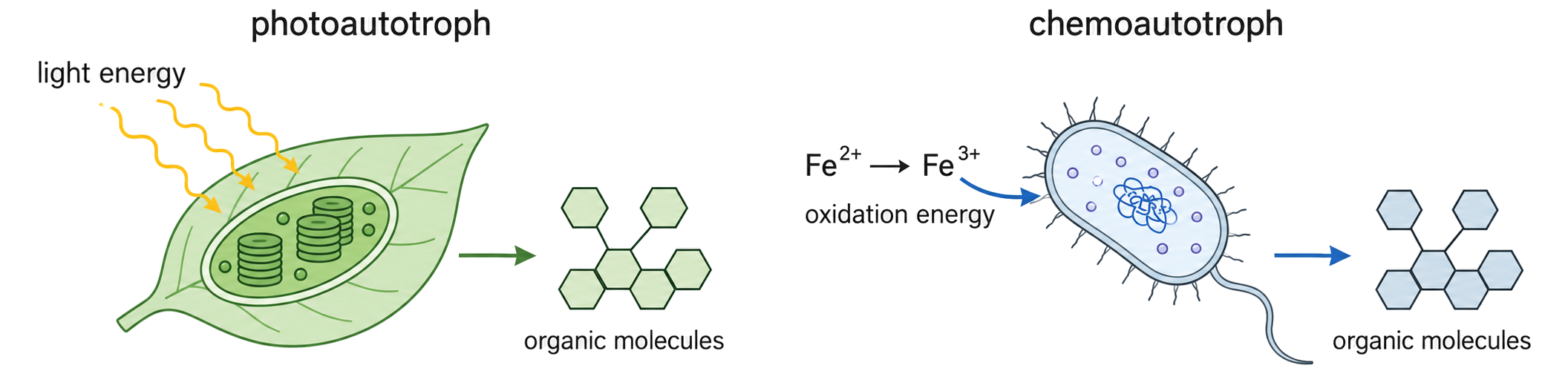
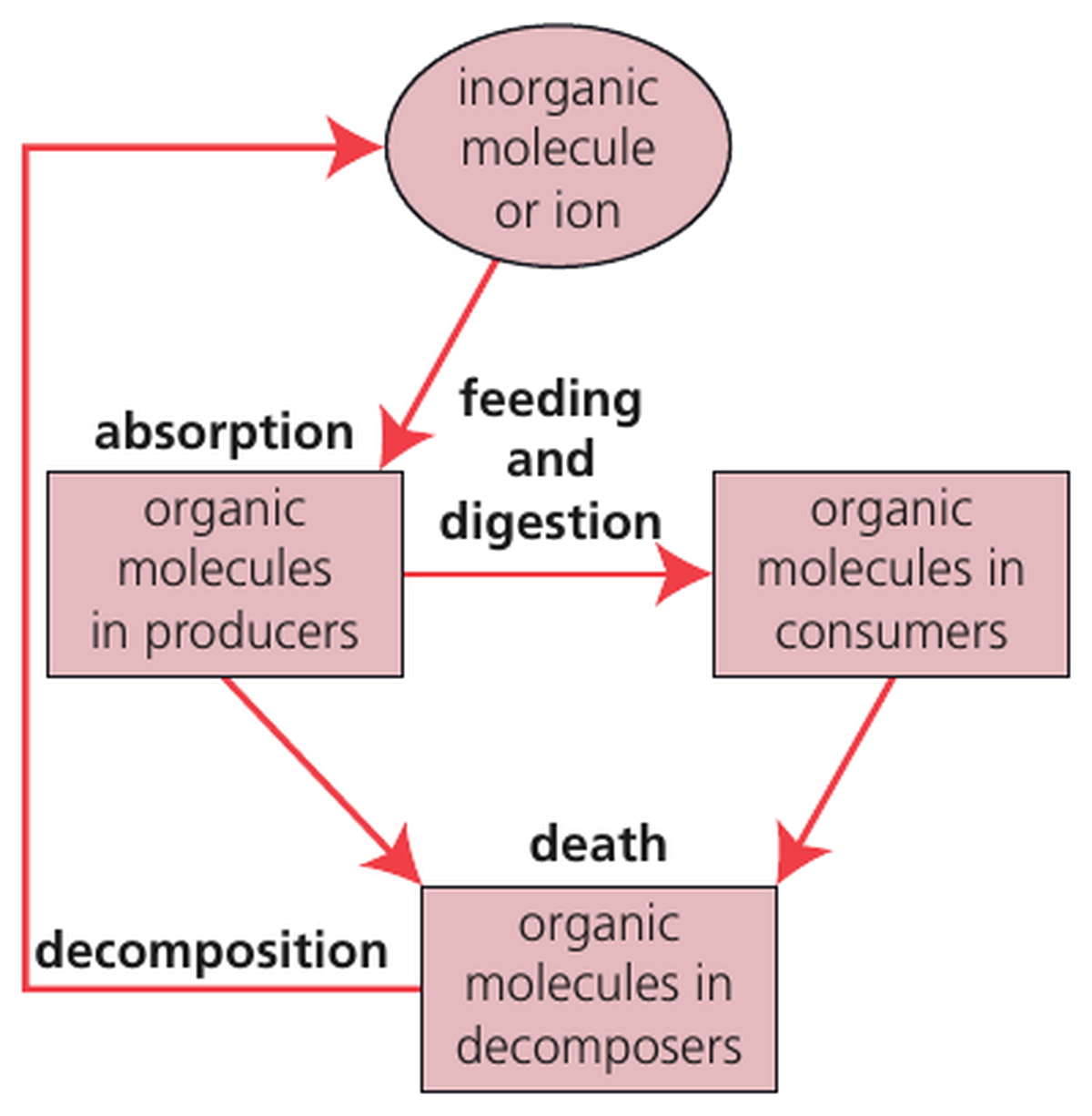
Heterotrophs obtain carbon compounds from other organisms and use them to synthesize the carbon compounds they require.
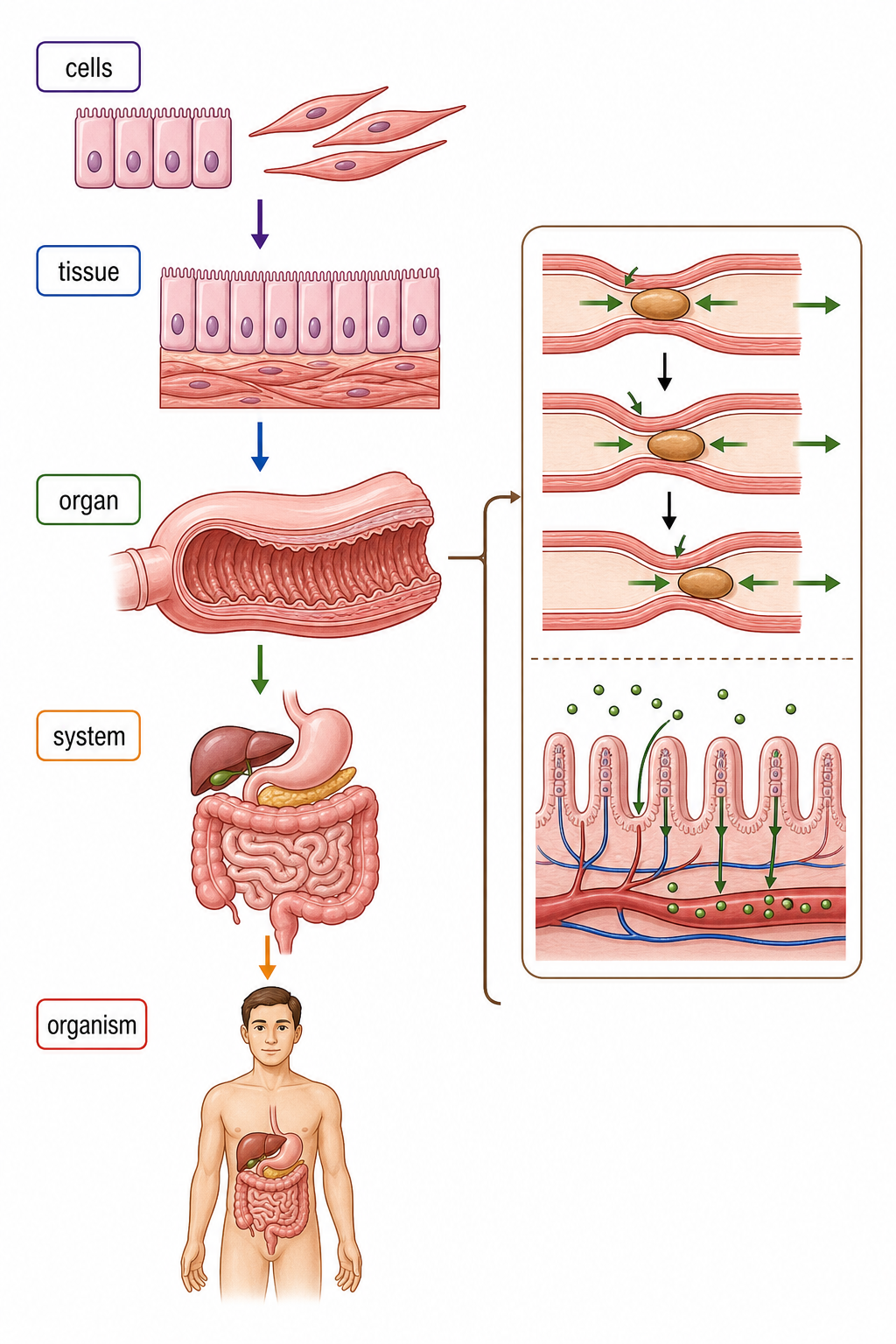
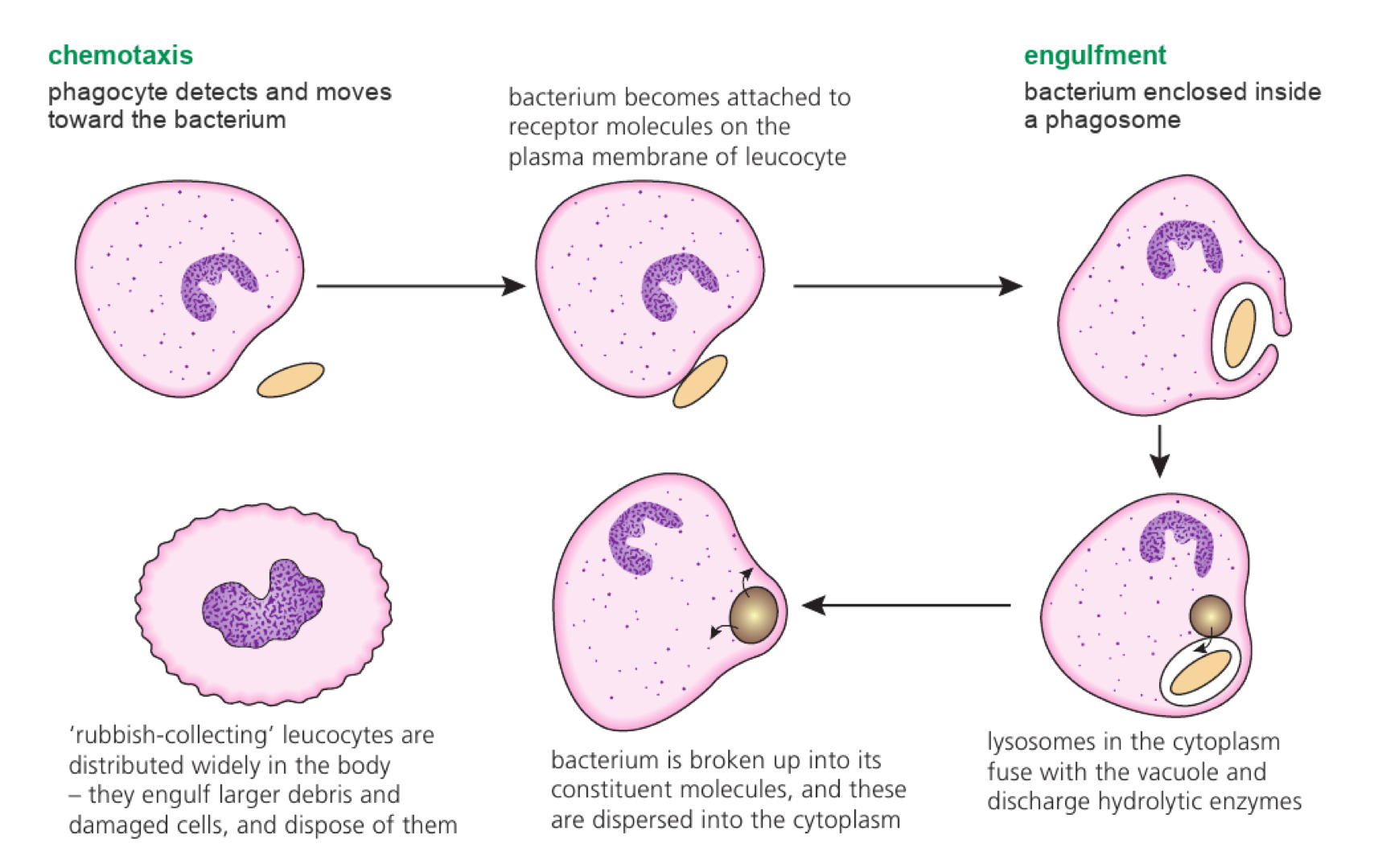
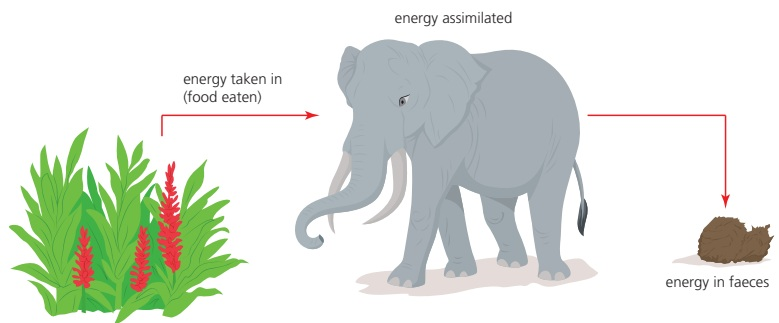
Complex molecules such as proteins and nucleic acids are too large to assimilate directly. They are digested internally in animals or externally by organisms such as fungi, producing smaller molecules that can be absorbed.
Other organism/detritus → internal or external digestion → small molecules absorbed → assimilation into new, organism-specific proteins, nucleic acids and other carbon compounds.
An animal digests dietary protein to amino acids and then assembles those amino acids into its own enzymes; a fungus performs digestion outside its body before absorption.
Assimilation is not simply absorption: it is incorporation and reconstruction into the organism's own compounds. Heterotrophs still respire and recycle nutrients.
This objective is assessed through essay response, commonly using Identify / Describe / State.
Identify / Describe / State / Compare / Contrast
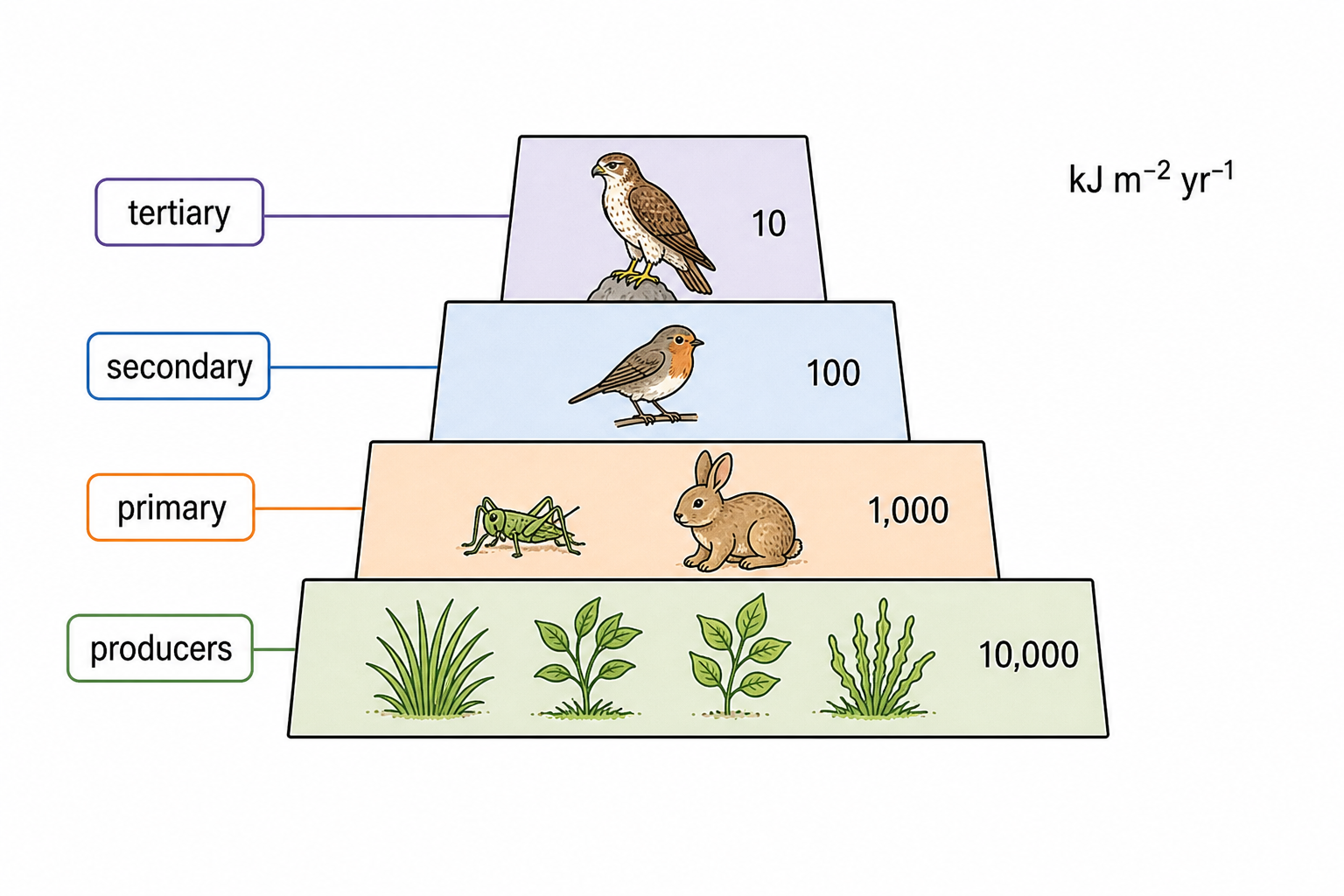
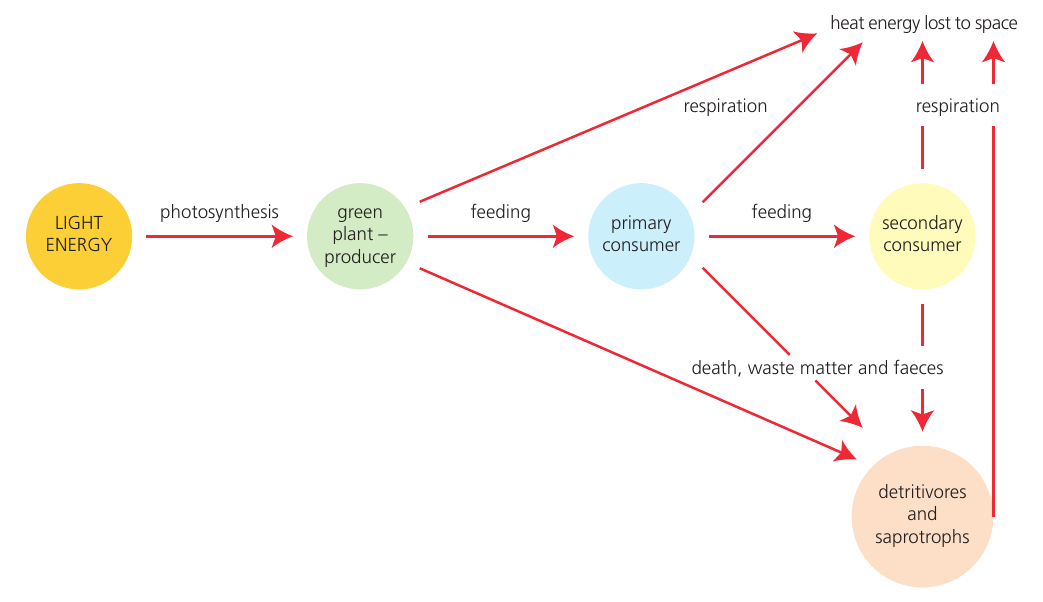
Build the answer around this relationship: Heterotrophs must be linked to the correct source, store, transfer or loss process.
Reversing food-web arrows instead of showing energy transfer direction.
Representative question
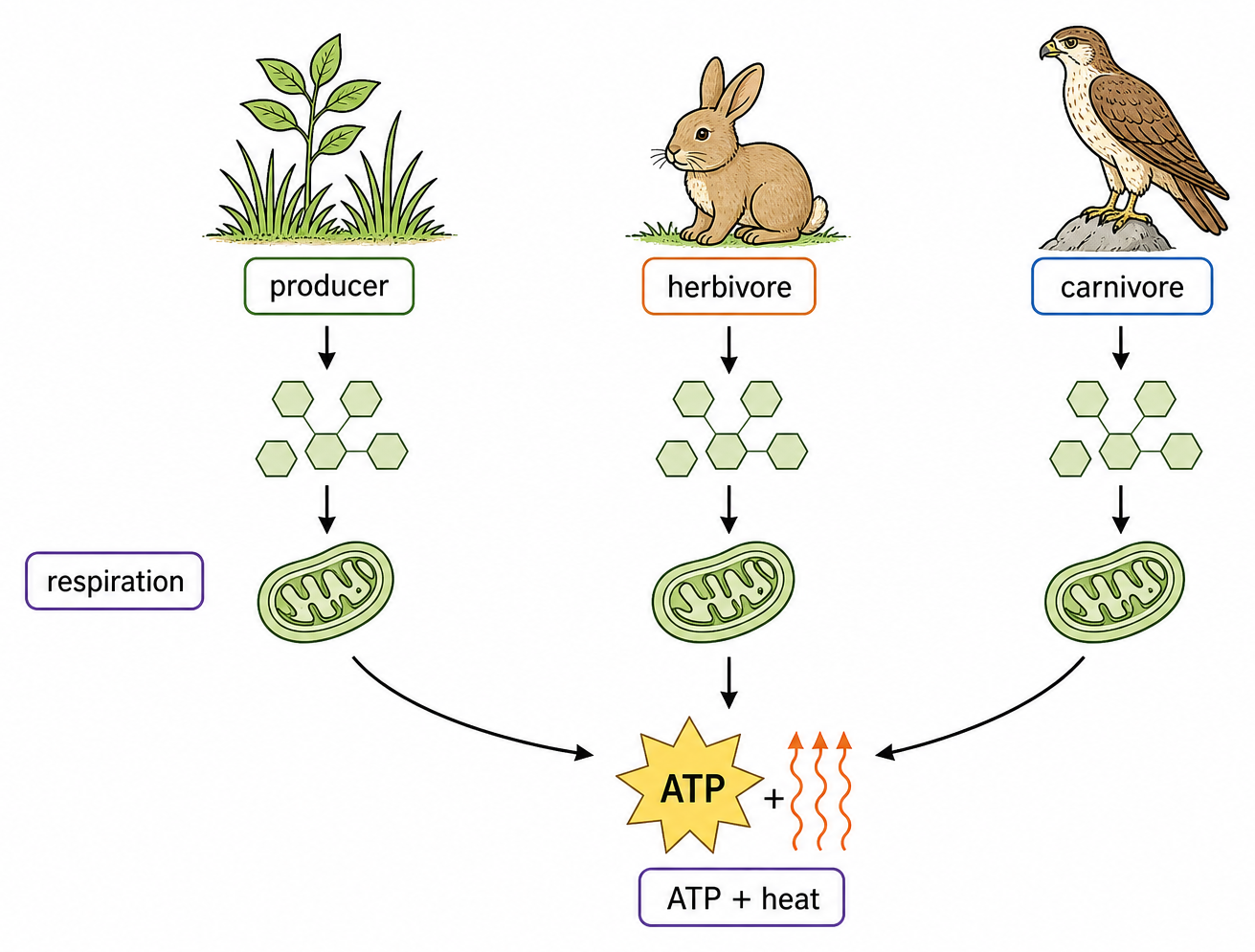
Compare and contrast how different types of heterotrophs obtain the energy that they need to produce ATP.
Similarities
a. (all heterotrophs) use foods/carbon compounds/other organisms as their energy source/to use for ATP production;
b. (all heterotrophs) get energy/carbon compounds/organic compounds/glucose/carbohydrate/lipids/fats from other organisms;
Differences
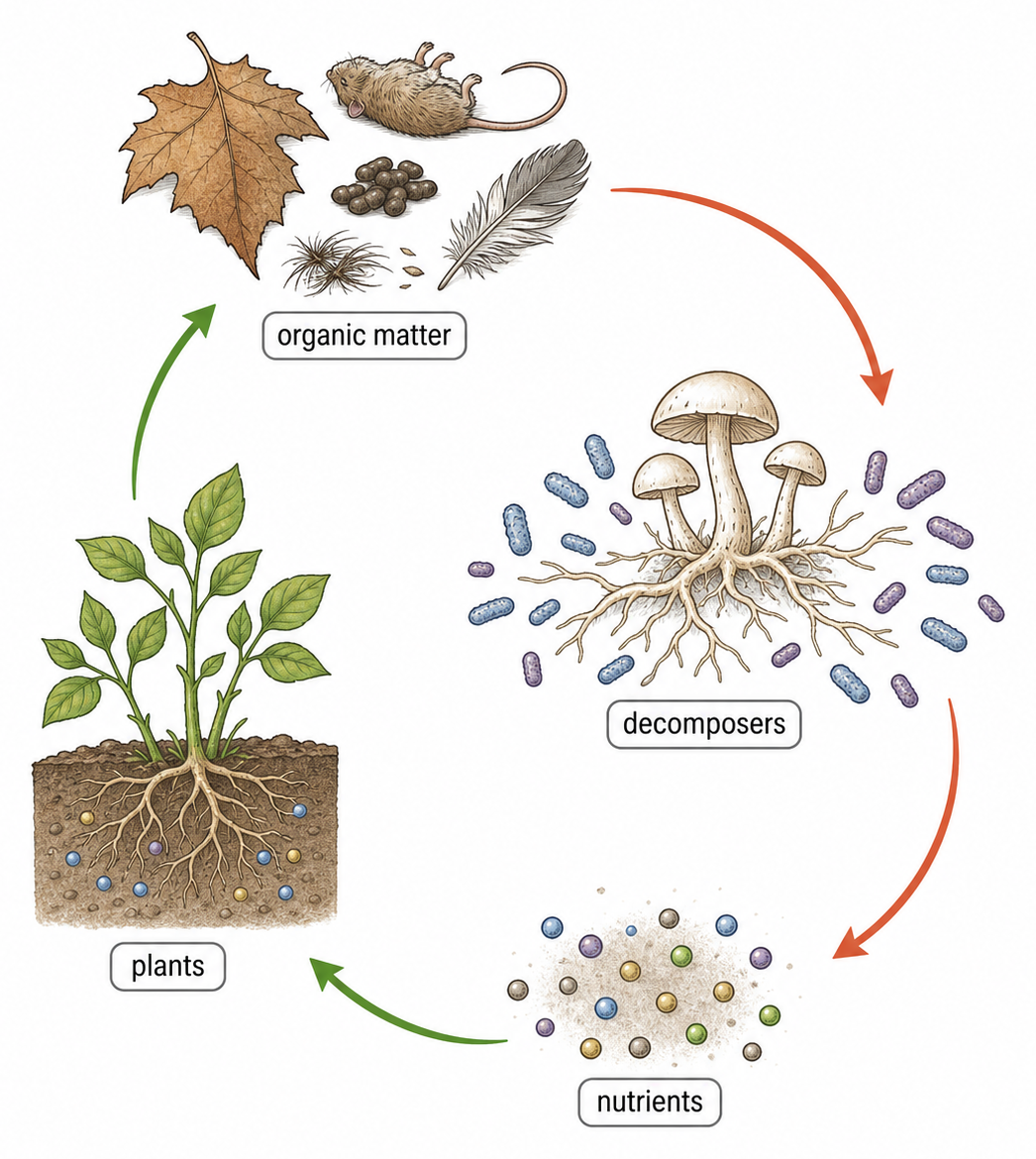
c. saprotrophs/decomposers feed on dead organic matter;
d. saprotrophs/decomposers secrete digestive enzymes into the food source / digest externally;
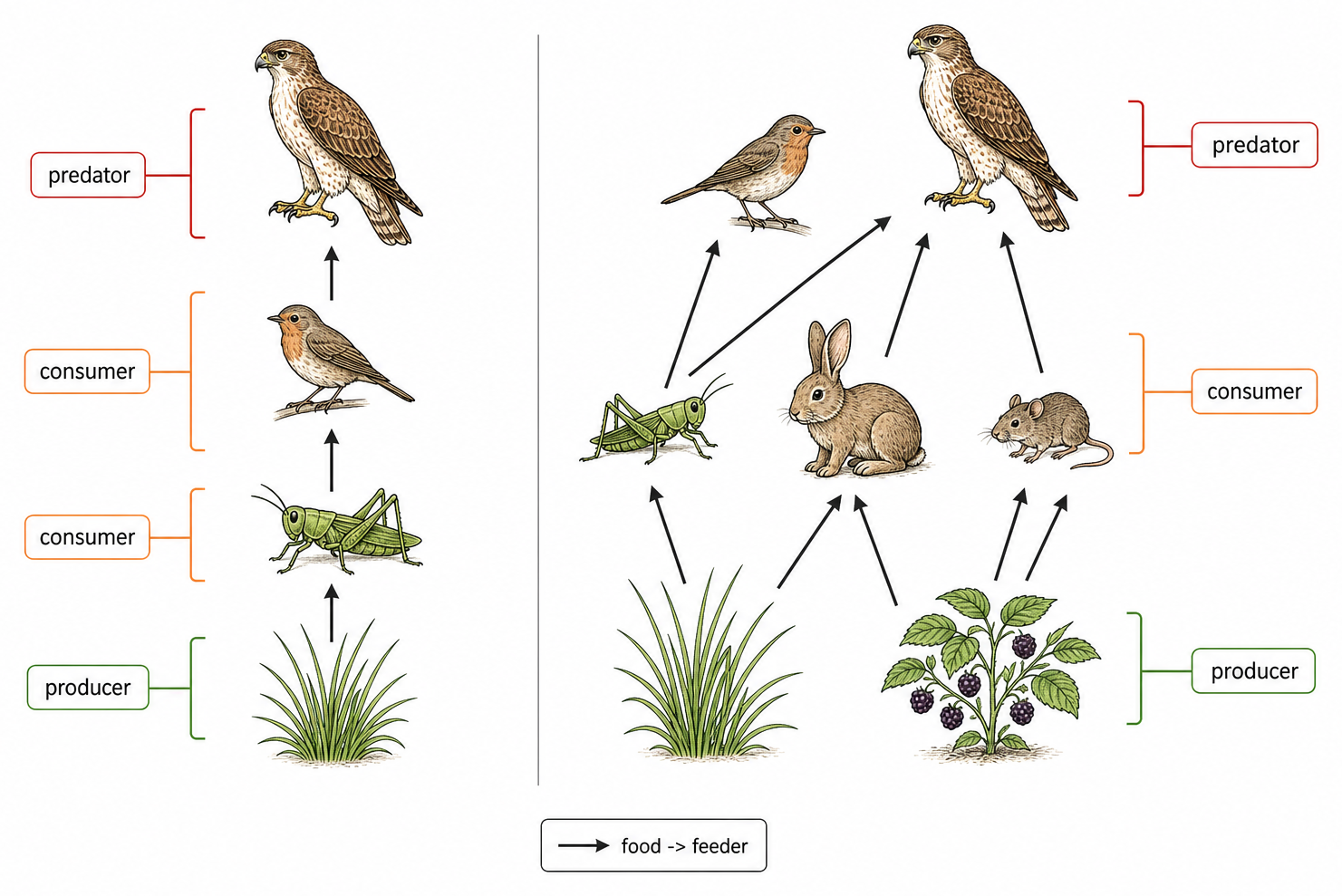
e. consumers feed on living organisms/other organisms;
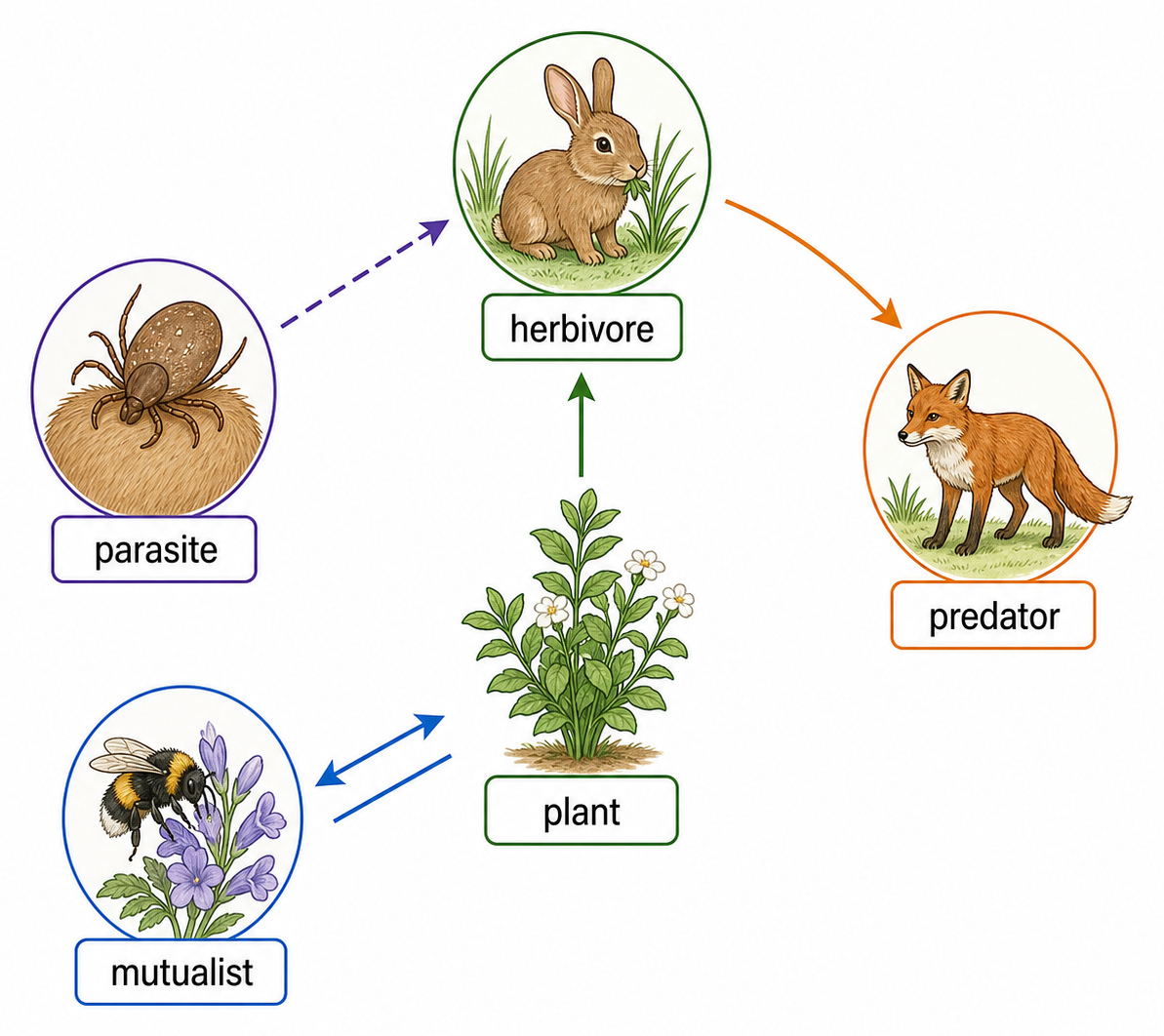
f. primary consumers feed on plants/other example of feeding relationships in a food chain;
g. detritivores ingest detritus/OWTTE;
h. digestion of food so compounds can be absorbed;
i. internal digestion in holozoic animals/detritivores;
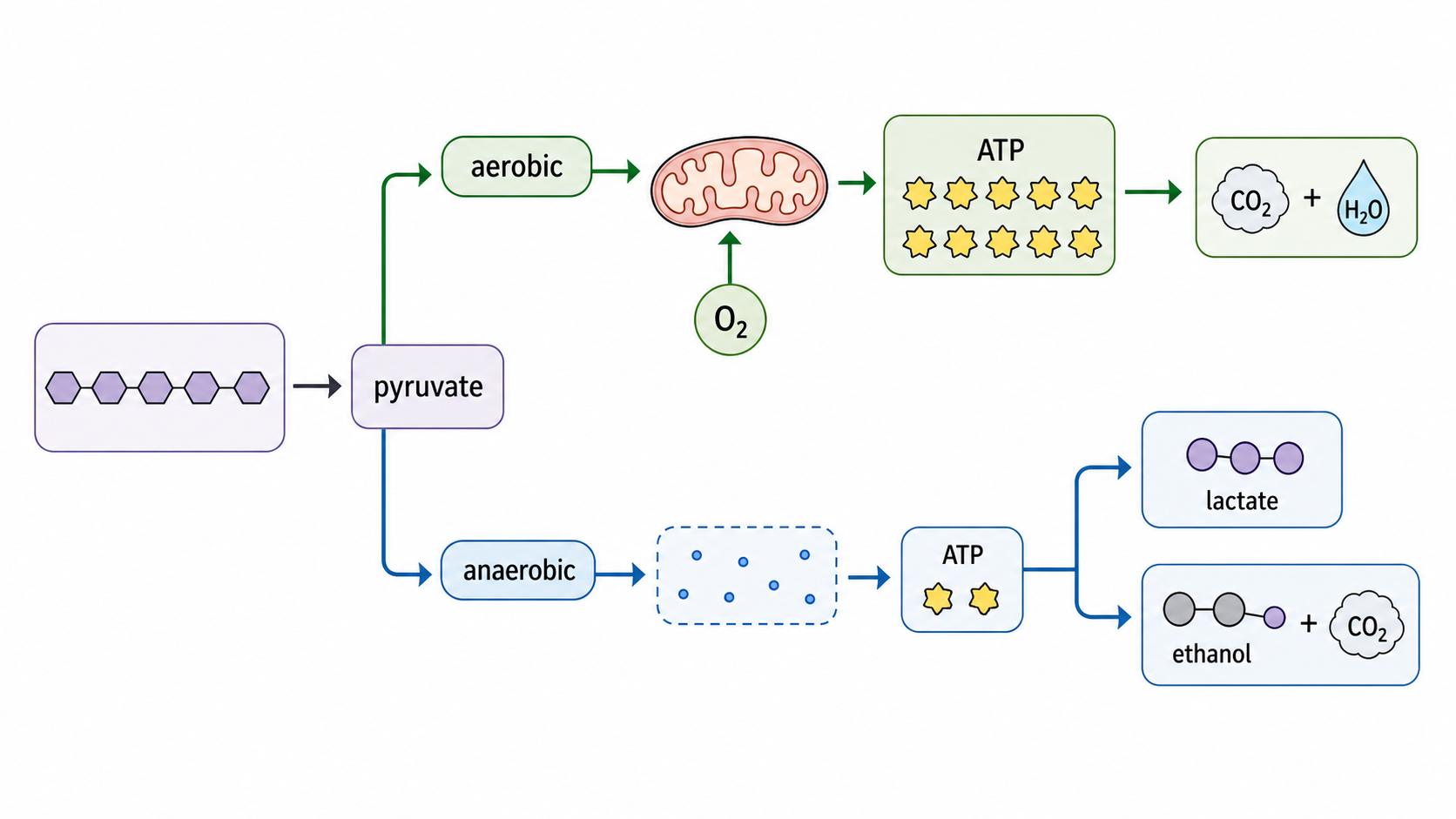
j. energy from carbon compounds used to produce ATP by cell respiration;
5
Marking guidance:
max