C3.2.3—Blood clotting
Blood clotting explains how a specific barrier, pathogen interaction, immune mechanism or treatment response contributes to protection against infectious disease.
- Syllabus
- First assessment 2025
- Objective
- C3.2.3
- Level
- HL
Blood clotting explains how a specific barrier, pathogen interaction, immune mechanism or treatment response contributes to protection against infectious disease.

Coverage 2012–2023 · Updated 16 Jul 2026
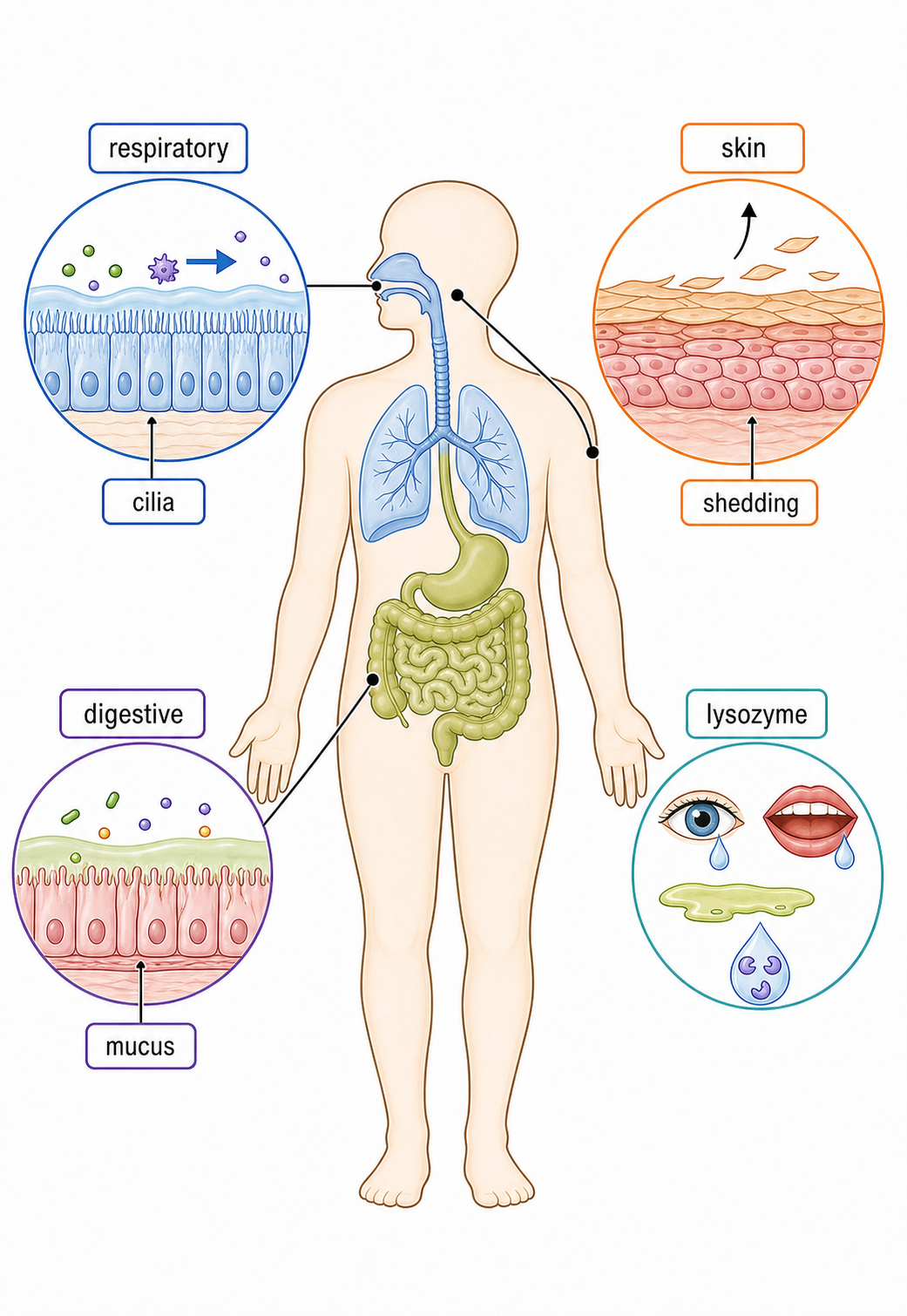
Blood clotting rapidly seals a cut in the skin, limiting blood loss and pathogen entry.
Platelets at damaged tissue release clotting factors that start a cascade. The cascade produces thrombin, which rapidly converts soluble fibrinogen into insoluble fibrin strands.
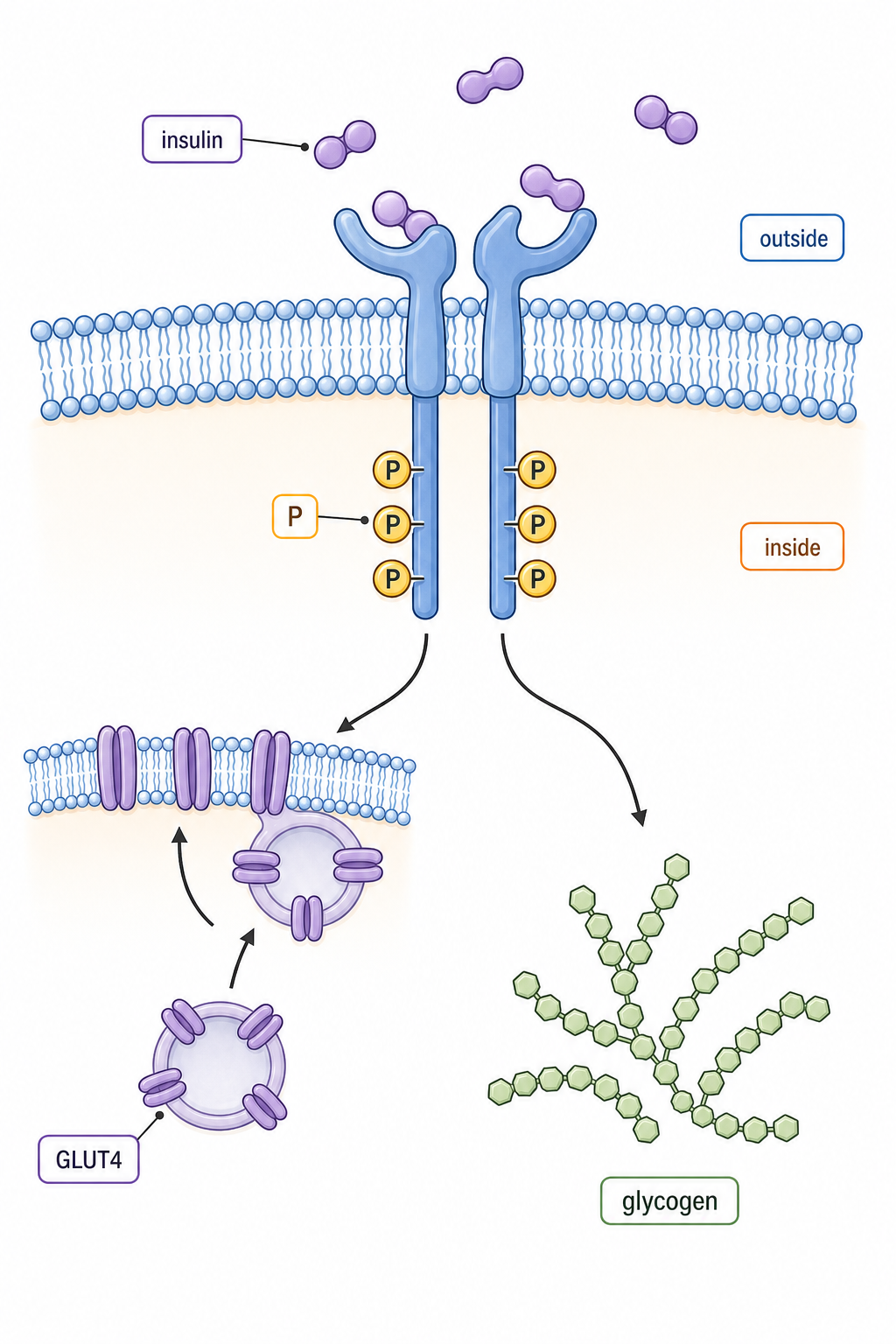
Cut → platelet activation and clotting-factor release → cascade → thrombin → fibrinogen converted to fibrin → fibrin mesh traps erythrocytes → clot seals wound.
At a skin cut, the fibrin mesh stabilizes the platelet plug and traps red blood cells, forming a clot that can dry into a protective scab.
Thrombin converts fibrinogen to fibrin; it is not the mesh itself. Further clotting-factor details are outside this objective.
This objective is assessed through structured response, commonly using Identify / Describe / State.
Identify / Describe / State / Explain / Outline
Mark schemes repeatedly reward named details, correct sequence and clear distinctions between similar processes.
Reversing fibrinogen and fibrin in the clotting sequence.
Representative question
Explain how blood clotting occurs and the consequence for a person who has hemophilia.
Clotting process:
Blood clotting seals cuts in the skin.
Clotting factors are released from platelets.
Thrombin is activated.
A cascade reaction occurs with thrombin.
Thrombin causes fibrinogen to be converted to fibrin.
Fibrin forms a clot/blocks the cut/prevents blood from being lost.
Consequences of hemophilia:
If a person does not have enough clotting factors/has hemophilia, the clot will not form.
Pathogens can enter the body more easily.
Blood will be lost from a cut, affecting blood pressure / causing bleeding to death.
Loss of blood affects the amount of hemoglobin/O2 carried around the body.
Reference to lifestyle / menstrual/birth problems, e.g. surgery or contact sports.