C3.2.5—Phagocytes

Phagocytes explains how a specific barrier, pathogen interaction, immune mechanism, treatment response or population process contributes to protection against infectious disease.

Syllabus
First assessment 2025
Objective
C3.2.5
Level
HL

Exam analysis

Chance of appearing2%of analysed past papers
Latest appearanceNovember 2020
Most common paperPaper1
Typical marks1

Common command terms

  • Describe
  • Outline
  • Identify

Scoring notes

Common mistake
Naming symptoms without linking them to the causative pathogen or transmission route.

Recent exam appearances

November 2020Paper1 ["HL"] · TZ022[ 1 ]C3.2.5—Phagocytes
May 2014Paper1 ["HL"] · TZ222[ 1 ]C3.2.5—Phagocytes
Practice this objective

Coverage 2014–2020 · Updated 16 Jul 2026

Phagocytes remove invaders by engulfing them

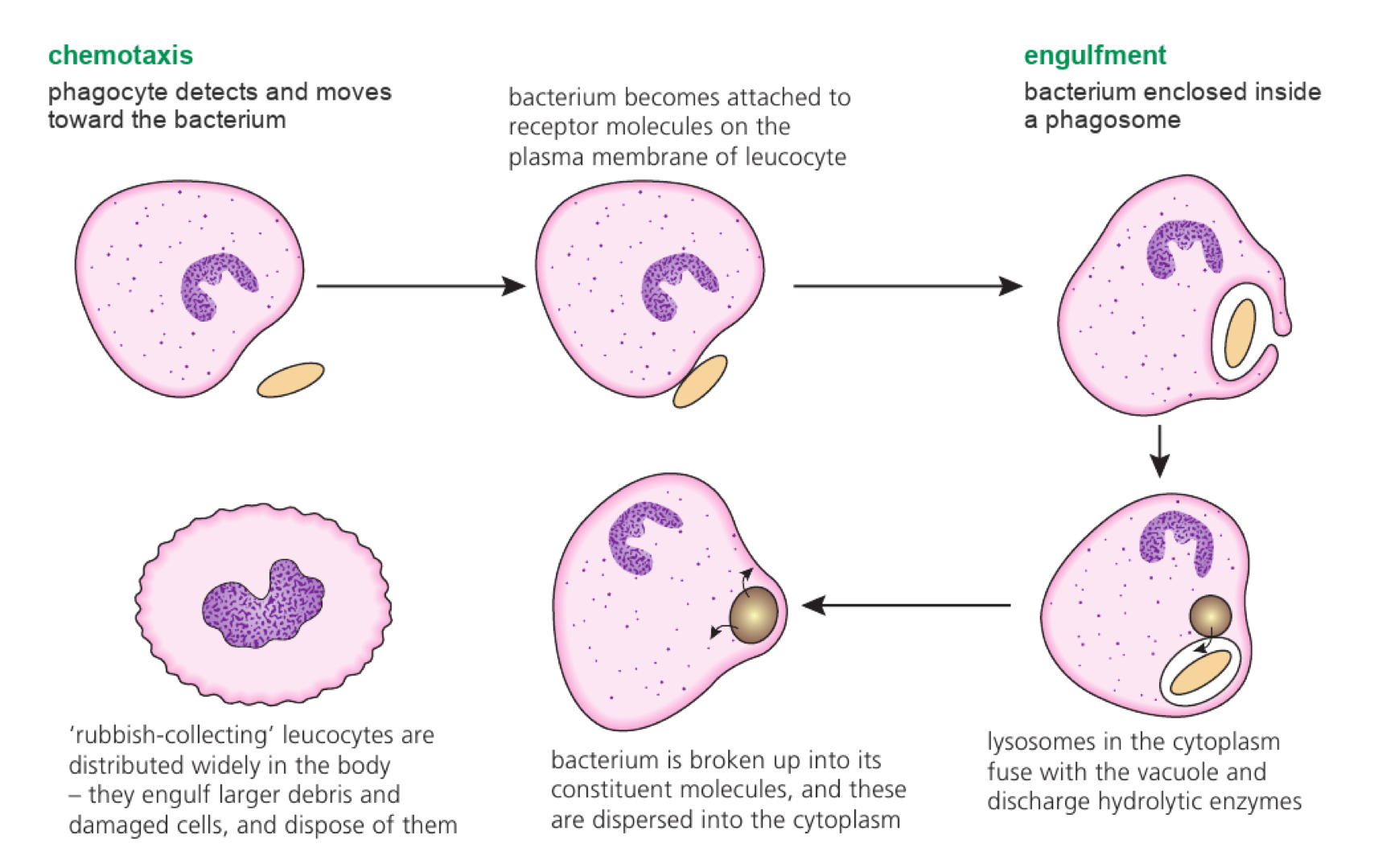
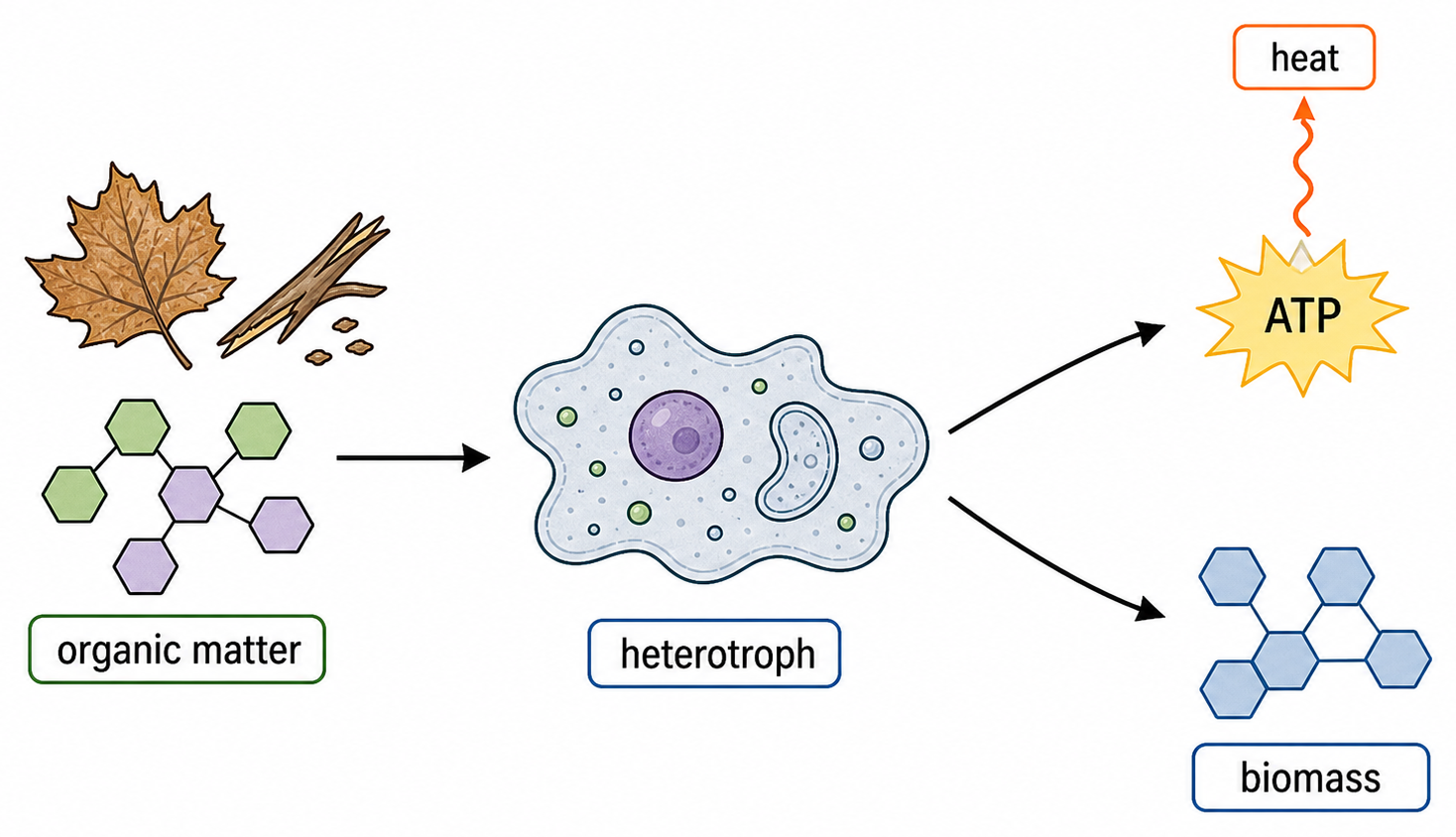
Phagocytes control infection by leaving the blood, moving amoeboidly to infected tissue, recognizing pathogens, engulfing them and digesting them.

Chemical signals guide phagocytes to an infection site. The flexible cell membrane changes shape during amoeboid movement and encloses a recognized pathogen by endocytosis in a vesicle.

Blood → amoeboid movement into infected tissue → pathogen recognition → endocytosis/phagosome → lysosome fusion → lysosomal enzymes digest pathogen.

A neutrophil leaves a capillary, crawls through tissue, encloses a bacterium and digests it after lysosomes fuse with the phagosome.

Phagocytosis is an innate cellular response, not antibody production. Engulfment contains the pathogen; lysosomal enzymes perform digestion.

Phagocytes exam focus

Assessment in practice

1–4 marks
How it is assessed

This objective is assessed through structured response, commonly using Describe / Outline / Identify.

Command terms

Describe / Outline / Identify

What earns marks

Mark schemes repeatedly reward named details, correct sequence and clear distinctions between similar processes.

Watch for

Naming symptoms without linking them to the causative pathogen or transmission route.

Representative question

Question 1

[Maximum number: 4]

Describe how phagocytic leucocytes may act as a defence against disease.

Defence Against Disease

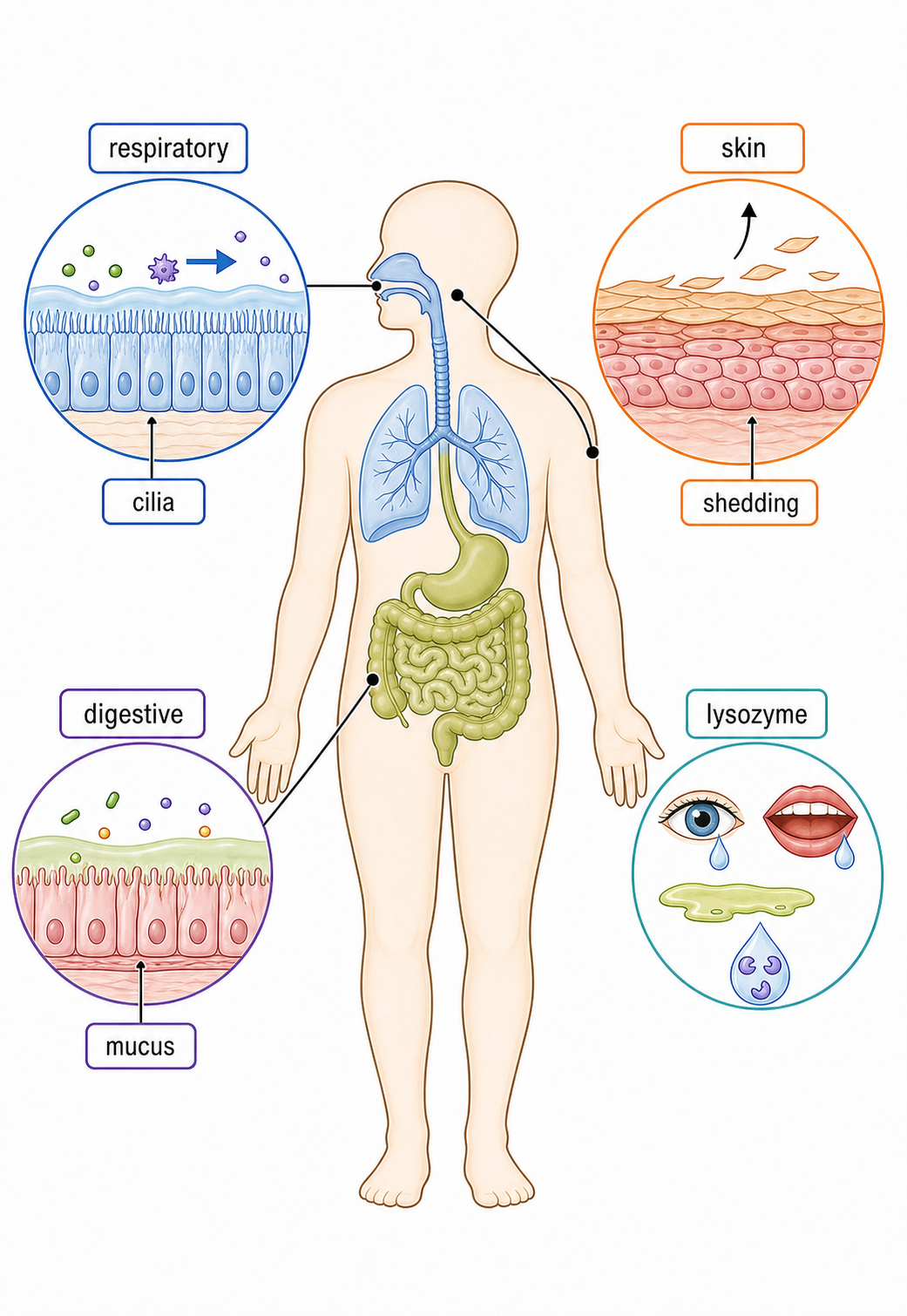
  • Skin, mucus, cilia, lysozyme and clotting form primary barriers against pathogens.
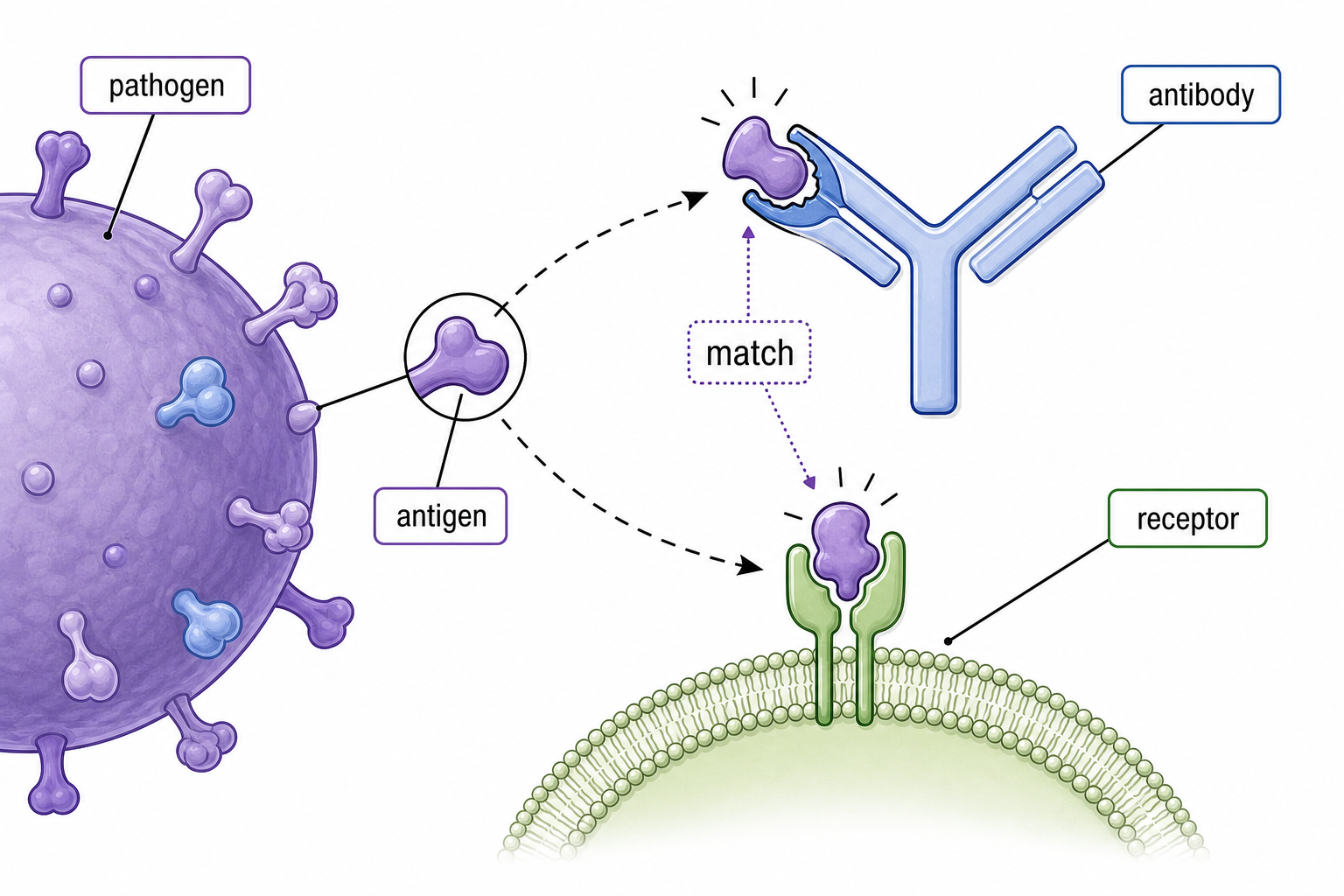
  • Innate immunity is rapid and broad: phagocytes recognize, engulf and digest pathogens. Adaptive immunity is antigen-specific and forms memory.
  • Helper T-cells coordinate responses; activated B-cells undergo clonal selection, producing antibody-secreting plasma cells and memory cells. A second exposure therefore triggers a faster, stronger response.
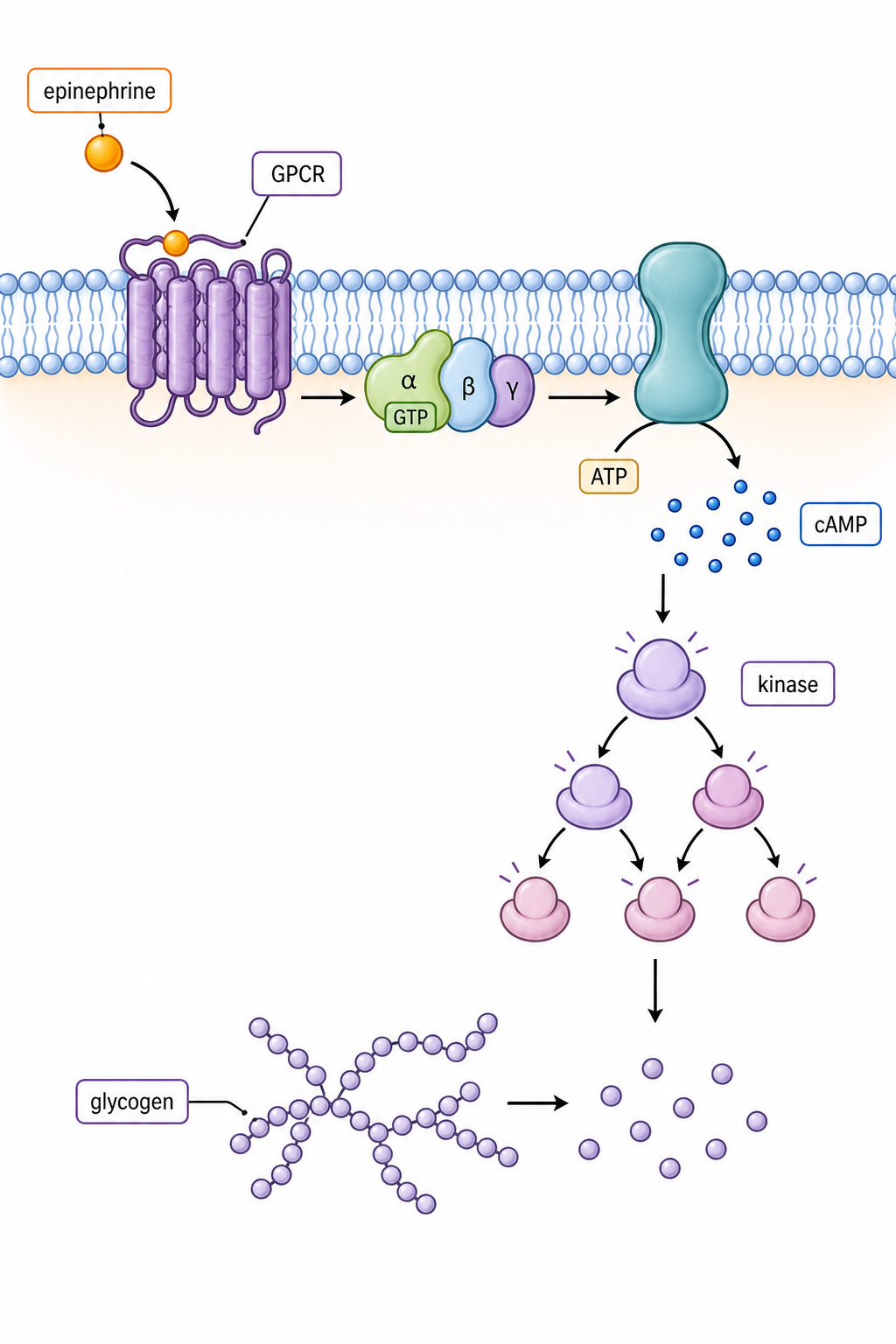
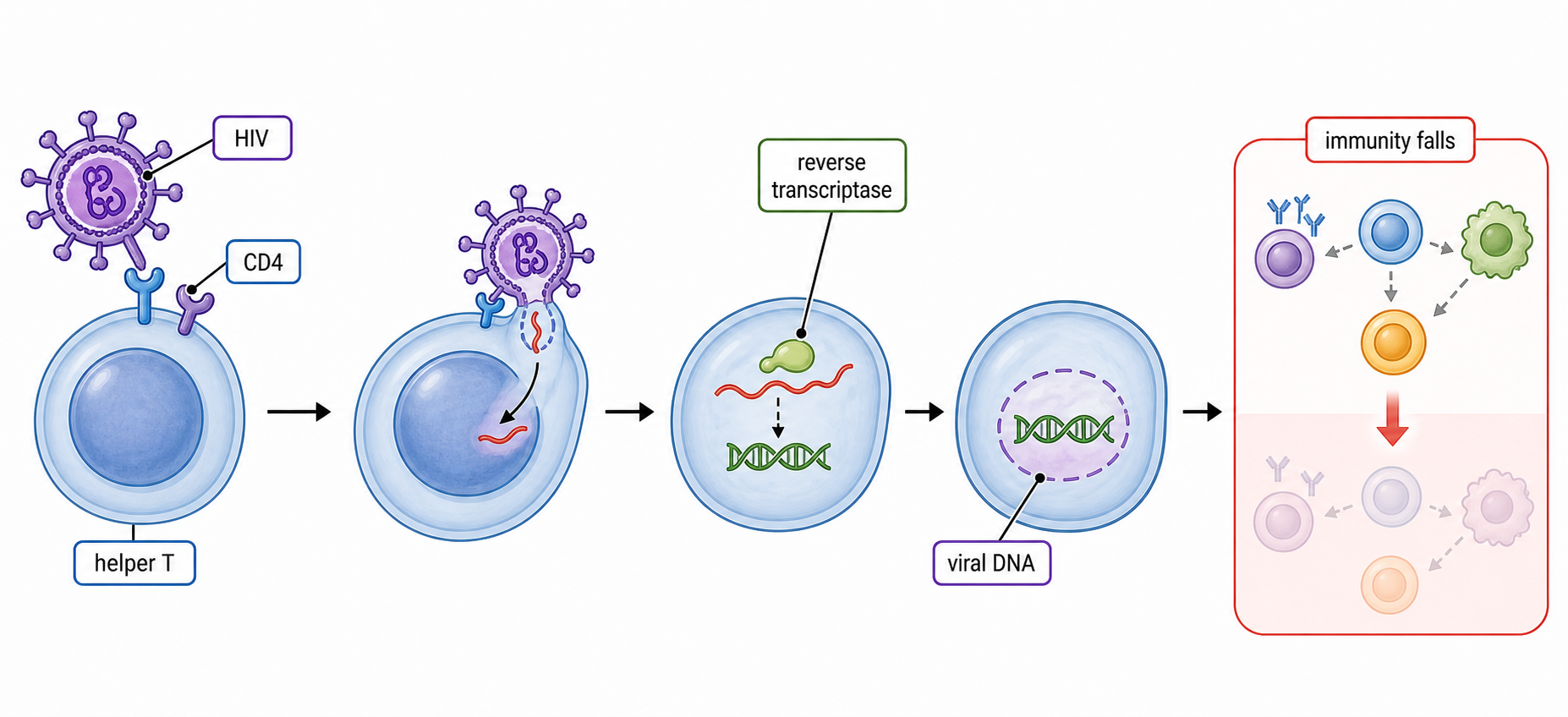
  • HIV infects CD4 helper T-cells; their loss weakens immune coordination and can lead to AIDS.
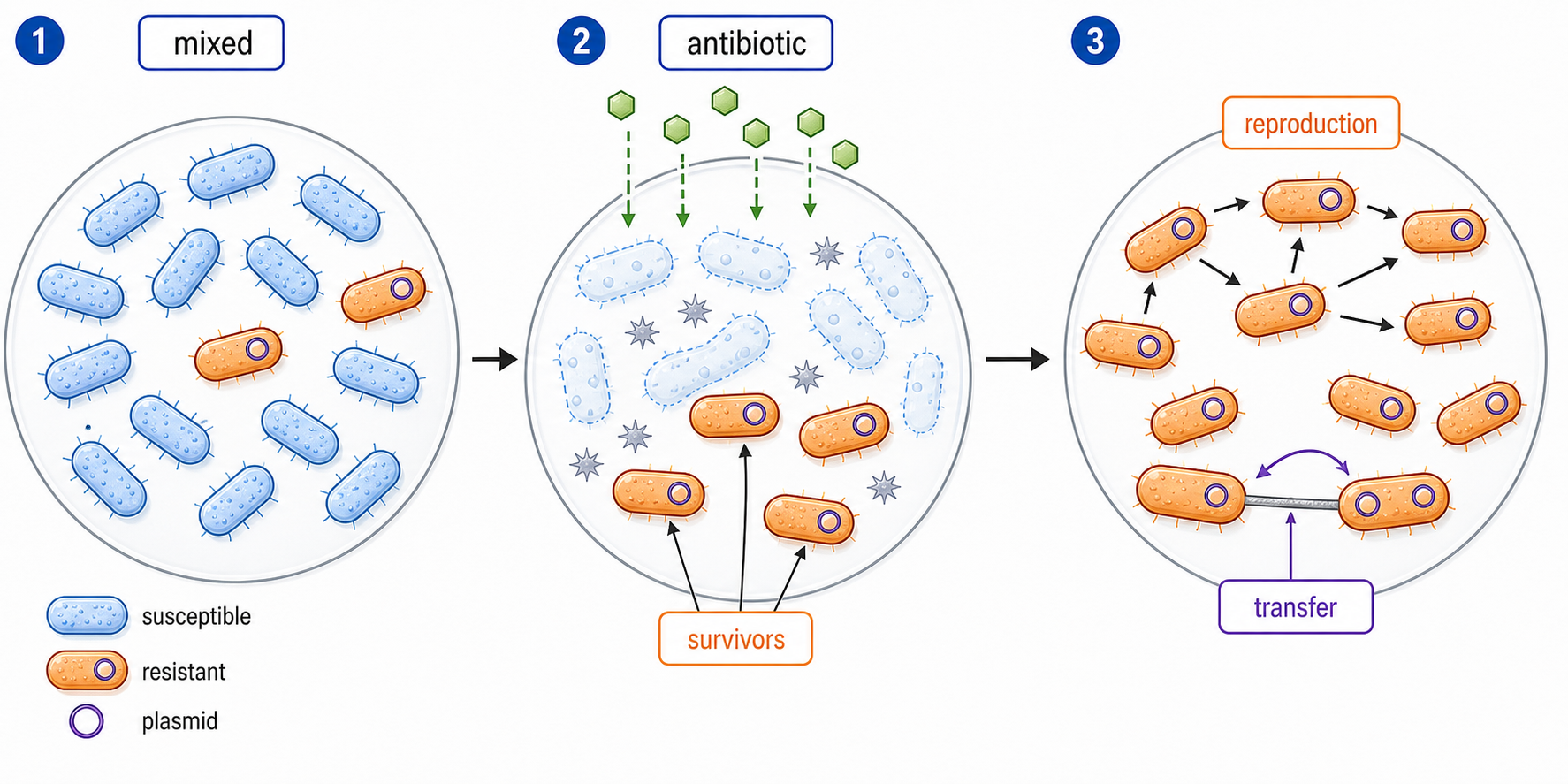
  • Antibiotics target bacterial processes, not viruses. Antibiotic exposure selects resistant variants, which can spread by reproduction or plasmid transfer.
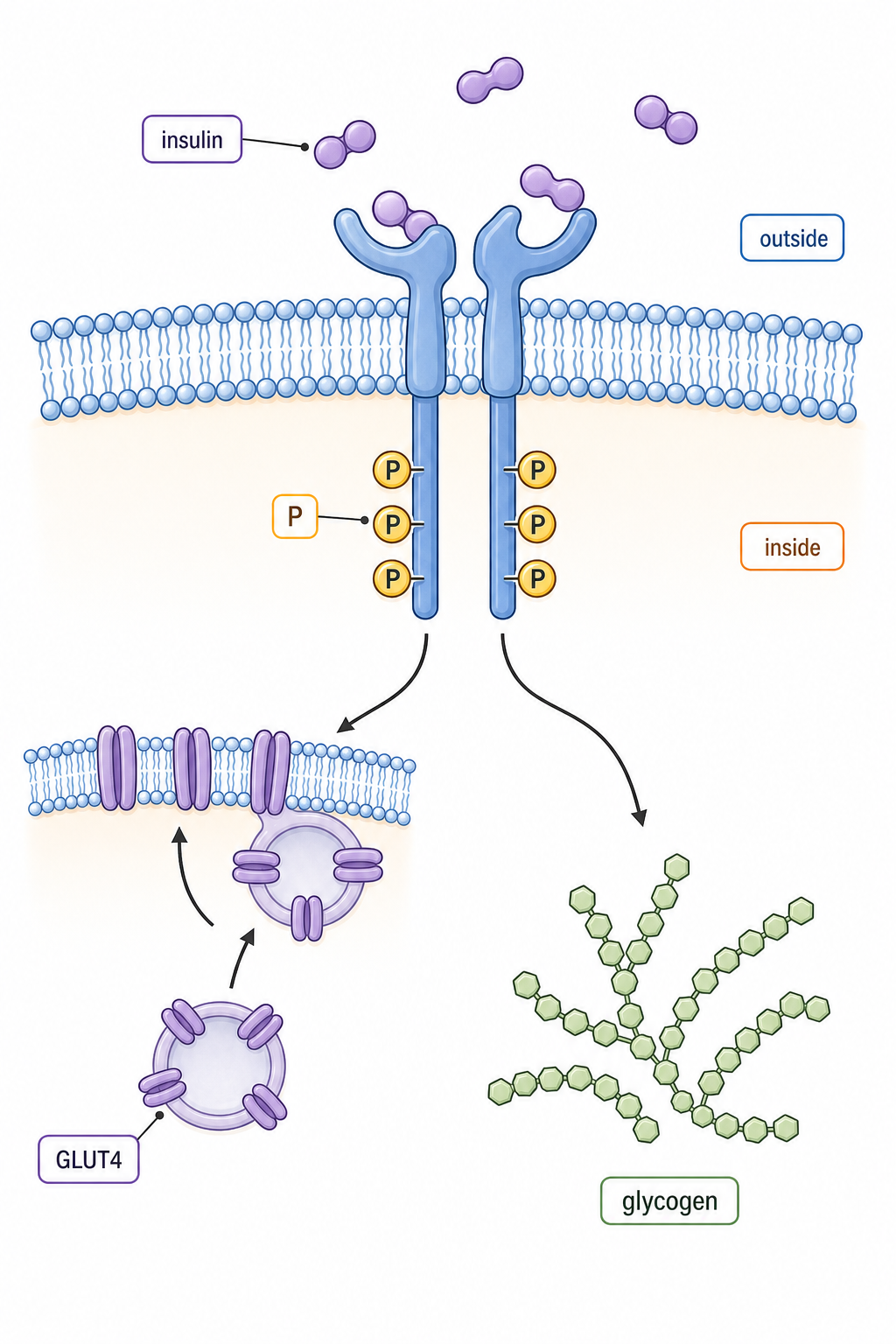
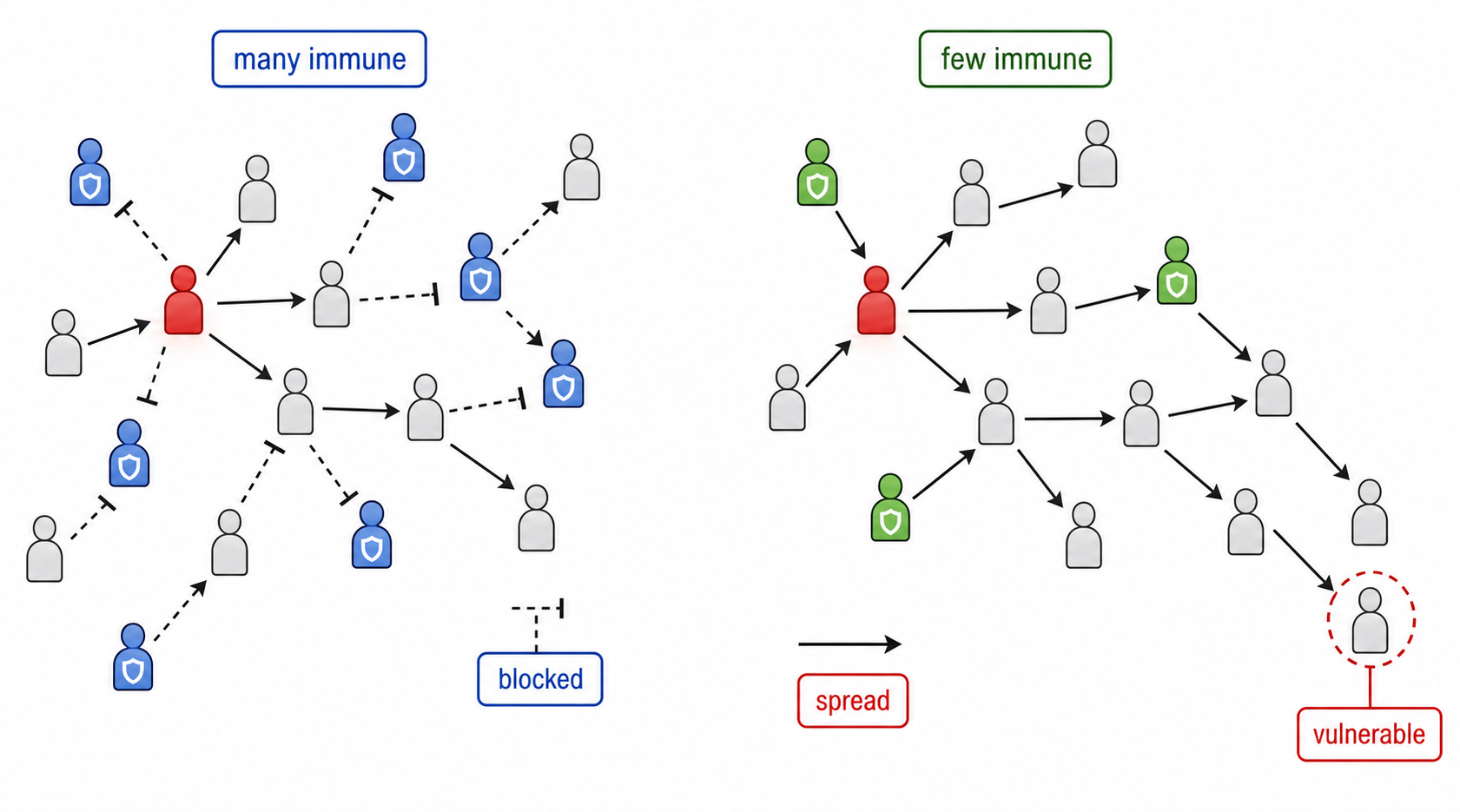
  • Vaccination creates active artificial immunity; high population immunity can indirectly protect susceptible people.
  • Evaluate disease and vaccine claims using reliable sources, trends, controlled comparisons, incidence and efficacy—not raw totals alone.

Concept essentials

  • Phagocytes has to be linked to the exact pathogen, cell, molecule or population process involved.
  • The biological effect of phagocytes depends on the sequence from trigger to protective outcome.
  • Clear distinctions within phagocytes prevent confusion with neighbouring immune responses.
  • Evidence for phagocytes is strongest when mechanism and consequence are explained together.