C3.2.17—Herd immunity

Herd immunity explains how a specific barrier, pathogen interaction, immune mechanism or treatment response contributes to protection against infectious disease.

Syllabus
First assessment 2025
Objective
C3.2.17
Level
HL

Herd immunity protects some people indirectly

Herd immunity protects some people indirectly.

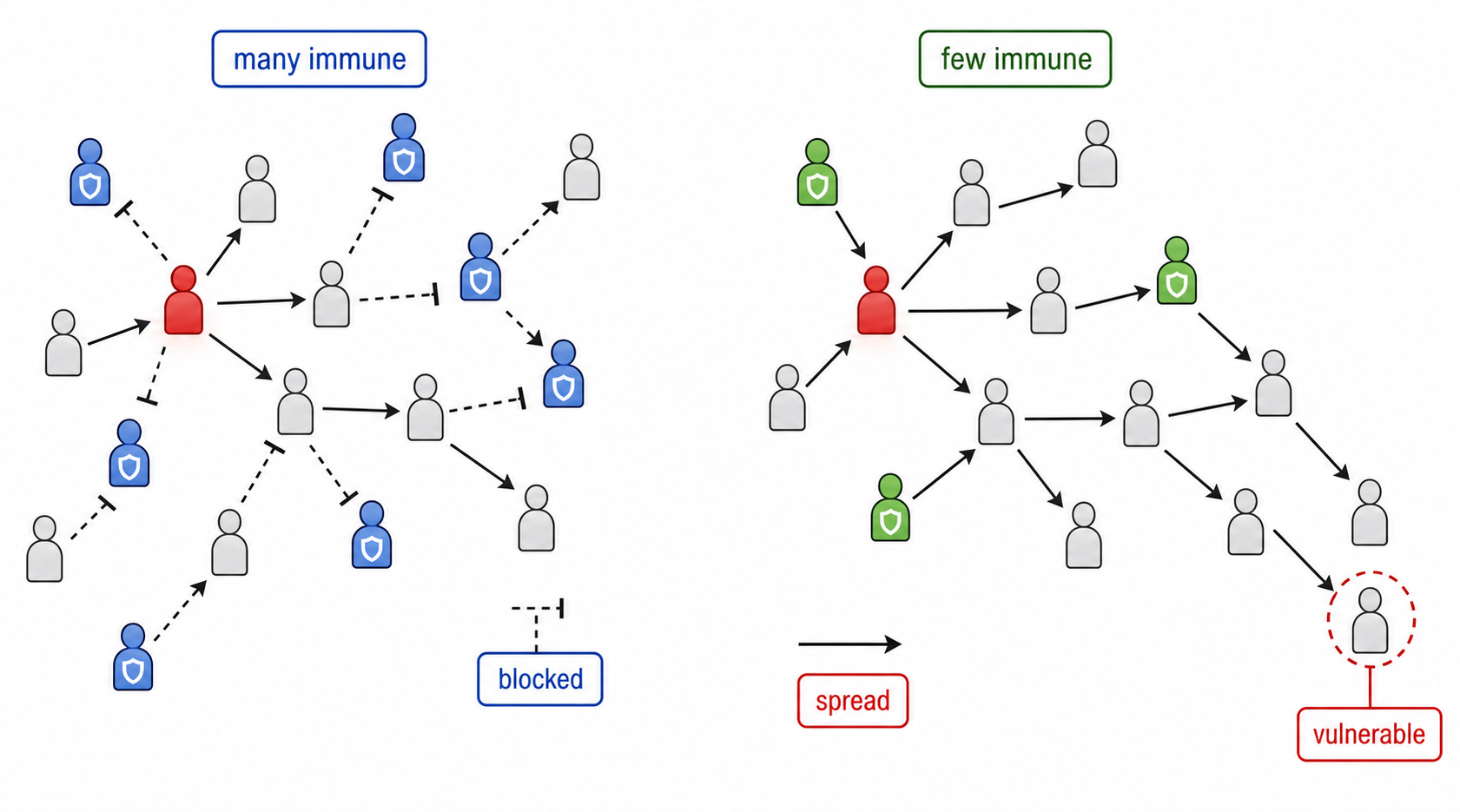
When enough people are immune, an infectious case has fewer susceptible contacts and transmission chains are interrupted. The required coverage depends on pathogen transmissibility and mixing.

immune fraction; contact network; effective reproduction; vulnerable people left unprotected.

High measles vaccination coverage can prevent an imported case from reaching many susceptible people.

A simple percentage threshold is not universal; immunity may wane and coverage can be clustered unevenly.

Defence Against Disease

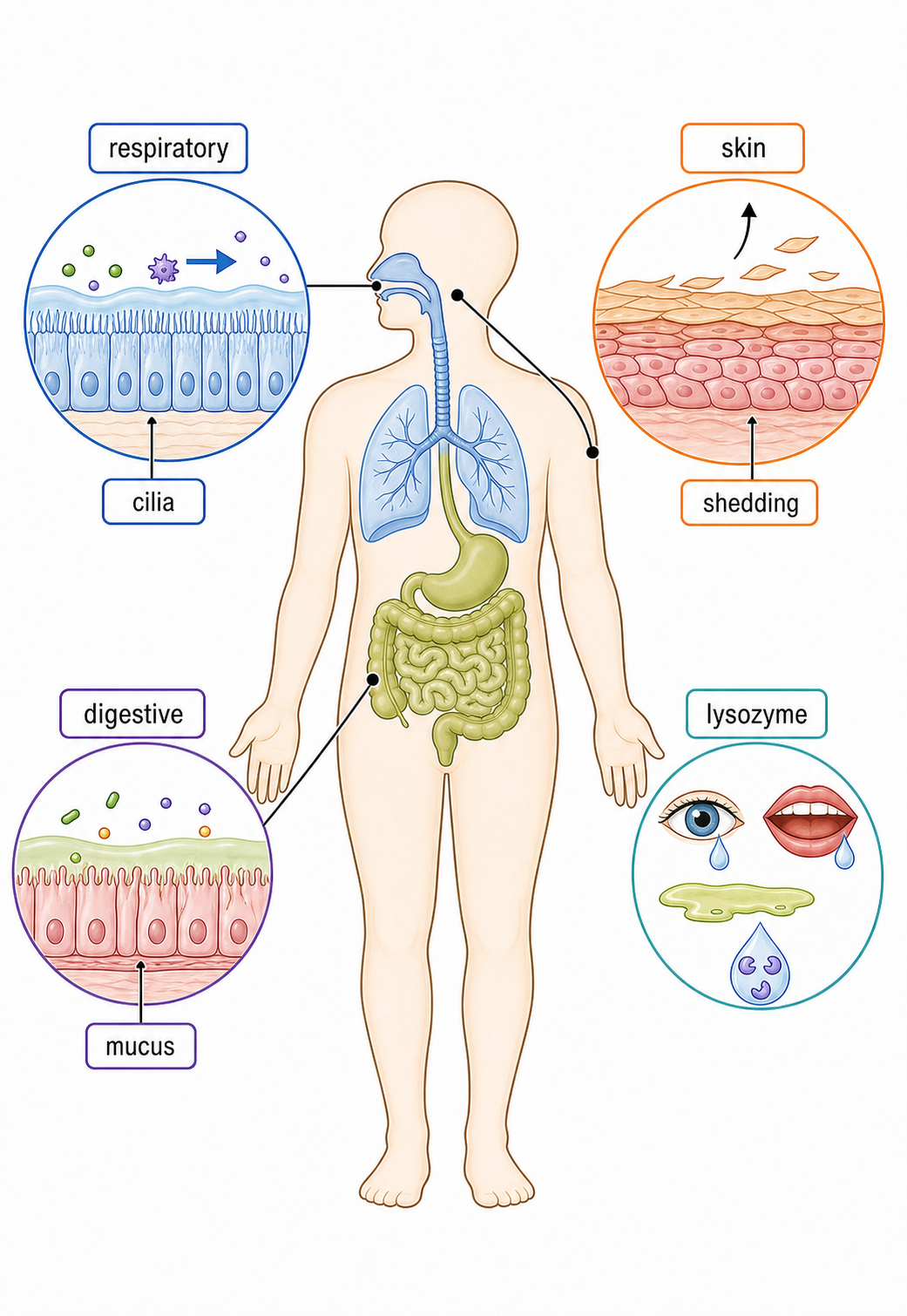
  • Skin, mucus, cilia, lysozyme and clotting form primary barriers against pathogens.
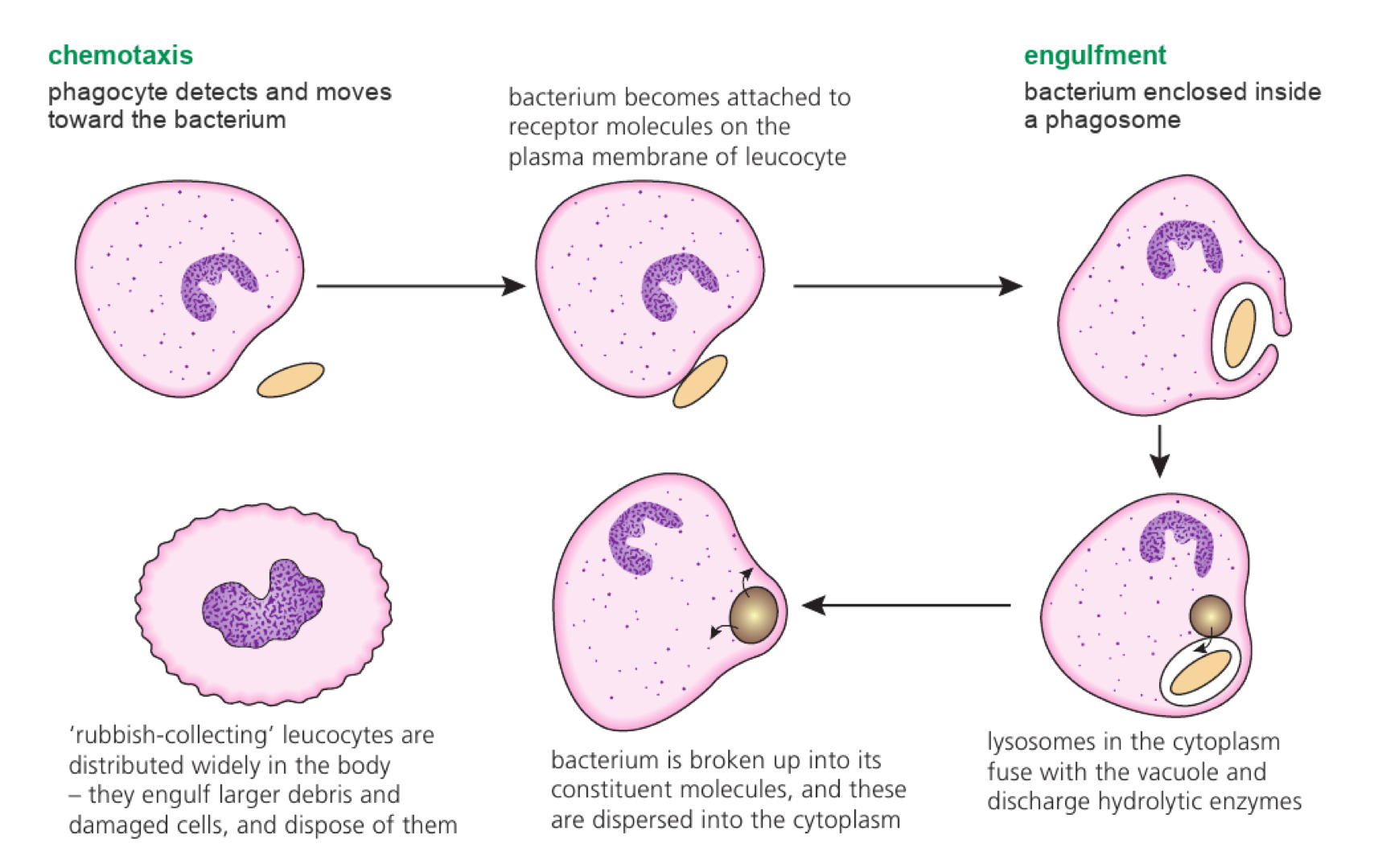
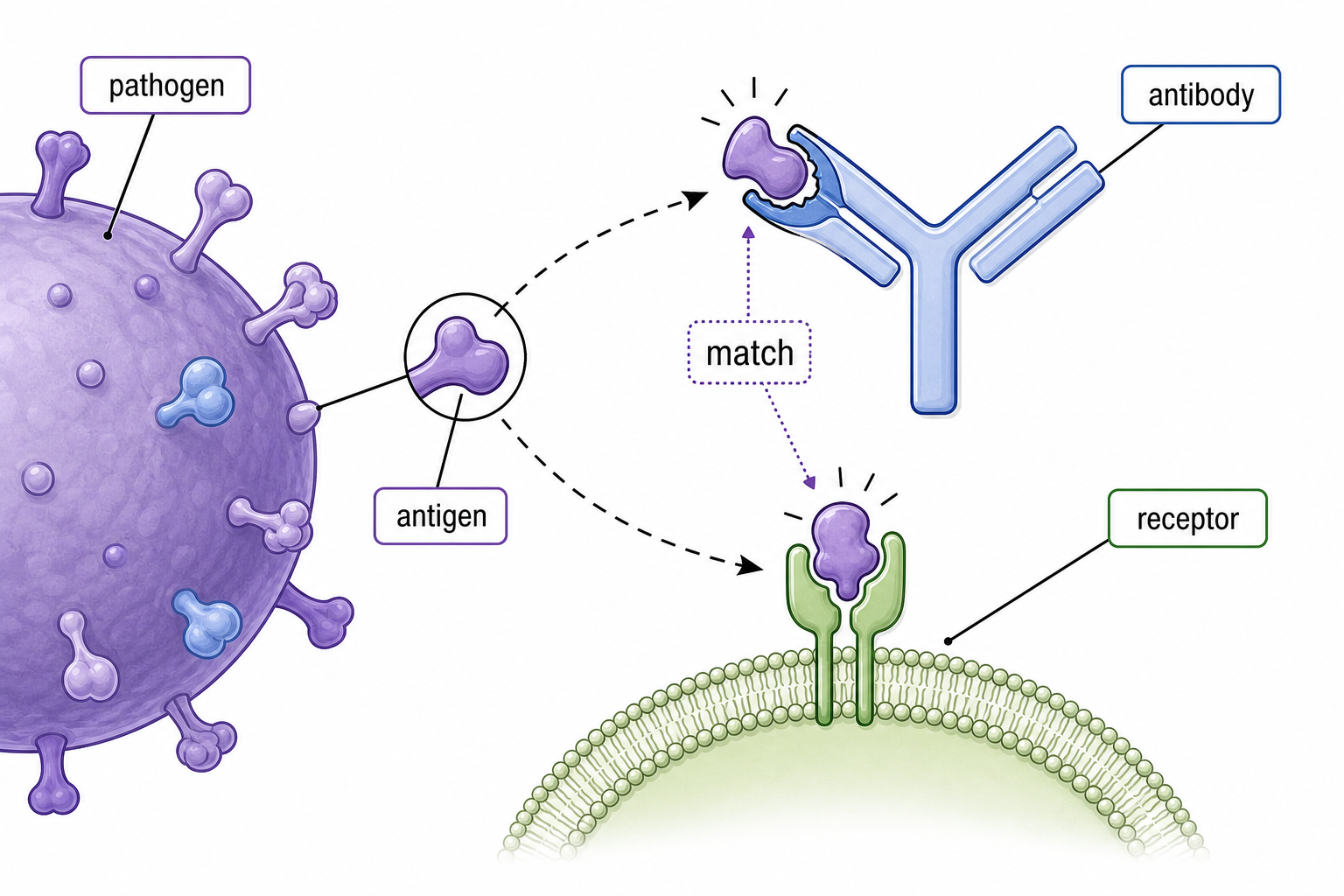
  • Innate immunity is rapid and broad: phagocytes recognize, engulf and digest pathogens. Adaptive immunity is antigen-specific and forms memory.
  • Helper T-cells coordinate responses; activated B-cells undergo clonal selection, producing antibody-secreting plasma cells and memory cells. A second exposure therefore triggers a faster, stronger response.
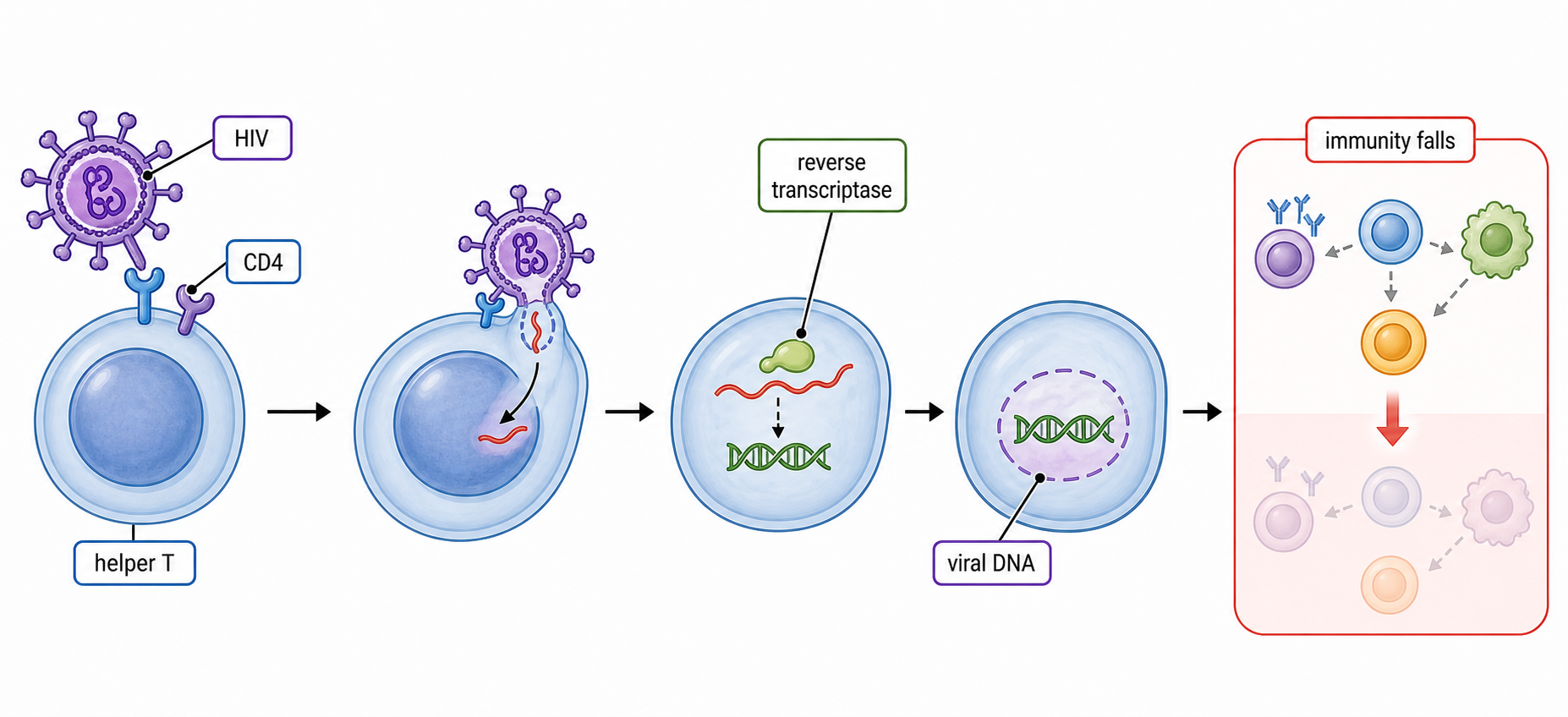
  • HIV infects CD4 helper T-cells; their loss weakens immune coordination and can lead to AIDS.
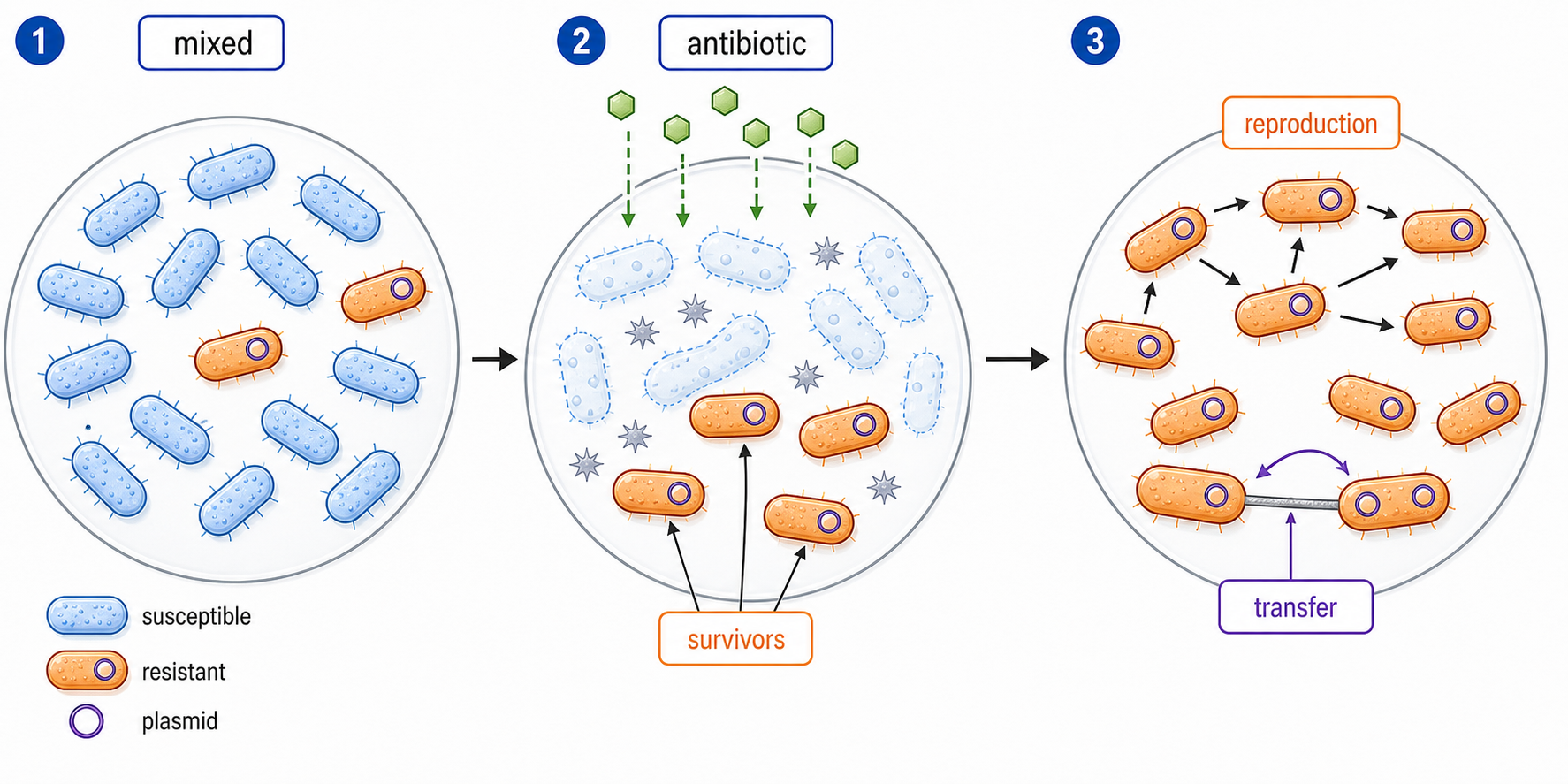
  • Antibiotics target bacterial processes, not viruses. Antibiotic exposure selects resistant variants, which can spread by reproduction or plasmid transfer.
  • Vaccination creates active artificial immunity; high population immunity can indirectly protect susceptible people.
  • Evaluate disease and vaccine claims using reliable sources, trends, controlled comparisons, incidence and efficacy—not raw totals alone.

Concept essentials

  • Herd immunity has to be linked to the exact pathogen, cell, molecule or population process involved.
  • The biological effect of herd immunity depends on the sequence from trigger to protective outcome.
  • Clear distinctions within herd immunity prevent confusion with neighbouring immune responses.
  • Evidence for herd immunity is strongest when mechanism and consequence are explained together.