C3.2.7—Antigens
Antigens explains how a specific barrier, pathogen interaction, immune mechanism, treatment response or population process contributes to protection against infectious disease.
- Syllabus
- First assessment 2025
- Objective
- C3.2.7
- Level
- HL
Antigens explains how a specific barrier, pathogen interaction, immune mechanism, treatment response or population process contributes to protection against infectious disease.

Coverage 2014–2014 · Updated 16 Jul 2026
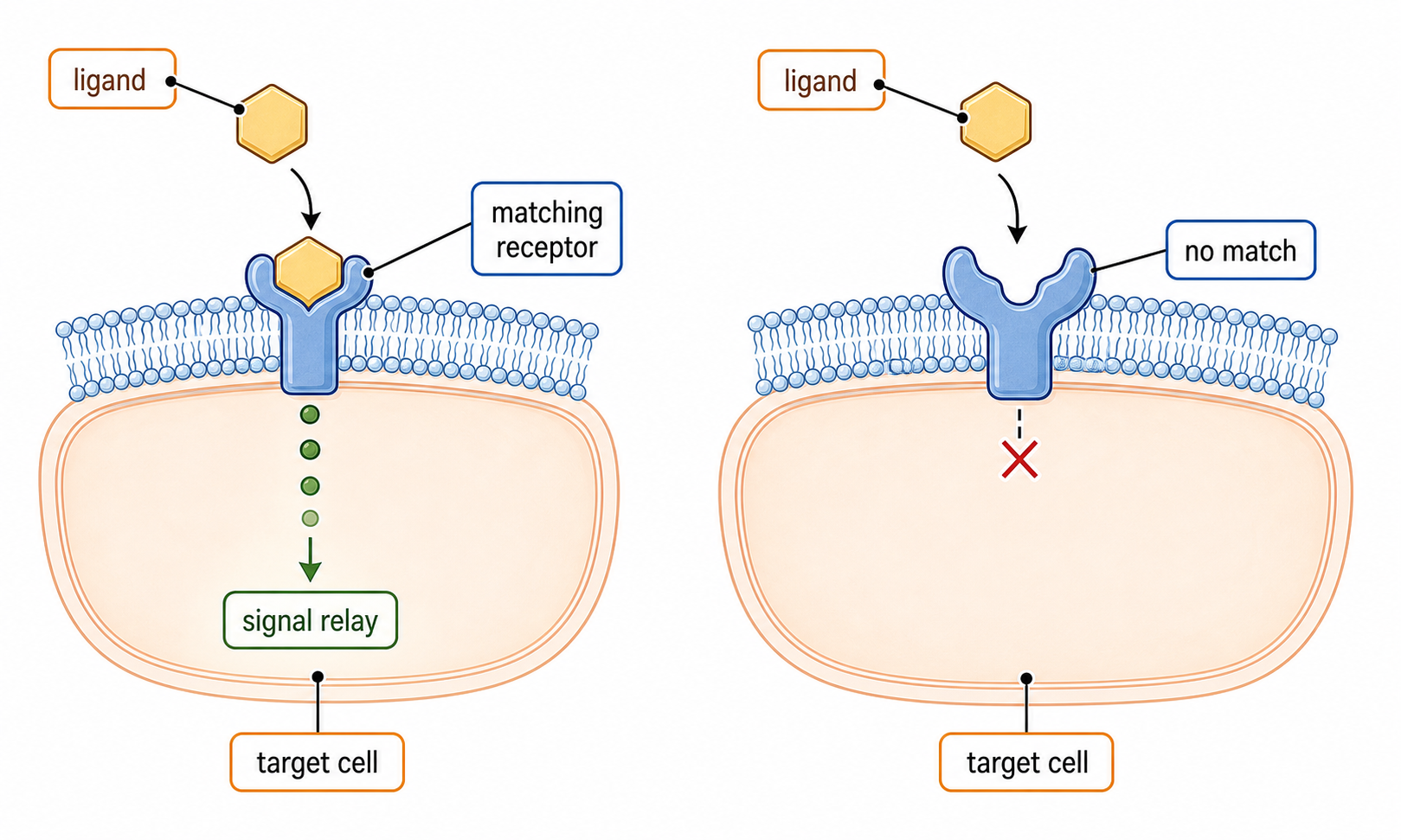
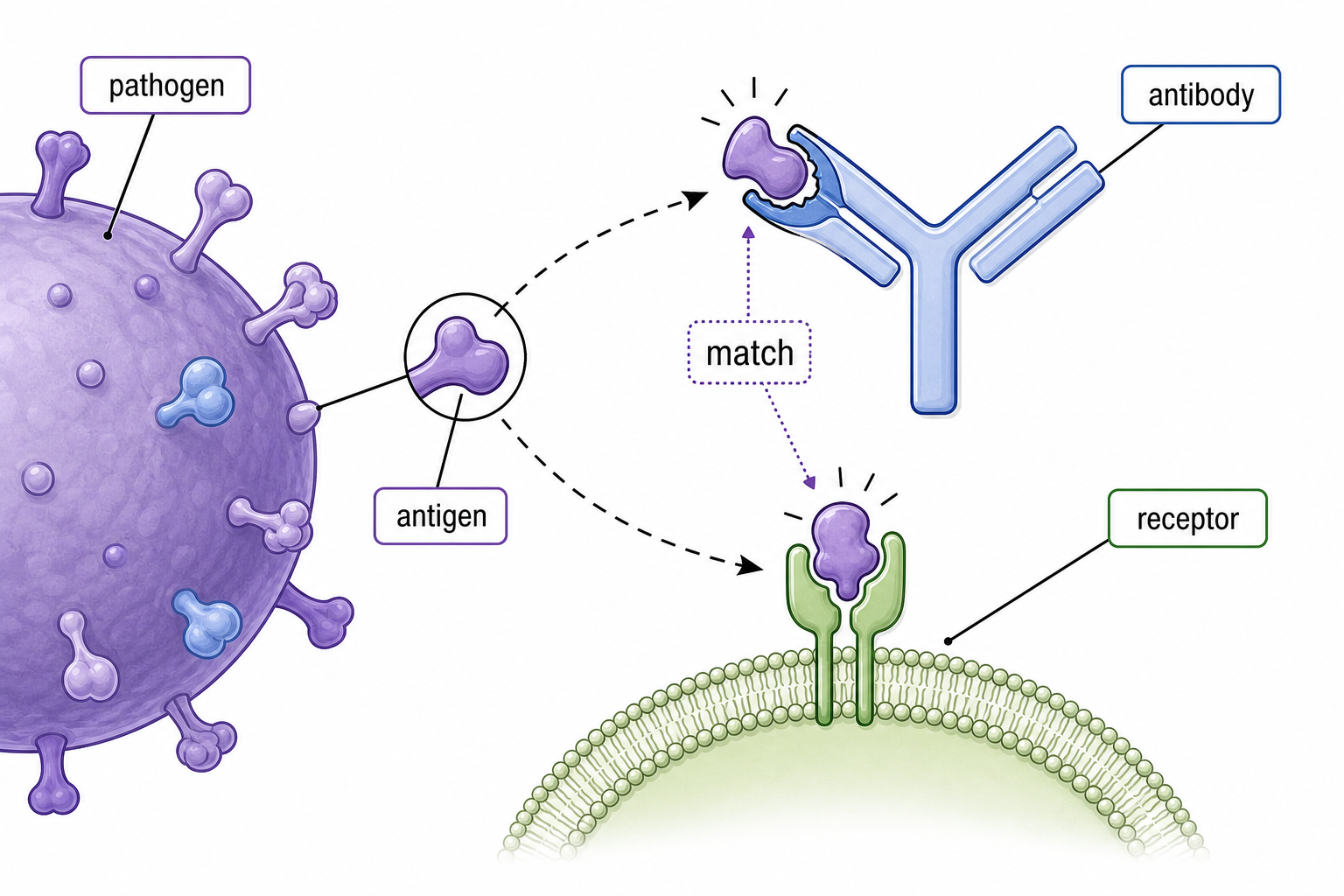
An antigen is a recognition molecule that can bind a specific antibody or lymphocyte receptor and trigger antibody production.
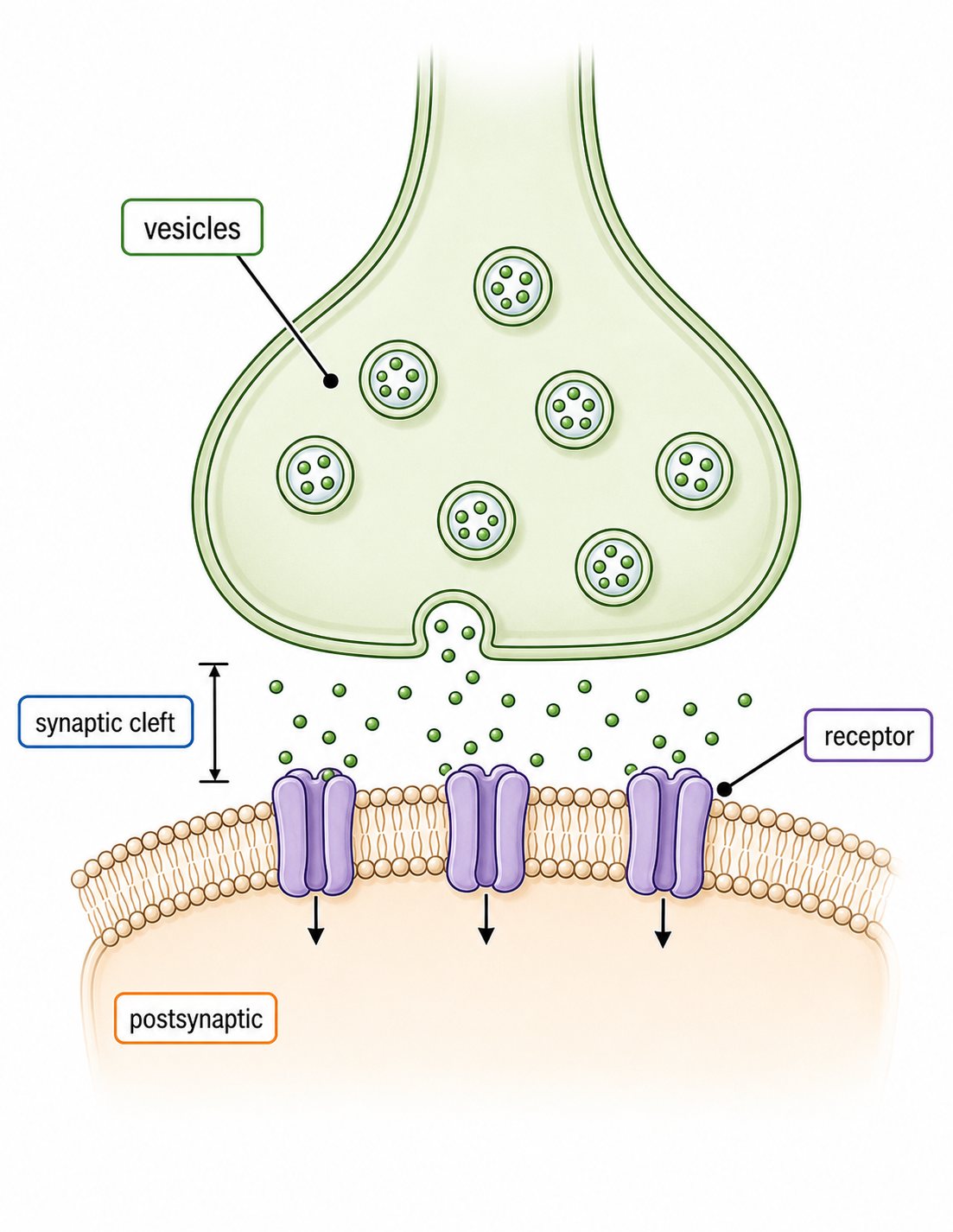
Most antigens are glycoproteins or other proteins and are located on the outer surface of a pathogen, where immune receptors can encounter them.
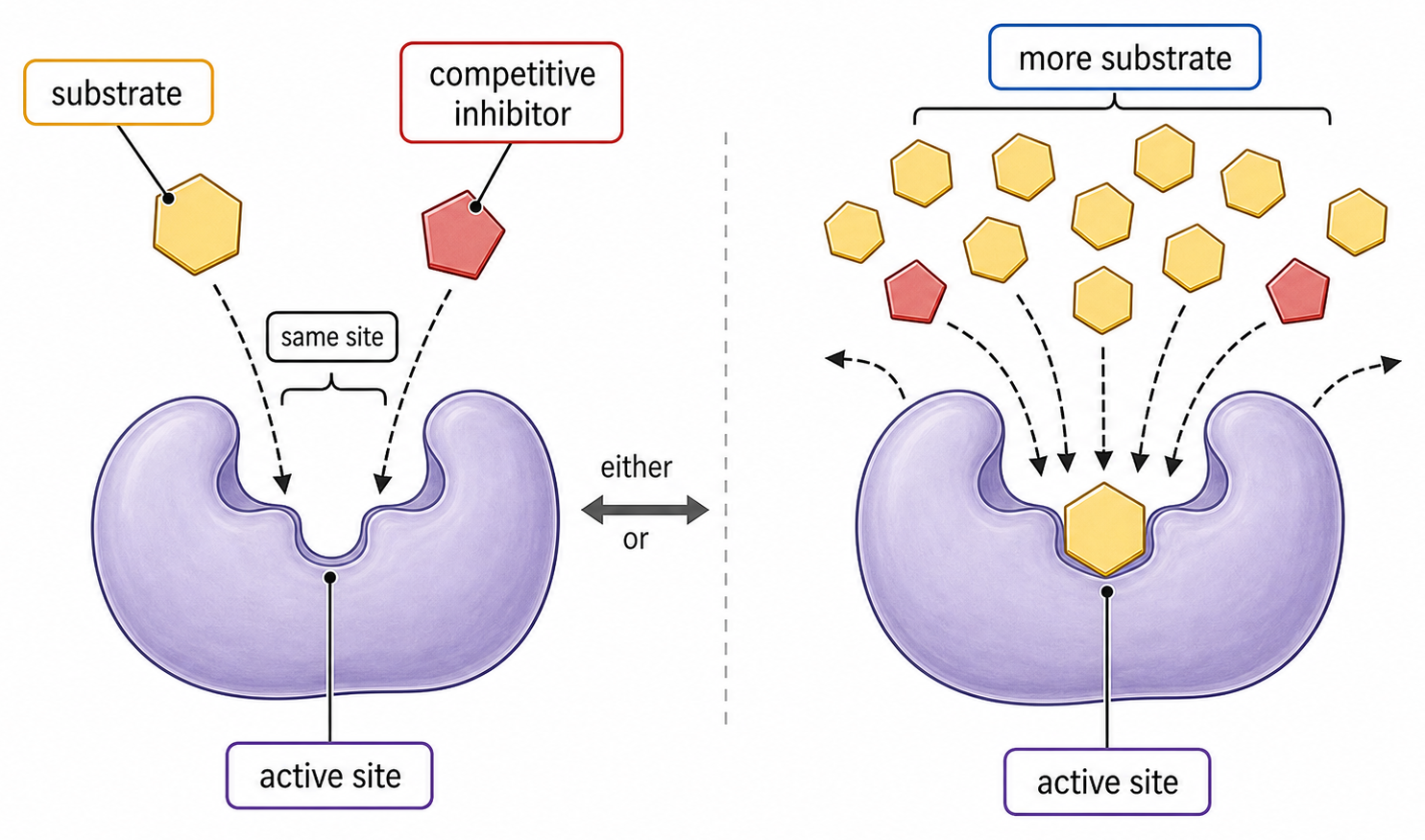
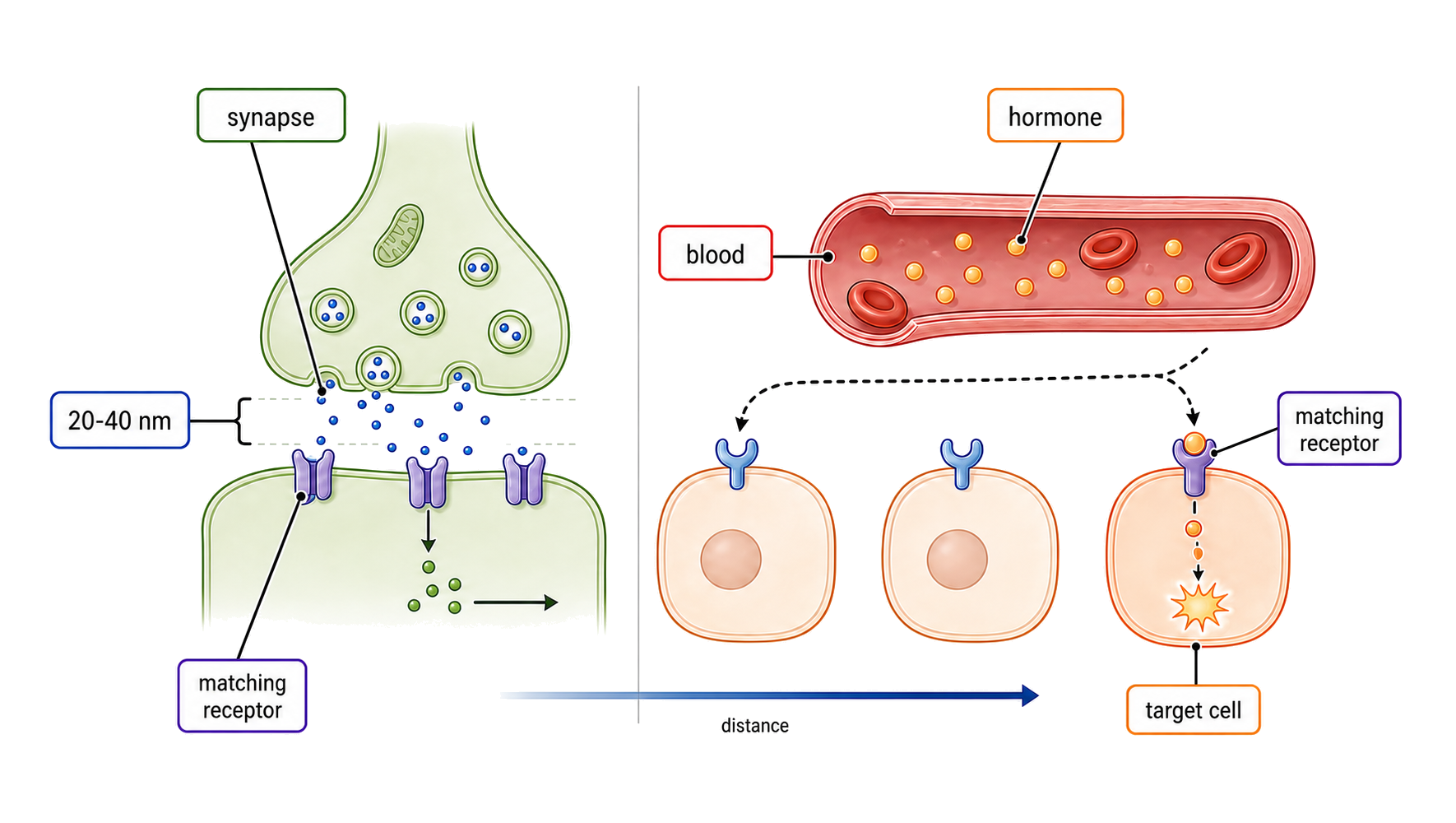
Antigen = molecular target, not the whole pathogen. Complementary receptor binding selects an antigen-specific response; different surface antigens select different lymphocyte clones.
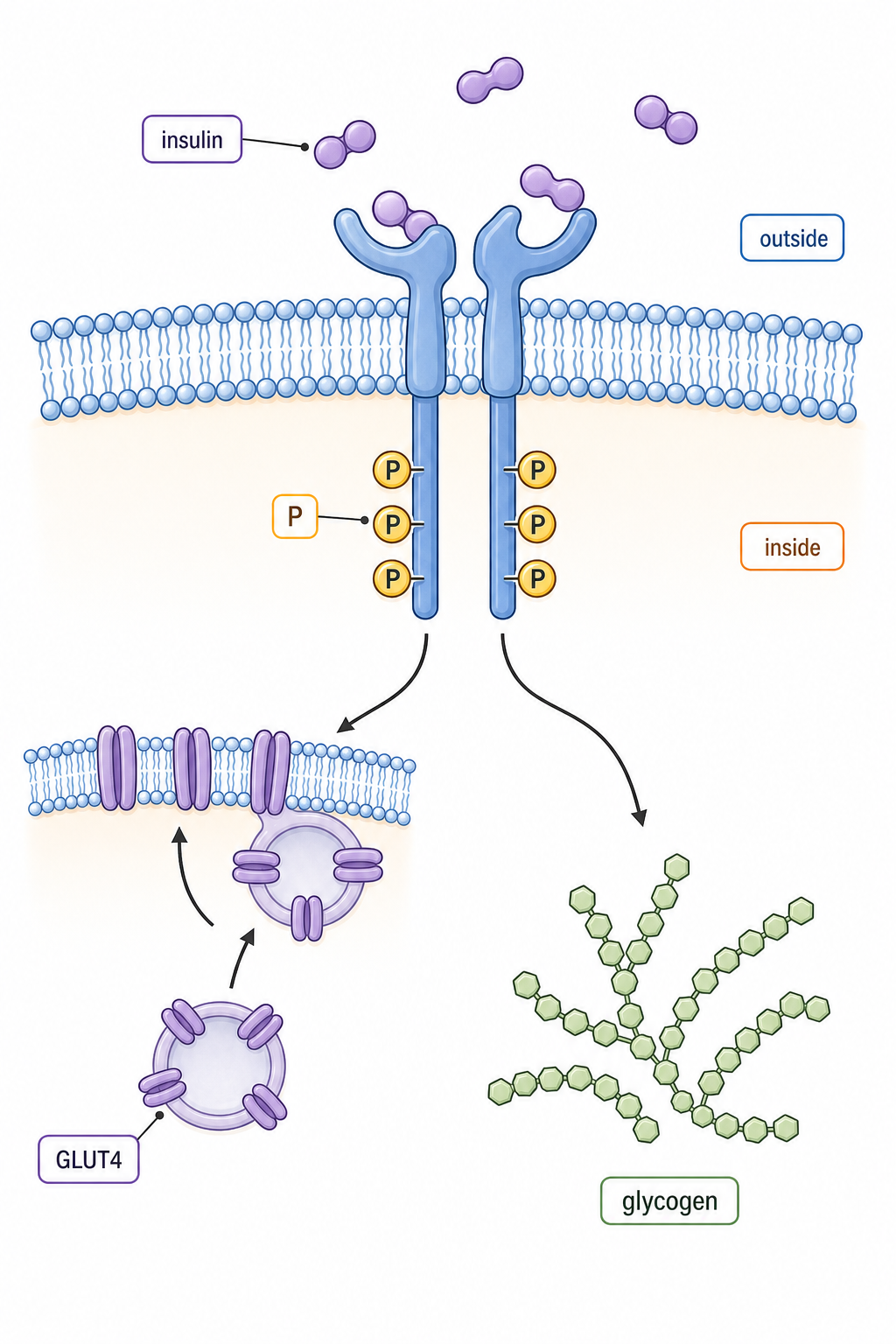
Erythrocyte surface antigens from an incompatible blood group can stimulate antibody binding and production after transfusion, causing dangerous cell agglutination or destruction.
An antigen is not automatically an entire foreign organism. It is a recognizable molecule or molecular region, commonly a surface protein or glycoprotein.
This objective is assessed through multiple choice, commonly using Identify.
Identify
Mark schemes repeatedly reward named details, correct sequence and clear distinctions between similar processes.
Naming symptoms without linking them to the causative pathogen or transmission route.
Representative question
What is a characteristic of antigens?
They recognize foreign substances
They are produced in bone marrow
They cause disease in humans
They stimulate the production of antibodies
D