Q BankQuestion BankDocsDocuments

C3.2.6—Lymphocytes

Lymphocytes explains how a specific barrier, pathogen interaction, immune mechanism, treatment response or population process contributes to protection against infectious disease.

Syllabus
First assessment 2025
Objective
C3.2.6
Level
HL

Exam analysis

Chance of appearing1%of analysed past papers
Latest appearanceNovember 2022
Most common paperPaper2
Typical marks7

Common command terms

  • Explain
  • Outline
  • Identify

Scoring notes

Common mistake
Confusing plasma cells, memory cells and helper T-cells in the activation sequence.

Recent exam appearances

November 2022Paper2 ["HL"] · TZ06(c)[ 7 ]C3.2.6—Lymphocytes
Practice this objective

Coverage 2022–2022 · Updated 16 Jul 2026

Lymphocytes provide specific immune recognition

Lymphocytes provide specific immune recognition.

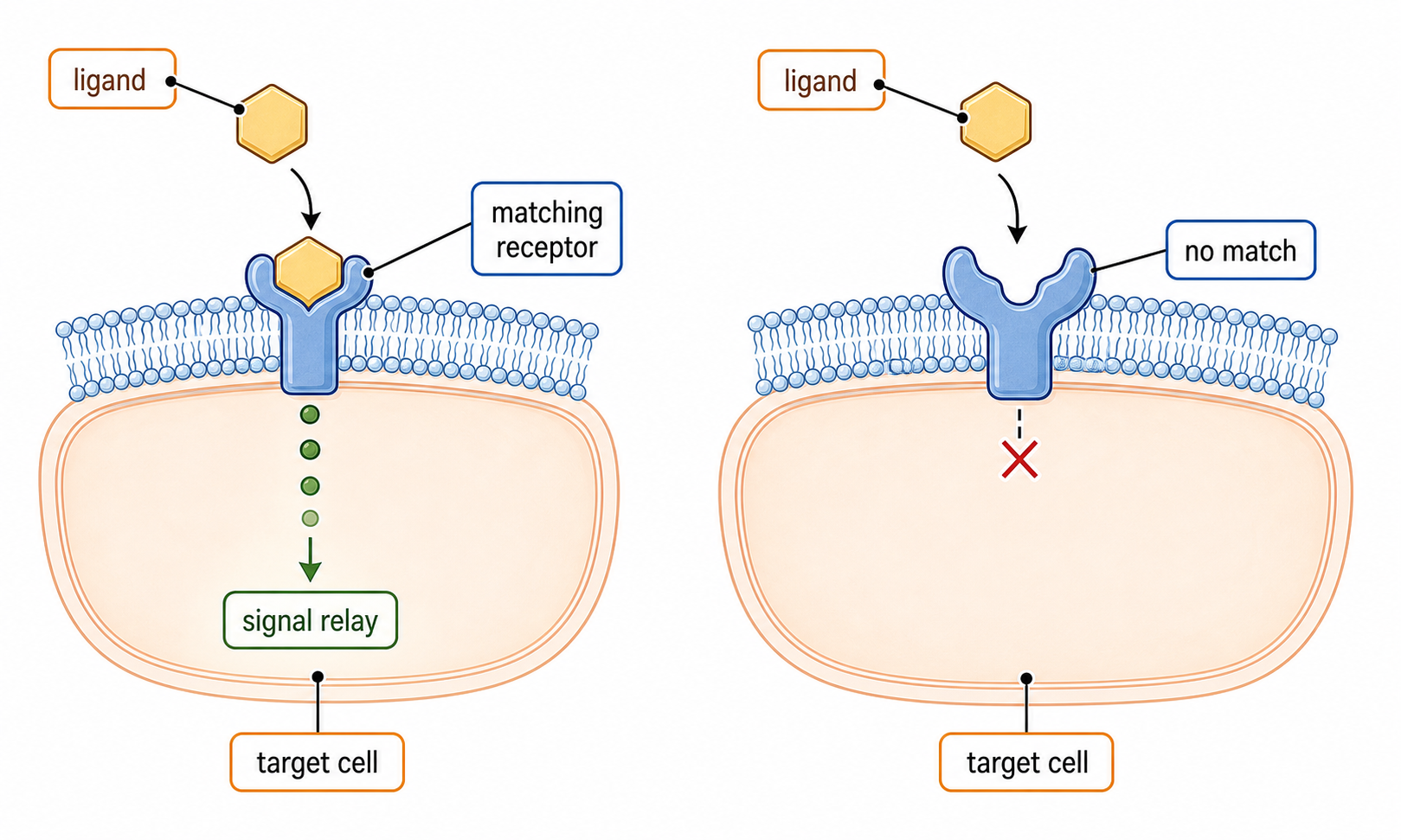
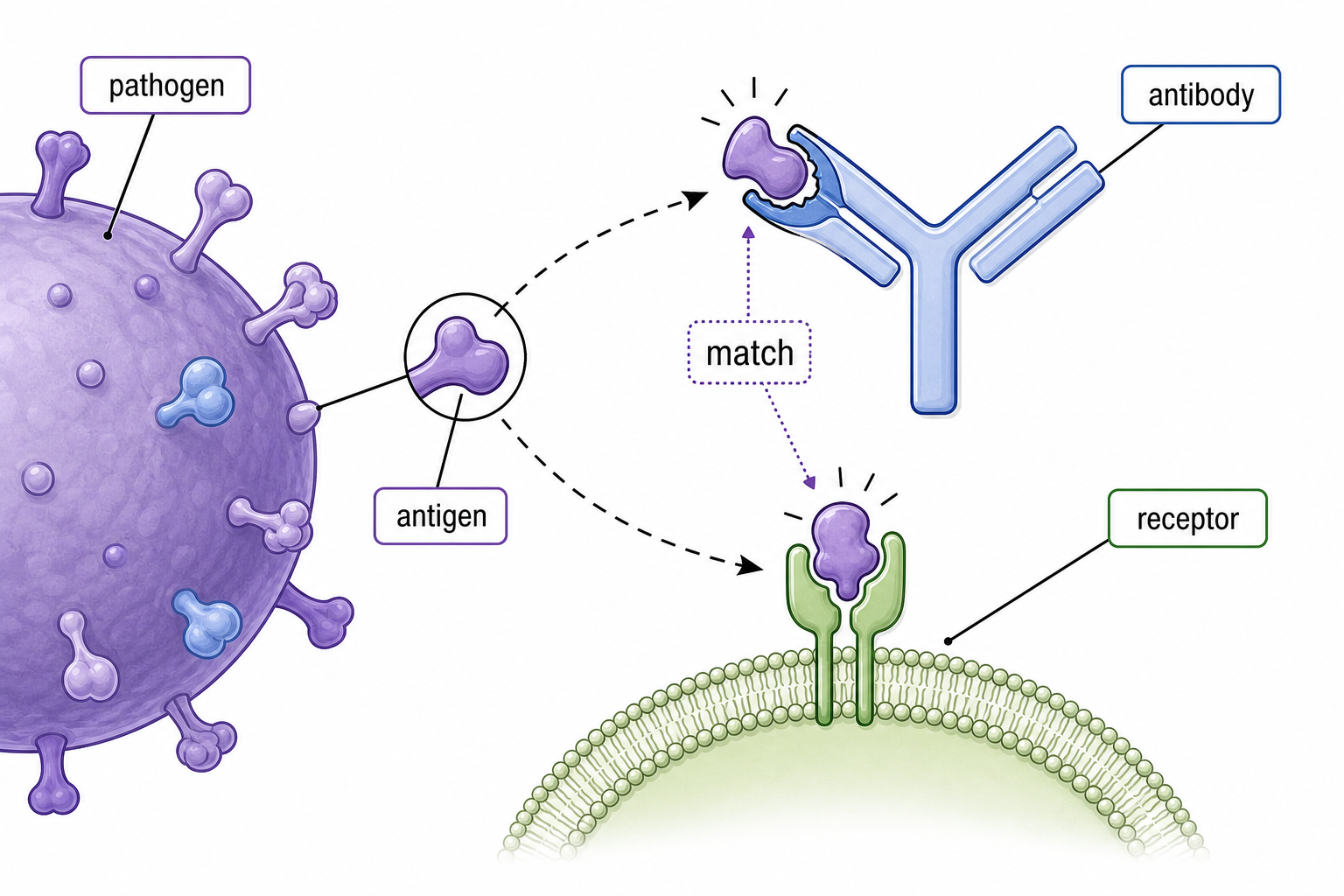
B and T lymphocytes carry receptors with particular complementary shapes. B cells can make antibodies; T cells coordinate responses or kill infected cells after activation.

antigen recognition; activation signal; B/T role; effector and memory outcome.

A T helper cell can activate a B cell whose receptor recognises the same pathogen antigen.

A lymphocyte is not activated merely because it is present; receptor match and co-signals matter.

Lymphocytes exam focus

Assessment in practice

1–7 marks
How it is assessed

This objective is assessed through structured response, commonly using Explain / Outline / Identify.

Command terms

Explain / Outline / Identify

What earns marks

Mark schemes repeatedly reward named details, correct sequence and clear distinctions between similar processes.

Watch for

Confusing plasma cells, memory cells and helper T-cells in the activation sequence.

Representative question

Question 1

[Maximum number: 7]

Explain how cells in the bloodstream cause a specific immune response.

Defence Against Disease

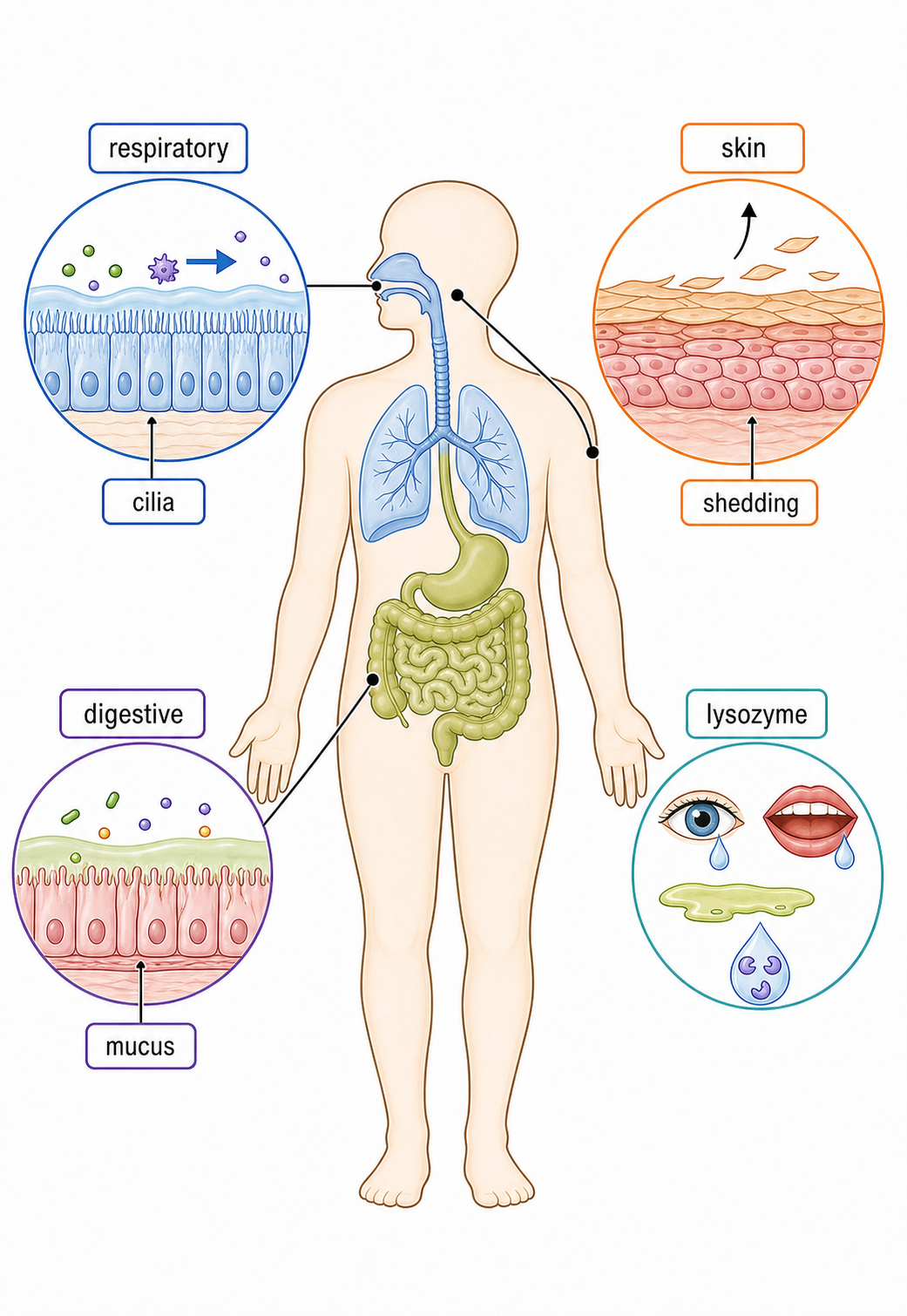
  • Skin, mucus, cilia, lysozyme and clotting form primary barriers against pathogens.
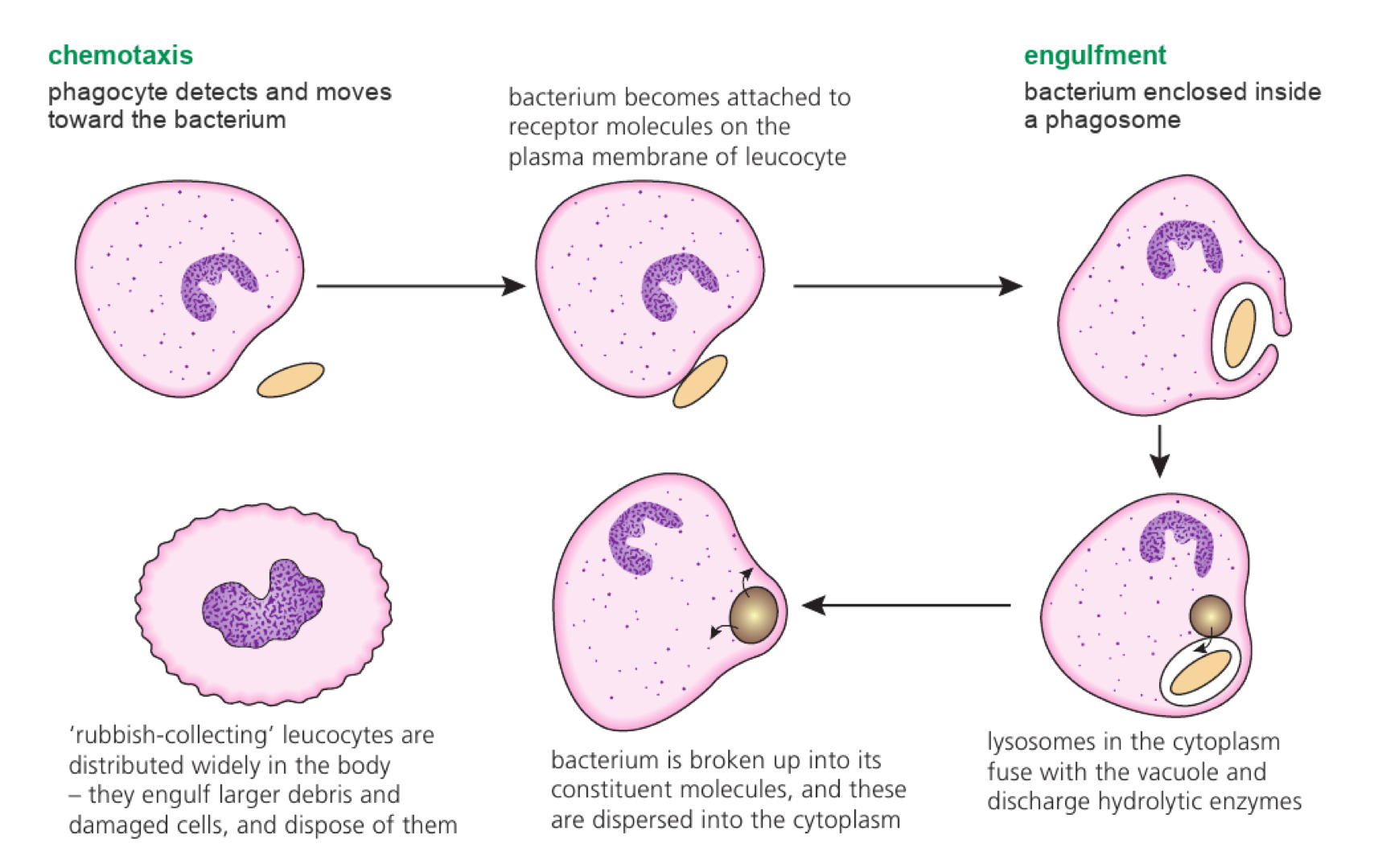
  • Innate immunity is rapid and broad: phagocytes recognize, engulf and digest pathogens. Adaptive immunity is antigen-specific and forms memory.
  • Helper T-cells coordinate responses; activated B-cells undergo clonal selection, producing antibody-secreting plasma cells and memory cells. A second exposure therefore triggers a faster, stronger response.
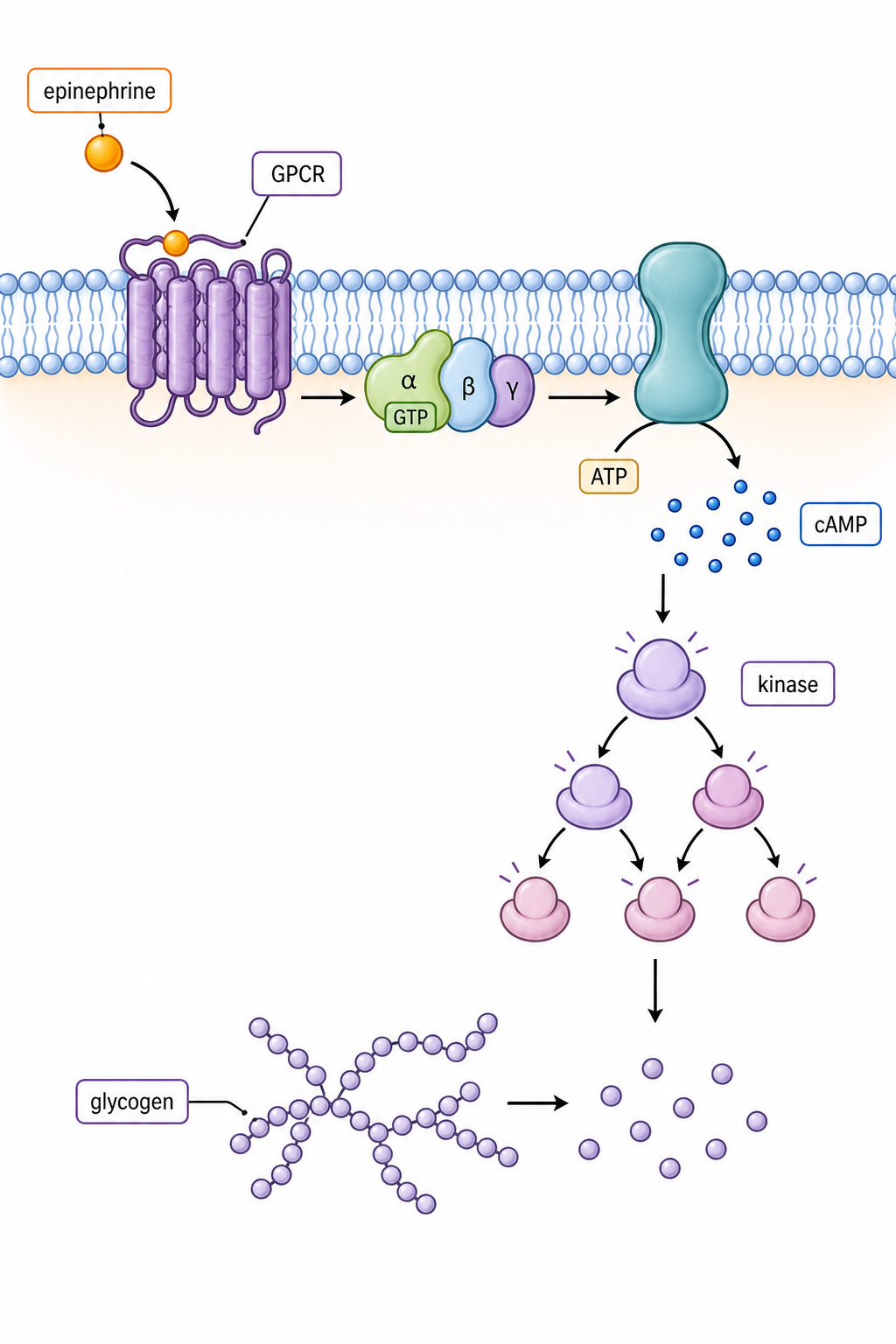
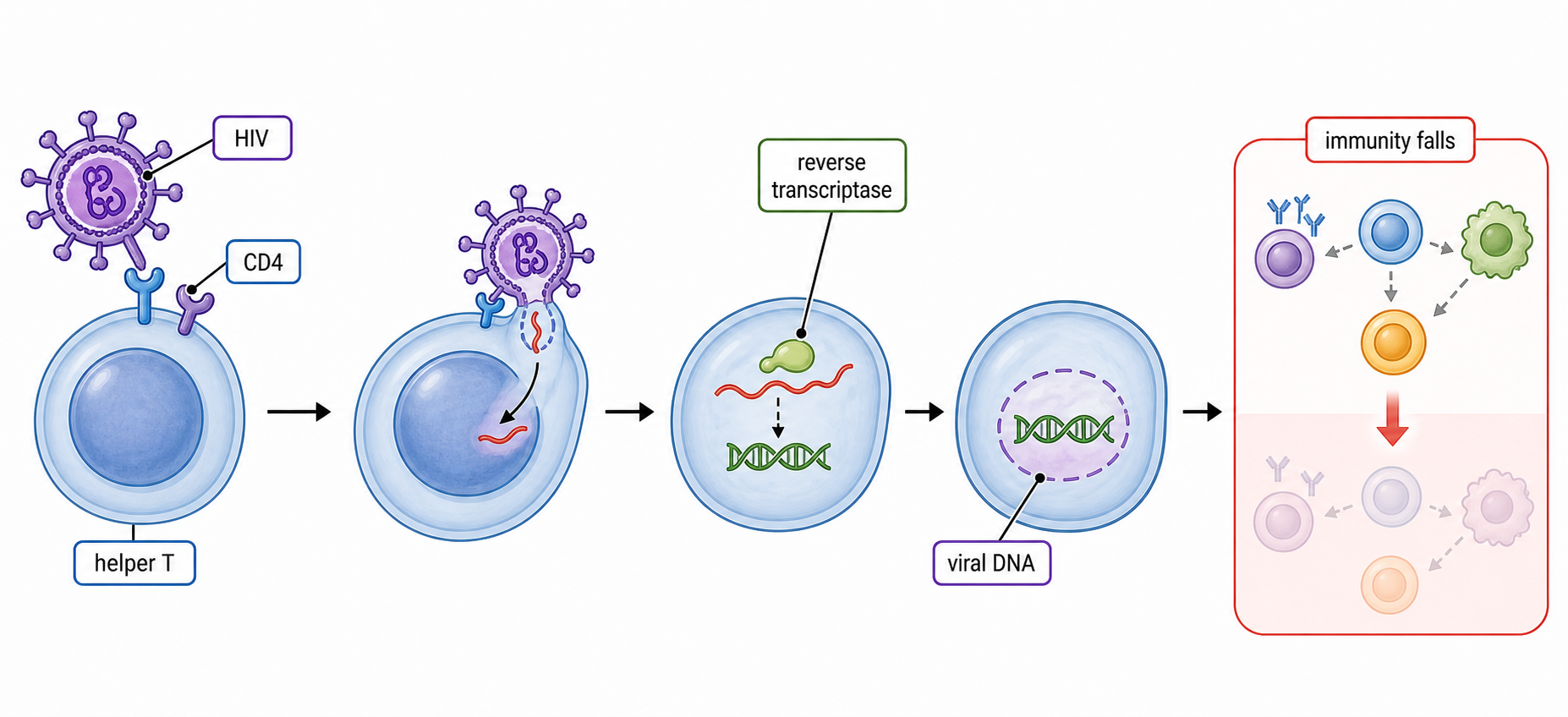
  • HIV infects CD4 helper T-cells; their loss weakens immune coordination and can lead to AIDS.
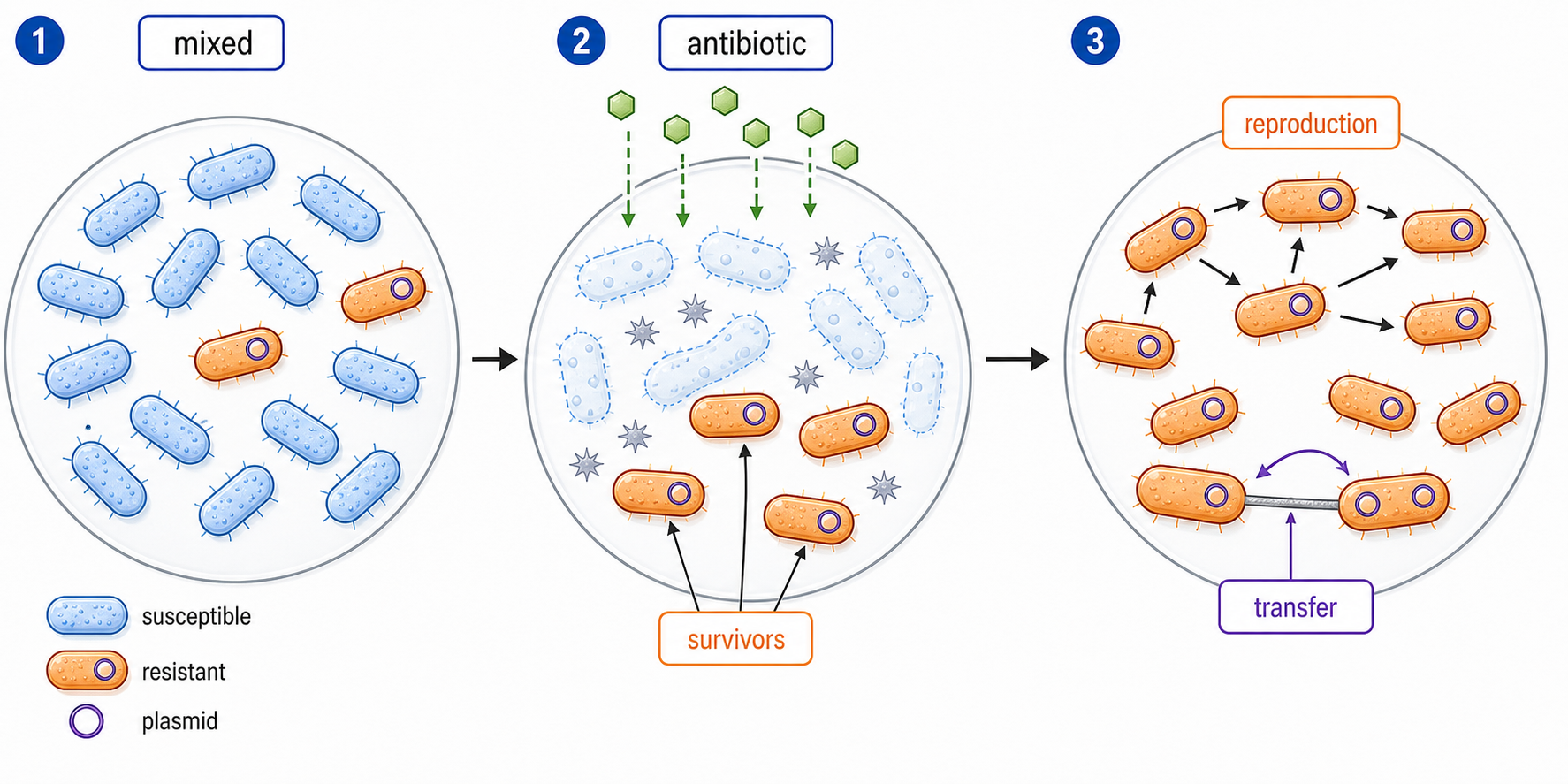
  • Antibiotics target bacterial processes, not viruses. Antibiotic exposure selects resistant variants, which can spread by reproduction or plasmid transfer.
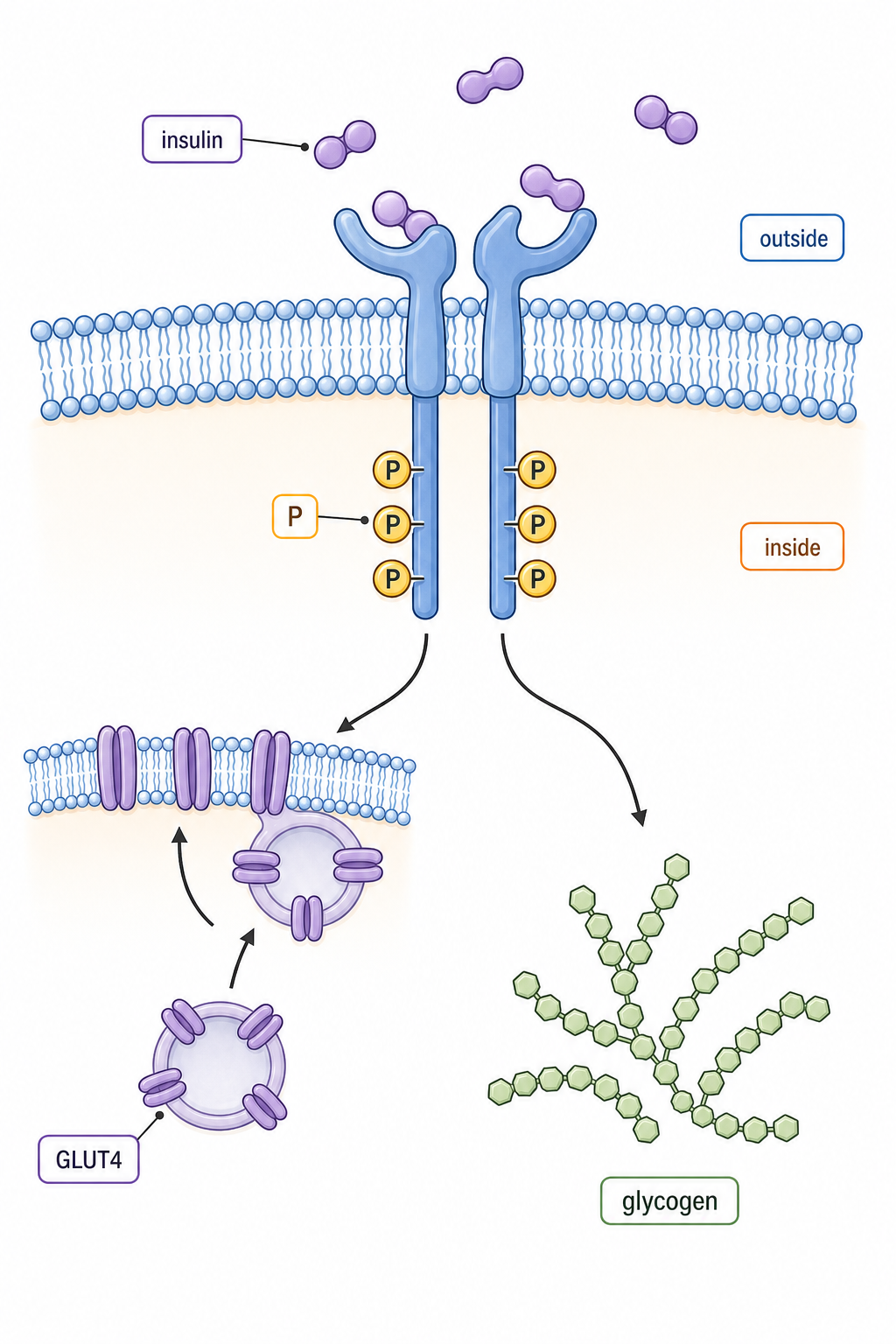
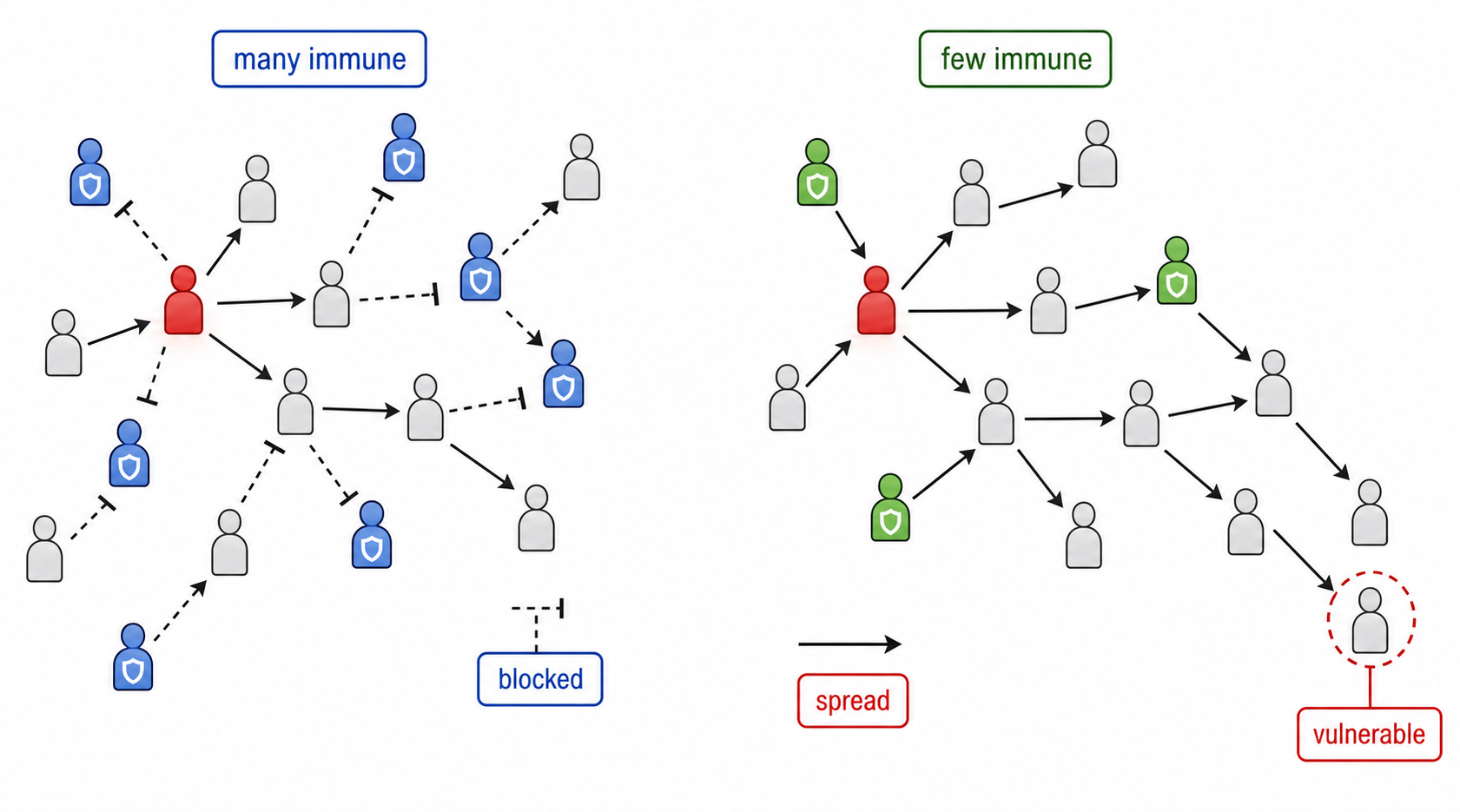
  • Vaccination creates active artificial immunity; high population immunity can indirectly protect susceptible people.
  • Evaluate disease and vaccine claims using reliable sources, trends, controlled comparisons, incidence and efficacy—not raw totals alone.

Concept essentials

  • Lymphocytes has to be linked to the exact pathogen, cell, molecule or population process involved.
  • The biological effect of lymphocytes depends on the sequence from trigger to protective outcome.
  • Clear distinctions within lymphocytes prevent confusion with neighbouring immune responses.
  • Evidence for lymphocytes is strongest when mechanism and consequence are explained together.
ConceptIB Biology HL