Q BankQuestion BankDocsDocuments

C1.2.5—Anaerobic vs. aerobic respiration in humans
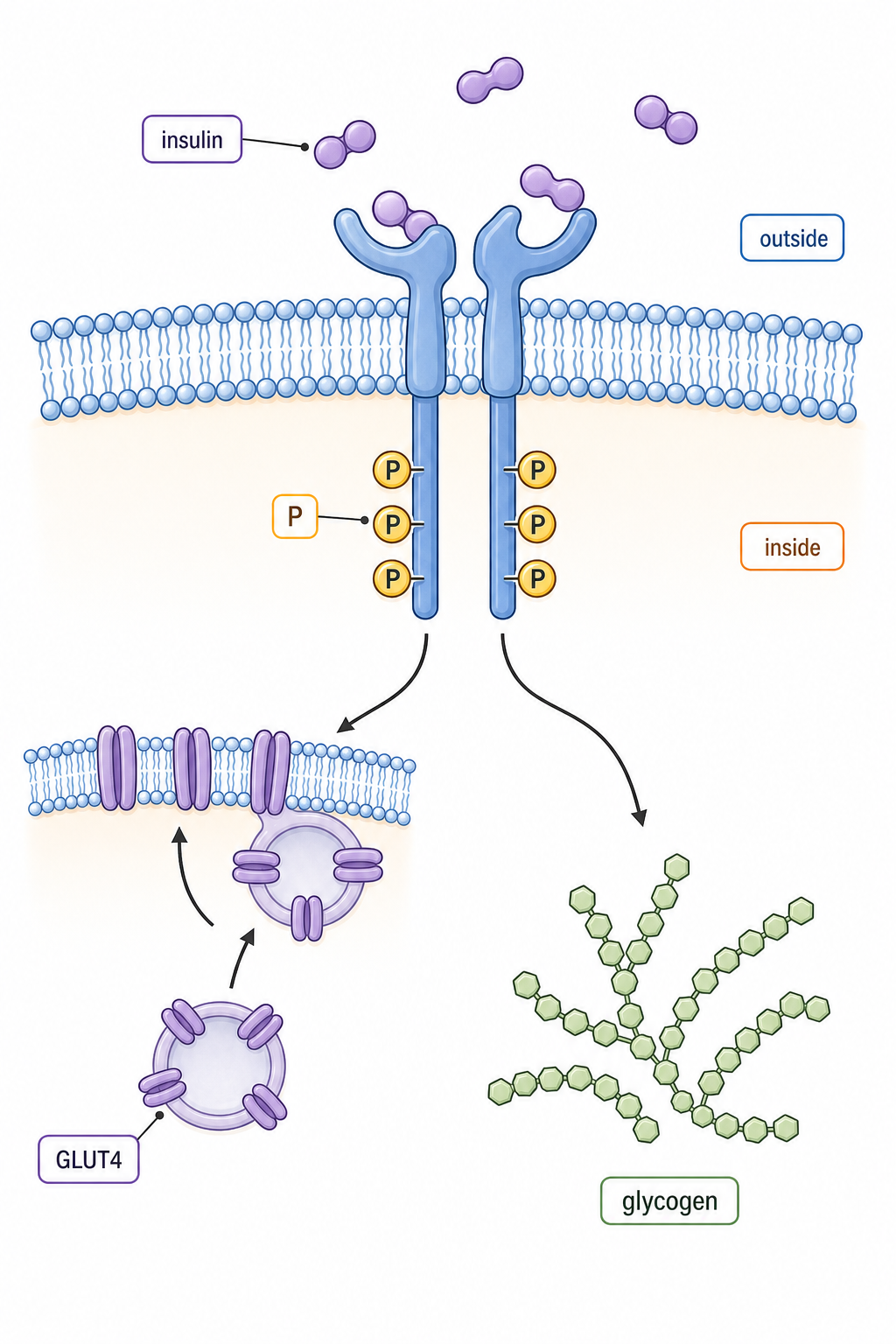
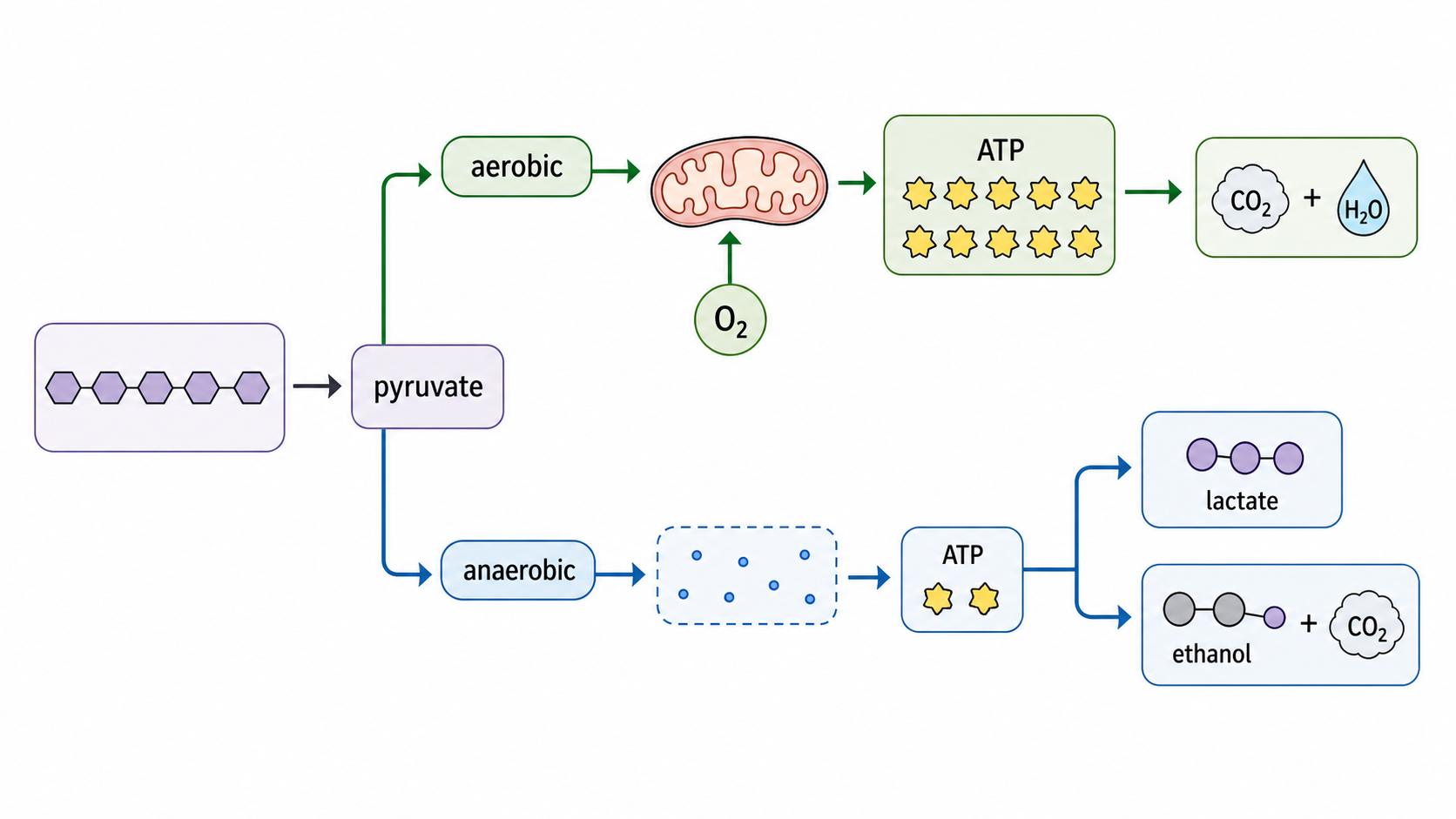
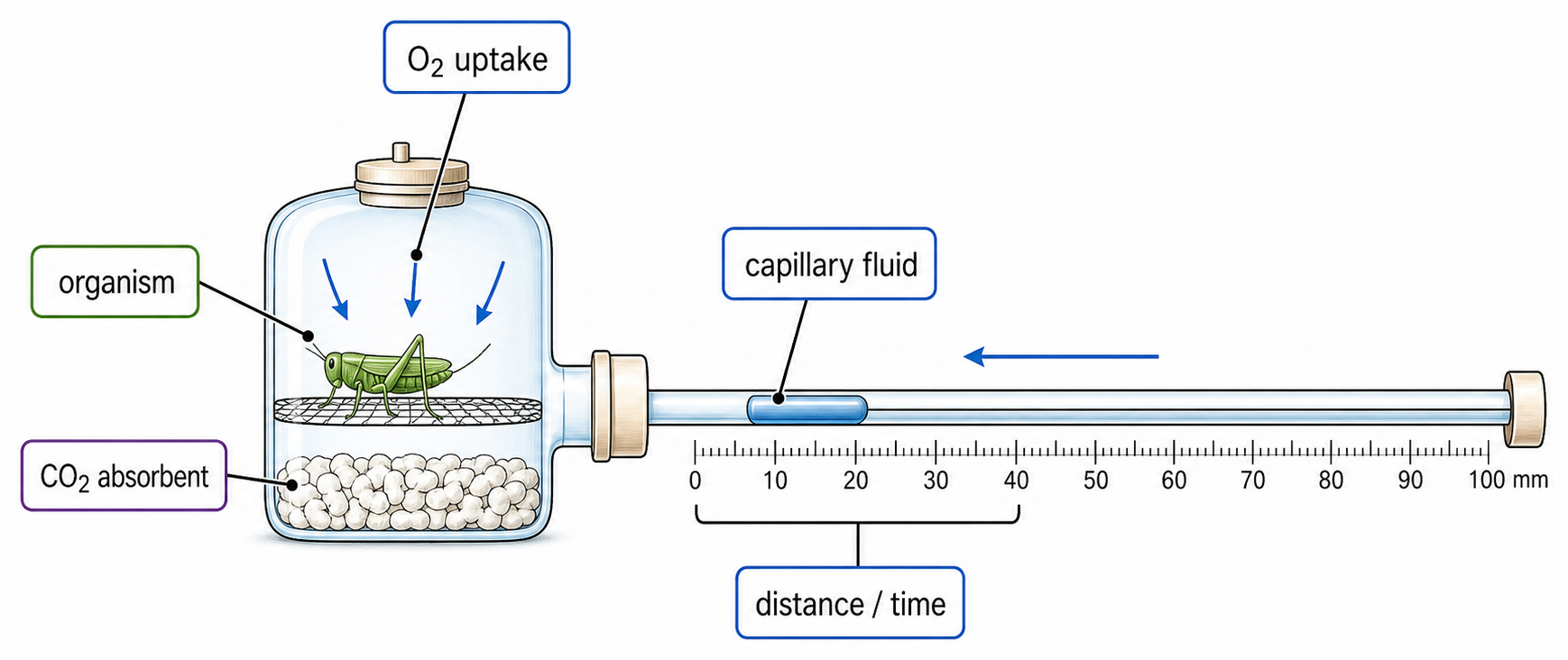
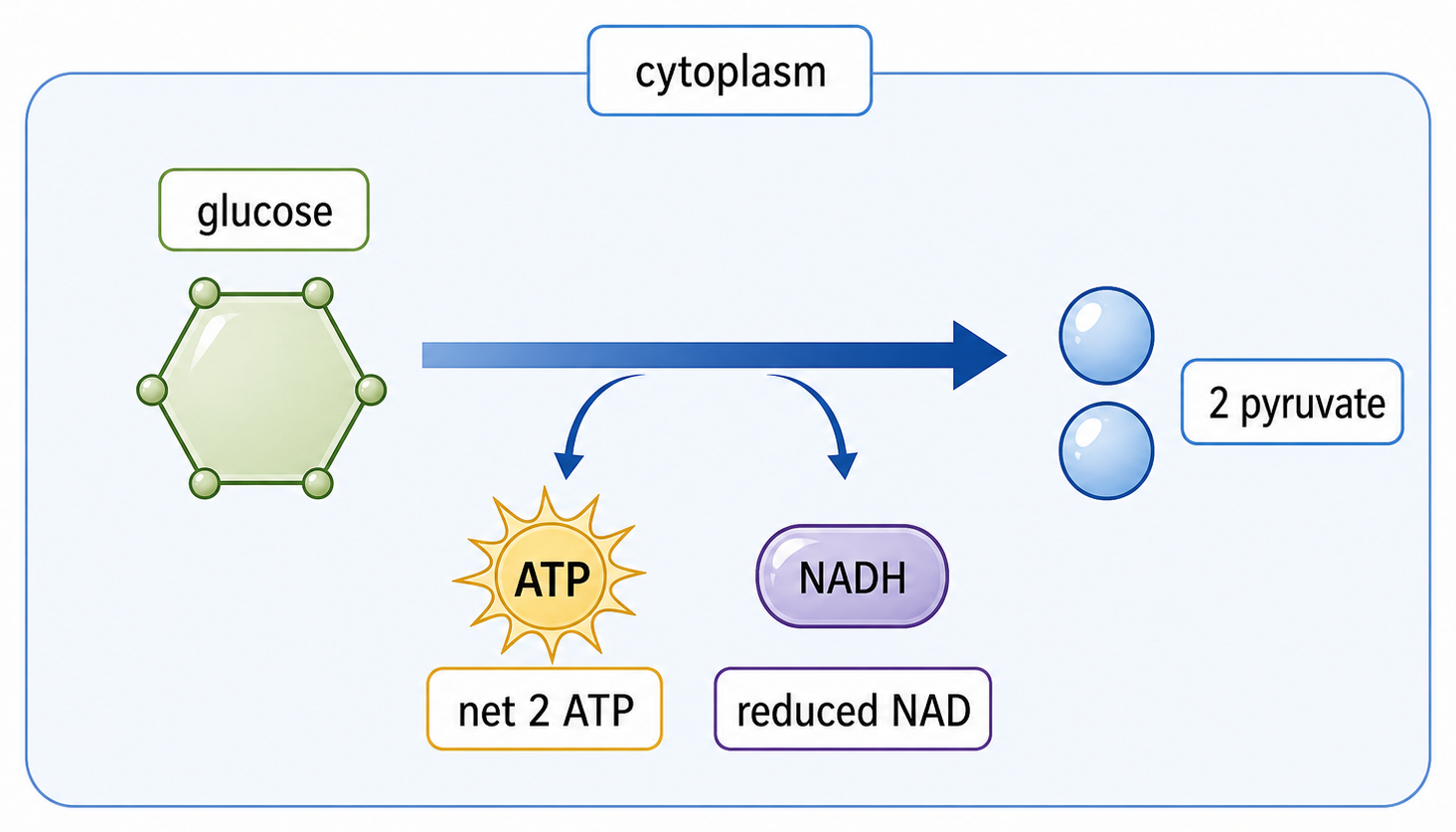
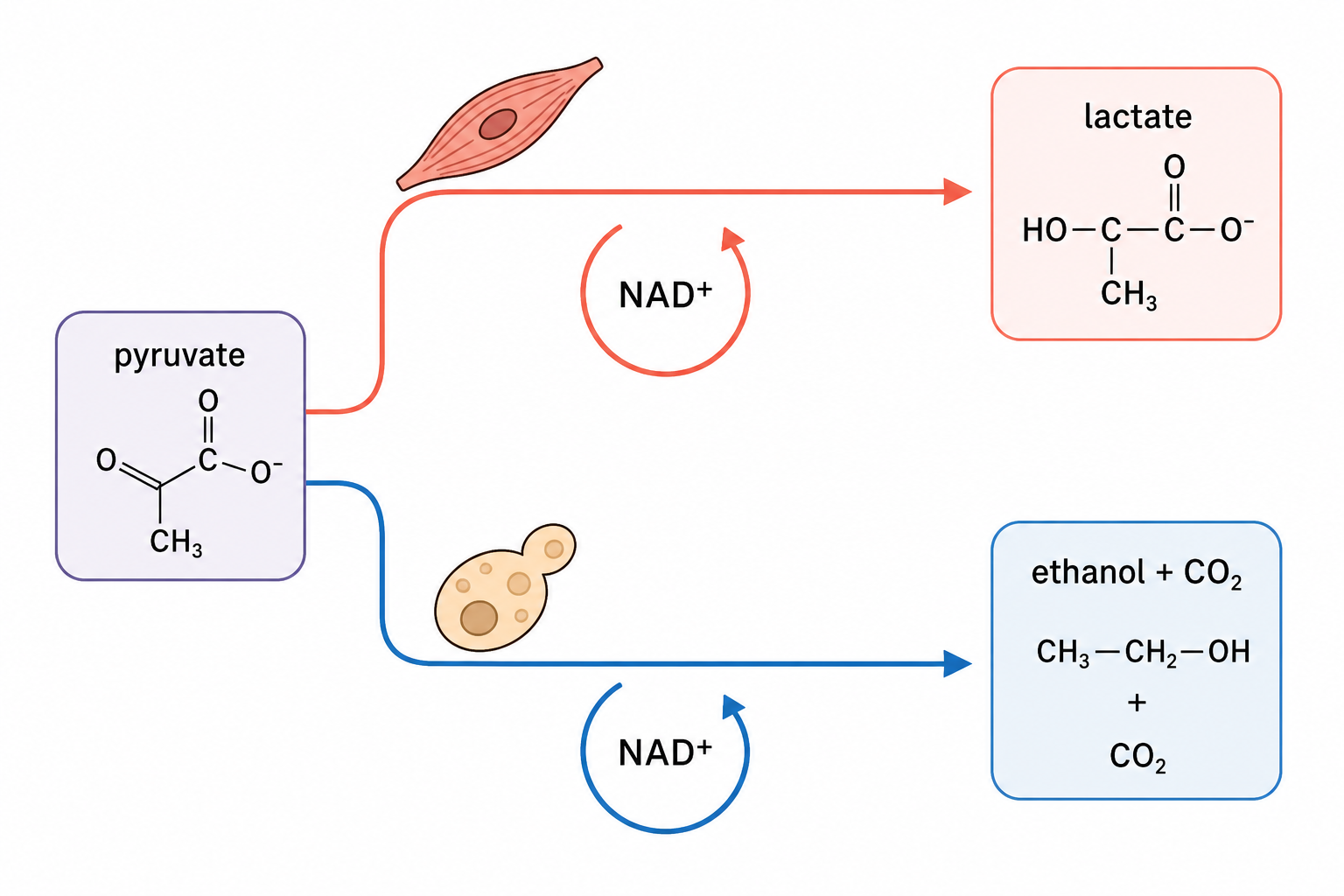
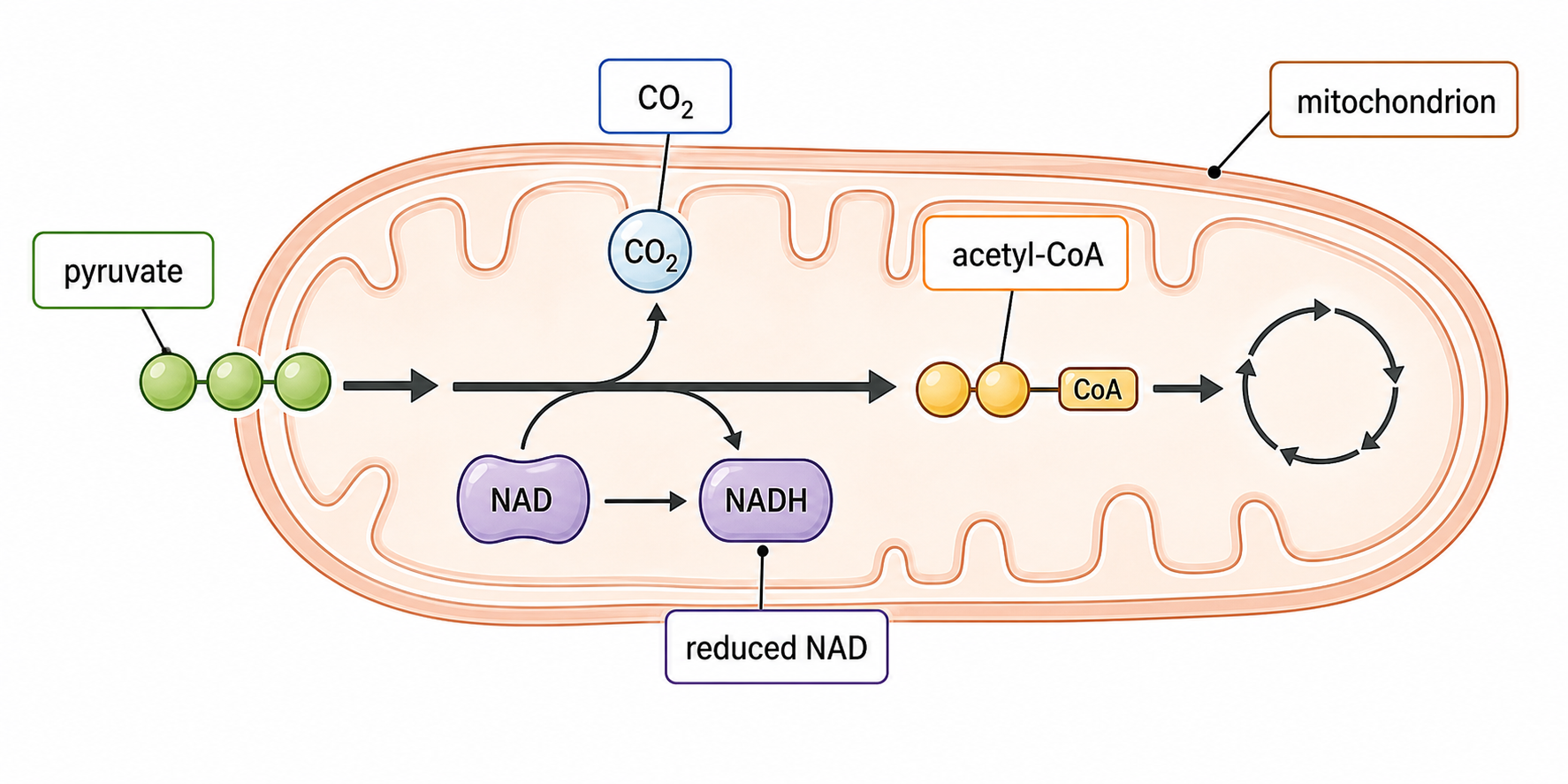
Aerobic respiration in humans uses oxygen and mitochondria, while anaerobic respiration in cytoplasm produces lactate and little ATP, supporting usable cellular work and measurable biological activity.
Syllabus
First assessment 2025
Objective
C1.2.5
Level
HL

Exam analysis

Chance of appearing5%of analysed past papers
Latest appearanceMay 2024
Most common paperPaper1
Typical marks1–4

Common command terms

  • State
  • Compare
  • Identify
  • Distinguish
  • Outline
  • Explain
  • Suggest

Recent exam appearances

May 2024Paper2 ["HL"] · TZ26(a)[ 4 ]C1.2.5—Anaerobic vs. aerobic respiration in humans
May 2023Paper1 ["HL"] · TZ19[ 1 ]C1.2.5—Anaerobic vs. aerobic respiration in humans
May 2022Paper1 ["HL"] · TZ18[ 1 ]C1.2.5—Anaerobic vs. aerobic respiration in humans
May 2017Paper1 ["HL"] · TZ234[ 1 ]C1.2.5—Anaerobic vs. aerobic respiration in humans
May 2014Paper2 ["HL"] · TZ28(a)[ 5 ]C1.2.5—Anaerobic vs. aerobic respiration in humans
Practice this objective

Coverage 2013–2024 · Updated 15 Jul 2026

Concept essentials

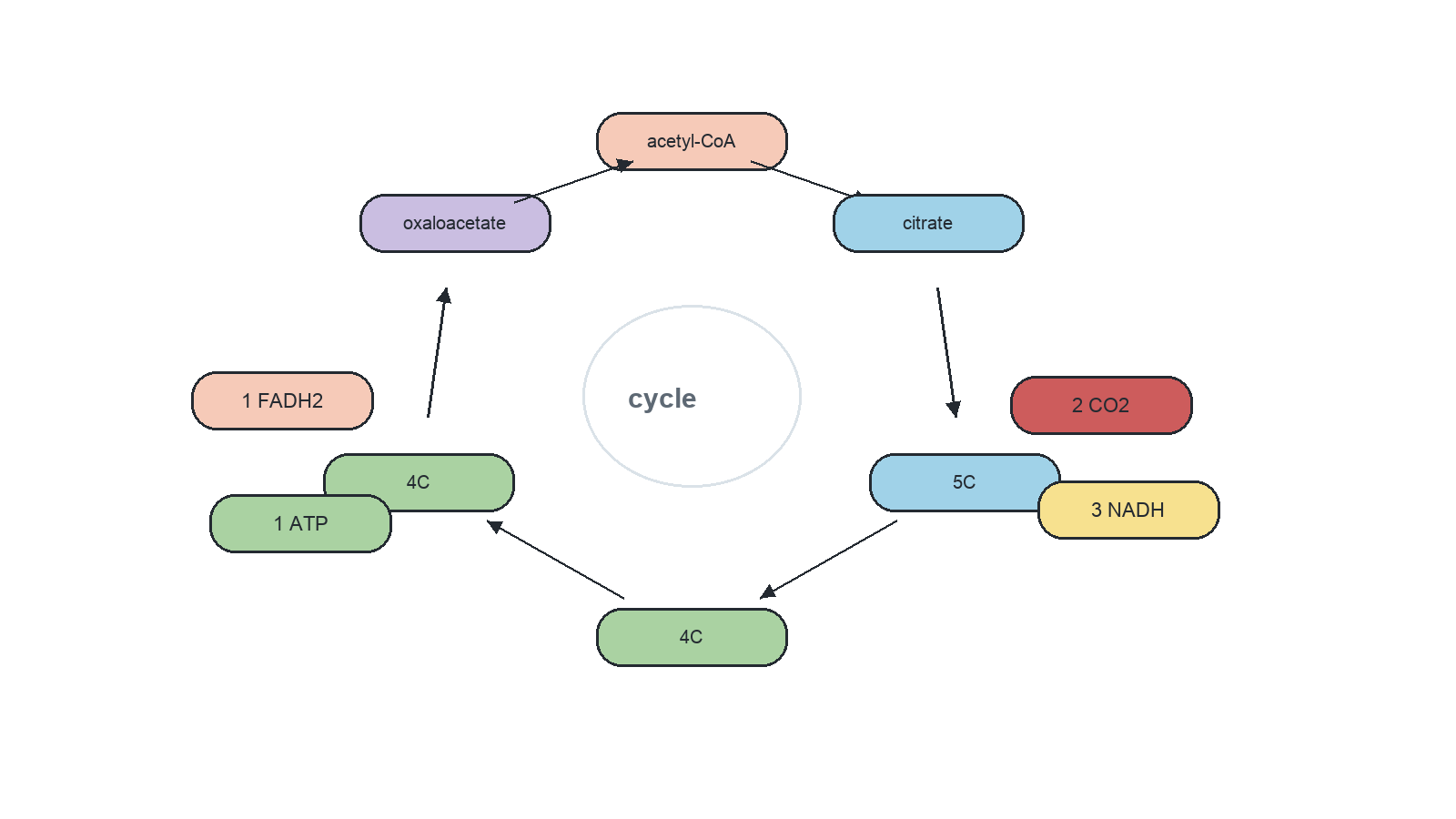
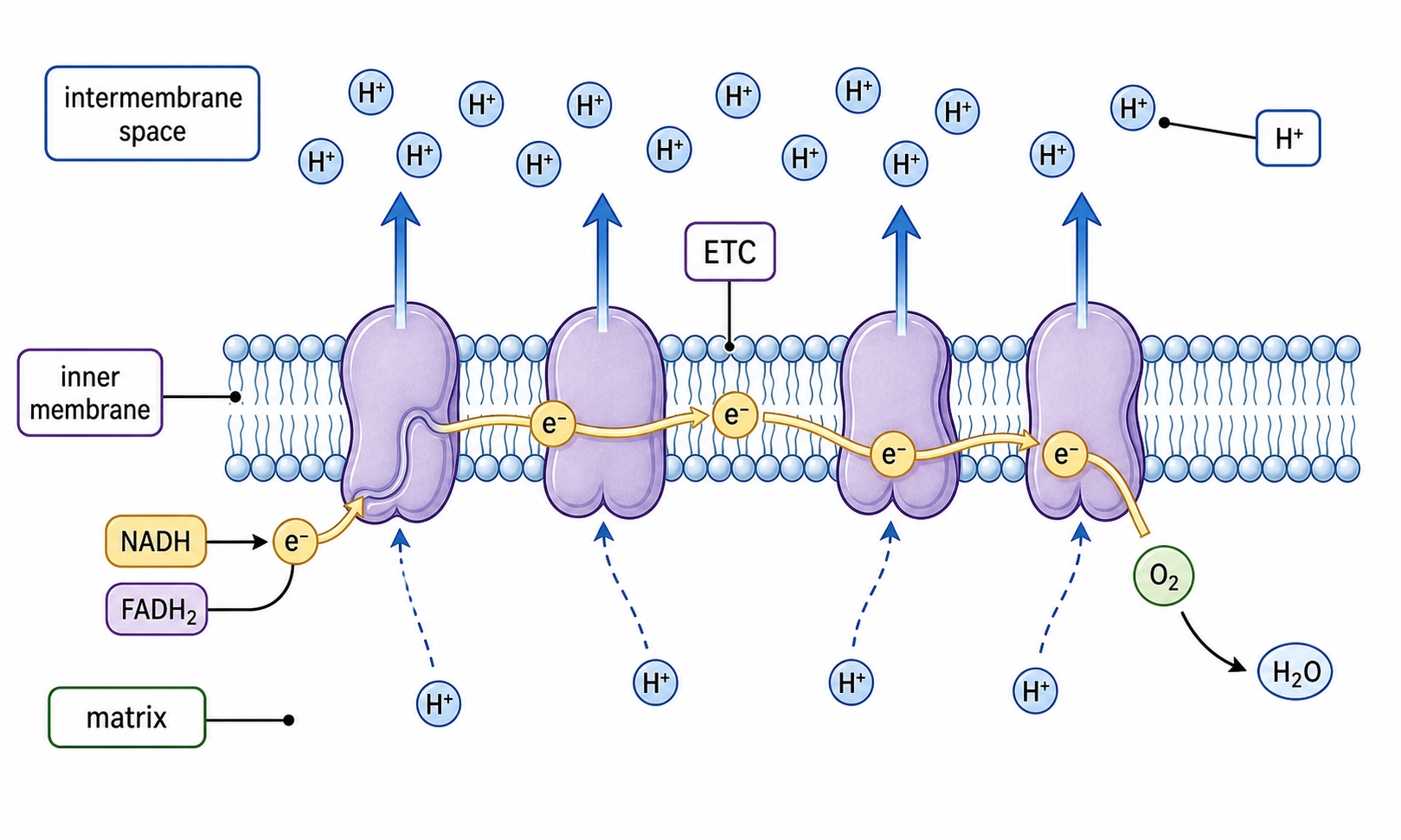
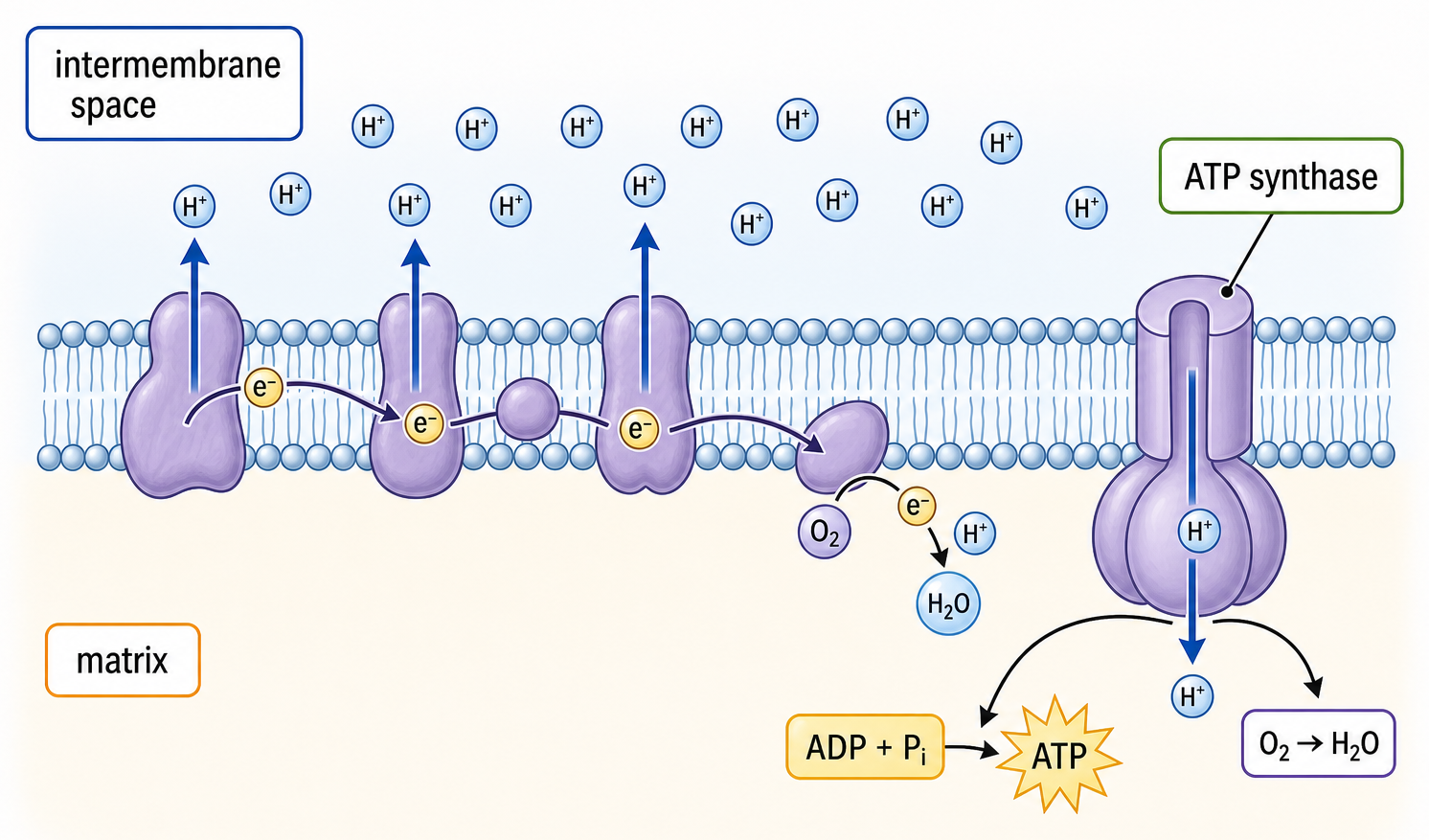
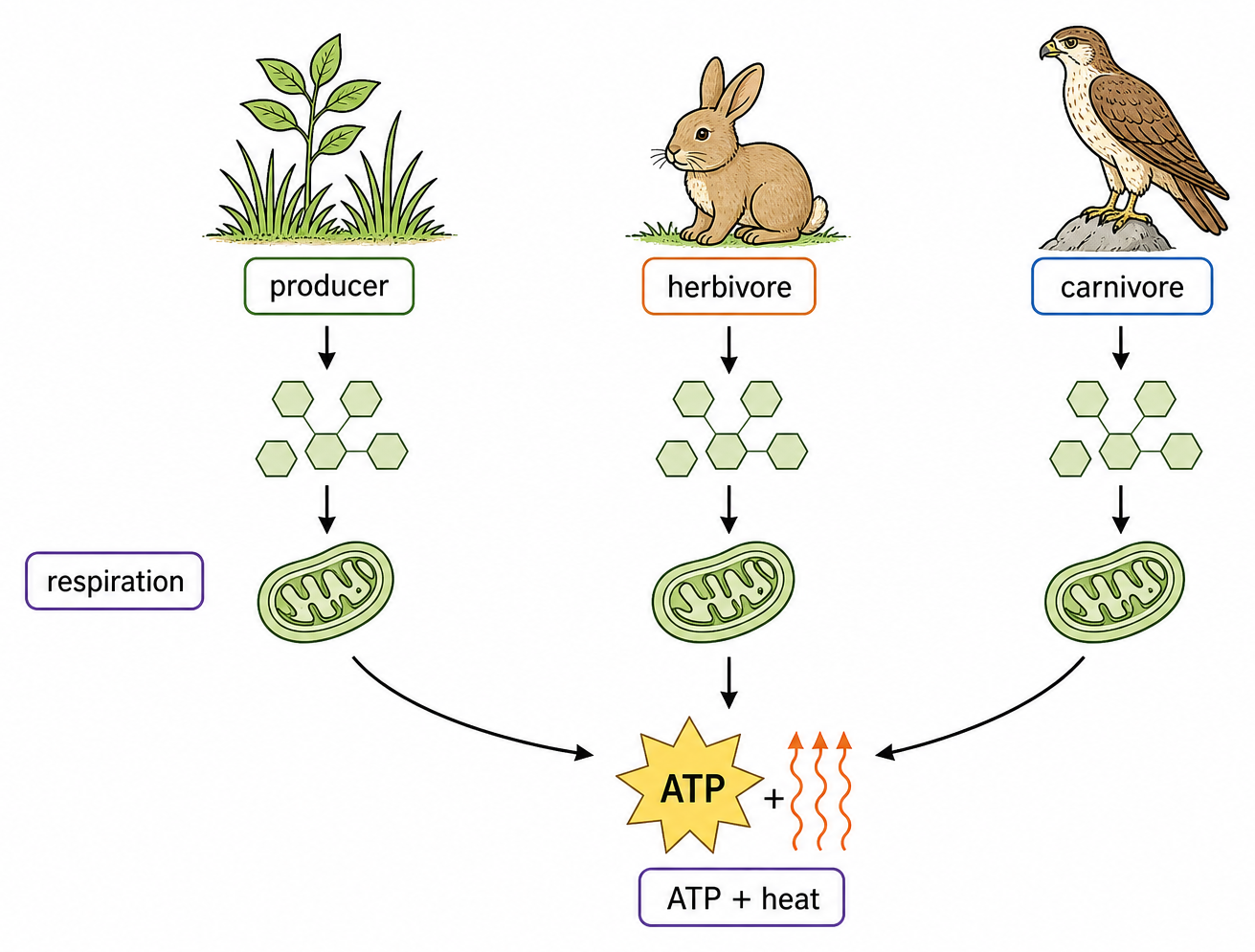
  • Aerobic respiration requires oxygen and uses mitochondria.
  • Human anaerobic respiration occurs in cytoplasm and produces lactate.
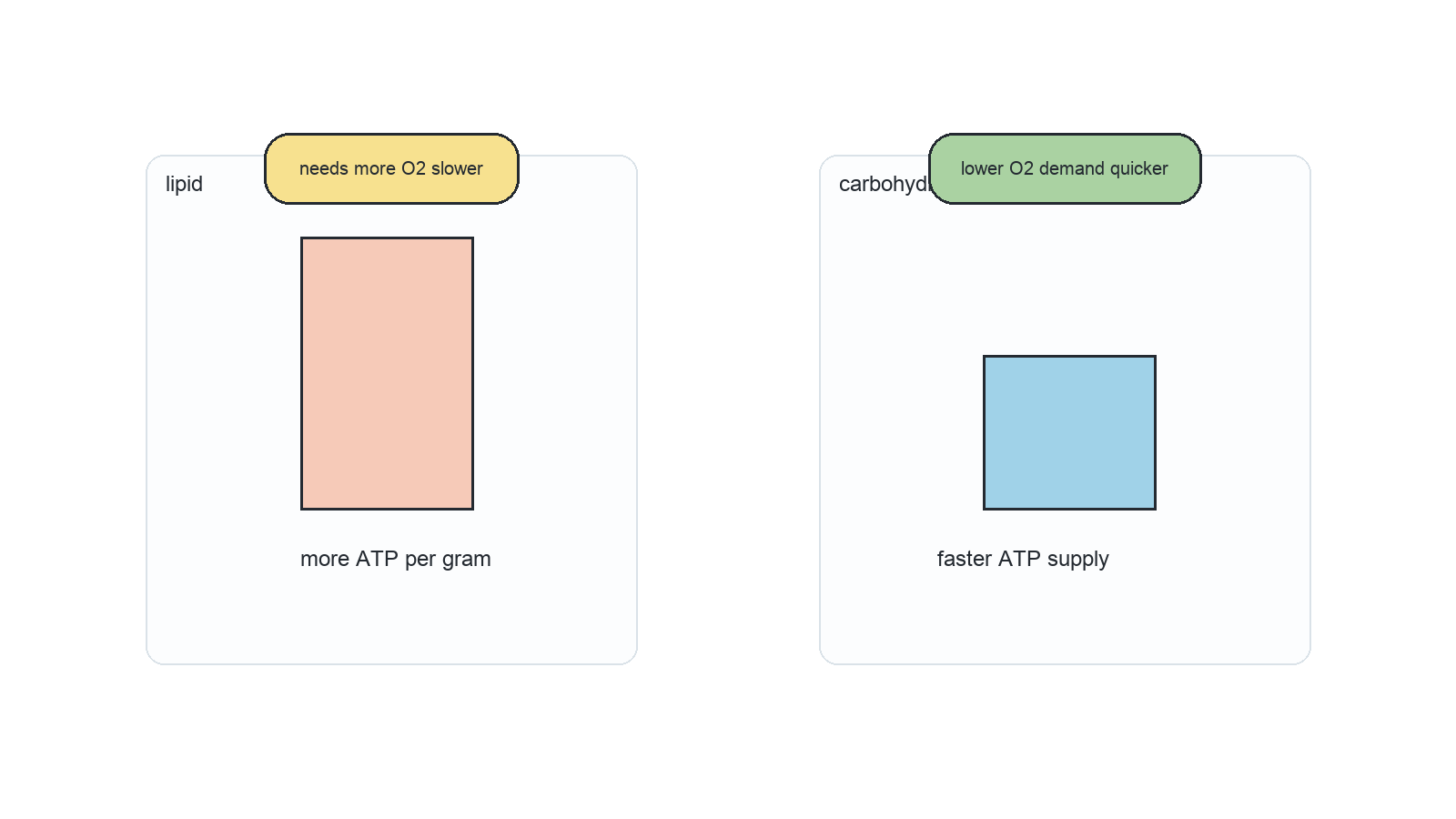
  • Anaerobic respiration gives a much smaller ATP yield than aerobic respiration.
  • Oxygen debt is linked to lactate production and later aerobic recovery.
ConceptIB Biology HL