C1.2.17 (HL)—Lipids vs. carbohydrates as substrates
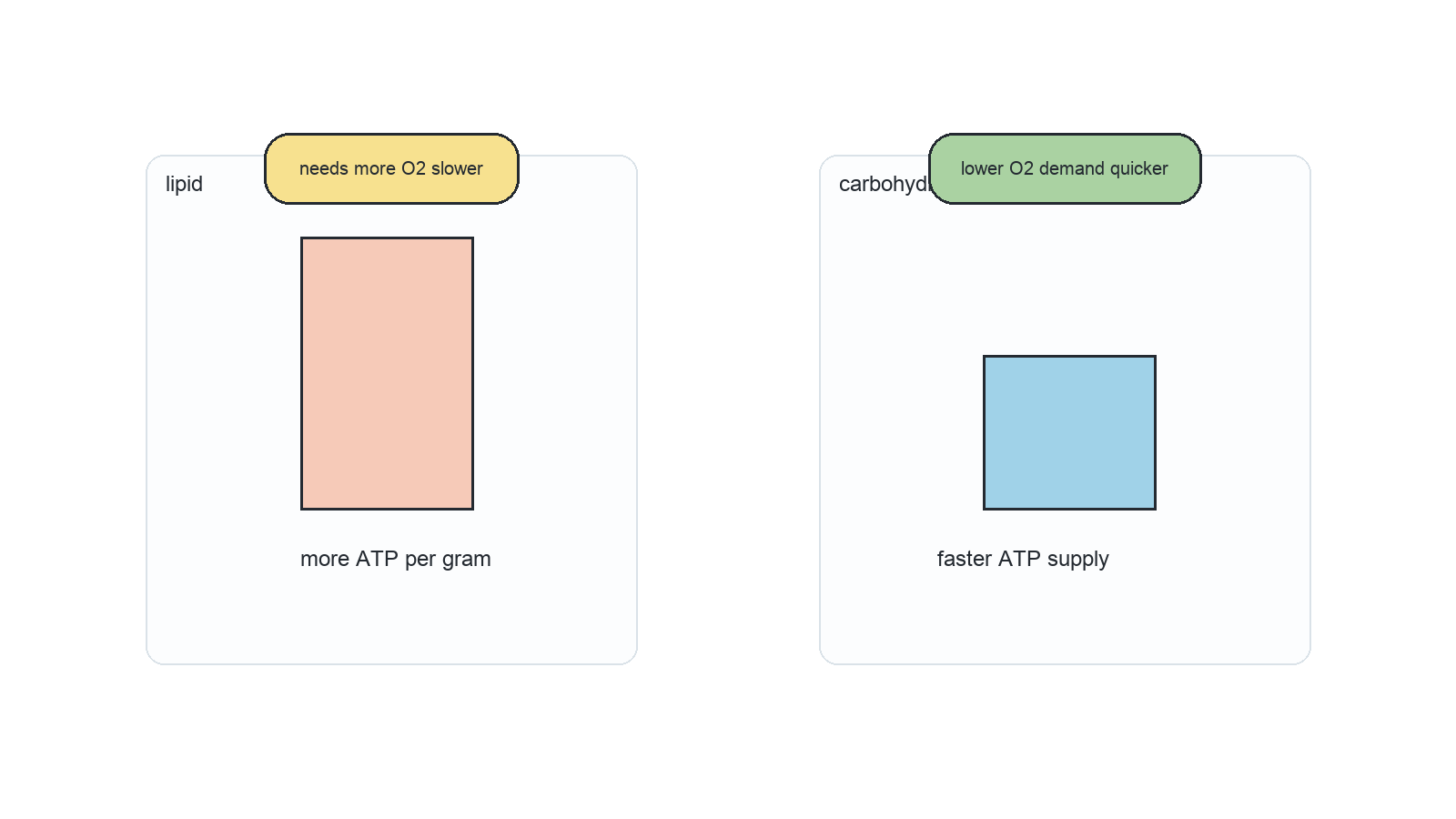
Lipids release more energy than carbohydrates per gram because they are more reduced and contain more carbon-hydrogen bonds, supporting usable cellular work and measurable biological activity.
Syllabus
First assessment 2025
Objective
C1.2.17
Level
HL

Exam analysis

Chance of appearing1%of analysed past papers
Latest appearanceNovember 2024
Most common paperPaper2
Typical marks2

Common command terms

  • Distinguish
  • State
  • Explain

Recent exam appearances

November 2024Paper2 ["HL"] · TZ04(d)[ 2 ]C1.2.17 (HL)—Lipids vs. carbohydrates as substrates
Practice this objective

Coverage 2024–2024 · Updated 15 Jul 2026

Carbohydrates and Lipids Enter Respiration Differently

HL only

Lipids release more energy per gram than carbohydrates because they contain less oxygen and more oxidizable carbon and hydrogen; they also yield more metabolic water.

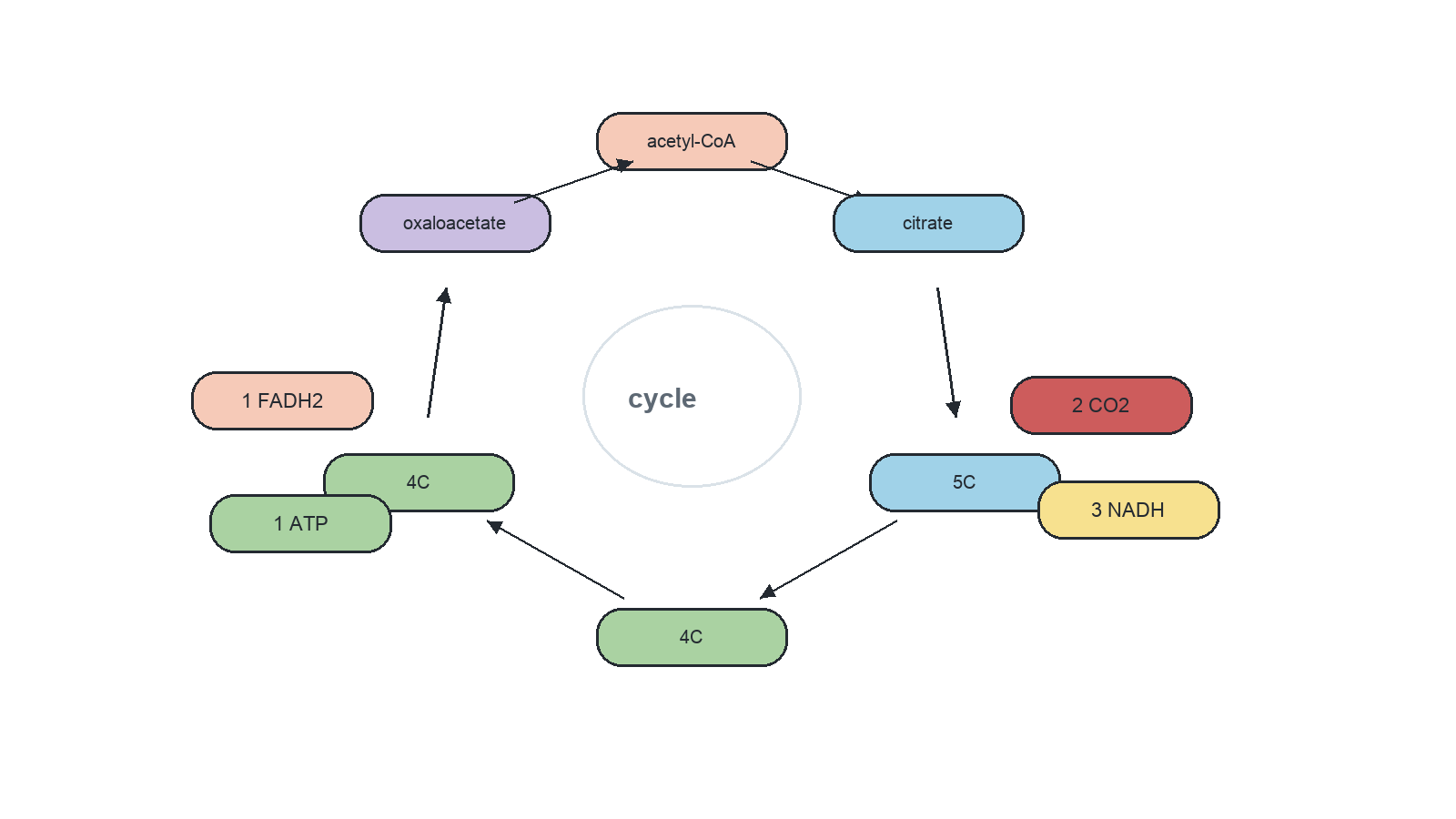
Carbohydrates are hydrolysed to sugars that enter glycolysis quickly. Fatty acids are broken into 2C acetyl groups that enter aerobic respiration as acetyl-CoA and generate many reduced electron carriers.

Glycolysis and anaerobic respiration occur only when carbohydrate is the substrate. Lipid oxidation depends on mitochondrial aerobic pathways, whereas glycerol from triglycerides can enter carbohydrate metabolism.

During prolonged aerobic activity, repeated fatty-acid breakdown supplies many acetyl-CoA molecules and reduced carriers, giving a high ATP yield; rapid anaerobic ATP demand instead depends on carbohydrate.

Higher energy per gram does not mean lipid is always the fastest or only fuel. Oxygen availability, mobilization, enzyme capacity and activity intensity determine substrate use.

Lipids vs. carbohydrates as substrates

HL only

Assessment in practice

1–3 marks
How it is assessed

This objective is assessed through structured response, commonly using Distinguish / State / Explain.

Command terms

Distinguish / State / Explain

What earns marks

Build the answer around this relationship: Lipids contain more energy per gram than carbohydrates.

Representative question

Question 1

[Maximum number: 3]

Studies of harbour seals led to the hypothesis that stores of fats (triglycerides) may play an important role in ATP production, especially during diving. Discuss this hypothesis using the data provided.

Trace The Respiration Pathway

HL only

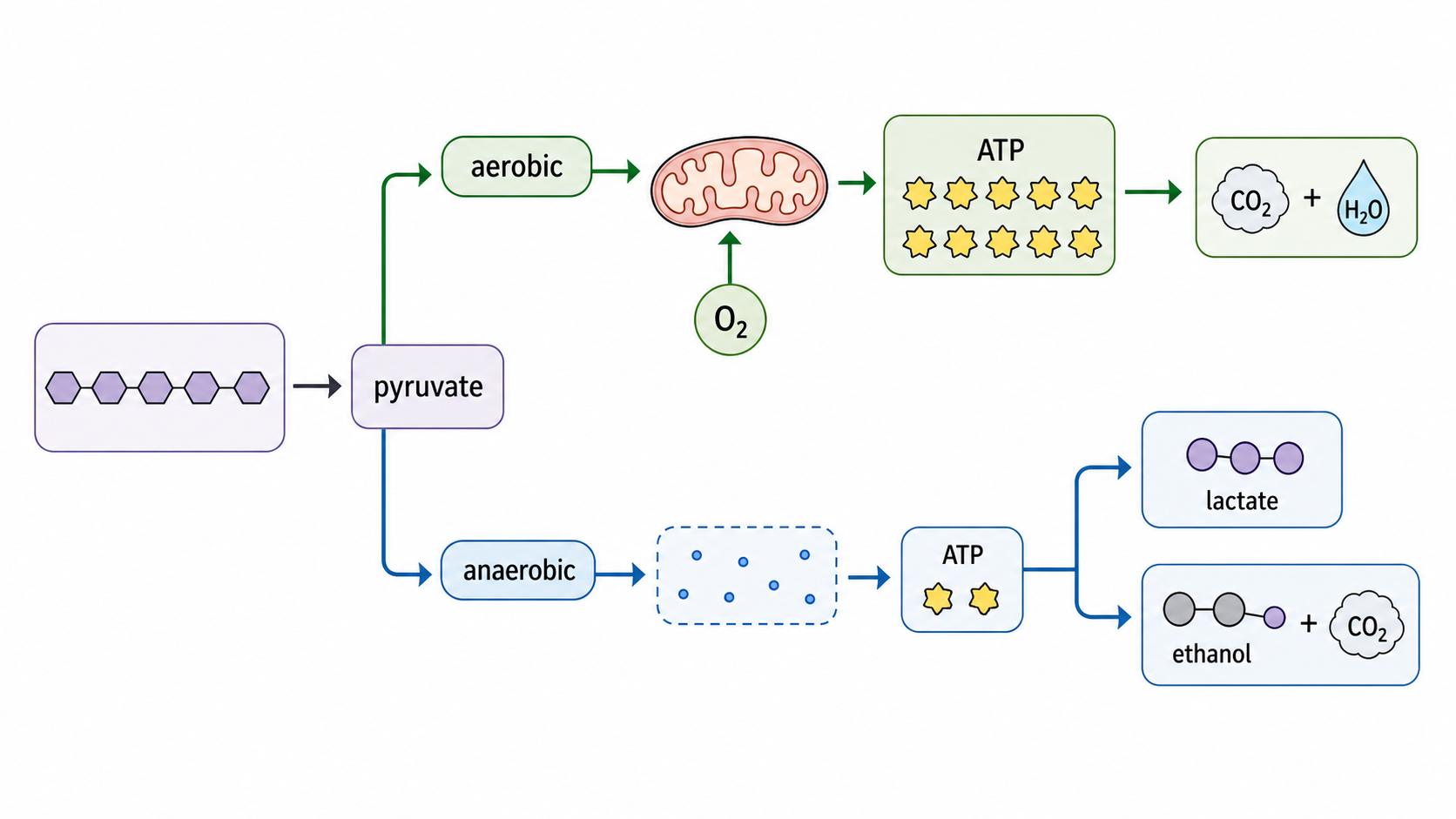
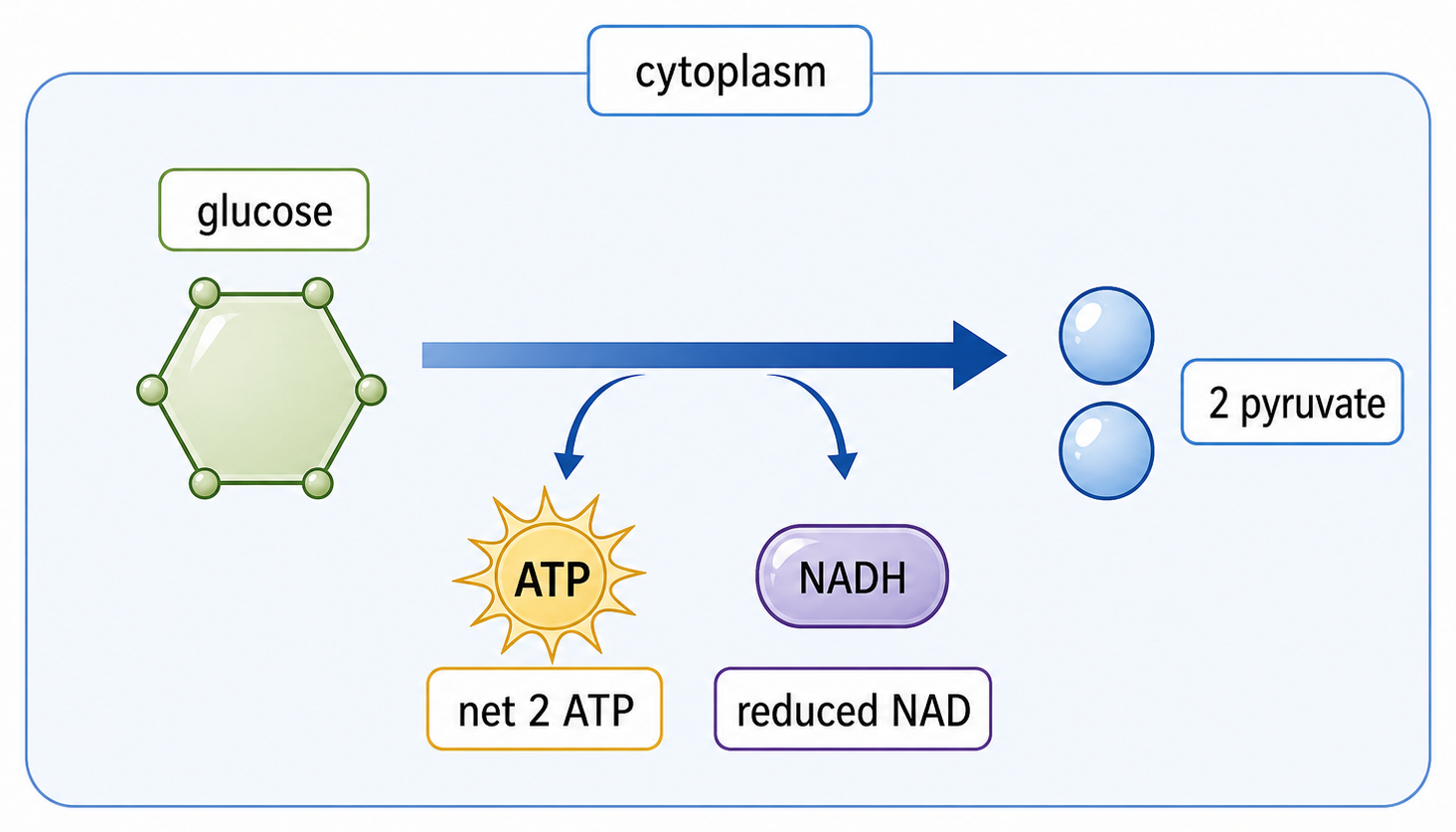
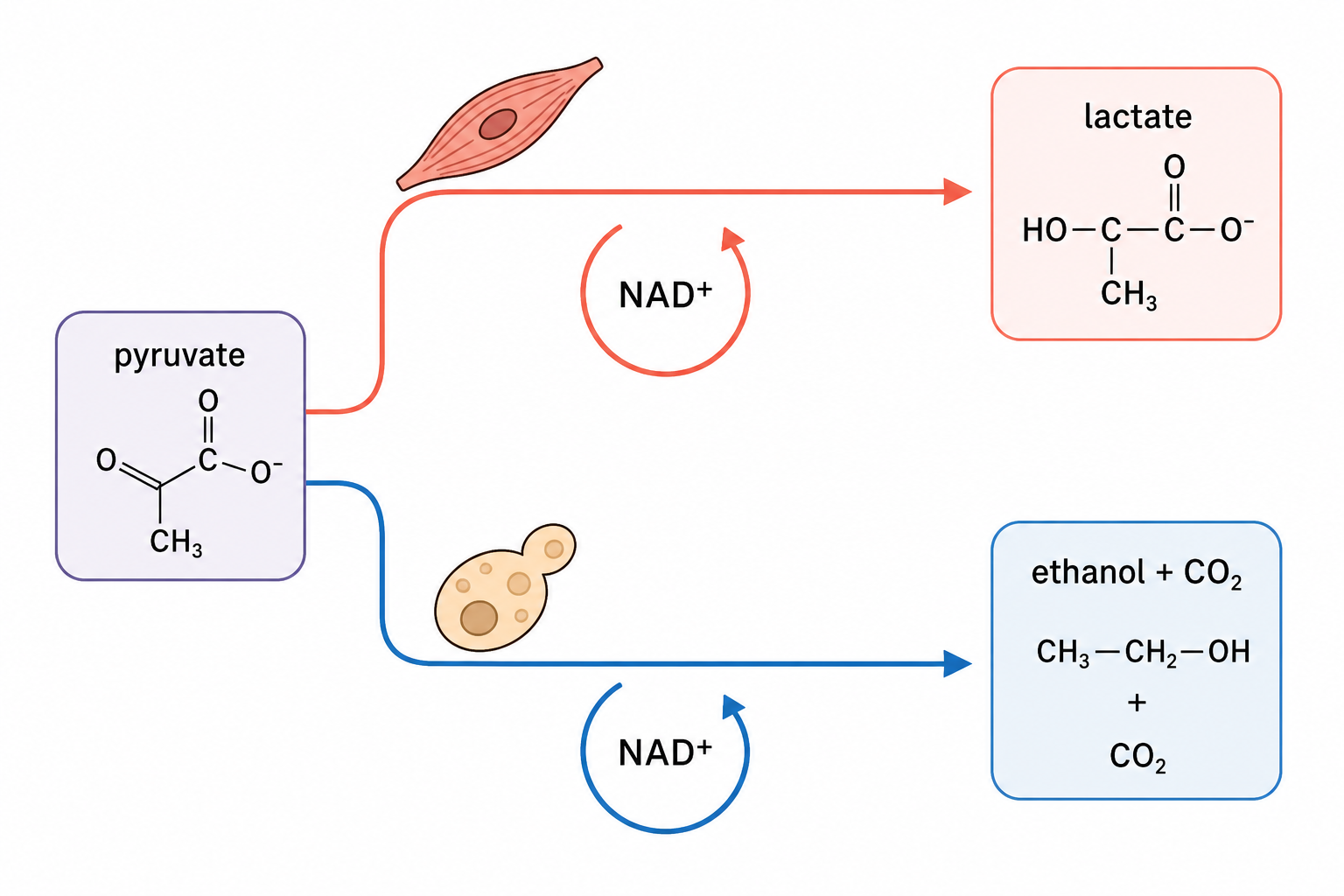
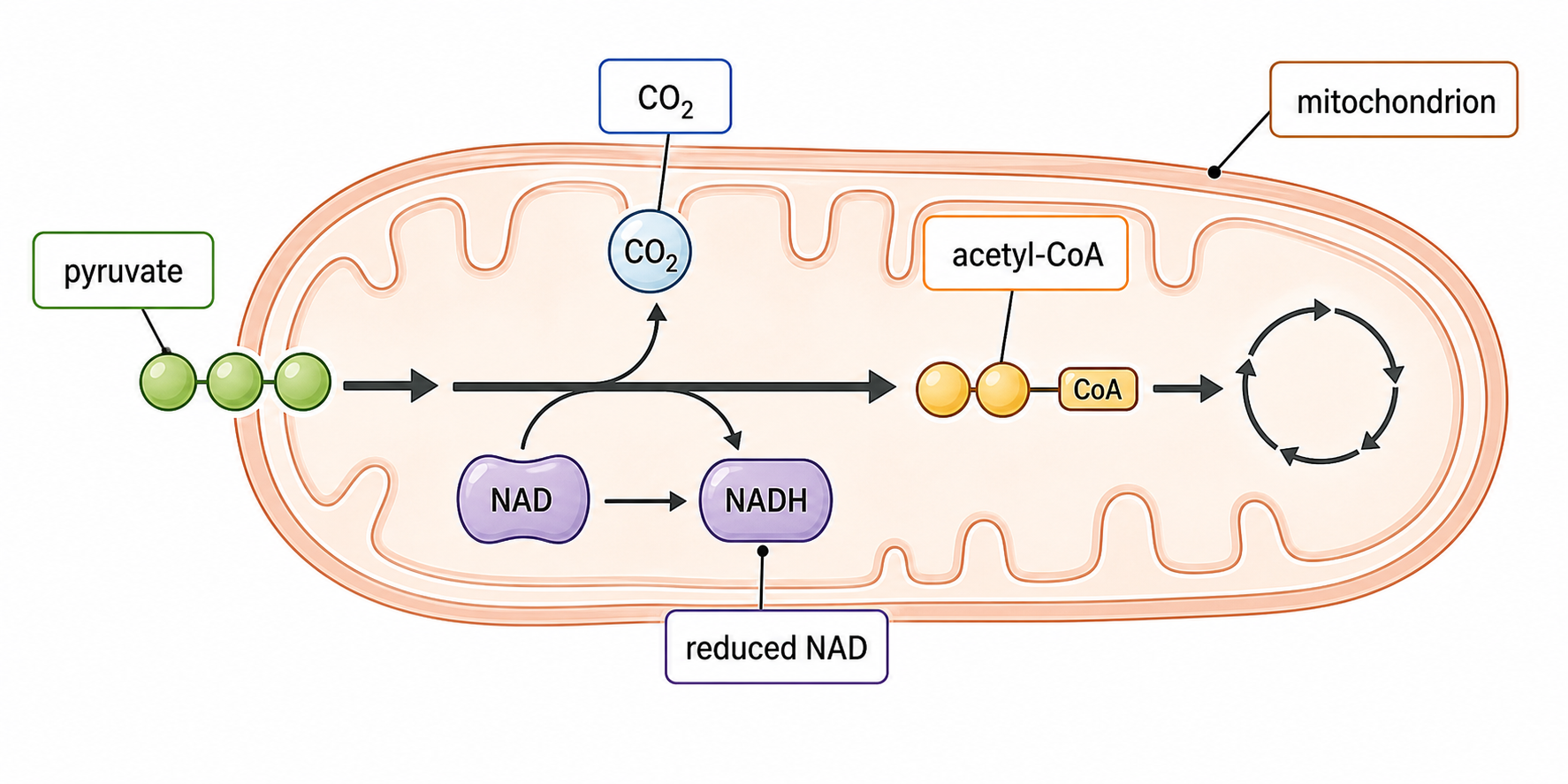
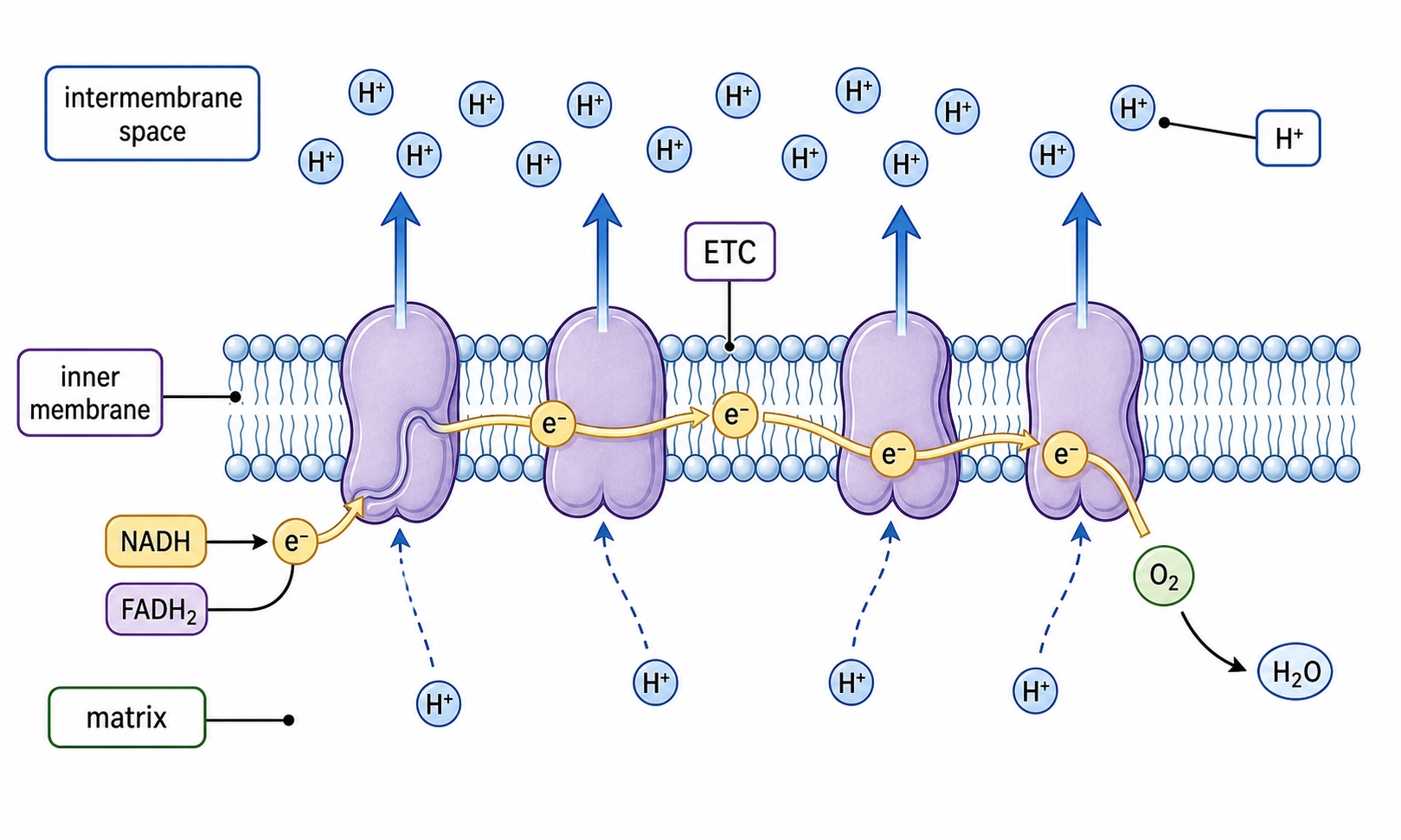
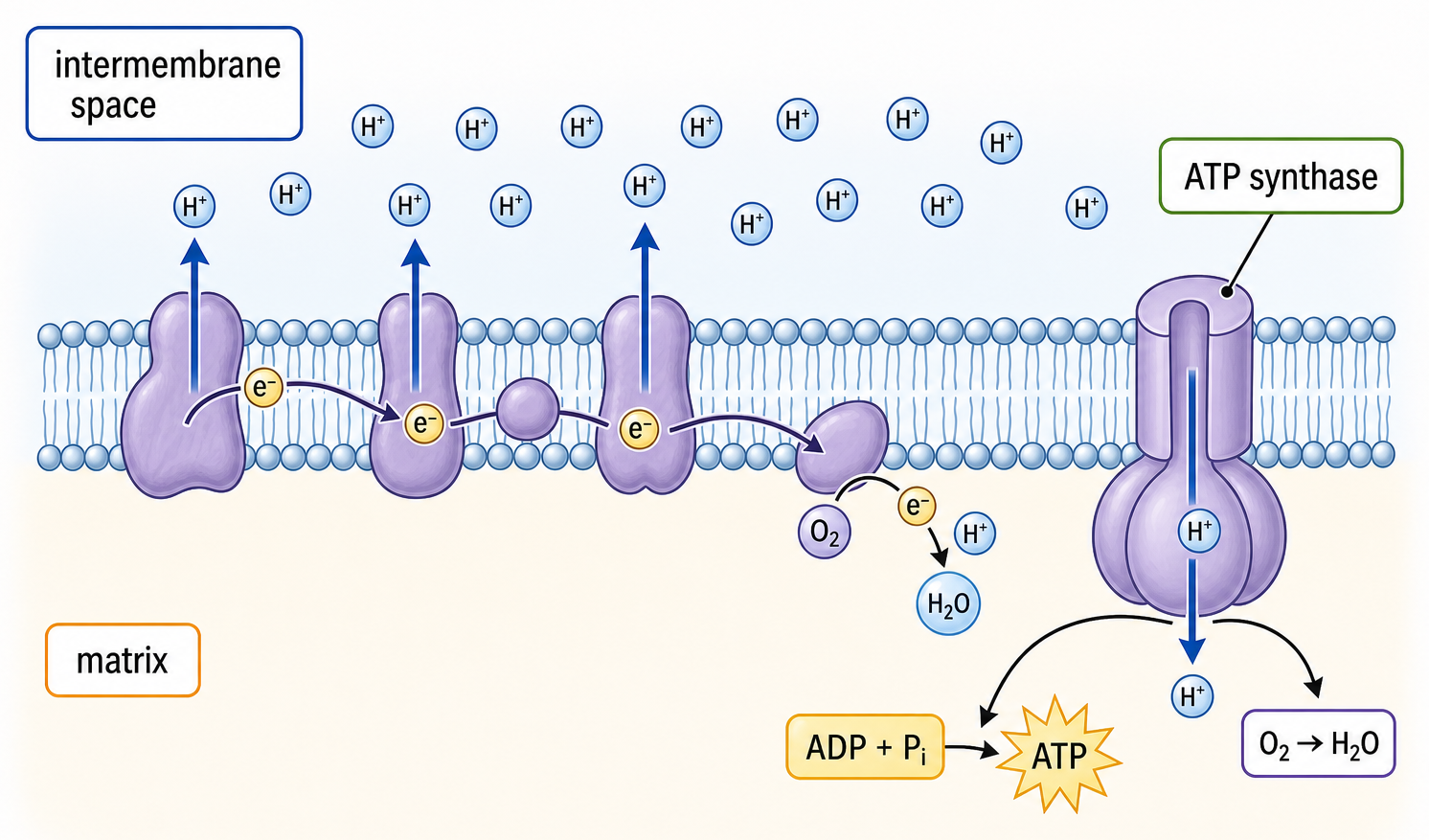
In HL respiration, carbon and hydrogen are followed separately. Glycolysis turns glucose into pyruvate, net ATP, and reduced NAD. Without oxygen, pyruvate becomes lactate in humans or ethanol and carbon dioxide in yeast to regenerate NAD. With oxygen, pyruvate enters the link reaction, forming acetyl-CoA, carbon dioxide, and reduced NAD. The Krebs cycle releases more carbon dioxide and reduced coenzymes. Electron transport uses reduced NAD/FAD to pump protons, chemiosmosis through ATP synthase makes ATP, and oxygen accepts electrons and protons to form water. Substrate comparisons depend on ATP yield, oxygen demand, water production, and speed. Regenerated NAD allows glycolysis to continue. Fermentation regenerates NAD for glycolysis and is used in baking and brewing. Electron transfers release energy while coenzymes are reoxidized.

  • Trace carbon: glucose -> pyruvate -> acetyl-CoA -> carbon dioxide, or anaerobic products.
  • Trace hydrogen/electrons: NAD/FAD become reduced and feed the electron transport chain.
  • Trace protons: electron transport builds the gradient; ATP synthase uses it for chemiosmosis.
  • Compare substrates by yield, oxygen demand, metabolic water, and speed.

Concept essentials

  • Lipids contain more energy per gram than carbohydrates.
  • Triglycerides are more reduced and contain many carbon-hydrogen bonds.
  • Beta oxidation can generate acetyl-CoA for aerobic respiration.
  • Carbohydrates enter glycolysis more directly than lipids.