C1.2.4—Cell respiration system

Cell respiration releases energy from organic compounds in controlled enzyme-catalysed stages, transferring that energy into ATP, supporting usable cellular work and measurable biological activity.

Syllabus
First assessment 2025
Objective
C1.2.4
Level
HL

Exam analysis

Chance of appearing5%of analysed past papers
Latest appearanceMay 2025
Most common paperPaper2
Typical marks1–3

Common command terms

  • Identify
  • Outline
  • Distinguish
  • Suggest
  • Explain
  • Define
  • Compare
  • Describe

Recent exam appearances

May 2025Paper1A ["HL"] · TZ17[ 1 ]C1.2.4—Cell respiration system
November 2023Paper2 ["HL"] · TZ21(h)[ 3 ]C1.2.4—Cell respiration system
November 2023Paper2 ["HL"] · TZ21(g)[ 2 ]C1.2.4—Cell respiration system
November 2018Paper1 ["HL"] · TZ010[ 1 ]C1.2.4—Cell respiration system
May 2018Paper2 ["HL"] · TZ21(c)[ 2 ]C1.2.4—Cell respiration system
Practice this objective

Coverage 2013–2025 · Updated 15 Jul 2026

Aerobic and anaerobic respiration

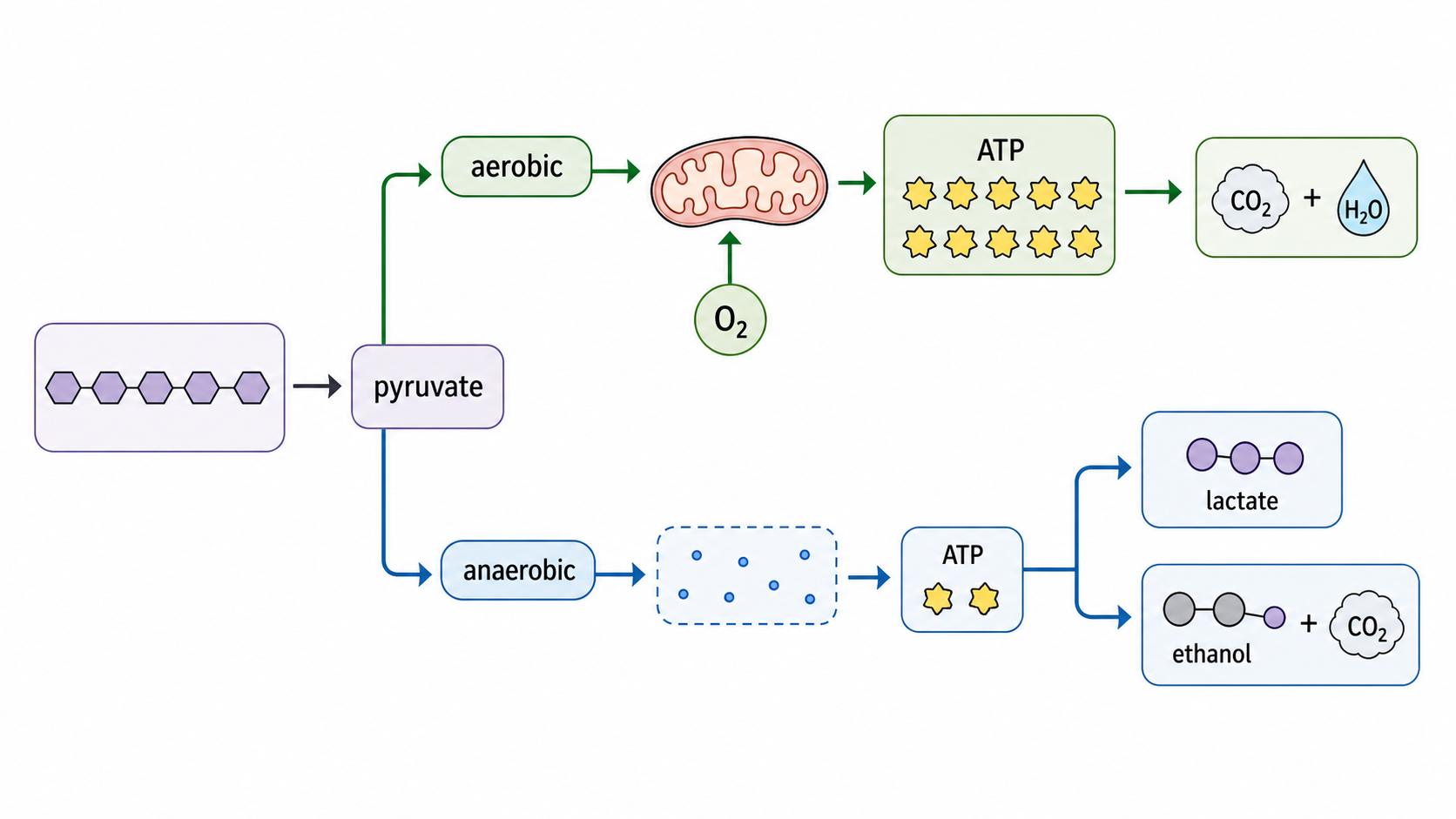
Aerobic and anaerobic respiration compared by location, oxygen use, products, and ATP yield.

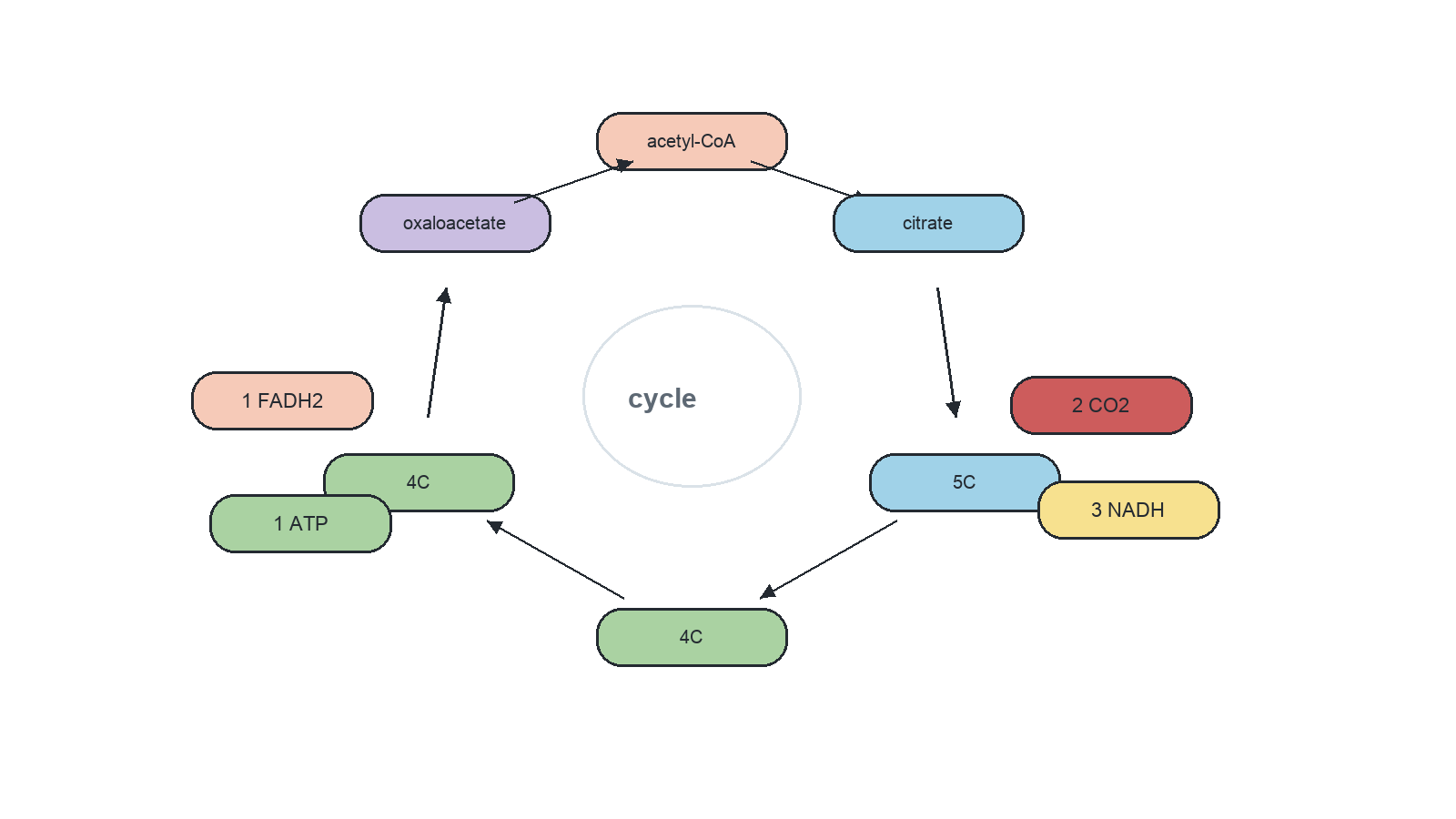
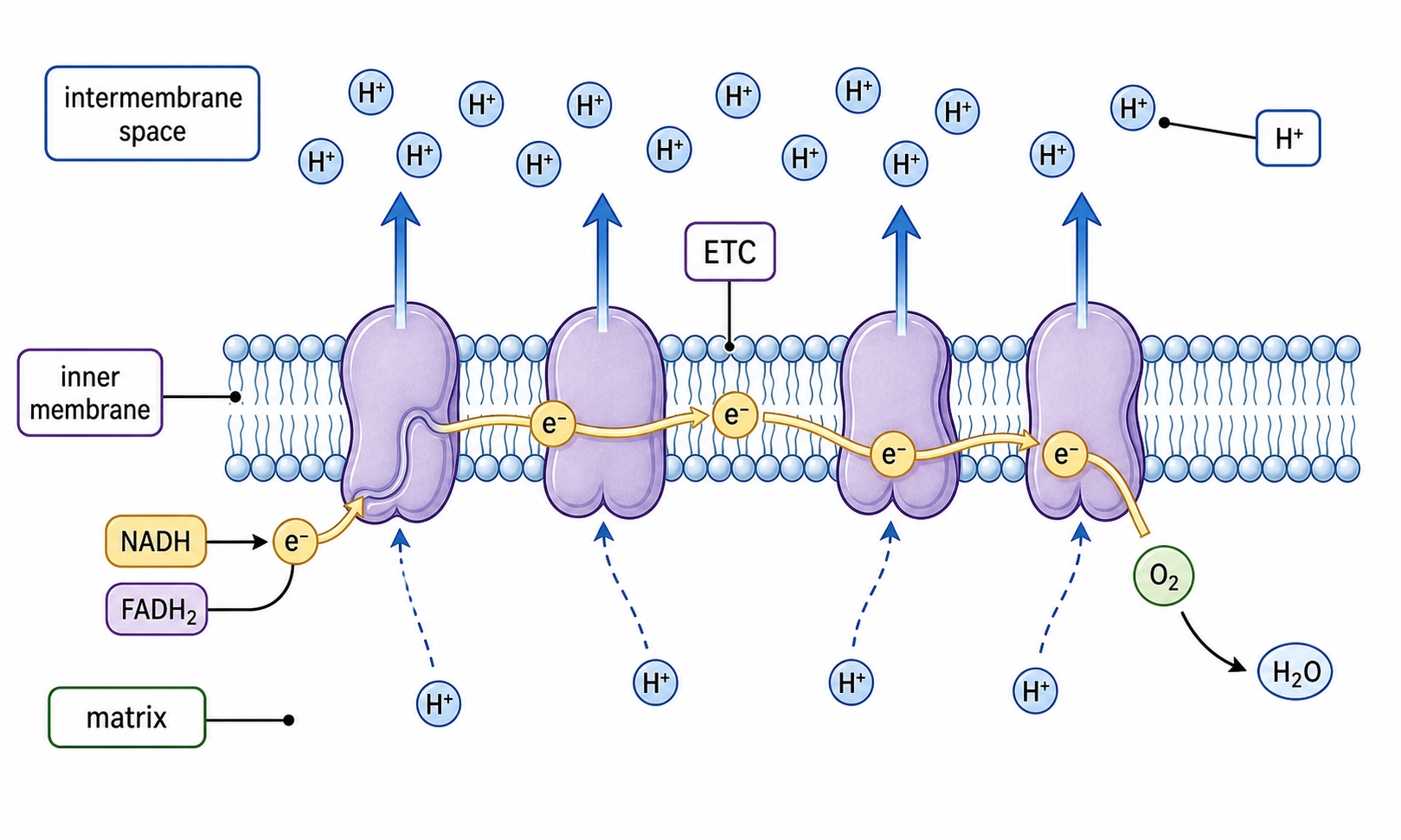
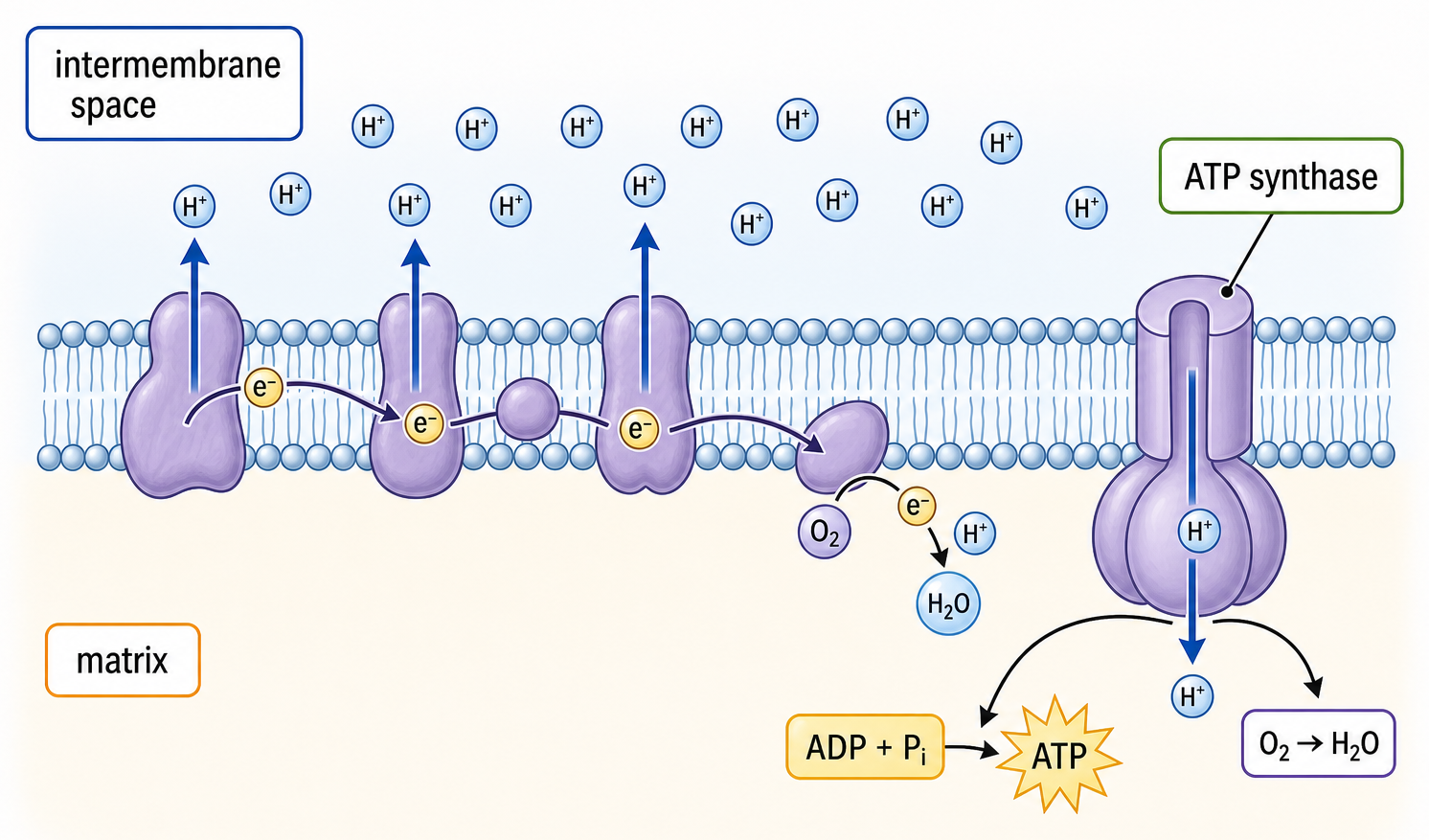
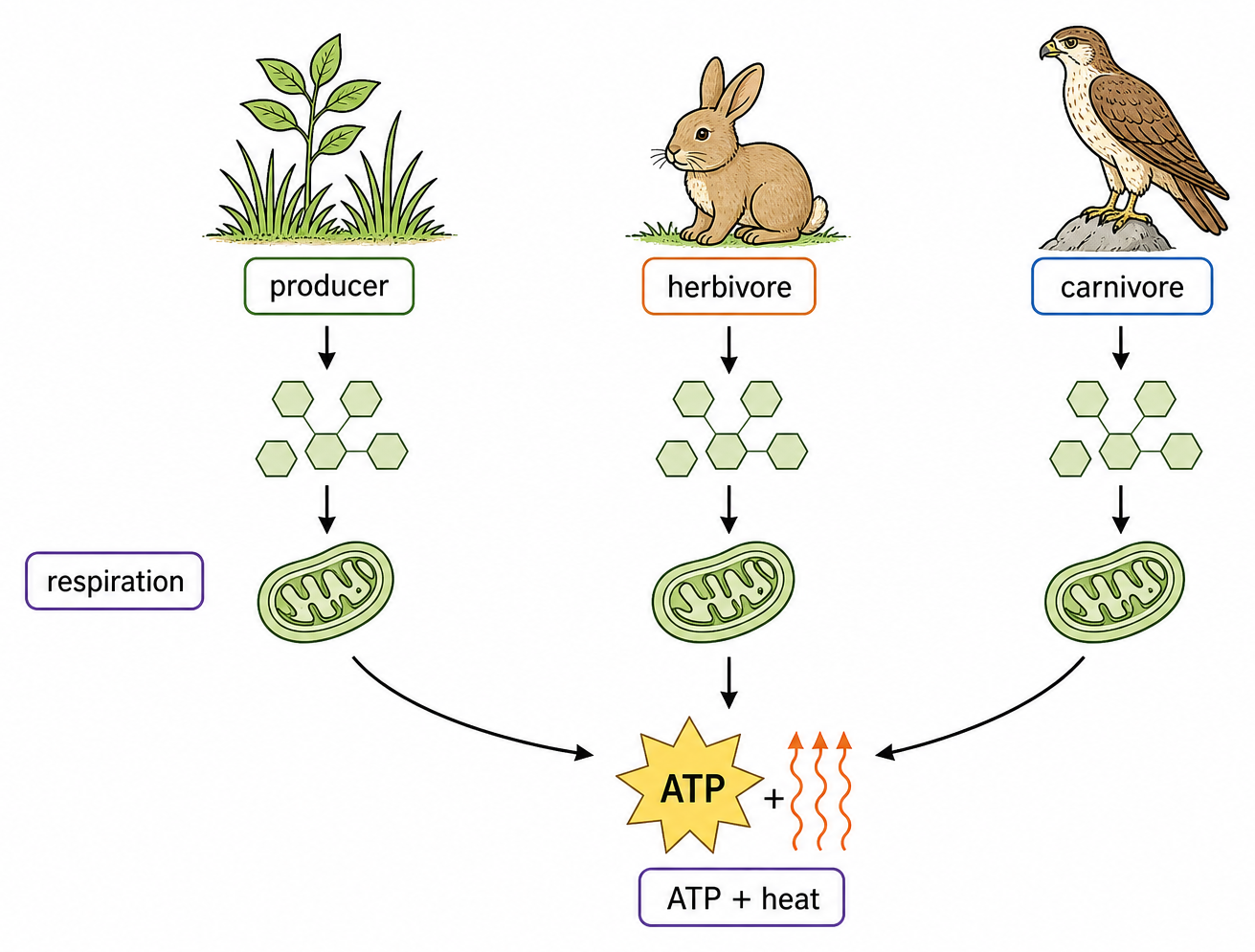
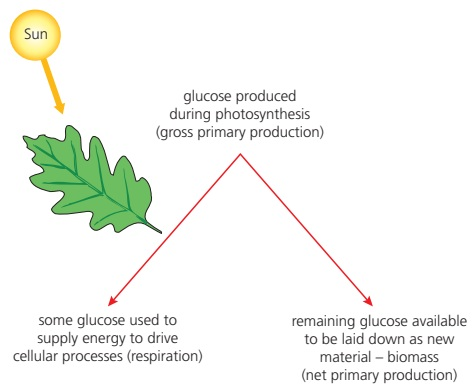
Cell respiration is an enzyme-controlled system that transfers energy released from carbon compounds into ATP; glucose and fatty acids are major substrates, although other organic compounds can also be used.

Feature in humans Aerobic respiration Anaerobic respiration
Oxygen Required Not required
Substrate Glucose, fatty acids and other organics Carbohydrate/glucose
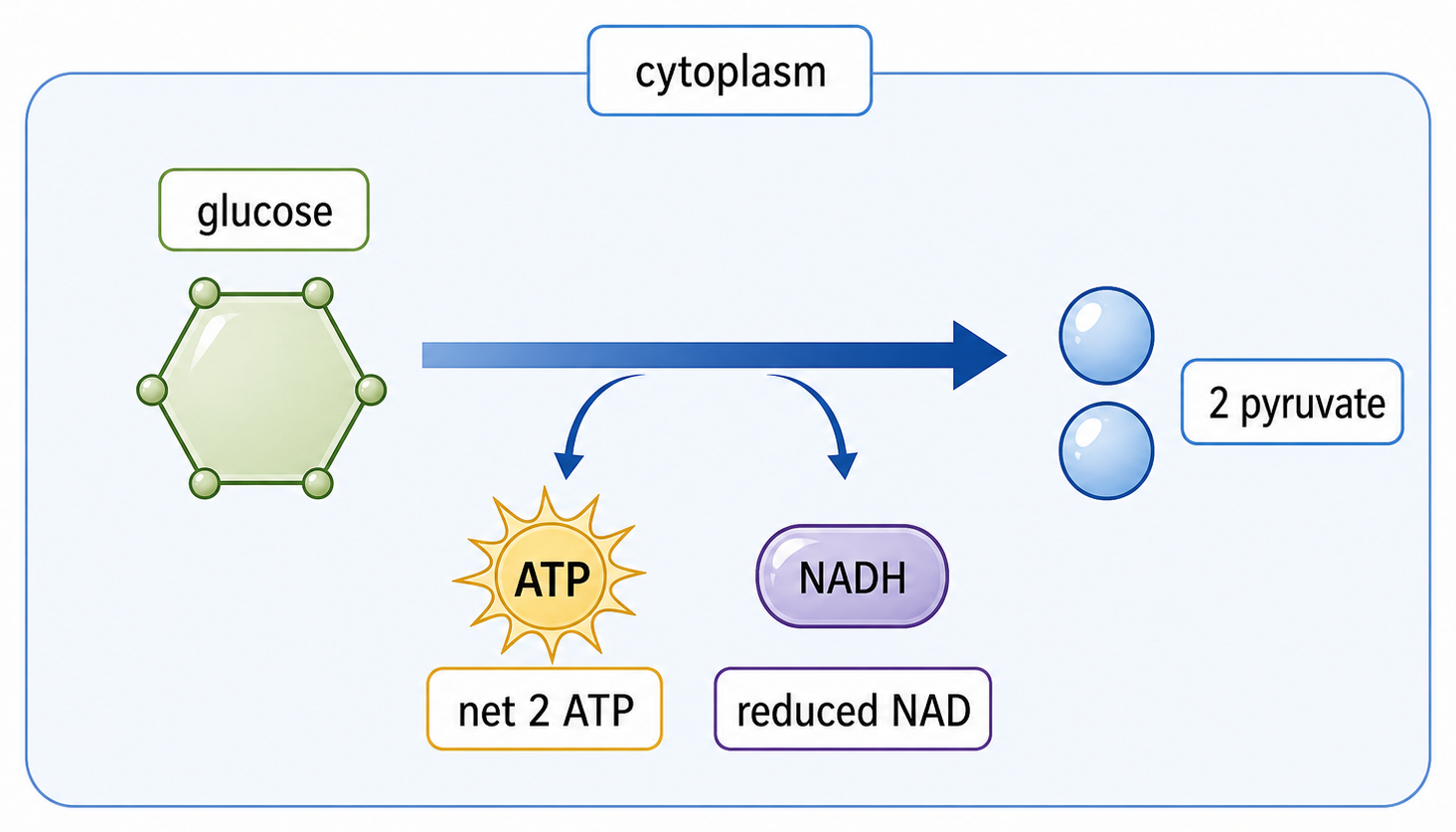
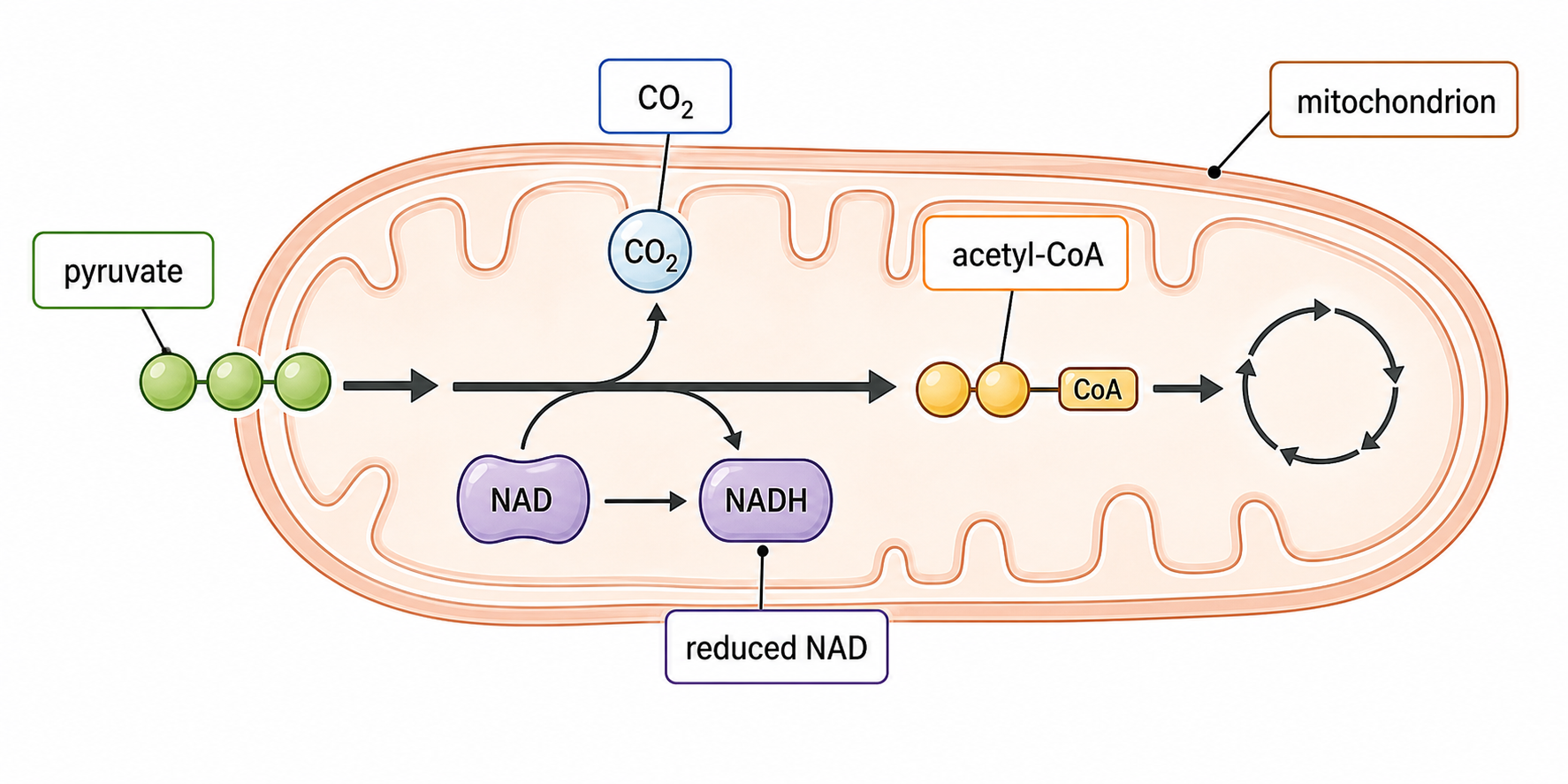
Location Glycolysis in cytoplasm; later stages in mitochondria Cytoplasm only
ATP yield High Low: net 2 ATP per glucose
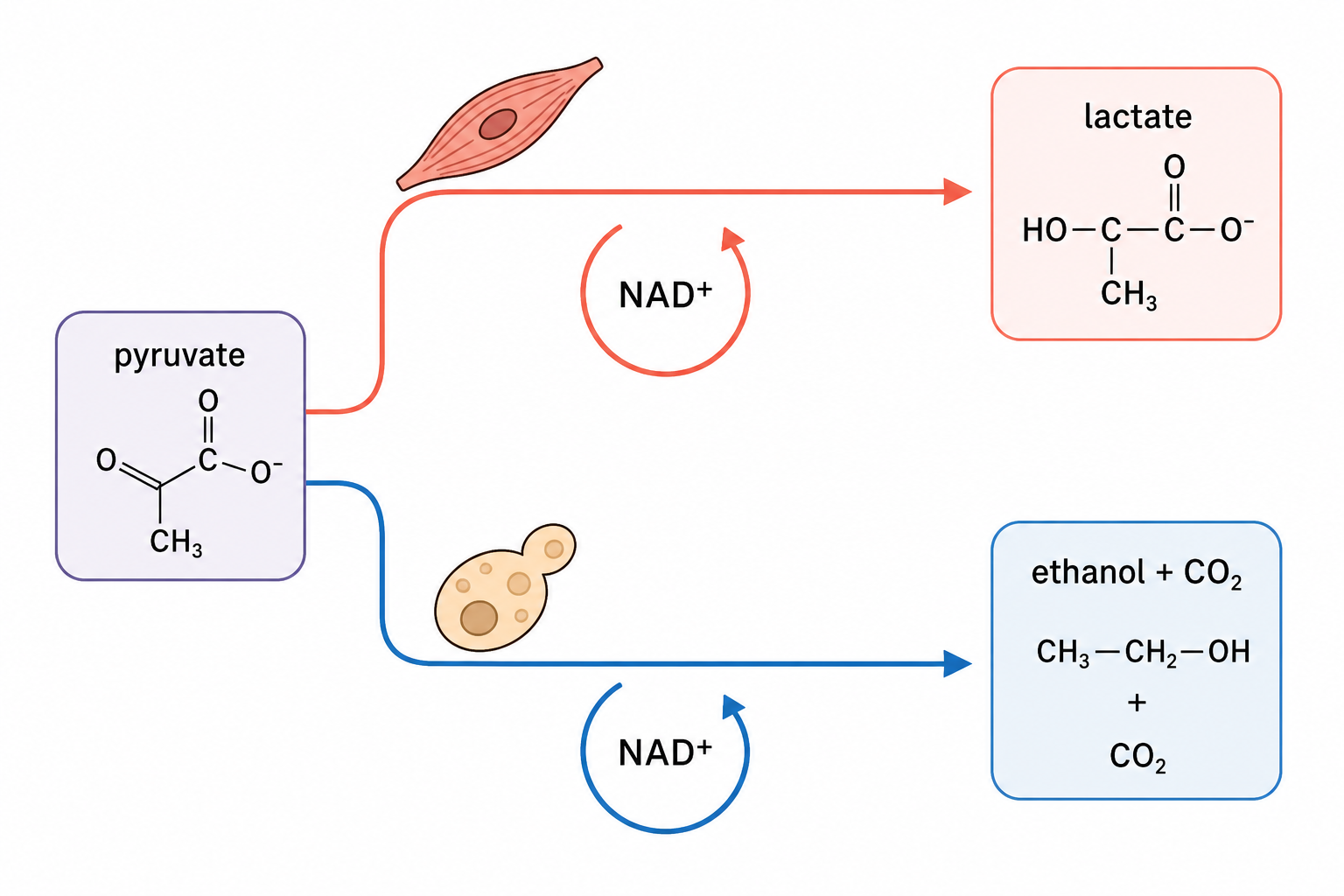
Waste products Carbon dioxide and water Lactate

Word equations: glucose + oxygen → carbon dioxide + water; glucose → lactate. In both cases energy released is transferred to ATP, but mitochondrial aerobic stages produce far more.

Cell respiration is chemical energy transfer inside cells; gas exchange is movement of oxygen and carbon dioxide across a surface. Mitochondria are required for aerobic but not human anaerobic respiration.

Cell respiration system

Assessment in practice

1–3 marks
How it is assessed

This objective is assessed through structured response, commonly using Identify / Outline / Distinguish.

Command terms

Identify / Outline / Distinguish / Suggest / Explain / Define / Compare / Describe

What earns marks

Build the answer around this relationship: Cell respiration releases energy from organic compounds to form ATP.

Representative question

Question 1

[Maximum number: 8]

Explain the need for energy in cells and how energy is released through cell respiration.

SL Transfer: Explain Core Respiration

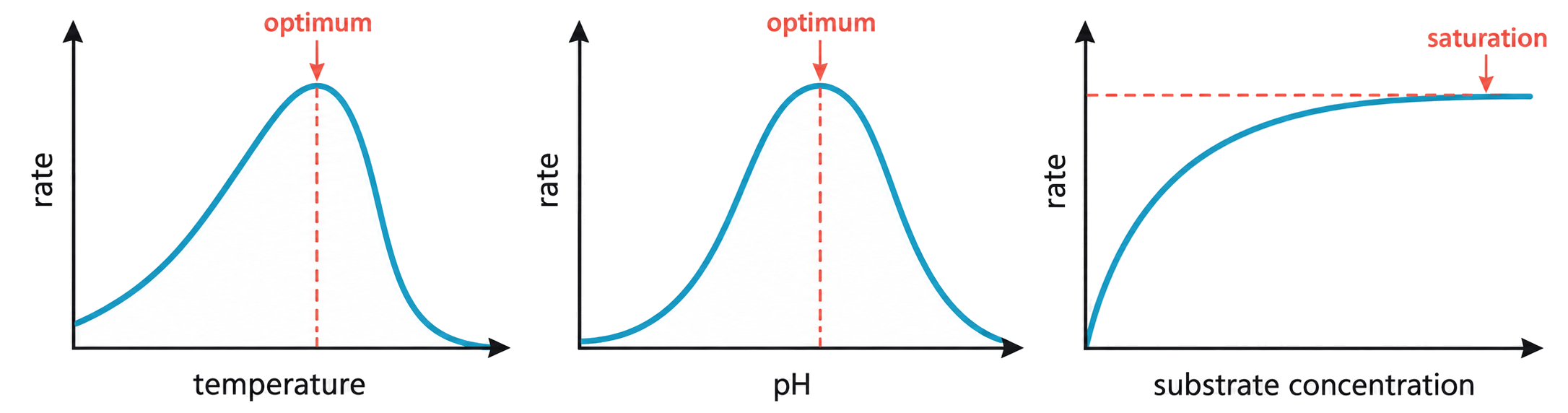
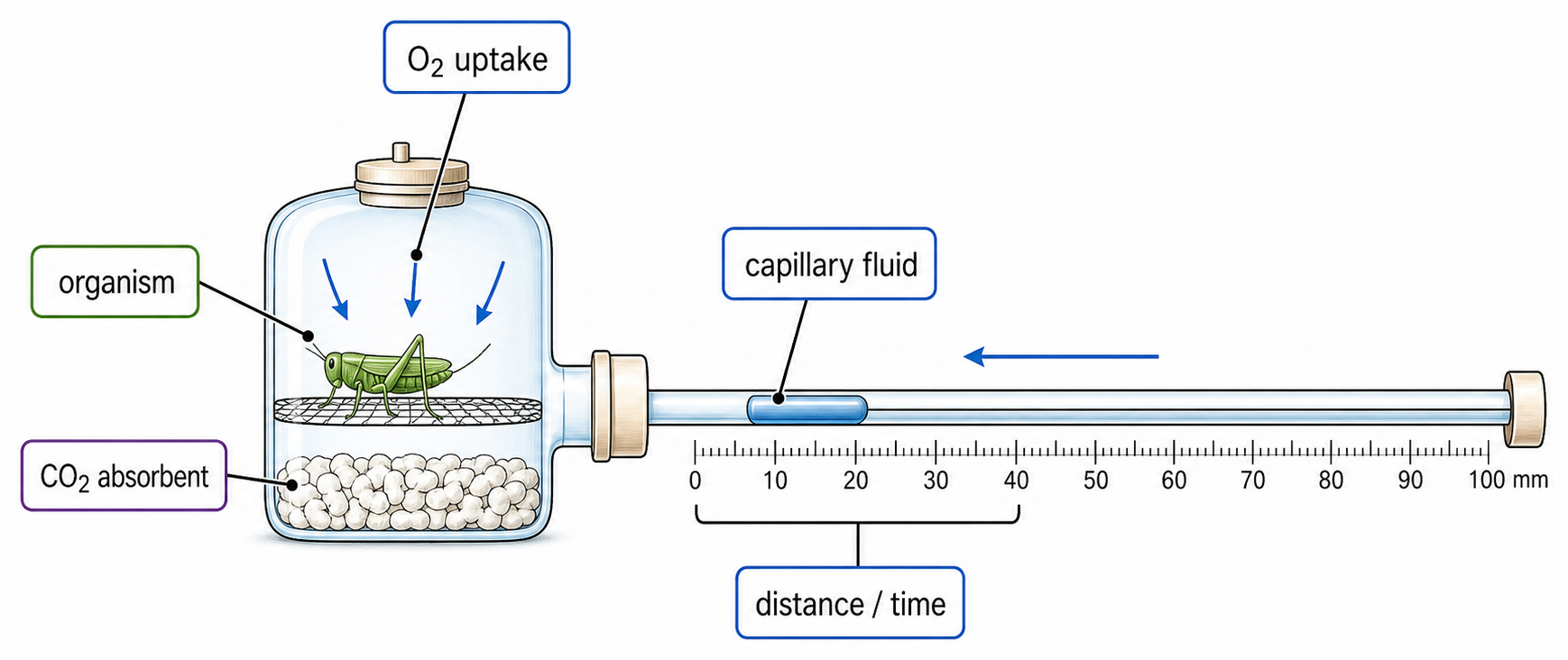
ATP is the immediate energy carrier; hydrolysis powers cell work and phosphorylation reloads ATP. Cell respiration transfers energy from carbon compounds into ATP in controlled steps. Aerobic respiration in humans uses oxygen and mitochondria for high ATP yield, while anaerobic respiration in cytoplasm produces lactate and low ATP. Rate evidence comes from oxygen uptake or carbon dioxide production per unit time. Examples include membrane pumps, macromolecule synthesis, and chromosome movement. Rate depends on metabolic demand, organism size, oxygen, substrate, temperature, and pH.
  • Use ATP as the link between respiration and life processes such as active transport, biosynthesis, movement, and homeostasis.
  • Compare aerobic and anaerobic respiration by oxygen use, location, ATP yield, and product in humans.
  • For rate questions, name the variable, measurement per unit time, and controlled variables.

Concept essentials

  • Cell respiration releases energy from organic compounds to form ATP.
  • Glycolysis is part of cellular respiration and occurs before mitochondrial stages.
  • Aerobic respiration uses oxygen and produces carbon dioxide, water and high ATP yield.
  • Oxidation involves electron loss, oxygen gain or hydrogen loss.