C1.2.14 (HL)—Proton gradient generation

Electron transport releases energy that pumps protons from the mitochondrial matrix to the intermembrane space, supporting usable cellular work and measurable biological activity.

Syllabus
First assessment 2025
Objective
C1.2.14
Level
HL

Exam analysis

Chance of appearing1%of analysed past papers
Latest appearanceNovember 2021
Most common paperPaper1
Typical marks1

Recent exam appearances

November 2021Paper1 ["HL"] · TZ030[ 1 ]C1.2.14 (HL)—Proton gradient generation
Practice this objective

Coverage 2021–2021 · Updated 15 Jul 2026

Build The Proton Gradient

HL only
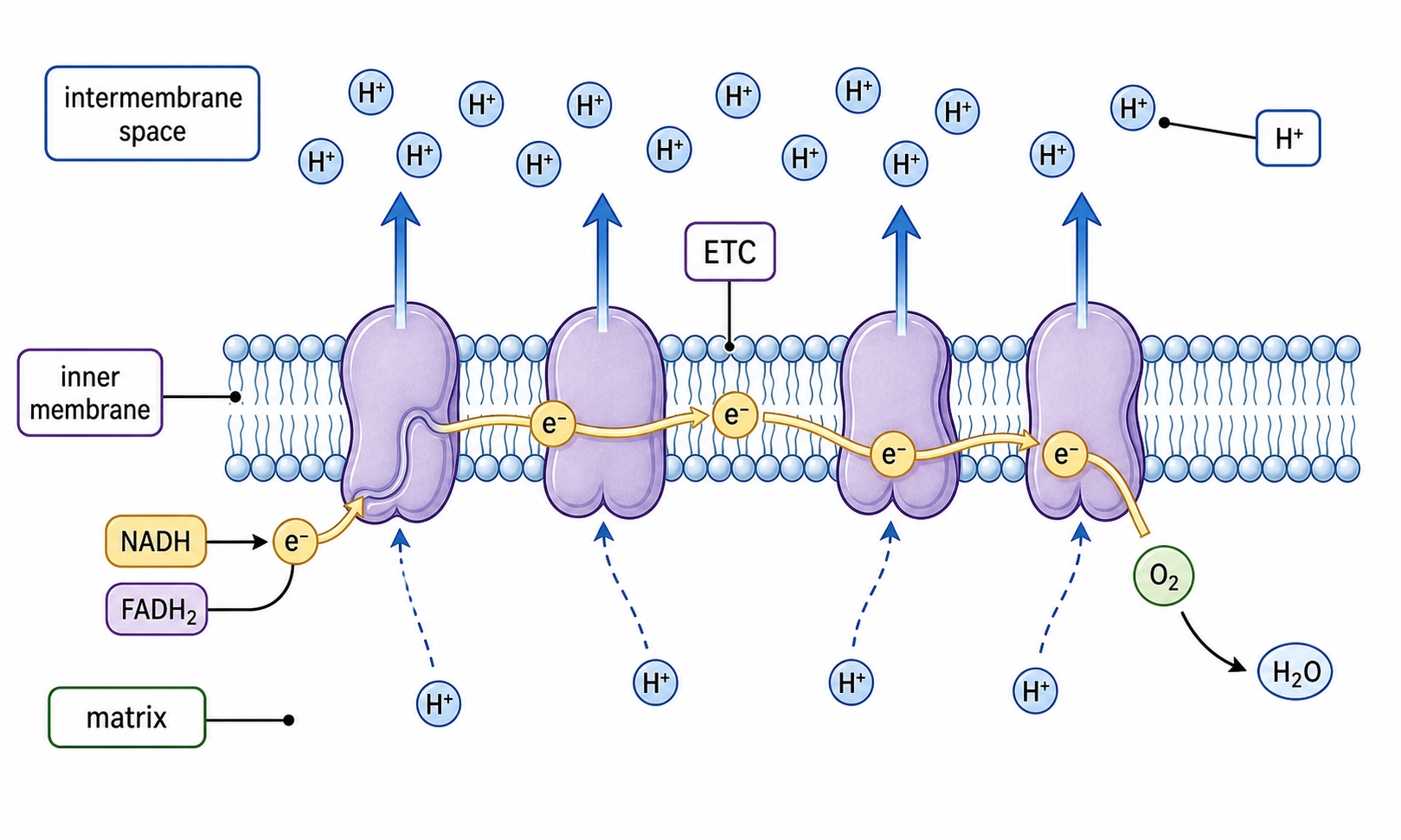
Mitochondrial inner membrane electron transport chain pumping protons into intermembrane space.

Reduced NAD from glycolysis, the link reaction and the Krebs cycle transfers a pair of electrons to the first carrier of the electron transport chain in the inner mitochondrial membrane.

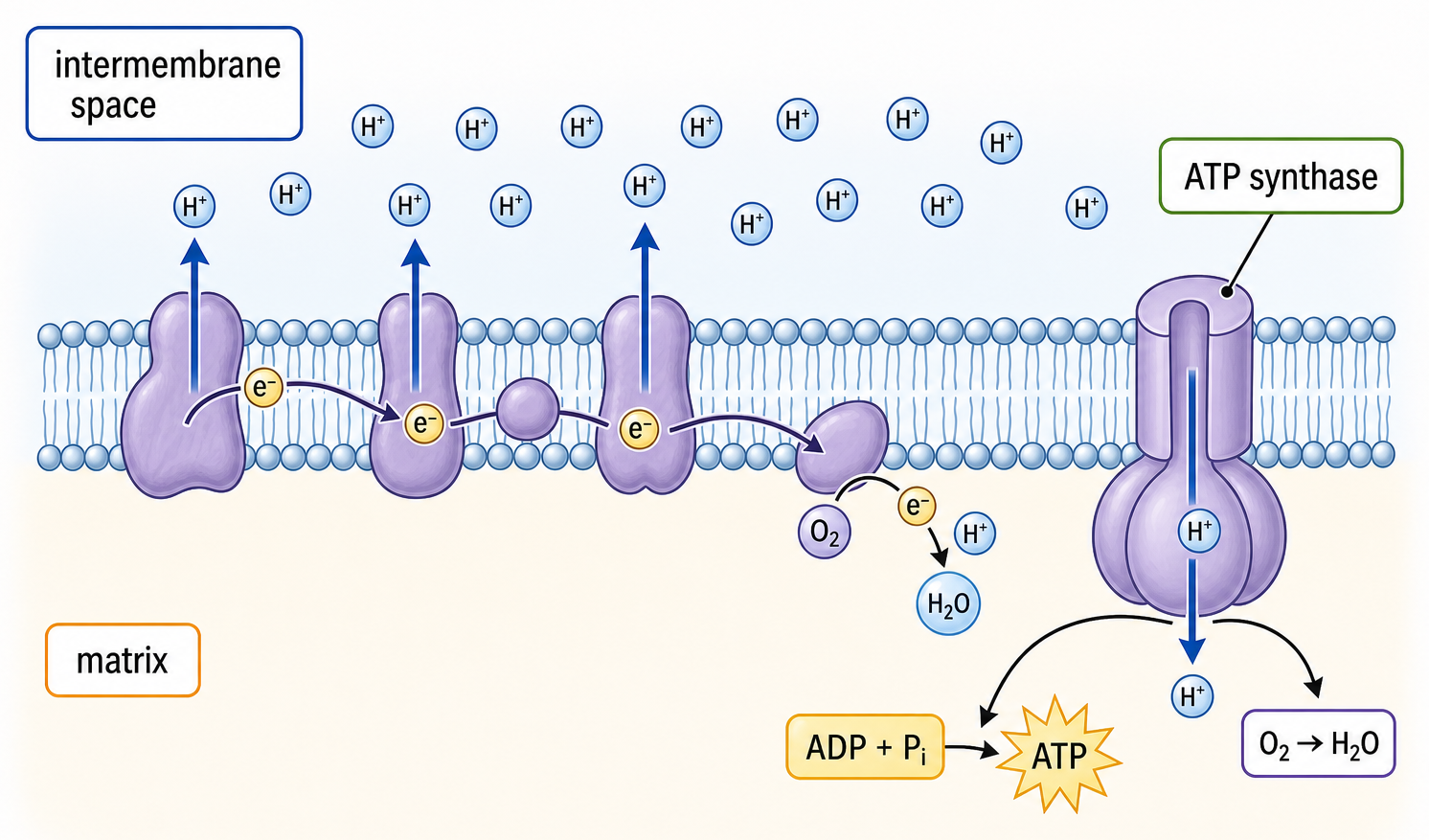
As electrons pass between carriers, reduced NAD is converted back to NAD and released energy drives proton pumping from the matrix into the intermembrane space. Reduced FAD can also contribute electrons downstream.

The inner membrane's low proton permeability maintains both a concentration difference and electrical potential: an electrochemical proton gradient. Protein-complex names are not required.

Electron donation reoxidizes NAD so earlier respiration stages can continue, while proton pumping stores transferred energy in a gradient ready for ATP synthase.

The electron transport chain builds the gradient; it does not phosphorylate ADP directly. Pumping is matrix → intermembrane space, and chemiosmosis is the return flow.

Proton gradient generation

HL only

Assessment in practice

1 marks
How it is assessed

This objective is assessed through multiple choice.

What earns marks

Build the answer around this relationship: Protons are pumped from the matrix to the intermembrane space.

Representative question

Question 1

[Maximum number: 1]

Where are protons pumped, to allow chemiosmosis in aerobic respiration to occur?

A

From outside the mitochondrion through the double membranes

B

From carrier to carrier in the inner mitochondrial membrane

C

From the matrix of the mitochondrion to the space between the membranes

D

From the space between the membranes to the cytoplasm outside the mitochondrion

Trace The Respiration Pathway

HL only

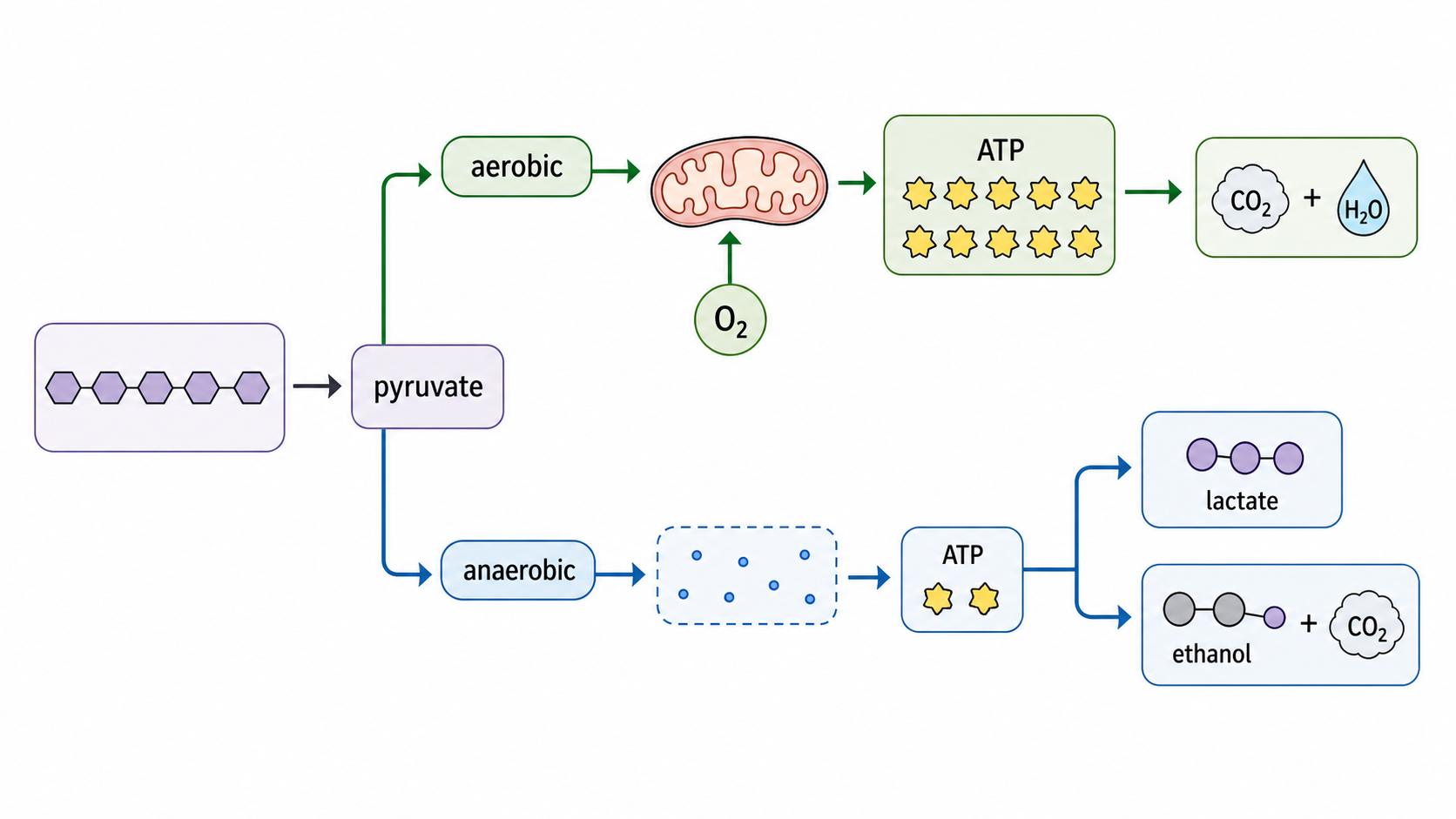
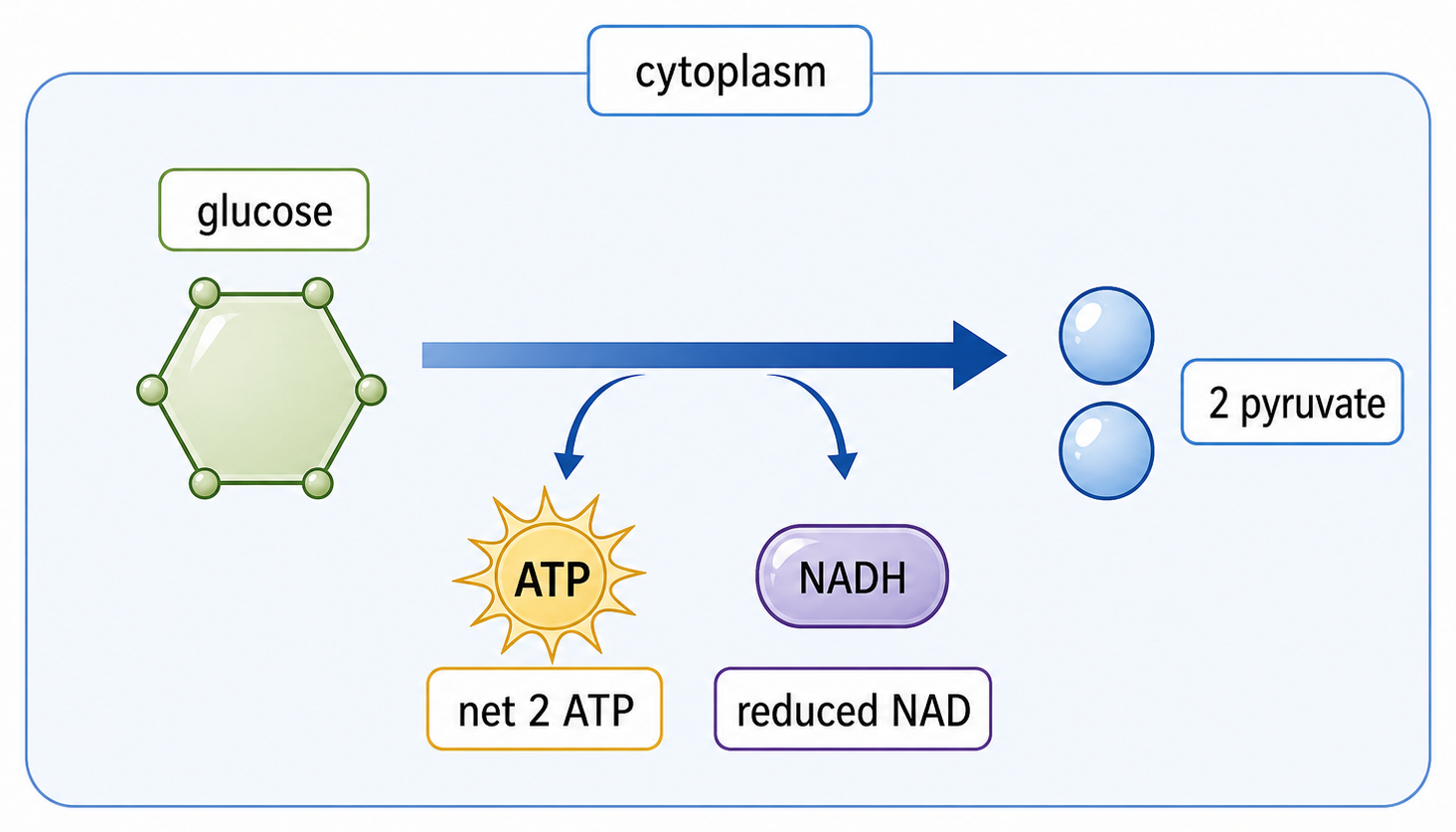
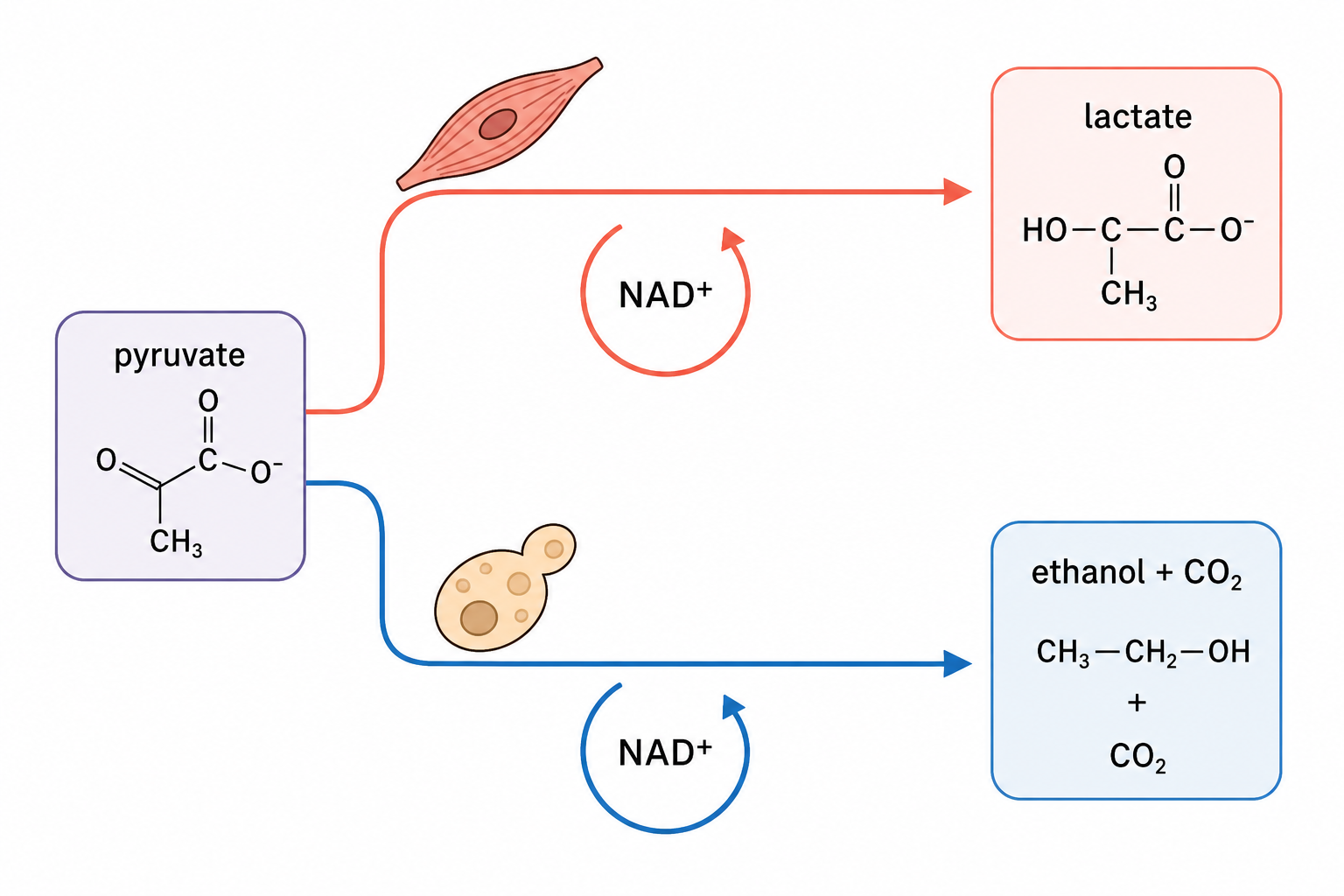
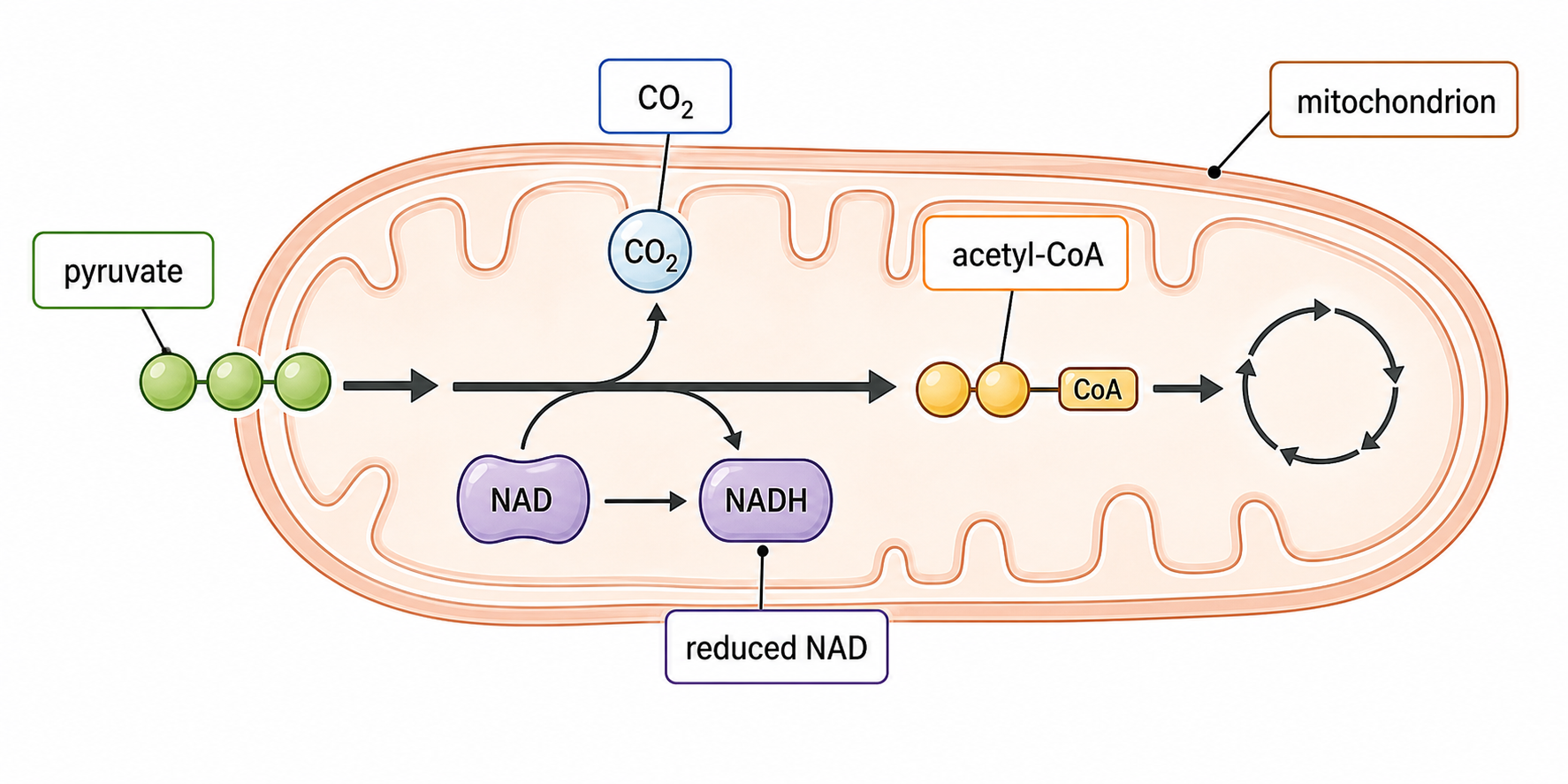
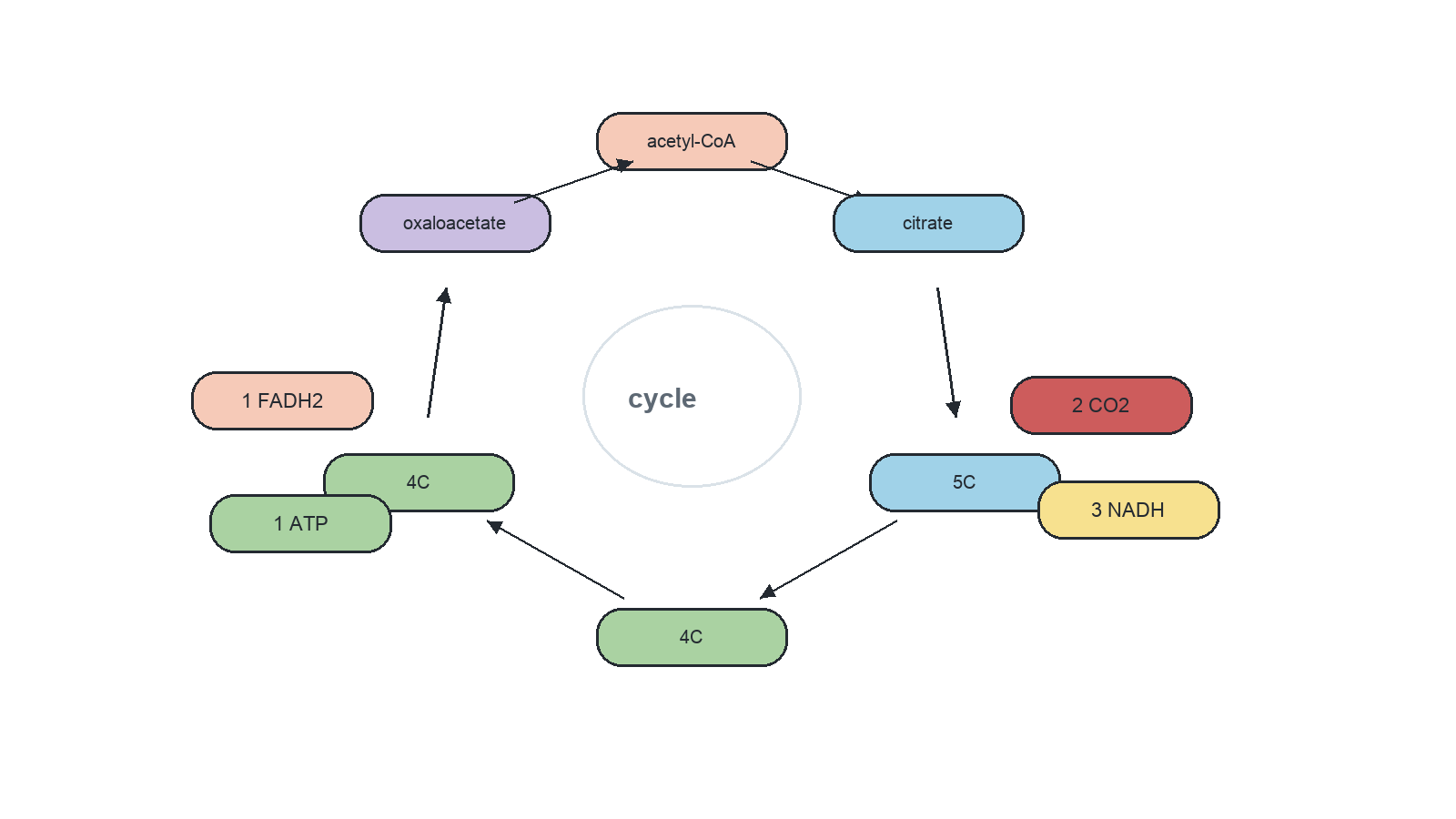
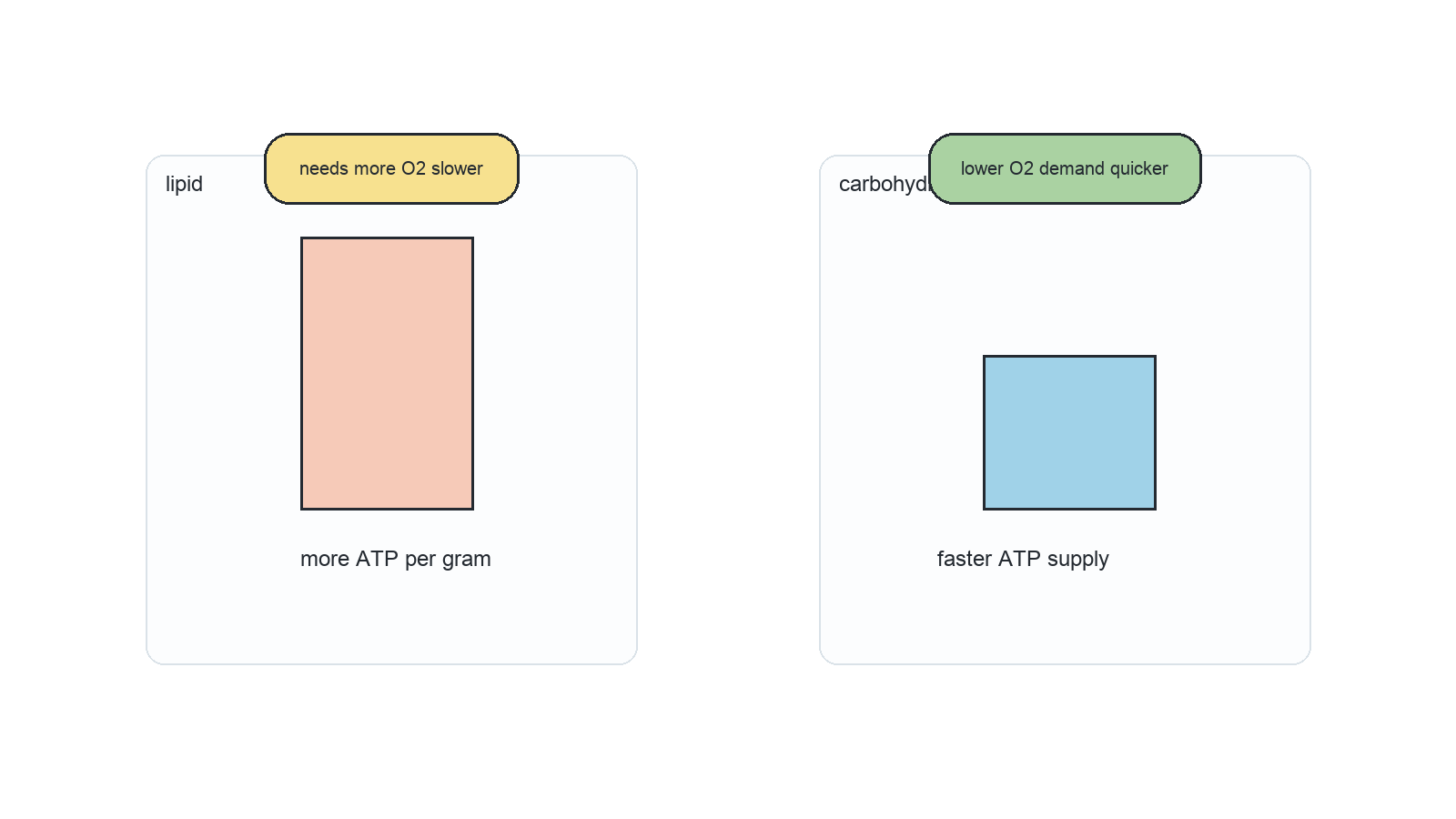
In HL respiration, carbon and hydrogen are followed separately. Glycolysis turns glucose into pyruvate, net ATP, and reduced NAD. Without oxygen, pyruvate becomes lactate in humans or ethanol and carbon dioxide in yeast to regenerate NAD. With oxygen, pyruvate enters the link reaction, forming acetyl-CoA, carbon dioxide, and reduced NAD. The Krebs cycle releases more carbon dioxide and reduced coenzymes. Electron transport uses reduced NAD/FAD to pump protons, chemiosmosis through ATP synthase makes ATP, and oxygen accepts electrons and protons to form water. Substrate comparisons depend on ATP yield, oxygen demand, water production, and speed. Regenerated NAD allows glycolysis to continue. Fermentation regenerates NAD for glycolysis and is used in baking and brewing. Electron transfers release energy while coenzymes are reoxidized.
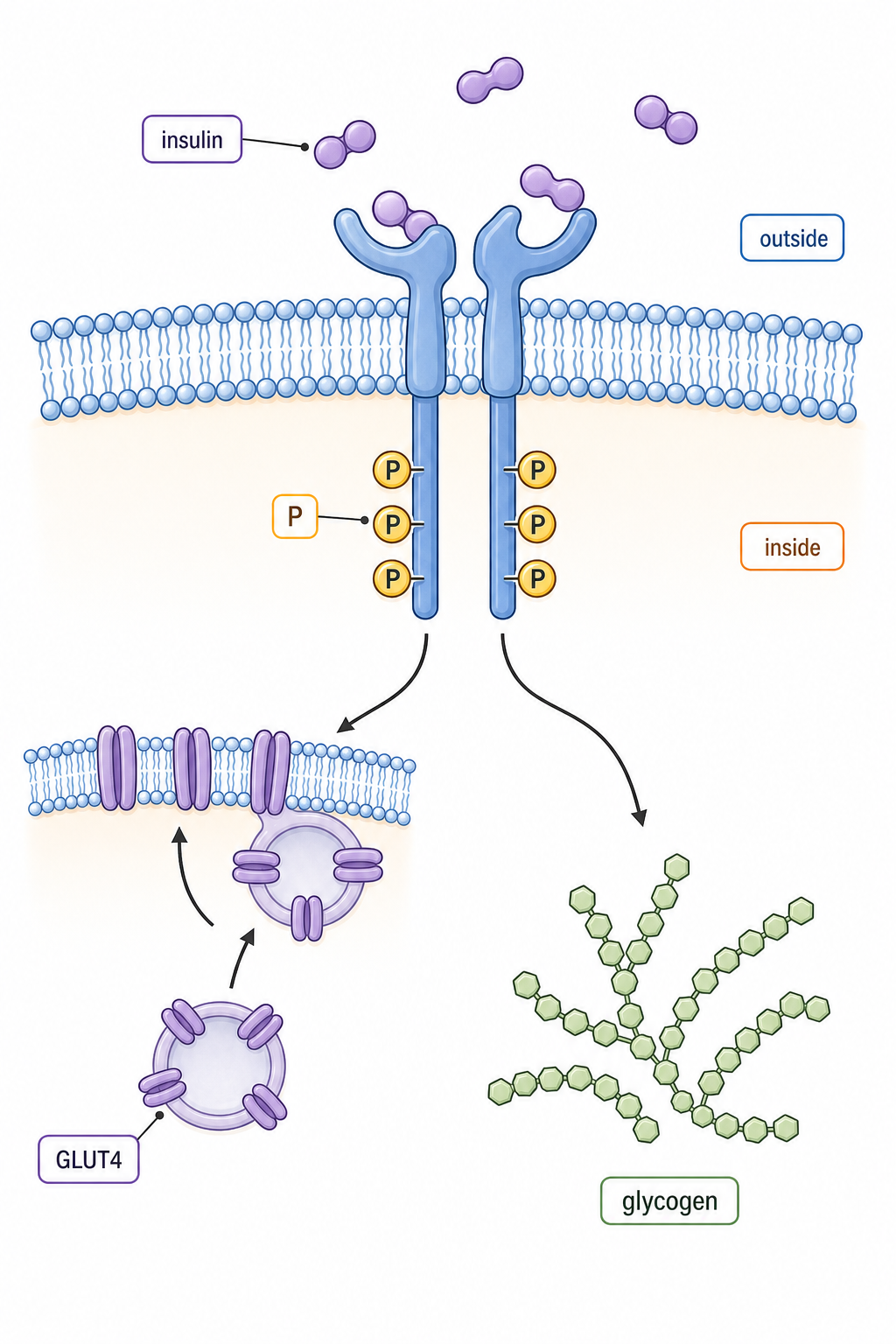
  • Trace carbon: glucose -> pyruvate -> acetyl-CoA -> carbon dioxide, or anaerobic products.
  • Trace hydrogen/electrons: NAD/FAD become reduced and feed the electron transport chain.
  • Trace protons: electron transport builds the gradient; ATP synthase uses it for chemiosmosis.
  • Compare substrates by yield, oxygen demand, metabolic water, and speed.

Concept essentials

  • Protons are pumped from the matrix to the intermembrane space.
  • The inner mitochondrial membrane maintains the proton gradient.
  • Electron transport provides the energy for proton pumping.
  • The gradient stores energy for ATP synthesis.